Artwork
Portrait of a Man and his Secretary
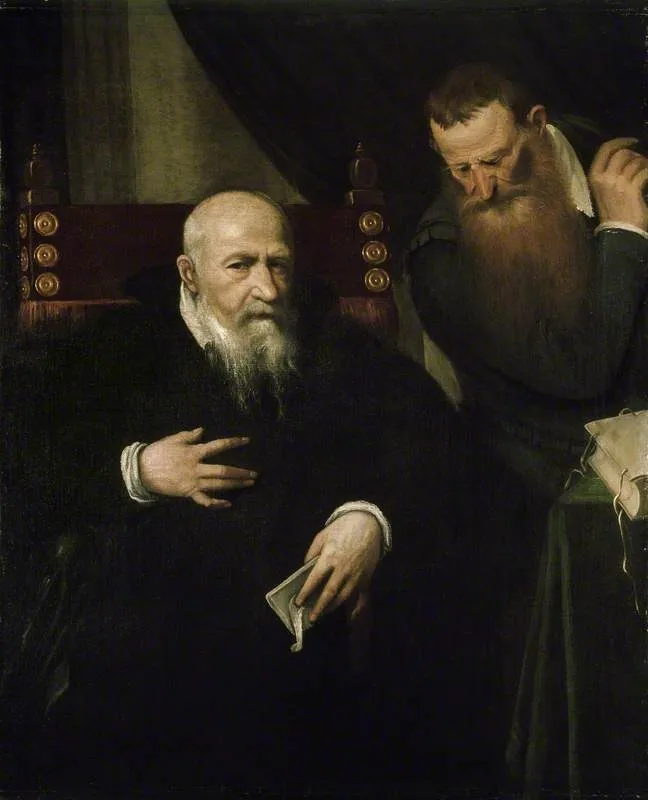
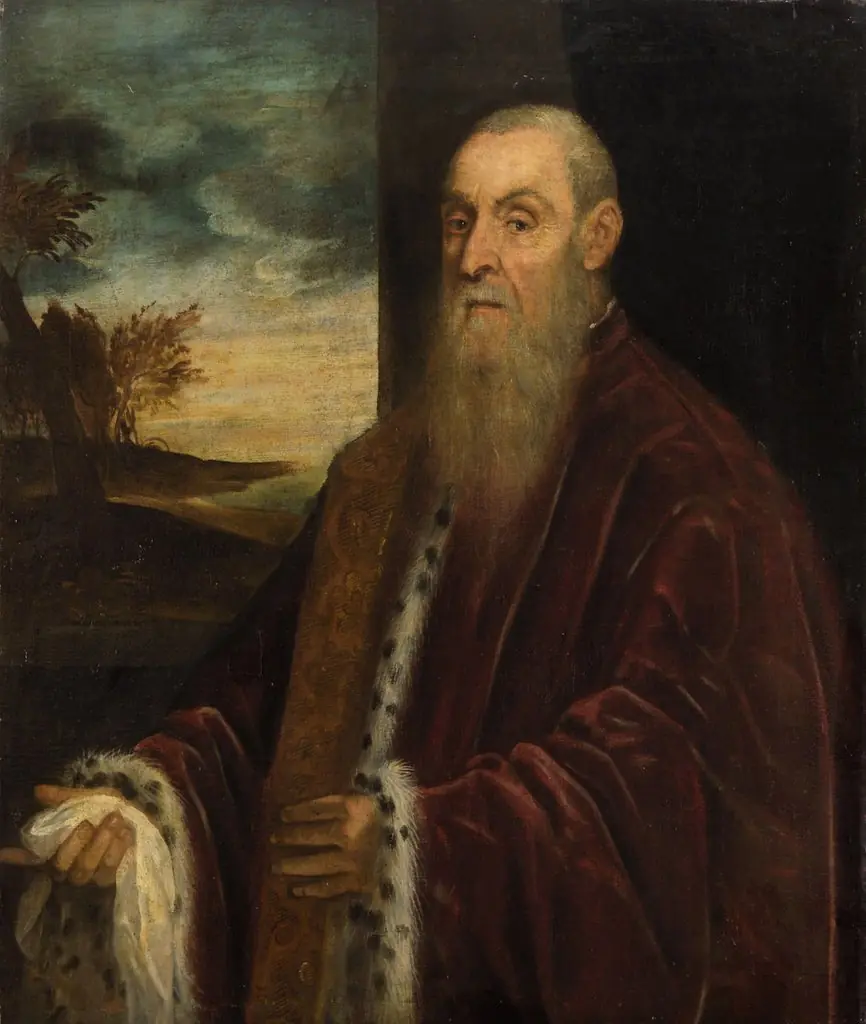
Portrait of a Man and his Secretary is an oil painting by the Mannerist artist Unknown. It dates from 1565 and is held in the collection of the Ashmolean Museum. This canvas painting depicts two men in a dimly lit setting.
About this work
Subject & Meaning
The work belongs to the School of Verona and was created around 1565, employing oil on canvas to render fine detail in fabric, furniture, and parchment.
The painting shows a gentleman seated beside a younger attendant, one hand resting on a desk while the other holds a sheet of paper, suggesting a professional relationship between master and employee. The composition emphasizes the exchange of written material and the seated posture of authority, reinforcing notions of administrative duty and social hierarchy in late‑16th‑century Venetian portraiture. The work belongs to the School of Verona and was created around 1565, employing oil on canvas to render fine detail in fabric, furniture, and parchment.
Its presence in the Cook collection at the Ashmolean Museum underscores its scholarly significance within the study of Renaissance portraiture and its role in documenting elite domestic economies.
Technique & Style
Portrait of a Man and his Secretary is executed in oil on canvas, a standard support for mid-sixteenth-century Venetian portraiture. The painting measures 128.5 cm in height by 103 cm in width, a vertical format suited to a half-length or three-quarter-length composition of two figures. Dated to 1565, the work belongs to the School of Verona and the Venetian School, whose painters typically favored oil paint on canvas for its capacity to render rich color and layered glazes.
The canvas support and oil medium are documented across the available records, which consistently identify the technique as oil on canvas with no mention of alternative grounds or mixed media.
History & Provenance
The painting, titled Portrait of a Man and his Secretary, was created in 1565 using oil on canvas. While attributed variously to the School of Verona or Venetian School, specific creators have included Jacopo Bassano, Orlando Flacco, Paolo Farinati, and Domenico Riccio. The work measures 128.5 cm in height and 103 cm in width.
Its ownership history traces through the Cook collection, passing from Herbert Cook to Sir Francis Cook, 4th Baronet, and later to Bridget Brenda Lynch before entering the Brod Gallery. The painting was subsequently acquired by the Ashmolean Museum in 1975, where it is currently held at Doughty House under the accession number WA1975.155.
Portrait of a Man and his Secretary is held in the collection of the Ashmolean Museum, where it was previously located at Doughty House. The institution acquired the painting in 1975 through purchase, assigning it the accession number WA1975.155. Prior to entering the museum's holdings, the work belonged to the Cook collection, passing through the ownership of Herbert Cook and Sir Francis Cook, 4th Baronet, before being held by Bridget Brenda Lynch and the Brod Gallery.
Overview
This canvas painting depicts two men in a dimly lit setting. It is currently housed at the Ashmolean Museum.
Artist & collection









- Self-portrait with Jacopo Strada (1507-1588)
 Paul III with a prelate
 The Painters Matthijs and Paul Bril in Rome
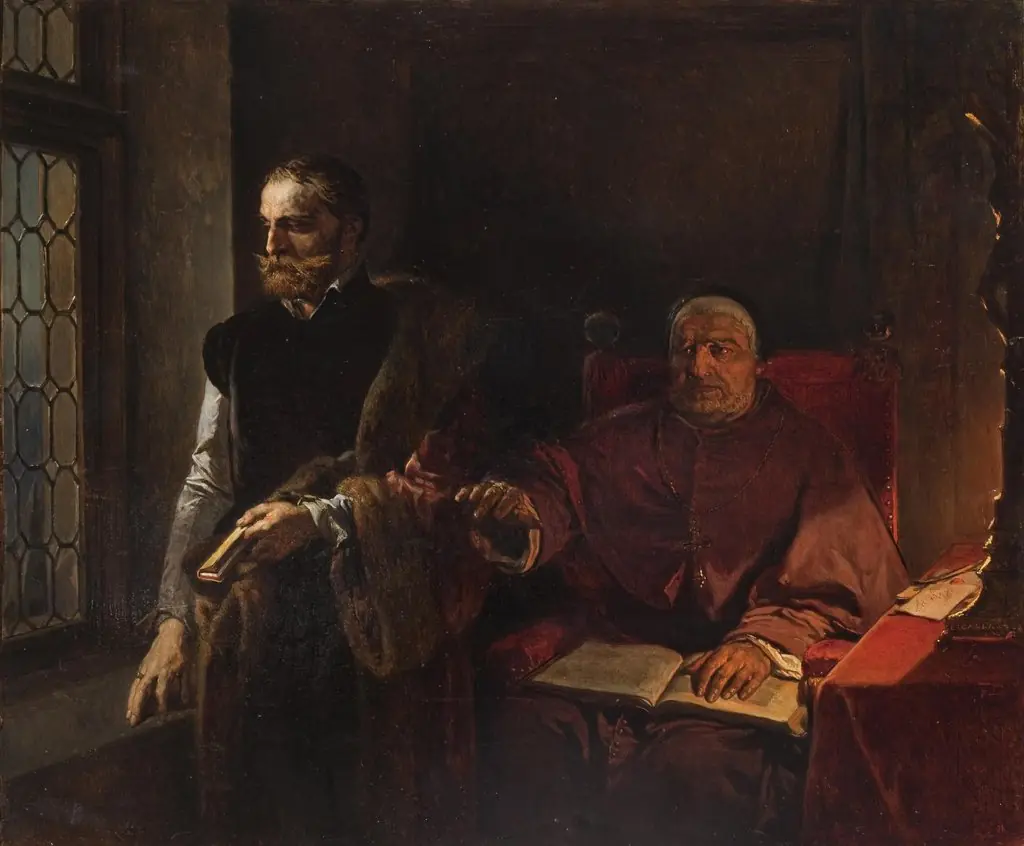 The Last Moments of Count Egmont (Count Egmont Before His Death)
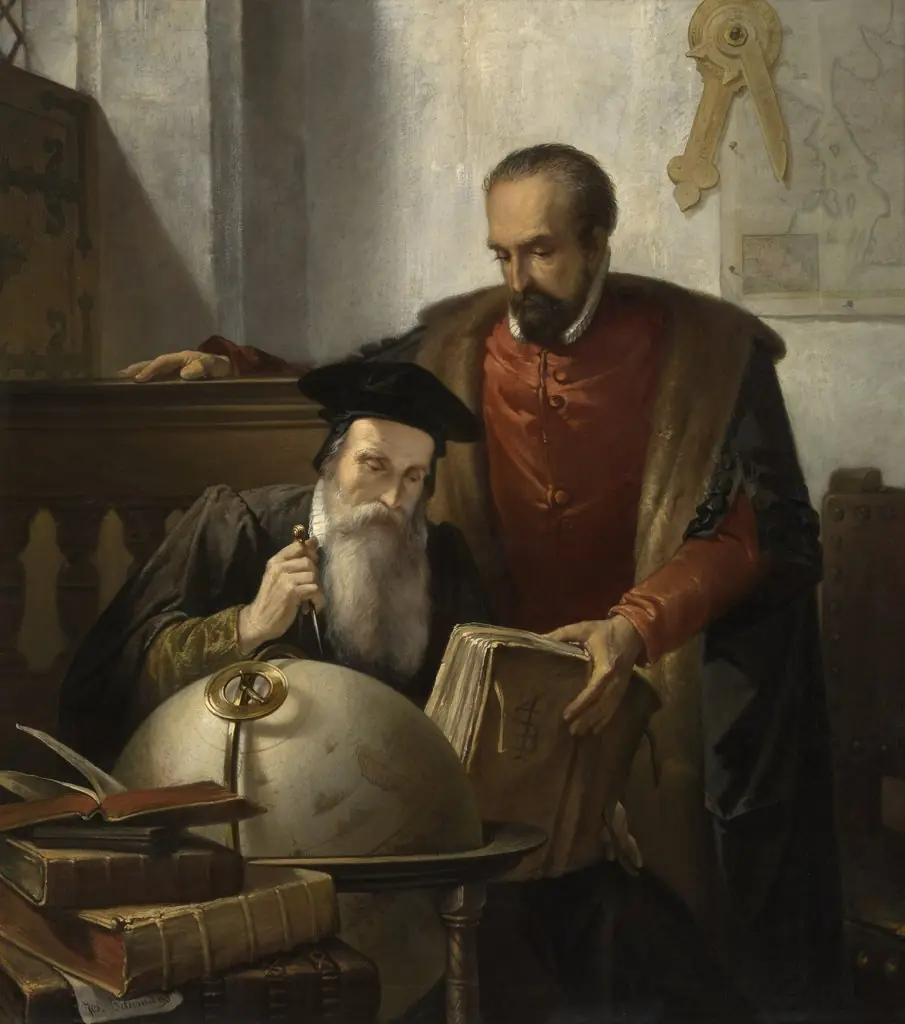 Mercator and Ortelius
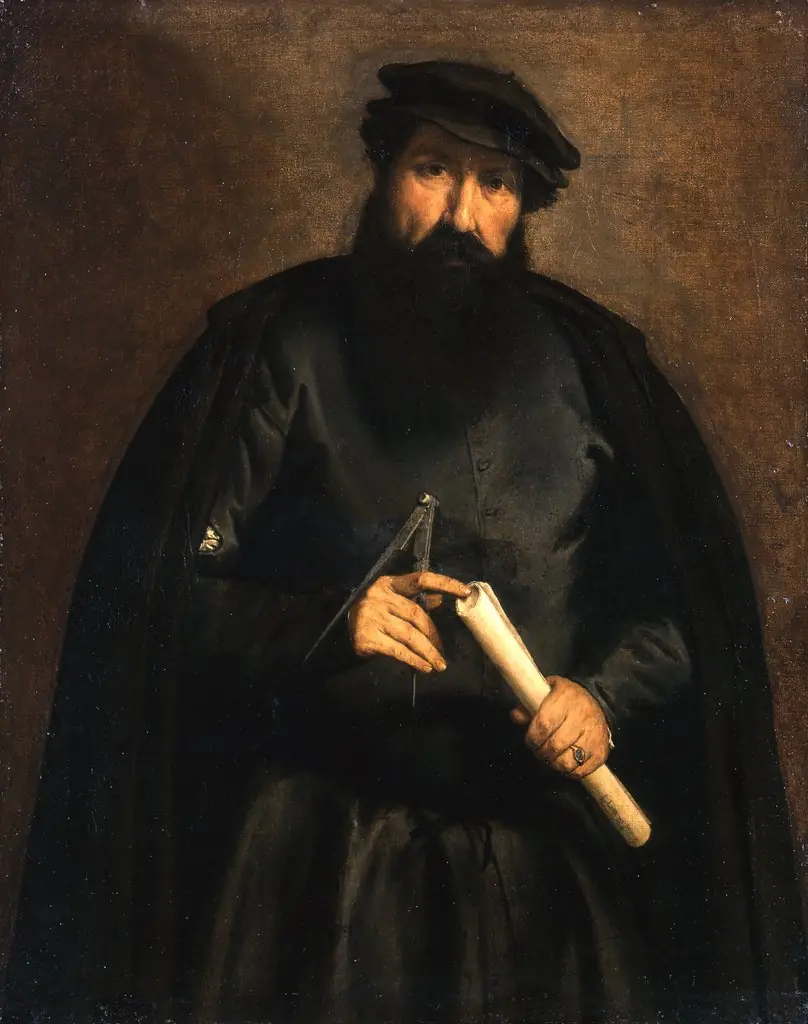 Portrait of an man with circle and paper roll
 Portrait of a Venetian Senator
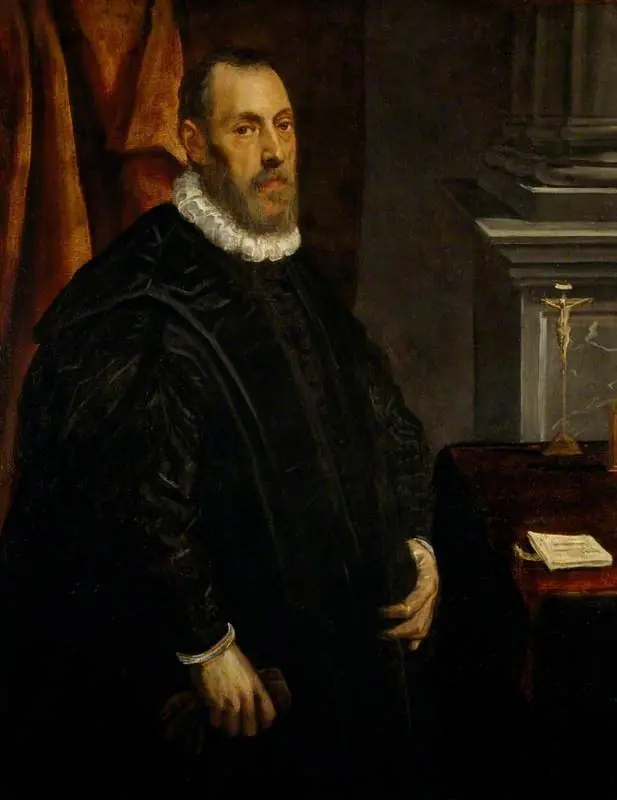 Portrait of a Gentleman
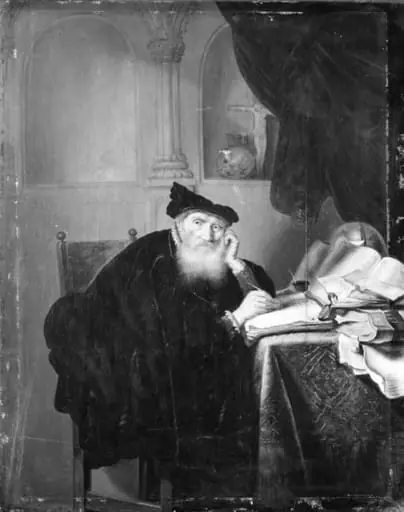 An Old Man at his Desk
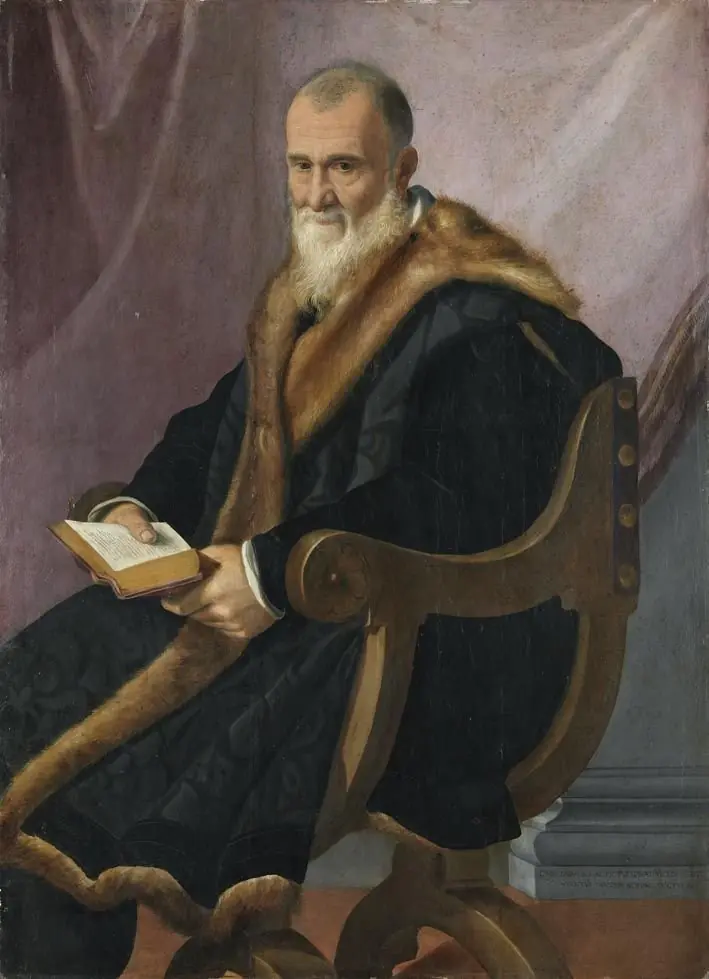 Portrait of the Florentine humanist Pietro Vettori
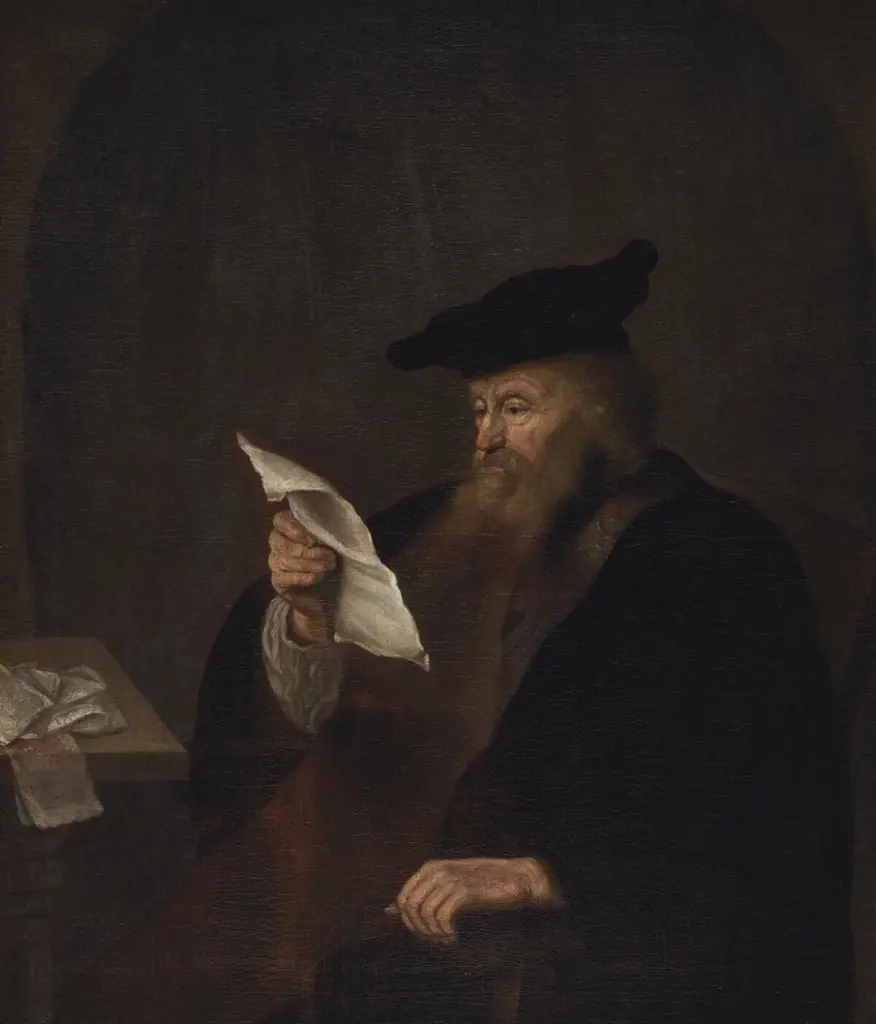 Scholar reading in study
 Niccolò da Ponte