Artwork
A Ballplayer and His Page
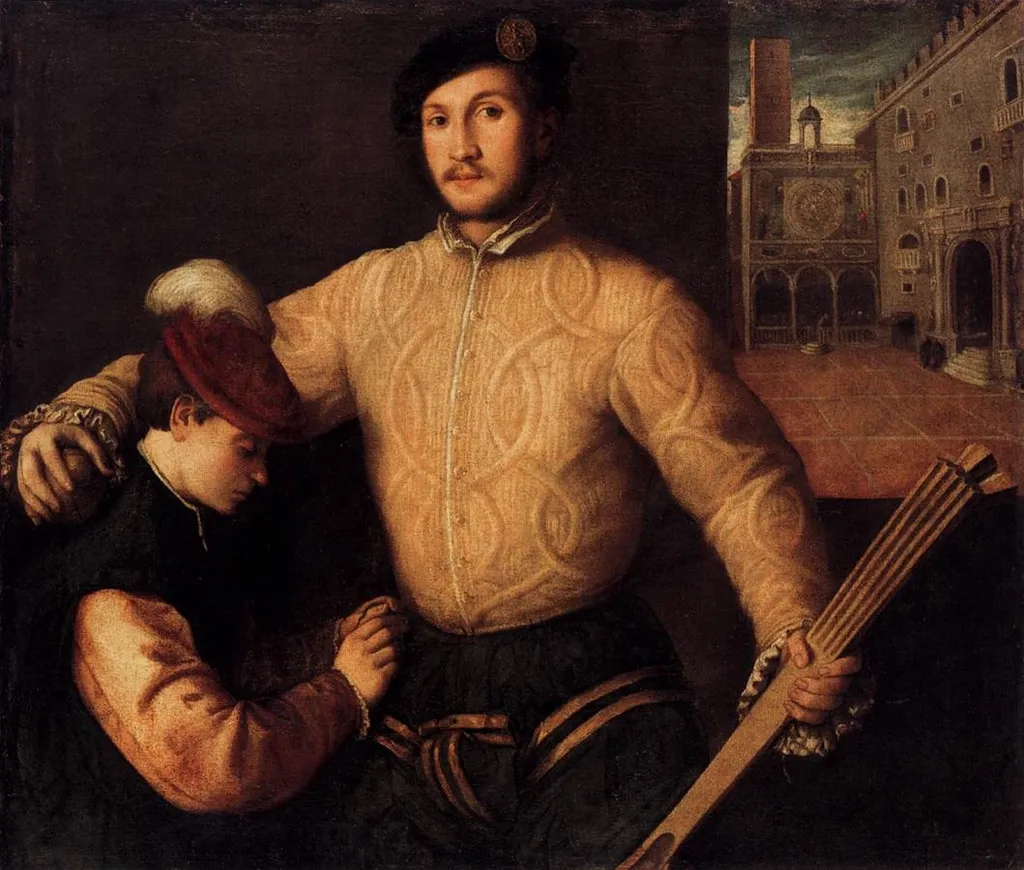
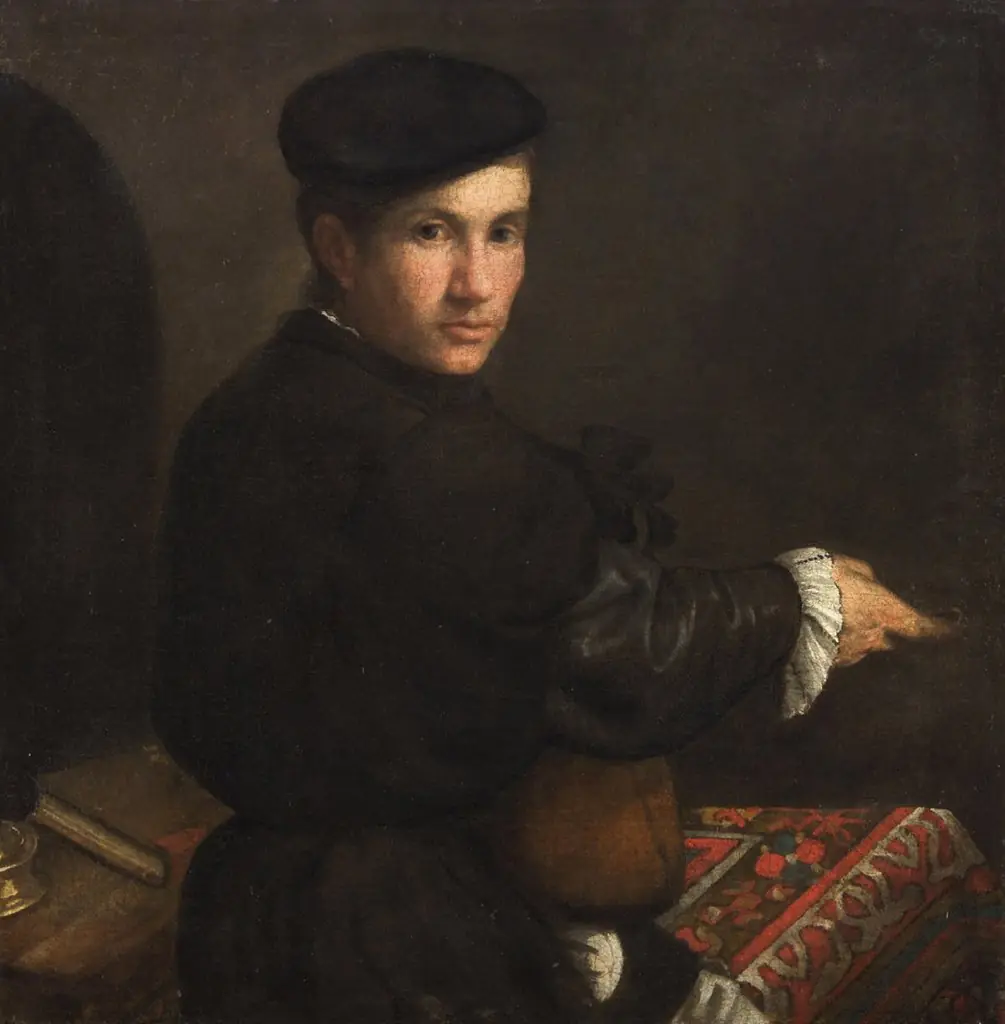
A Ballplayer and His Page is an oil painting by the Mannerist artist Francesco Beccaruzzi. It dates from 1550 and is held in the collection of the Gemäldegalerie Berlin.
About this work
Overview
Painted around 1550 by Francesco Beccaruzzi, this oil-on-panel work captures a moment of leisure among Venetian nobility.
Painted around 1550 by Francesco Beccaruzzi, this oil-on-panel work captures a moment of leisure among Venetian nobility. Beccaruzzi, active in the Treviso region, was influenced by regional masters such as Il Pordenone and Titian. The painting’s intimate scale and quiet composition reflect the refined tastes of mid-16th-century northern Italy, where secular scenes of daily life gained subtle prominence alongside religious subjects.
Subject & Meaning
The scene portrays a young nobleman engaged in a ball game, likely a form of early tennis or pallone, with a page standing beside him. The page, dressed in a lighter garment with decorative detailing, holds a long object, possibly a racket or baton, suggesting his role as attendant or equipment bearer. The interaction implies hierarchy and service, common in aristocratic households, while the dark background isolates the figures, emphasizing their social status and the ritualized nature of their activity.
Technique & Style
Beccaruzzi employed oil on panel with careful attention to texture and tone, using muted colors to ground the figures in a somber atmosphere. The figures are rendered with soft modeling and restrained gestures, avoiding dramatic expression in favor of quiet realism. The dark, indistinct background and architectural element behind them suggest spatial depth without overt perspective, a characteristic of Mannerist tendencies that favored ambiguity over classical harmony.
History & Provenance
The painting entered the collection of the Gemäldegalerie in Berlin, where it remains today. While specific early ownership records are sparse, its presence in a major European museum by the 19th century indicates it was recognized as a representative work of Venetian regional painting. Its survival through centuries reflects its modest but enduring appeal among collectors of Renaissance secular imagery.
Context
In mid-16th-century northern Italy, depictions of aristocratic leisure were uncommon in panel painting, which often favored religious or mythological themes. Beccaruzzi’s work aligns with a quiet trend toward documenting everyday aristocratic life, influenced by Venetian portraiture and the humanist interest in individual character. The ball game itself was a pastime among nobility, symbolizing both physical grace and social refinement.
Legacy
Though not widely known outside scholarly circles, the painting contributes to understanding the breadth of Mannerist subject matter beyond grand narratives. It exemplifies how regional artists in the Veneto adapted broader stylistic currents to depict intimate, contemporary moments. Its preservation in Berlin allows ongoing study of how secular life was visually encoded in Renaissance Italy beyond the major urban centers.
Artist & collection
Artist
Francesco Beccaruzzi (c. 1492–1562) was an Italian painter of the Renaissance era, active near his hometown of Conegliano and in the neighborhood of Treviso. He was influenced by both Il Pordenone and later Titian. He…

- Alessandro Alberti with a Page
 Portrait of Lorenzo Cybo
 Portrait of Lorenzo Cybo
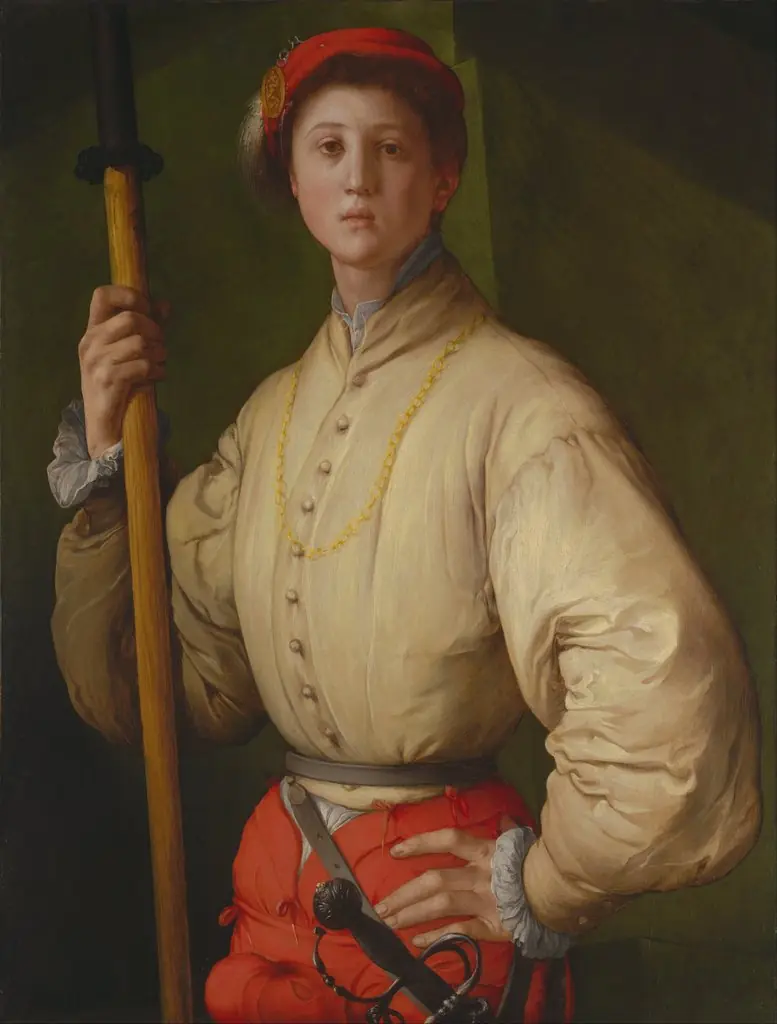 Portrait of a Halberdier, Francesco Guardi?
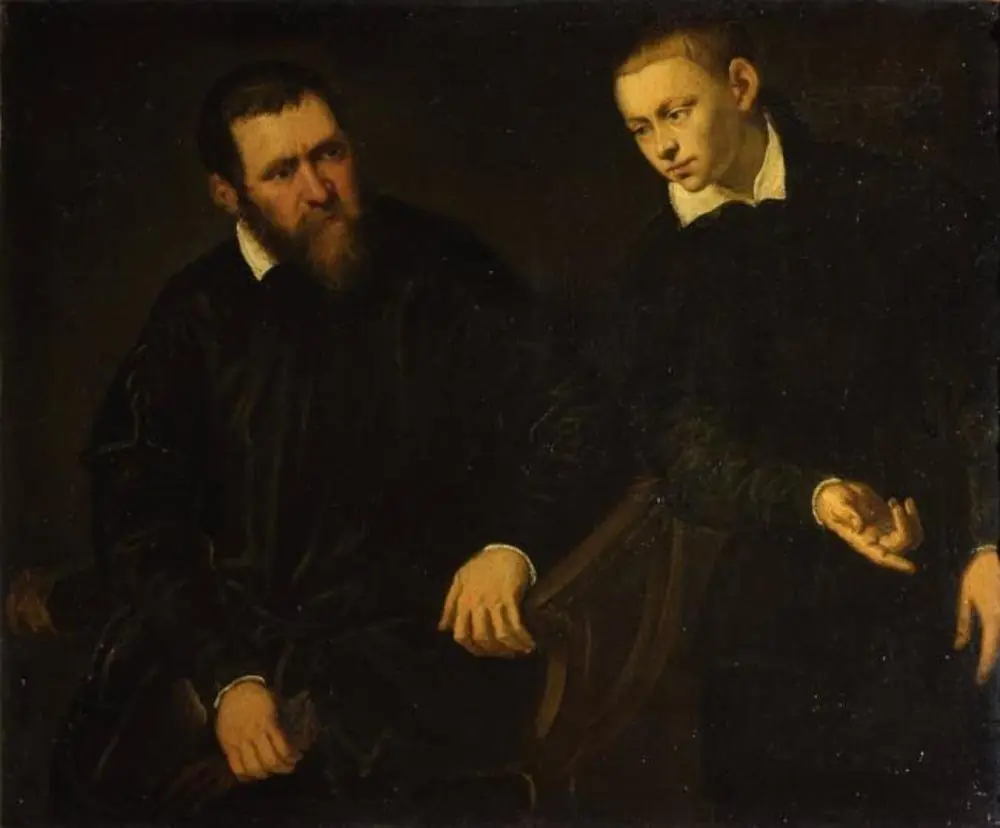 Self-portrait with Jacopo Strada (1507-1588)
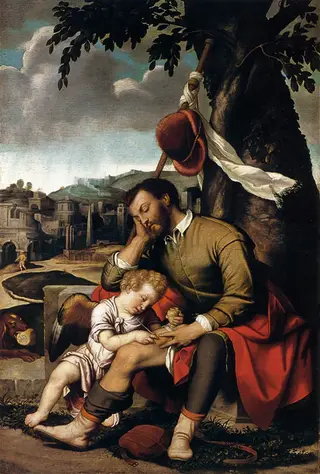 Saint Roch Cured by the Angel
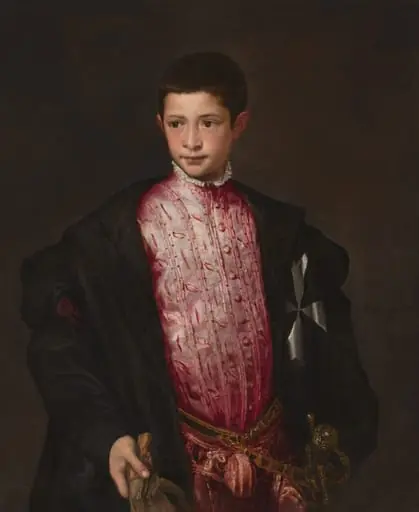 Ranuccio Farnese
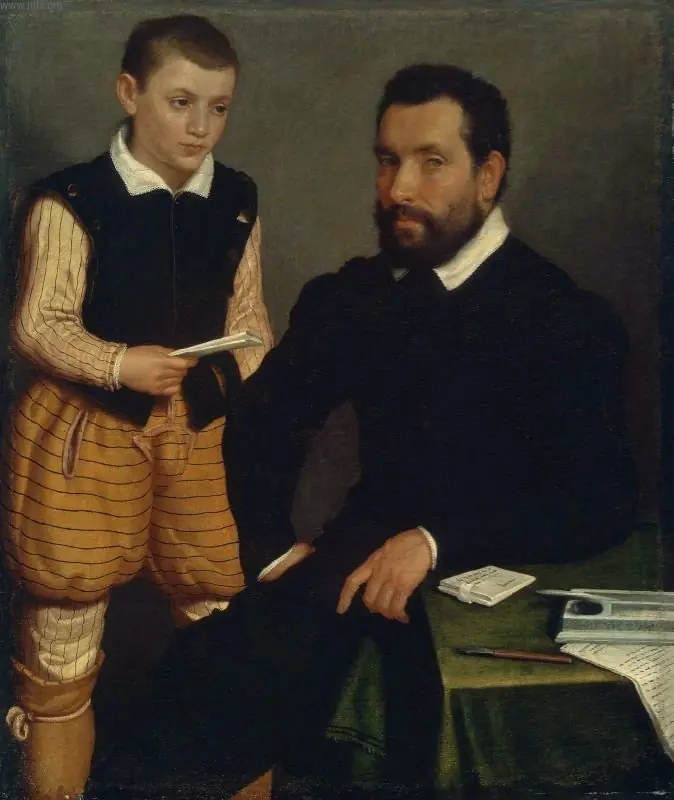 Portrait of a Man and a Boy (Count Alborghetti & Son)
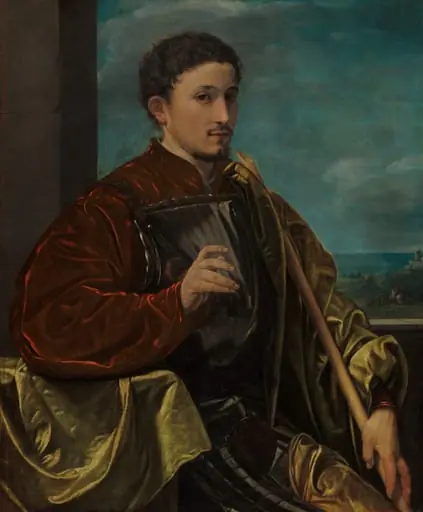 Portrait of a Knight
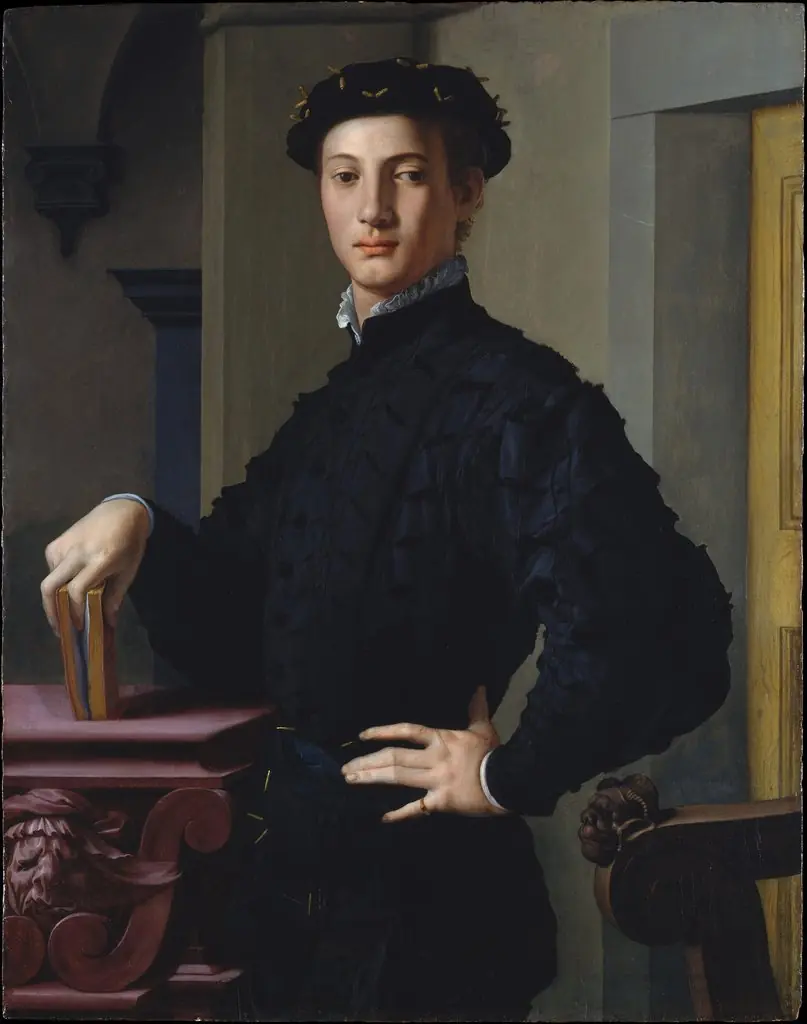 Portrait of a Young Man with a Book
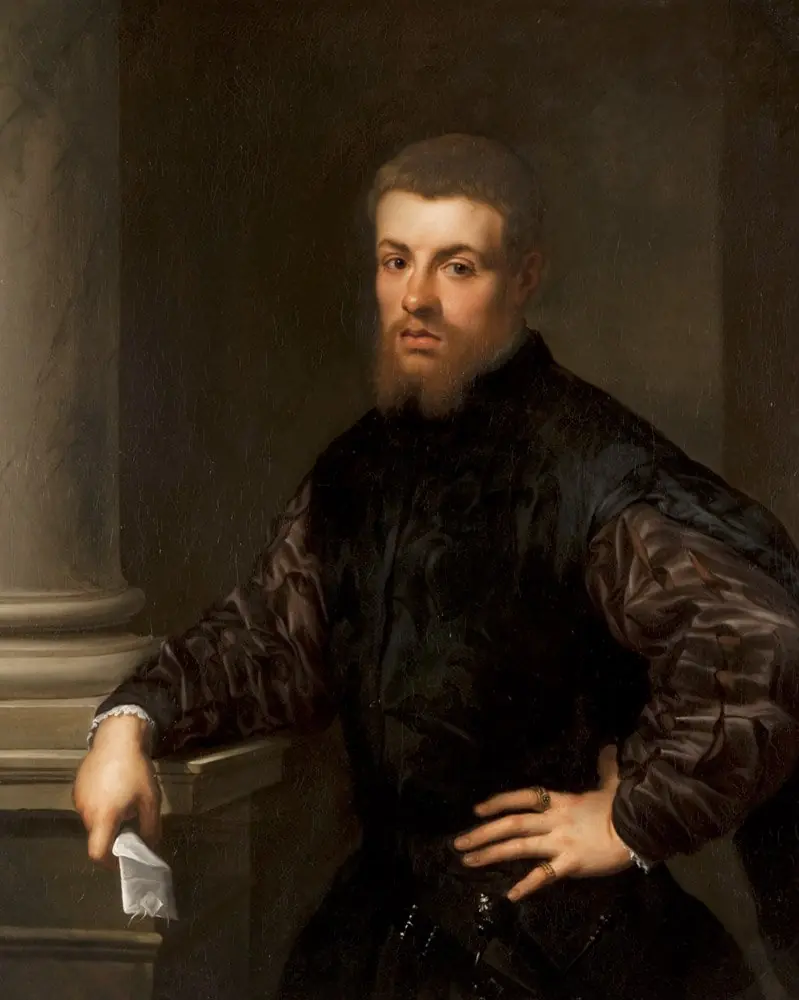 Portrait of a Young Man (possibly Melchior von Brauweiler, 1515–1569)
 Bildnis eines Jünglings mit Mandoline