Artwork
Leticia Morison, Viscountess Falkland
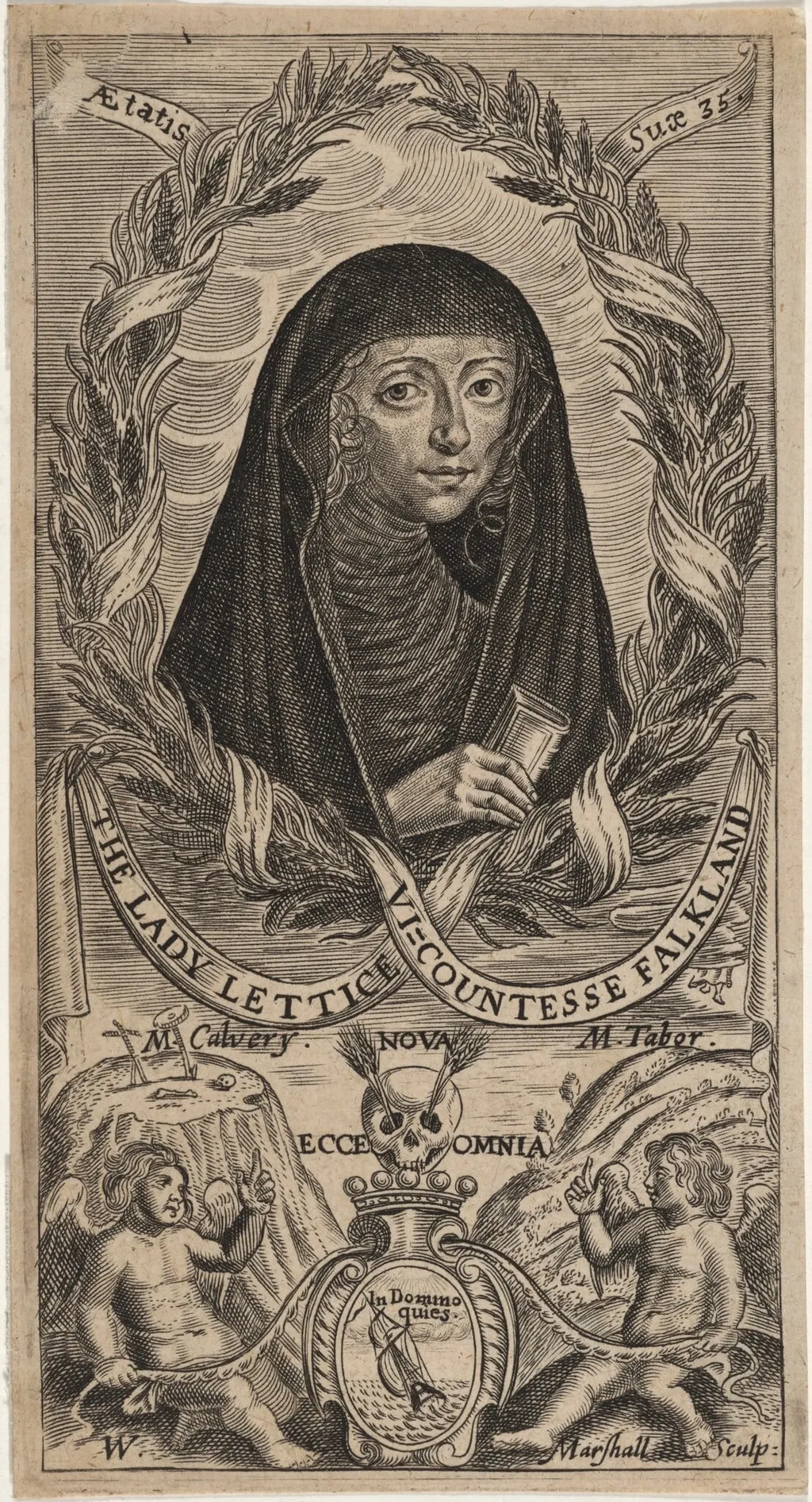
Leticia Morison, Viscountess Falkland is an ink print by the Baroque artist William Marshall. It dates from 1649 and is held in the collection of the National Gallery of Art.
About this work
Overview
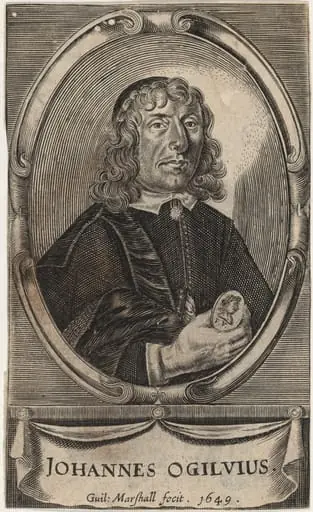
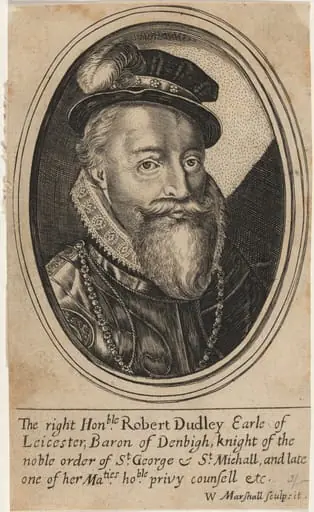
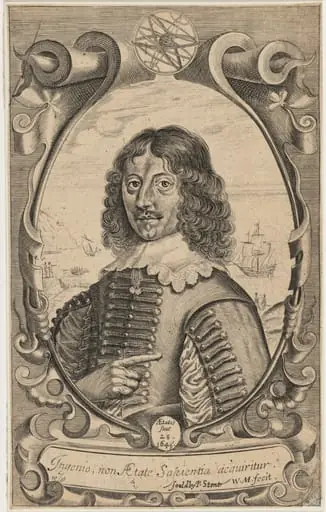
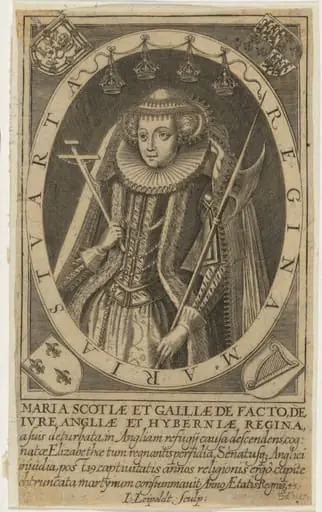
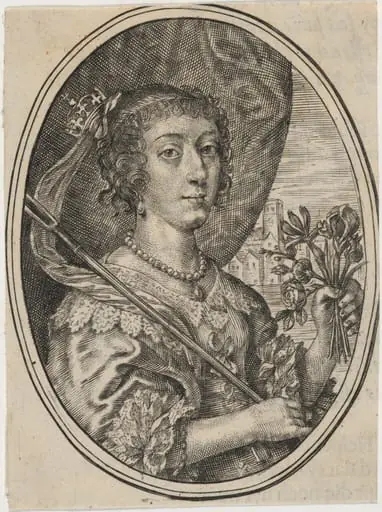
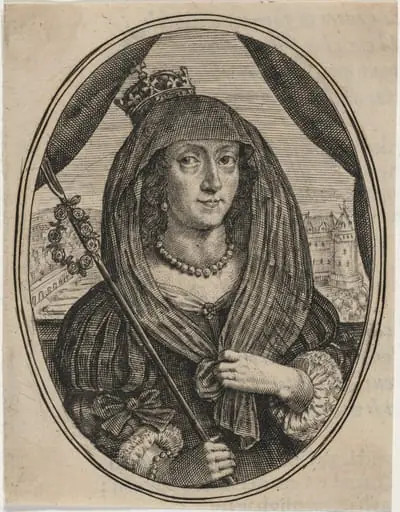
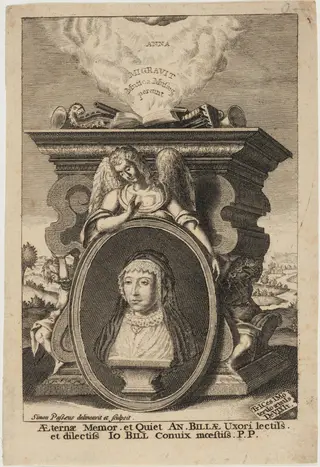
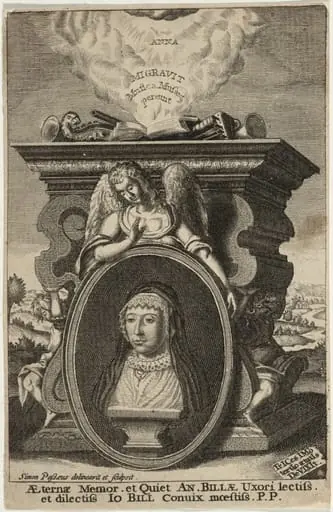
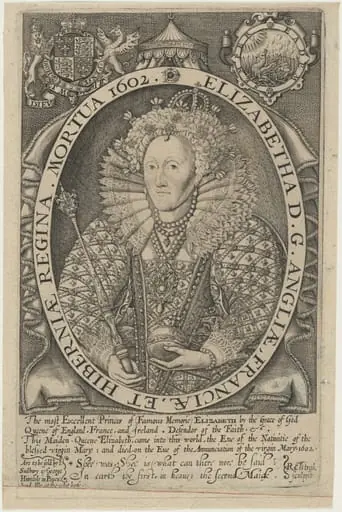
This 1649 engraving by William Marshall depicts Leticia Morison, Viscountess Falkland, as a figure of quiet dignity. Rendered in fine linear detail, the portrait is framed by ornamental foliage and inscribed with her full title. The composition balances portraiture with symbolic elements, reflecting conventions of mid-17th-century commemorative prints in England.
Subject & Meaning
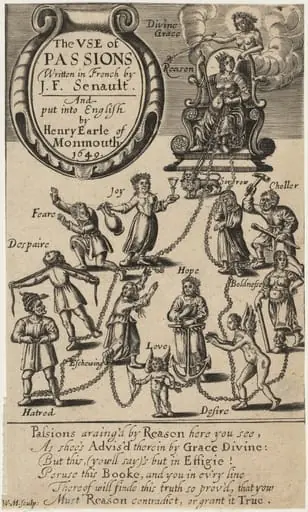
The sitter, Leticia Morison, is portrayed holding a book, suggesting intellectual or spiritual devotion. Surrounding her are emblems of mortality, a skull crowned and flanked by cherubs, common in funerary iconography of the period. These elements together convey themes of earthly status, virtue, and the inevitability of death, aligning with post-Reformation memorial practices.
Technique & Style
The bordering inscriptions and allegorical figures are tightly integrated, reflecting the disciplined aesthetic of English Baroque printmaking.
Marshall employed fine, precise engraving lines to model form and texture, particularly in the folds of the hooded cloak and the delicate rendering of the wreath. Shading is achieved through cross-hatching, typical of the medium’s capacity for tonal nuance. The bordering inscriptions and allegorical figures are tightly integrated, reflecting the disciplined aesthetic of English Baroque printmaking.
History & Provenance
Created shortly after the execution of Charles I, the engraving emerged during a period of political upheaval and shifting social rituals. As a noblewoman connected to the royalist cause, Leticia’s portrait may have served as a private memorial. Its survival suggests it was preserved within family or aristocratic circles, though its early ownership remains undocumented.
Context
In the late 1640s, England saw a surge in engraved portraiture as a means of preserving identity amid civil strife. While painted likenesses were costly and rare, engravings like this one offered accessible, durable representations. The inclusion of memento mori motifs reflects broader cultural anxieties about mortality and legacy during the Interregnum.
Legacy
The engraving stands as a modest but significant example of English print culture during the Commonwealth. It illustrates how personal commemoration adapted to political instability, blending aristocratic identity with religious symbolism. Though not widely reproduced, it remains a tangible artifact of elite women’s representation in a turbulent era.
Artist & collection