Artwork
Mary, Queen of Scots
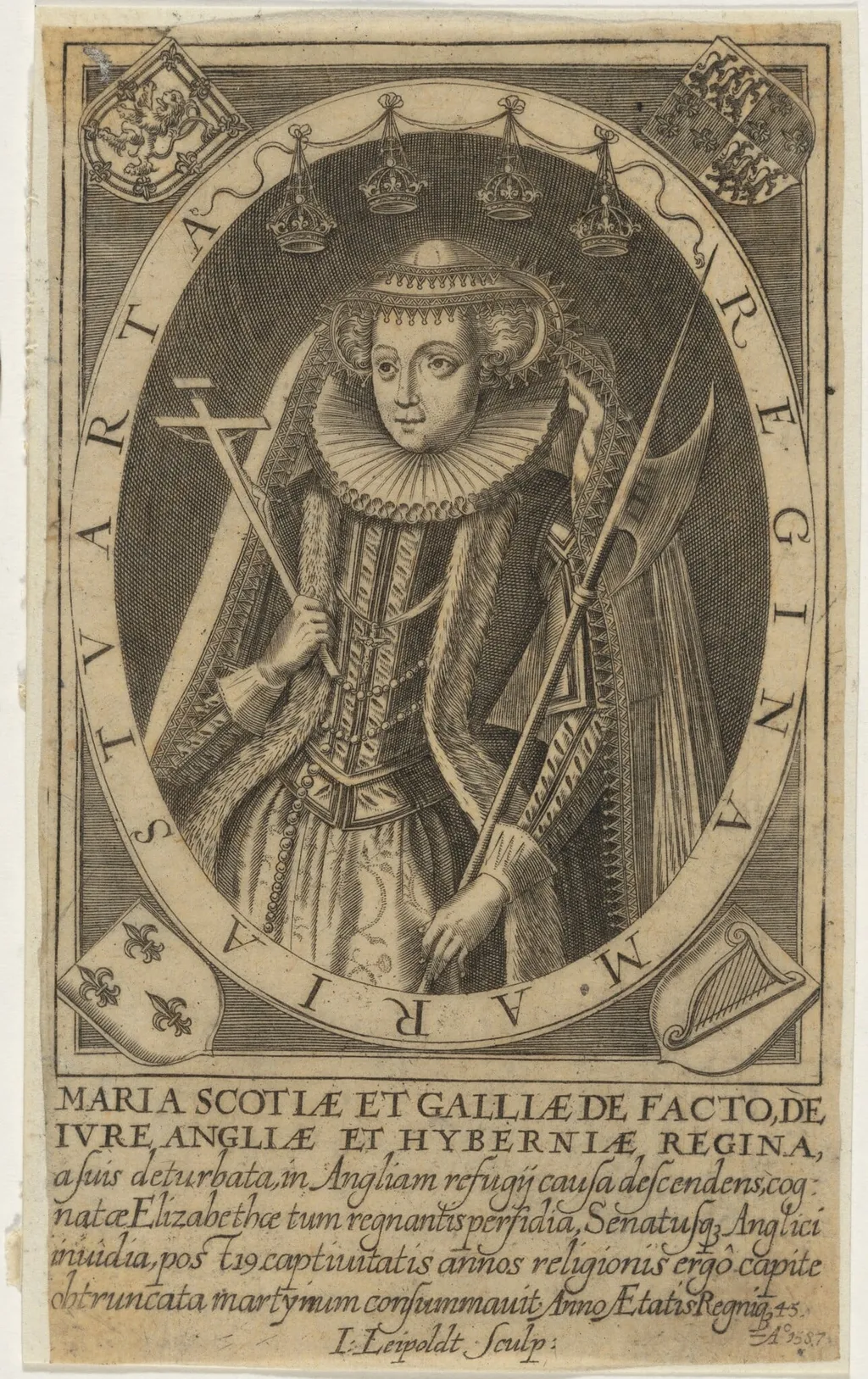
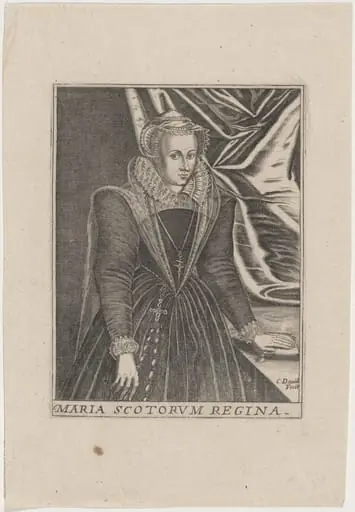
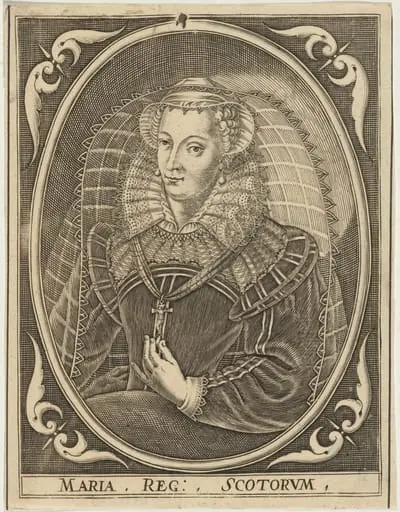
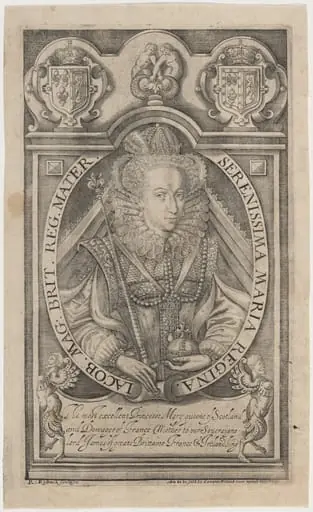
Mary, Queen of Scots is an ink print by the Baroque artist Johann Leipoldt. It dates from 17 and is held in the collection of the National Gallery of Art.
About this work
Overview
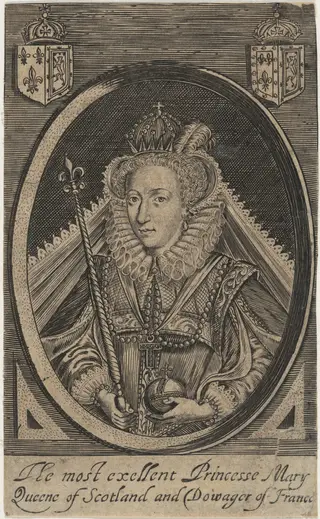
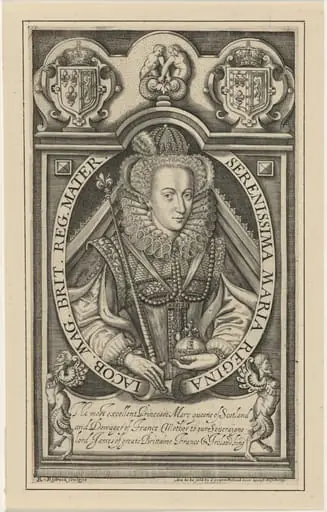
This engraving by Johann Leipoldt depicts Mary, Queen of Scots, as a sovereign figure rendered in fine linear detail. Created in 17, the print presents her in formal regalia, framed within an ornate border. The composition emphasizes her status through symbolic elements and precise engraving techniques, typical of early modern portraiture meant for dissemination among elite audiences.
Subject & Meaning
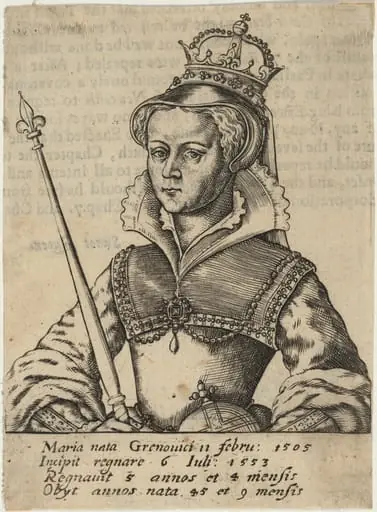
Mary is portrayed with royal insignia: a crown, scepter, and orb, reinforcing her claim to sovereignty. The inclusion of a harp, a traditional symbol of Scotland, and additional crowns in the background alludes to her dynastic ties and political aspirations. The surrounding inscriptions affirm her title, anchoring the image in a narrative of legitimacy and inherited authority.
Technique & Style
Leipoldt employed fine, controlled lines typical of engraving to model form and texture, particularly in the elaborate ruff and fabric folds. The background elements are rendered with delicate cross-hatching, creating depth without color. The precision of the lines reflects the craft’s demand for patience and skill, aligning with the era’s preference for detailed, authoritative portraiture.
History & Provenance
Produced in 17, the engraving likely circulated as a printed portrait in the decades following Mary’s execution. Such images were often used to sustain her legacy among Catholic sympathizers and Scottish loyalists. Its survival suggests it was preserved in private or institutional collections, possibly as a historical artifact rather than a devotional object.
Context
In the early 17th century, printed portraits of deposed monarchs served as political statements. Mary’s image, though created after her death, continued to resonate in regions where her claim to the English throne remained contested. Engravings like this helped sustain her memory amid shifting dynastic narratives and religious tensions across Britain.
Legacy
The engraving contributes to a broader visual tradition of portraying Mary as a tragic yet dignified ruler. Its formal composition and symbolic language influenced later depictions in print and painting. Though not widely known today, it remains a tangible artifact of how early modern Europe used imagery to preserve contested histories.
Own this work as a print
Artist & collection