Artwork
Triptych with the adoration of the Magi (centre panel and inner wings), St Antony Abbot (outer left wing) and St Adrian (outer right wing)
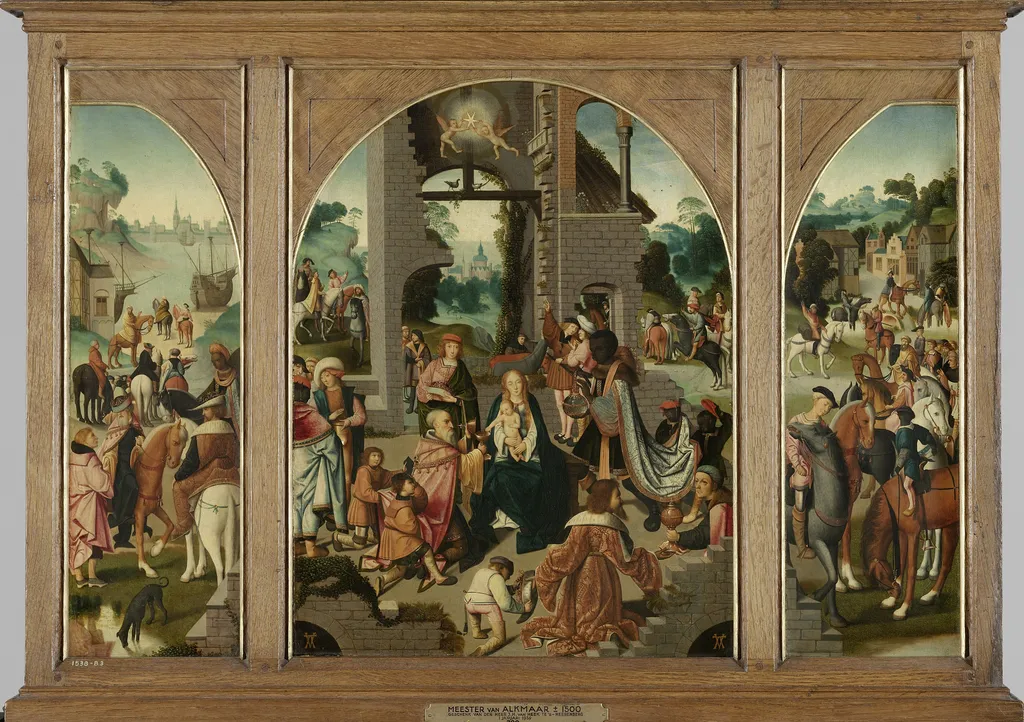
Triptych with the adoration of the Magi (centre panel and inner wings), St Antony Abbot (outer left wing) and St Adrian (outer right wing) is an oil painting by the Northern Renaissance artist Master of Alkmaar. It dates from 1500 and is held in the collection of the Rijksmuseum.
About this work
Subject & Meaning
The triptych centers on the Adoration of the Magi as its principal subject, presenting the three Biblical Magi paying homage to the Virgin Mary and the Christ Child. This central devotional scene is flanked on the inner wings by related elements of the same narrative, while the outer wings bear individual standing figures of the hermit-saint Antony the Great on the left and the martyr-saint Adrian on the right. The pairing of the Magi veneration with saints traditionally invoked against plague and as patrons of soldiers and craftsmen reflects a typical early Netherlandish devotional program, situating the Nativity epiphany within a broader framework of intercession and protection.
The work functions both as a narrative image of Christ's manifestation to the Gentile world and as a vehicle for the veneration of holy figures associated with healing, asceticism, and martial faith.
Technique & Style
Classified as a significant example of early 16th-century religious art, the piece is currently held in the collections of the Rijksmuseum and the Mauritshuis.
Created around 1500 by the Master of Alkmaar, this five-panel religious triptych is executed in oil paint on a wooden panel support. The work depicts the Adoration of the Magi in its central section, flanked by inner wings showing the same scene, while the outer wings feature St. Antony Abbot and St. Adrian. The physical dimensions vary across the panels, with the main sections measuring approximately 48.5 cm in height and 36.8 cm in width, while the narrower wings stand at 48 cm high and 14 cm wide.
Classified as a significant example of early 16th-century religious art, the piece is currently held in the collections of the Rijksmuseum and the Mauritshuis. The medium of oil on panel was the standard technique for Northern European panel painting of this period, allowing for the detailed rendering of the biblical figures and narrative elements.
History & Provenance
The triptych is housed in the national collections of the Rijksmuseum and the Mauritshuis, where it is displayed as part of their respective holdings of early Netherlandish painting. The work entered the Rijksmuseum’s possession as part of a transfer that also placed it in the Mauritshuis, and both institutions list it among their permanent displays of religious art from the early sixteenth century. No inventory or accession number is published in the cited documentation, and the available records do not detail any specific exhibition appearances beyond the museums’ permanent installations.
Overview
This oil painting, known as the Triptych with the Adoration of the Magi, was created around 1500 by the artist referred to as the Master of Alkmaar. Active in the Netherlands during the late 15th and early 16th centuries, this painter contributed to the Northern Renaissance tradition. The work is a multi-panel altarpiece that presents various religious narratives across its surfaces.
Own this work as a print
Artist & collection
Artist
The Master of Alkmaar was a Dutch painter active around Alkmaar at the beginning of the sixteenth century.

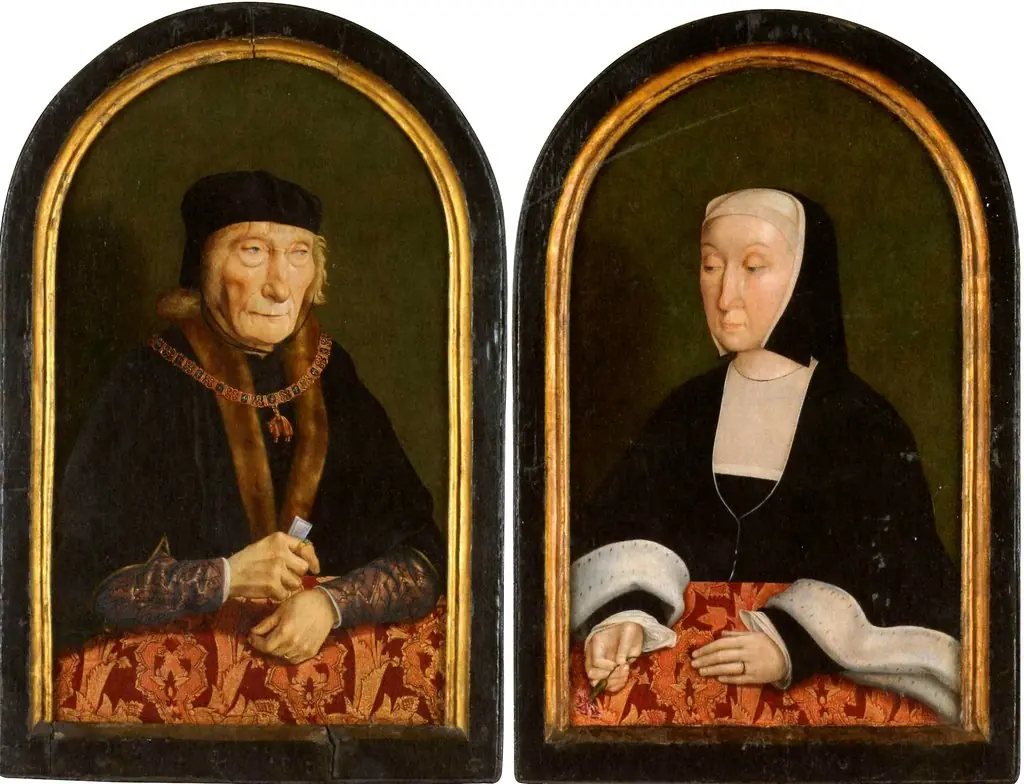 Portrait of Jan III, First Count of Egmond (1438–1516) and his wife Magdalena van Werdenburg, Countess of Egmond (1464–1538)
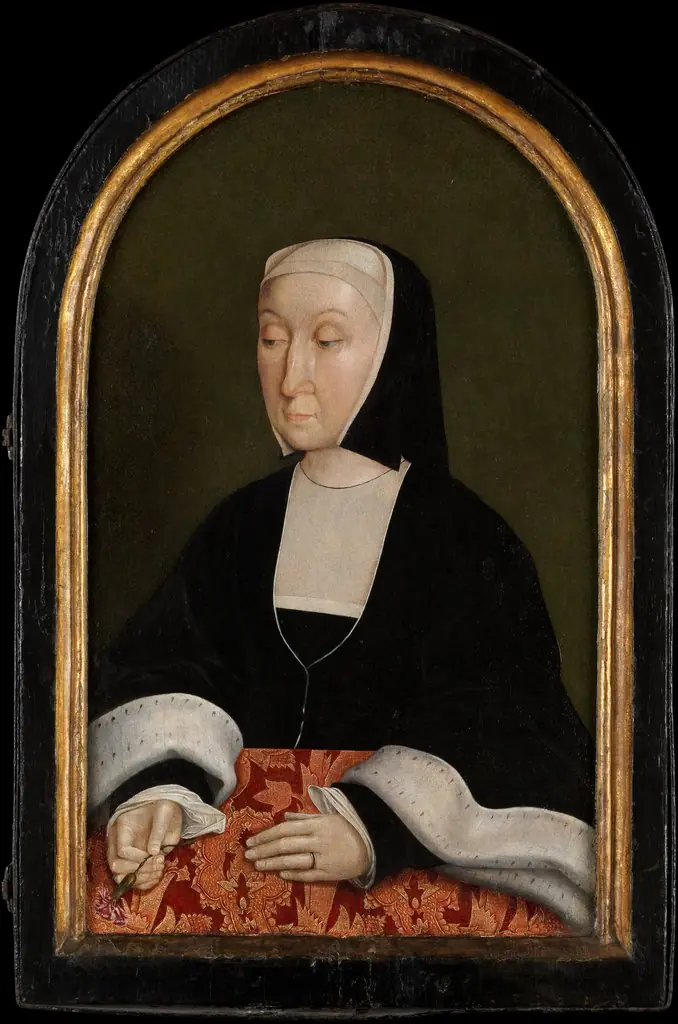 Portrait of Magdalena van Werdenburg (1464–1538), Countess of Egmond and wife of Jan (1438–1516), First Count of Egmond;
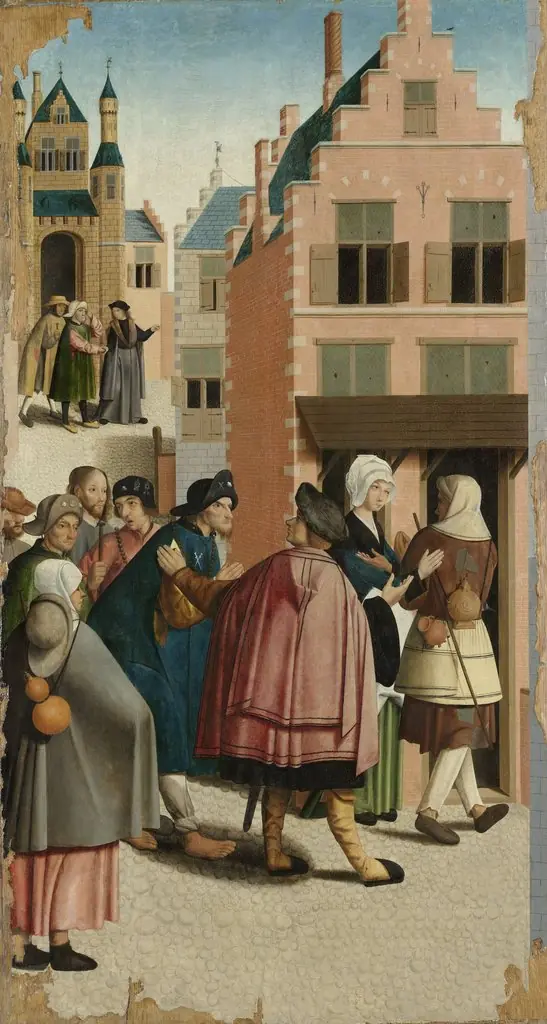 The Seven Works of Mercy
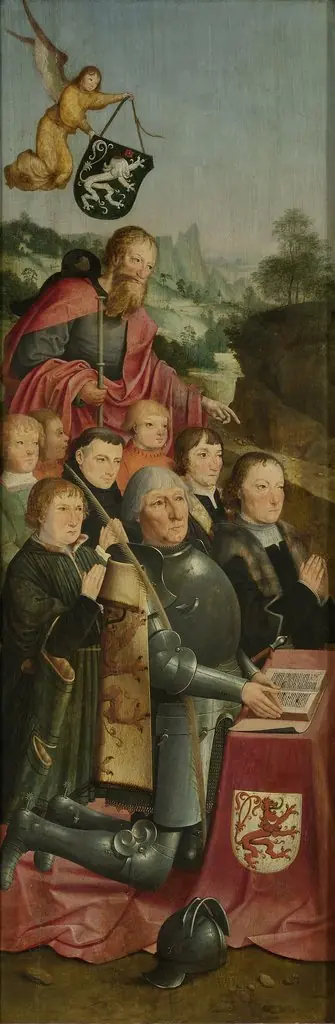 Memorial Panel with Eight Male Portraits, probably Willem Jelysz van Soutelande and Family, with Saint James the Greater and the Van Soutelande Family Crest, inner left wing of an altarpiece
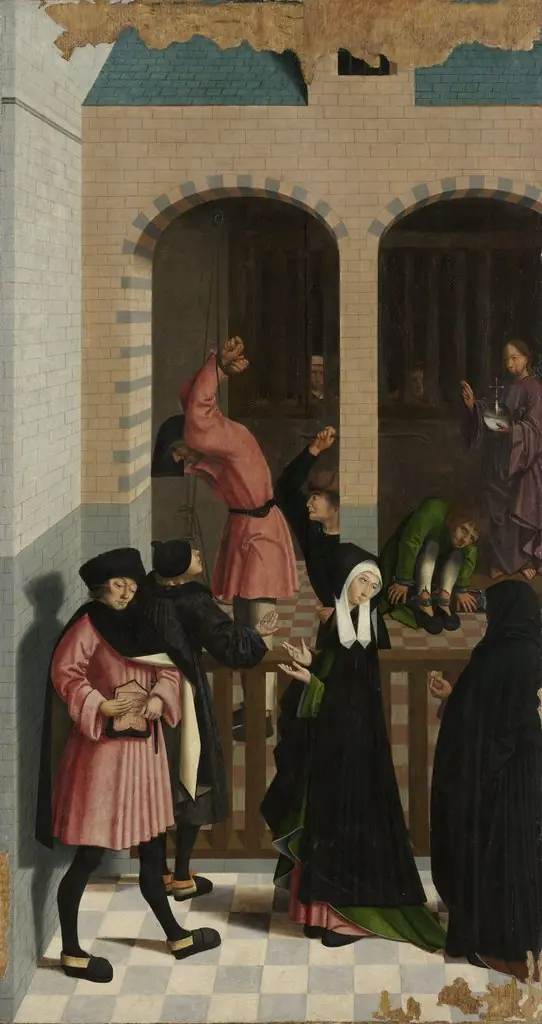 The Seven Works of Mercy
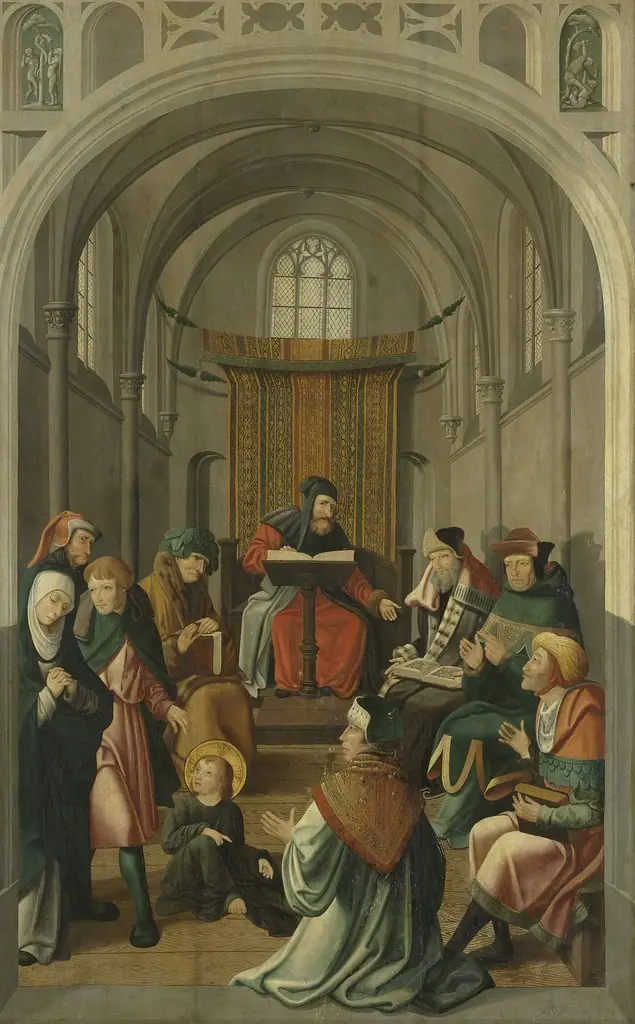 Panel of an altarpiece with Jesus disputing with the doctors in the Temple (inner wing) and Christ appearing to his mother (outer wing)
- Triptych of the Adoration of the Magi
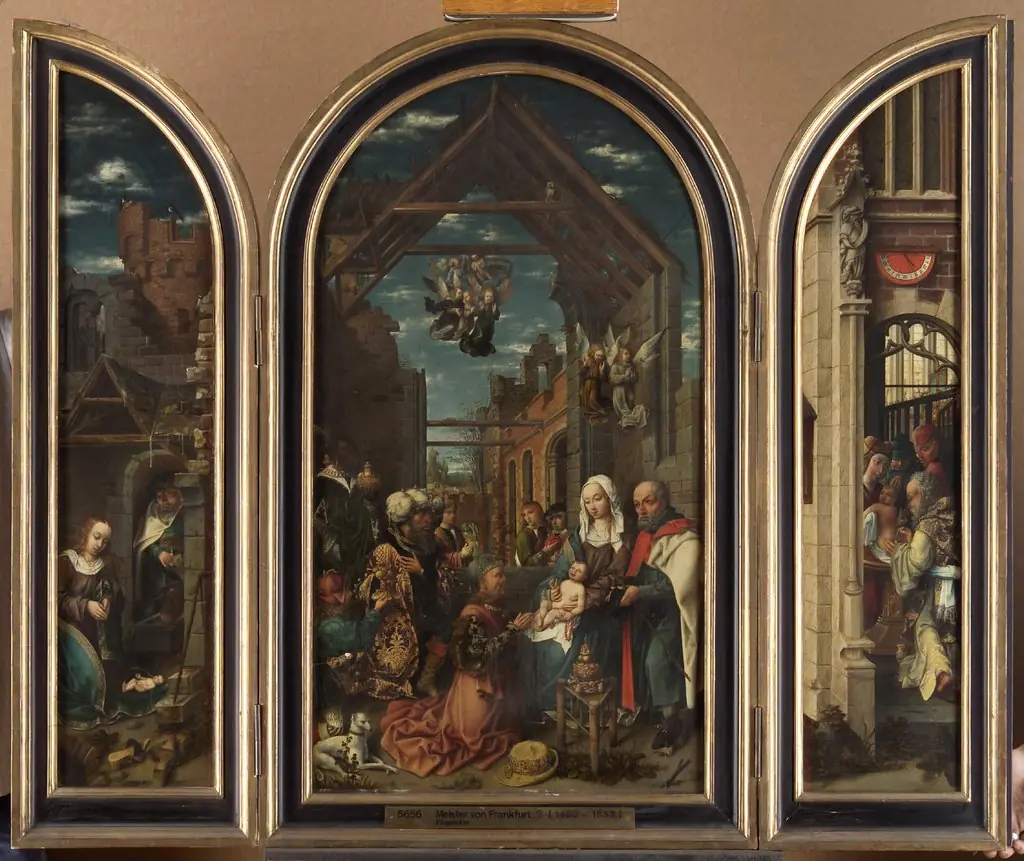 Triptych of the adoration of the magi
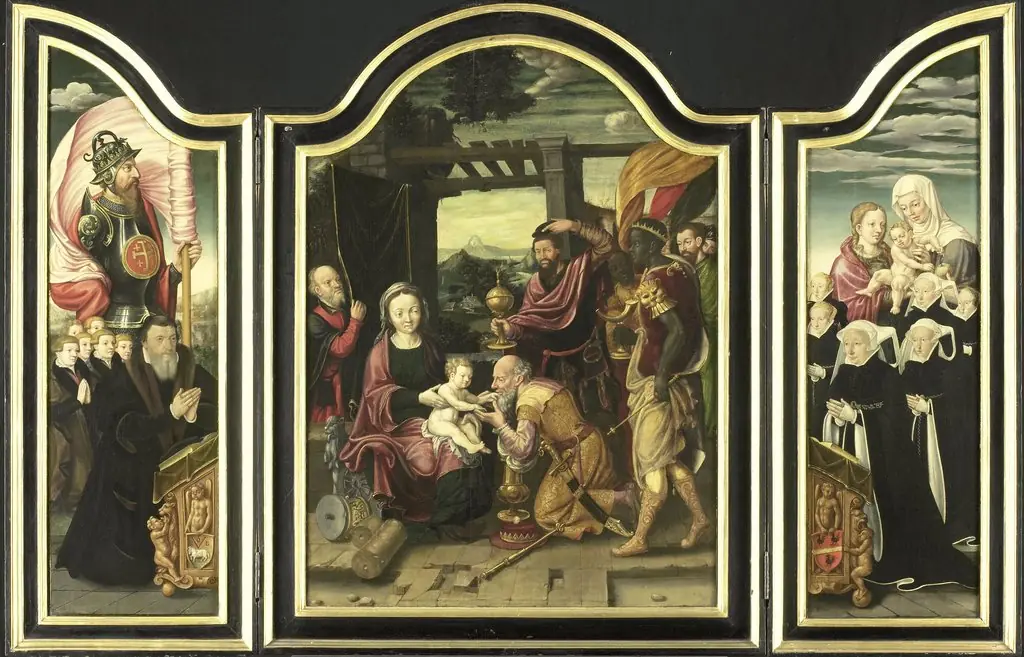 Triptych with the Adoration of the Magi
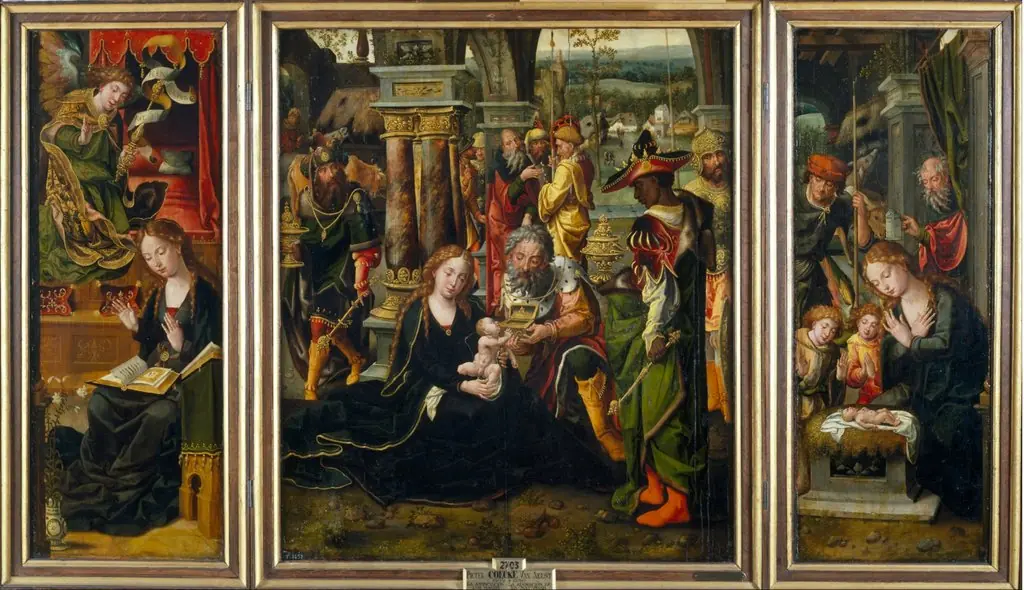 Triptych with the Annunciation, the Adoration of the Magi and the Nativity with Angels and Shepherds
 Triptych with Adoration of the Magi (center and inner wings), Saint Antony Abbot (left, outer wing) and Saint Adrian (right, outer wing)
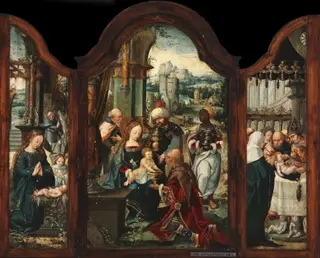 Triptych. Central panel: The Adoration of the Magi; left wing: The Nativity; right wing: The Circumcision
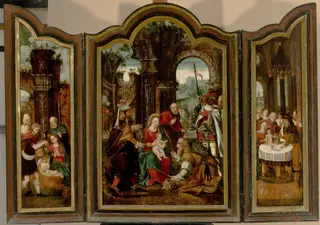 Triptych: Adoration of the Magi, Adoration of the Shepherds, Circumcision
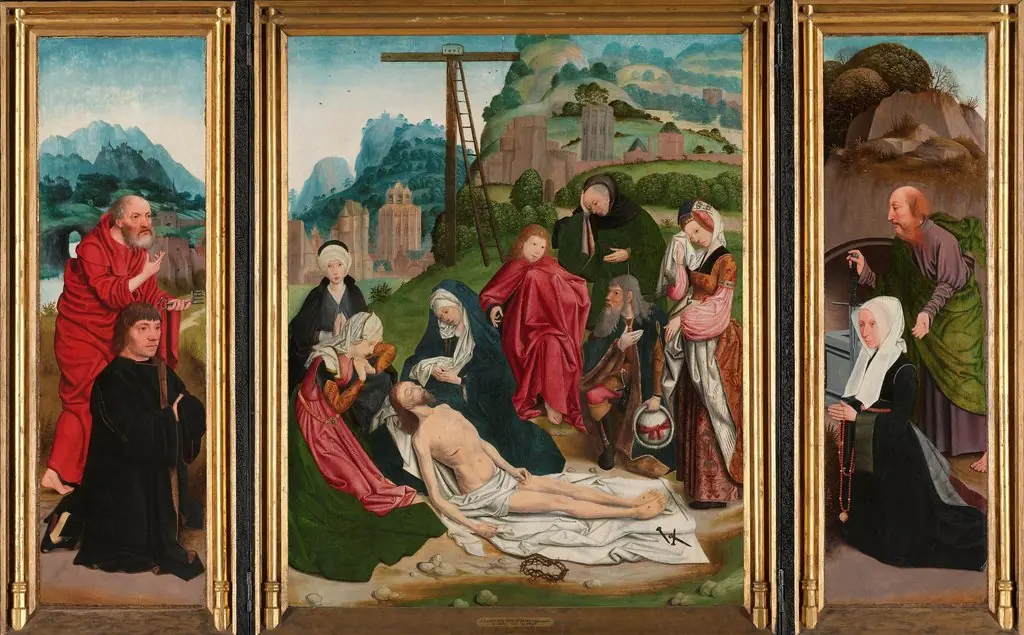 Triptych with the Lamentation (centre panel), the donor with St Peter (inner left wing), the donor’s wife with St Paul (inner right wing) and the donors’ coats of arms (outer wings)
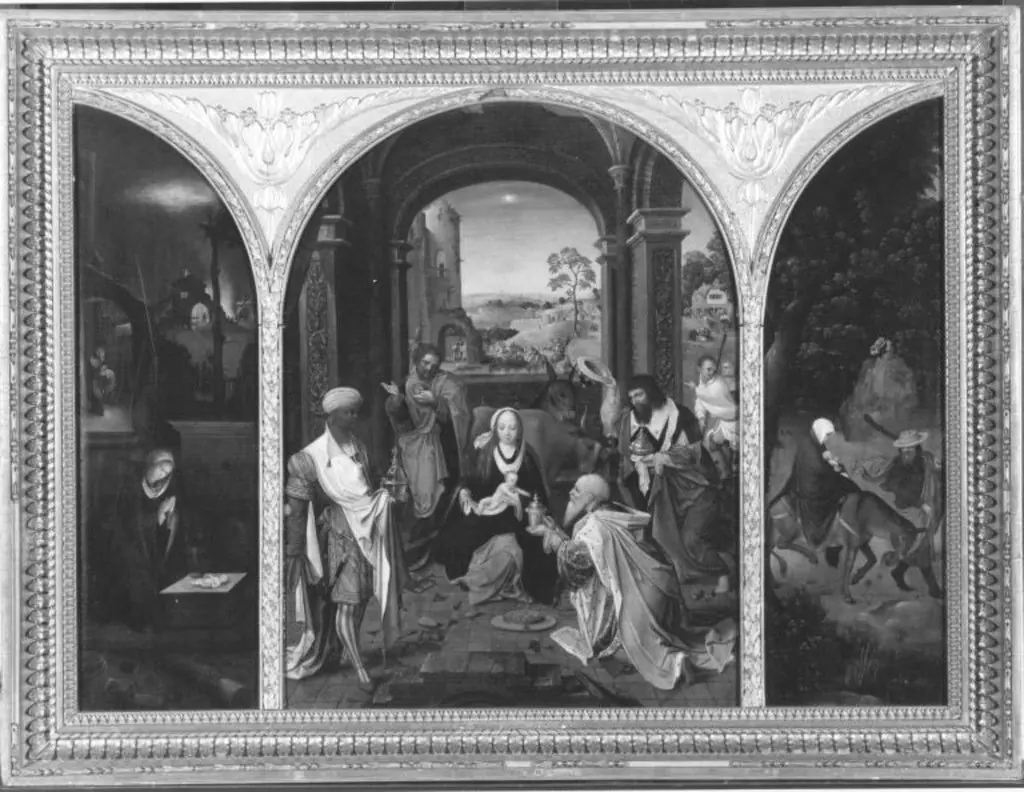 Triptych of the Adoration of the Magi with Nativity and Flight into Egypt on outer wings
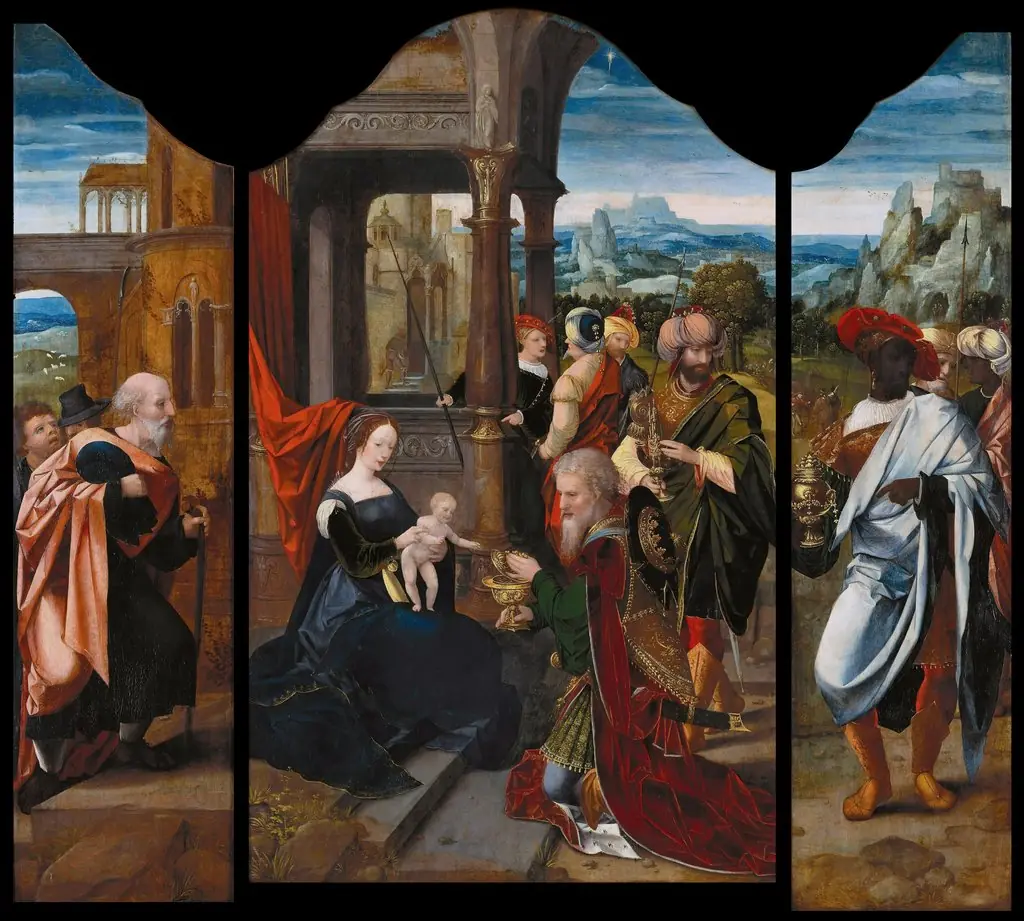 Triptych with the Adoration of the Magi
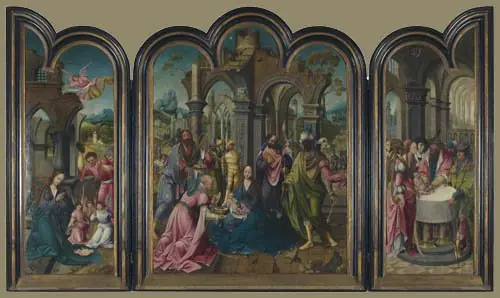 Triptych with adoration by the Magi
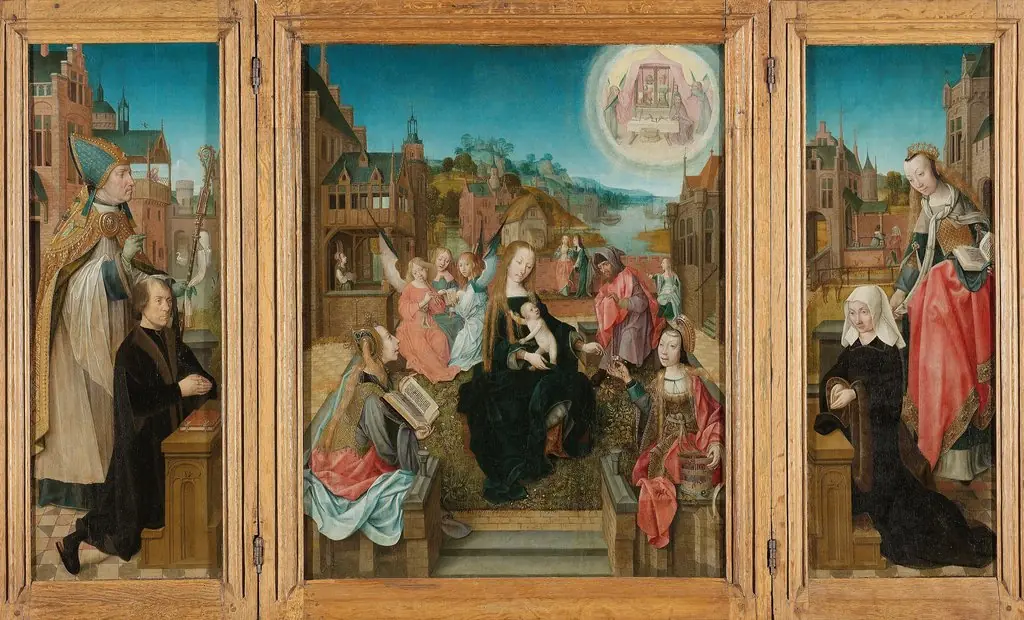 Triptych with the Virgin and Child and saints (centre panel), the donor with St Martin (inner left wing), the donor’s wife with St Cunera (inner right wing) and the Annunciation (outer wings)