Artwork
Triptych with the Annunciation, the Adoration of the Magi and the Nativity with Angels and Shepherds
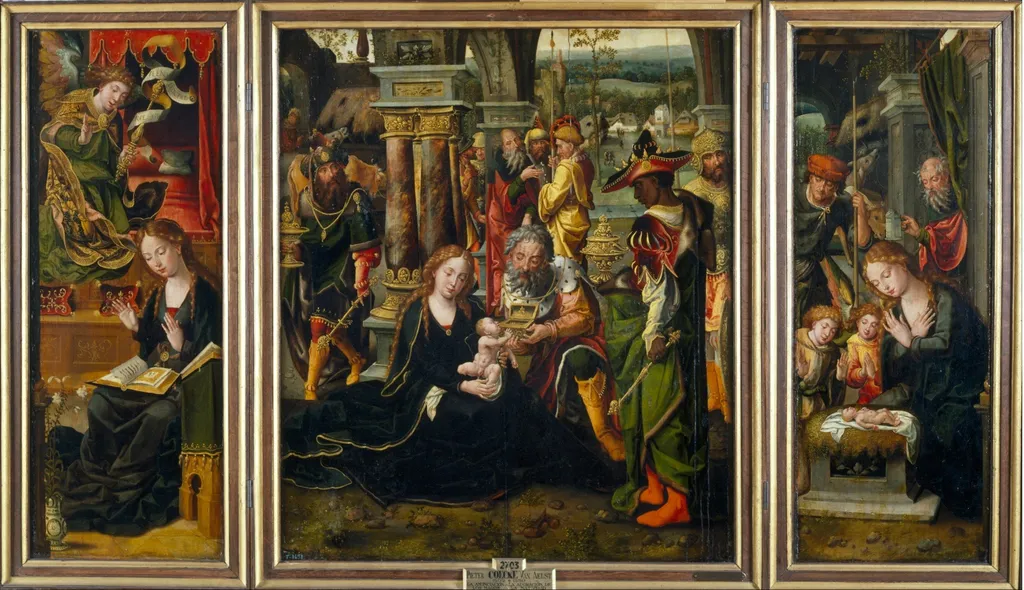
Triptych with the Annunciation, the Adoration of the Magi and the Nativity with Angels and Shepherds is an oil painting by the Northern Renaissance artist Pieter Coecke van Aelst. It dates from 1525 and is held in the collection of the Museo del Prado.
About this work
Subject & Meaning
The Annunciation scene conveys the moment of divine conception, linking the earthly journey of Jesus to its theological foundation.
The triptych illustrates the Annunciation, the Adoration of the Magi, and the Nativity with Angels and Shepherds, forming a unified narrative of Christ's early life. Central to the composition is the infant Christ, symbolizing the Incarnation, while the shepherds and Magi represent the recognition of the divine by both humble and learned figures. The Annunciation scene conveys the moment of divine conception, linking the earthly journey of Jesus to its theological foundation.
Together, these scenes emphasize themes of salvation, divine providence, and the fulfillment of prophecy within the religious context of the early sixteenth century.
Technique & Style
The triptych is painted in oil on oak panels, a medium widely used in Netherlandish panel painting of the period. Handling is characterized by meticulous brushwork and refined detailing, particularly in the rendering of textiles, brocades, and decorative motifs that reflect Coecke van Aelst’s training in the Antwerp tradition. Stylistic features include balanced composition, symmetrical spatial arrangements, and carefully observed naturalistic elements such as drapery folds and landscape elements. The figures display elongated proportions and expressive faces, consistent with early sixteenth-century Antwerp Mannerism.
The panels are joined by original hinges, and the altarpiece retains its structural integrity. The painting’s condition is generally good, with minor losses and retouching primarily confined to edges and minor abrasions in the paint layer.
History & Provenance
The triptych was created in 1525 by Pieter Coecke van Aelst as an oil painting on panel. It depicts the Annunciation, the Adoration of the Magi, and the Nativity with Angels and Shepherds, and measures 67 cm in width and 81 cm in height. The work entered the collection of the Museo del Prado, where it remains on display.
The painting was likely commissioned for private devotion, reflecting the devotional practices of the early 16th century. Its creation date of 1525 is documented in archival records, and it was produced during a period when Coecke van Aelst was active in Antwerp before his death in 1550.
The triptych is housed in the Museo del Prado where it is registered under inventory number P00968. It has been part of several exhibitions at the museum, including a 2005 retrospective of Pieter Coecke van Aelst and a 2012 display of Renaissance religious paintings.
Overview
Created in 1525, this oil triptych by Pieter Coecke van Aelst presents three pivotal moments from the Christian narrative: the Annunciation, the Adoration of the Magi, and the Nativity surrounded by angels and shepherds. The work is currently displayed in the Museo del Prado, where its three panels are arranged side‑by‑side to form a cohesive devotional scene.
Context
The triptych reflects the devotional practices of the period, when multi‑panel altarpieces were common in churches and chapels. By integrating three distinct biblical episodes, Coecke van Aelst provided a visual meditation on the Incarnation, aligning with contemporary theological emphasis on the mystery of Christ’s birth.
Artist & collection
Artist
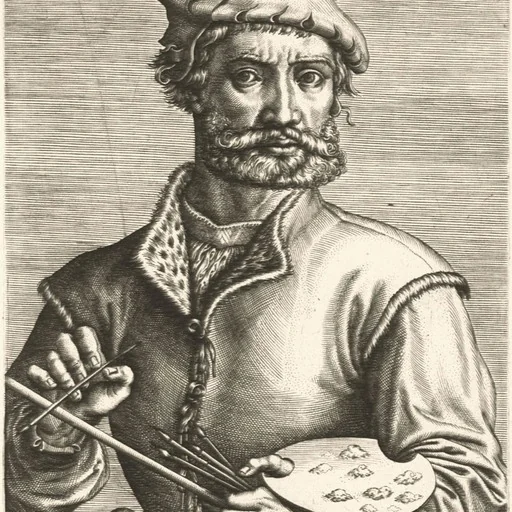
Pieter Coecke van Aelst or Pieter Coecke van Aelst the Elder was a Flemish painter, sculptor, architect, author and designer of woodcuts, goldsmith's work, stained glass and tapestries.

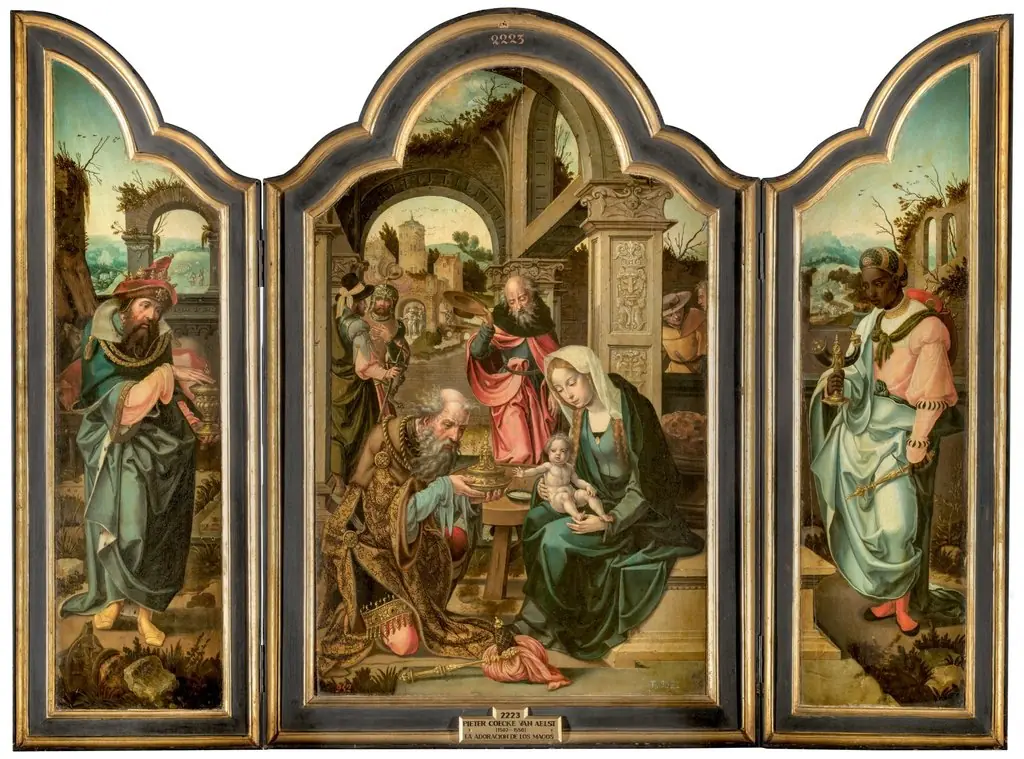
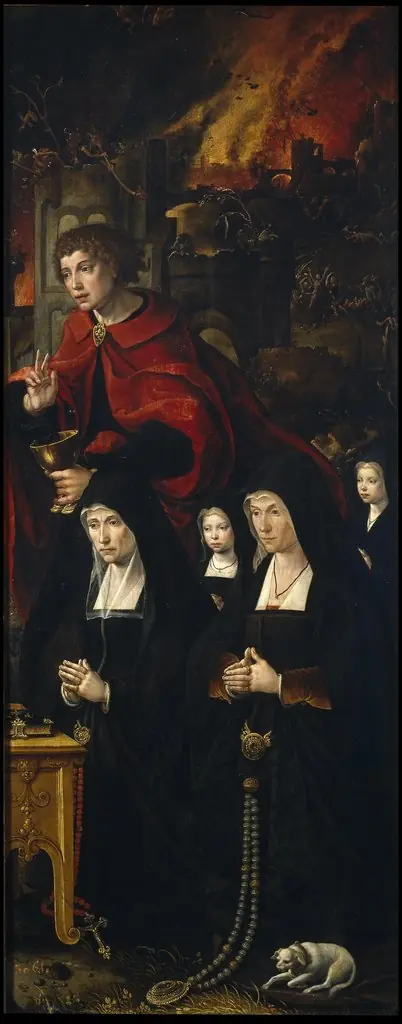
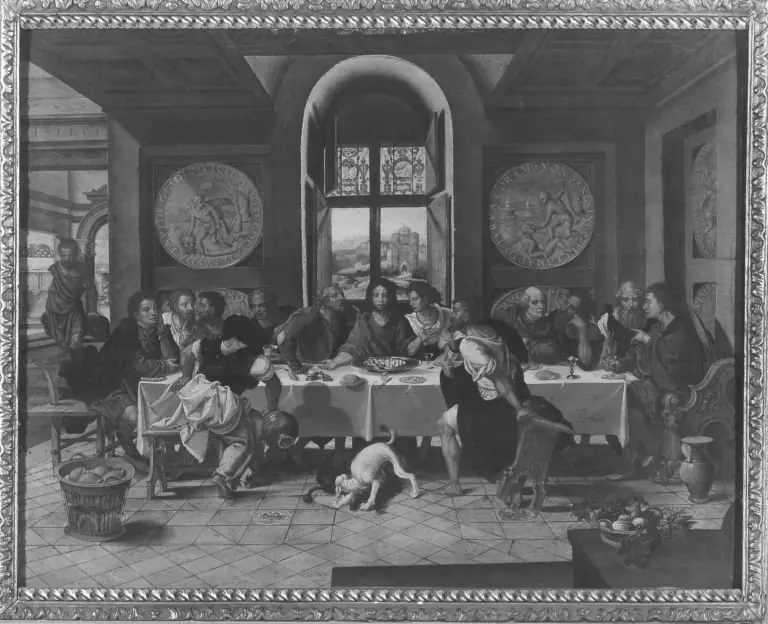
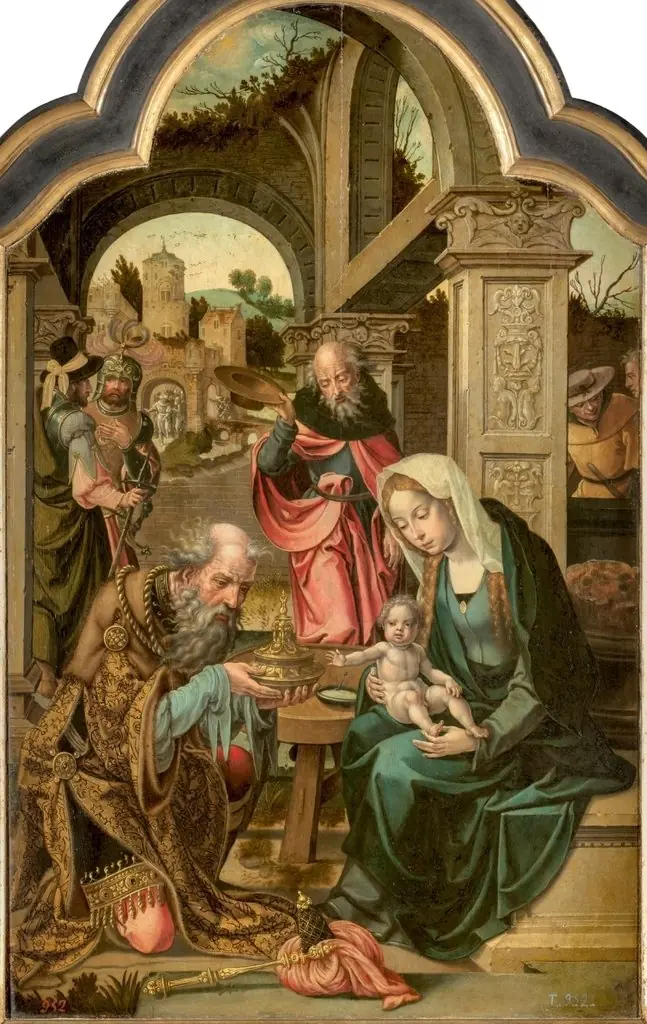
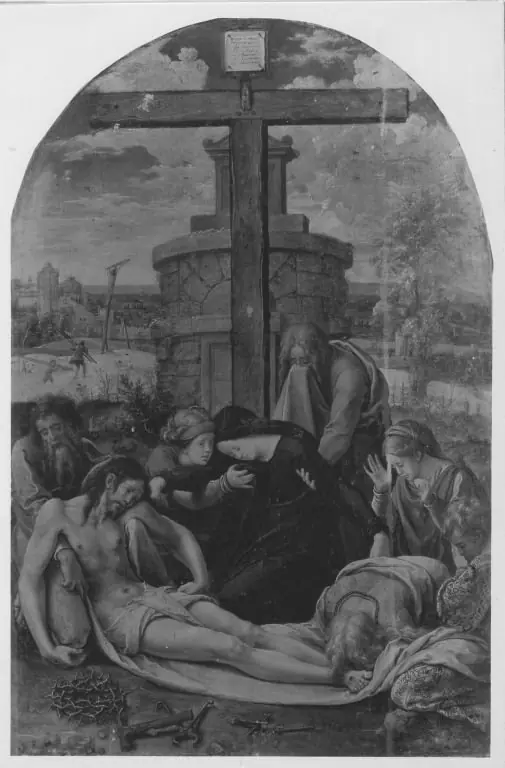
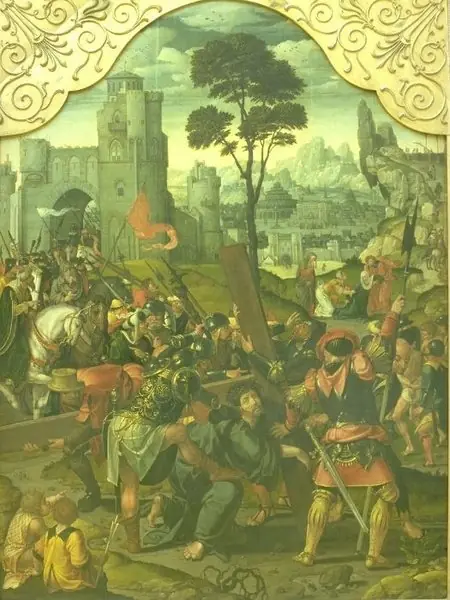
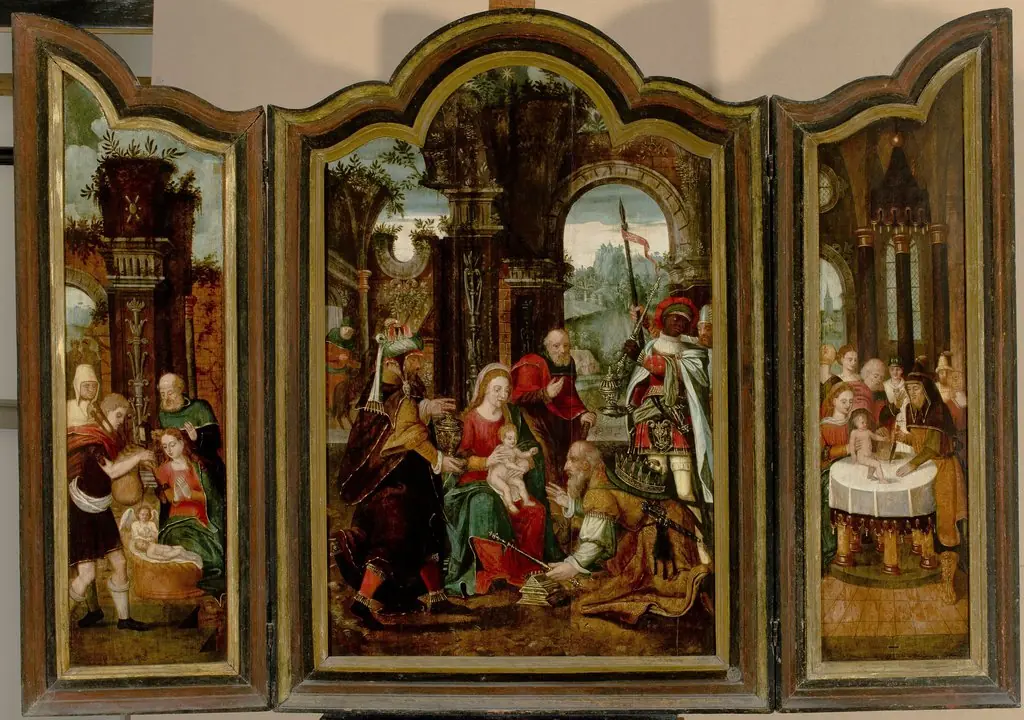
- Triptych: Adoration of the Magi, Adoration of the Shepherds, Circumcision
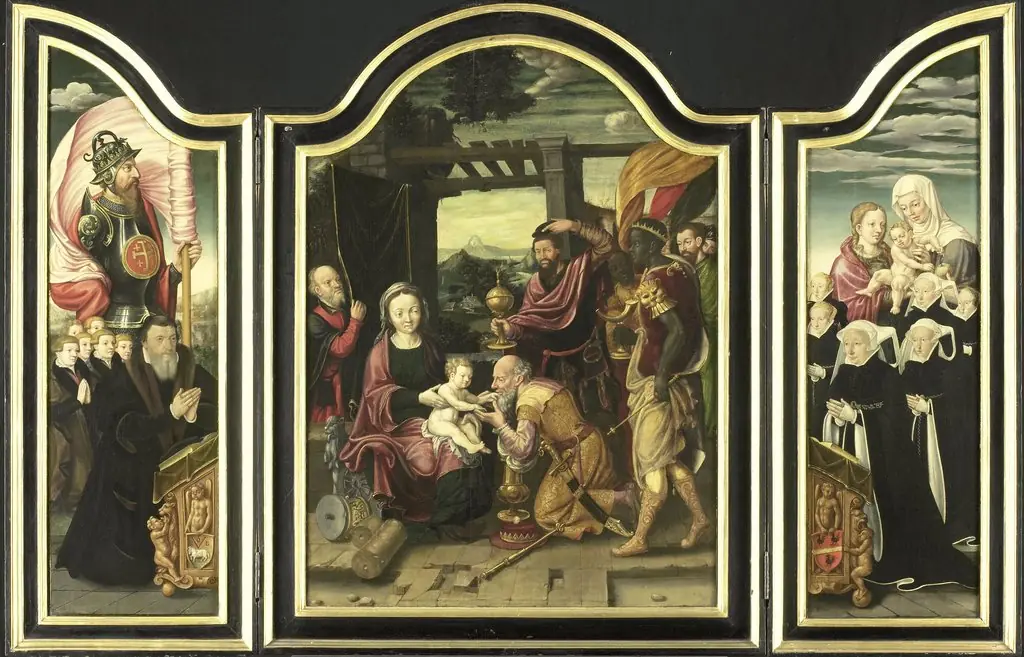 Triptych with the Adoration of the Magi
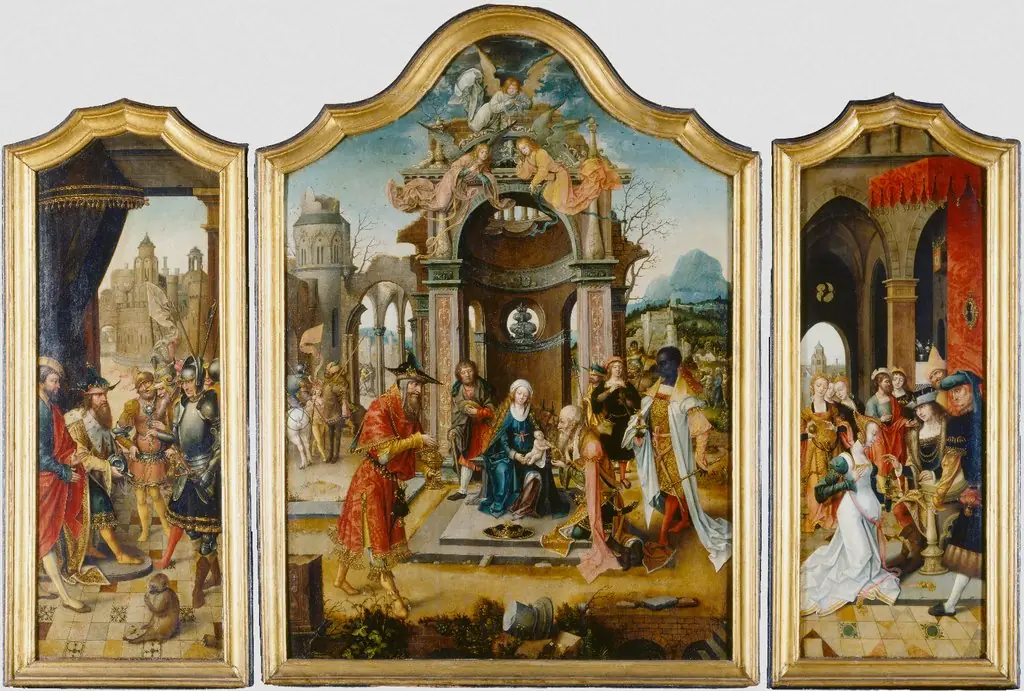 Triptych of the Adoration of the Magi
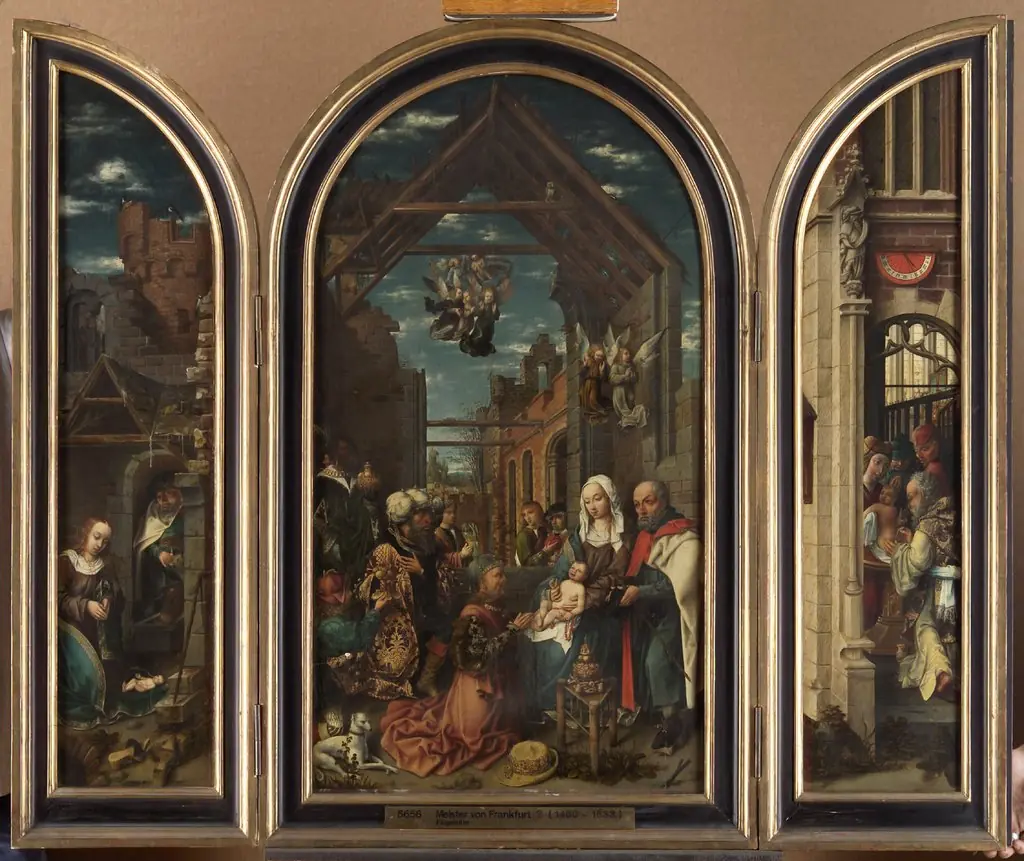 Triptych of the adoration of the magi
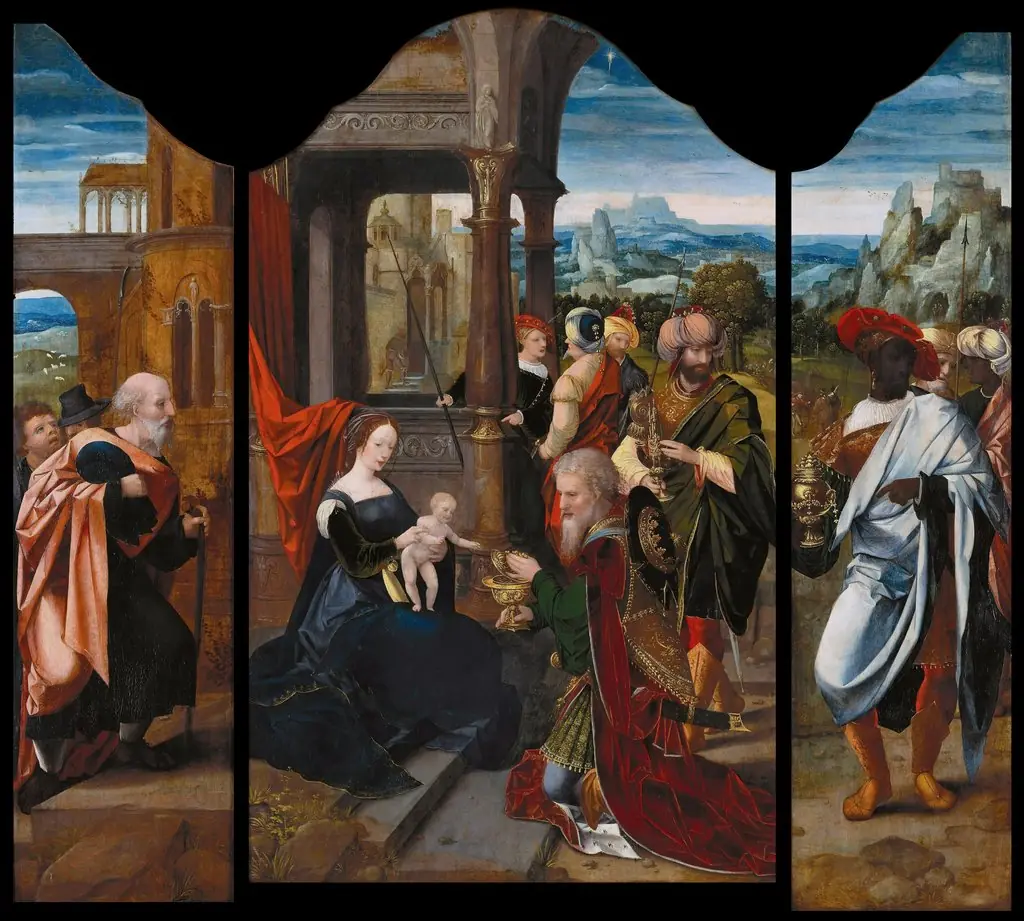 Triptych with the Adoration of the Magi
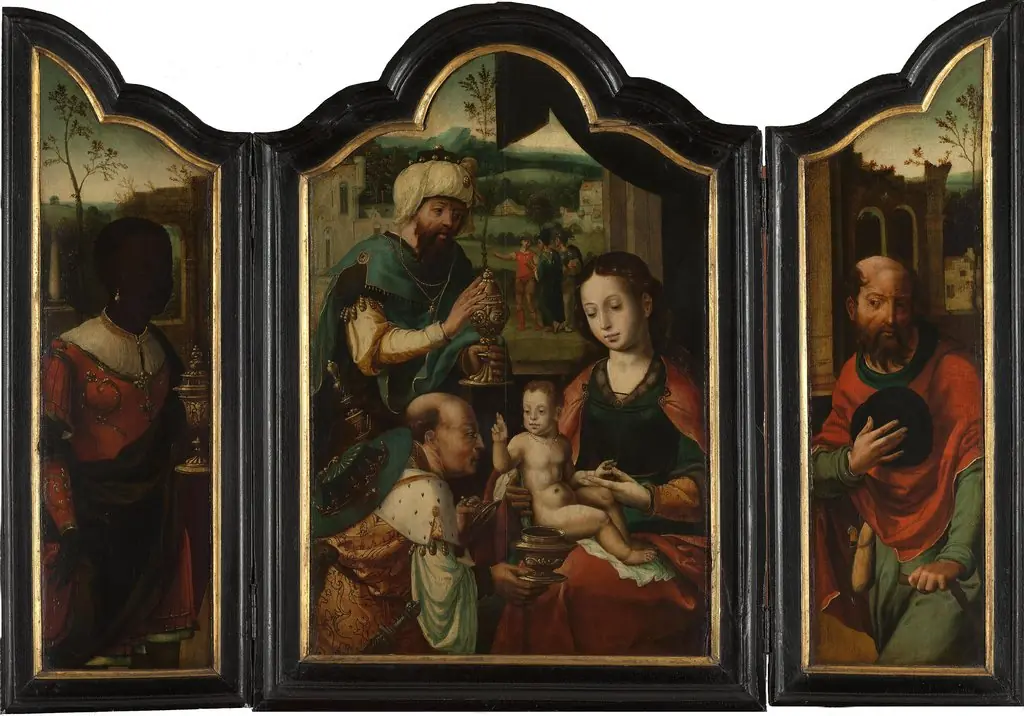 Triptych with Adoration of the Magi
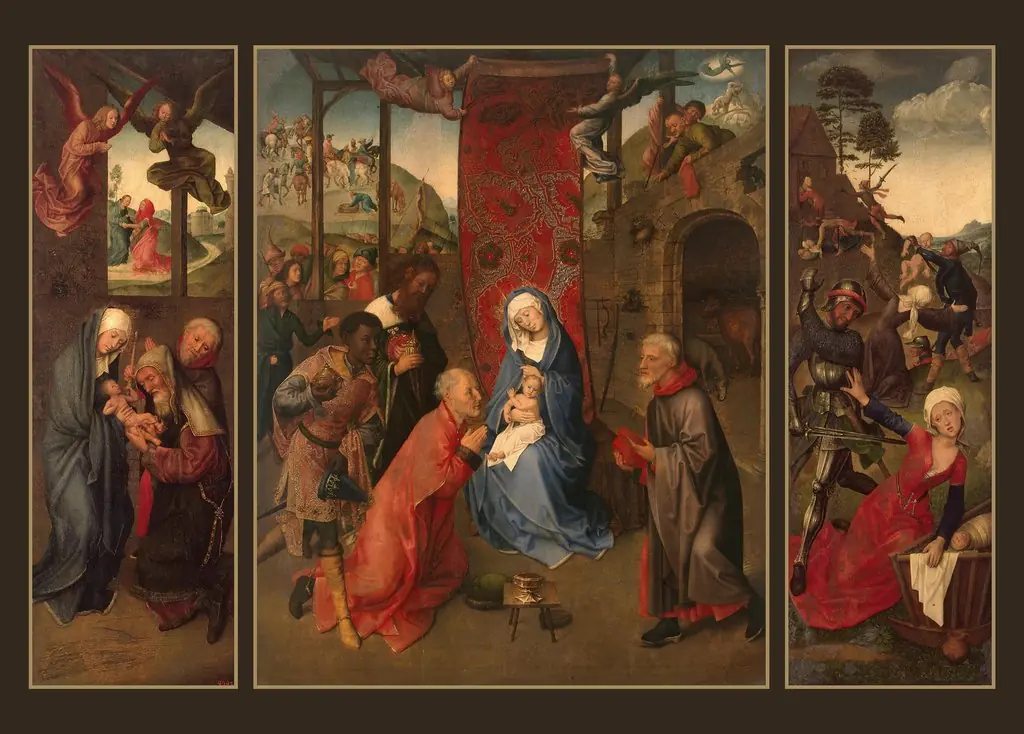 Adoration of the Magi (Triptych)
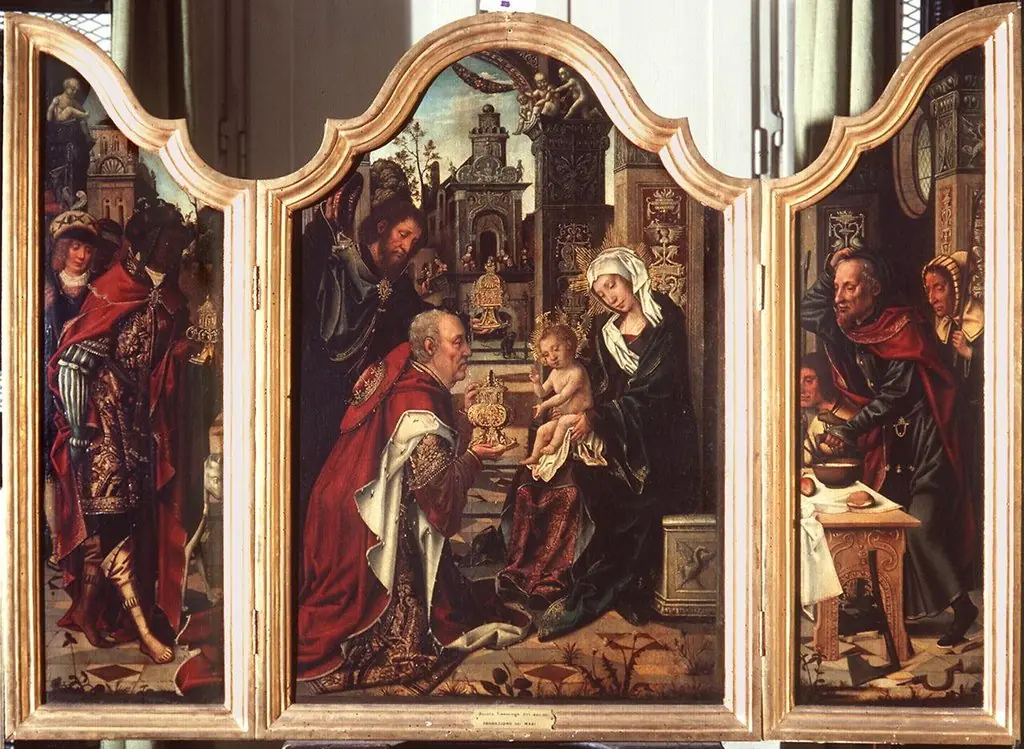 Triptych of the Adoration of the Magi
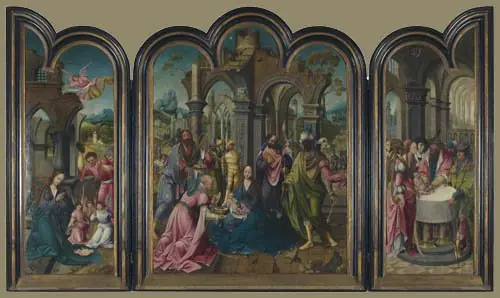 Triptych with adoration by the Magi