Artwork
The Seven Works of Mercy
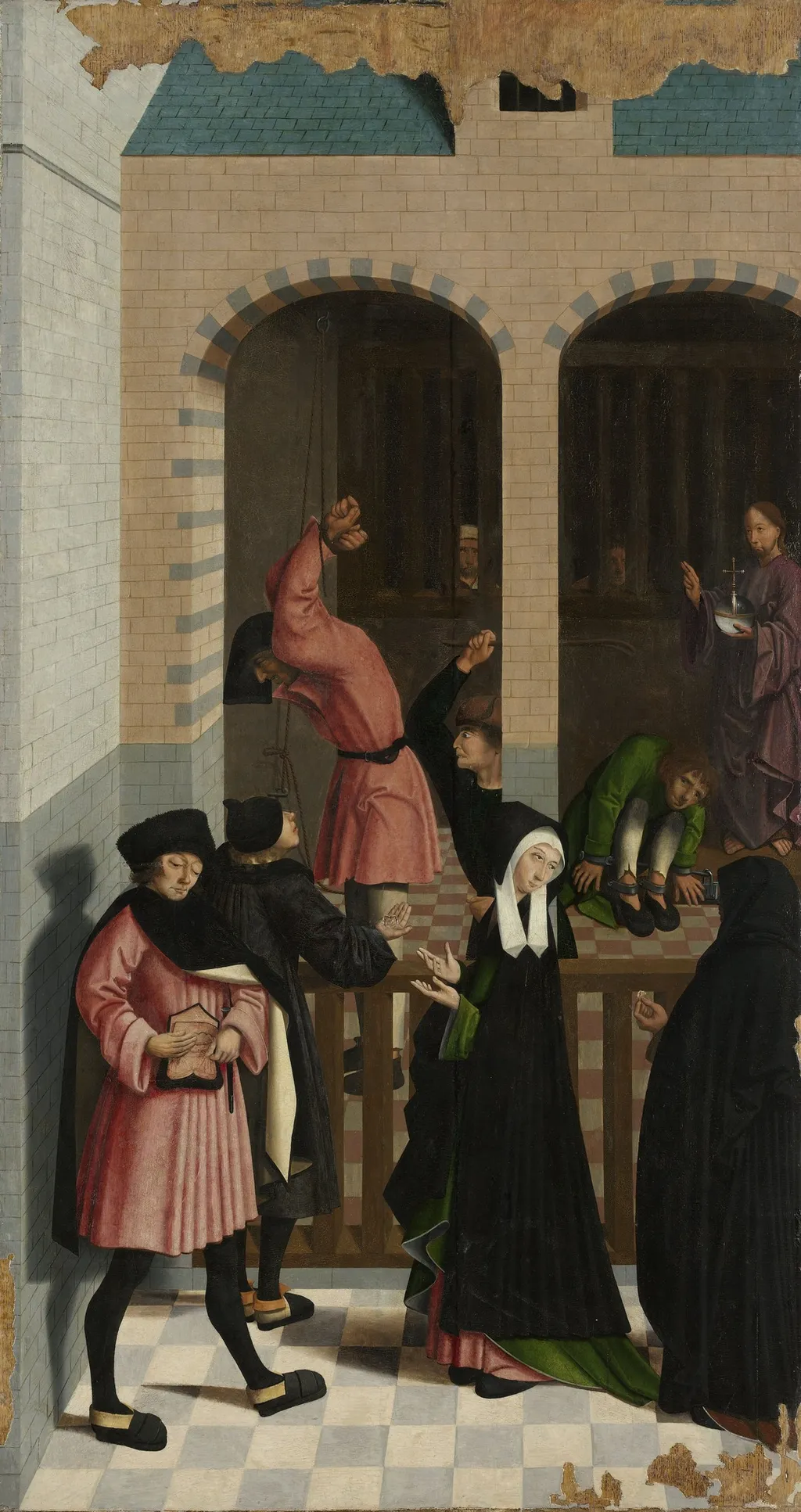
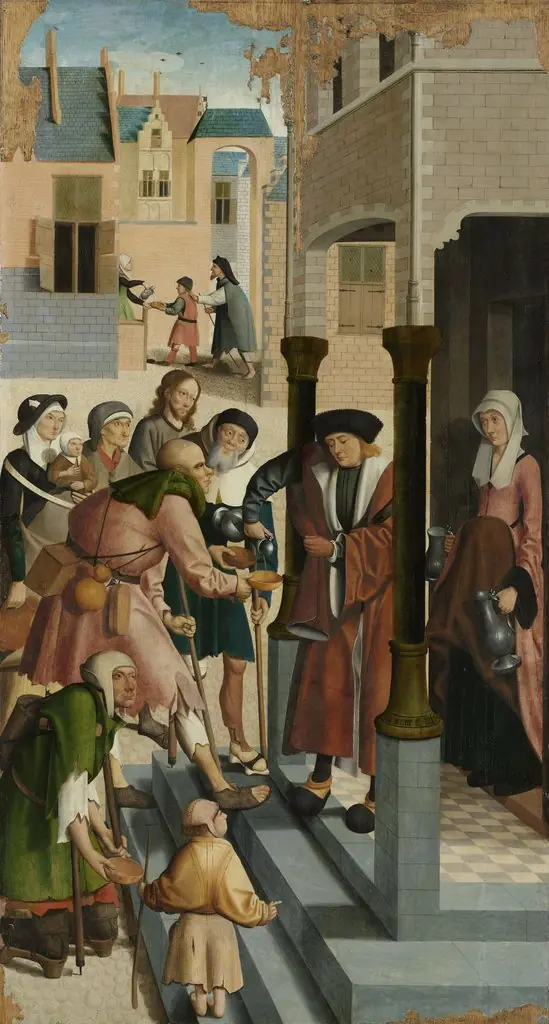
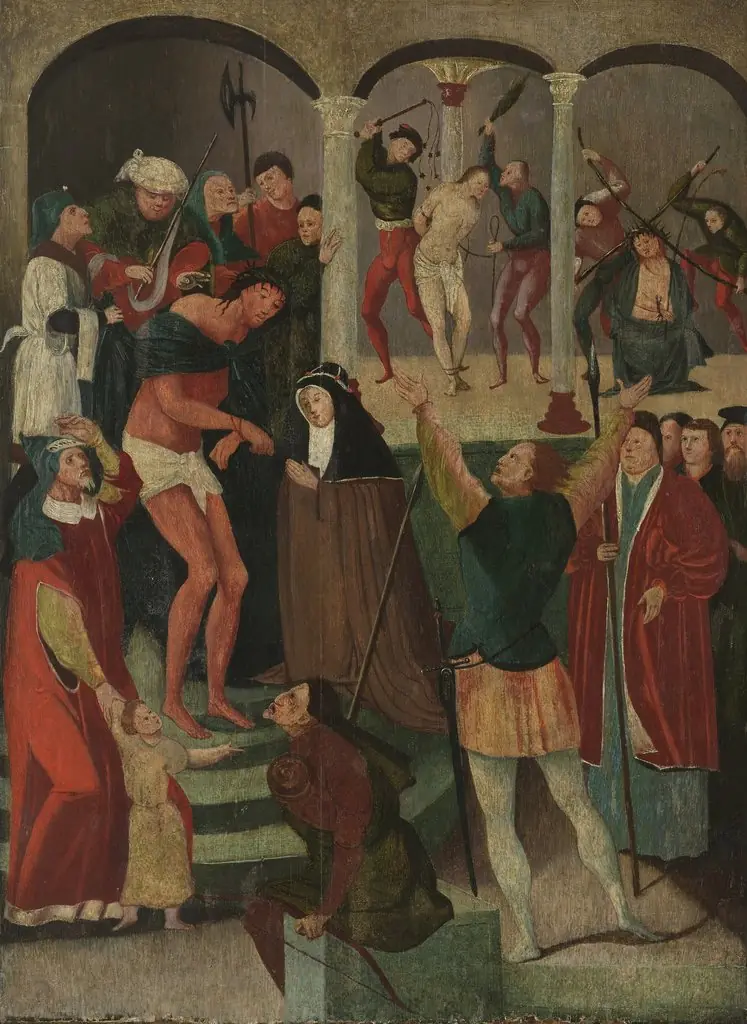
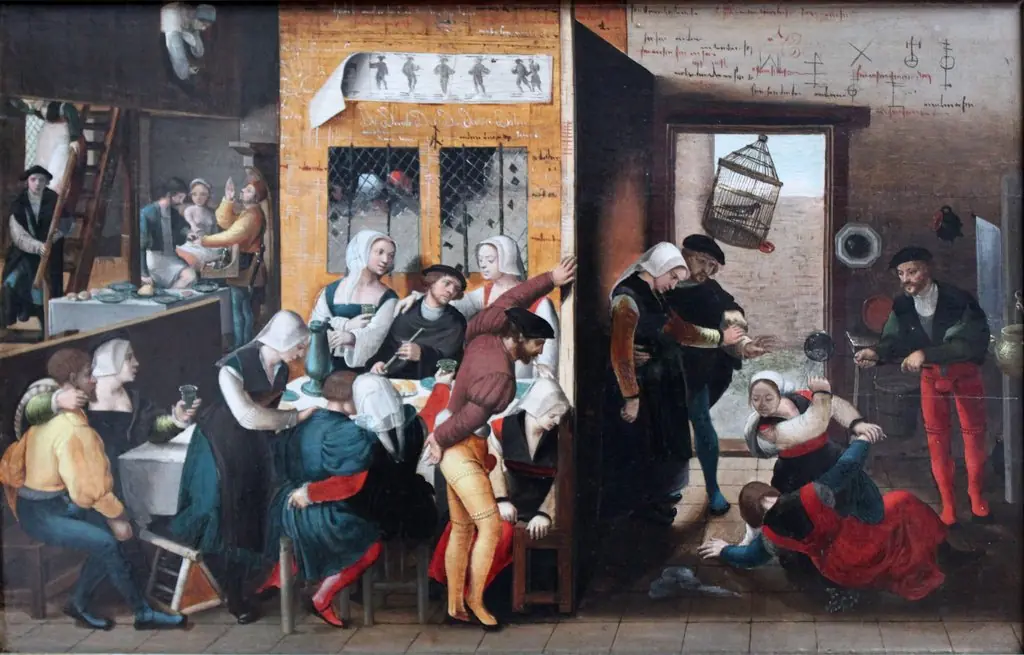
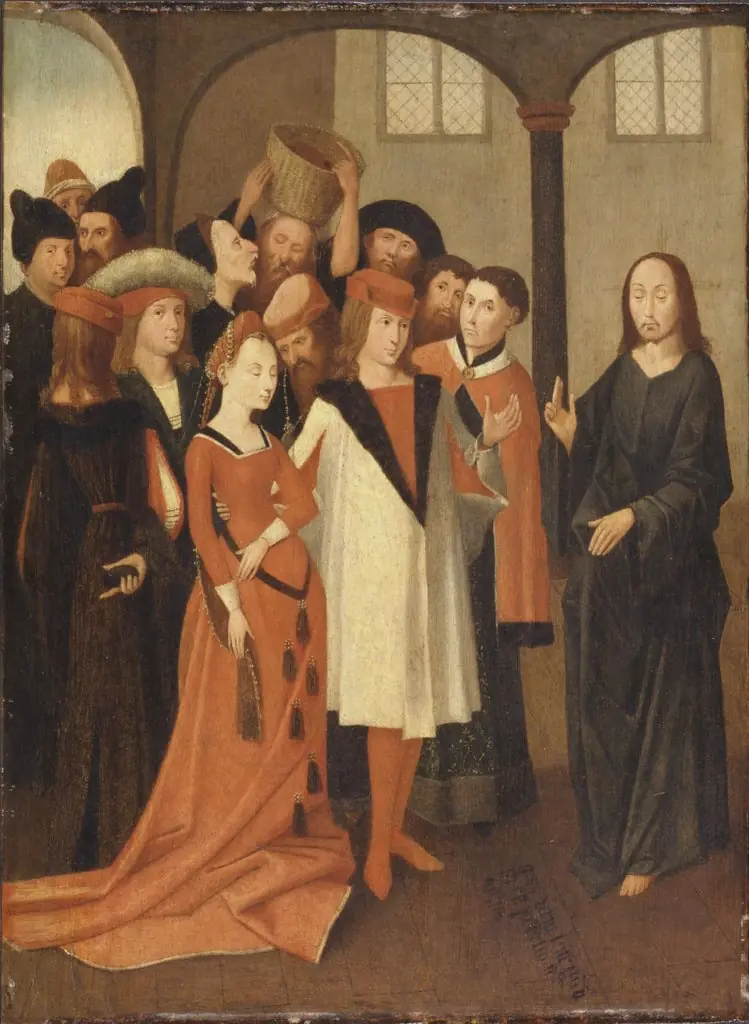
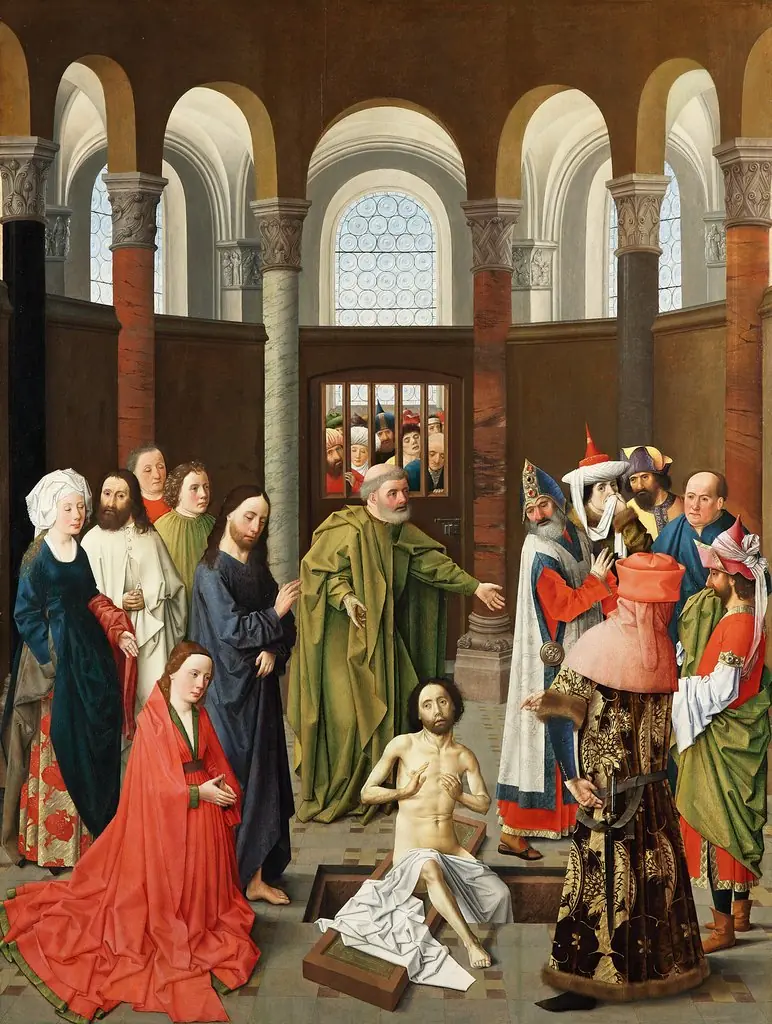
The Seven Works of Mercy is an oil painting by the Northern Renaissance artist Master of Alkmaar. It dates from 1504 and is held in the collection of the Rijksmuseum.
About this work
Technique & Style
Created in 1504, The Seven Works of Mercy is an oil painting executed on a wooden panel support. The work measures 103.5 cm in height and 55 cm in width. As a religious genre piece by the Master of Alkmaar, it employs oil paint as the primary medium to depict its thematic subjects.
The physical format is a panel painting, a standard support for Northern Renaissance religious works of this period.
History & Provenance
The Seven Works of Mercy is held in the collection of the Rijksmuseum in Amsterdam, where it is catalogued under the inventory number SK-A-2815-7.
The Seven Works of Mercy was created in 1504 by the Master of Alkmaar as an oil painting on panel. It was commissioned for devotional use and depicts the seven corporal works of mercy. The work entered the collection of the Rijksmuseum, where it remains on view in the museum's gallery of early Netherlandish art. Its dimensions are 103.5 cm in height and 55 cm in width.
The Seven Works of Mercy is held in the collection of the Rijksmuseum in Amsterdam, where it is catalogued under the inventory number SK-A-2815-7. The painting, executed in oil on panel in 1504 by the Master of Alkmaar, is part of the museum's holdings of religious art. No exhibition history beyond its presence in the Rijksmuseum collection is documented in the available sources.
Context
Created in 1504 by the Master of Alkmaar, The Seven Works of Mercy stands as a significant example of early 16th-century religious panel painting. Executed in oil on wood, the work measures 103.5 cm in height and 55 cm in width. As a depiction of the corporal acts of charity, it reflects the devotional priorities of its era and the artist's focus on moral instruction within a religious framework.
The painting is currently held in the collection of the Rijksmuseum, where it is cataloged as a key work by this anonymous master known for his contributions to Dutch art.
Overview
Created in 1504, this oil on panel is attributed to the anonymous Master of Alkmaar, an early‑sixteenth‑century painter active in the Dutch town of Alkmaar. The work belongs to the Northern Renaissance and forms part of a larger altarpiece originally installed in Saint Lawrence Church. Today the panel is conserved in the Rijksmuseum, Amsterdam.
Subject & Meaning
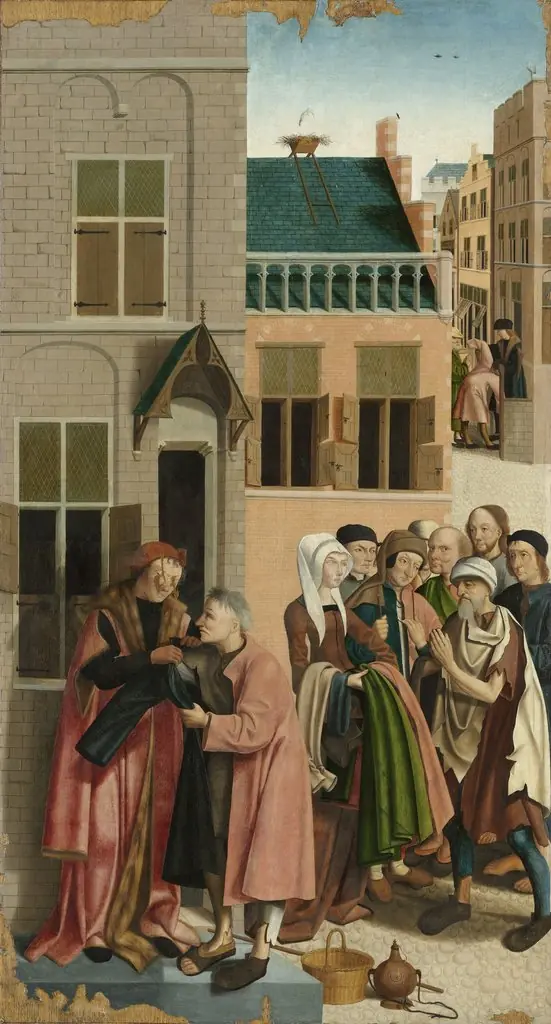
The composition illustrates the seven corporal works of mercy, feeding the hungry, giving drink, clothing the naked, sheltering the homeless, visiting the sick, caring for the imprisoned, and burying the dead, presented as a bustling courtyard scene. Each figure engages in a specific act, linking everyday activity with Christian charity.
Artist & collection
Artist
The Master of Alkmaar was a Dutch painter active around Alkmaar at the beginning of the sixteenth century.

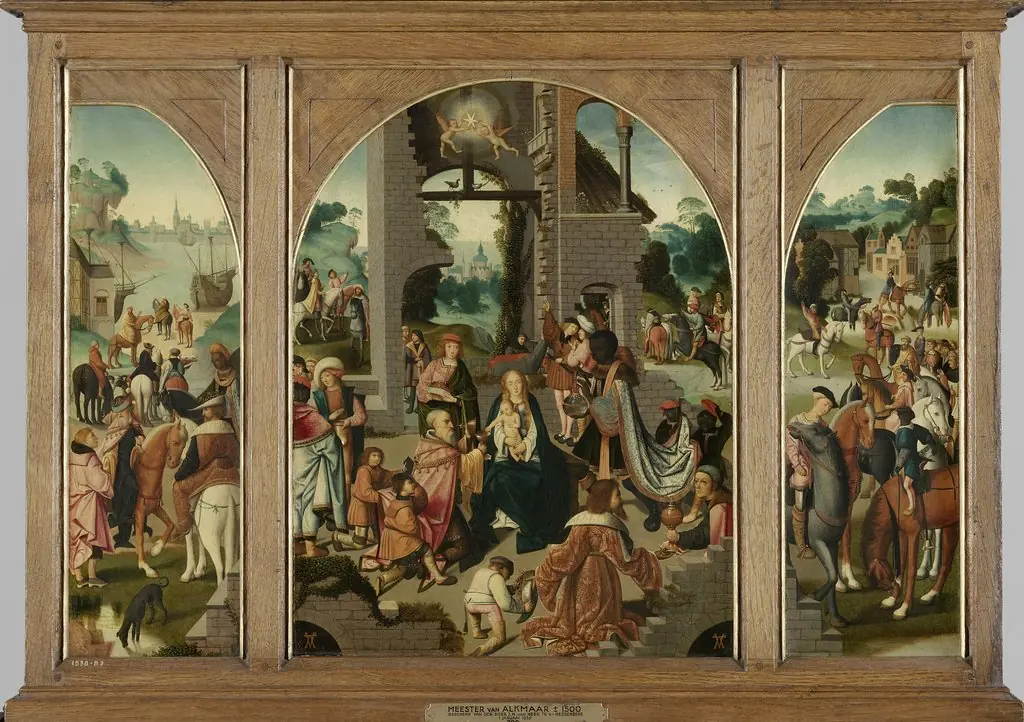 Triptych with the adoration of the Magi (centre panel and inner wings), St Antony Abbot (outer left wing) and St Adrian (outer right wing)
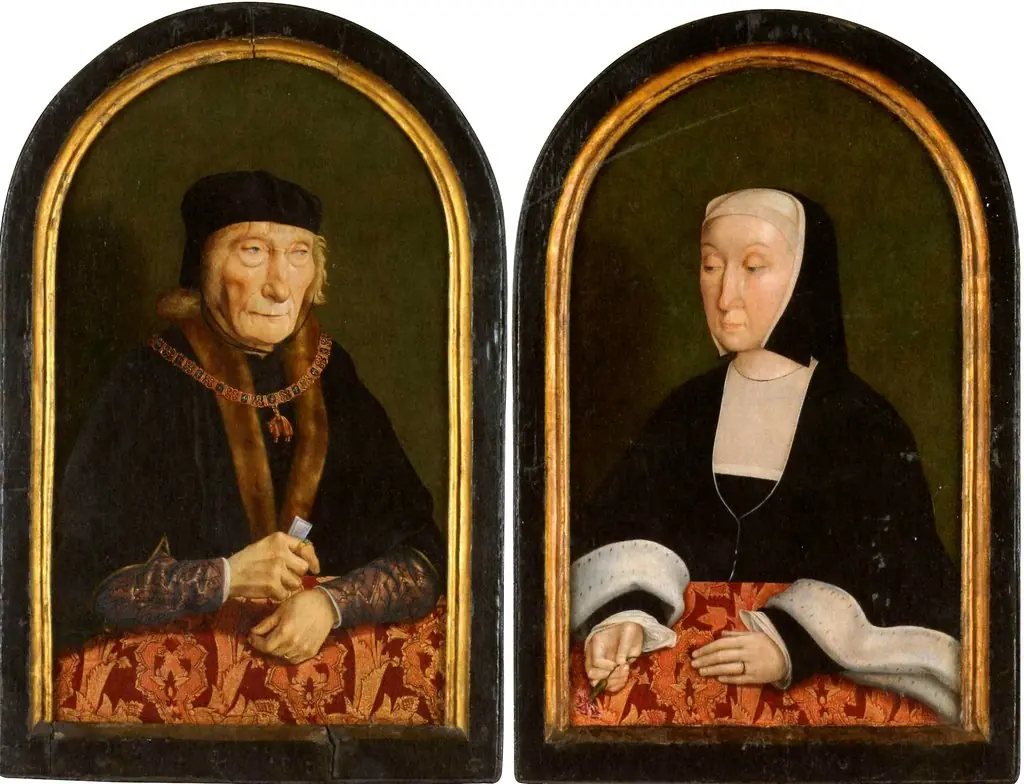 Portrait of Jan III, First Count of Egmond (1438–1516) and his wife Magdalena van Werdenburg, Countess of Egmond (1464–1538)
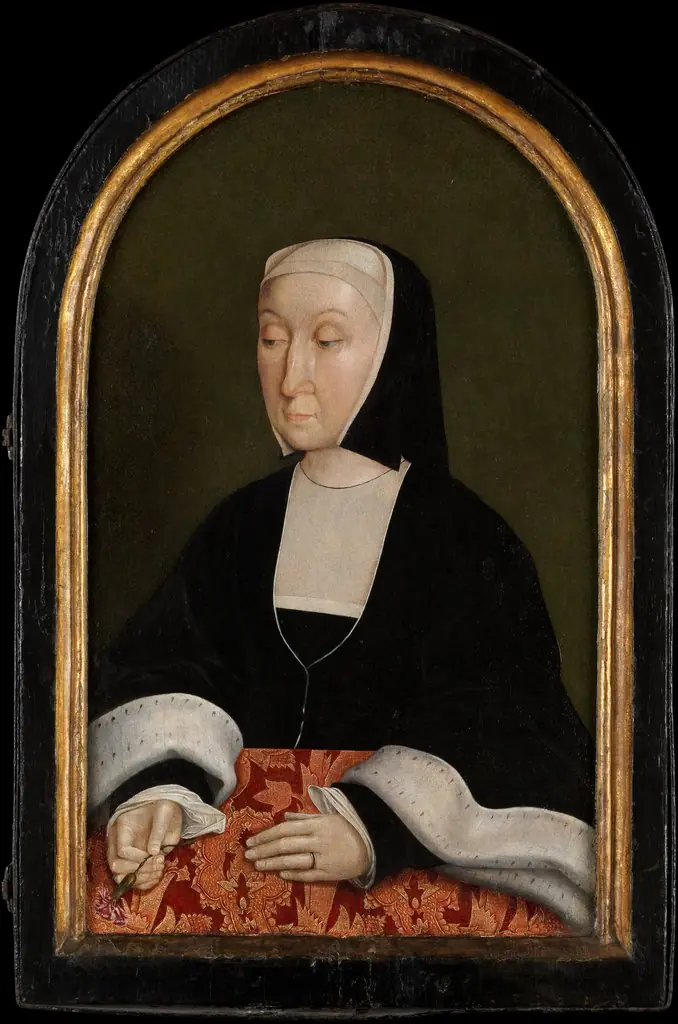 Portrait of Magdalena van Werdenburg (1464–1538), Countess of Egmond and wife of Jan (1438–1516), First Count of Egmond;
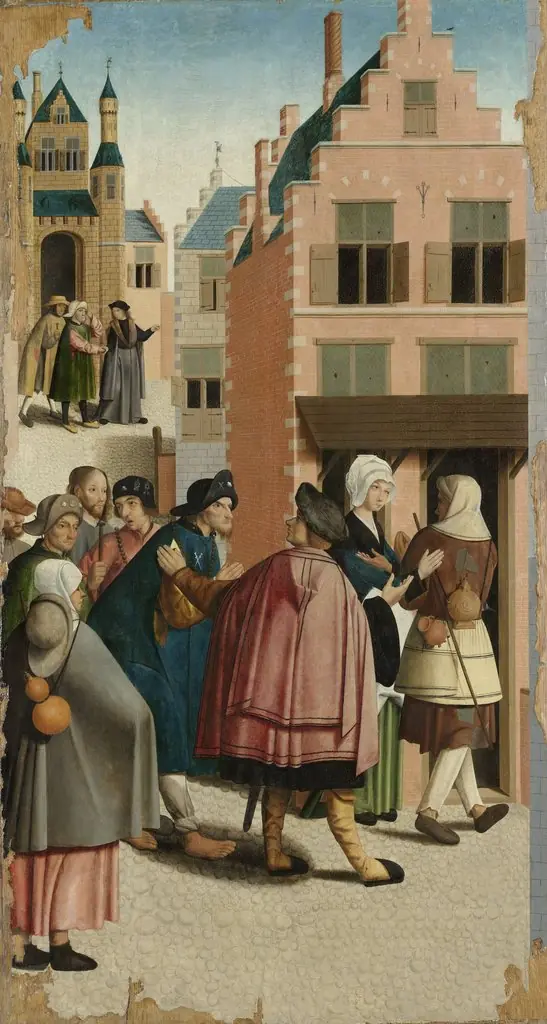 The Seven Works of Mercy
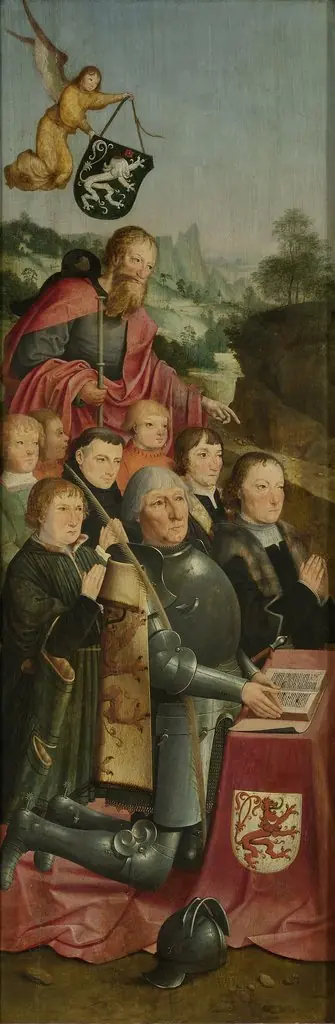 Memorial Panel with Eight Male Portraits, probably Willem Jelysz van Soutelande and Family, with Saint James the Greater and the Van Soutelande Family Crest, inner left wing of an altarpiece
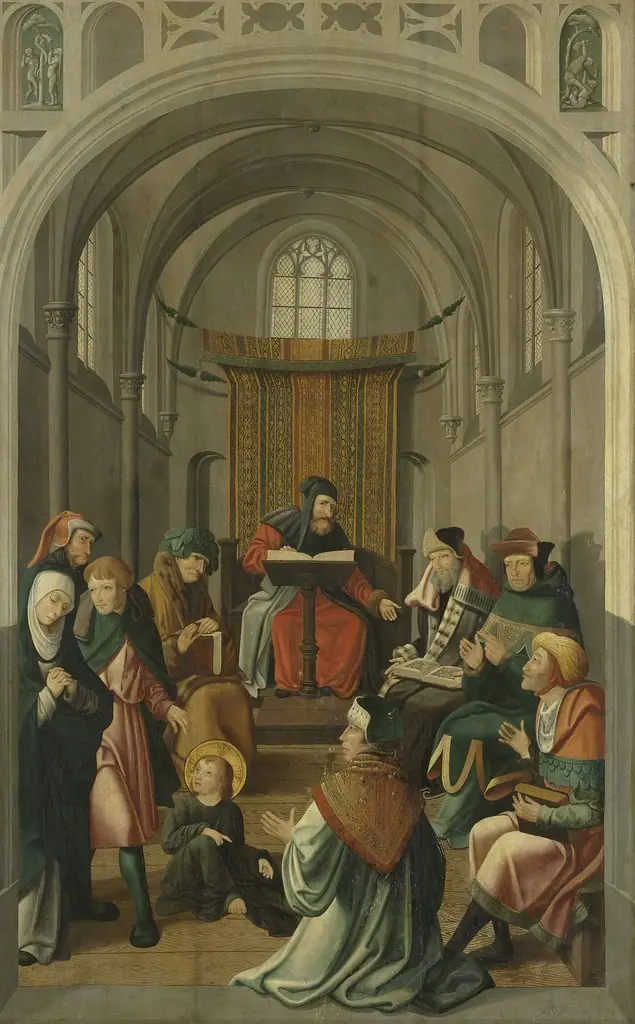 Panel of an altarpiece with Jesus disputing with the doctors in the Temple (inner wing) and Christ appearing to his mother (outer wing)