Artwork
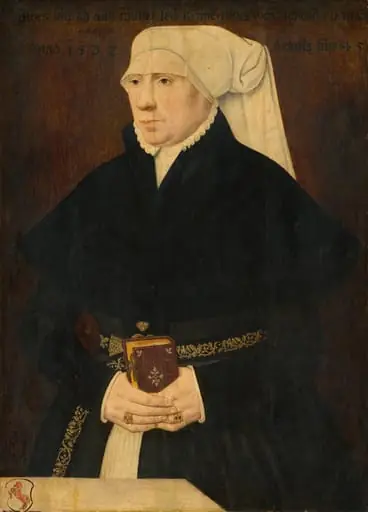
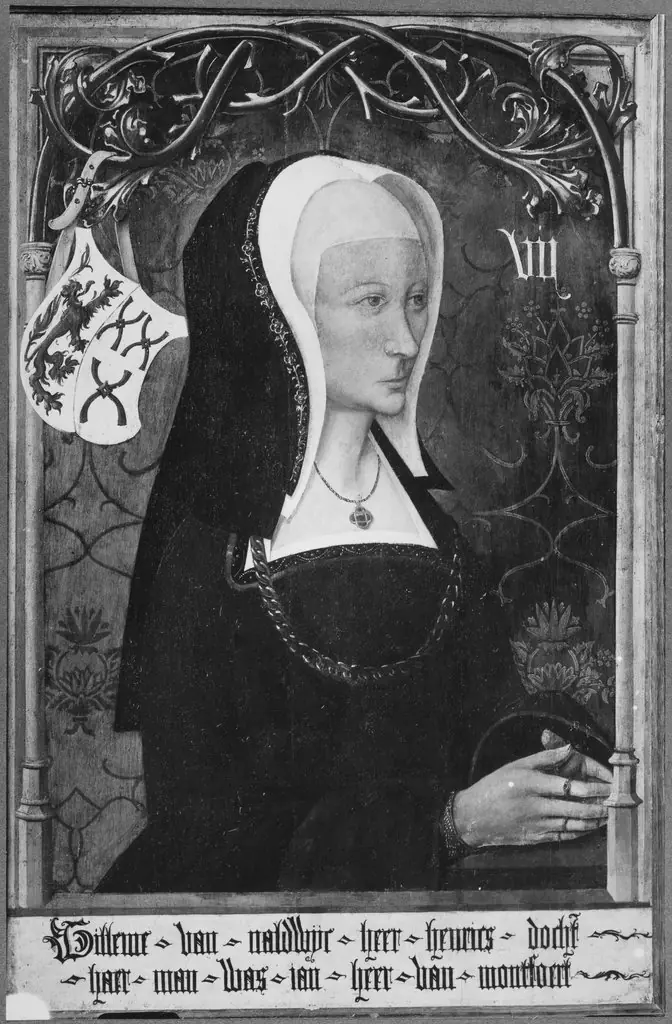
Portrait of Magdalena van Werdenburg (1464–1538), Countess of Egmond and wife of Jan (1438–1516), First Count of Egmond;
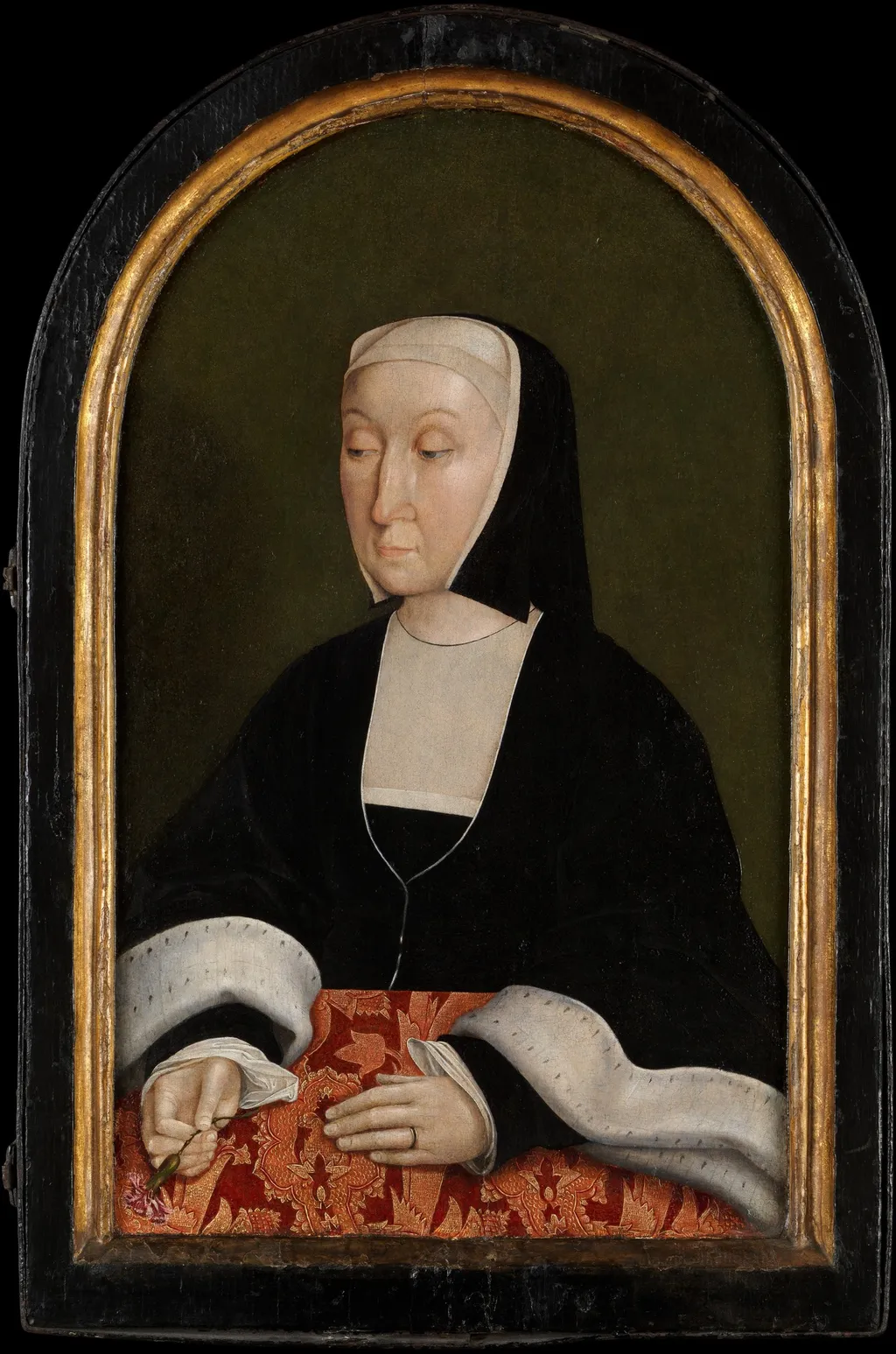
Portrait of Magdalena van Werdenburg (1464–1538), Countess of Egmond and wife of Jan (1438–1516), First Count of Egmond; is an oil painting by the Northern Renaissance artist Master of Alkmaar. It dates from 1510 and is held in the collection of the Metropolitan Museum of Art.
About this work
Subject & Meaning
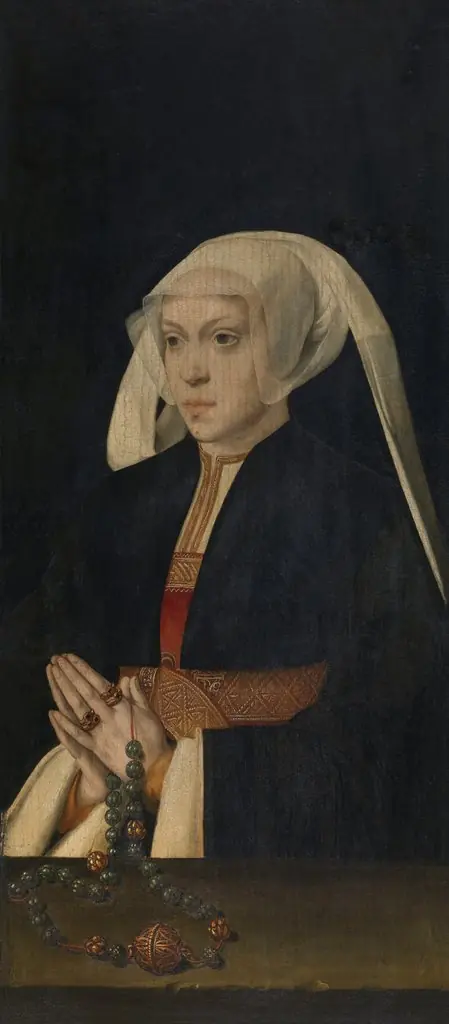
The work is a portrait diptych devoted to Magdalena van Werdenburg (1464–1538), Countess of Egmond and wife of Jan (1438–1516), First Count of Egmond.
The work is a portrait diptych devoted to Magdalena van Werdenburg (1464–1538), Countess of Egmond and wife of Jan (1438–1516), First Count of Egmond. Painted in 1510 by the Master of Alkmaar, it identifies her as the principal subject, presenting her likeness as a member of the high nobility of the Low Countries.
As a pair portrait, the panel would have been conceived to be seen alongside a companion image of her husband, Jan of Egmond, framing the countess within a conjugal and dynastic pairing. Such diptychs served to commemorate the marital alliance between the Egmond and Werdenburg houses and to assert the lineage and status of their descendants, encoding the sitter's noble identity through her visual coupling with the count.
The portrait's meaning is therefore rooted in commemoration of Magdalena herself and in the representation of the Egmond-Werdenburg union, using the traditional format of the paired portrait to project aristocratic prestige and familial continuity.
History & Provenance
Portrait of Magdalena van Werdenburg, Countess of Egmond, was painted circa 1510 by the Master of Alkmaar on a wooden panel. The work entered the collection of Michael Friedsam, who bequeathed it to the Metropolitan Museum of Art, where it remains on view. Its early ownership is documented only through Friedsam’s bequest; no contemporary commission records survive.
The painting was exhibited in several Met installations, including the Loan Exhibition of French Primitives and Objects of Art and the Michael Friedsam Collection showcase. Its dimensions are 42.5 cm by 26 cm, matching the measurements recorded for the diptych in the museum’s catalogue.
The diptych portrait of Magdalena van Werdenburg, painted circa 1510 by the Master of Alkmaar, is housed in the Metropolitan Museum of Art in New York. It entered the museum through the bequest of Michael Friedsam, who previously owned the work. The painting has been featured in several exhibitions at the Met, including the Loan Exhibition of French Primitives and Objects of Art (1975), Three Centuries of Portraits in the Netherlands (1999), Dutch Couples: Pair Portraits by Rembrandt and his Contemporaries (2005), From Van Eyck to Bruegel: Early Netherlandish Painting in The Metropolitan Museum of Art (2005), and Painting of the Late Middle Ages: Early Dutchmen (2006).
Overview
This portrait, painted in 1510 by the Dutch artist known as the Master of Alkmaar, depicts Magdalena van Werdenburg (1464–1538). She was the Countess of Egmond and wife to Jan, the First Count of Egmond. Executed on a wood panel, the work is now part of the collection at The Metropolitan Museum of Art.
Technique & Style
The artist employed a focused approach in this portrait, using a dark, unadorned background to emphasize the sitter's face and hands. The palette is generally subdued, with smooth brushstrokes contributing to a quiet, detailed rendering of Magdalena's features and attire. While the Master of Alkmaar's larger works, such as the Seven Works of Mercy, are known for their bright hues and expressive figures, this portrait demonstrates a more restrained and intimate style.
Context
The Master of Alkmaar was an active painter in the Netherlands during the early sixteenth century, primarily associated with the town of Alkmaar. His most recognized works include a series of panel paintings depicting the Seven Works of Mercy, created in 1504 for the church of Saint Lawrence in Alkmaar. This portrait of Magdalena van Werdenburg exemplifies his skill in capturing individual likenesses within the artistic traditions of the Northern Renaissance.
Own this work as a print
Artist & collection
Artist
The Master of Alkmaar was a Dutch painter active around Alkmaar at the beginning of the sixteenth century.

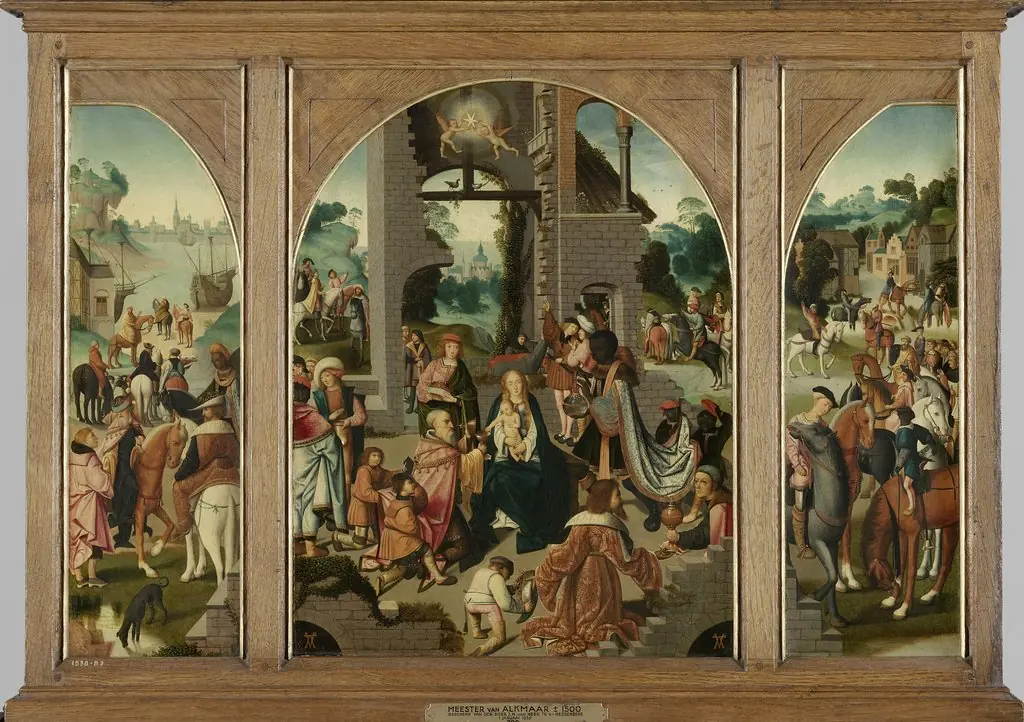 Triptych with the adoration of the Magi (centre panel and inner wings), St Antony Abbot (outer left wing) and St Adrian (outer right wing)
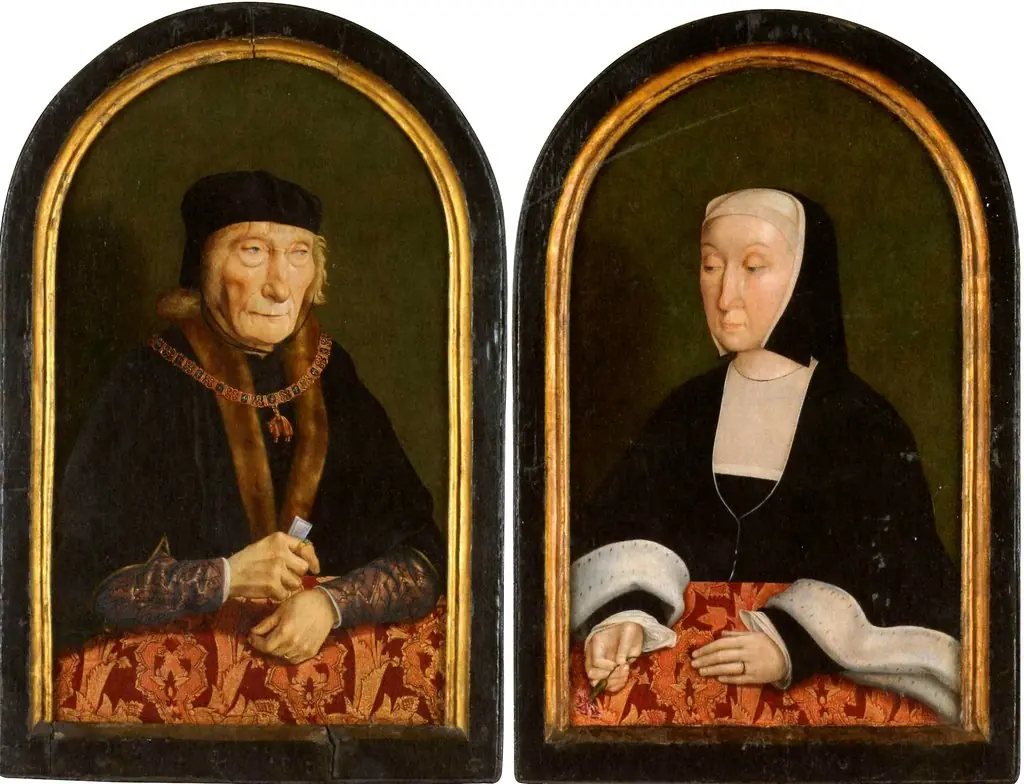 Portrait of Jan III, First Count of Egmond (1438–1516) and his wife Magdalena van Werdenburg, Countess of Egmond (1464–1538)
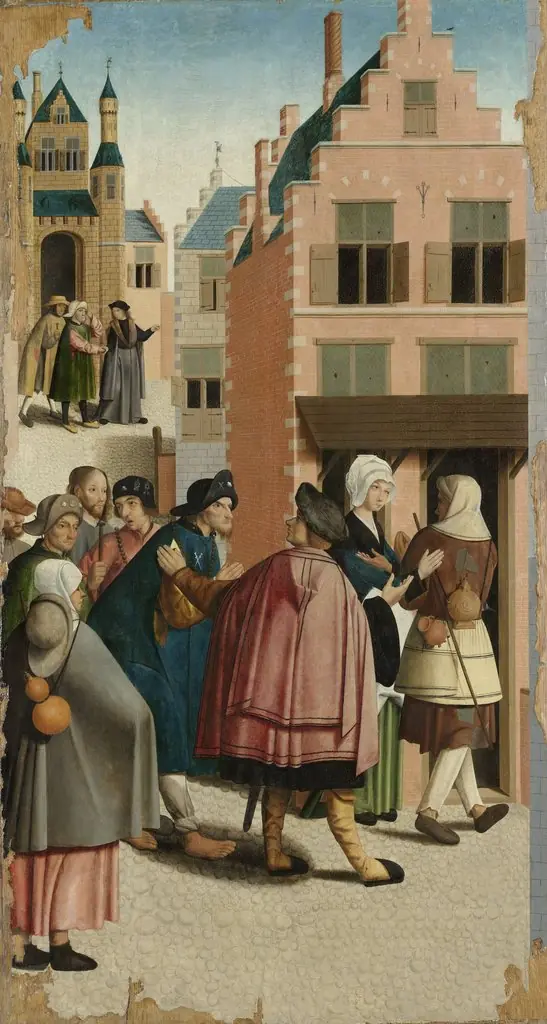 The Seven Works of Mercy
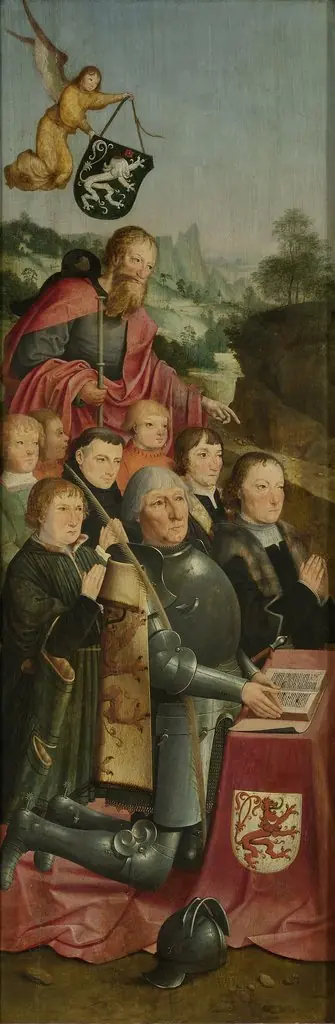 Memorial Panel with Eight Male Portraits, probably Willem Jelysz van Soutelande and Family, with Saint James the Greater and the Van Soutelande Family Crest, inner left wing of an altarpiece
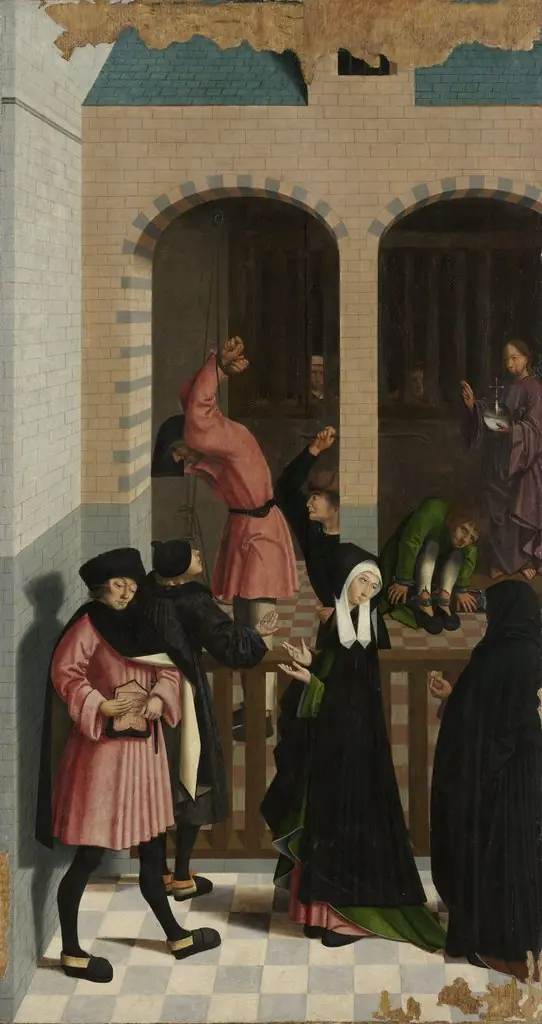 The Seven Works of Mercy
 Panel of an altarpiece with Jesus disputing with the doctors in the Temple (inner wing) and Christ appearing to his mother (outer wing)