Artwork
The Nativity
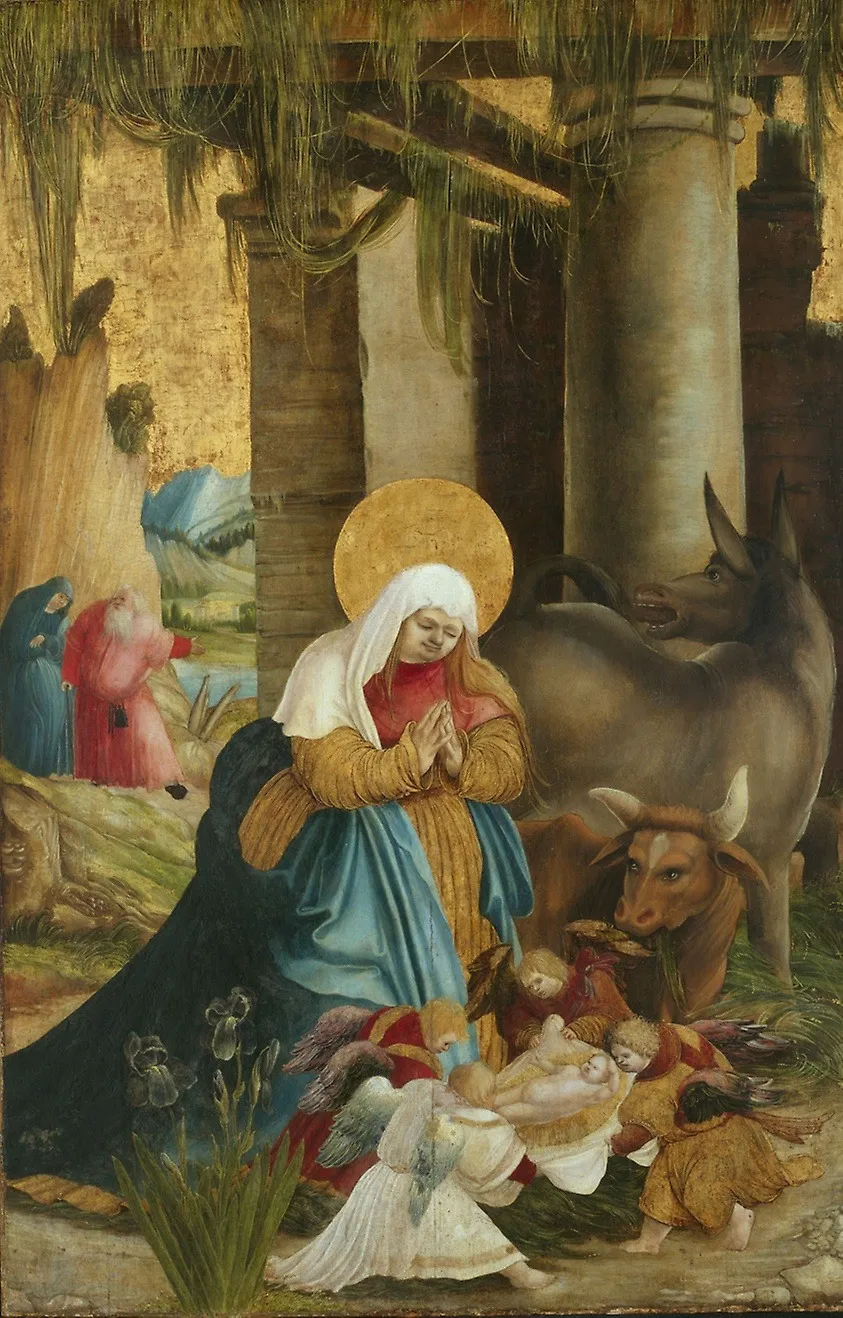
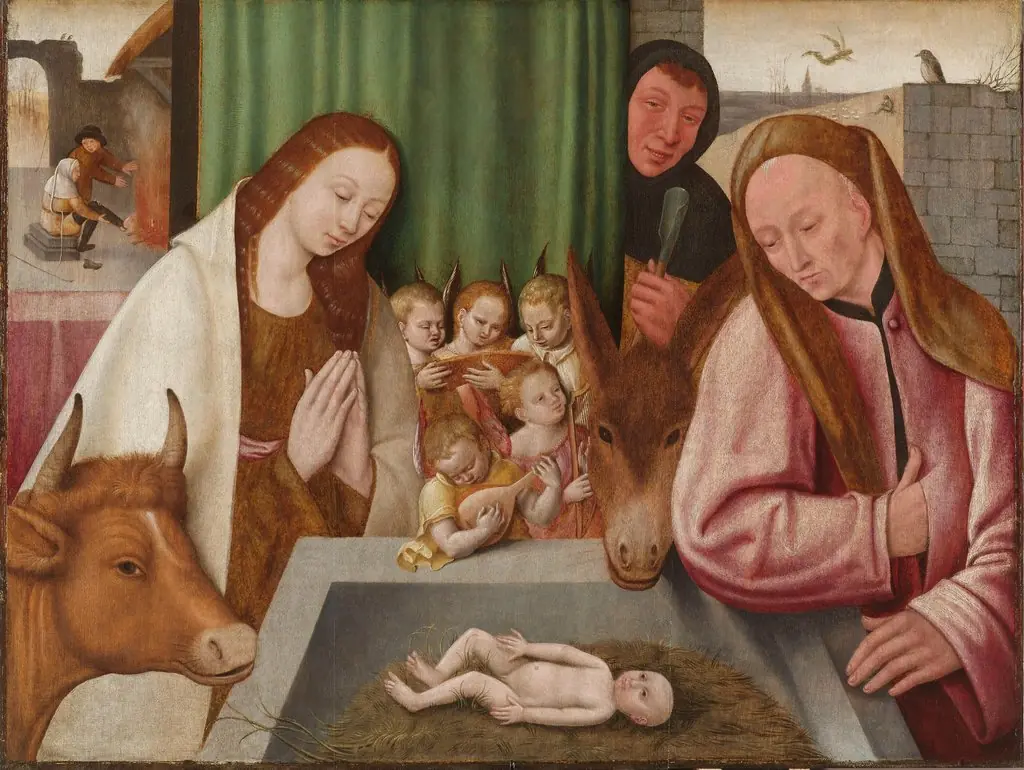
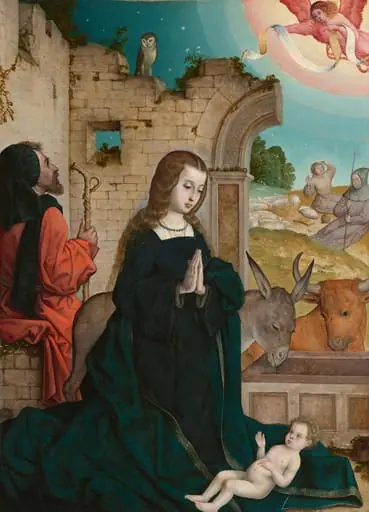
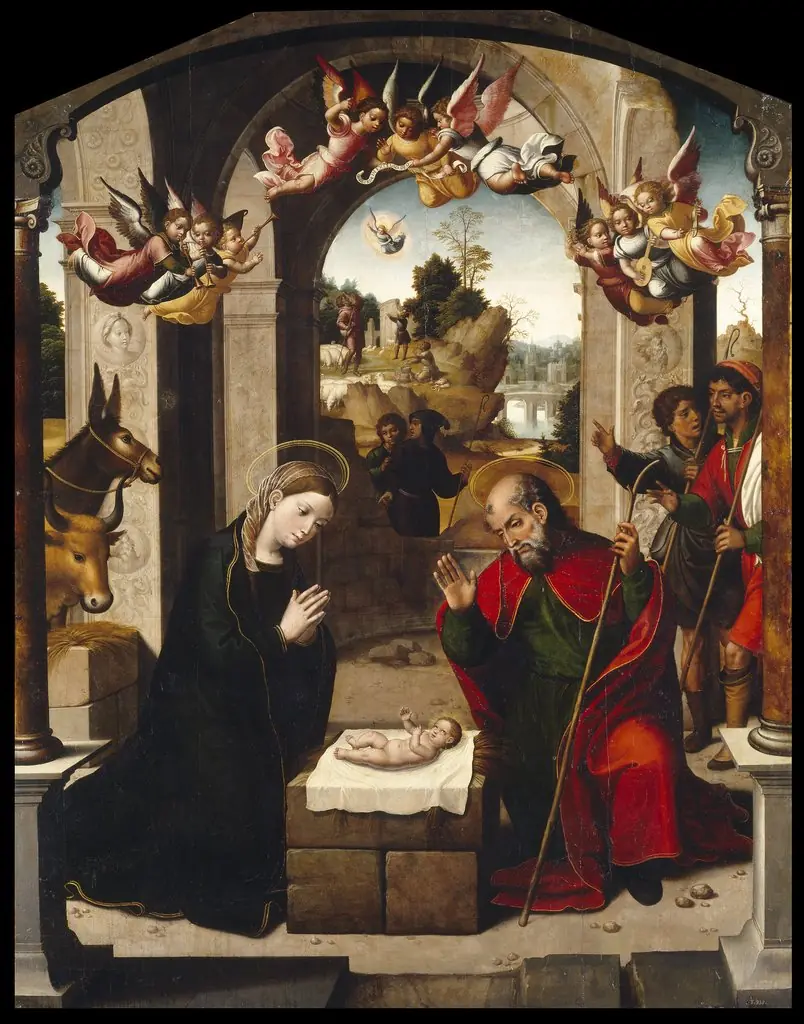
The Nativity is an oil painting by the Northern Renaissance artist Master of Pulkau. It dates from 1508 and is held in the collection of the Art Institute of Chicago.
About this work
Subject & Meaning
As a devotional work, the image serves to visualize the incarnation, inviting viewers to contemplate the theological significance of the infant Jesus's arrival.
The painting depicts the Nativity of Jesus, a central event in Christian theology representing the birth of Christ. The composition focuses on the main subjects of the Virgin Mary and the Christ Child, rendered within a religious art genre typical of early 16th-century Austrian painting. As a devotional work, the image serves to visualize the incarnation, inviting viewers to contemplate the theological significance of the infant Jesus's arrival.
The artwork functions as a visual meditation on this sacred narrative, emphasizing the humanity and divinity of the figures through its depiction.
Technique & Style
The Nativity is executed in tempera on panel, a traditional technique consistent with early sixteenth-century Austrian panel painting. According to the Wikidata record, the materials are listed as oil paint, tempera, and panel, indicating a mixed-media approach in which tempera, possibly combined with oil, serves as the binding medium on a wooden support. The work measures 111.4 cm in height by 74.1 cm in width, giving it a pronounced vertical format suited to its devotional function.
Produced in Austria in 1508, the painting belongs to the religious genre and depicts the Christ Child and Mary as central figures of the Nativity of Jesus. The vertical panel support and mixed tempera-and-oil handling are characteristic of the transitional technique employed by painters working in the Austrian region at the turn of the sixteenth century.
History & Provenance
Created in 1508, The Nativity is a panel painting executed in tempera and oil by the Master of Pulkau. The work originated in Austria and depicts the birth of Jesus, focusing on the figures of the Christ Child and Mary. While the specific commission details are not recorded in the provided sources, the piece was created during the early sixteenth century within the Austrian artistic tradition. It is currently held in the collection of the Art Institute of Chicago.
The Nativity is held in the collection of the Art Institute of Chicago. Created in 1508 by the Master of Pulkau, the work measures 111.4 cm in height and 74.1 cm in width. It is executed in oil paint and tempera on a panel.
While the piece is located at the Art Institute of Chicago, the provided records do not list specific inventory numbers or detail any past exhibitions.
Legacy
The Nativity by the Master of Pulkau, painted in 1508, has been recognized as an important example of early Northern Renaissance religious art. Its depiction of the Virgin Mary and the Christ Child within a domestic interior influenced later interpretations of the Nativity scene, particularly in works emphasizing intimate devotional settings. The painting's composition and use of tempera on panel have been studied for their technical innovation within the context of 16th-century Austrian art.
It remains part of the permanent collection of the Art Institute of Chicago, where it is displayed as a key piece of the museum's early European holdings.
Overview
The Nativity is a tempera painting created by Master of Pulkau in 1508. It is a religious work held at the Art Institute of Chicago.
Artist & collection
Artist
This unknown painter worked in Austria around 1500. Their only known surviving work in our collection is The Nativity, a tempera panel that shows the birth of Jesus in crisp lines and soft gold. The figures have quiet…