Artwork
Madonna and Child Enthroned with Saints Lucy, Margaret, Mary Magdalene and Catherine of Alexandria
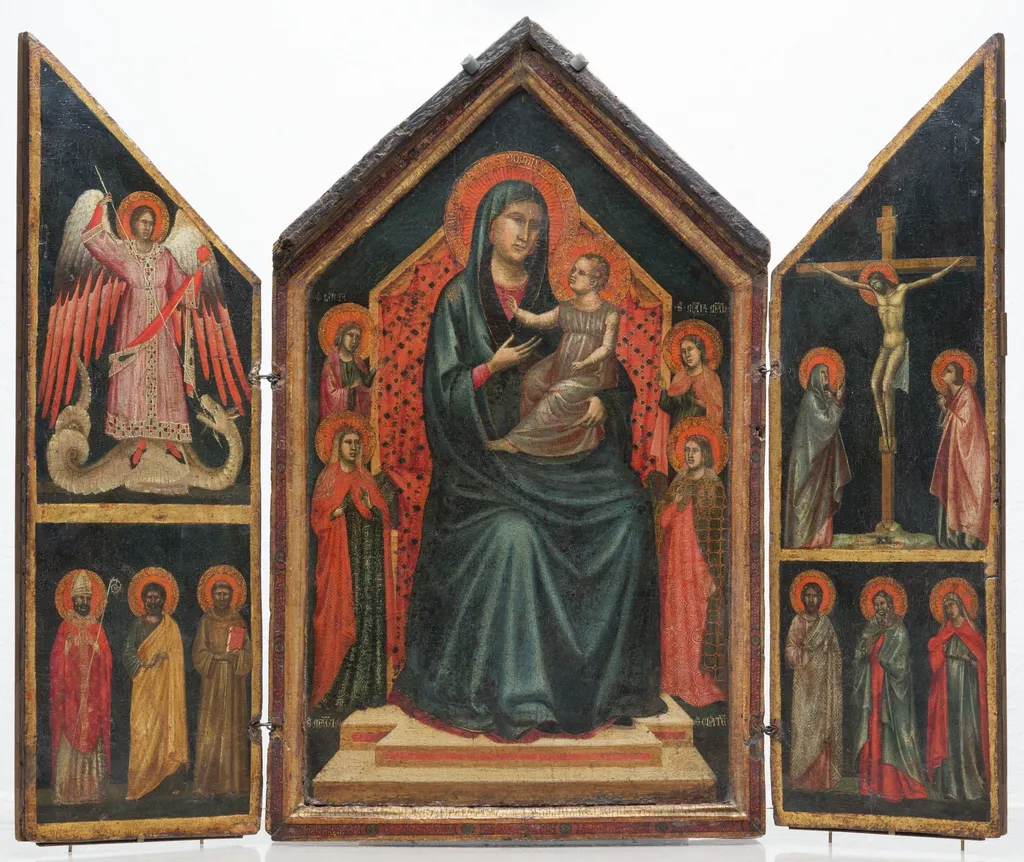
Madonna and Child Enthroned with Saints Lucy, Margaret, Mary Magdalene and Catherine of Alexandria is an unspecified painting by the Italo Byzantine artist Master of Saint Cecilia. It dates from 1296 and is held in the collection of the Detroit Institute of Arts.
About this work
Overview
Madonna and Child Enthroned with Saints Lucy, Margaret, Mary Magdalene and Catherine of Alexandria is a 1296 religious painting by the Master of Saint Cecilia, currently housed at the Detroit Institute of Arts. Composed as a triptych, the work consists of a central panel flanked by two side panels.
Subject & Meaning
The central panel depicts the Madonna holding the Christ Child, surrounded by four female saints: Lucy, Margaret, Mary Magdalene, and Catherine of Alexandria. This assembly emphasizes the veneration of the Virgin and the devotion to these specific saints, likely reflecting the patron's or artist's spiritual inclinations.
Technique & Style
Executed primarily in somber tones with strategic gold accents, the painting showcases meticulous detail, particularly in the intricate patterns adorning the saints' robes. The Madonna wears a distinctive blue robe, while the Christ Child is clad in white, contrasting with the varied, colorful attire of the saints in the side panels.
History & Provenance
Created in 1296, the painting's early history is not detailed in the provided sources. It is known to be part of the collection at the Detroit Institute of Arts, indicating its eventual acquisition by the institution, though the specifics of its journey there are not specified.
Context
This triptych reflects late medieval religious art's penchant for devotional pieces featuring the Madonna and revered female saints. The choice of saints may indicate the work's intended location or patron, though without further context, this remains speculative.
Legacy
As a work by the Master of Saint Cecilia, it contributes to the understanding of early medieval artistic practices and the veneration of female saints during this period. Its presence in a public collection like the Detroit Institute of Arts facilitates ongoing study and appreciation.
Own this work as a print
Artist & collection
Artist
This artist painted vivid tempera panels of holy figures in the 1300s, right in the thick of Italy’s early Renaissance.

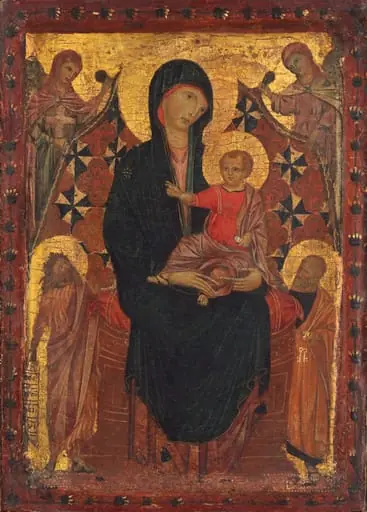 Madonna and Child with Saint John the Baptist, Saint Peter, and Two Angels
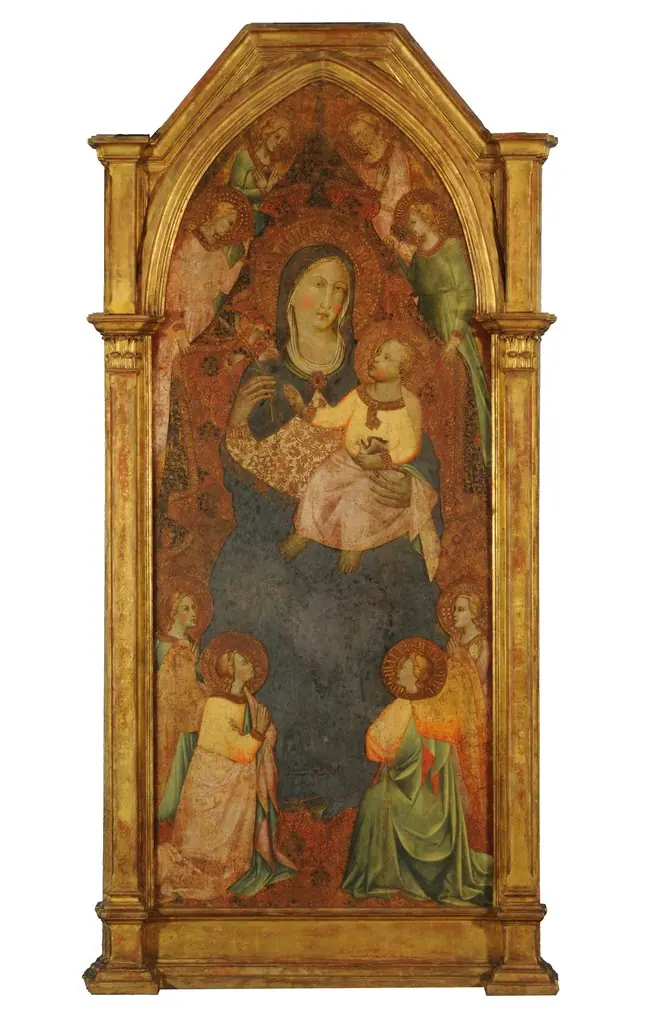 Virgin with child
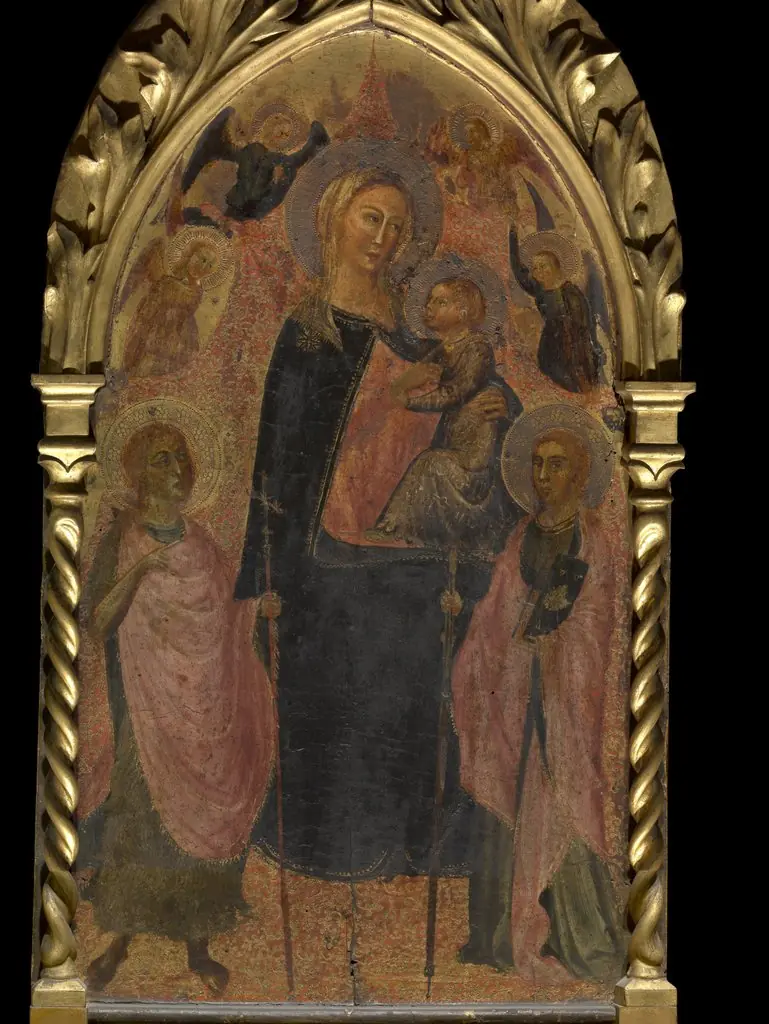 Madonna with Angels and Saints
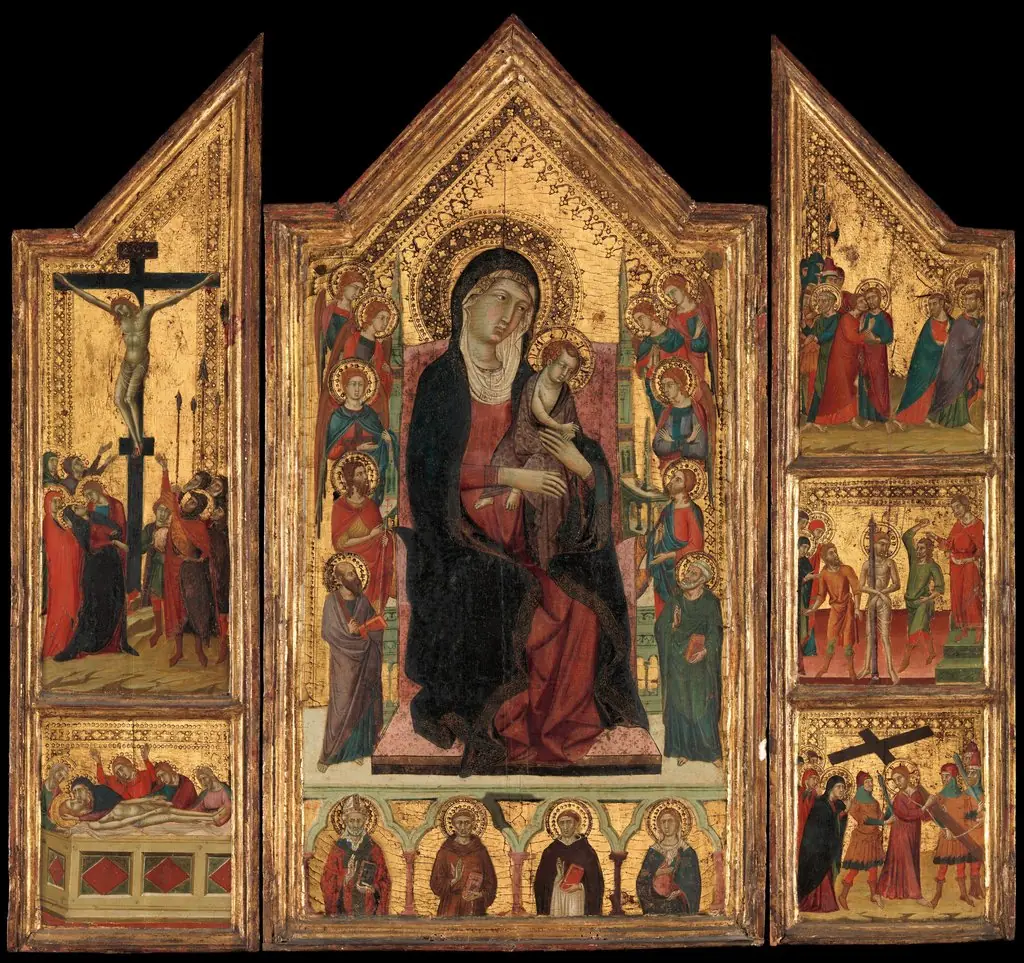 Madonna and Child Enthroned
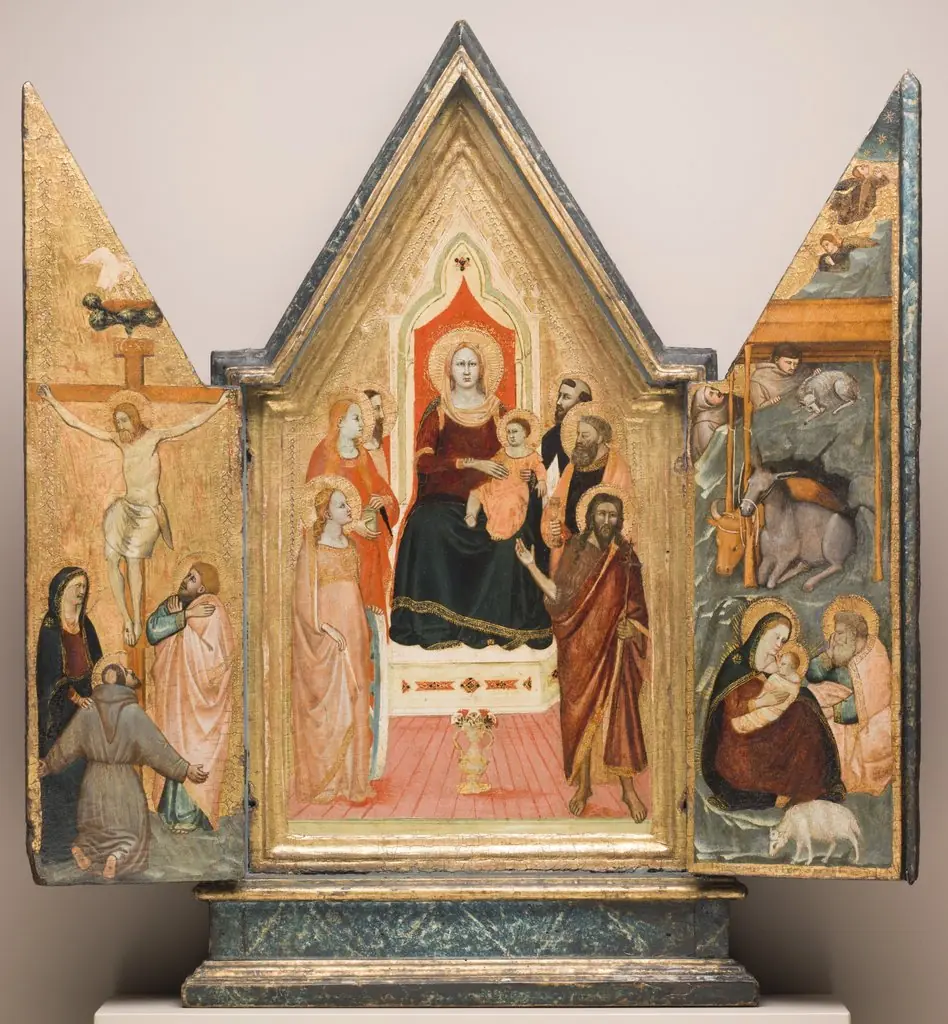 Virgin Enthroned with Saints, Nativity and Crucifixion
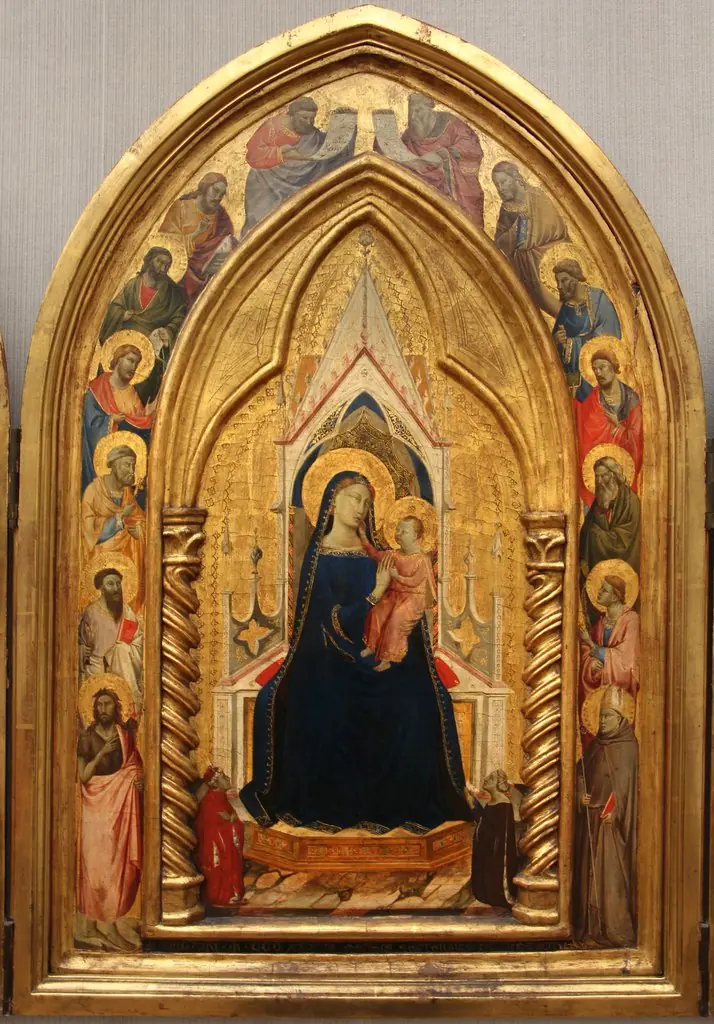 Central panel of the triptych
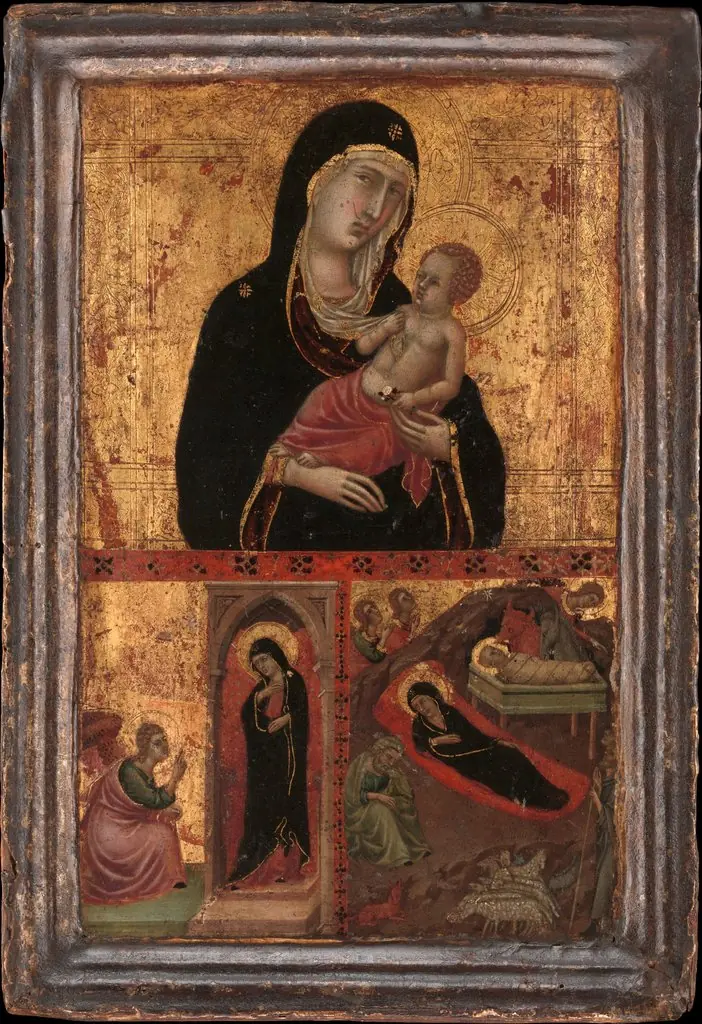 Madonna and Child with the Annunciation and the Nativity
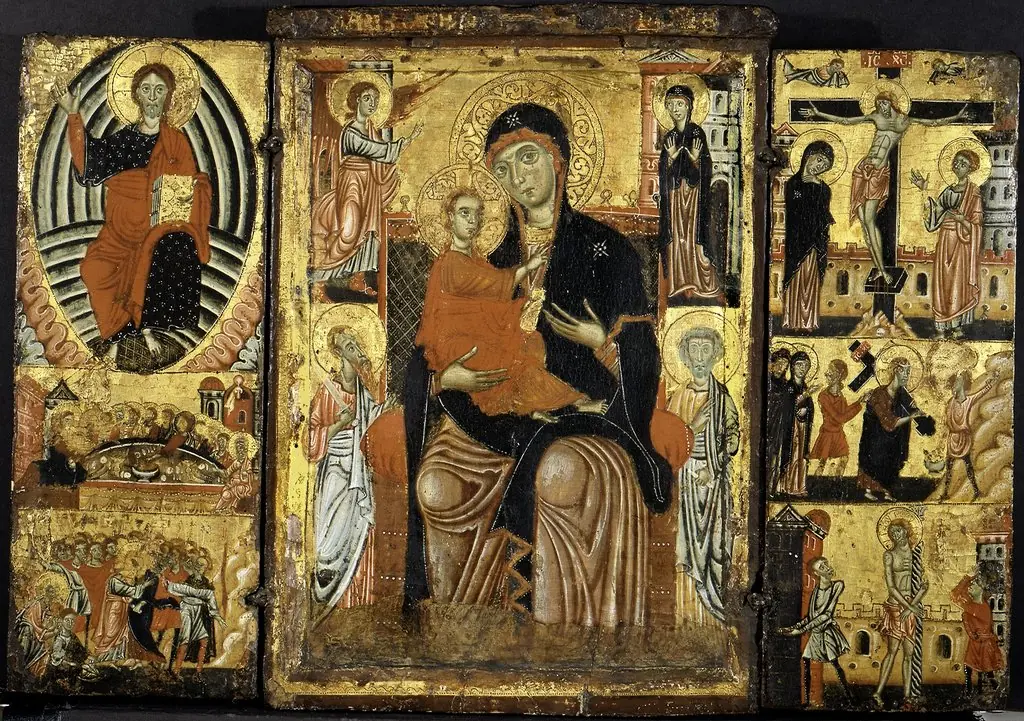 Madonna and Child Enthroned