Artwork
Left wing of a triptych with St Valerianus
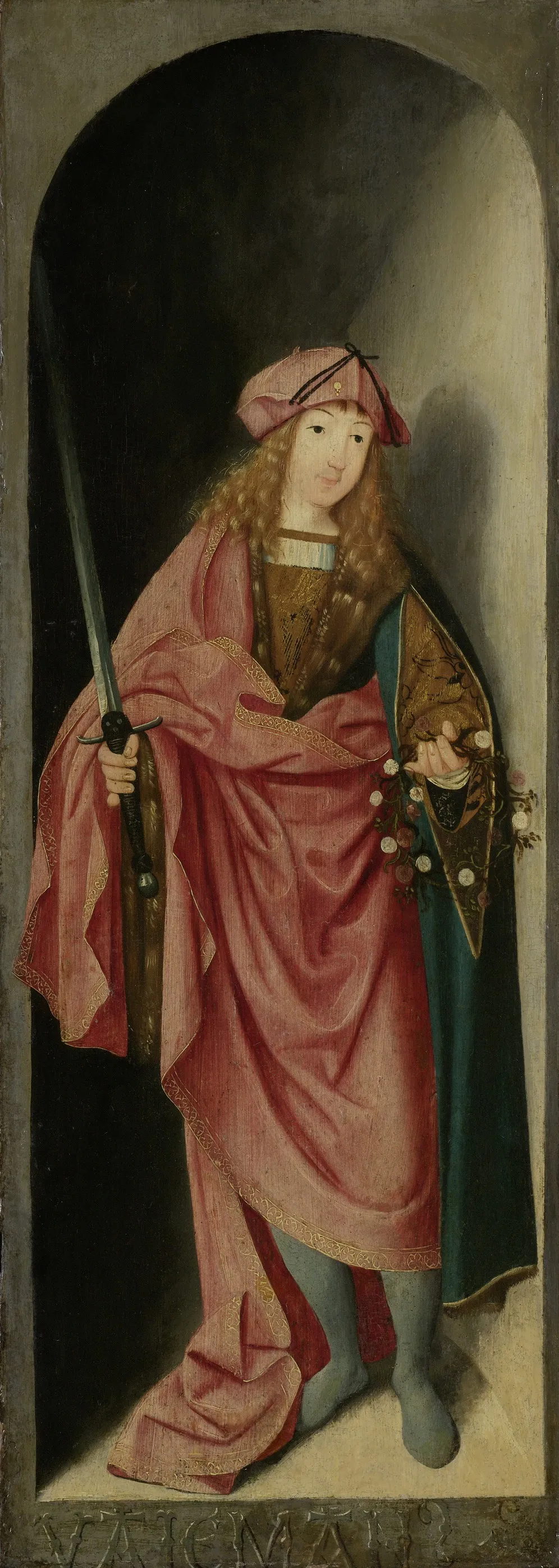
Left wing of a triptych with St Valerianus is an oil painting by the Northern Renaissance artist Master of the Brunswick Diptych. It dates from 1500 and is held in the collection of the Rijksmuseum.
About this work
Subject & Meaning
As the left wing of a larger triptych, the painting functions within a narrative religious context typical of early 16th-century devotional art.
The work depicts Valerian of Rome, identified as St. Valerianus, serving as the subject of this religious panel. As the left wing of a larger triptych, the painting functions within a narrative religious context typical of early 16th-century devotional art. Created around 1500 by the Master of the Brunswick Diptych, the image focuses on the saint to facilitate veneration or storytelling within the complete altarpiece structure.
The subject matter aligns with the genre of religious art, utilizing oil paint on panel to present the figure for spiritual contemplation.
Technique & Style
The left wing of a triptych with St Valerianus is executed in oil paint on a wooden panel, measuring 65.3 centimeters in height and 23.3 centimeters in width. The work belongs to the religious genre and was created circa 1500 by the Master of the Brunswick Diptych. Its formal qualities reflect the stylistic conventions of early 16th-century Netherlandish religious painting, with careful attention to composition and devotional detail appropriate to the period.
History & Provenance
The left wing of a triptych depicting St Valerianus was created by the Master of the Brunswick Diptych in 1500, executed in oil paint on panel. The work subsequently passed through several private collections before entering the holdings of the Rijksmuseum in Amsterdam. Documented former owners include Nicolaas Beets, Dominicus Antonius Josephus Kessler, and Anna Christina Maria Helena Hülsmann. The painting is now part of the Rijksmuseum's collection, where it is classified as a religious work.
The Left wing of a triptych with St Valerianus is held in the collection of the Rijksmuseum in Amsterdam. The work is attributed to the Master of the Brunswick Diptych and dates to approximately 1500. Prior to its acquisition by the museum, the painting was owned by Nicolaas Beets, Dominicus Antonius Josephus Kessler, and Anna Christina Maria Helena Hülsmann.
The provided sources do not contain information regarding specific inventory numbers or a record of past exhibitions for this artwork.
Context
The work is classified as a religious painting and forms a left wing of a triptych attributed to the Master of the Brunswick Diptych. It was created in 1500 using oil paint on panel, depicting Valerian of Rome, and measures 65.3 centimeters in height by 23.3 centimeters in width. The painting entered the Rijksmuseum collection through successive ownership by Nicolaas Beets, Dominicus Antonius Josephus Kessler, and Anna Christina Maria Helena Hülsmann before its acquisition by the museum.
Scholarly attention focuses on its role within the artist’s oeuvre and the broader context of early 16th-century religious art in the Netherlands.
The attribution to the Master of the Brunswick Diptych situates the work within a distinct regional workshop tradition, though its critical reception remains tied to ongoing debates about the stylistic boundaries of this anonymous master. Its placement in the Rijksmuseum’s collection underscores its significance as a representative example of devotional imagery from the period, contributing to broader understandings of artistic exchange in the Low Countries.
Research continues to examine the triptych’s original function and iconographic program, with particular interest in how this wing interacts with its companions to convey narrative cohesion in devotional practice.
Legacy
The left wing of the triptych depicting St Valerianus, painted by the Master of the Brunswick Diptych around 1500, was later recognized as part of a larger composition now dispersed across collections. Its attribution to the Master of the Brunswick Diptych has contributed to scholarly understanding of Northern Renaissance religious painting, particularly in relation to the stylistic influence seen in later depictions of saintly figures in Dutch art. The work's compositional elements, such as the treatment of drapery and spatial depth, are cited as precursors to developments in 16th-century altar pieces. It remains part of the Rijksmuseum's collection, which holds related religious works from the same period.
The painting’s legacy is anchored in its role as an exemplar of early Dutch religious art, studied for its technical execution and iconographic significance.
Overview
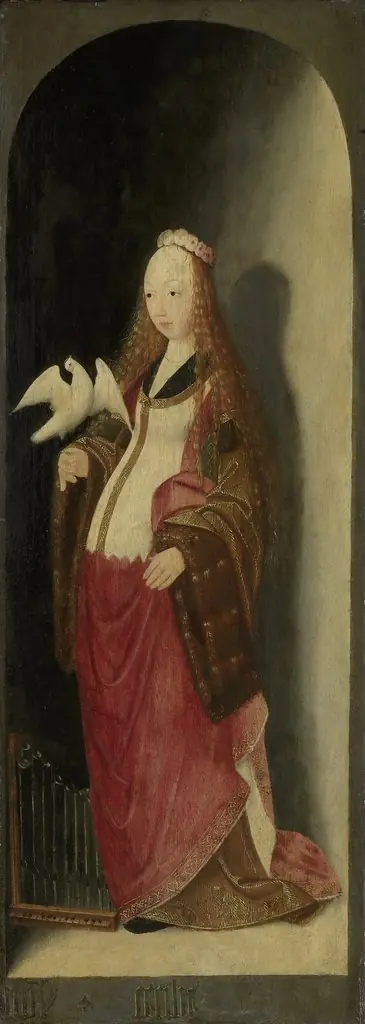
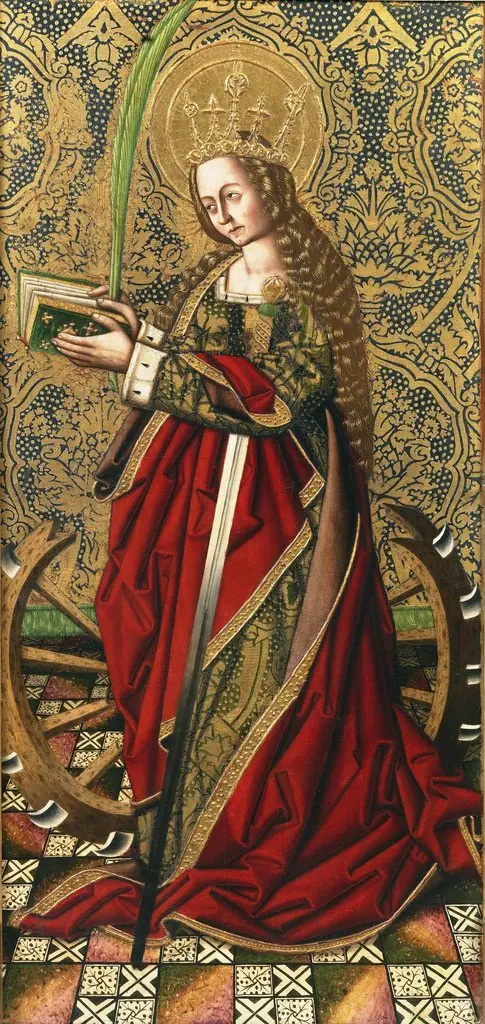
Created around 1500, this oil on panel forms the left wing of a larger triptych attributed to the anonymous Master of the Brunswick Diptych. The work presents a solitary figure in sumptuous red garments, illuminated against a deep, shadowed backdrop. It is presently displayed in the collection of the Rijksmuseum, where it is examined as part of the museum’s early‑Renaissance holdings.
Artist & collection
Artist
Master of the Brunswick Diptych
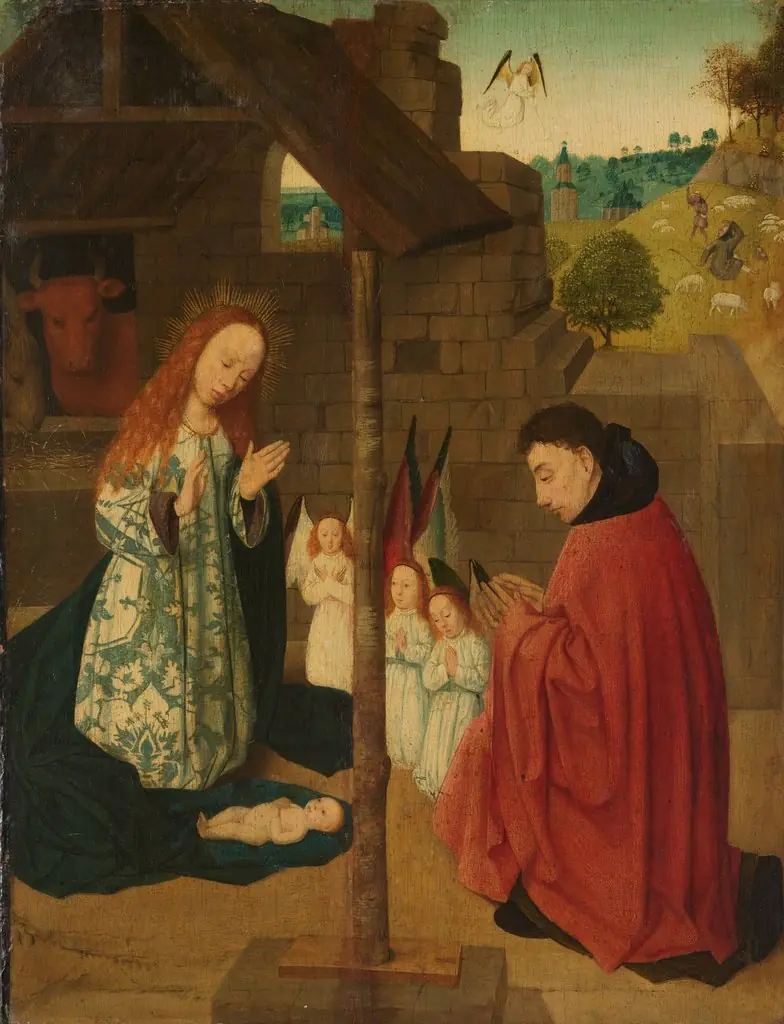
Master of the Brunswick Diptych is the conventional name given to an anonymous Early Netherlandish painter active in Haarlem in the northern Netherlands around 1480 to 1500.

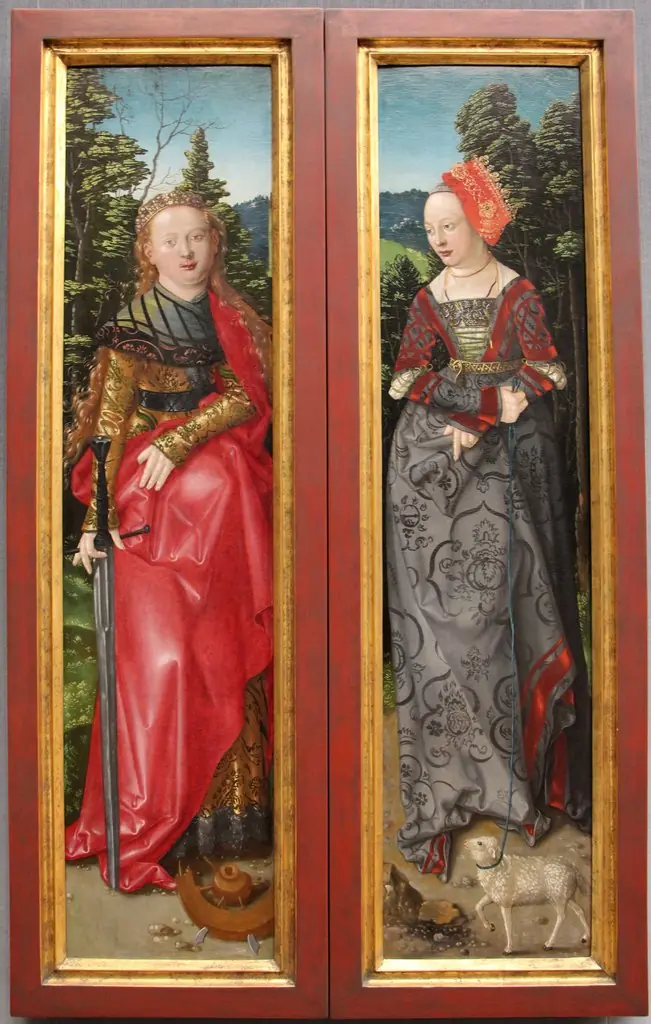 Der Dreikönigsaltar Außentafeln: Die Heiligen Katharina und Agnes
![Saint Catherine [right wing exterior], by Master of the Starck Triptych](https://artifactworldgallery.com/img/master-of-the-starck-triptych--saint-catherine-right-wing-exterior--33943bd5985ff592-w320.webp) Saint Catherine [right wing exterior]
Saint Catherine [right wing exterior]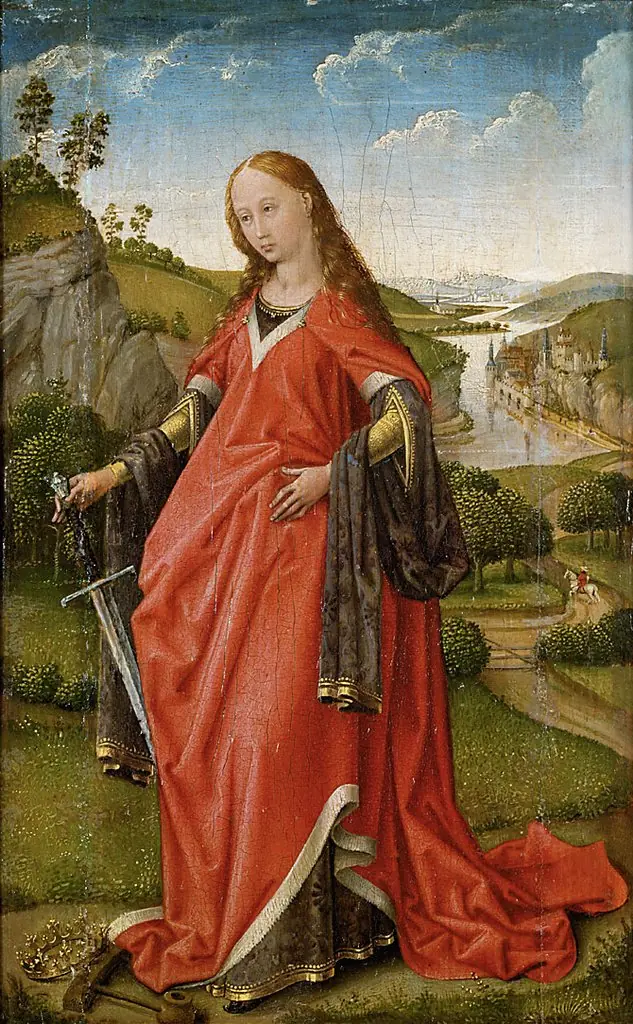 Right wing of a diptych: St. Katharina
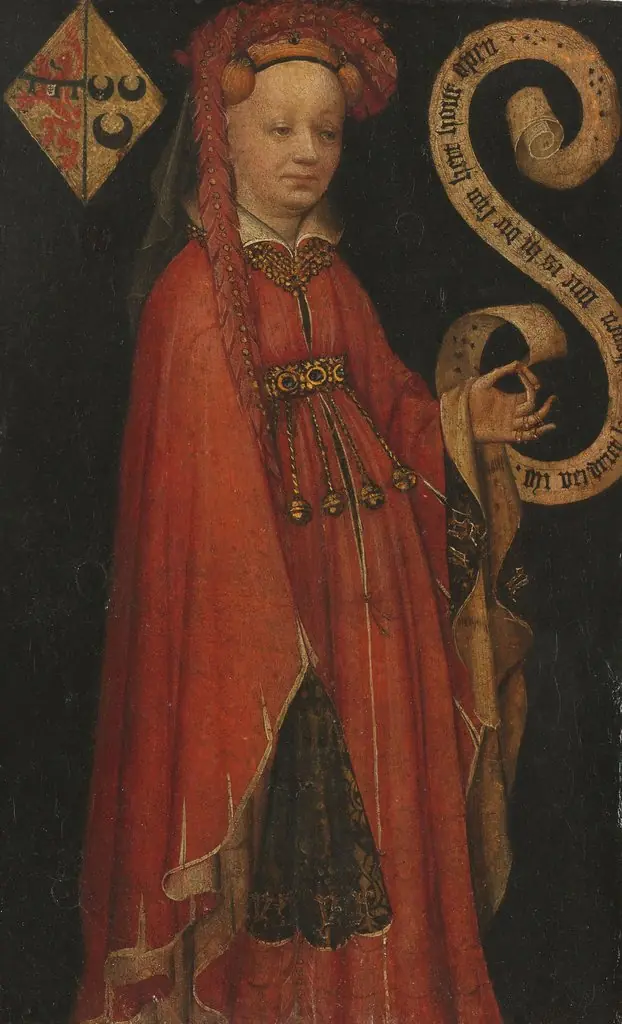 Portrait of Lysbeth van Duvenvoorde
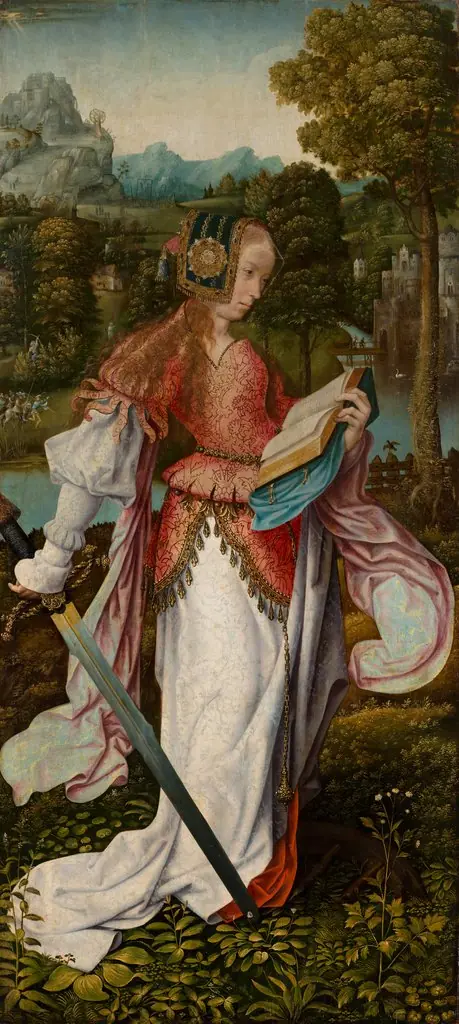 Saint Catherine
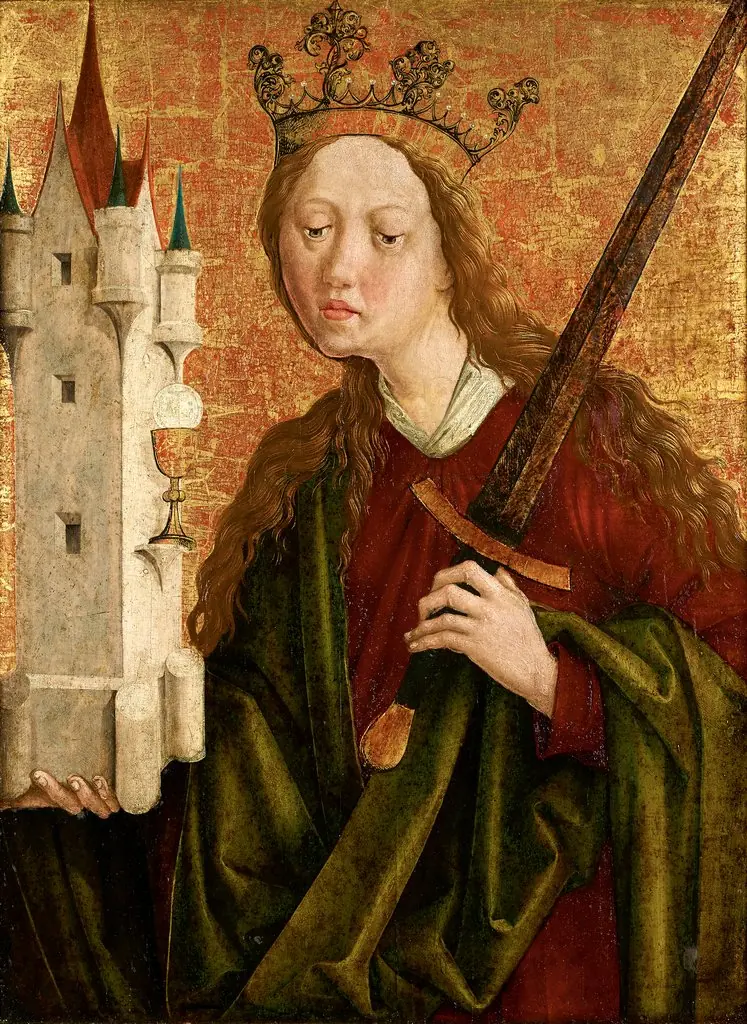 St. Barbara
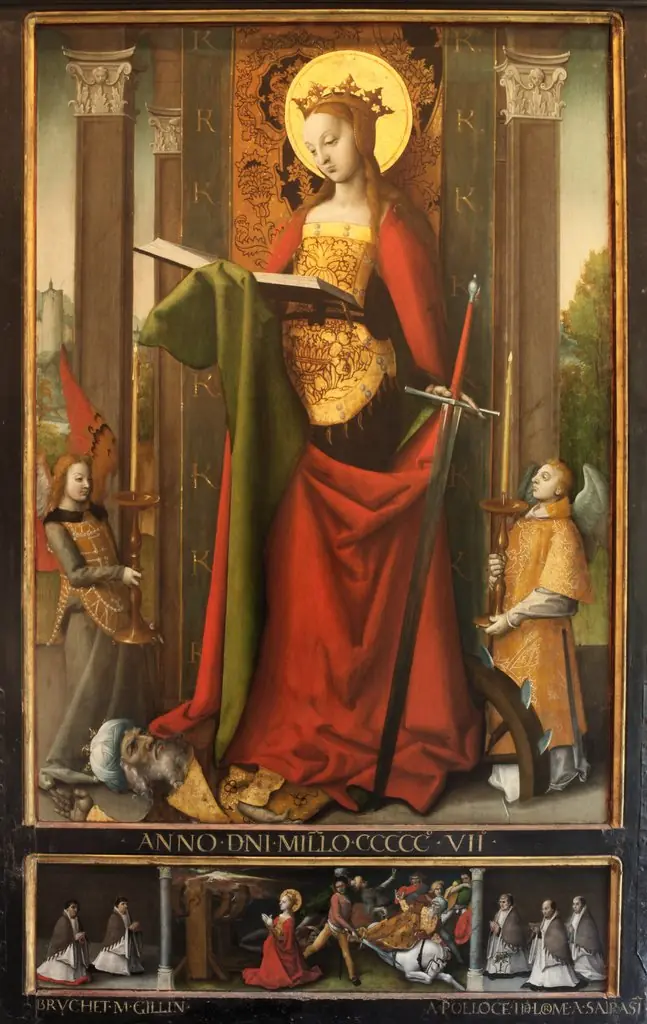 Saint Catherine
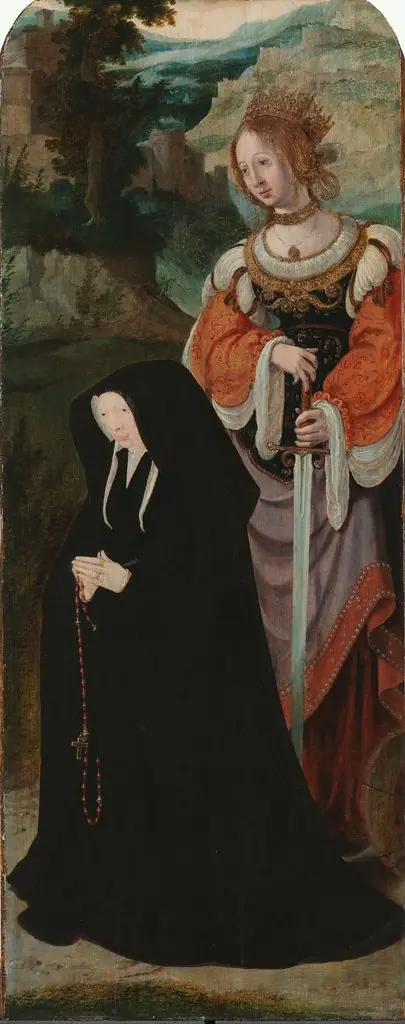 Wing of Lazarus tritptych with donor and Saint Catharine
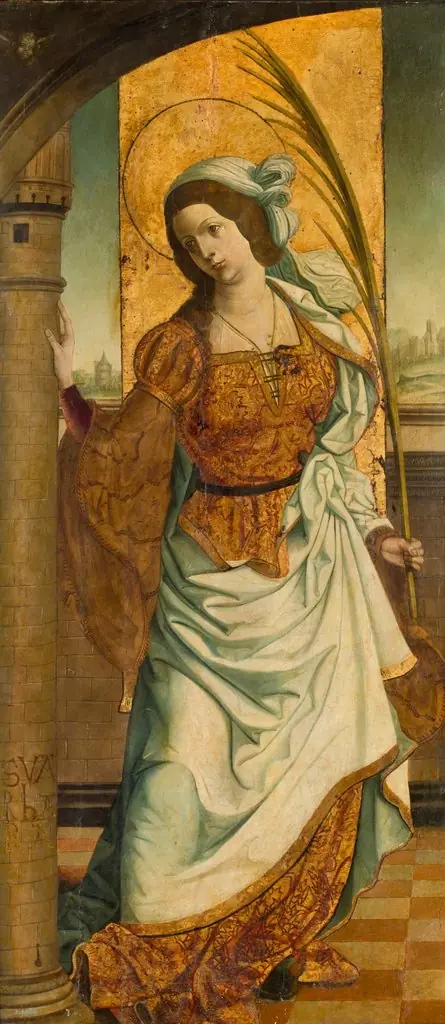 Saint Barbara
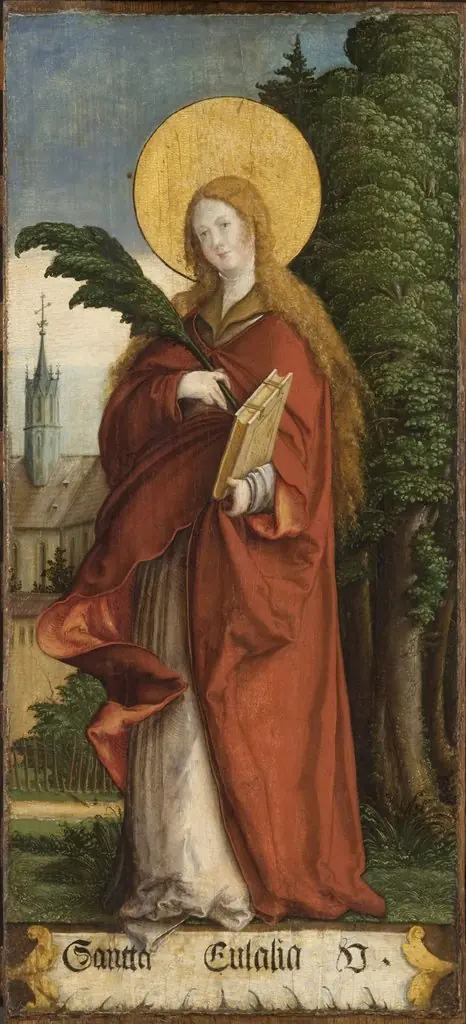 Saint Eulalia
 Saint Catherine