Artwork
Madonna with the Saints Catherine and Barbara
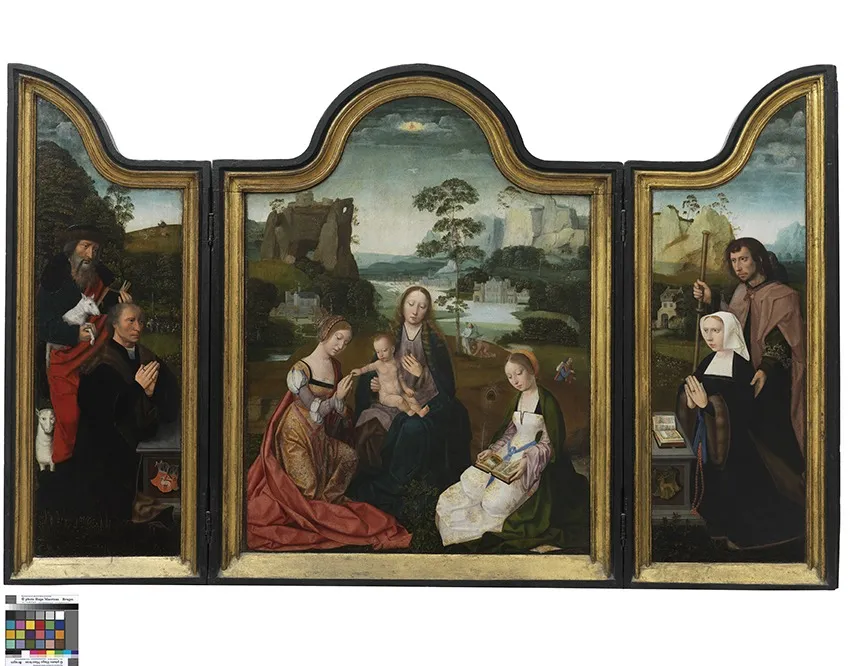
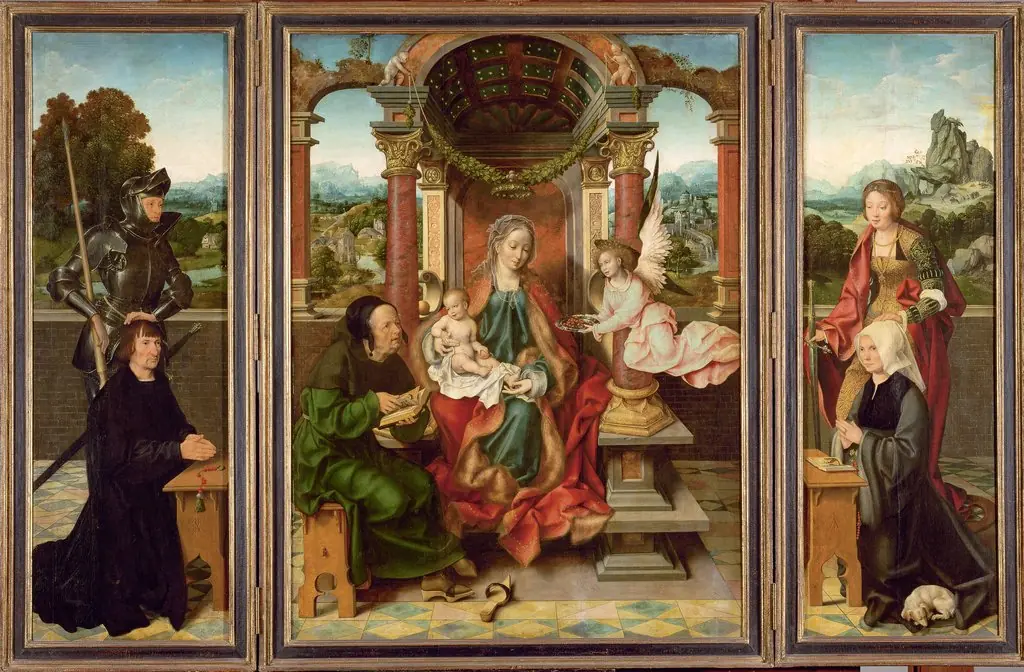
Madonna with the Saints Catherine and Barbara is an oil painting by the Northern Renaissance artist Master of the Holy Blood. It dates from 1514 and is held in the collection of the Groeningemuseum.
About this work
Subject & Meaning
Joachim and Saint Judoc appear as additional holy figures, while a lamb, a book, a castle, a rock formation, a tree, and a coat of arms populate the scene.
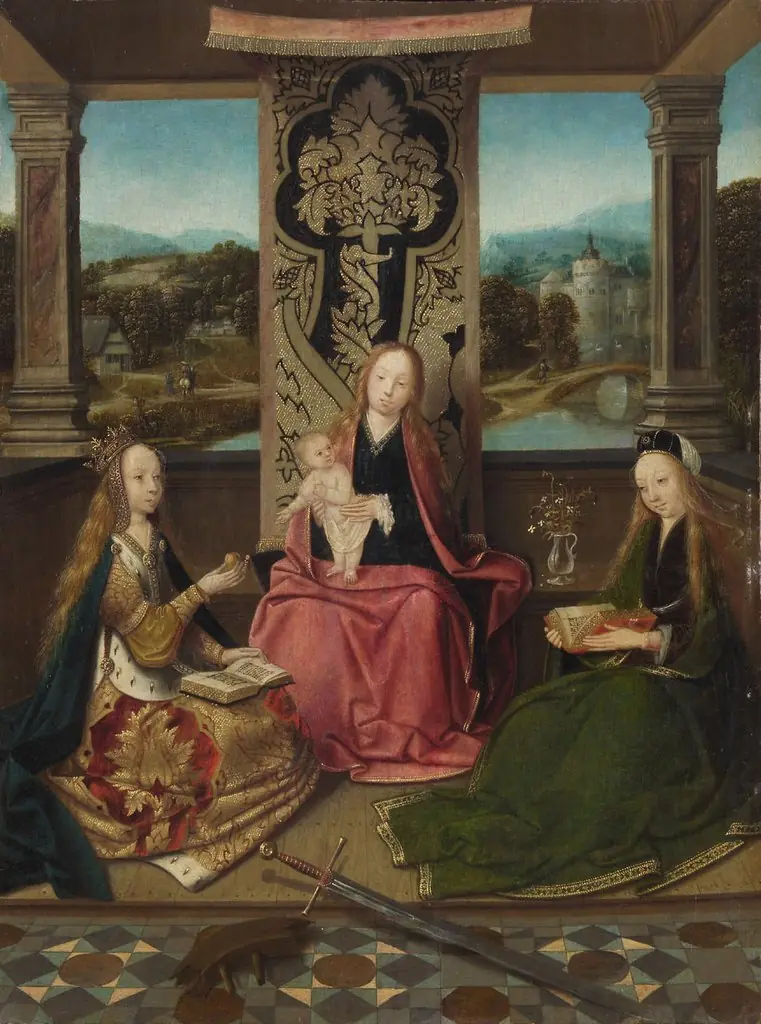
The painting is a devotional religious work centered on the Virgin Mary with the Christ Child, flanked by two of the most prominent virgin martyrs of Christian tradition. Saint Catherine of Alexandria and Saint Barbara are identified as the principal accompanying saints, a pairing that emphasizes ideals of chastity, learning, and steadfast faith under persecution.
The iconographic program extends beyond the central trio. Joachim and Saint Judoc appear as additional holy figures, while a lamb, a book, a castle, a rock formation, a tree, and a coat of arms populate the scene. The book signals learning and scripture, traditionally associated with Catherine's erudition; the castle and rock formation reference Barbara's legend of imprisonment and her refuge upon a rock; and the lamb evokes Christ as the sacrificial Lamb of God. The coat of arms likely identifies the patron or dedicatee for whom the devotional image was commissioned.
Together these elements frame the Madonna and Child as a vision of divine protection and intercession, with the virgin saints modeling virtues for the viewer's contemplation.
Technique & Style
The work is executed in oil paint on an oak panel, a common support for Netherlandish paintings of the early sixteenth century. The artist applied the paint in thin, translucent layers typical of the oil medium, allowing for subtle modeling of the figures and delicate rendering of details such as the textiles and landscape elements. No information on the painting’s current condition or specific stylistic characteristics is provided in the sources.
History & Provenance
The triptych Madonna with the Saints Catherine and Barbara is dated 1509 and attributed to the Master of the Holy Blood, a Bruges painter active in the early sixteenth century. The work entered the collection of the Groeningemuseum in Bruges, where it remains in the holdings of the Vlaamse Kunstcollectie. Technical study aligns the oak panel support and stylistic features with the artist’s mature period, situating its creation within a decade bracketed by the documented 1509 date and a terminus ante quem of 1514.
The painting Madonna with the Saints Catherine and Barbara by the Master of the Holy Blood is held in the collection of the Groeningemuseum in Bruges, as part of the Vlaamse KunstCollectie. The work is executed in oil paint on an oak panel and depicts the Virgin Mary with the Christ Child, flanked by Saints Catherine of Alexandria and Barbara. While the inception date is variously cited as 1509 or 1514, the piece remains a significant religious artwork within the museum's holdings. No specific inventory number or detailed exhibition history is provided in the available sources.
Context
The painting is recognized as an early 16th-century religious work by the Master of the Holy Blood, reflecting the devotional art of the Burgundian Netherlands. Its composition, featuring saints Catherine of Alexandria and Barbara alongside the Virgin and Child, combines traditional iconography with localized symbolic elements such as the castle and lamb associated with Catherine, and the rock formation linked to Barbara, indicating a regional devotional context. The work's inclusion in the Groeningemuseum collection since its acquisition highlights its significance within Flemish art history and its role in shaping scholarly understanding of the period's religious imagery.
The painting's dimensions, recorded as 88.5 by 122 centimeters, align with typical altarpiece formats of the era, reinforcing its function as a devotional object within a domestic or chapel setting.
Overview
Created in 1514, this oil‑on‑panel triptych is attributed to the Master of the Holy Blood, an Early Netherlandish artist active in Bruges. The central image presents the Virgin with the infant Christ, flanked by saints, while the side panels add two additional figures. The work belongs to the Northern Renaissance and is presently displayed in the Groeningemuseum, Ghent.
Artist & collection
Artist
Master of the Holy Blood (active 1510–1520) was an Early Netherlandish painter, whose workshop was located in Bruges (Belgium).

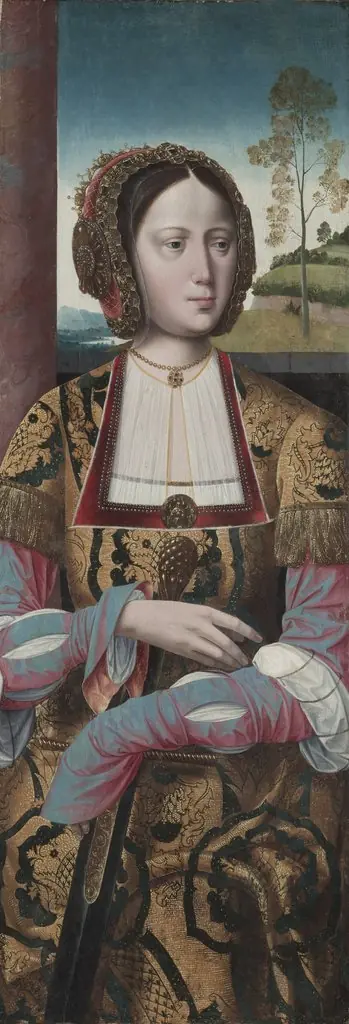
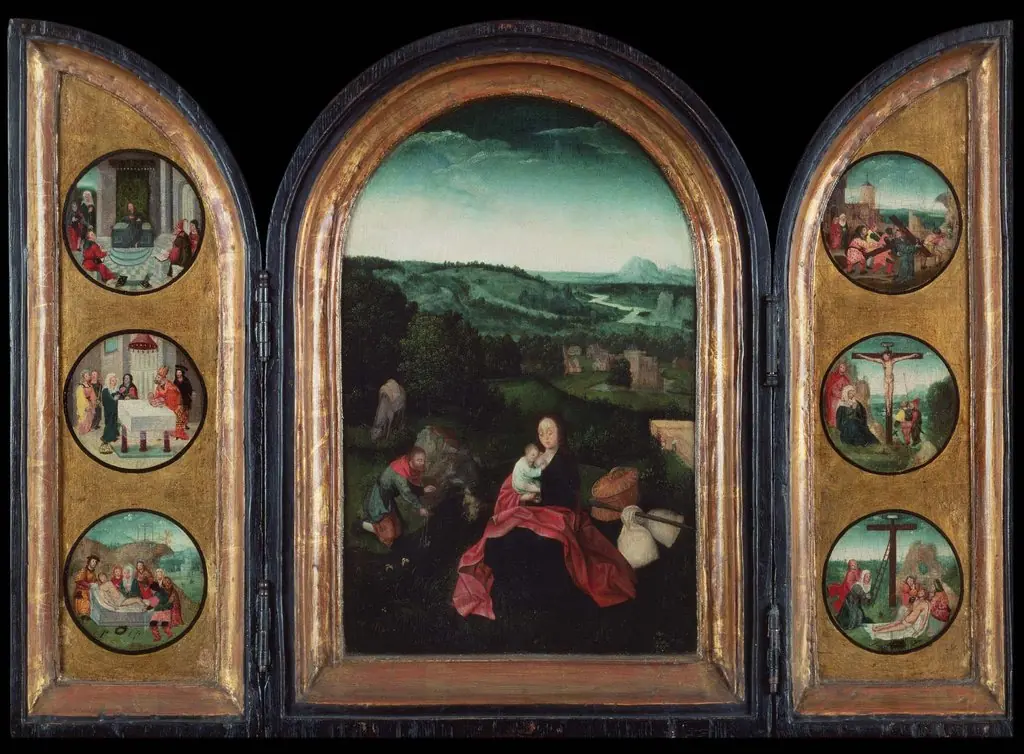 Triptych: Rest on the Flight into Egypt
![Altarpiece showing scenes from the Infancy of Christ: The Adoration of the Magi [center]; The Annunciation; The Presentation of Christ in the Temple; The Flight into Egypt; The Nativity [clockwise from upper left], by Master of Hoogstraeten](https://artifactworldgallery.com/img/master-of-hoogstraeten--altarpiece-showing-scenes-from-the-infancy-of-christ-the-ado--6a236bfea3373486-w320.webp) Altarpiece showing scenes from the Infancy of Christ: The Adoration of the Magi [center]; The Annunciation; The Presentation of Christ in the Temple; The Flight into Egypt; The Nativity [clockwise from upper left]
Altarpiece showing scenes from the Infancy of Christ: The Adoration of the Magi [center]; The Annunciation; The Presentation of Christ in the Temple; The Flight into Egypt; The Nativity [clockwise from upper left]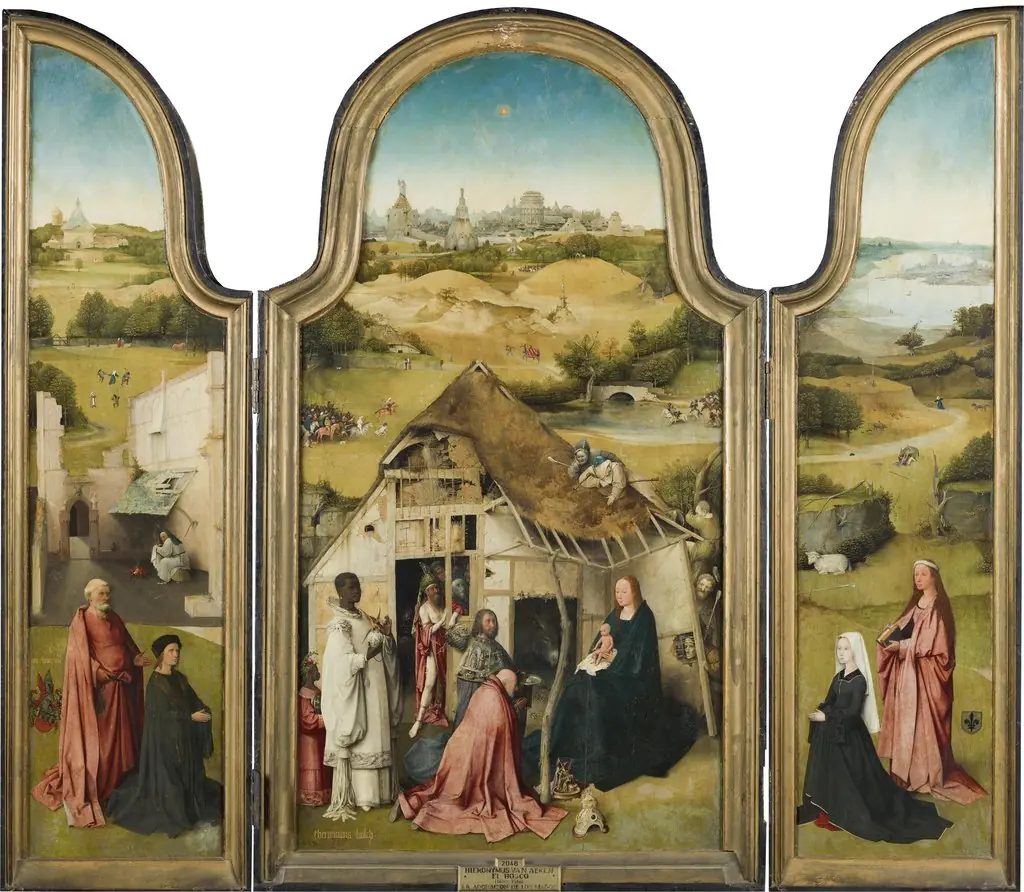 The Epiphany
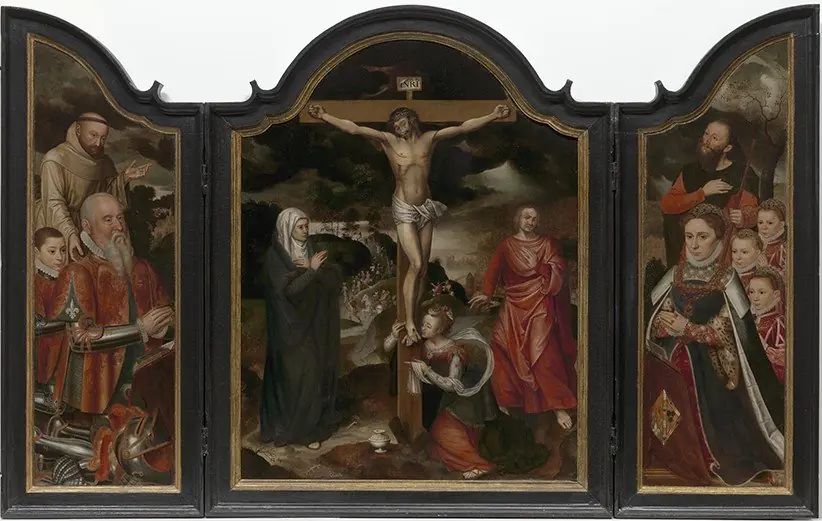 Crucified Christ with Mary, John and Mary Magdalene
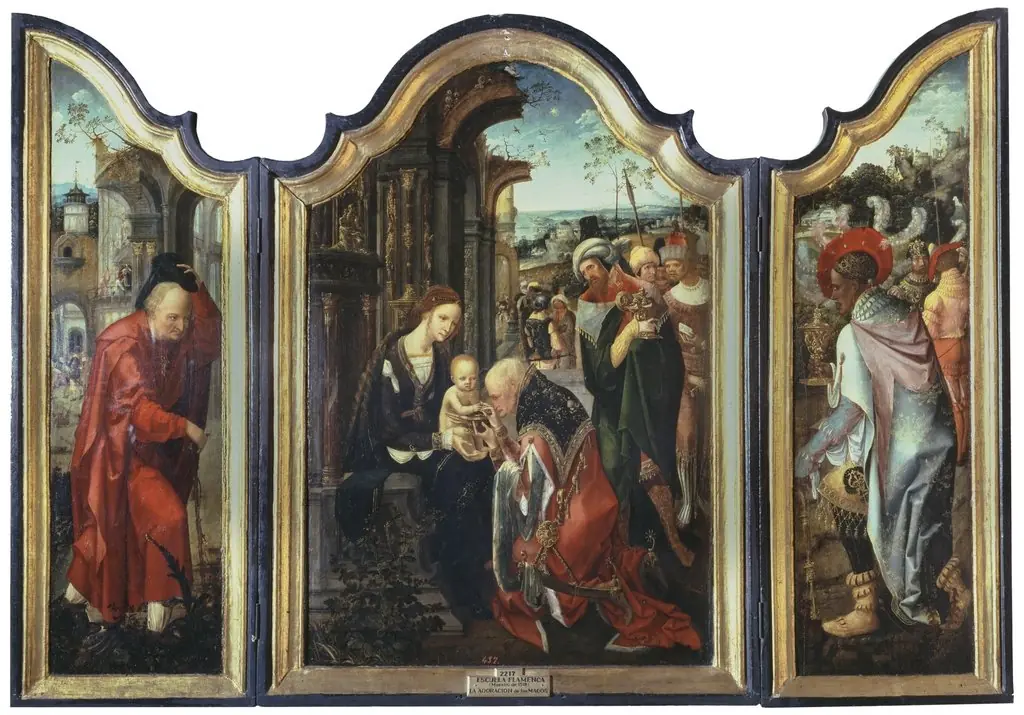 Adoration of the Magi
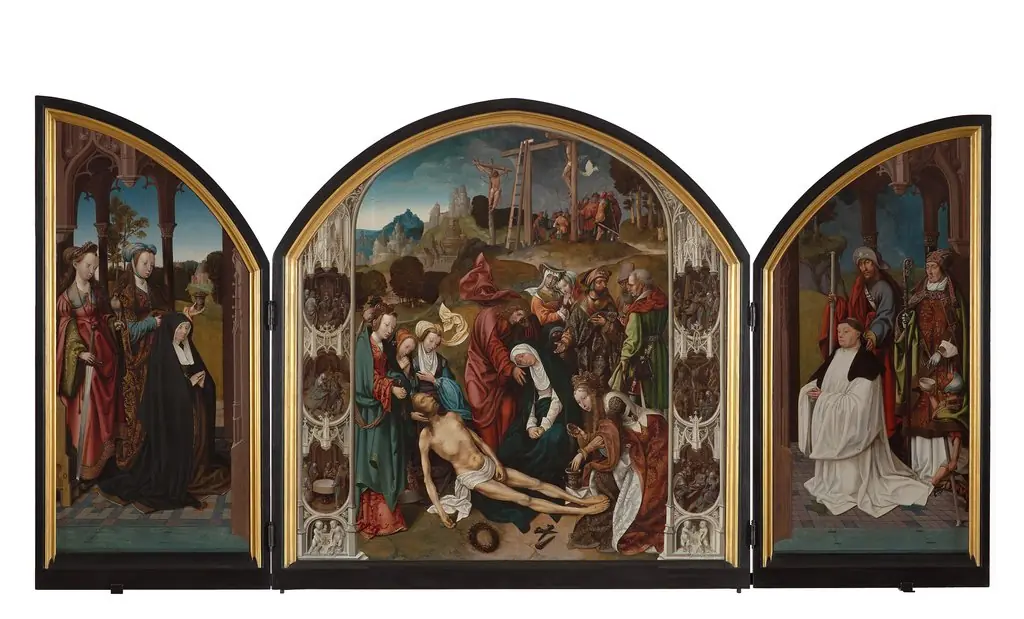 Ss Cecilia,Mary Magdalene with donatrix,lamentation flanked by other six Sorrows of Mary, Ss James Great,Martin of Tours an Augustine monk
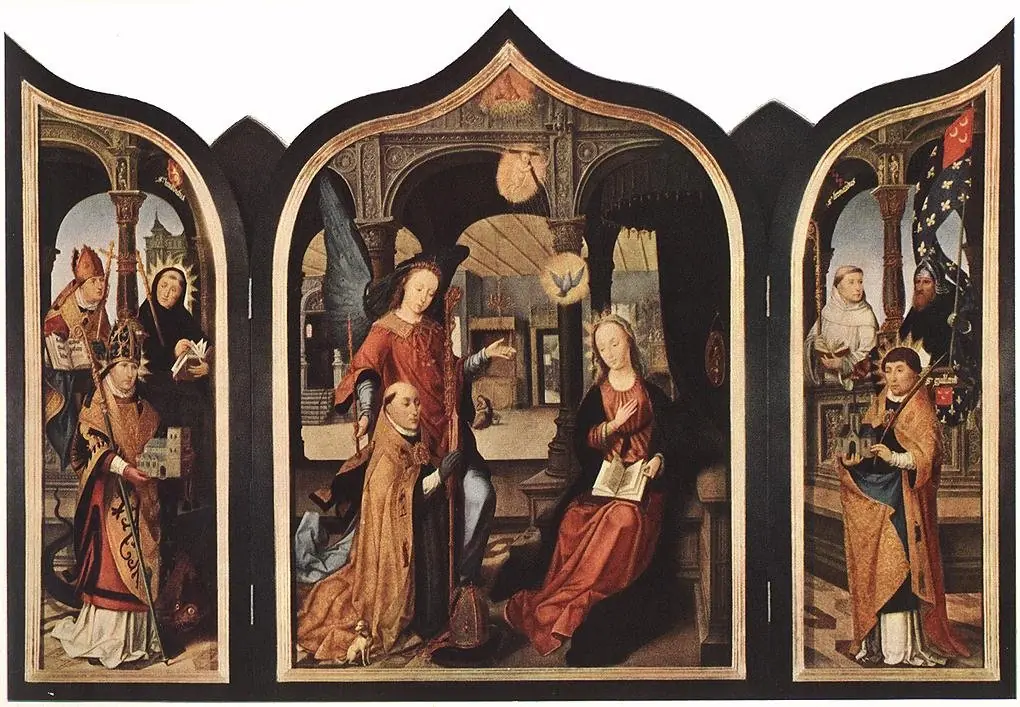 Annunciation
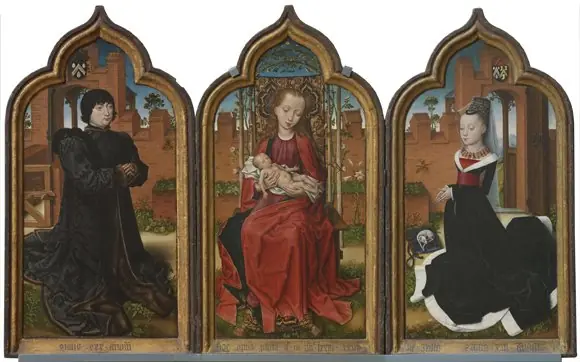 Triptych of Jean de Witte and Maria Hoose
 Winged Altar
 Drei Täfelchen aus dem Zyklus zum Leben Marias
 Triptych with Adoration of the Magi
- Madonna and Child with Saints Catherine and Barbara