Artwork
The Epiphany
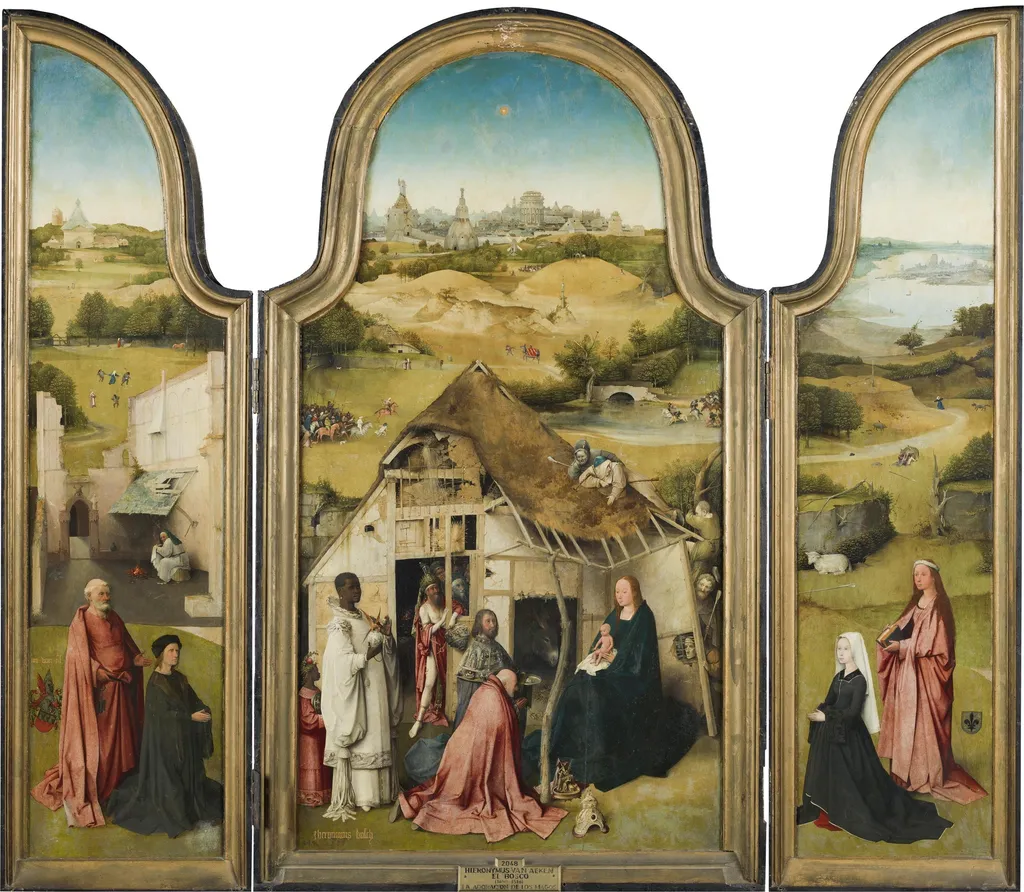
The Epiphany is an oil painting by the Northern Renaissance artist Hieronymus Bosch. It dates from 1498 and is held in the collection of the Museo del Prado.
About this work
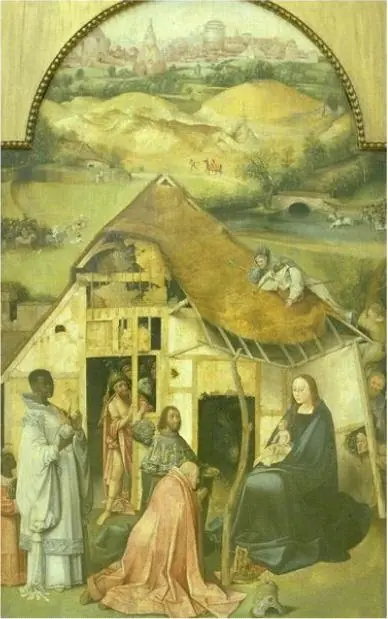
Hieronymus Bosch painted a triptych called The Epiphany. It shows the Adoration of the Magi in oil on wood. The work dates to around 1485–1500.
Bosch adds quirky details you don’t see every day. The figures wear unusual hats and carry odd gifts. A star still glows above the scene.
Look up the Museo del Prado to see this triptych.
Technique & Style
The Epiphany is an oil-on-oak panel triptych, painted by Hieronymus Bosch around the turn of the 16th century.
The Epiphany is an oil-on-oak panel triptych, painted by Hieronymus Bosch around the turn of the 16th century. The work was executed on three oak boards, each panel measuring roughly 146.7 cm in height and 84 cm in width, and the whole composition was created with pigments of ochres, lead-tin-yellow, vermilion, carmine and azurite, with a small amount of natural ultramarine used for the Virgin's robe.
The central panel depicts the Adoration of the Magi in a tightly packed, symbolic scene, while the side wings show the donors, Peeter Scheyfve and Agnes de Gramme, with their patron saints, rendered in grisaille on the reverse and framed by a narrative border of Christ's Passion. The painting's handling reflects Early Netherlandish precision, complex iconography and a vivid colour scheme that distinguishes it from Bosch's other works, and it has remained in the Museo del Prado since 1839, after earlier documentation in the 17th-century El Escorial inventory.
History & Provenance
The work, known as The Epiphany, was commissioned circa 1494 by the Antwerp burghers Peeter Scheyfve and his wife Agnes de Gramme, as documented in contemporary records. The triptych was executed in oil on oak panel, with dendrochronological analysis dating the wood to after 1472 and most likely after 1474. It was originally installed in the El Escorial monastery, cited in 1605, and entered the collection of the Museo del Prado in 1839.
The painting remains in the Prado, where it is displayed as a central example of Early Netherlandish religious art.
The Adoration of the Magi, known as The Epiphany, is housed in the Museo del Prado in Madrid, Spain. The museum has possessed the triptych since 1839, having previously been documented in the El Escorial monastery and referenced in 1605 by Fra José de Siguenza as an "Epiphany without any extravaganza."
Context
The Epiphany occupies a distinctive place within Early Netherlandish painting and within Hieronymus Bosch's own output. Bosch scholar Charles de Tolnay argued that the central Madonna and Child were inspired by Jan van Eyck's Virgin of Chancellor Rolin, while the overall composition draws on Robert Campin's Nativity. The triptych departs from the convention of contemporary Northern European Adoration altarpieces by placing the patron donors and their patron saints on the same pictorial plane as the Christ event, though on separate panels, rather than treating each wing as an independent scene.
It is considered to have possibly inspired Hugo van der Goes's Portinari Altarpiece, painted roughly a decade later, which similarly integrates praying donors with saints on its wings.
The work has prompted extensive scholarly debate, particularly over the enigmatic half-naked figure in the stable doorway. Interpretations range from a prefiguration of the Passion to a symbol of heresy or a Jewish messianic figure transformed into the Antichrist, with commentators including Hermann Dollmayr, Lionel Cust, Charles de Tolnay, and Jacques Combe advancing competing readings. Bosch's broader iconographic preoccupations, including recurring motifs such as the windmill of Jerusalem and the procession of grotesques, situate the painting within his wider visual vocabulary.
Legacy
The Epiphany has generated significant scholarly debate regarding its unique iconography and its place within Bosch's oeuvre. Early reception at the El Escorial monastery in 1605 noted the work as an "Epiphany without any extravaganza," distinguishing it from the artist's other pieces held there. Art historians such as Charles de Tolnay have analyzed its composition, suggesting the central Virgin and Child were inspired by Jan van Eyck's Madonna of Chancellor Rolin, while the overall structure may derive from Robert Campin.
The painting is also considered a potential precursor to Hugo van der Goes's Portinari Altarpiece, sharing the innovative feature of placing donors and saints on the same visual plane as the central holy figures. The work's complex symbolism, particularly the mysterious half-naked figure in the central panel, continues to fuel diverse interpretations ranging from prefigurations of the Passion to representations of heresy and the Antichrist.
Overview
“The Epiphany,” also known as “The Adoration of the Magi,” is a triptych painted by the Netherlandish artist Hieronymus Bosch. Executed in oil on wood panel, this work dates from approximately 1485 to 1500. It is currently housed in the collection of the Museo del Prado in Madrid, Spain, where it represents a significant example of early Netherlandish painting.
Subject & Meaning
The central panel of this triptych illustrates the biblical scene of the Adoration of the Magi, where the three kings present gifts to the infant Christ. Bosch imbues this traditional narrative with his characteristic imaginative elements. Viewers observe figures adorned with unconventional headwear and bearing peculiar offerings, while a luminous star continues to shine prominently above the sacred gathering, adding a distinctive touch to the scene.
Own this work as a print
Artist & collection
Artist
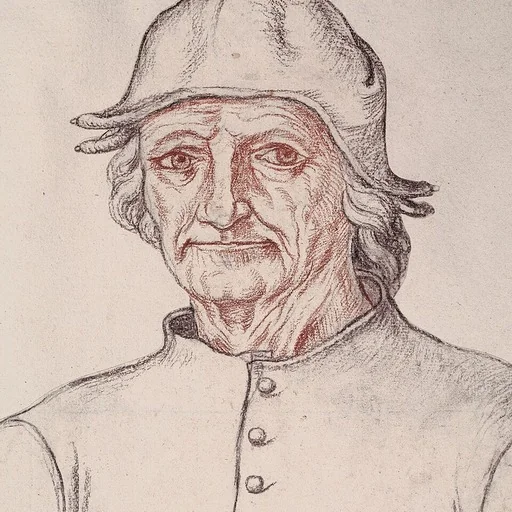
Hieronymus Bosch (; Dutch:; born Jheronimus van Aken; c. 1450 – 9 August 1516) was a Dutch painter from Brabant. He is one of the most notable representatives of the Early Netherlandish painting school. His work,…

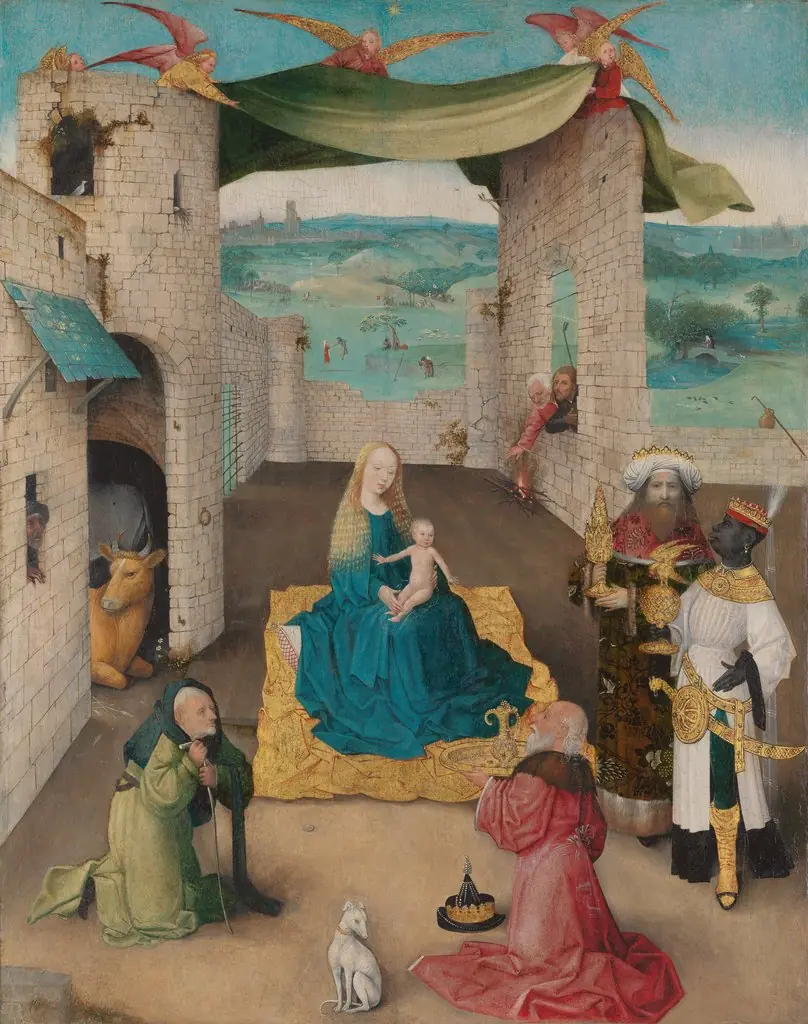
![Altarpiece showing scenes from the Infancy of Christ: The Adoration of the Magi [center]; The Annunciation; The Presentation of Christ in the Temple; The Flight into Egypt; The Nativity [clockwise from upper left], by Master of Hoogstraeten](https://artifactworldgallery.com/img/master-of-hoogstraeten--altarpiece-showing-scenes-from-the-infancy-of-christ-the-ado--6a236bfea3373486-w320.webp) Altarpiece showing scenes from the Infancy of Christ: The Adoration of the Magi [center]; The Annunciation; The Presentation of Christ in the Temple; The Flight into Egypt; The Nativity [clockwise from upper left]
Altarpiece showing scenes from the Infancy of Christ: The Adoration of the Magi [center]; The Annunciation; The Presentation of Christ in the Temple; The Flight into Egypt; The Nativity [clockwise from upper left]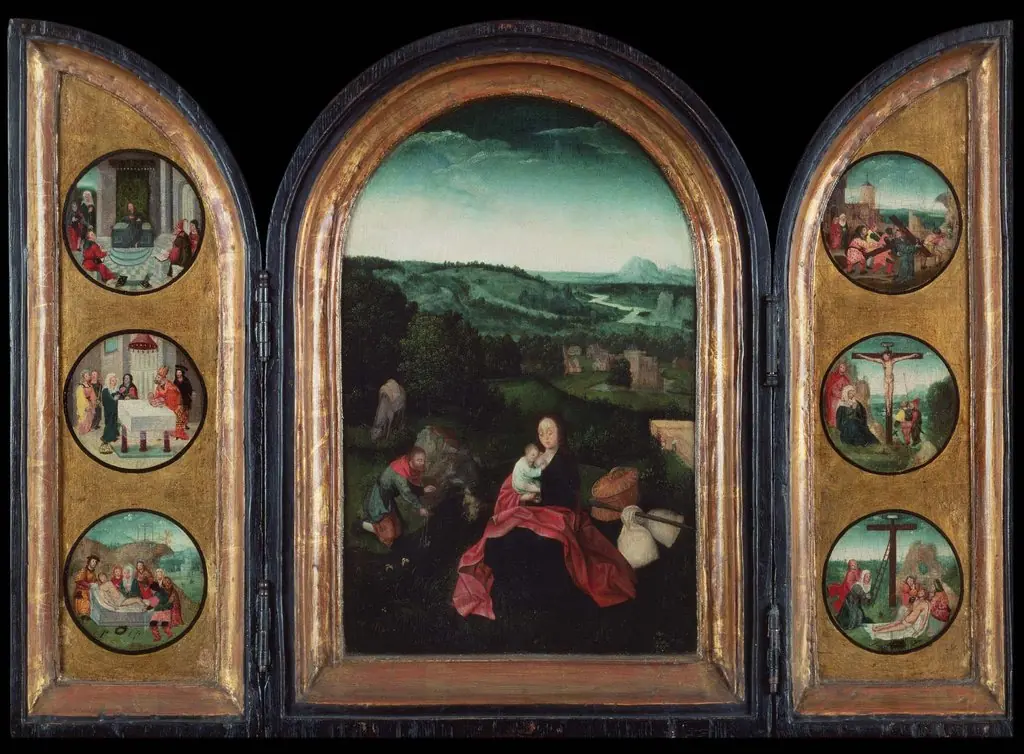 Triptych: Rest on the Flight into Egypt
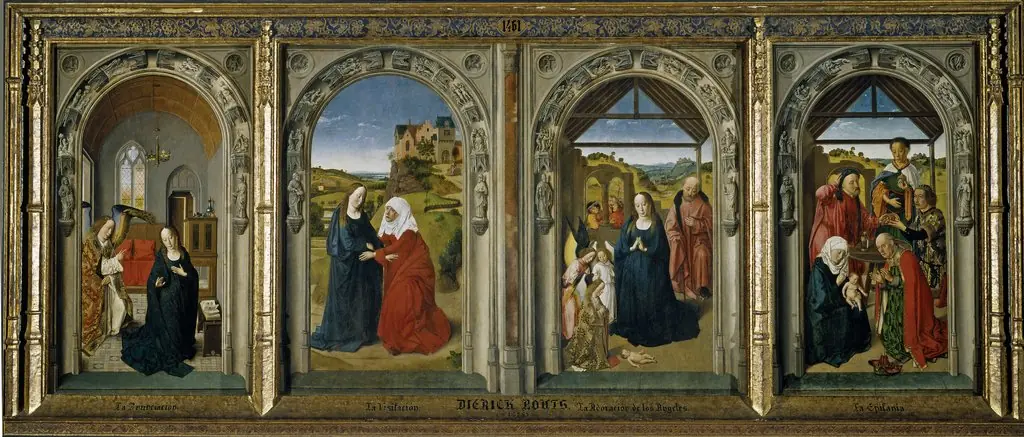 Triptych with Scenes from the Life of the Virgin
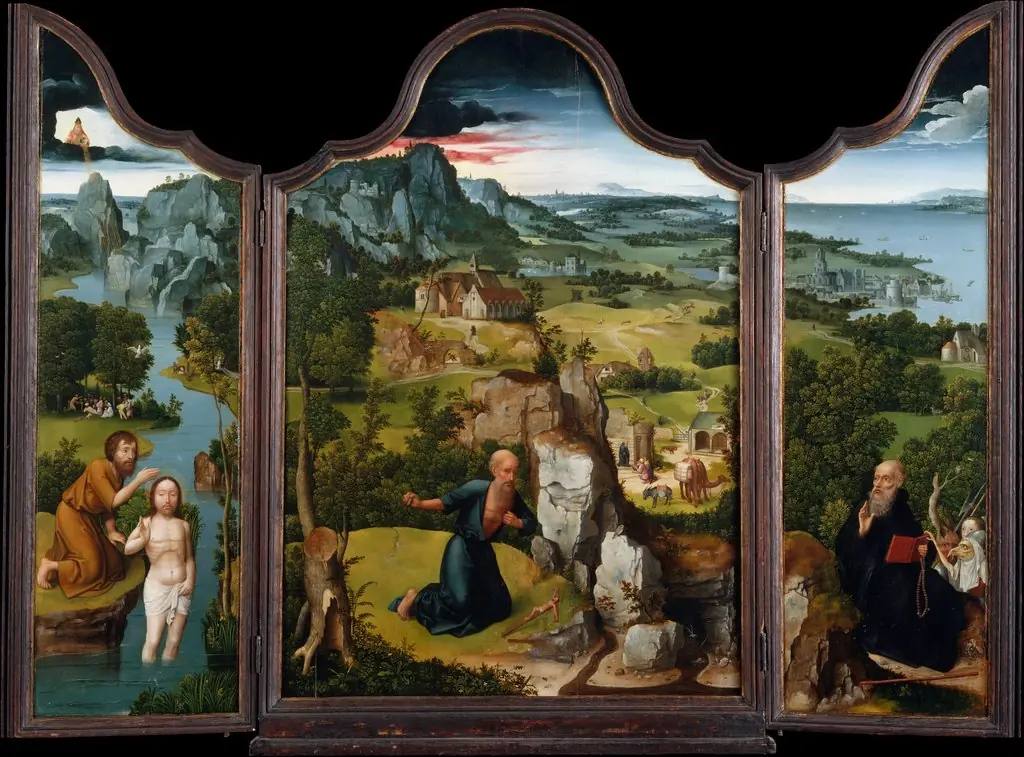 The Penitence of Saint Jerome
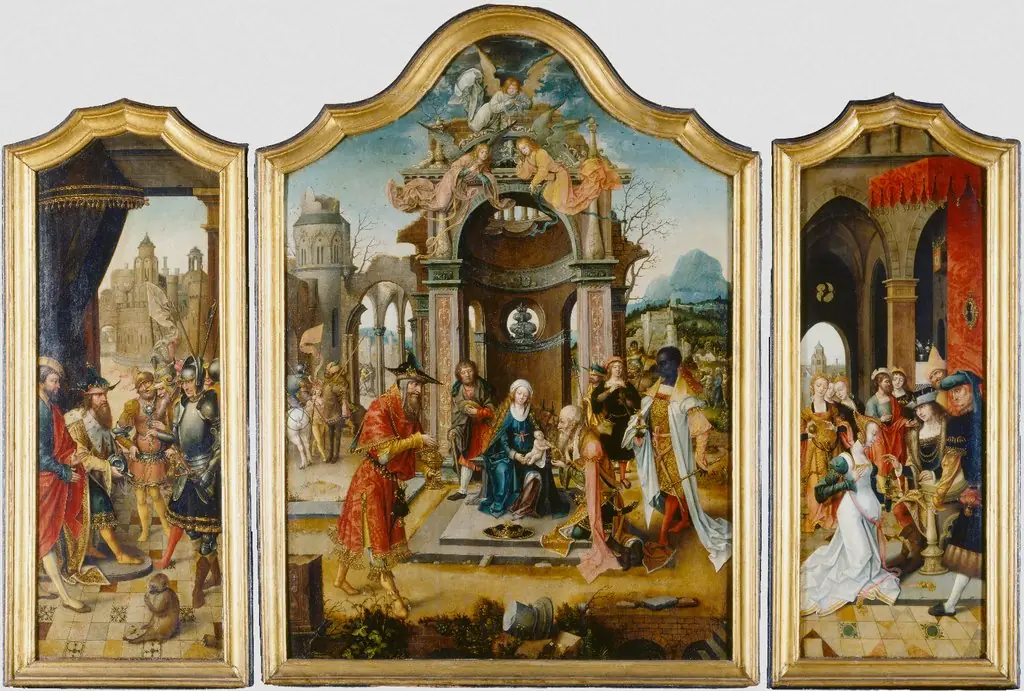 Triptych of the Adoration of the Magi
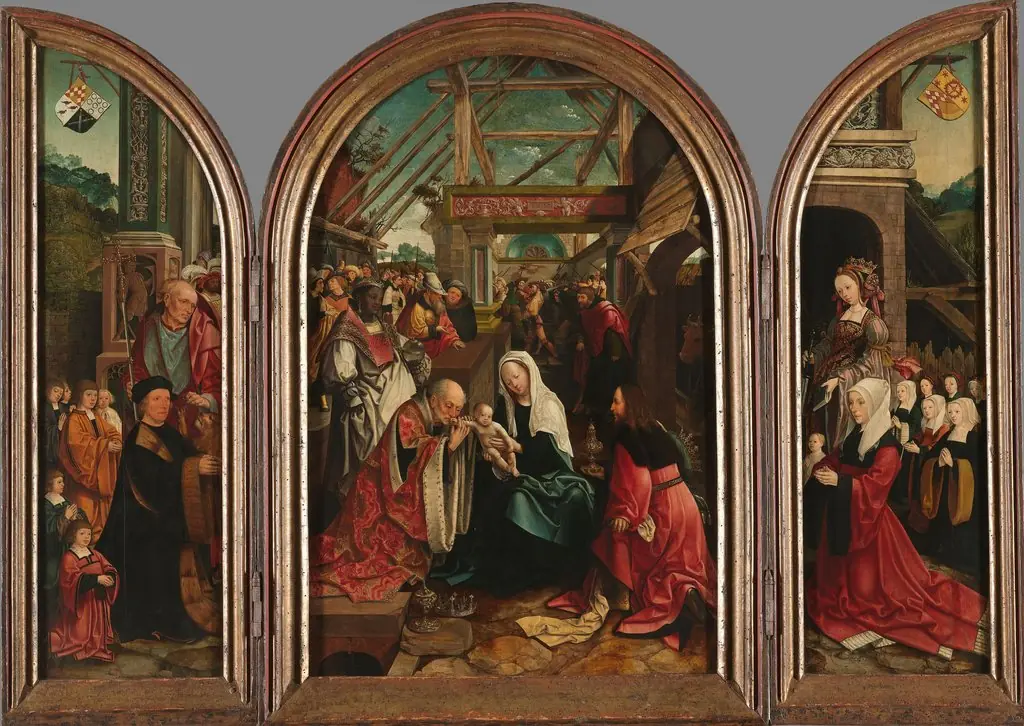 The Adoration of the Magi
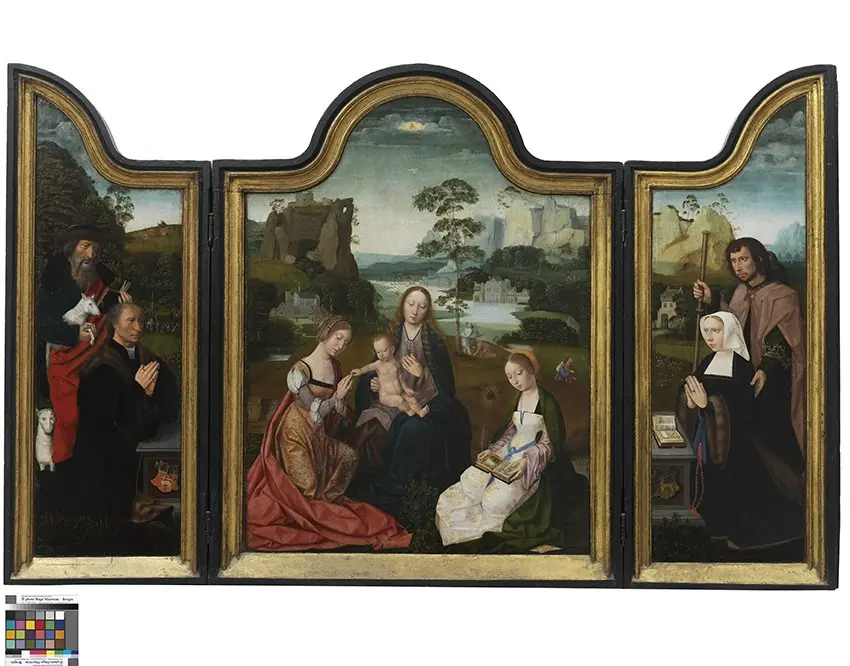 Madonna with the Saints Catherine and Barbara
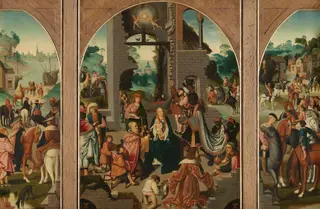 Triptych with Adoration of the Magi (center and inner wings), Saint Antony Abbot (left, outer wing) and Saint Adrian (right, outer wing)
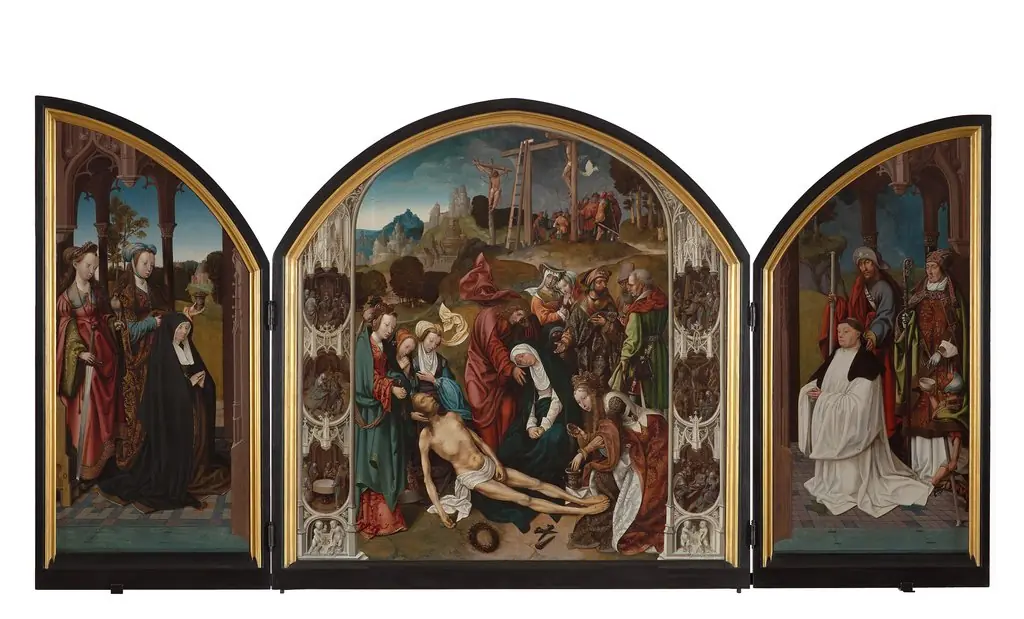 Ss Cecilia,Mary Magdalene with donatrix,lamentation flanked by other six Sorrows of Mary, Ss James Great,Martin of Tours an Augustine monk
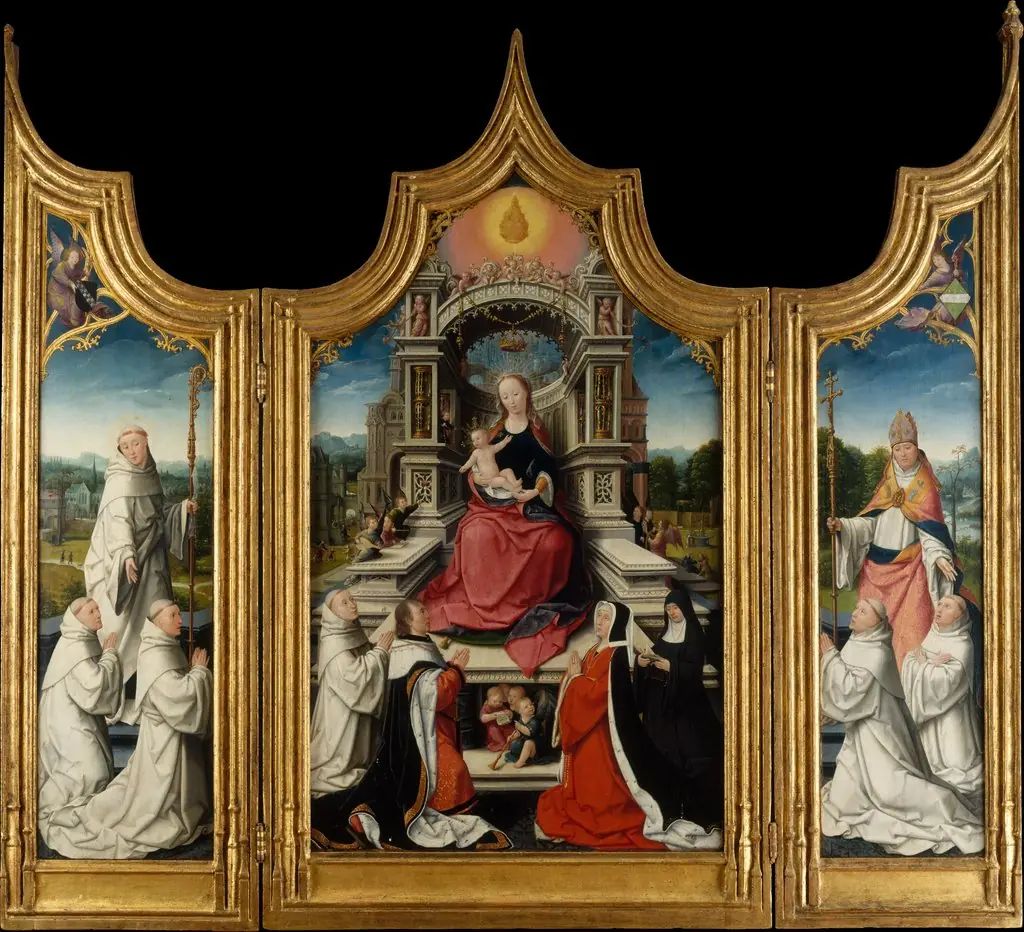 The Le Cellier Altarpiece
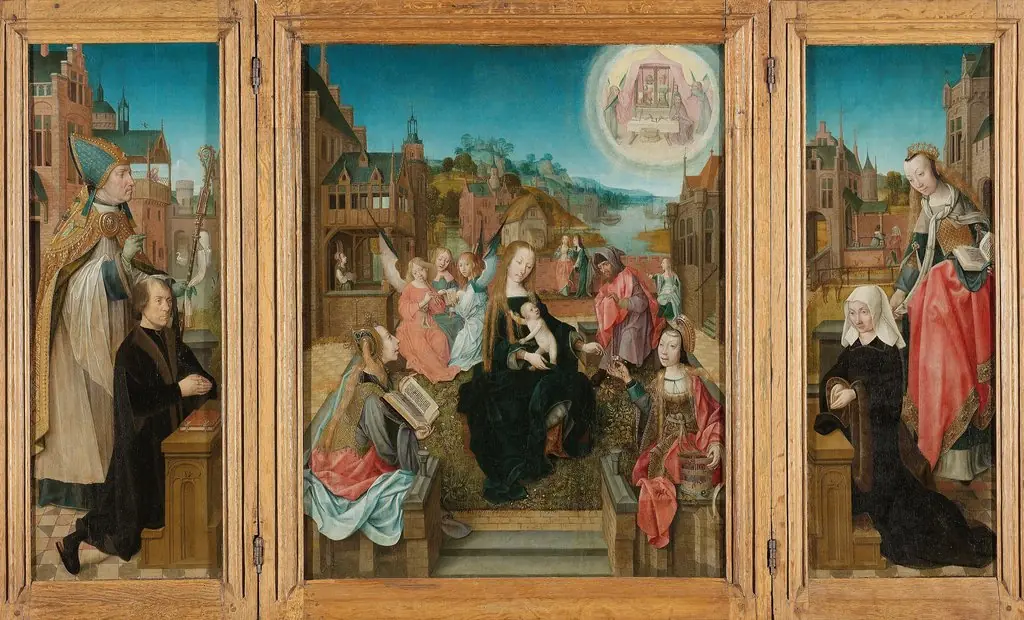 Triptych with the Virgin and Child and saints (centre panel), the donor with St Martin (inner left wing), the donor’s wife with St Cunera (inner right wing) and the Annunciation (outer wings)
- Triptych with the Epiphany