Artwork
The Saint Elizabeth’s Day Flood
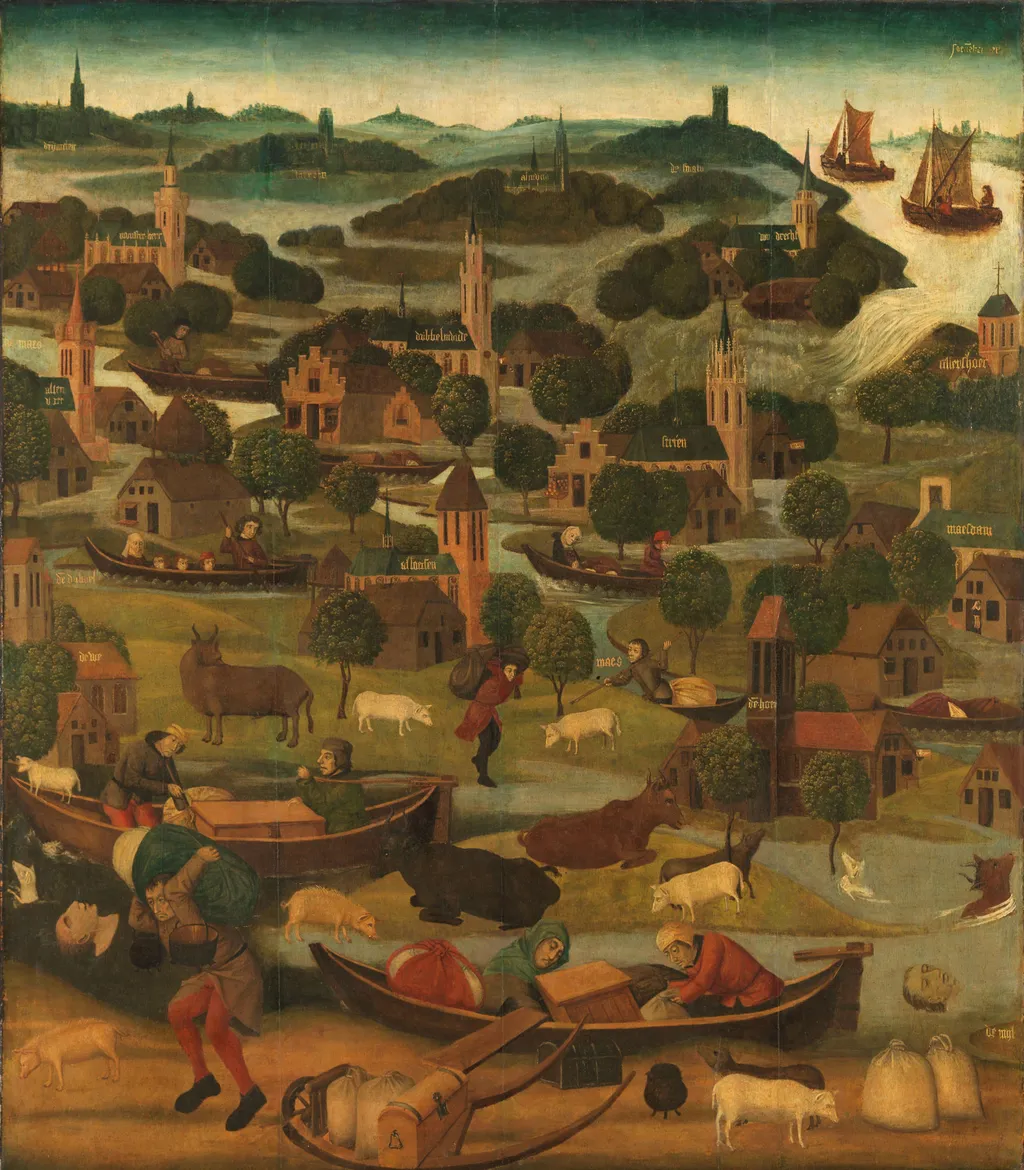
The Saint Elizabeth’s Day Flood is an oil painting by the Northern Renaissance artist Master of the St Elizabeth Panels. It dates from 1496 and is held in the collection of the Rijksmuseum.
About this work
Technique & Style
The support is a panel measuring 126 cm in height and 109 cm in width, which contributes to the painting’s solid, architectural presence.
The work was executed in oil paint on a wooden panel, a technique typical of late 15th‑century Dutch painting. The support is a panel measuring 126 cm in height and 109 cm in width, which contributes to the painting’s solid, architectural presence. Brushwork is restrained, allowing subtle gradations of light to model the landscape and figures, while the composition balances narrative detail with a calm, orderly spatial arrangement.
These formal qualities reflect the Master of the St Elizabeth Panels’ emphasis on clarity of line and meticulous surface handling.
History & Provenance
The work is an oil painting on panel created in 1490 and attributed to the Master of the St Elizabeth Panels. It entered the collection of the Rijksmuseum, where it remains on display. The painting was commissioned by an unidentified patron to commemorate the Saint Elizabeth’s Day Flood and was executed by the workshop of the Master of the St Elizabeth Panels. It measures 126 cm in height and 109 cm in width.
The Saint Elizabeth’s Day Flood is held in the collection of the Rijksmuseum, where it remains on location. The painting, executed in oil on panel by the Master of the St. Elizabeth Panels in 1490, measures 126 cm in height and 109 cm in width. No specific inventory or accession number is recorded in the available sources, and no exhibition history beyond its current placement in the Rijksmuseum is documented.
Overview
The Saint Elizabeth’s Day Flood is an oil painting executed in 1496 by the anonymous artist known as the Master of the St Elizabeth Panels. The work is part of the collection of the Rijksmuseum in Amsterdam and depicts a riverine town overwhelmed by floodwaters.
Subject & Meaning
The scene portrays a bustling settlement inundated by water, with streets turned into canals. Figures scramble with carts and bags, while livestock and boats navigate the submerged thoroughfares, suggesting a sudden, catastrophic event that affected daily life.
Context
The work likely records an actual flood that occurred on Saint Elizabeth’s Day, a date associated with regional celebrations, indicating that the disaster was a notable historical episode for the local community.
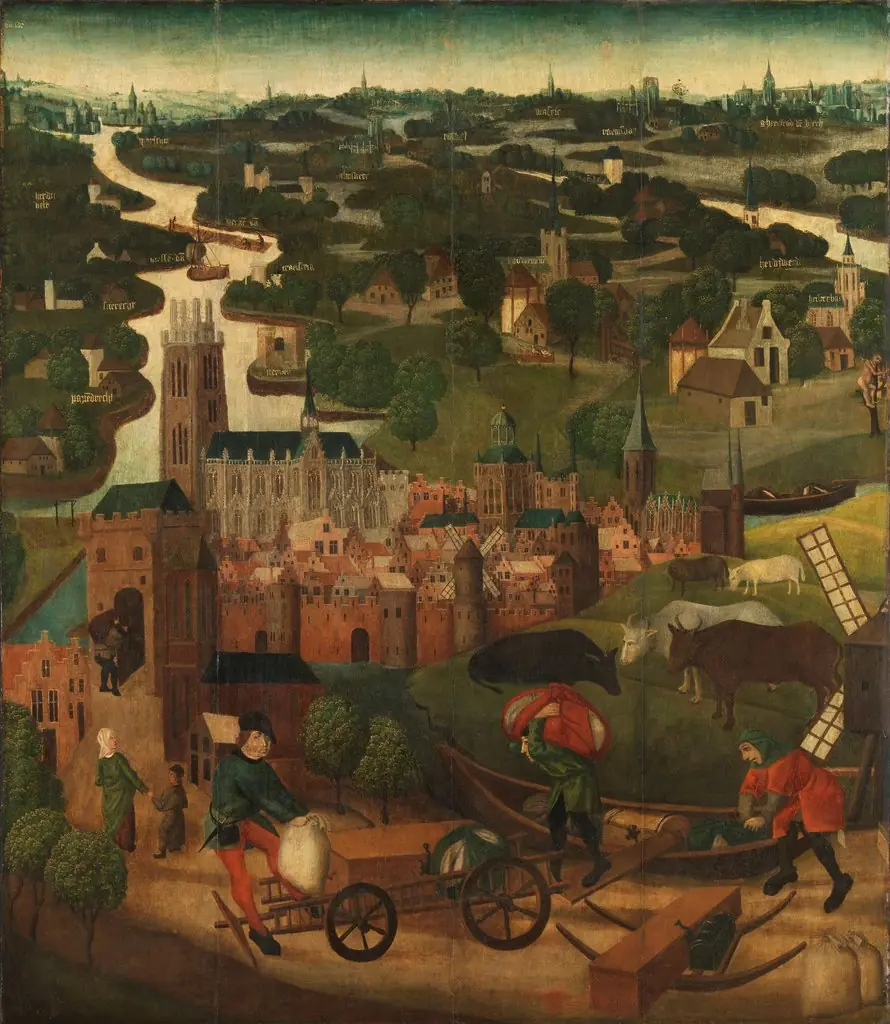
Own this work as a print
Artist & collection
Artist
Master of the St Elizabeth Panels
This Dutch painter made vivid oil panels around 1490, showing scenes of Saint Elizabeth’s life.

 The Return of the Herd
 Landscape with the Fall of Icarus
 The Eel Huts in the Antwerp Polder outside the Lillo or Slijk Gate
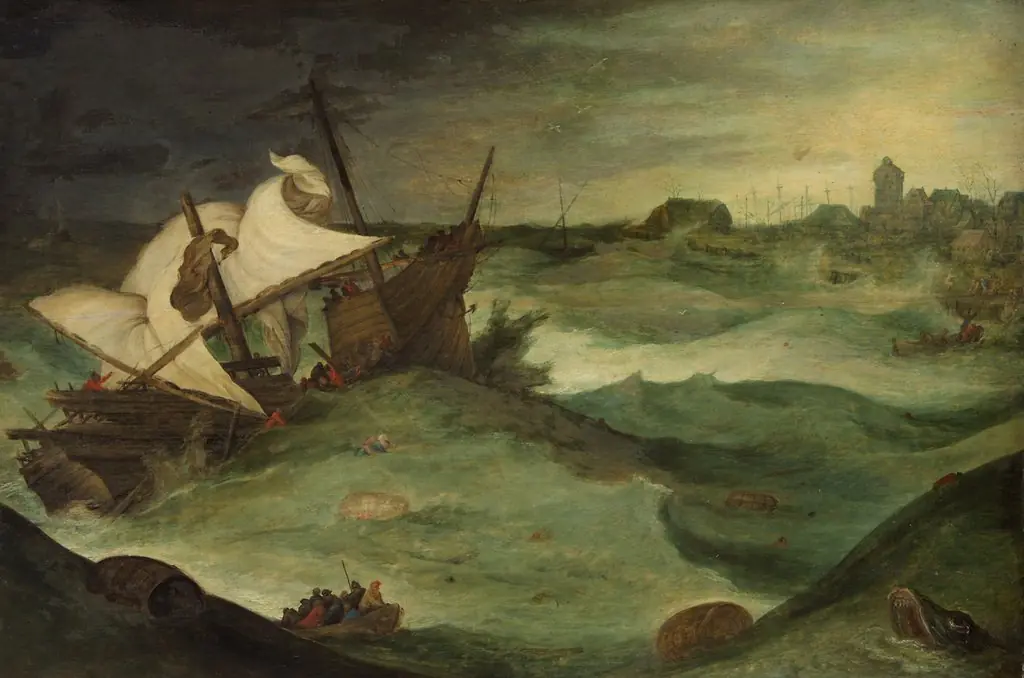 Storm at sea
 Netherlandish Proverbs
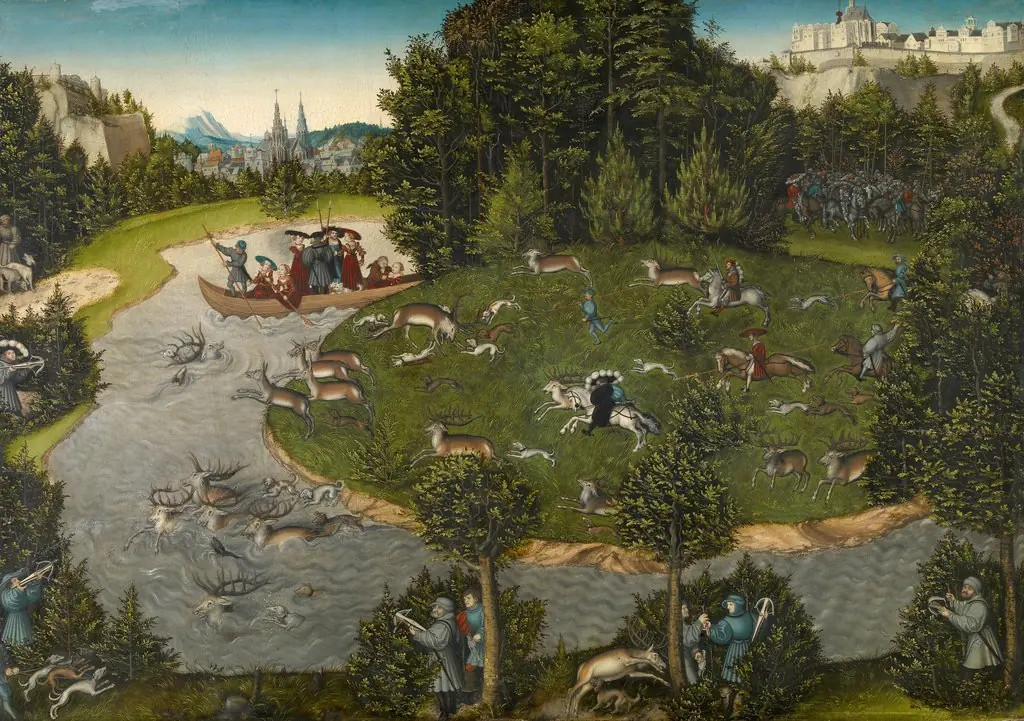 A Stag Hunt with the Elector Friedrich the Wise of Saxony
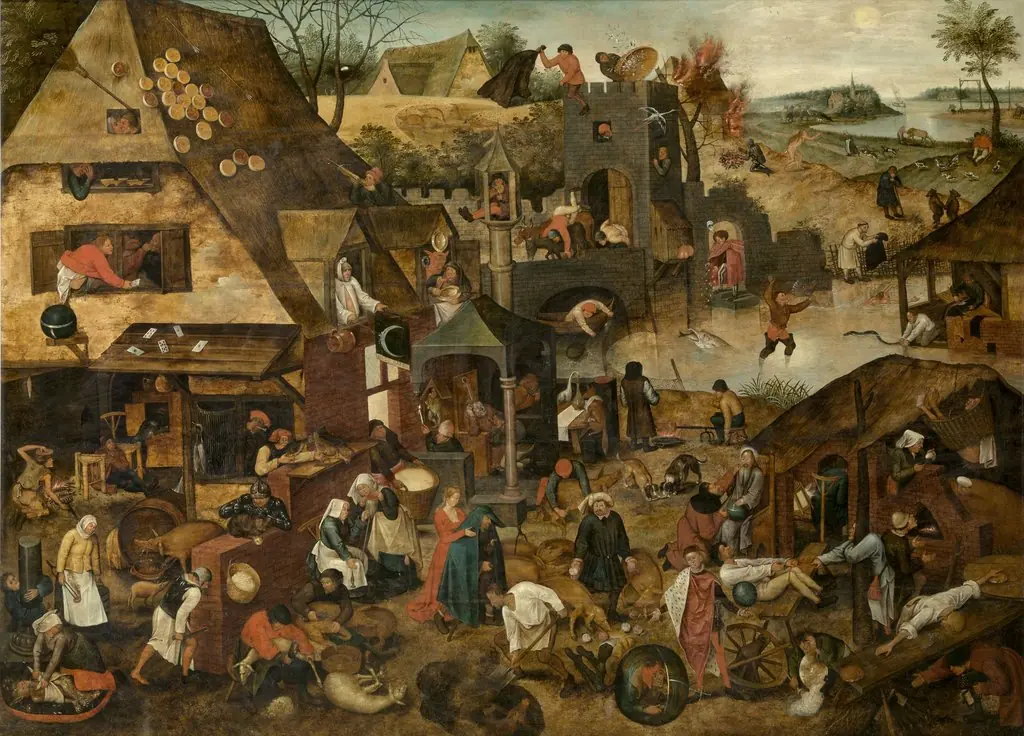 Proverbs
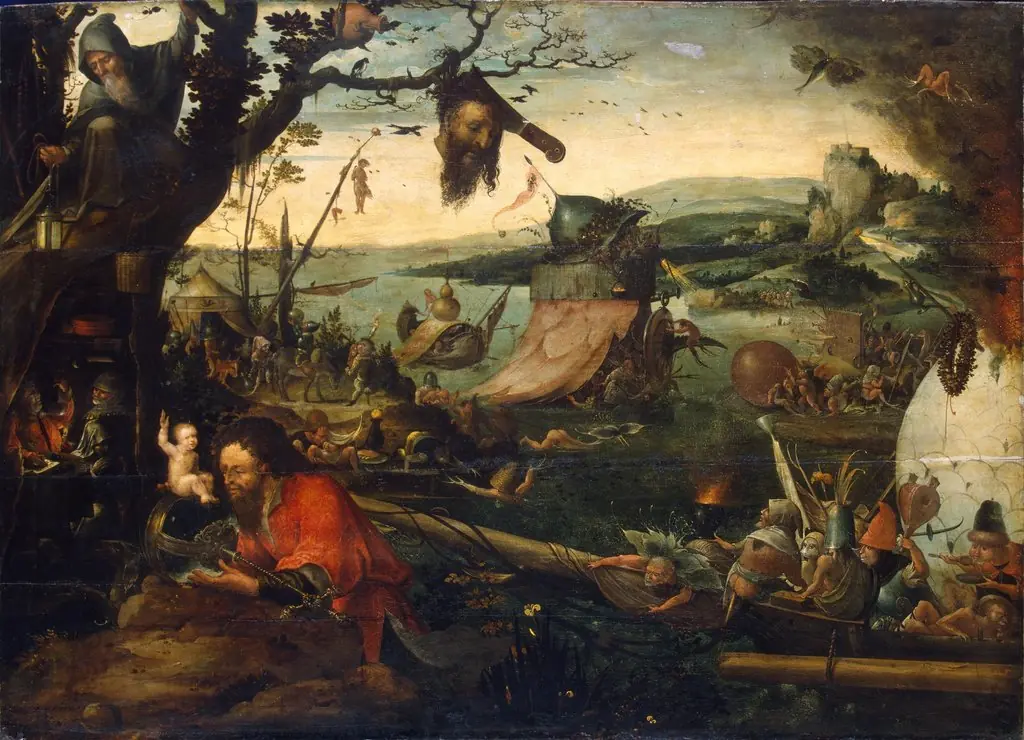 Landscape with the Legend of St Christopher
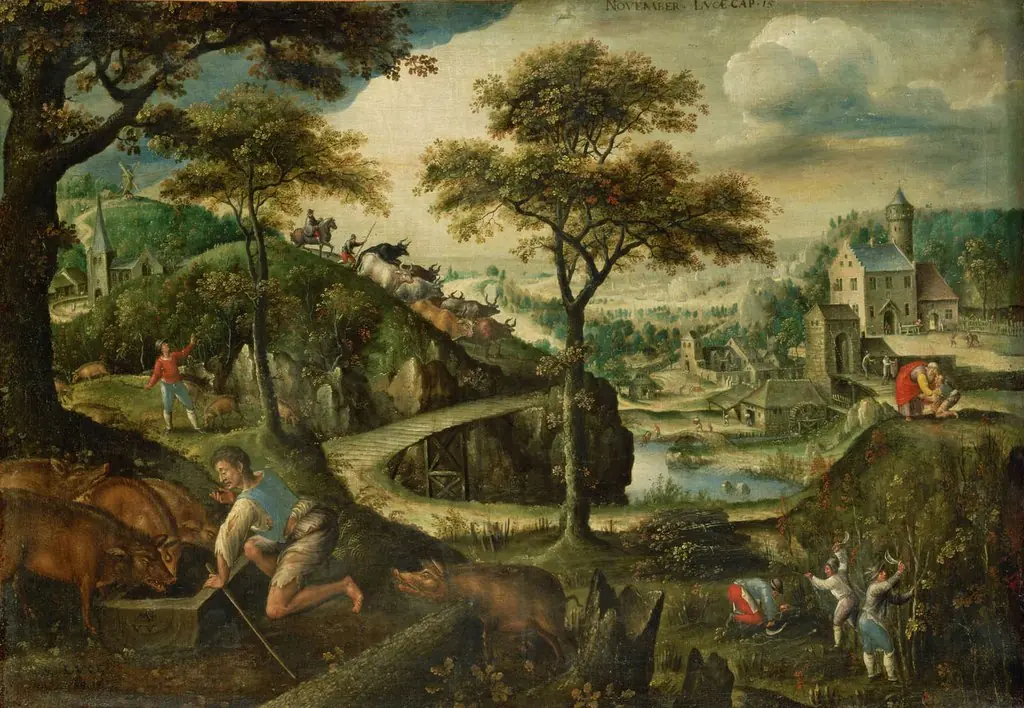 Parable of the prodigal son (November)
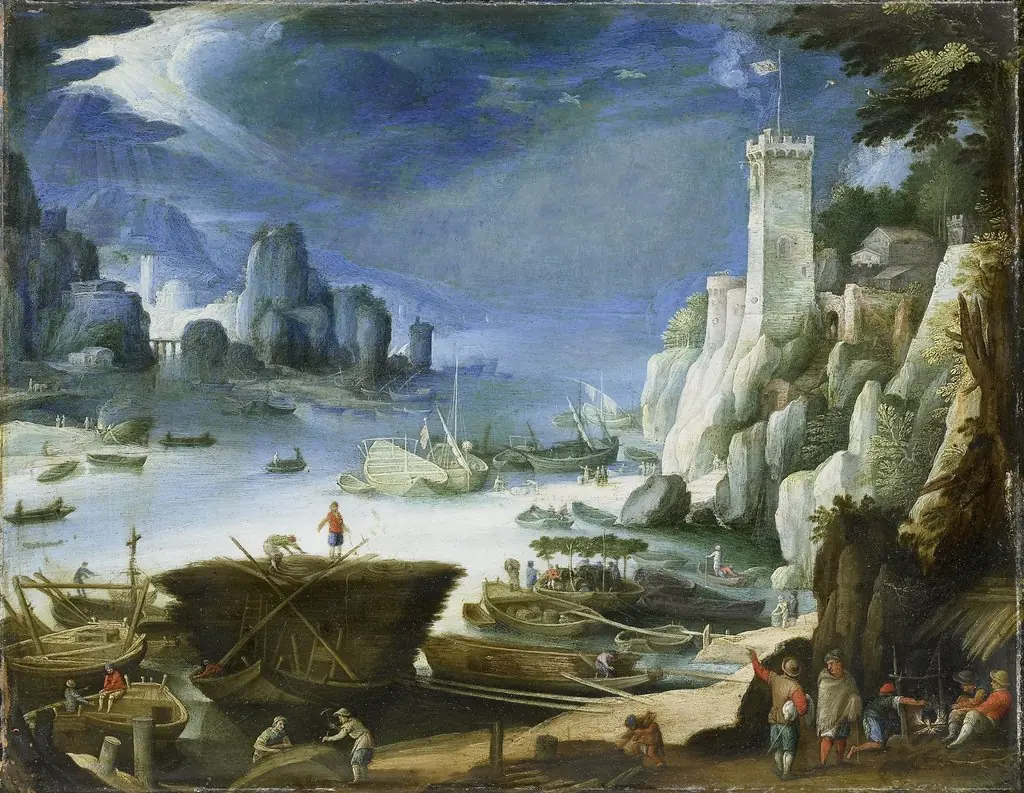 River view with Large Rock