Artwork
Shepherdess, known as ‘Monumental Conception of Humanity’
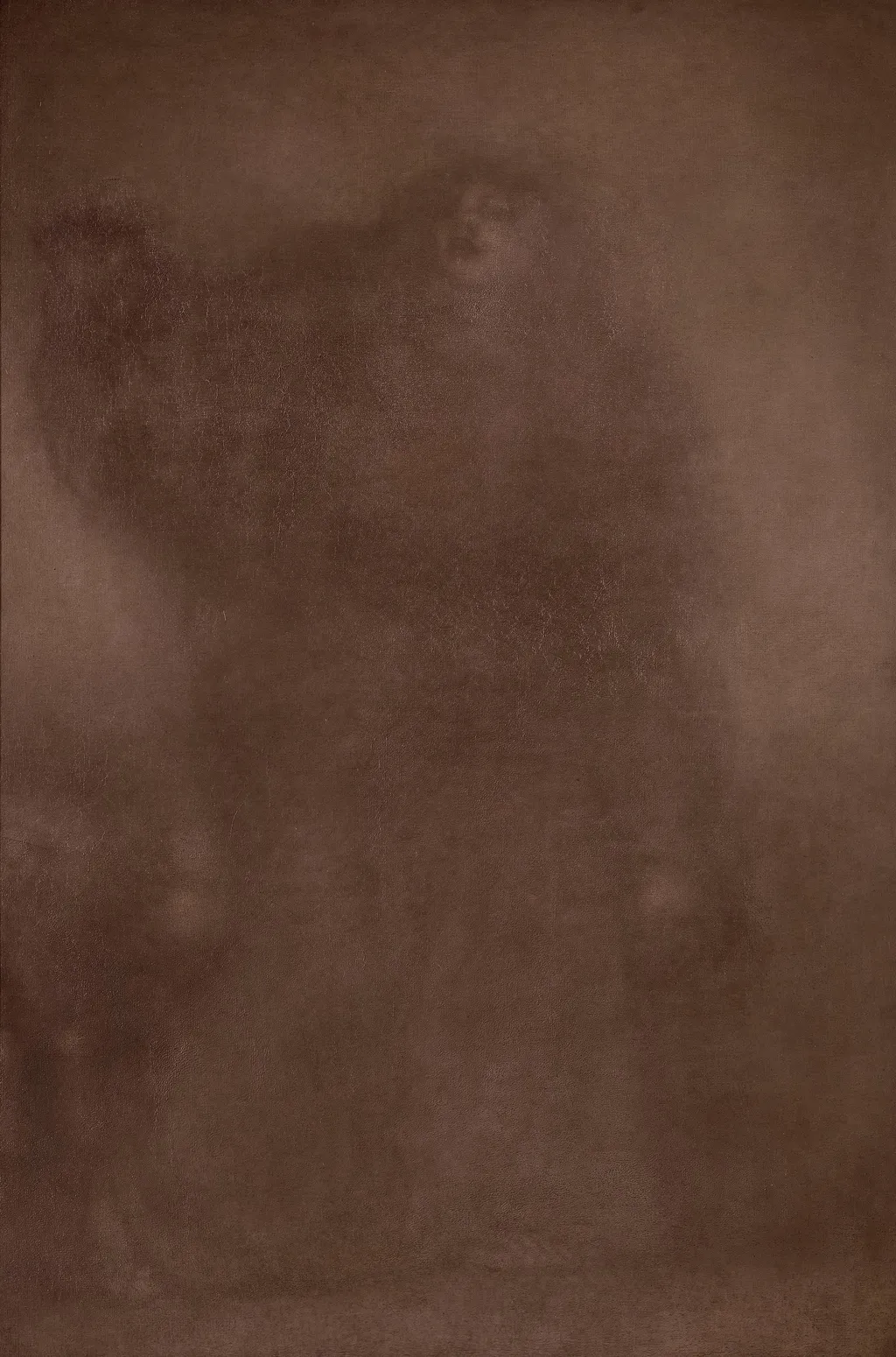
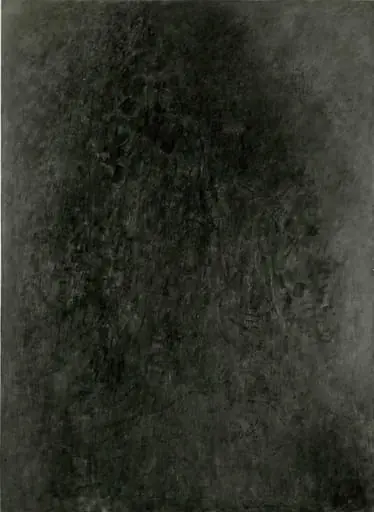
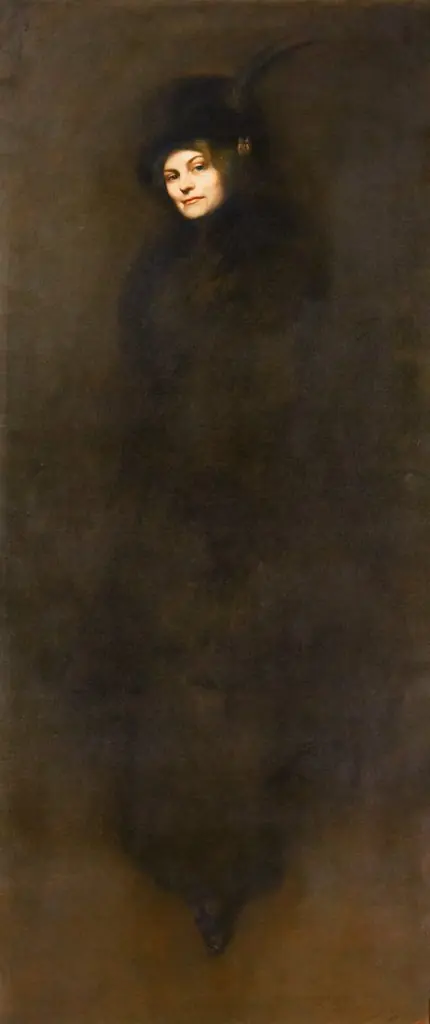
Shepherdess, known as ‘Monumental Conception of Humanity’ is an oil painting by the Symbolist artist Matthijs Maris. It dates from 1894 and is held in the collection of the Rijksmuseum.
About this work
Overview
Created in 1894 by Dutch artist Matthijs Maris, this oil painting is catalogued under the title Shepherdess, known as ‘Monumental Conception of Humanity’. It is part of the Rijksmuseum’s collection and is generally classified within Symbolist visual culture, reflecting Maris’s shift away from the earlier Hague School aesthetic toward a more personal, allegorical approach.
Subject & Meaning
The figure’s torso is slightly turned, yet the facial features are intentionally obscured, reducing the individual to a generic silhouette.
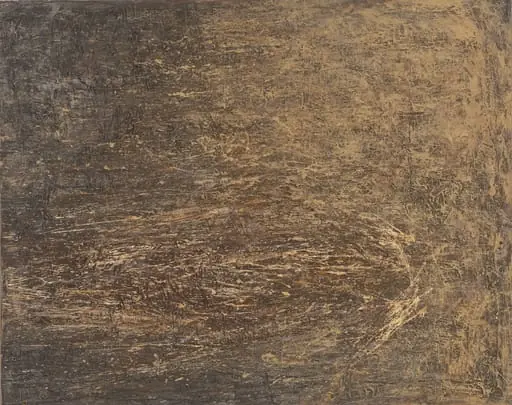
The canvas presents a solitary, pallid figure positioned in an undefined brown expanse. The figure’s torso is slightly turned, yet the facial features are intentionally obscured, reducing the individual to a generic silhouette. This anonymity invites contemplation of humanity in a universal sense, aligning with the work’s subtitle that suggests a grand, collective conception rather than a specific narrative.
Technique & Style
Maris employs a thick application of pigment, reminiscent of impasto, giving the brown ground a texture that resembles wet earth or mud. The background is rendered in a single, flat hue, lacking any horizon or atmospheric cues, which emphasizes the figure’s isolation. The smooth, featureless treatment of the face contrasts with the tactile surface, highlighting the tension between materiality and abstraction.
History & Provenance
After its completion, the painting entered the holdings of the Rijksmuseum, where it remains on display as part of the museum’s representation of late 19th‑century Dutch Symbolism. Its acquisition reflects the institution’s interest in works that illustrate the transition from realist traditions to more metaphysical concerns in Dutch art.
Context
Matthijs Maris, originally linked to the realist Hague School, began incorporating influences from the Pre‑Raphaelites and Symbolist ideas in the 1890s. This work exemplifies that period of experimentation, where narrative content gave way to mood, allegory, and a focus on the inner life of subjects, positioning the piece within broader European trends toward spiritual and philosophical expression in painting.
Own this work as a print
Artist & collection
Artist
Matthias Maris (17 August 1839 – 22 August 1917) was a Dutch painter, etcher and lithographer.