Artwork
Colossol Monolith of Amenhotep III, Gournah
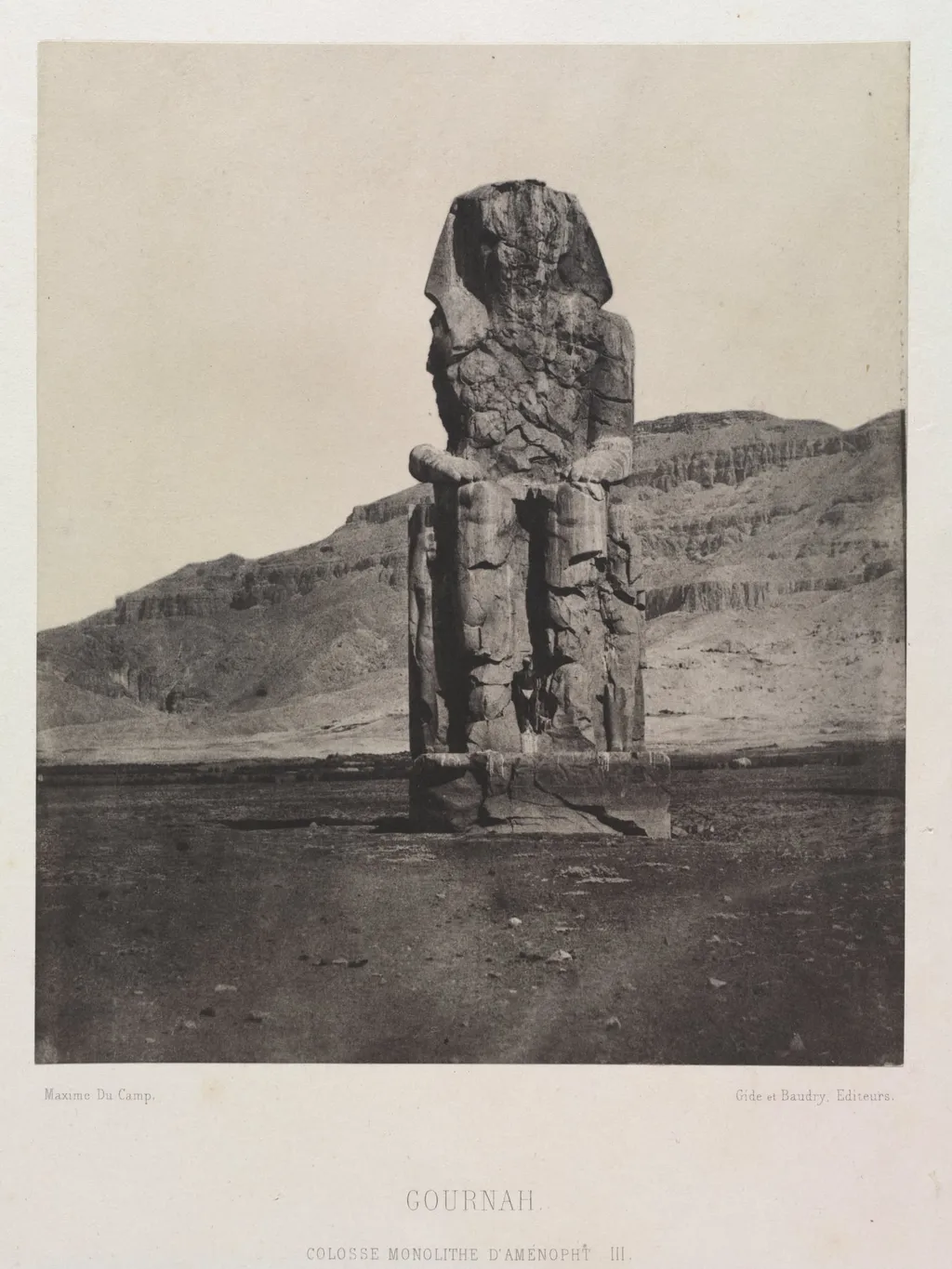
Colossol Monolith of Amenhotep III, Gournah is a photography by the Romanticist artist Maxime Du Camp. It dates from 1850 and is held in the collection of the Cleveland Museum of Art.
- Accession no.
- 1992.235
- Credit line
- Andrew R. and Martha Holden Jennings Fund
About this work
Overview
This photograph, taken by Maxime Du Camp in 1850, is part of The Cleveland Museum of Art's collection. It captures a monumental stone statue in a desert landscape.
Subject & Meaning
The image depicts a colossal stone statue of Amenhotep III, wearing a long robe, with a flat head and a cloth draped down from it. The statue dominates the scene, set against a backdrop of rocky hills and mountains.
Technique & Style
The photograph showcases Du Camp's documentation of ancient Egyptian ruins, characteristic of early photographic explorations. The style is associated with the broader cultural movement of Orientalism, which often featured exotic and ancient subjects.
History & Provenance
The photograph was taken during Du Camp's travels, likely as part of his documentation of Egyptian antiquities. It is now held at The Cleveland Museum of Art.
Artist & collection


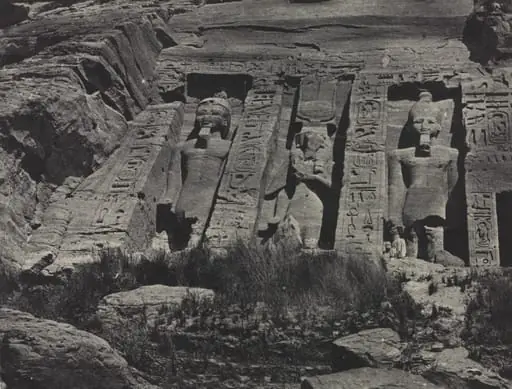 Southern Portion of the Rock-cut Temple of Hathor, Abu Simbel
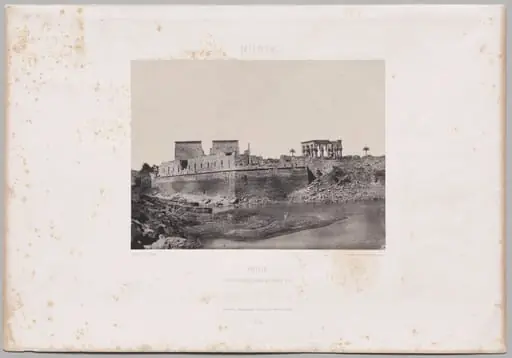 Vue générale prise à l'angle sud-ouest, Philoe
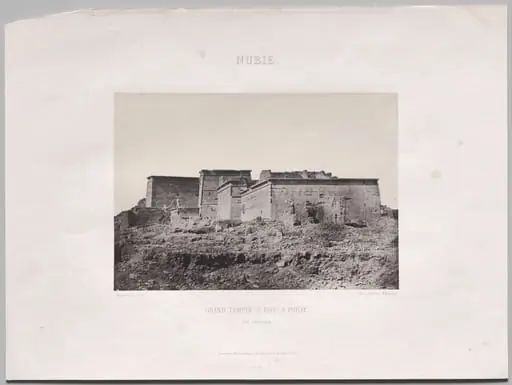 Grand Temple D’Isis, à Philoe (vue générale prise du nord), Nubie
 Thèbes. Palais de Karnak. Sculptures exterieures du Sanctuaire de granit
 Haute Égypte. Grand Temple de Denderah, Sculptures de la façade postérieure
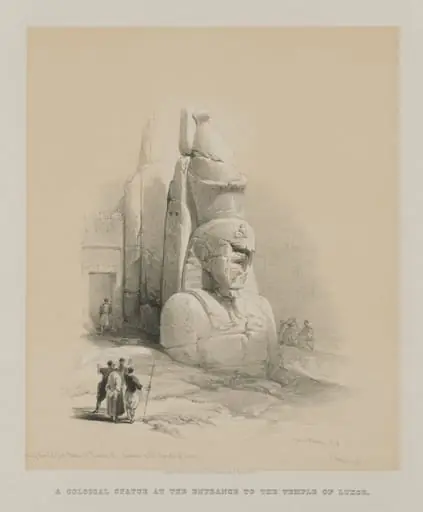 Egypt and Nubia, Volume I: One of Two Colossal Statues of Rameses II. Entrance to the Temple of Luxor
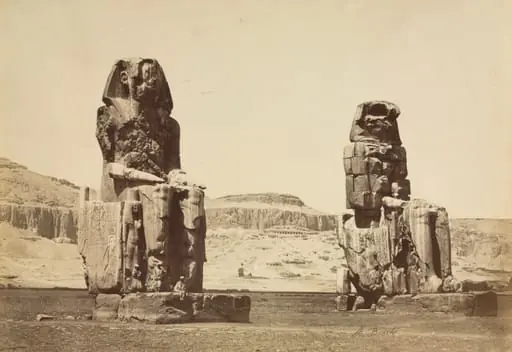
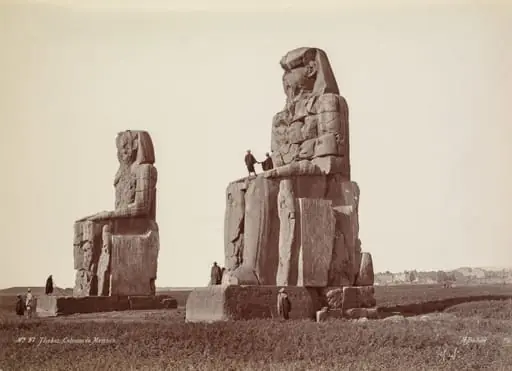 Thebes, The Colossi of Memnon
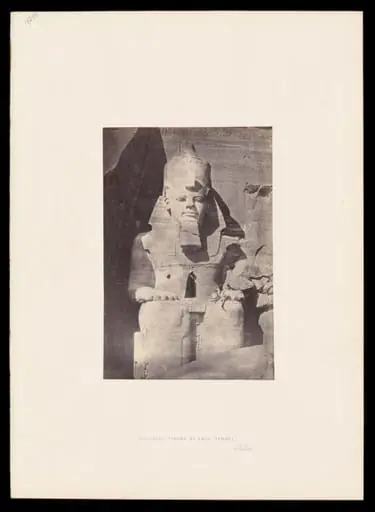 Colossal Figure at Abou Simbel, Nubia
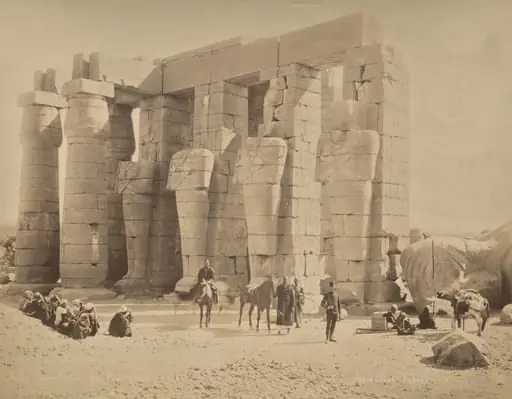 Les cariatides du Ramesseum 134
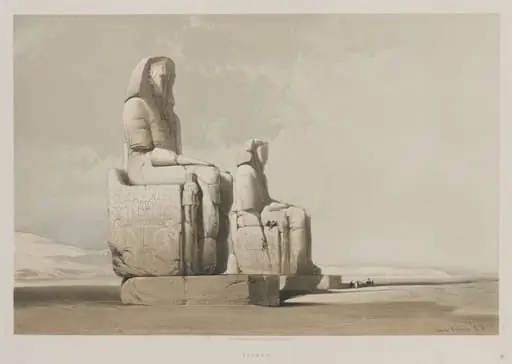 Egypt and Nubia, Volume I: Thebes
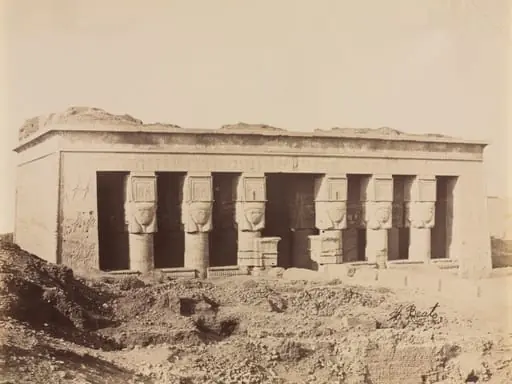 Temple of Dendera
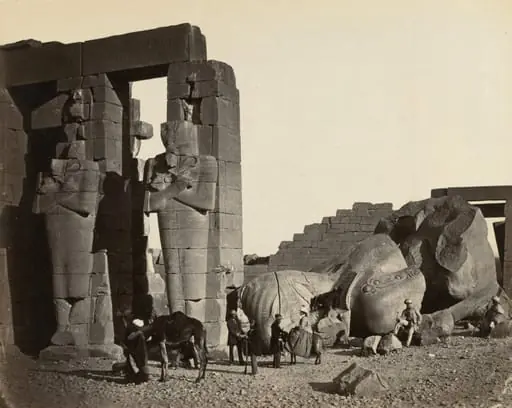 Fallen Statue at the Ramesseum, Thebes
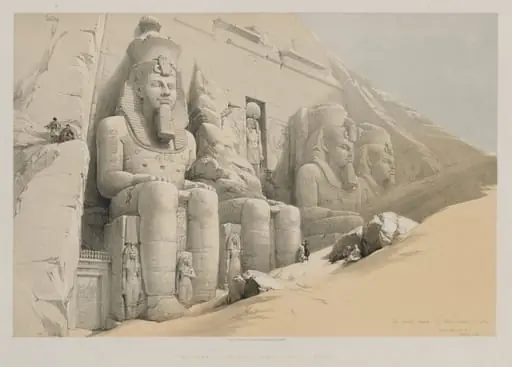 Egypt and Nubia, Volume I: The Great Temple of Aboo-Simble, Nubia
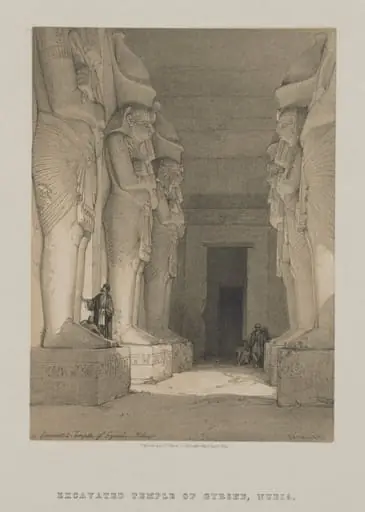 Egypt and Nubia, Volume I: Excavated Temple of Gyrshe, Nubia