Artwork
Village Street under Trees
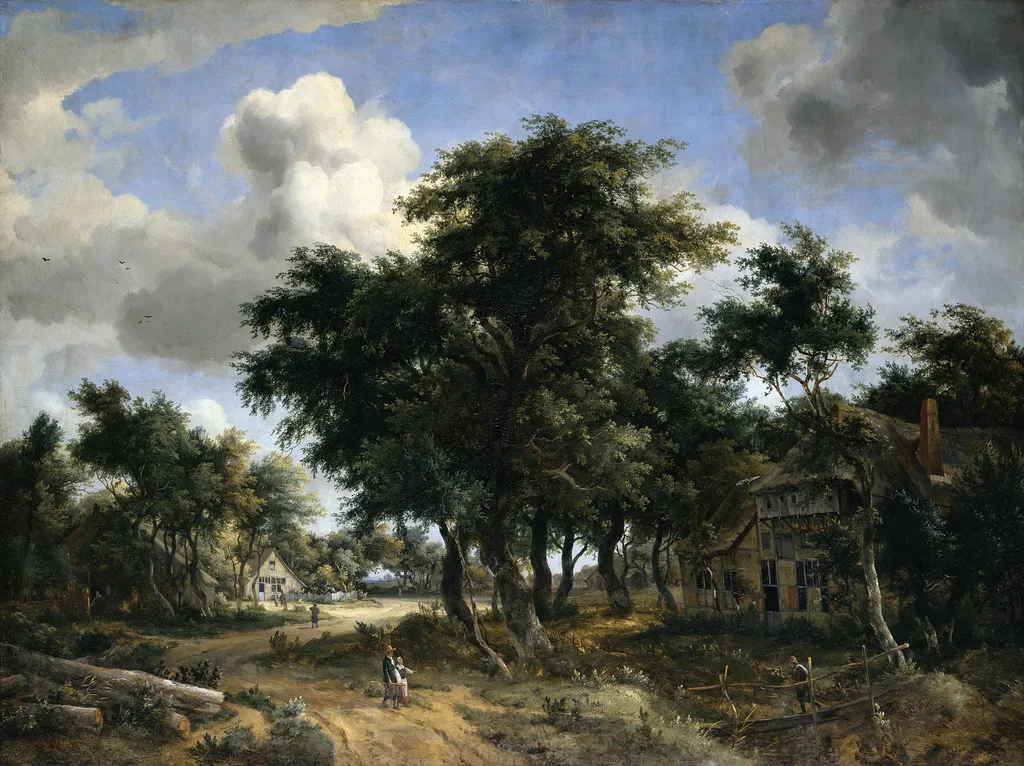
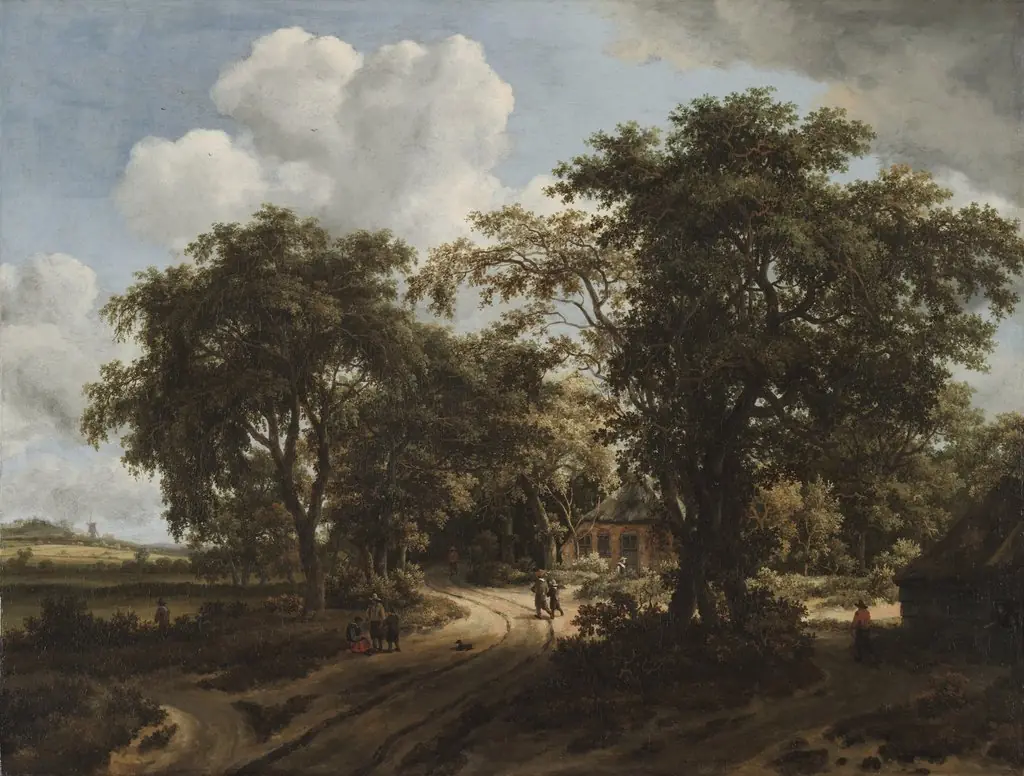
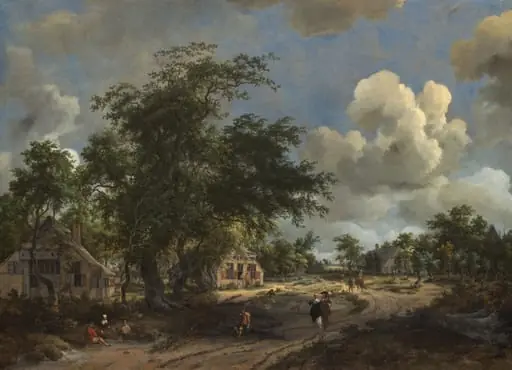
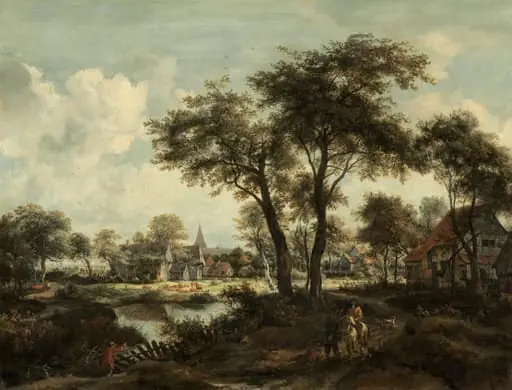
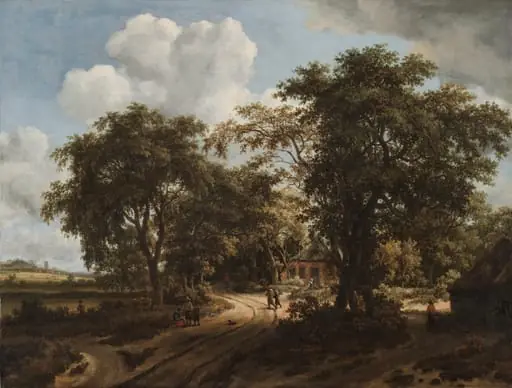
Village Street under Trees is an oil painting by the Dutch Golden Age artist Meindert Hobbema. It dates from 1663 and is held in the collection of the Gemäldegalerie Berlin.
About this work
Technique & Style
Technical examination suggests the canvas support was prepared with a light ground, enabling the luminosity typical of Hobbema’s late landscapes.
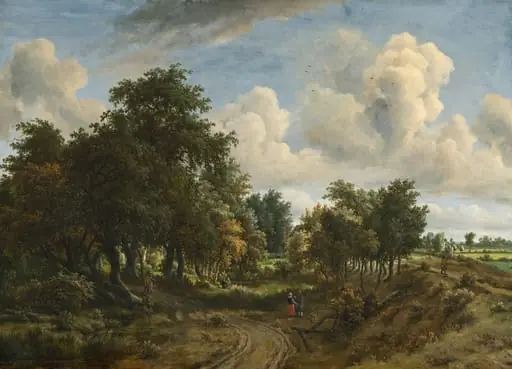
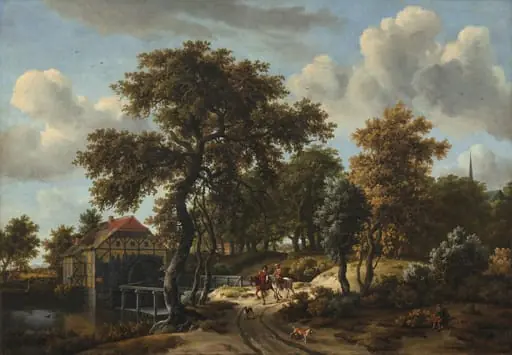
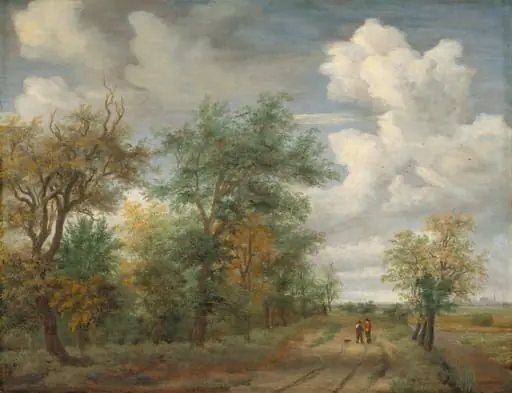
The painting is executed in oil on canvas, consistent with Dutch landscape practice of the 1660s. Handling shows finely modulated, translucent glazes in the foliage to render light and atmosphere, while broader, fluent brushwork defines the architectural masses and distant sky. Trees and village buildings are silhouetted against a luminous sky, creating a rhythmic progression of verticals and horizontals that structures the composition.
The palette is anchored by earthy greens and umbers, enlivened by subtle touches of red and blue in costume and distant figures.
Technical examination suggests the canvas support was prepared with a light ground, enabling the luminosity typical of Hobbema’s late landscapes.
History & Provenance
The painting was completed in 1663 by Meindert Hobbema, as recorded in its internal documentation and confirmed by its Wikidata entry.
It has remained in the collection of the Gemäldegalerie Berlin since at least the date of its cataloguing, where it continues to be held. The work is listed among the holdings of the Gemäldegalerie, with its dimensions recorded as approximately 97.4 cm in height and 128.6 cm in width on canvas.
Meindert Hobbema's 1663 oil painting Village Street under Trees is currently held in the collection of the Gemäldegalerie Berlin. The work is located within the museum's gallery in Berlin, where it is cataloged as part of the institution's permanent holdings of landscape paintings. The inventory records the piece as an oil on canvas depicting a village scene with trees and a figure.
The painting has been associated with the Gemäldegalerie Berlin since its inception in 1663, though specific exhibition histories or accession numbers are not detailed in the available records. The artwork remains a significant part of the museum's collection of Dutch Golden Age landscapes.
Overview
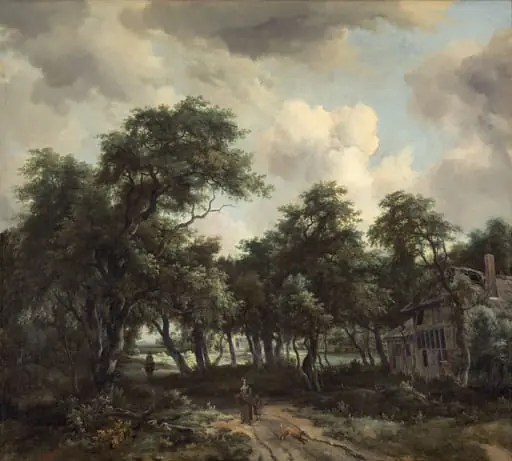
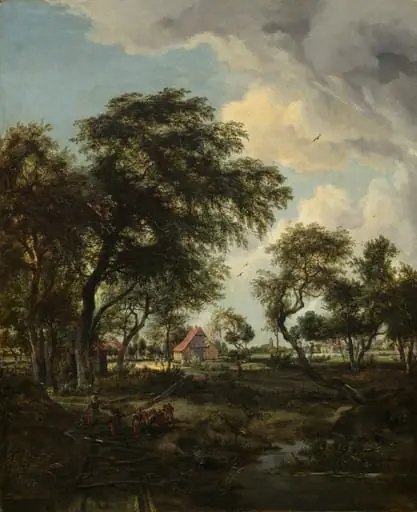
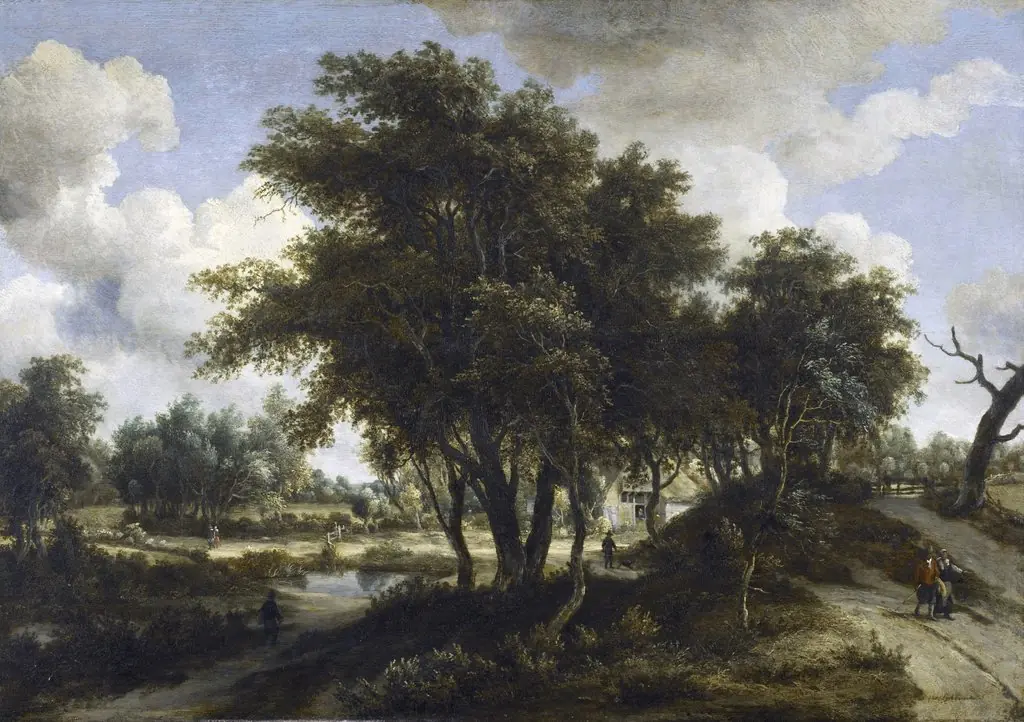
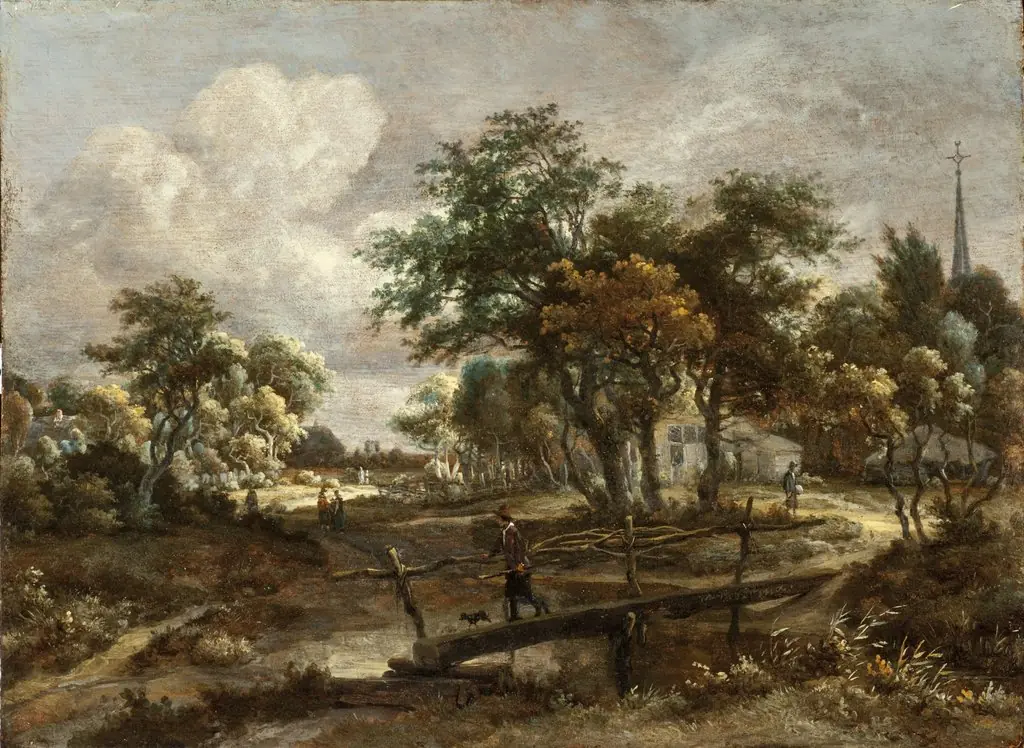
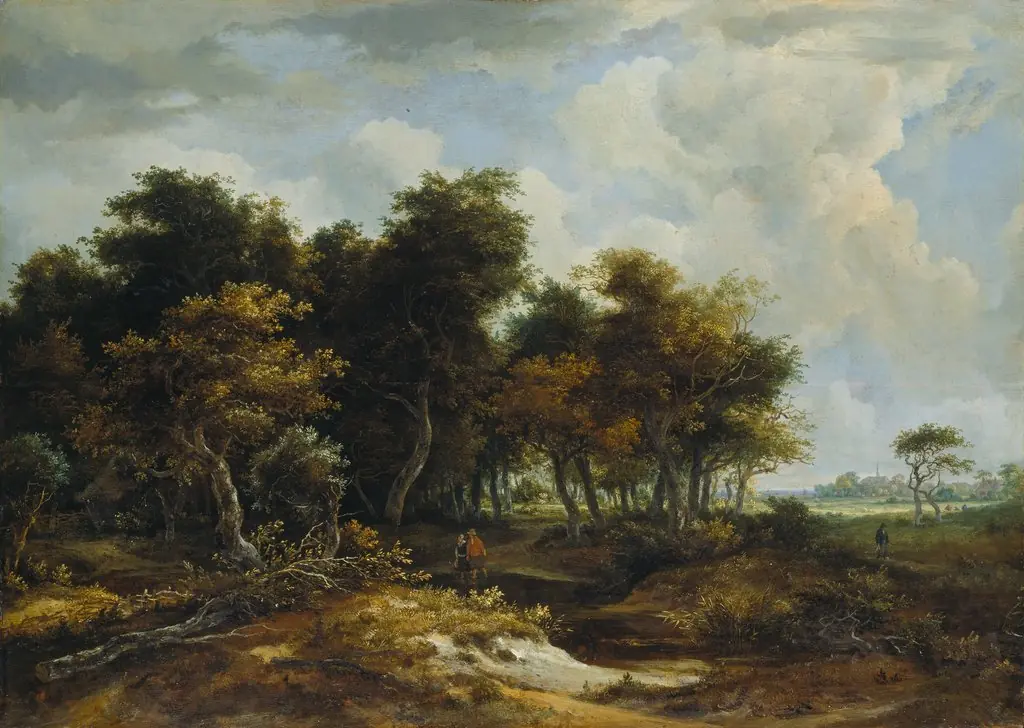
Created in 1663 by Dutch painter Meindert Hobbema, this oil work portrays a tranquil lane winding through a modest settlement. Tall, leafy trees flank the narrow road, their branches forming a natural canopy that filters the daylight. Small dwellings peek from between the trunks, while a few figures animate the otherwise still scene.
Subject & Meaning
The composition centers on everyday rural life, emphasizing the relationship between human activity and the surrounding woodland. A man accompanied by a child walks along the path, and another individual tends to a fence, suggesting routine labor and familial presence. The interplay of light and shade underscores the passage of time and the quiet rhythm of village existence.
Own this work as a print
Artist & collection
Artist
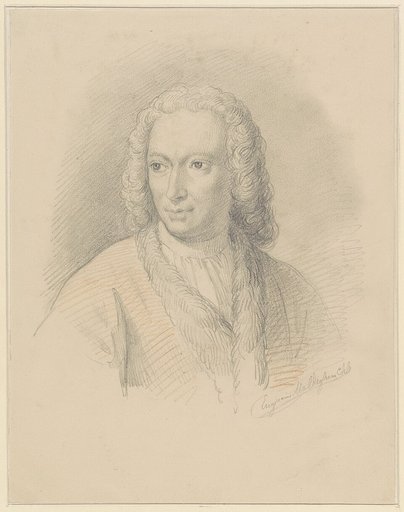
Meindert Lubbertszoon Hobbema (bapt. 31 October 1638 – 7 December 1709) was a Dutch Golden Age painter of landscapes, specializing in views of woodland, although his most famous painting, The Avenue at Middelharnis…