Artwork
Omer Talon
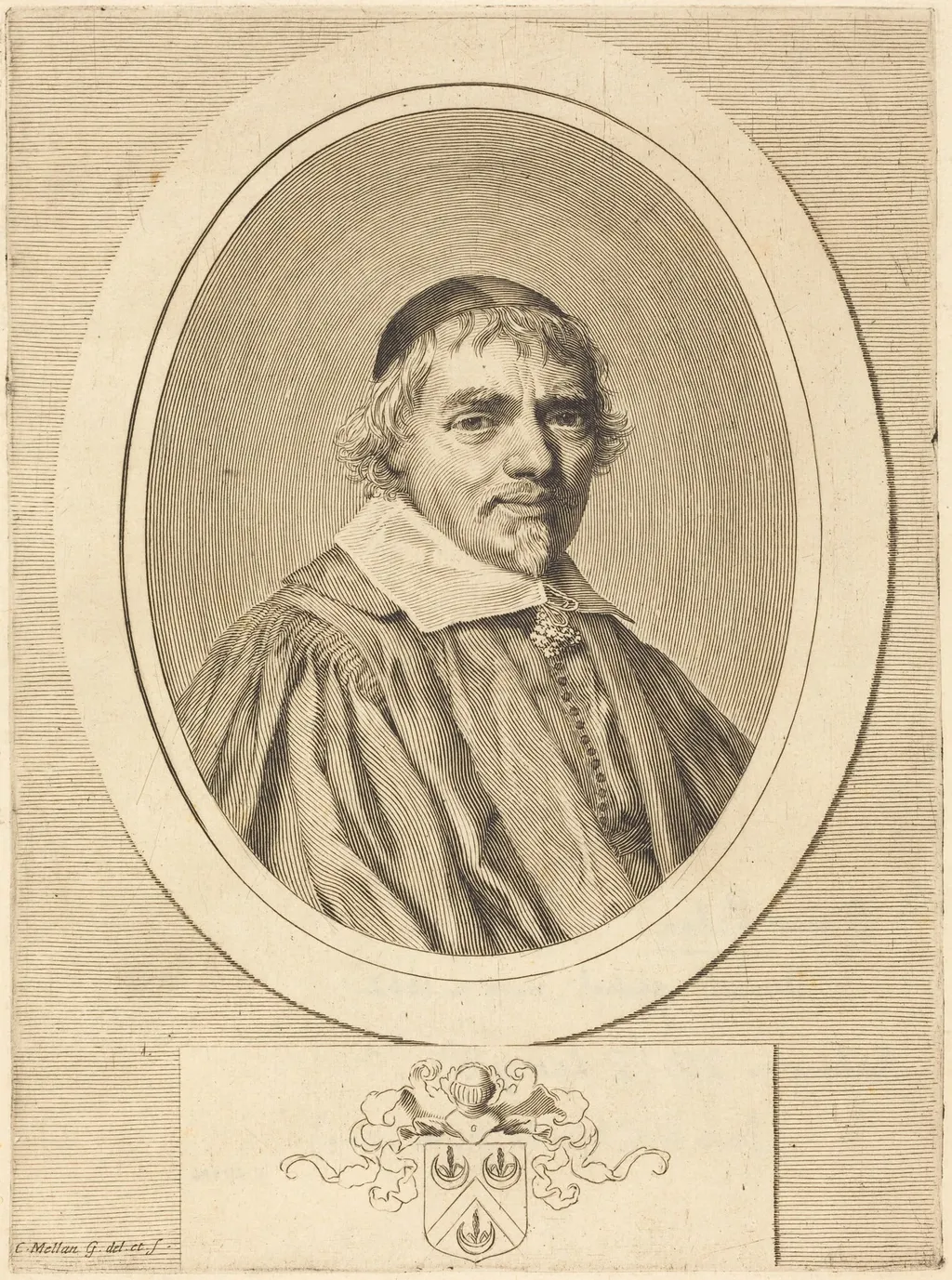
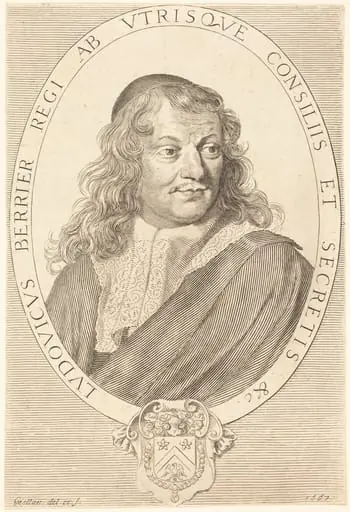
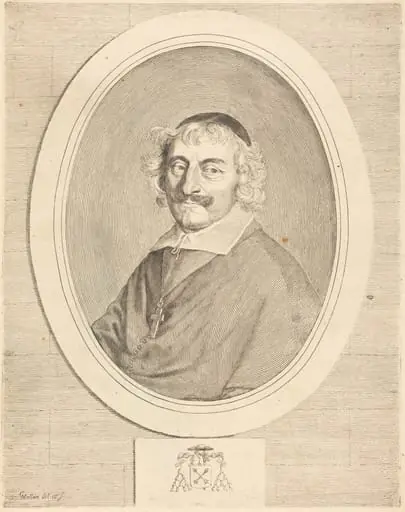
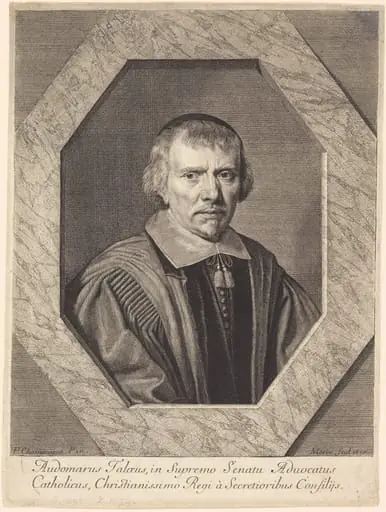
Omer Talon is an ink print by the Renaissance artist Claude Mellan. It dates from 1643 and is held in the collection of the National Gallery of Art.
- Inscription
- Inscribed:lower left in plate: C. Mellan G. del. et S.; by later hand, across bottom in graphite: Omer Talon / Avocat-general, mort en 1652 / Montaiglon 233 (II State of 3) / (First State before the engraver's name) / c.27296
About this work
Overview
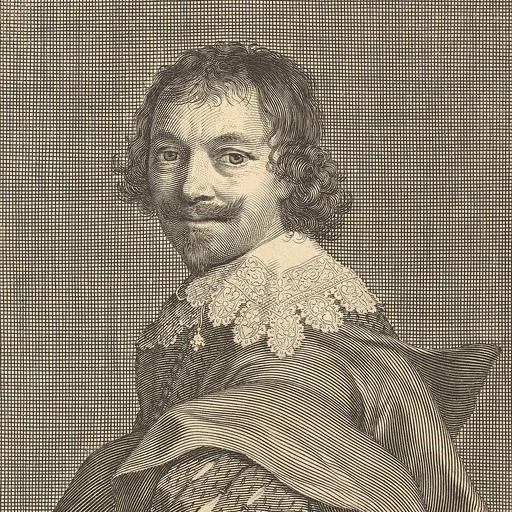
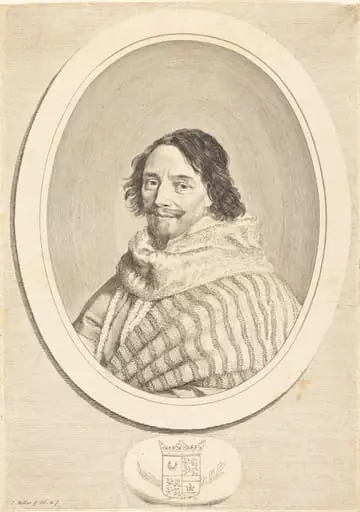
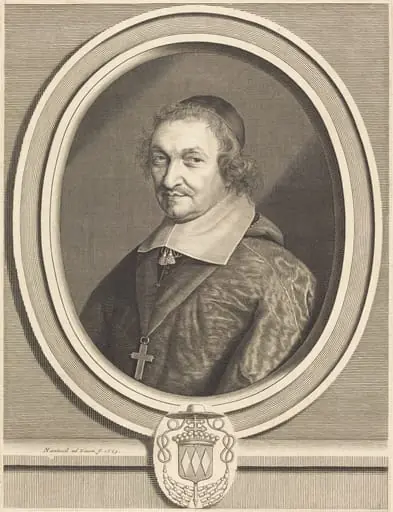
The portrait presents Talon in a three-quarter view, his face framed by a circular cartouche that emphasizes his serious, contemplative expression.
Claude Mellan's 1643 engraving depicts Omer Talon, a prominent French lawyer and orator, rendered with the artist's signature mastery of single-line technique and fine hatching. The portrait presents Talon in a three-quarter view, his face framed by a circular cartouche that emphasizes his serious, contemplative expression. He wears a high, stiff ruff collar and a heavy chain of office, signifying his status and professional standing.
Mellan utilizes delicate, parallel lines to model the facial features and the texture of the clothing, creating a sense of volume and depth characteristic of French Baroque printmaking. Below the bust, a small coat of arms featuring a shield and decorative scrollwork identifies the sitter. Executed during the height of Mellan's career, this work exemplifies his ability to convey psychological presence and social rank through precise linear control.
The engraving serves as a formal commemoration of Talon's public life, reflecting the era's emphasis on portraiture as a tool for documenting intellectual and civic authority.
Subject & Meaning
The work portrays Omer Talon, a figure whose identity is signified by the accompanying heraldic device. The restrained expression and formal attire suggest a dignified, perhaps scholarly or official, status, while the inclusion of the coat of arms underscores his social standing or familial affiliation.
Technique & Style
Mellan employs delicate, intersecting lines to model light and shadow, a method known as cross‑hatching. By varying the density and direction of these fine strokes, he achieves a subtle gradation of tone that gives the facial features a convincing three‑dimensional presence within the flat medium of engraving.
History & Provenance
Created in the mid‑seventeenth century, the print reflects Mellan’s mature period of portraiture. Though specific ownership records are scarce, the engraving has been catalogued among his signed works and appears in several early modern print collections, indicating its circulation among contemporary patrons and later collectors.
Context
The portrait belongs to a broader tradition of engraved likenesses that served both commemorative and documentary purposes in the 1600s. Mellan’s precise line work aligns with the French Baroque emphasis on clarity and detail, while the inclusion of heraldic elements mirrors the period’s practice of linking portraiture to lineage.
Legacy
Mellan’s technique influenced subsequent engravers who sought to render volume through line rather than tonal washes. The Omer Talon portrait remains a reference point for studies of 17th‑century French engraving, illustrating the artist’s skill in combining portraiture with emblematic symbolism.
Own this work as a print
Artist & collection