Artwork
Couverture du "Voyage à la nouvelle Zélande" (Cover for the Set of Etchings Entitled "A Voyage to New Zealand")
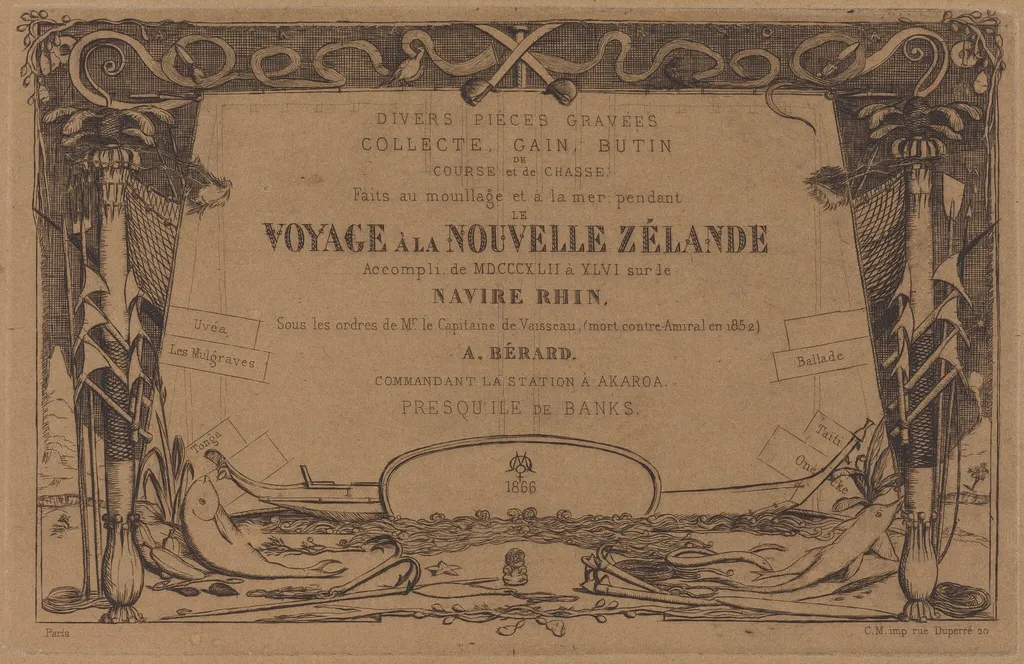
Couverture du "Voyage à la nouvelle Zélande" (Cover for the Set of Etchings Entitled "A Voyage to New Zealand") is an ink print by the Impressionist artist Charles Meryon. It dates from 1866 and is held in the collection of the National Gallery of Art.
- Inscription
- Inscribed:"(Charles Meryon's monogram) / 1866" lower center composition, in plate. "C.M. imp rue Duperré 20" lower right margin, in plate. "Paris" lower left margin, in plate. "DIVERSES PIECES GRAVÉES / COLLECTE, GAIN, BUTIN / DE / COURSE et de CHASSE / Fairs au mouillage et à la mer; pendant / LE / VOYAGE À LA NOUVELLE ZÉLANDE / Accompli de MDCCCXLII à XLVI sur le / NAVIRE RHIN, / Sous les ordres de Mr le Capitaine de Vaisseau, (mort contre-Amiral en 1852) / A. BÉRARD / COMMANDANT LA STATION À AKAROA. / PRESQU'ILE DE BANKS." center composition, in plate. "Uvéa / Les Mulgraves / Tonga" center left composition, in plate. "Ballade / Taiti / Oné-cke" center right composition, in plate. "W.66 LD. 63 IV" lower left margin, graphite, unknown hand. "c. 4299" lower right margin, graphite, unknown hand. "1" lower right margin, graphite, unknown hand. Verso: none.
- Markings
- Marked:"LRJ" verso, black stamped ink, stamped twice, (Lugt 1760b). "National Gallery of Art" verso, black stamped ink, (Lugt 1932d).
About this work
Overview
In 1866 Charles Meryon produced an etched cover for the series of prints titled Voyage à la Nouvelle Zélande. Executed on brown wove paper, the sheet bears the French title and a brief dedication, serving as the frontispiece for the accompanying etchings.
Subject & Meaning
The cover’s inscription identifies the work as a visual record of a journey to New Zealand, while the dedication to A. Berard, a commandant stationed at Akaroa, hints at a personal connection between the artist and the colonial outpost.
Technique & Style
Meryon employed his characteristic fine line work in a single plate etching, allowing the brown paper’s texture to enhance the tonal range. The restrained composition, limited to title and dedication, reflects his preference for clear, economical design over ornamental excess.
History & Provenance
Meryon, a French etcher noted for his Gothic depictions of Paris, created the cover amid a period of increasing personal difficulty, including the onset of mental illness. His colour‑blindness directed his practice toward monochrome media, making this brown‑paper etching a representative example of his later output.
Context
The work belongs to a broader 19th‑century European fascination with distant lands, particularly the Pacific. By providing a printed frontispiece for a series of New Zealand scenes, Meryon linked his French printmaking tradition with the era’s colonial curiosity.
Own this work as a print
Artist & collection
Artist
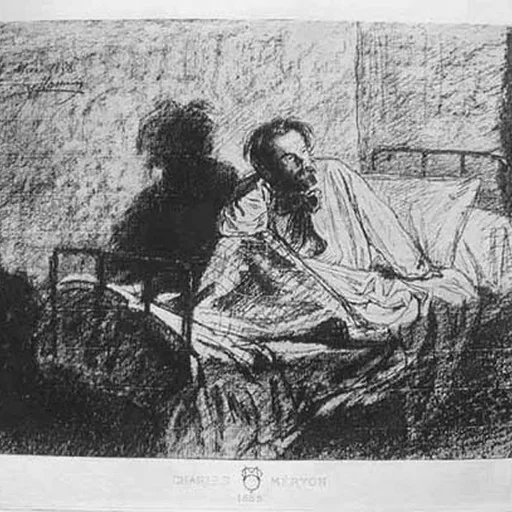
Charles Meryon (sometimes Méryon, 23 November 1821 – 14 February 1868) was a French artist who worked almost entirely in etching, as he had colour blindness.

 Title Page
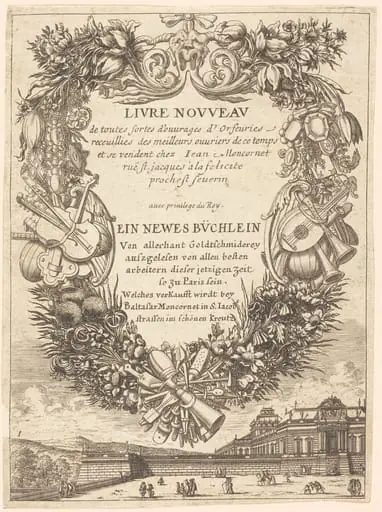 Title Page
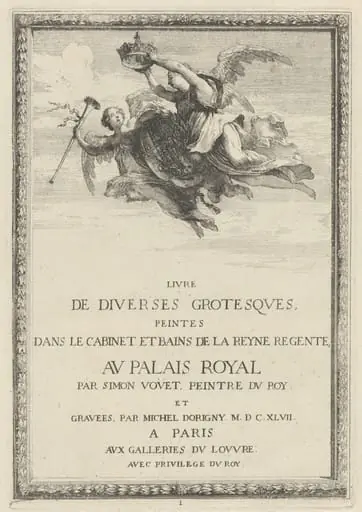 Title Page
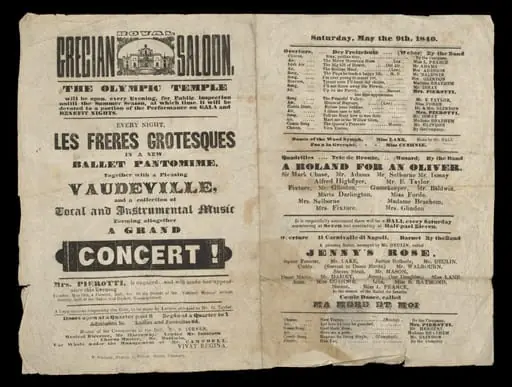 H Beard Print Collection
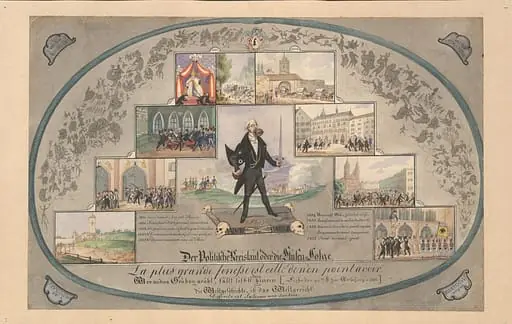 Kelterborn, Ludwig Adam - Malerei, Der Politische Kreislauf oder die Stufen=Folge (Basel-Stadt)
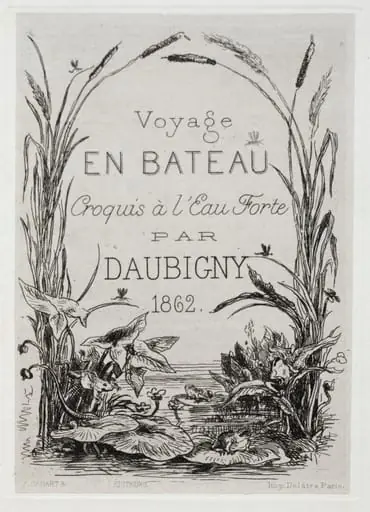 Title Frontispiece for the Album: The Boat Trip
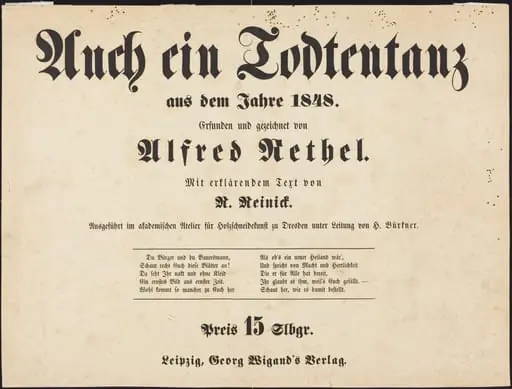 Auch ein Todtentanz: Title Page
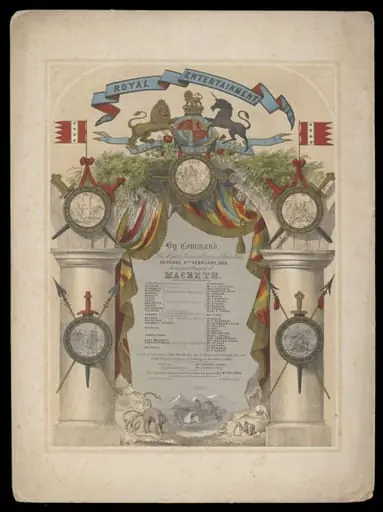 H Beard Print Collection
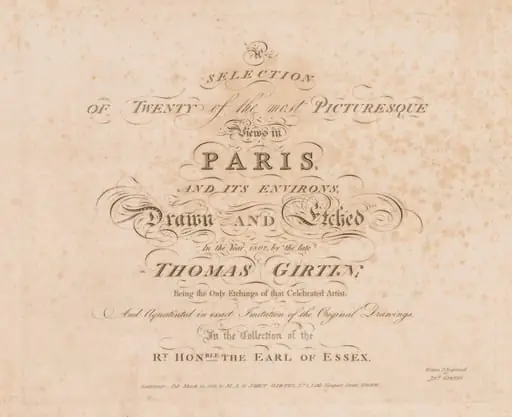 A Selection of Twenty of the Most Picturesque Views in Paris, And its Environs: Title Page
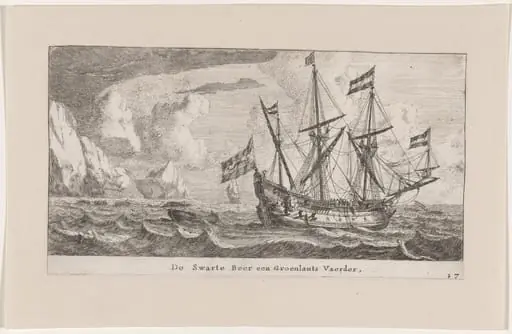 The "Zwarte Beer" (Black Bear), a Dutch Greenlander
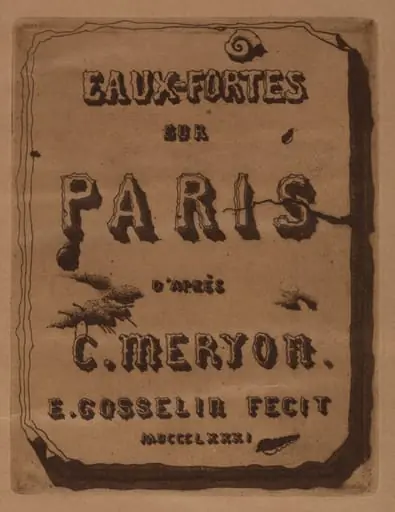 Titre des Eaux-fortes sur Paris: Cover
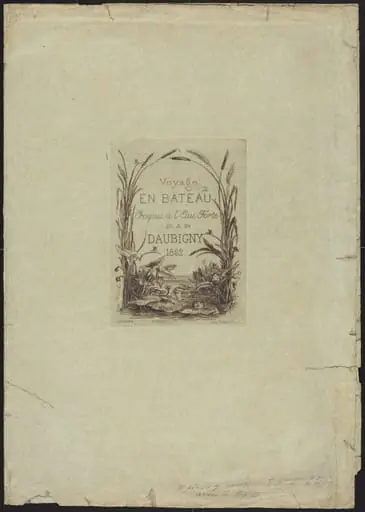
- Wrapper for "Voyage en bateau"