Artwork
Kelterborn, Ludwig Adam - Malerei, Der Politische Kreislauf oder die Stufen=Folge (Basel-Stadt)
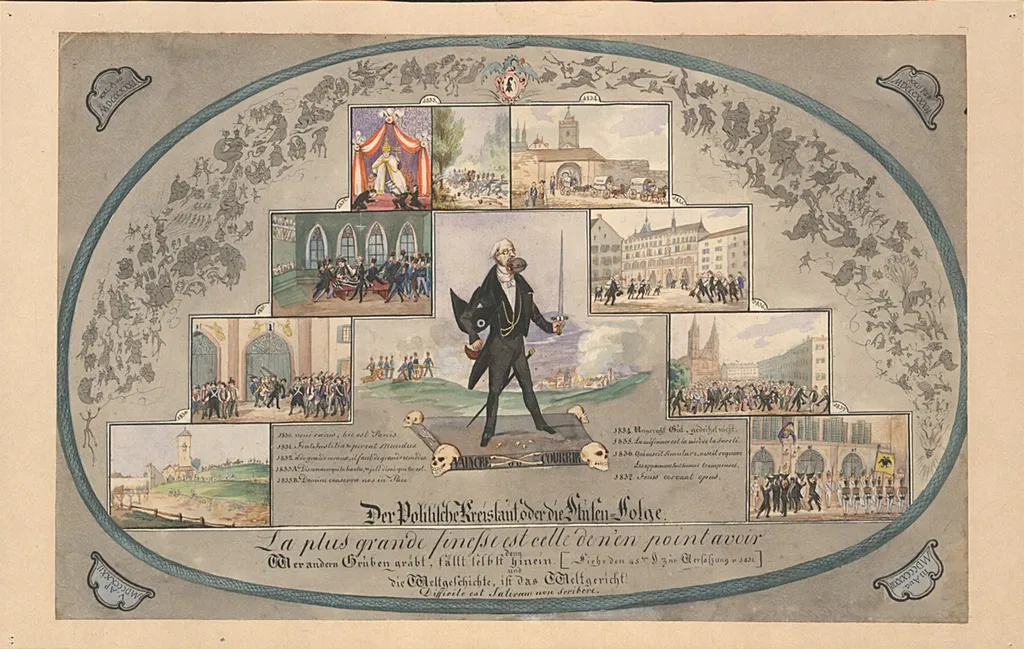
Kelterborn, Ludwig Adam - Malerei, Der Politische Kreislauf oder die Stufen=Folge (Basel-Stadt) is a drawing by Ludwig Adam Kelterborn. It dates from 1833 and is held in the collection of the Archaeology and Museum Baselland.
About this work
Overview
Ludwig Adam Kelterborn’s 1833 drawing, titled Der Politische Kreislauf oder die Stufen‑Folge, is part of the Museum of Ethnography’s Basel collection. The work combines a central figure, a black dog in a tall hat stepping on a skull, with a crowded border of miniature vignettes, decorative scrollwork, and numerous tiny, ghost‑like forms.
Subject & Meaning
The central dog, poised on a skull, suggests a satirical commentary on political cycles, while the surrounding eight framed scenes depict bustling crowds, architectural elements and a theatrical stage, hinting at the repetitive nature of public life and governance. The bilingual title in German and French reinforces a multilingual, perhaps pan‑European, critique.
Technique & Style
Kelterborn employs dense cross‑hatching and fine line work to render texture, from the fur of the dog to the swirling marginal figures that resemble demons or spirits. The composition is tightly packed, with ornamental scrolls framing the central tableau, creating a visual rhythm that mirrors the thematic cycle.
History & Provenance
Created in 1834, the drawing entered the Basel‑Stadt Museum of Ethnography’s holdings during the 19th‑century acquisition wave that expanded the institution’s graphic arts collection. Its provenance traces back to regional collectors who valued its allegorical content.
Context
The piece emerges from a period of heightened political upheaval in Europe, when revolutions and reforms prompted artists to encode social criticism in symbolic imagery. The use of a dog, a common emblem of loyalty or folly, on a skull reflects contemporary anxieties about the durability of political institutions.
Legacy
While not widely reproduced, the drawing exemplifies a niche of early‑19th‑century political satire in visual art. Its intricate line work and allegorical density continue to inform studies of how artists employed graphic techniques to convey complex social commentary.
Own this work as a print
Artist & collection
Artist
Ludwig Adam Kelterborn painted scenes of Swiss politics and history in the early 1800s.
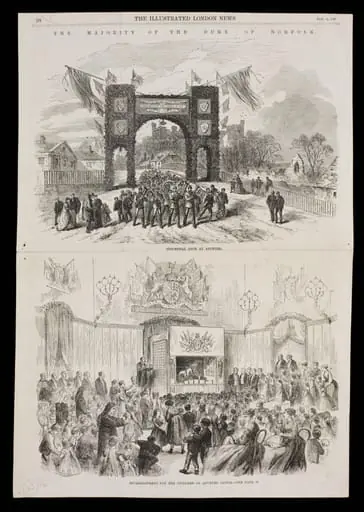
- George Speaight Punch & Judy Collection
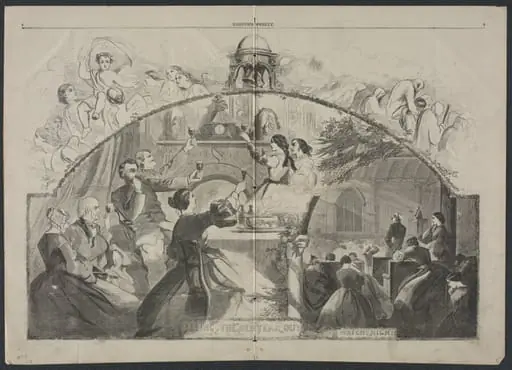 Seeing the Old Year Out
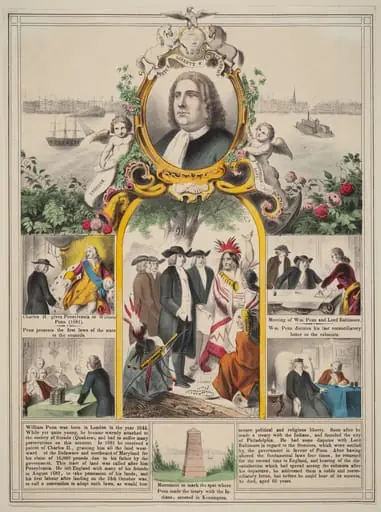 William Penn's History
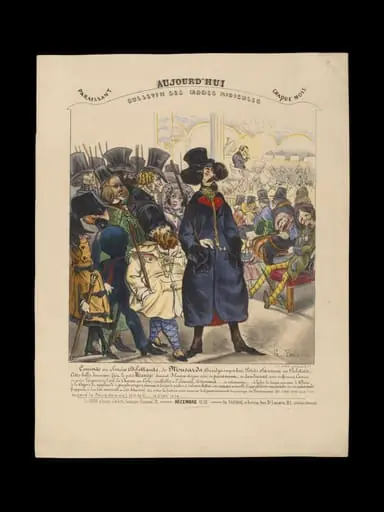 H Beard Print Collection
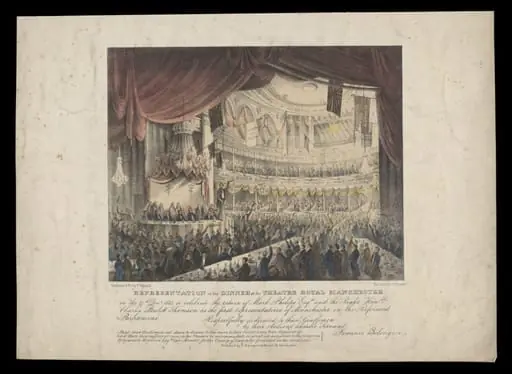 H Beard Print Collection
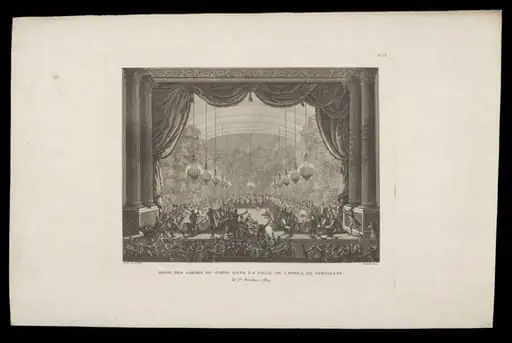 H Beard Print Collection
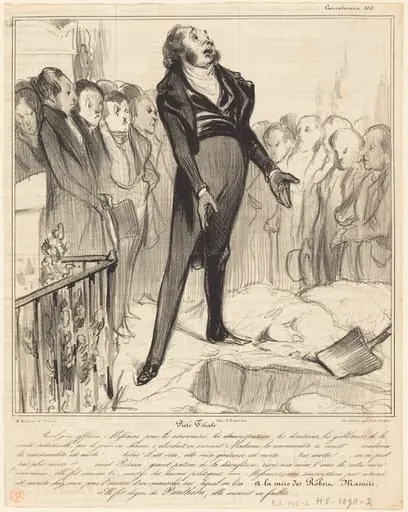 Piétié Filiale
 H Beard Print Collection
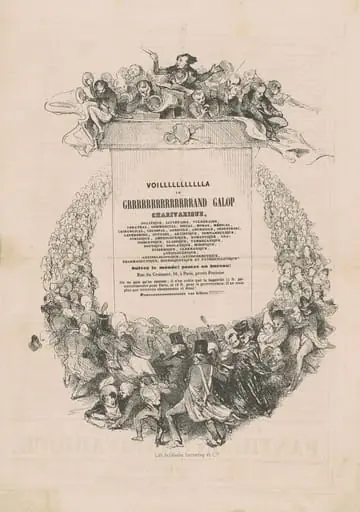 VOILLLLLLLLLLLA LE GRRRRRRRRRRRRRRAND galop charivarique
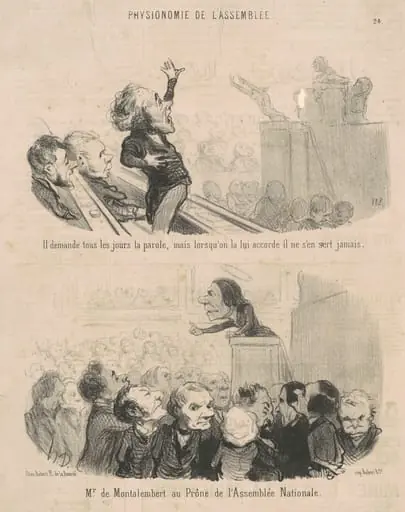 Il demande tous les jours la parole ...
 H Beard Print Collection
 H Beard Print Collection