Artwork
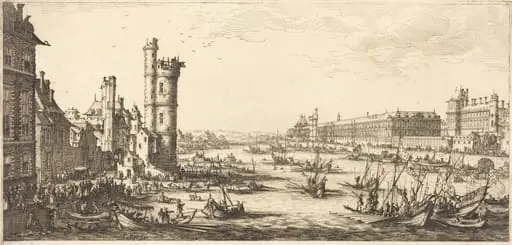
L'ancien Louvre d'après une peinture de Zeeman, 1651 (The Old Louvre, from a Painting by Zeeman, 1651)
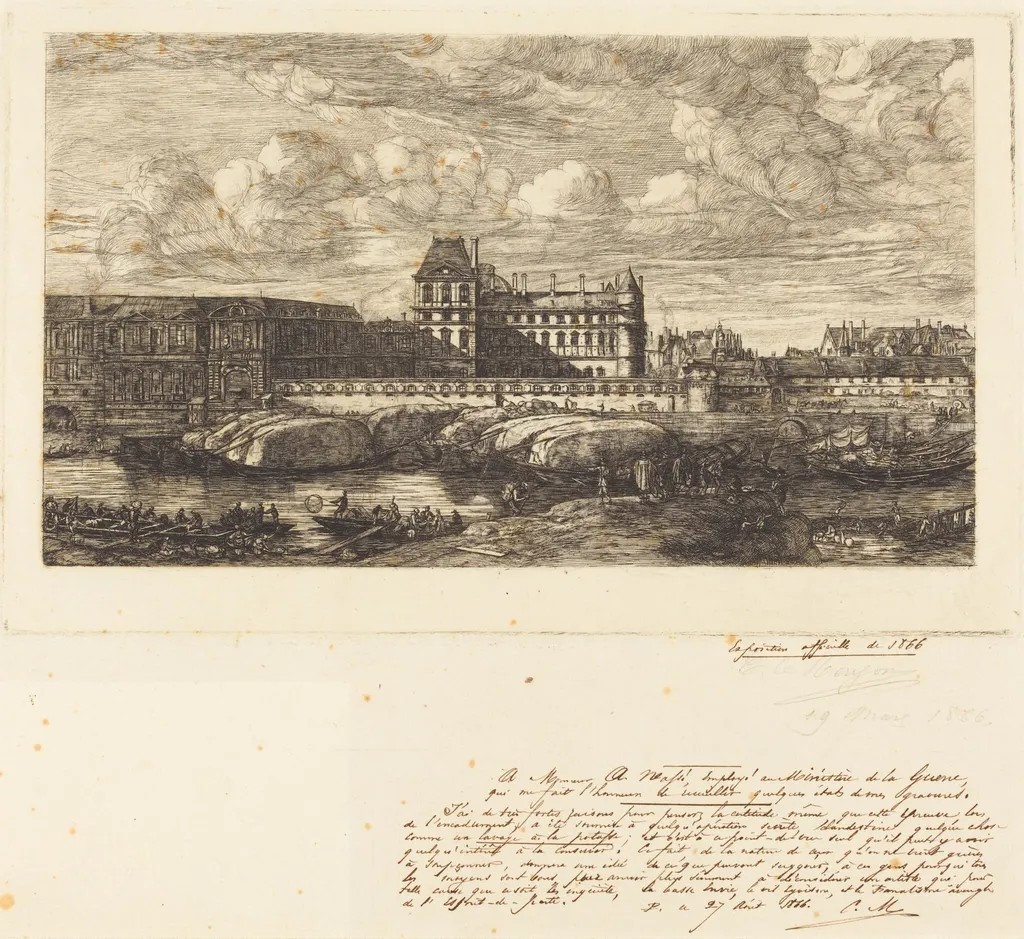
L'ancien Louvre d'après une peinture de Zeeman, 1651 (The Old Louvre, from a Painting by Zeeman, 1651) is an ink print by the Impressionist artist Charles Meryon. It dates from 1866 and is held in the collection of the National Gallery of Art.
- Inscription
- Inscribed:"Exposition Officielle De 1866 / C. Meryon / 19 mars 1866 / à Monsieur De. Wasset, employé au ministère de la guerre, / qui mr fair l'honneur de recueiller quelques états de mes gravures. J'ai de très fortes raisons pour prendre la certitude même que cette épreuve lors / de l'encadrement, a été soumise à quelque opération secrète, clandestine, quelque chose / comme un lavage à law potass: et c'est à ce point-de-vue seul qu'il peut y avoir / quelque interêt à la conserver. Ce fair de la nature de ceux qu'on ne [illeg.] guère / à soupçonner donnera une idée de ce que pouvent suggérer, à ces gens pour que tous / les moyens sont bons pour arriver plus surement à le considerer un artiste que pour / telle cause que le soit les [illeg.], la basse envie, le vil egoisme, et le fanatisme aveugle / de l'espirit-de-Parti / P. Le 27 Avoût 1866. C.M." lower right margin, brown ink, artist's hand. "869" lower center margin, graphite, unknown hand. "D7269-" lower right margin, graphite, unknown hand. "9417" verso, lower left sheet, graphite, unknown hand.
- Markings
- Marked:"LRJ" verso, black stamped ink, stamped twice, (Lugt 1760b). "National Gallery of Art" verso, black stamped ink, (Lugt 1932d). (Jean-Louis-Henri Le Secq, dit Des Tournelles collector's stamp) verso, blue stamped ink, (Lugt 1336). "AW" (A. Wasset collector's mark) verso, black ink, (Lugt 201).
About this work
Overview
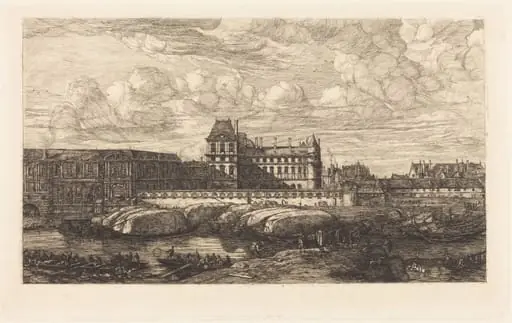
Created in 1866, this etching on laid paper reproduces a 1651 view of the Louvre originally painted by the Dutch marine artist Reinier Nooms, known as Zeeman. The French printmaker Charles Meryon, whose career was defined by his work in etching, rendered the scene in monochrome, emphasizing architectural forms and river activity along the Seine.
Subject & Meaning
The image presents the former stone Louvre building with its steep roof and chimneys, set beside a bustling riverbank. A dense fleet of vessels occupies the water, suggesting a lively port, while the sky is filled with swirling lines that convey wind or mist. The composition reflects an interest in the historic urban landscape of Paris.
Technique & Style
Meryon employed traditional intaglio methods, incising the design onto a copper plate and using acid to bite the lines. The resulting prints display fine hatching and cross‑hatching that model light and shadow in black, white and gray tones. The restrained palette and precise draftsmanship are characteristic of Meryon’s mature etching style.
History & Provenance
Meryon, who worked almost exclusively in etching due to his colour‑blindness, produced this work as part of a series of historic Parisian views. The source painting by Zeeman, dated 1651, documented the Louvre before its 17th‑century expansions. The print entered the French print market shortly after its creation and has since been held in several museum collections.
Context
The 19th‑century French fascination with medieval and early modern Paris provided a backdrop for Meryon’s oeuvre. By revisiting Zeeman’s 17th‑century depiction, Meryon linked contemporary etching practice with earlier Dutch marine painting, highlighting the continuity of visual interest in the Seine’s commercial activity and the Louvre’s architectural evolution.
Own this work as a print
Artist & collection
Artist
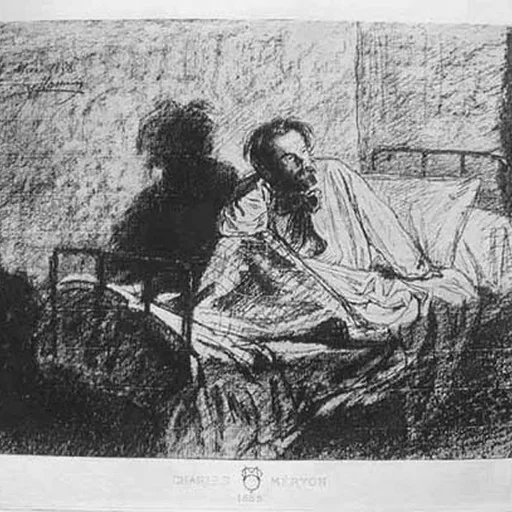
Charles Meryon (sometimes Méryon, 23 November 1821 – 14 February 1868) was a French artist who worked almost entirely in etching, as he had colour blindness.

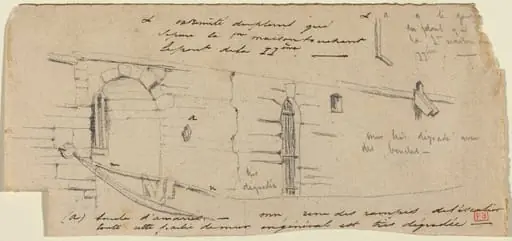
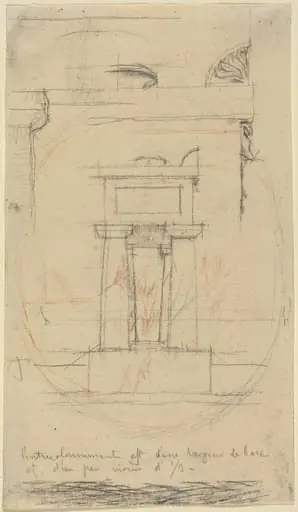
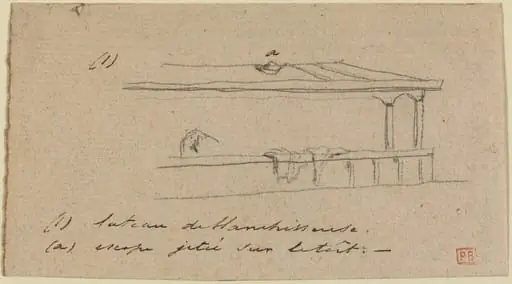
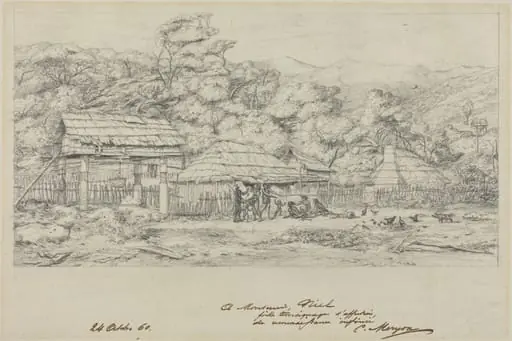
- L'ancien Louvre d'après une peinture de Zeeman, 1651 (The Old Louvre, from a Painting by Zeeman, 1651)
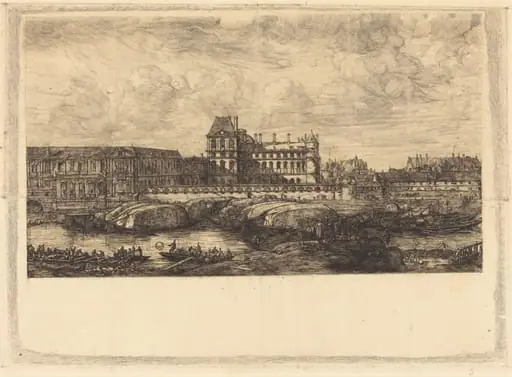 L'ancien Louvre d'après une peinture de Zeeman, 1651 (The Old Louvre, from a Painting by Zeeman, l651)
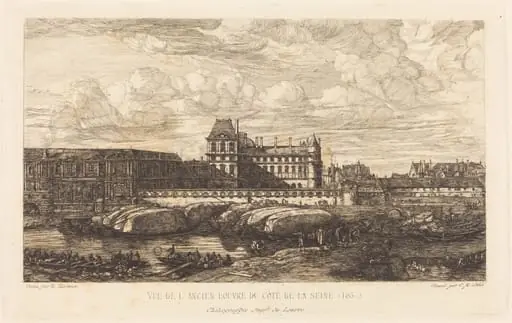 L'ancien Louvre d'après une peinture de Zeeman, 1651 (The Old Louvre, from a Painting by Zeeman, 1651)
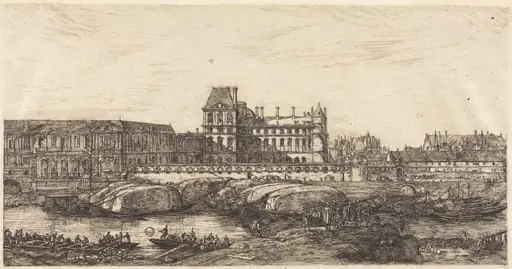 L'ancien Louvre d'après une peinture de Zeeman, 1651 (The Old Louvre, from a Painting by Zeeman, 1651)
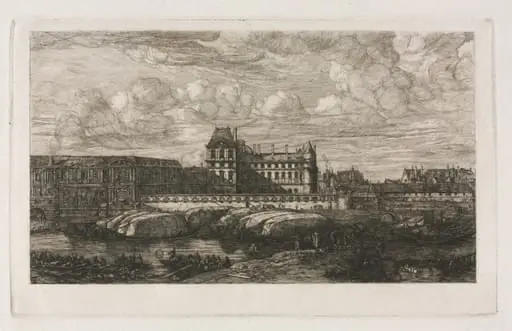 The Old Louvre from a Painting by Zeeman, 1651
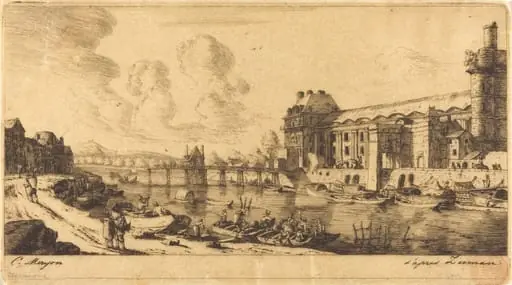 Le Pavillion de Mlle. et une partie du Louvre
 View of the Louvre
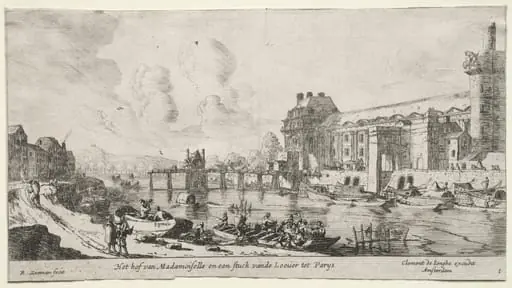 Views of Paris: View of the Louvre and the Tuileries