Artwork
The Marriage of the Virgin
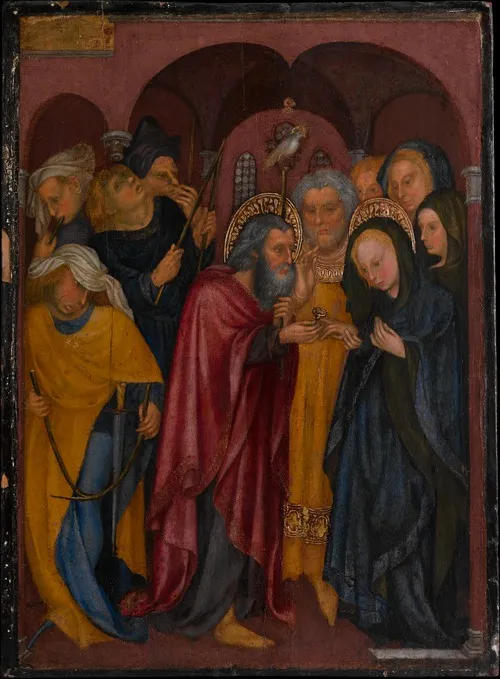
The Marriage of the Virgin is an unspecified painting by Michelino Molinari da Besozzo. It dates from 1435 and is held in the collection of the Metropolitan Museum of Art.
About this work
Michelino Molinari da Besozzo painted this scene from the life of the Virgin around 1435, in the late Middle Ages. Little is known about its materials or making, and it is one of the few surviving works by the artist.
Subject & Meaning
The painting shows the Virgin Mary receiving a wedding ring from Saint Joseph before a priest in the Temple of Jerusalem, with a dove above Joseph to signify the Holy Spirit’s endorsement of the union. To the right a group of women watches, while on the left angry suitors, one of whom breaks a staff, illustrate the rejected marriage proposals; this motif recurs in later depictions such as Raphael’s. The setting in a portico with limited gold background marks the work as a late piece of the International Gothic style, and delicate rendering of expressions, textures, and gold‑leaf details underscores its devotional purpose.
Technique & Style
The palette consists of subtle, harmonized tones, while the drapery follows rhythmic, sweeping folds that generate refined linear patterns.
Created circa 1435, this panel painting is executed in tempera on wood, measuring 65.1 by 47.6 cm. As a late work by Michelino da Besozzo, it exhibits a restrained use of gold leaf in the background, contrasting with the continued application of pastiglia for raised details on the halos and the marriage ring. The composition is set within a fancifully vaulted portico, utilizing delicate, soft modeling to render the figures' faces, even those expressing anger, which creates a somewhat grotesque effect. The palette consists of subtle, harmonized tones, while the drapery follows rhythmic, sweeping folds that generate refined linear patterns.
The artist demonstrates meticulous attention to varied textures, capturing the softness of beards, the luminosity of the Virgin's blonde hair, and the richness of the fabrics.
History & Provenance
The Marriage of the Virgin is a tempera panel painted circa 1435 by Michelino Molinari da Besozzo (c.1385–1445), the only securely attributed work on panel by this artist besides a Mystical Marriage of Saint Catherine in Siena. The work measures 65.1 × 47.6 cm and portrays the Virgin receiving a wedding ring from Saint Joseph before a priest, with a dove symbolising the Holy Spirit. It has been part of the Metropolitan Museum of Art collection in New York since at least the early 20th century, where it remains on display.
The painting’s dating is documented as 1435, reflected in its inception record. No contemporary documentation identifies its original patron or commission.
The Marriage of the Virgin by Michelino da Besozzo is held in the collection of the Metropolitan Museum of Art in New York. Dated to approximately 1435, this tempera on panel work (measuring 65.1 by 47.6 cm) represents the artist's only certain panel painting alongside a work in Siena. While the piece is documented as part of the museum's holdings with an associated page on the institution's official website, the provided records do not list a specific accession number or detail any past exhibition history for this specific artwork.
Context
The Marriage of the Virgin, painted circa 1435 by Michelino Molinari da Besozzo, is documented in the Metropolitan Museum of Art collection and is regarded as the only securely attributed panel by the artist besides a Mystical Marriage of Saint Catherine in Siena‑2). Art historians classify the work as a mature expression of the International Gothic in Italy, noting its restrained gold background, spatial experimentation, and richly detailed narrative. Scholars emphasize its influence on later depictions of the marriage scene, particularly the broken‑staff motif that reappears in Raphael’s compositions‑4).
The painting’s iconography and stylistic refinements have been cited in Italian art histories as key to understanding late medieval Italian painting.
Legacy
Michelino da Besozzo's 1435 painting established a significant iconographic convention for the Marriage of the Virgin that profoundly influenced subsequent depictions of the subject. The artwork's depiction of the frustrated suitors, particularly the detail of an angered suitor in the foreground breaking his stick, became a recurring motif in later representations. This specific element of the cracked staff resonated through the tradition, culminating in its prominent inclusion in Raphael's celebrated version of the scene.
As Michelino's only certain panel painting alongside his Mystical Marriage of Saint Catherine in Siena, the work also stands as a key testament to his role within the International Gothic movement in Italy.
Overview
The Marriage of the Virgin, painted around 1435 by the late medieval Italian artist Michelino da Besozzo, is currently housed at the Metropolitan Museum of Art in New York. This work depicts a significant event from Christian narratives. It holds particular importance as one of only two paintings definitively attributed to Besozzo, offering rare insight into his artistic output.
Artist & collection
Artist
Michelino Molinari da Besozzo was a notable fifteenth century Italian painter and illuminator, who was widely praised for his work.

 Coronation of the Virgin
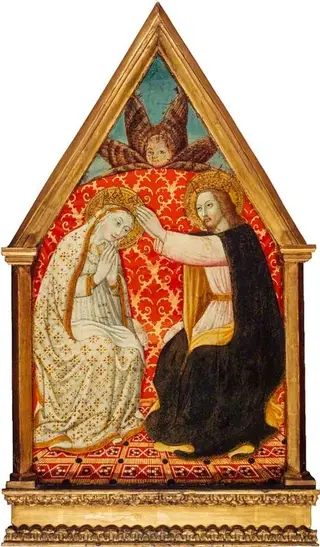 The Coronation of the Virgin
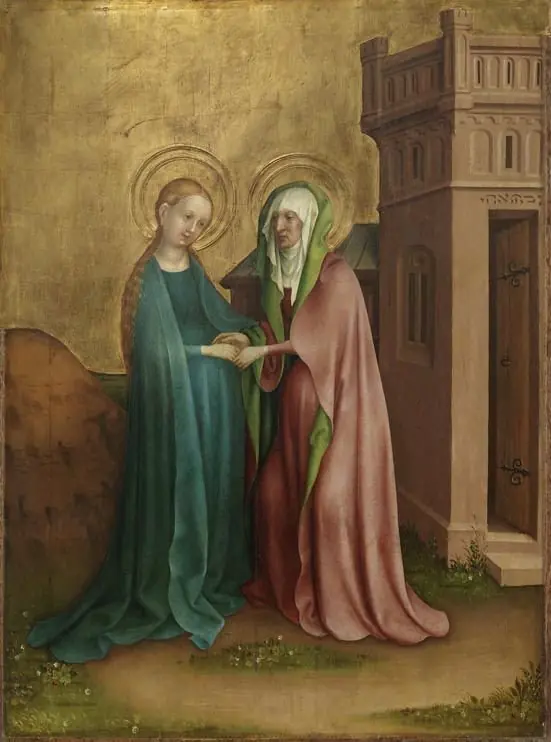 The visitation
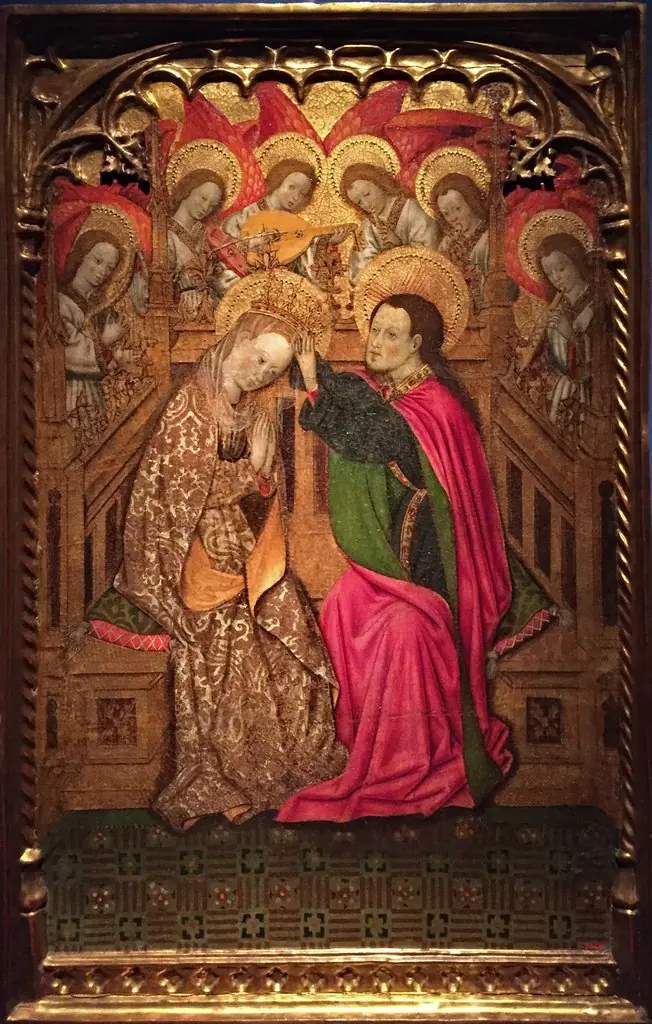 Coronació de la Mare de Déu amb àngels músics
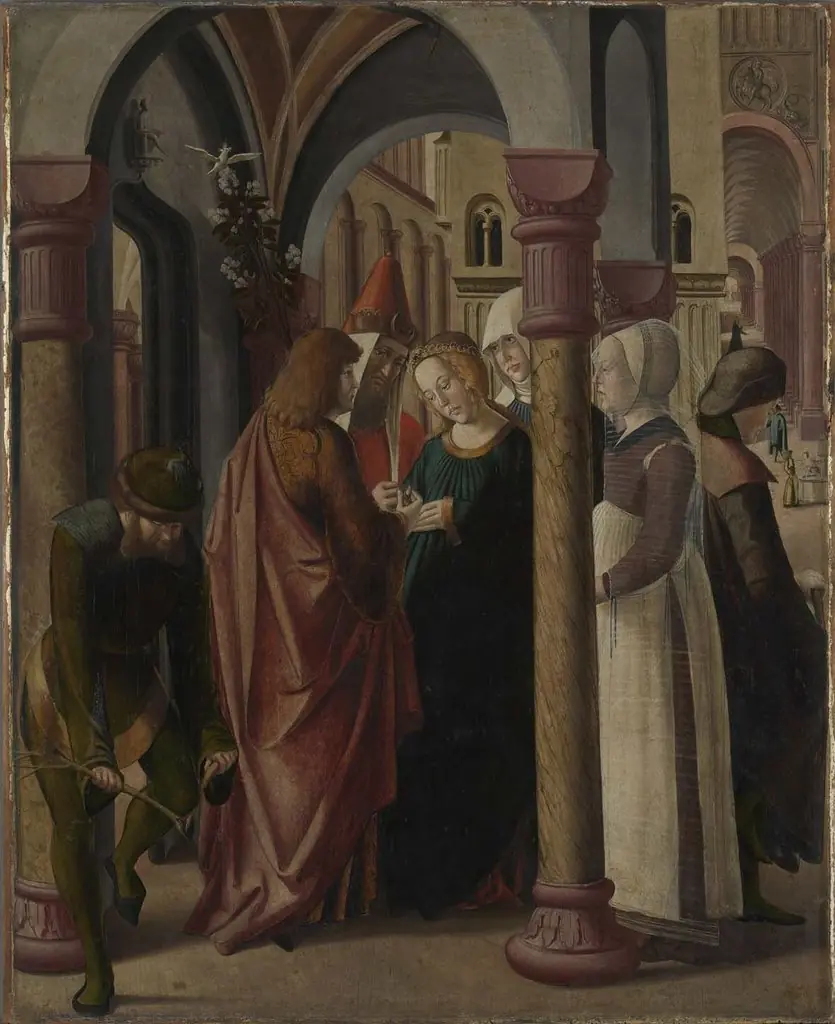 Marienaltar: Vermählung Mariae
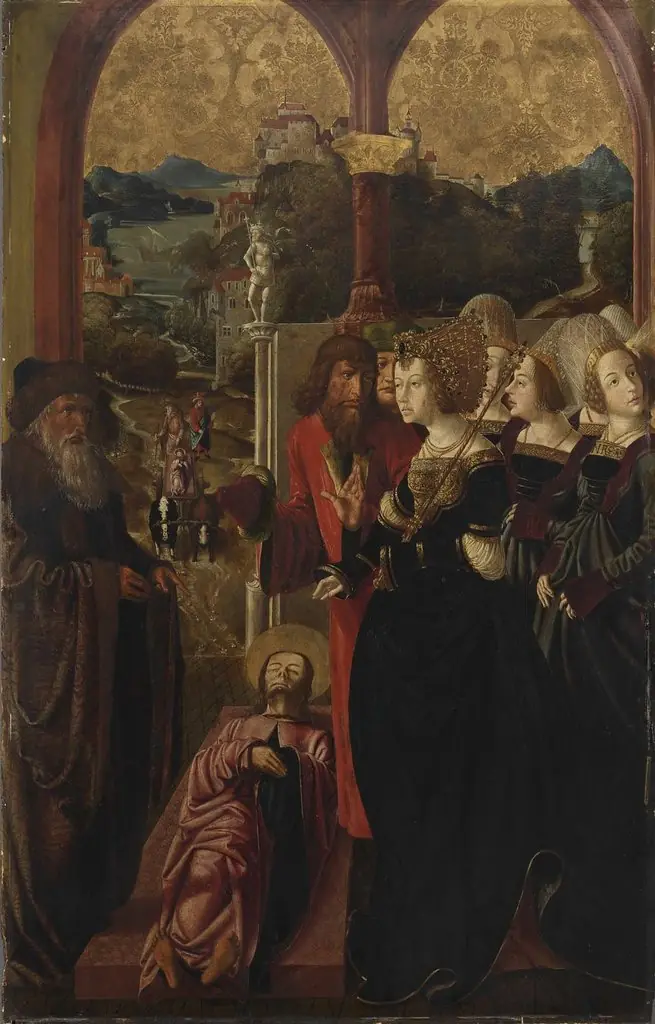 Jakobus-Stephanus-Altar: Der Leichnam des Jakobus wird vor Königin Lupa gebracht
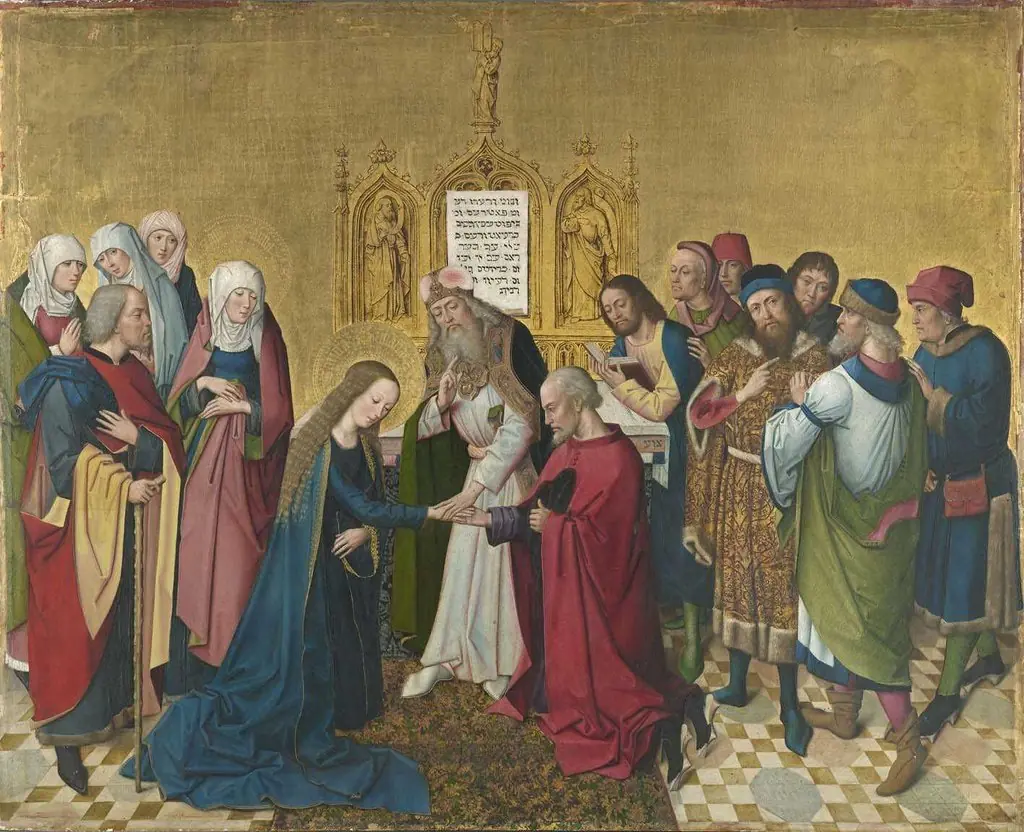 The Engagement of Mary (verso: upper half of the Coronation of Mary)
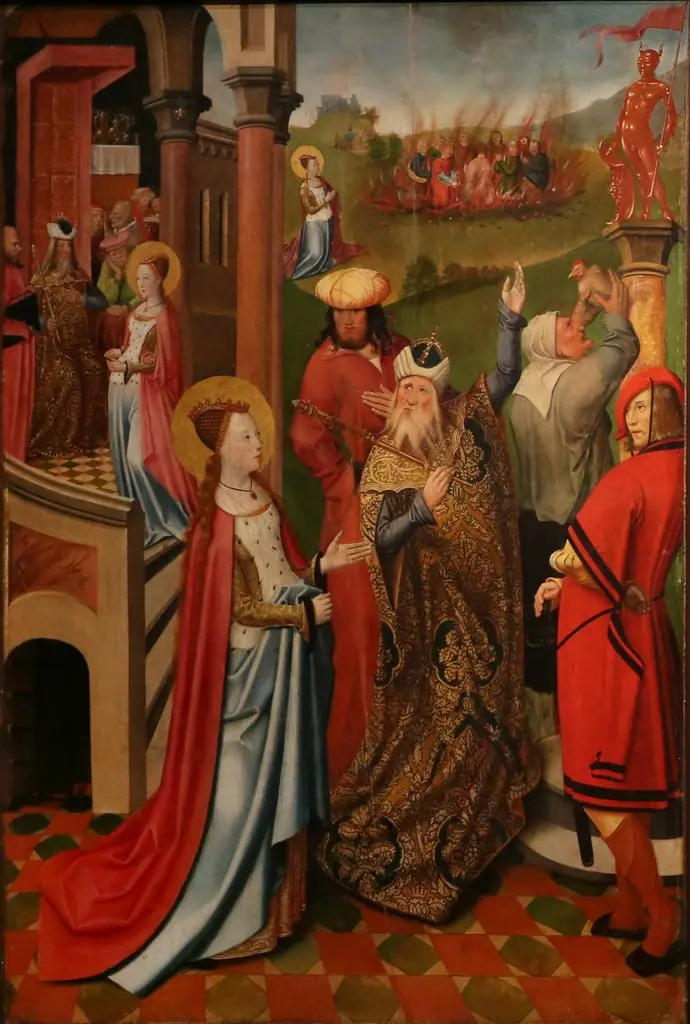 Saint Catherine refuses idolatry
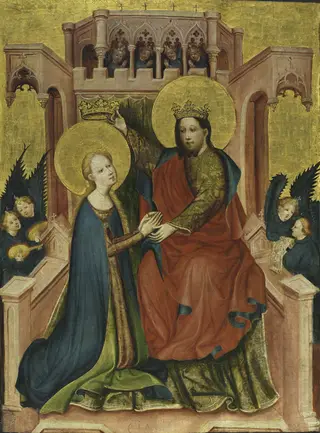 Coronation of the Virgin
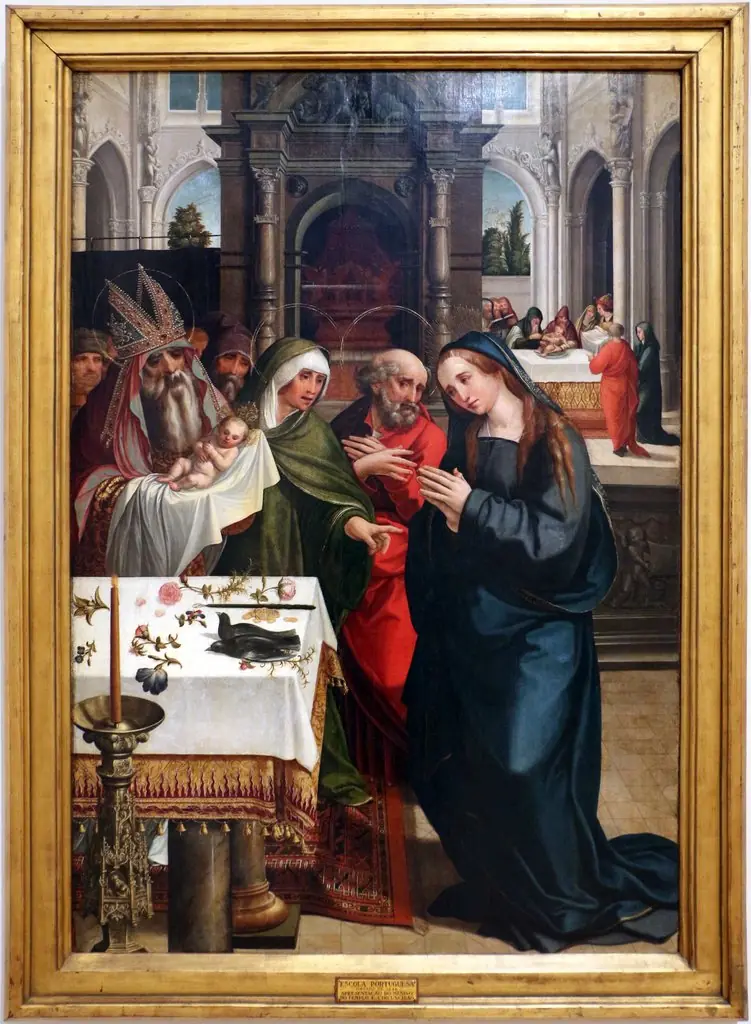 Presentation of Jesus at the Temple
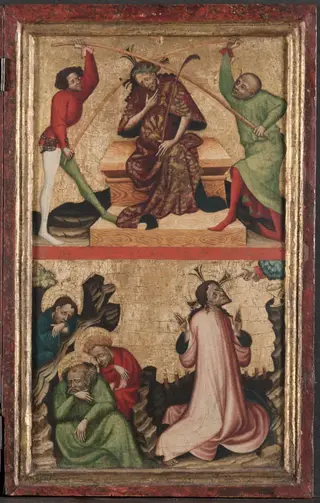 Diptych with the Passion of Christ (right wing): Crowning with Thorns and Agony on the Garden
- The Marriage of the Virgin