Artwork
Portrait of a man formerly identified as Johan van Oldenbarnevelt (1547-1619)
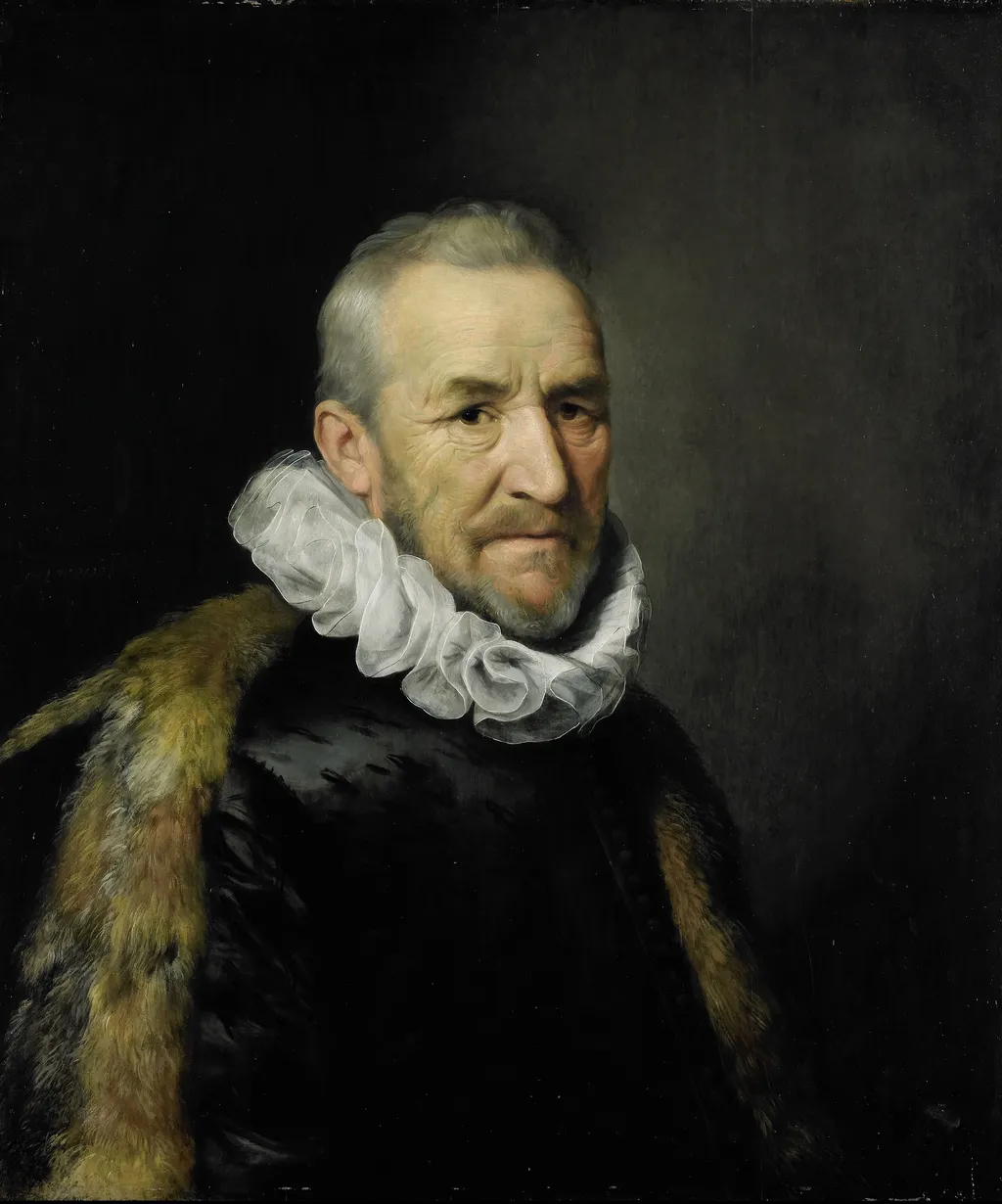
Portrait of a man formerly identified as Johan van Oldenbarnevelt (1547-1619) is an oil painting by the Dutch Golden Age artist Michiel Jansz van Mierevelt. It dates from 1625 and is held in the collection of the Rijksmuseum.
About this work
Technique & Style
van Mierevelt, the painting adheres to the formal conventions of the Dutch Golden Age portrait genre, focusing on the depiction of a male subject.
Created in 1625, this portrait is executed in oil paint on a panel support. The work measures 71.5 cm in height and 60.7 cm in width. As a product of Michiel Jansz. van Mierevelt, the painting adheres to the formal conventions of the Dutch Golden Age portrait genre, focusing on the depiction of a male subject.
The medium and support combination reflects standard practices for high-status portraiture of the period, prioritizing durability and fine detail.
History & Provenance
The work titled Portrait of a man, formerly identified as Johan van Oldenbarnevelt, was painted by Michiel Jansz van Mierevelt in 1625 using oil on panel. It entered the collection of Jeanne Catherine van Winter-Bicker before being acquired by the Rijksmuseum and Amsterdam Museum, where it remains on display. The painting measures 71.5 cm in height and 60.7 cm in width, reflecting its original dimensions as documented at creation.
The painting is held in the collection of the Rijksmuseum and the Amsterdam Museum, according to Wikidata records.
Its documented provenance includes ownership by Jeanne Catherine van Winter-Bicker, a noted Amsterdam collector. No accession number is recorded in the available sources, and no exhibition history is documented.
Context
The painting entered the collection of Jeanne Catherine van Winter-Bicker before being acquired by the Rijksmuseum and Amsterdam Museum, institutions that now hold it in their permanent displays. Contemporary scholarship emphasizes the work's significance within Mierevelt's prolific portraiture, noting how his naturalistic rendering and restrained palette influenced Dutch Golden Age portrait conventions. The attribution to Johan van Oldenbarnevelt was later reconsidered, reflecting evolving understandings of provenance and subject identification in early modern art.
Legacy
The attribution of this portrait to Michiel Jansz van Mierevelt and its identification with Johan van Oldenbarnevelt has shaped its scholarly reception and display history. Early catalogues emphasized the subject’s prominence as a Dutch statesman, reinforcing the painting’s reputation as a key portrait from the early 17th century. Its inclusion in the Rijksmuseum’s collection and subsequent exhibitions at the Amsterdam Museum cemented its visibility within Dutch art narratives.
The work’s material composition, oil on panel, and its dimensions (71.5 cm × 60.7 cm) have informed conservation debates and technical studies. Contemporary scholarship revisits the former identification, reflecting evolving understandings of portraiture and historiography.
Overview
Michiel Jansz van Mierevelt painted this oil portrait in 1625. The canvas presents an elderly gentleman in a dark, fur‑trimmed cloak and a stiff white ruff, set against an unadorned dark backdrop that isolates the sitter. The work is part of the Rijksmuseum’s collection and exemplifies the Dutch Golden Age’s focus on individual likeness.
Subject & Meaning
The figure was once thought to be the statesman Johan van Oldenbarnevelt, though later scholarship has withdrawn that identification. The sitter’s solemn expression and formal attire suggest a person of status, perhaps a civic official, whose portrait would have served to record his appearance for posterity rather than convey narrative symbolism.
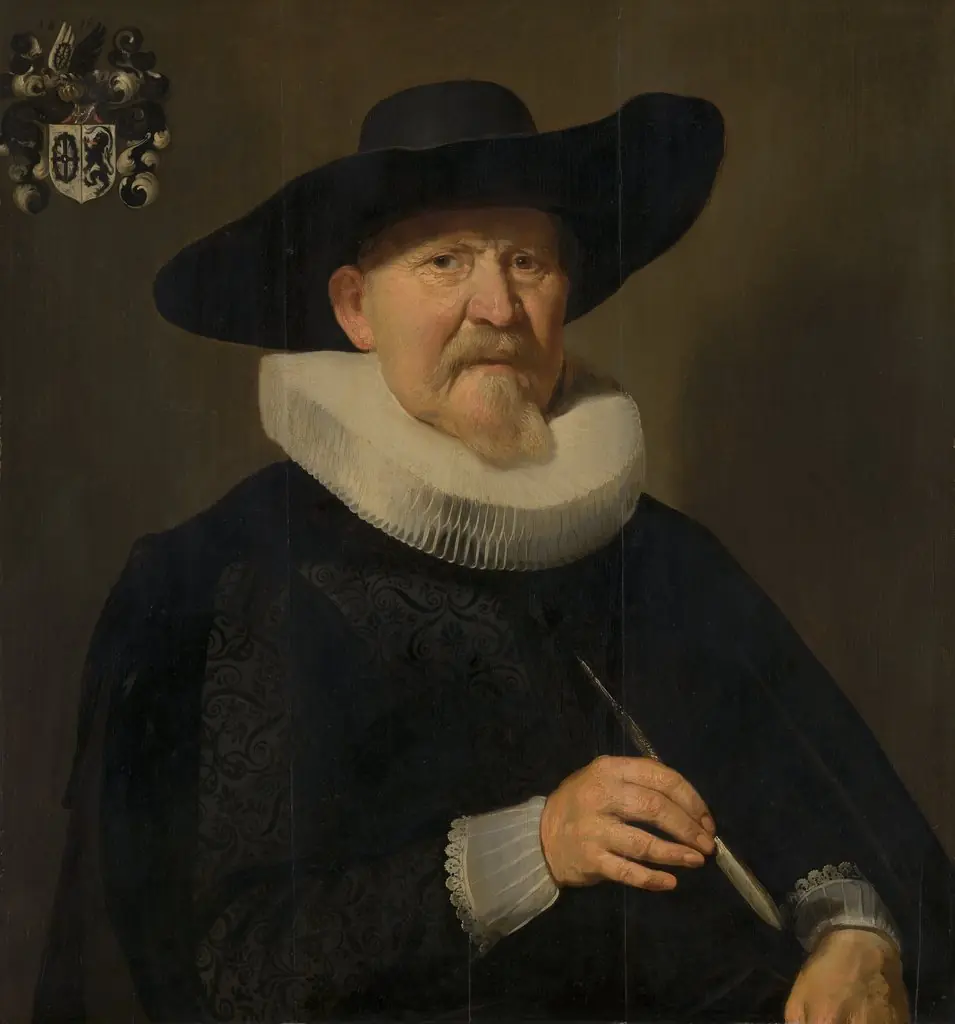
Own this work as a print
Artist & collection
Artist
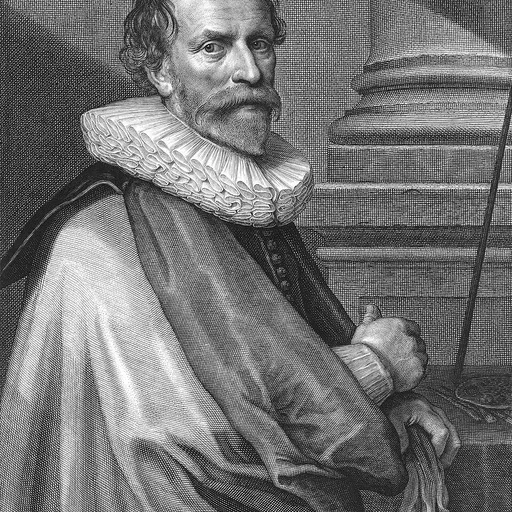
Michiel Janszoon (abbr. Jansz.) van Mierevelt (Dutch pronunciation:; also spelled Miereveld or Miereveldt; 1 May 1566 – 27 June 1641) was a Dutch painter and draftsman of the Dutch Golden Age.

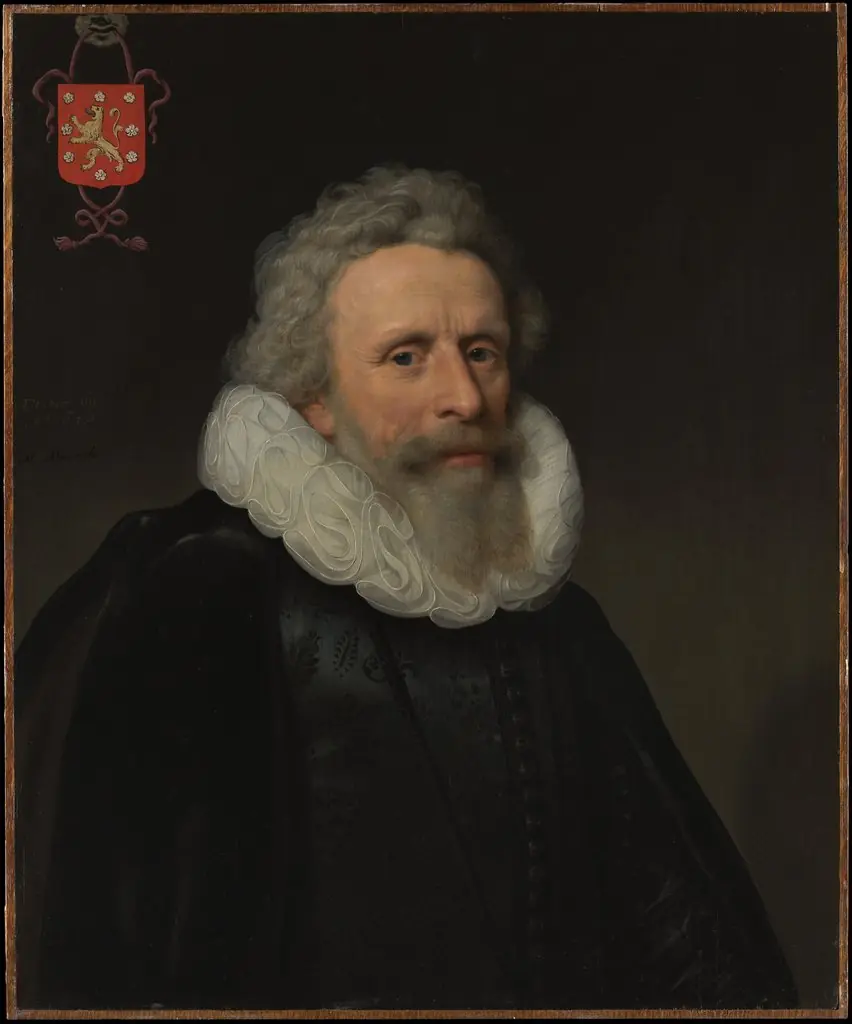 Jacob van Dalen (1570–1644), Called Vallensis
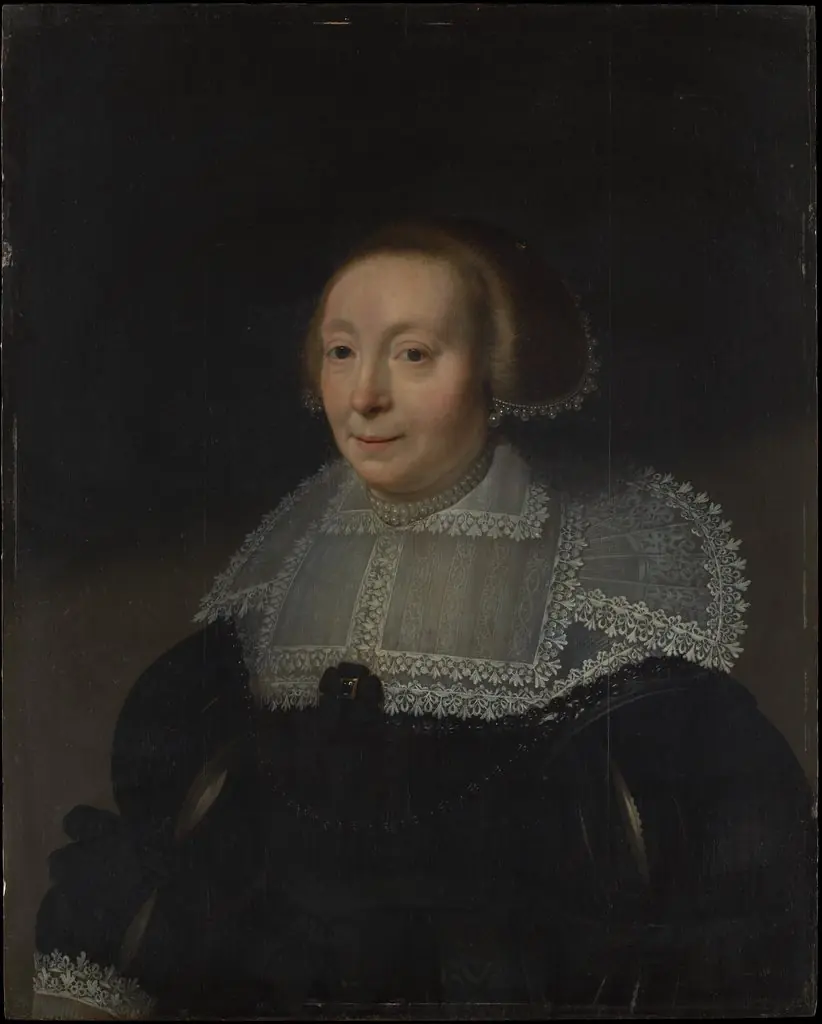 Portrait of a Woman with a Lace Collar
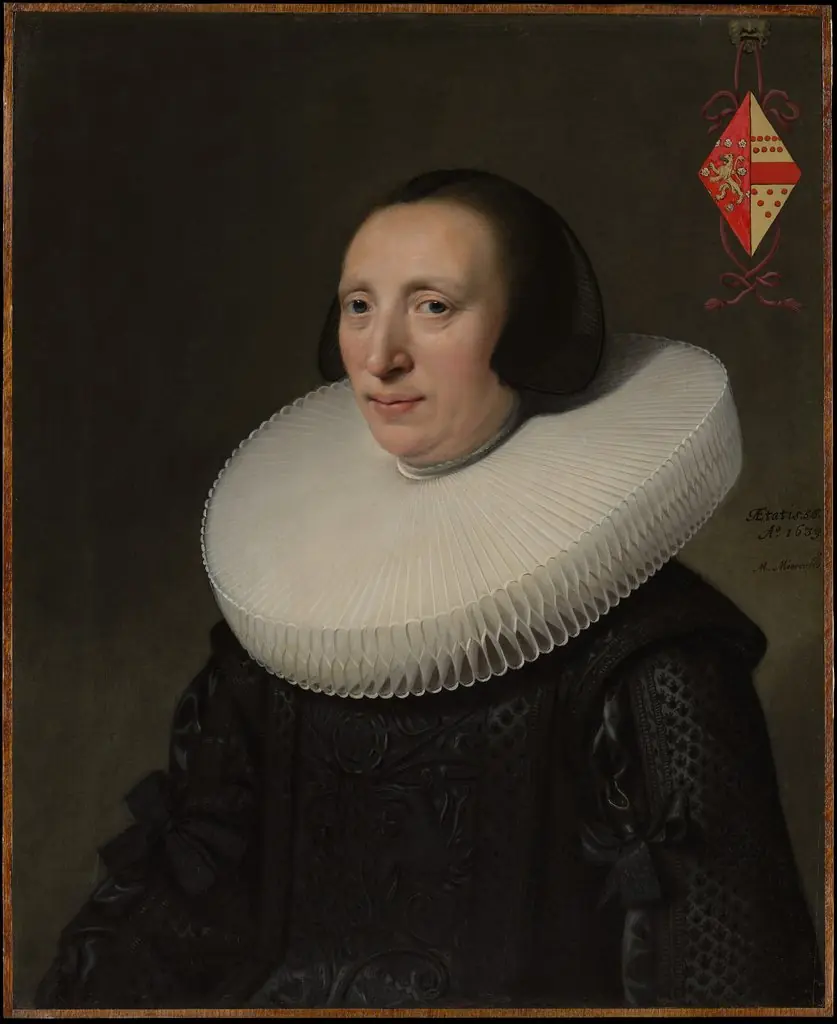 Margaretha van Clootwijk (born about 1580/81, died 1662), Wife of Jacob van Dalen
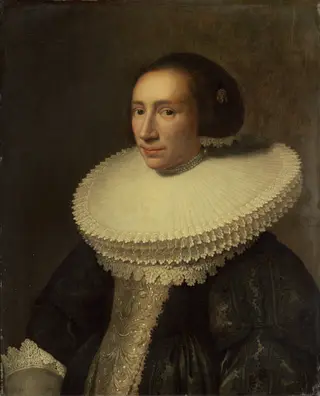 Portrait of a Lady with a Ruff
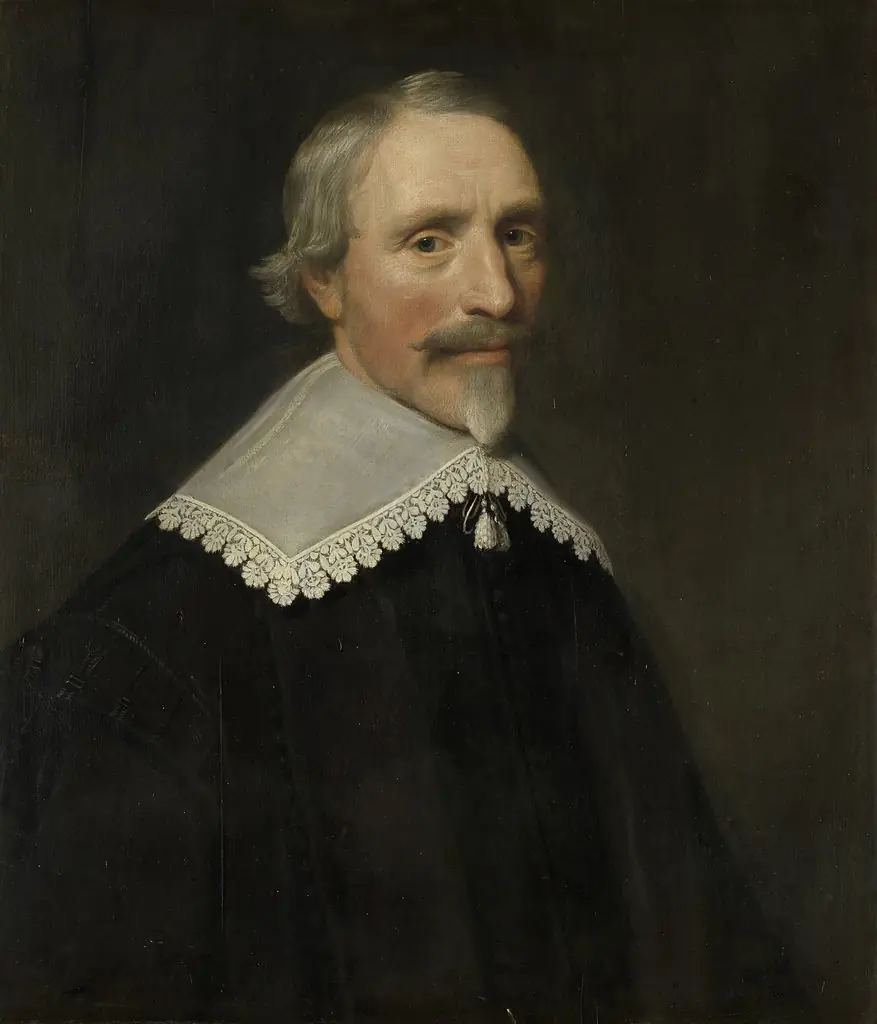 Portrait of Jacob Cats (1577-1660)
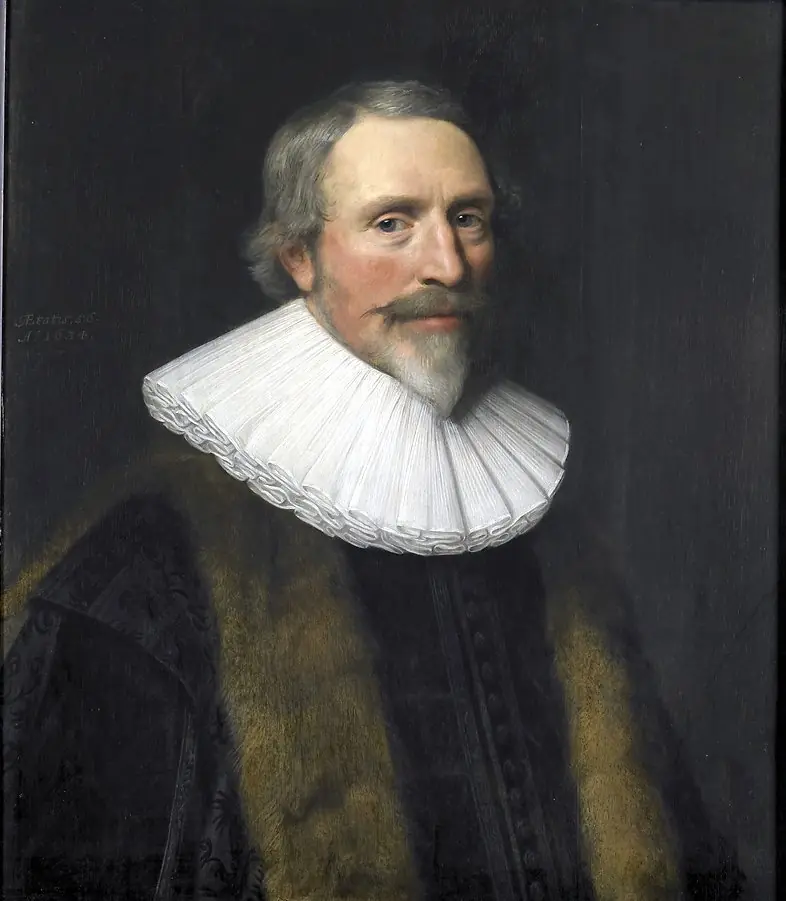 Portrait of Jacob Cats (1577-1660)
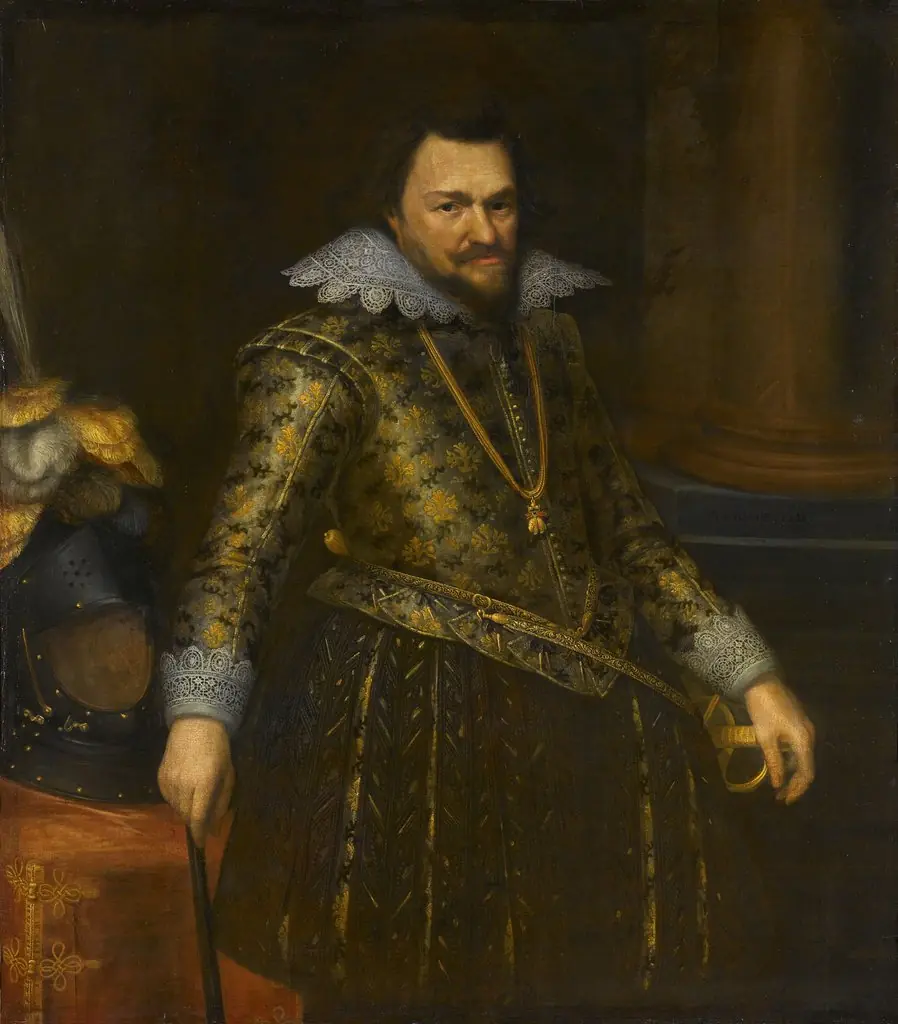 Portrait of Philip Willem (1554-1618), Prince of Orange
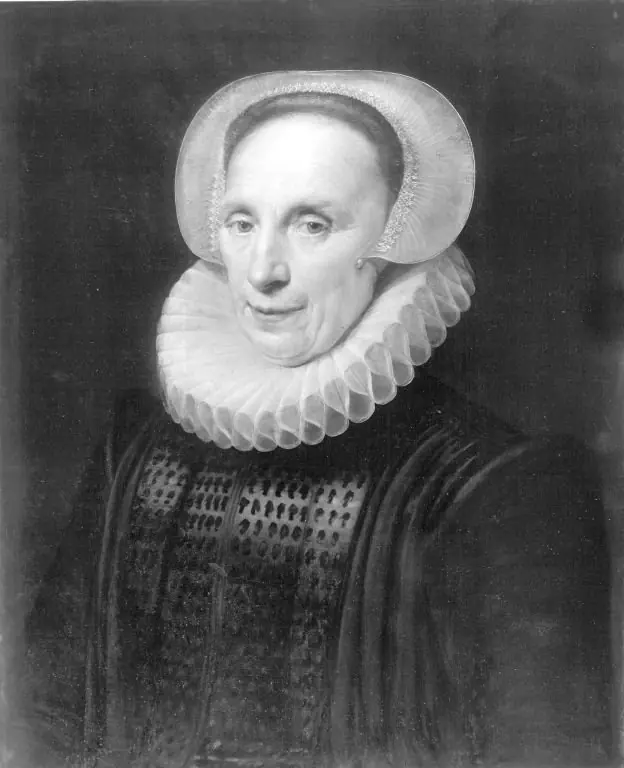 Portrait of a Woman
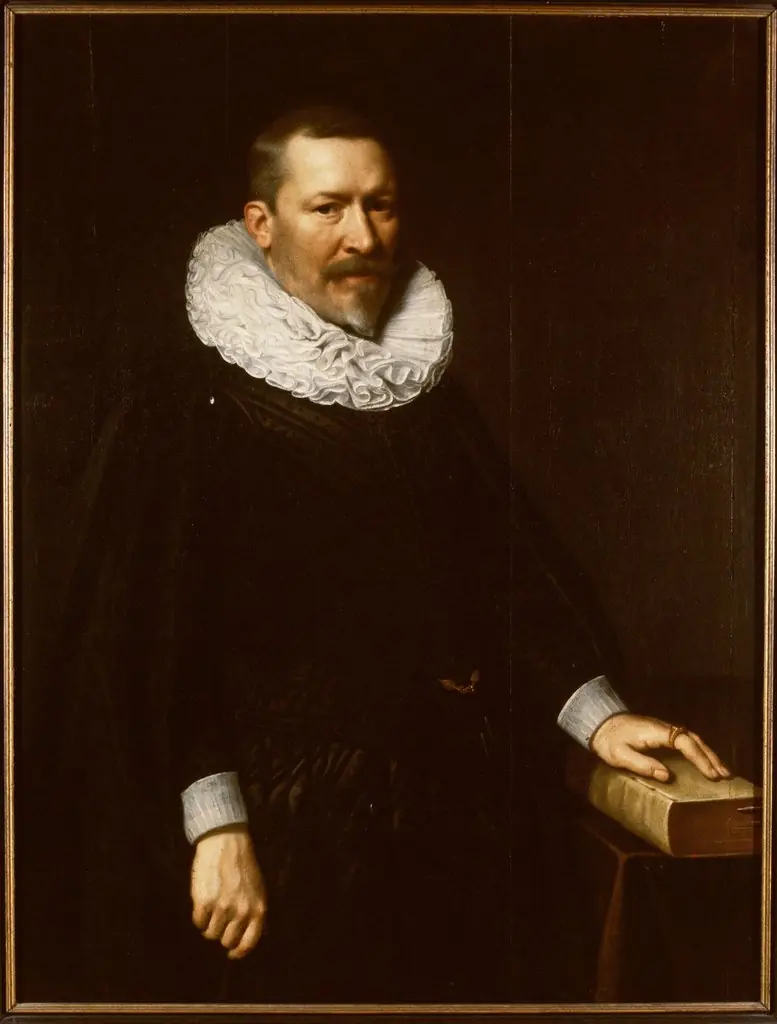 Portrait of Johan Camerlin (1567-1640)
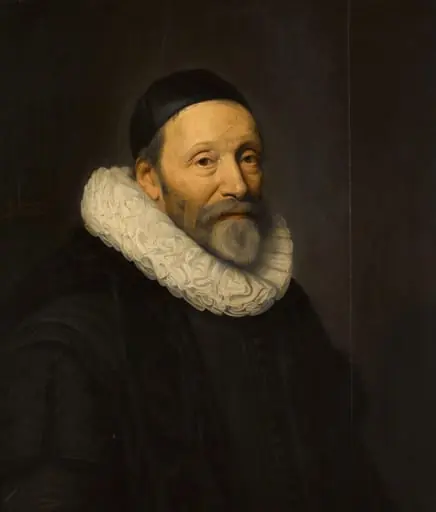 Portrait of Johannes Wttenbogaert (Jan Uytenbogaert), Remonstrant Minister in The Hague, Pastor of the Wallon Church
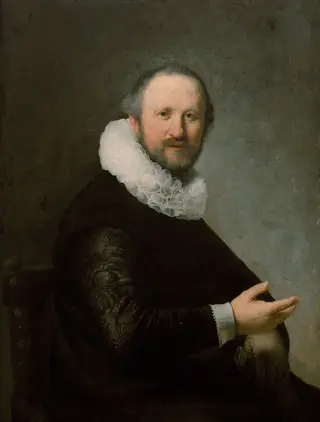 Portrait of a Man Seated
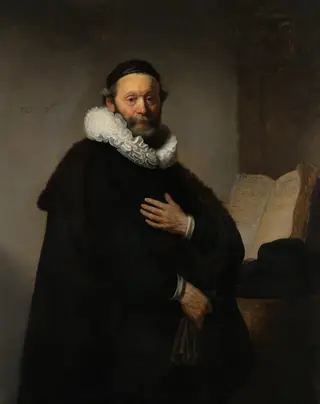 Portrait of Johannes Wtenbogaert
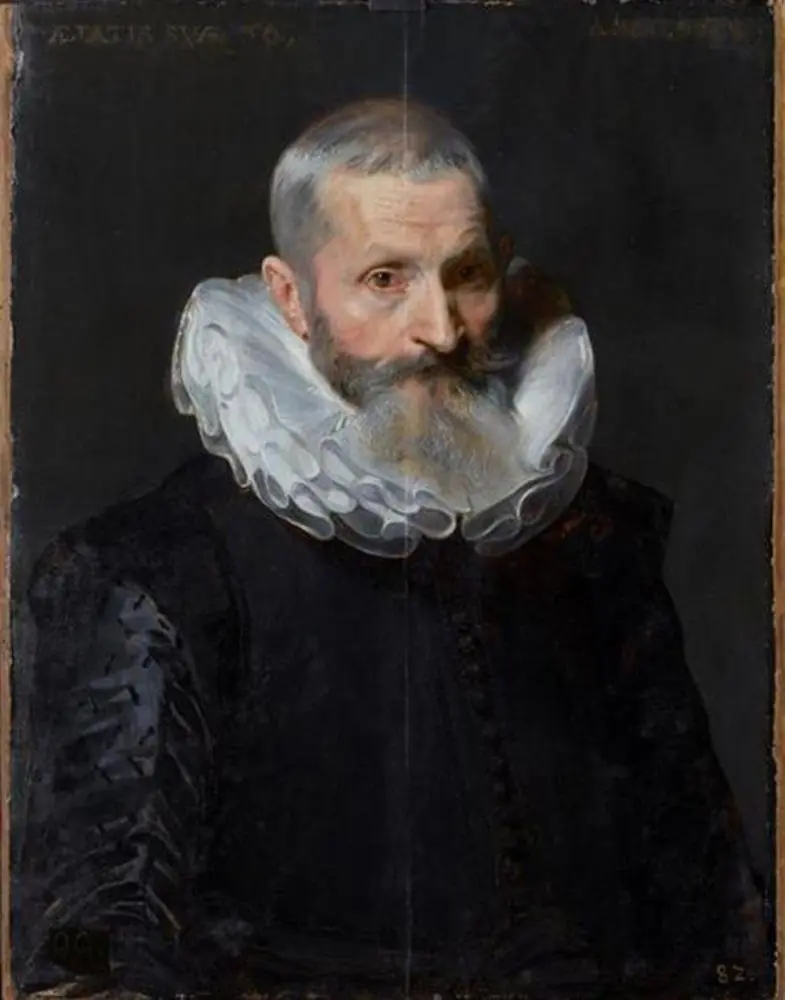 Portrait of a 60-year-old Man
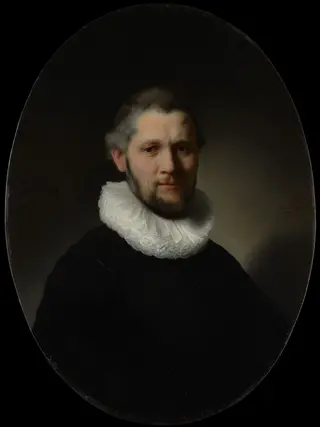 Portrait of a Man
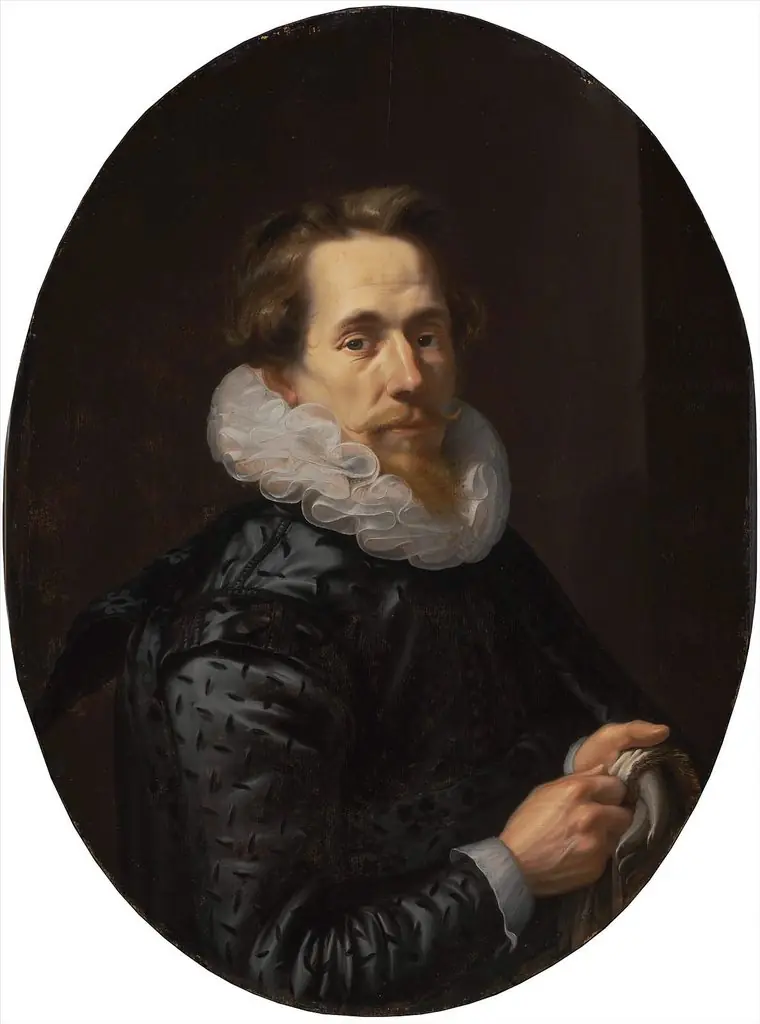 Portrait of a Man with a Ruff
 Untitled
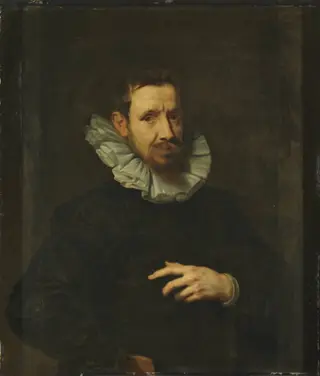 Portrait of the painter Jan Brueghel