Artwork
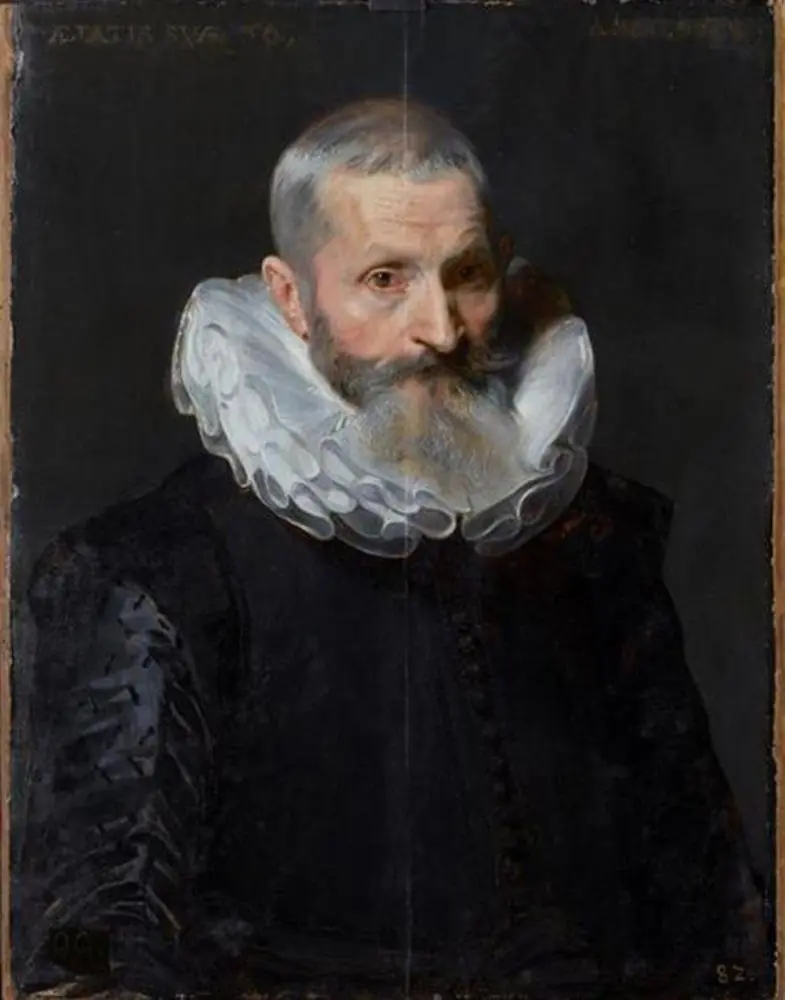
Portrait of a Man Seated
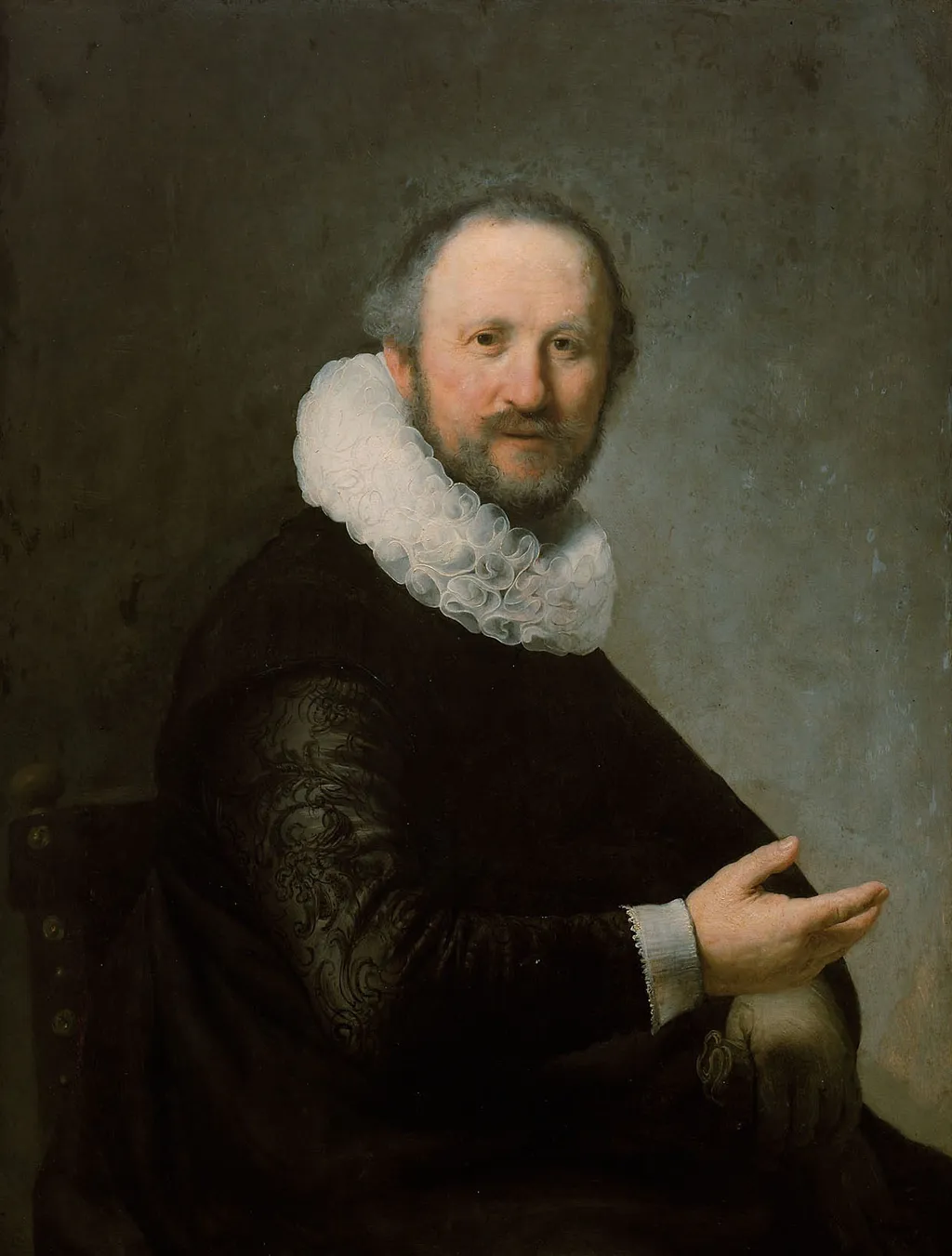
Portrait of a Man Seated is an oil painting by the Dutch Golden Age artist Rembrandt van Rijn. It dates from 1632 and is held in the collection of the Kunsthistorisches Museum.
About this work
Subject & Meaning
The absence of named iconography or emblematic detail means the work's meaning rests on the portrayal of the individual rather than on any coded symbolism.
Portrait of a Man Seated, painted by Rembrandt in 1632, is a straightforward portrait of an unnamed male sitter. The work's main subject is identified simply as a man, and the depiction is limited to that single male figure, with no additional figures, allegorical attributes, or symbolic objects recorded in the documentation. Because the sitter's identity is not specified in the available sources, the painting resists interpretation as a commemorative or narrative image and instead functions as a character study, presenting the man seated and rendered in oil on a walnut panel.
The absence of named iconography or emblematic detail means the work's meaning rests on the portrayal of the individual rather than on any coded symbolism.
Technique & Style
The painting is executed in oil on a walnut panel, a support commonly used in early-seventeenth-century Dutch workshops. Rembrandt’s handling combines smooth transitions in the face with broader, more tactile treatment of the costume, especially the white ruff and black garment, where impasto is sparing yet descriptive. The composition is anchored by a low horizon and a dark, neutral background that directs attention to the sitter’s concentrated expression and the delicate modeling of light across the face.
The stylistic qualities reflect Rembrandt’s Leiden-to-Amsterdam transition: restrained palette, close attention to physiognomic detail, and a psychological intensity that belies the sitter’s anonymity. The overall condition appears stable, with only minor wear along edges and no significant losses reported.
History & Provenance
Created in 1632 by Rembrandt, the Portrait of a Man Seated is an oil painting executed on a walnut panel. The work depicts a man and measures 90 cm in height by 67 cm in width. Current records indicate the painting is held in the collection of the Kunsthistorisches Museum in Vienna.
No specific details regarding the original commission, the identity of the sitter, or the earlier ownership chain prior to its arrival at the museum are provided in the available documentation.
Overview
Painted in 1632 with oil paint, Portrait of a Man Seated is a work by Rembrandt van Rijn, a prominent artist of the Dutch Golden Age. The painting is part of the Kunsthistorisches Museum's collection.
Context
While Rembrandt is known for a diverse oeuvre including etchings, drawings, and approximately 300 paintings, Portrait of a Man Seated reflects the era's artistic values, though it does not distinctly innovate upon or deviate from common portrait practices of the time.
Legacy
As part of Rembrandt's corpus, the painting contributes to his reputation as a versatile artist of the Dutch Golden Age. However, its individual impact on the broader art historical narrative is not distinctly highlighted beyond association with Rembrandt's body of work.
Own this work as a print
Artist & collection

Artist
Rembrandt Harmenszoon van Rijn, known mononymously as Rembrandt, was a Dutch Golden Age painter, printmaker, and draughtsman.

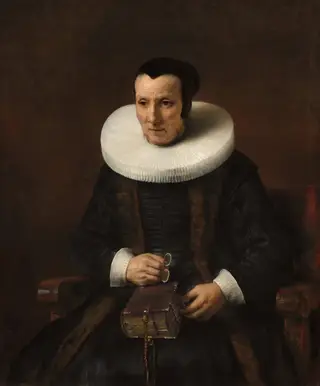
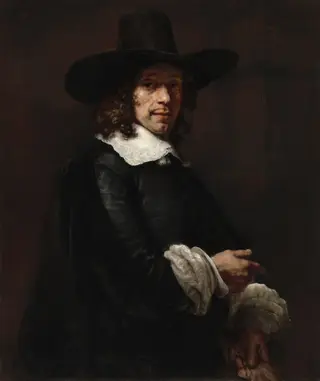
- Portrait of a Man
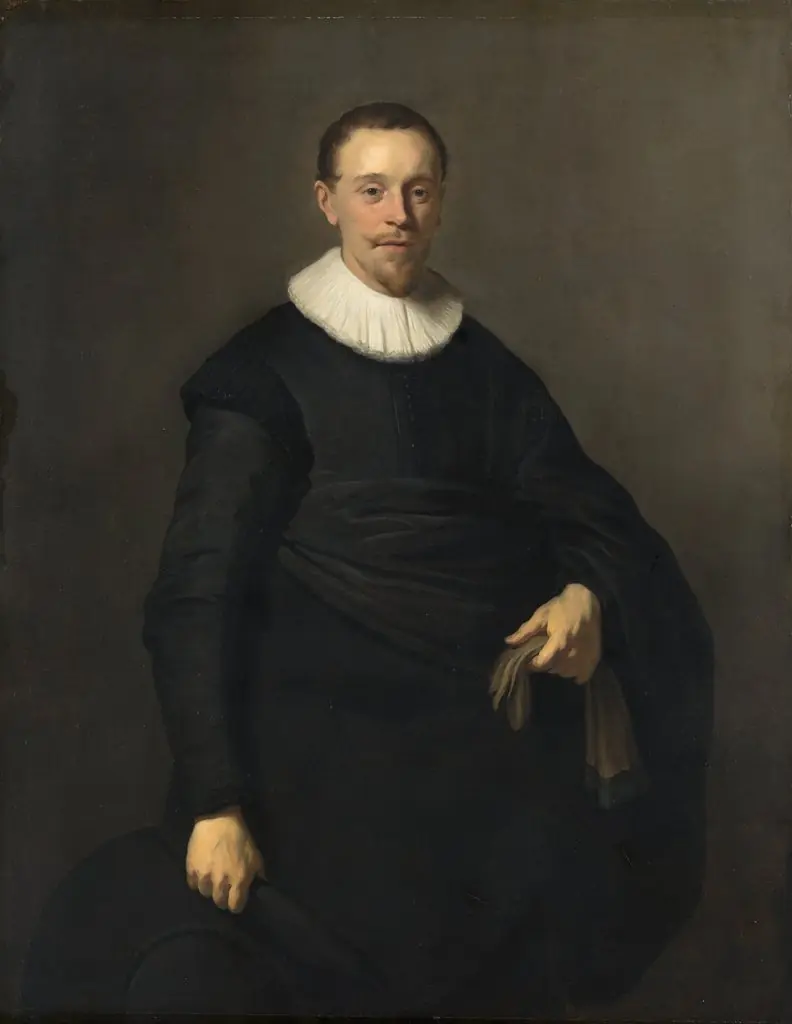 Portrait of a Man
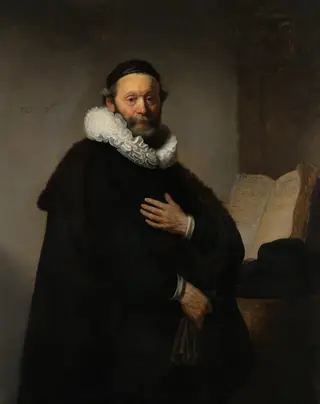 Portrait of Johannes Wtenbogaert
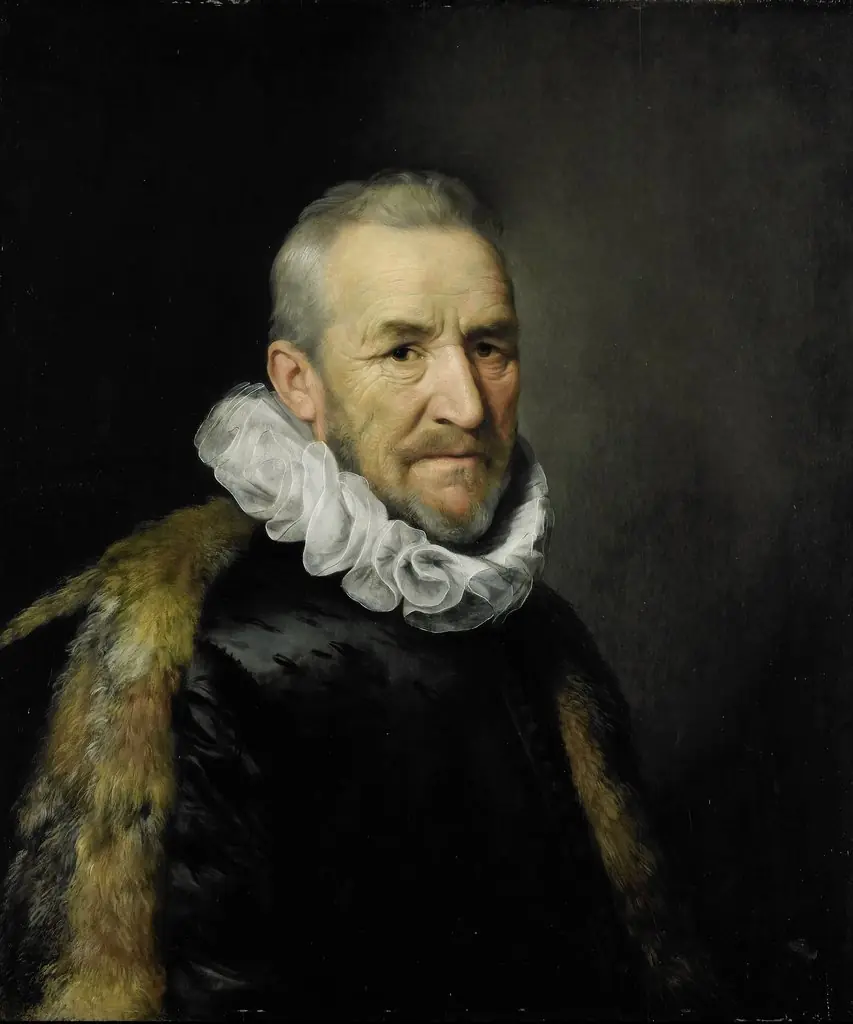 Portrait of a man formerly identified as Johan van Oldenbarnevelt (1547-1619)
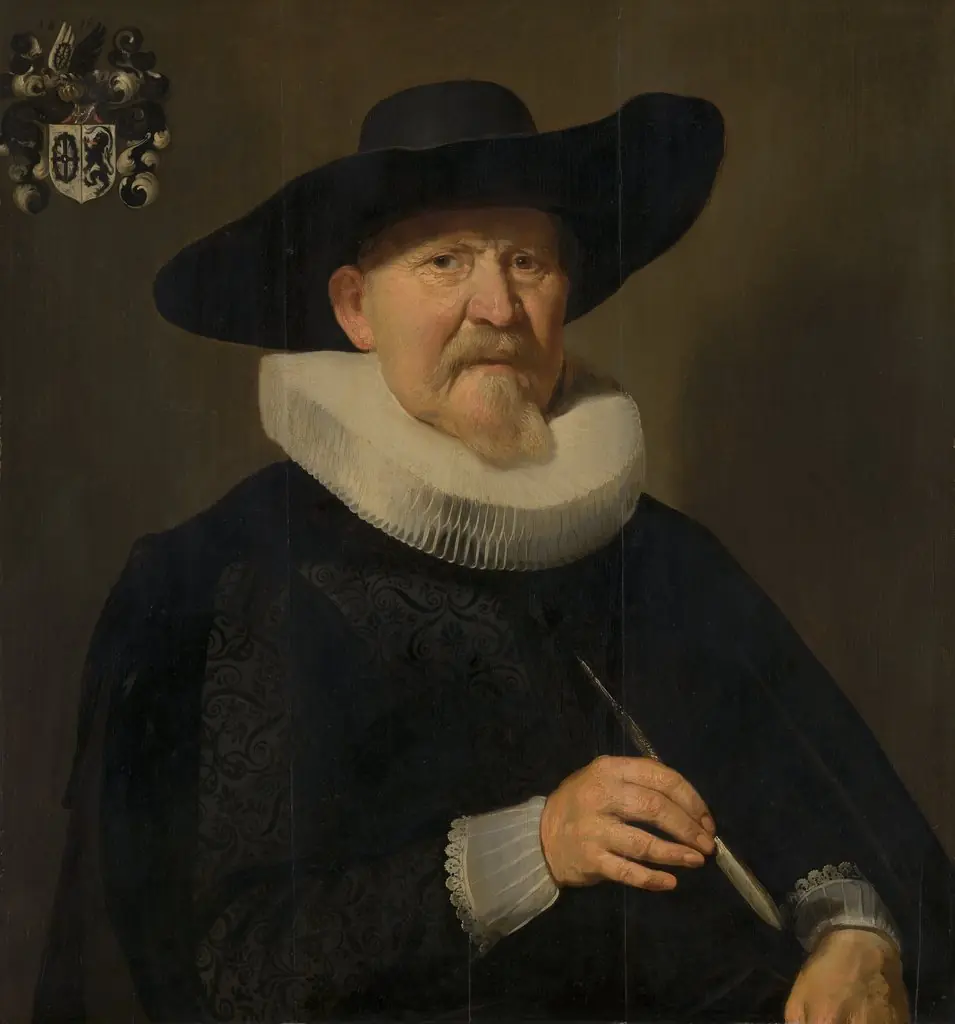 Portrait of a Man, probably Hans van Hogendorp
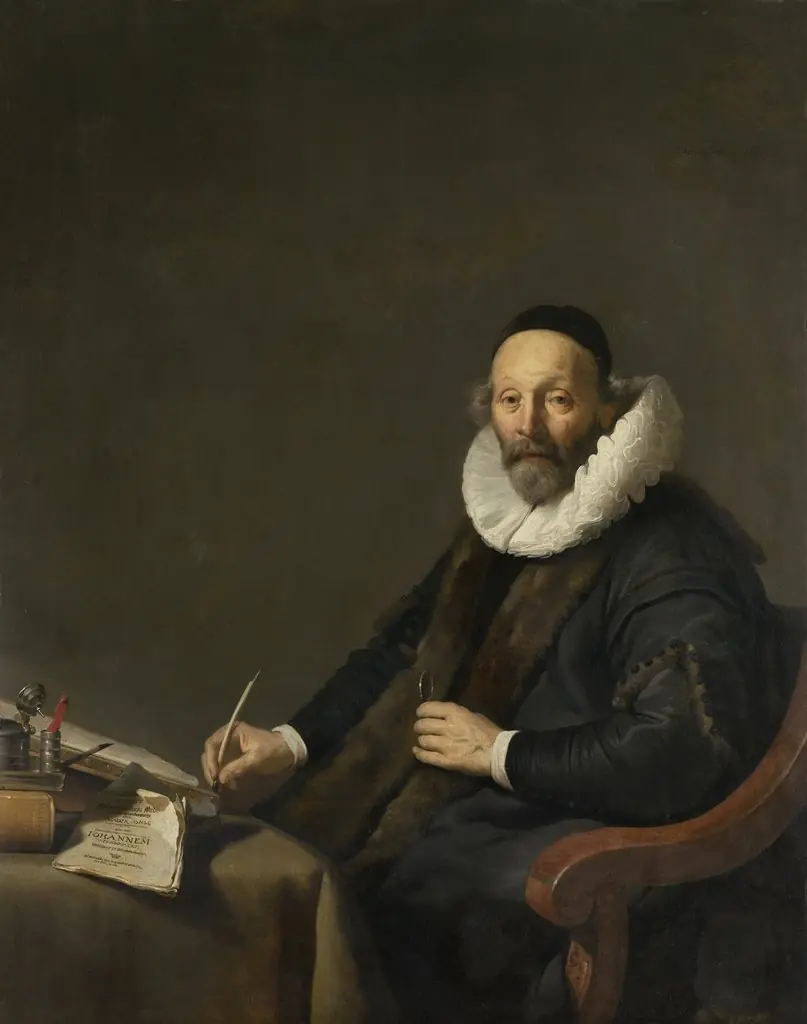 Johannes Uyttenbogaert (1557-1644). Remonstrant minister in The Hague
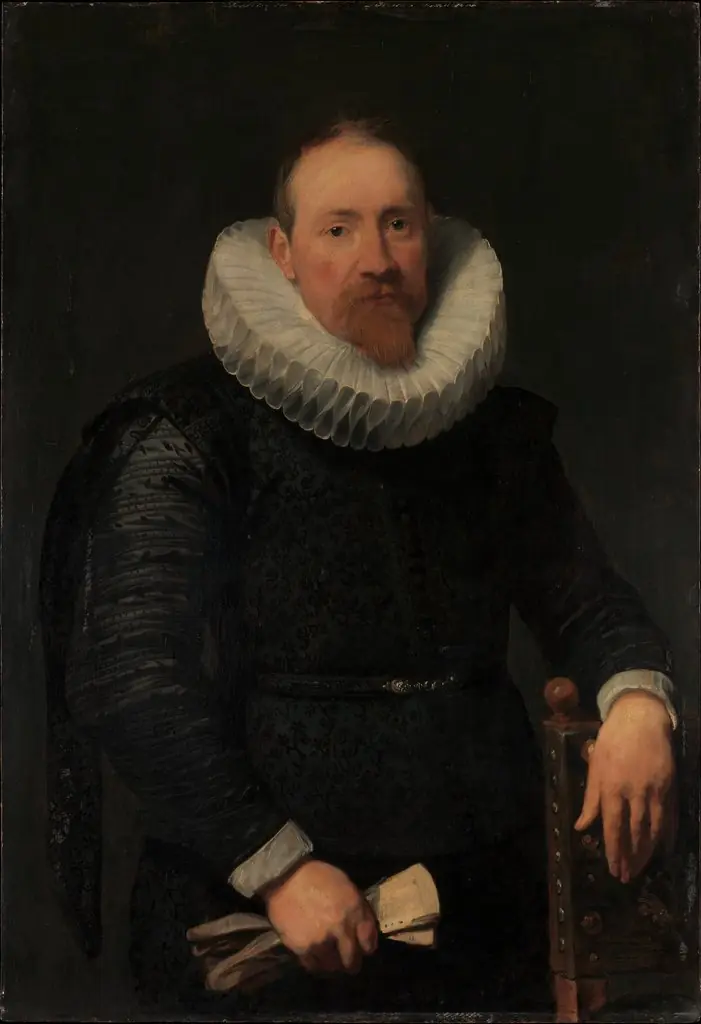 Portrait of a Man
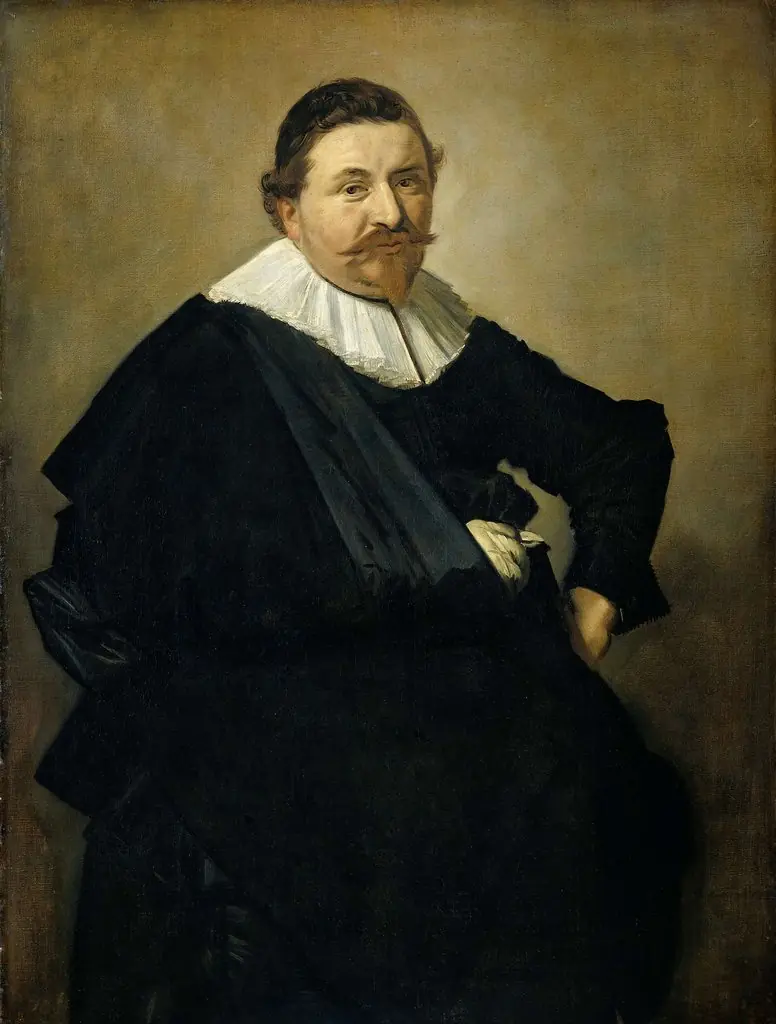 Portrait of Lucas de Clercq
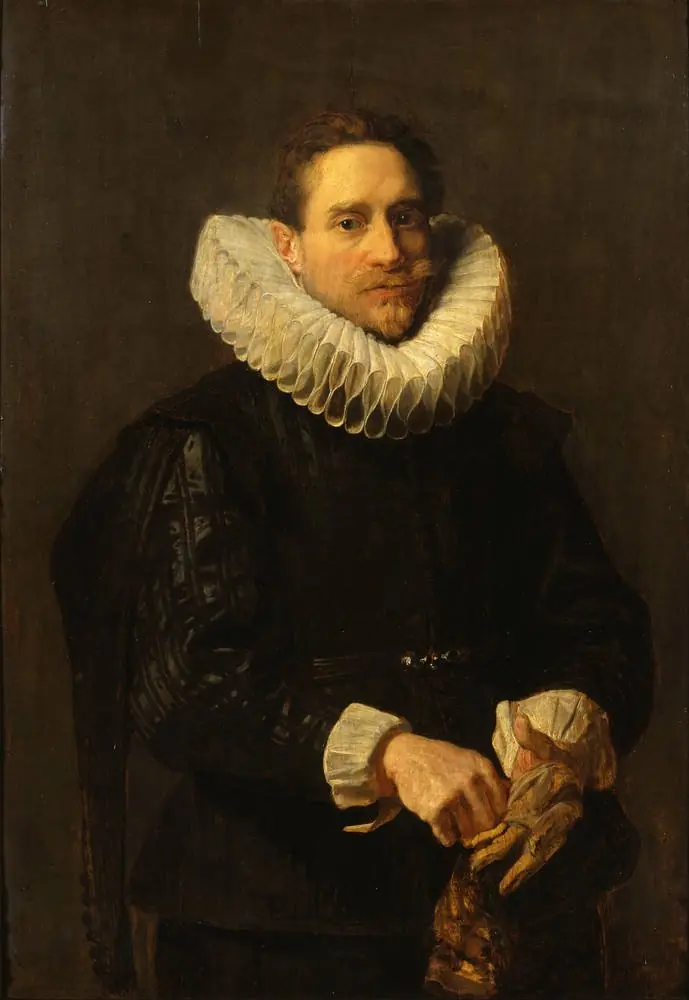 Portrait of a Man
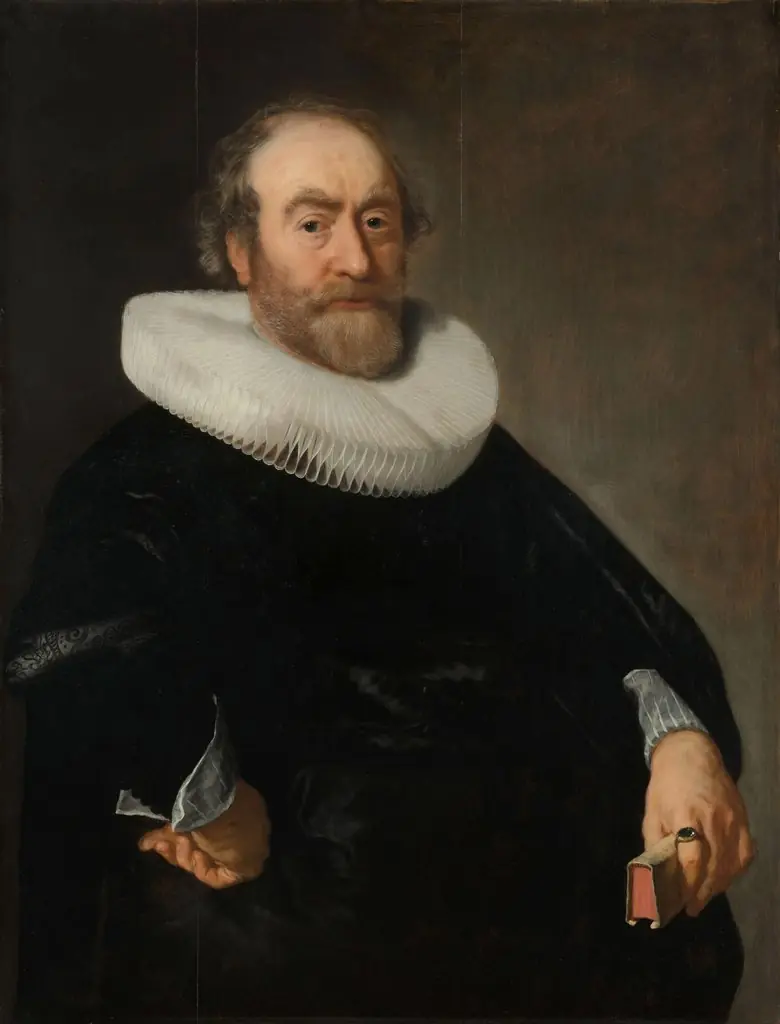 Portrait of Andries Bicker
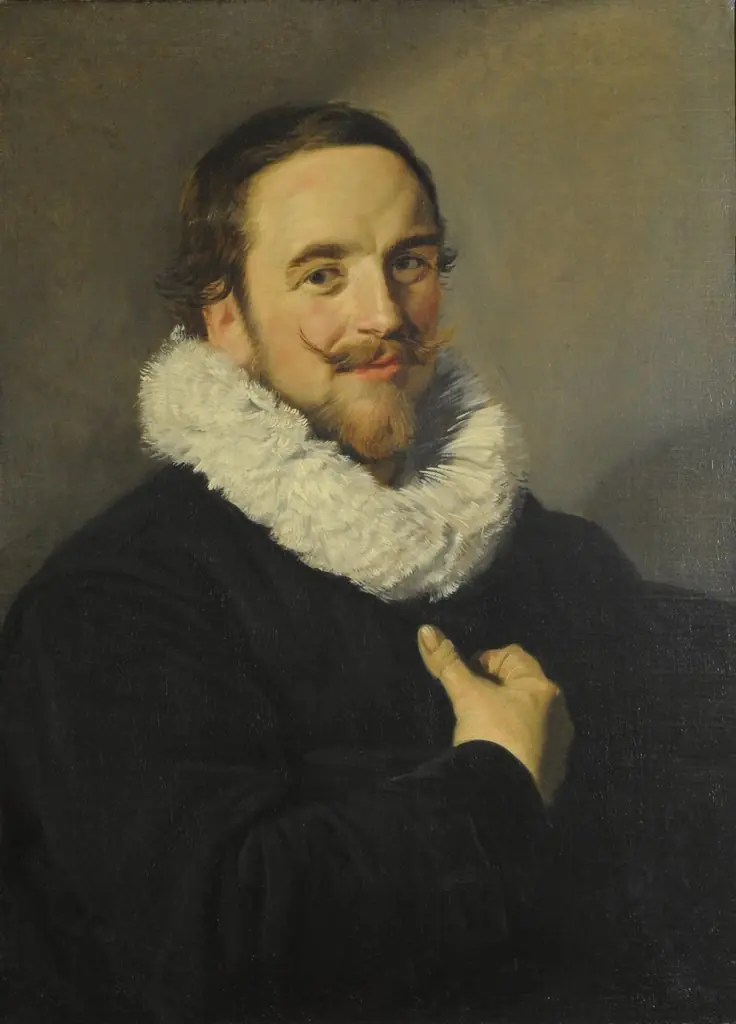 Portrait of a gentleman
 Portrait of a 60-year-old Man