Artwork
Traveling Players
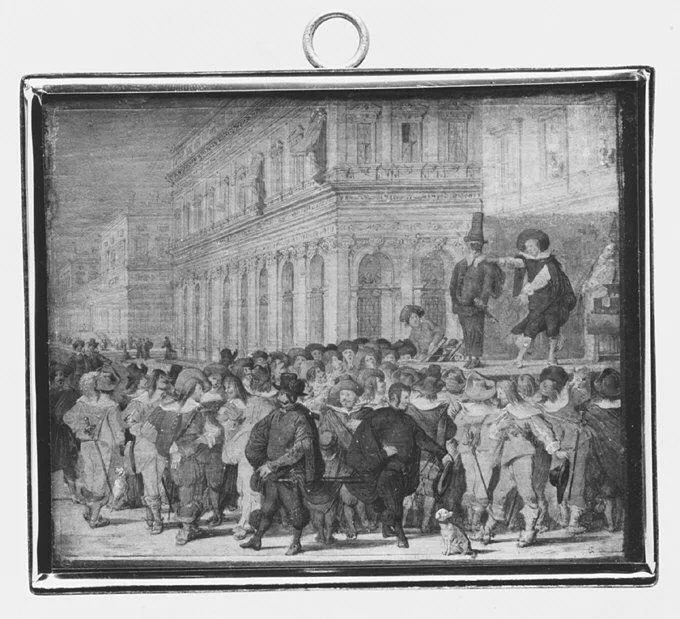
Traveling Players is a wood painting by the Dutch Golden Age artist Monogrammist JG. It dates from 1630 and is held in the collection of the Metropolitan Museum of Art.
About this work
Subject & Meaning
The inclusion of a dog alongside the performers and spectators suggests a scene of communal gathering and public spectacle.
The painting depicts a theatrical performance featuring actors, a crowd, and a man accompanied by a dog. Created by Monogrammist JG in 1630, the work captures a moment of live entertainment, likely representing the itinerant nature of traveling troupes common in the era. The inclusion of a dog alongside the performers and spectators suggests a scene of communal gathering and public spectacle.
The work serves as a visual document of 17th-century theater culture, highlighting the social role of traveling players and the engagement of the public with performance art.
Technique & Style
Traveling Players is a 1630 painting executed on a wooden panel, measuring approximately 70 cm in height and 90 cm in width. Its surface depicts a theatrical scene with actors, a crowd, a man, and a dog. The piece was featured in the publication European Miniatures in The Metropolitan Museum of Art.
The oil-on-panel technique, with its smooth ground, allowed the artist to render fine detail in the figures and architectural setting of the theatrical scene.
History & Provenance
The painting known as Traveling Players was created in 1630 by the artist identified as Monogrammist JG. Executed on a wood panel, the work measures 90 centimeters in width and 70 centimeters in height. The artwork entered the collection of the Metropolitan Museum of Art, where it is held under the name of Kate Read Blacque.
The piece depicts a theatrical scene featuring actors, a crowd, a man, and a dog. It has been featured in the publication European Miniatures in The Metropolitan Museum of Art.
Overview
Traveling Players is a painting on wood created in 1630 by an artist known only as Monogrammist JG. This work captures a lively street scene, featuring a pair of performers engaging a gathered crowd and a dog. The artwork is currently part of the collection at The Metropolitan Museum of Art, offering a glimpse into public life during the 17th century.
Context
Created in 1630, this work reflects a common aspect of public life during the 17th century, when street performers and itinerant players were a significant source of entertainment and news. Such theatrical displays often drew large audiences in urban centers, transforming public spaces into temporary stages. The artist, identified only by a monogram, captures the vibrant energy of these popular gatherings.
Artist & collection
Artist
Northern European artist active in the early 1600s, known by two works signed with the same initials.

- Distributing Bread to the Poor
 Fastnachtsbelustigung
 Distributing Bread to the Poor
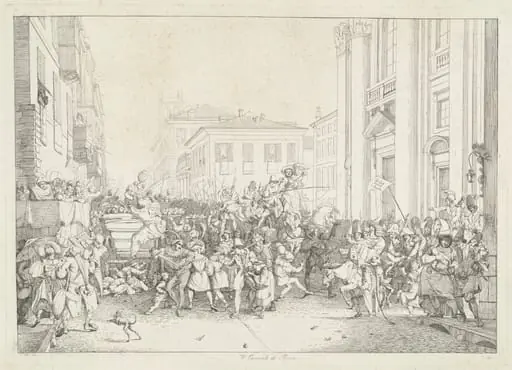 Il Carnevale di Roma (Carnival in Rome)
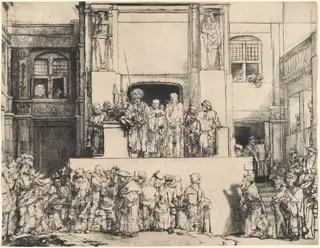 Christ Presented to the People: Oblong Plate
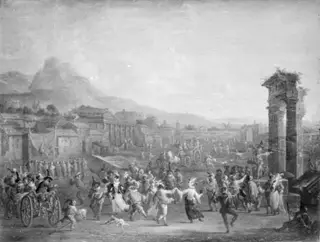 Italian Landscape with Carnival and Comedians
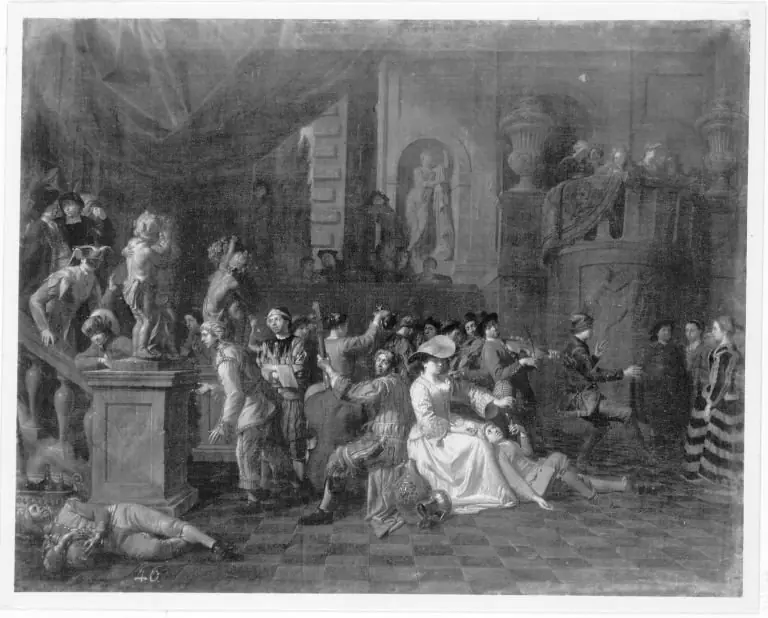 Karneval
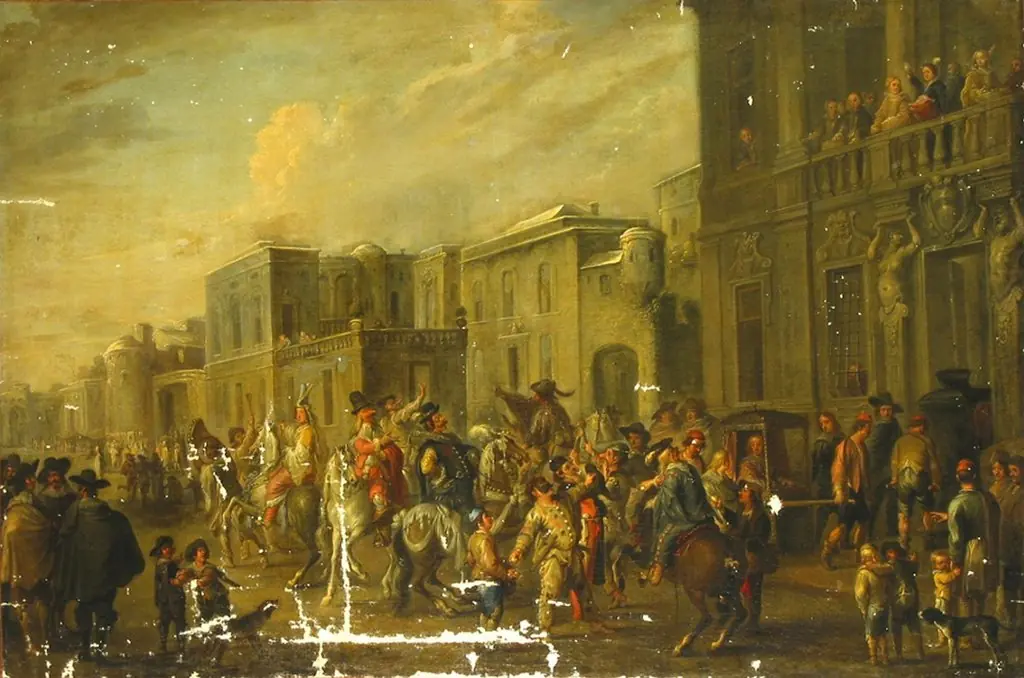 Carnival
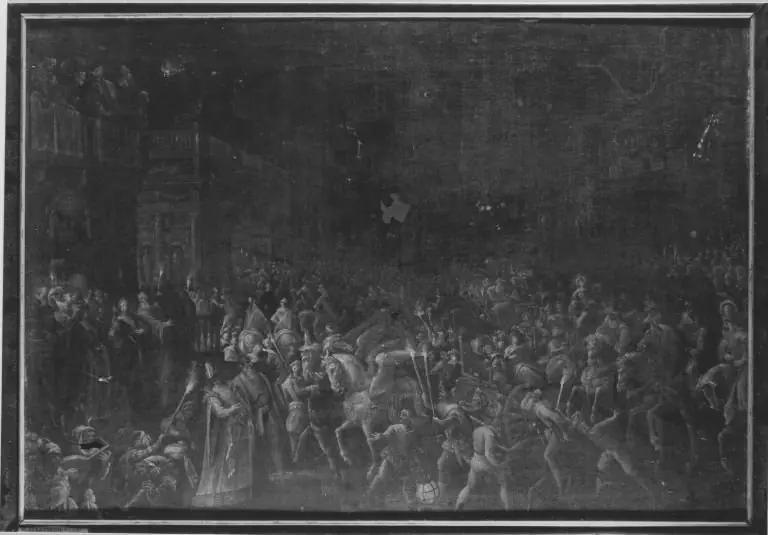 Maskenfest
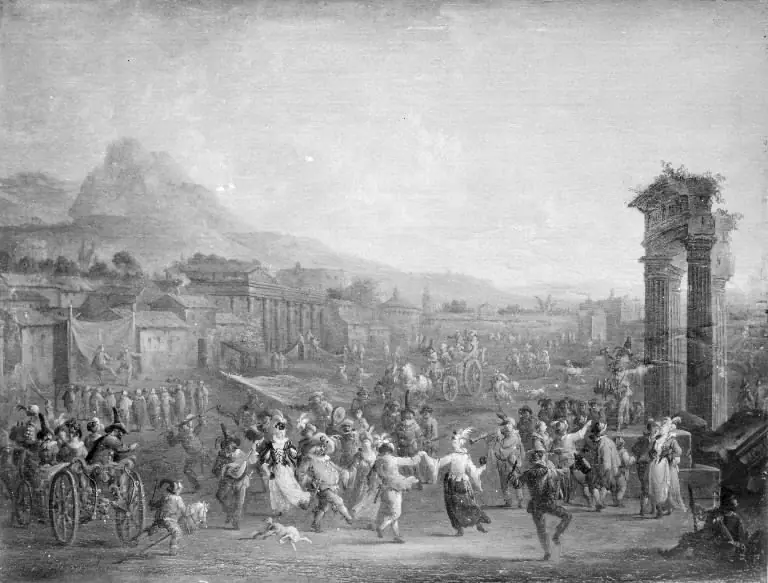 Italian Landscape with Carnival and Comedians
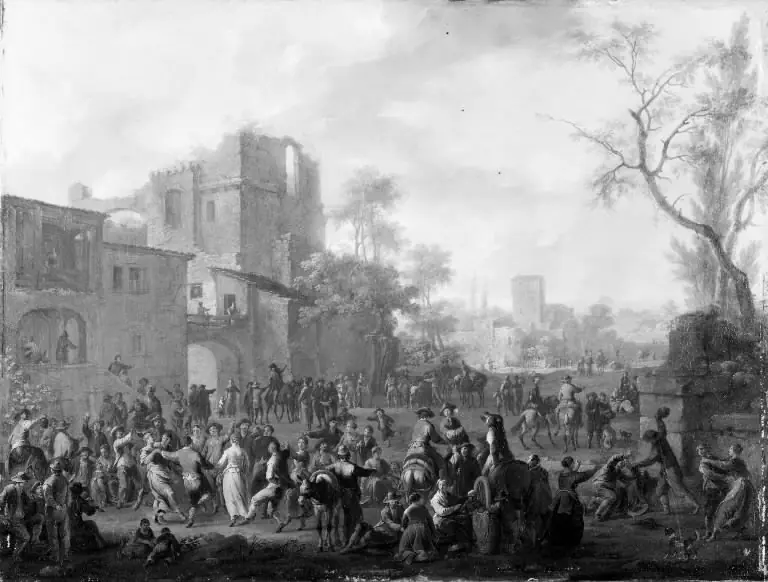 Market Scene
 Enthaltsamkeit des Scipio
 A Dance in the Country
 初代嵐橘三郎 (二代目嵐吉三郎) の惟高親王|The Actor Arashi Kitsusaburō I (Kichisaburō II) as Prince Koretaka
 Arrangement in Black, No. 3: Sir Henry Irving as Philip II of Spain
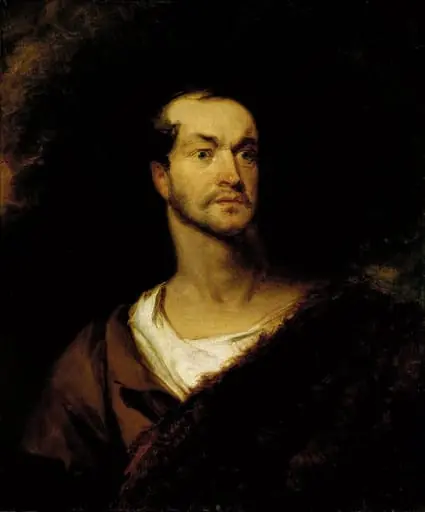 William Charles Macready as William Tell
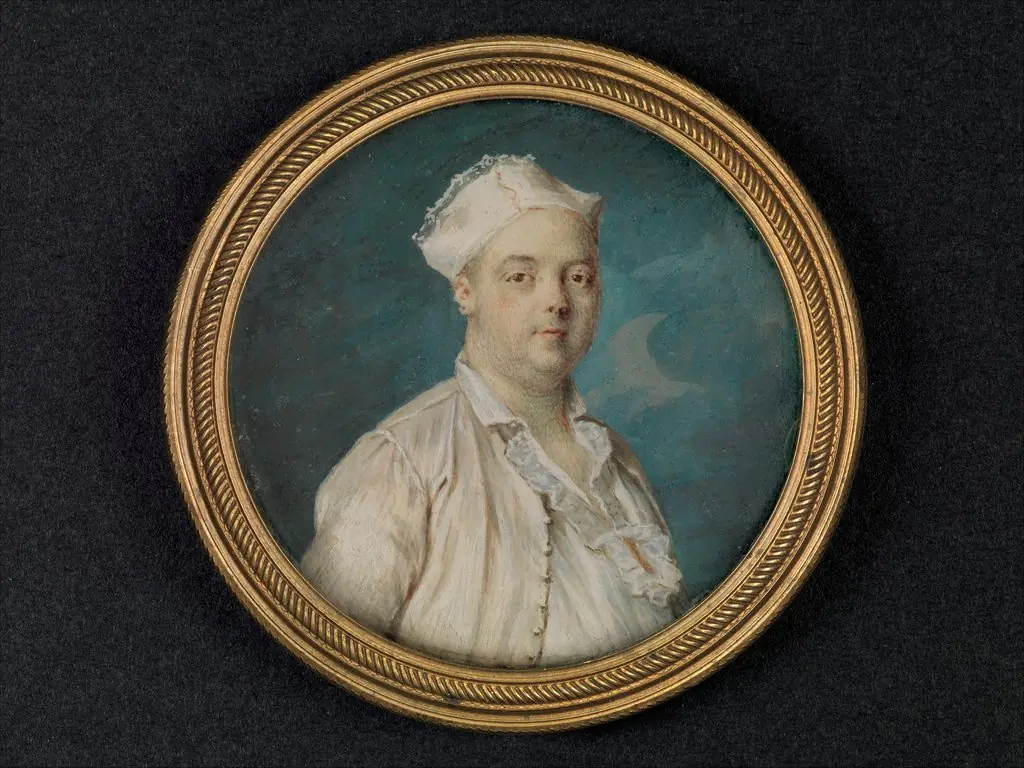 Pierre Louis Dubus (1721–1799), Called Préville, of the Comédie-Française
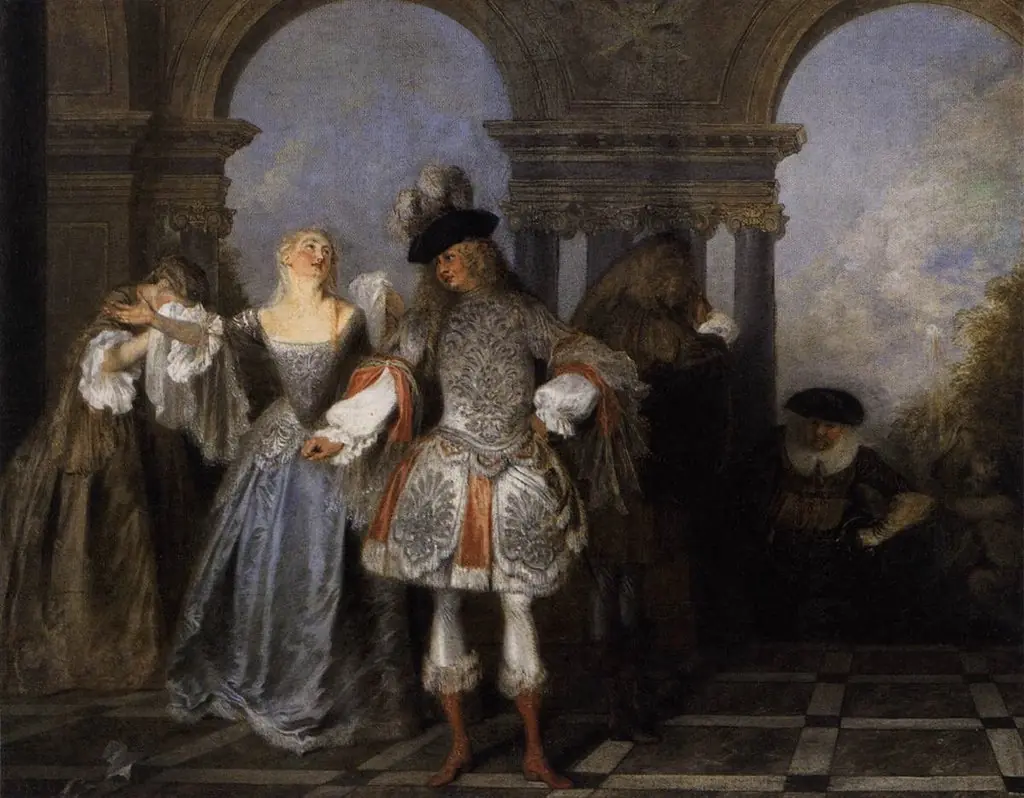 The French Comedians
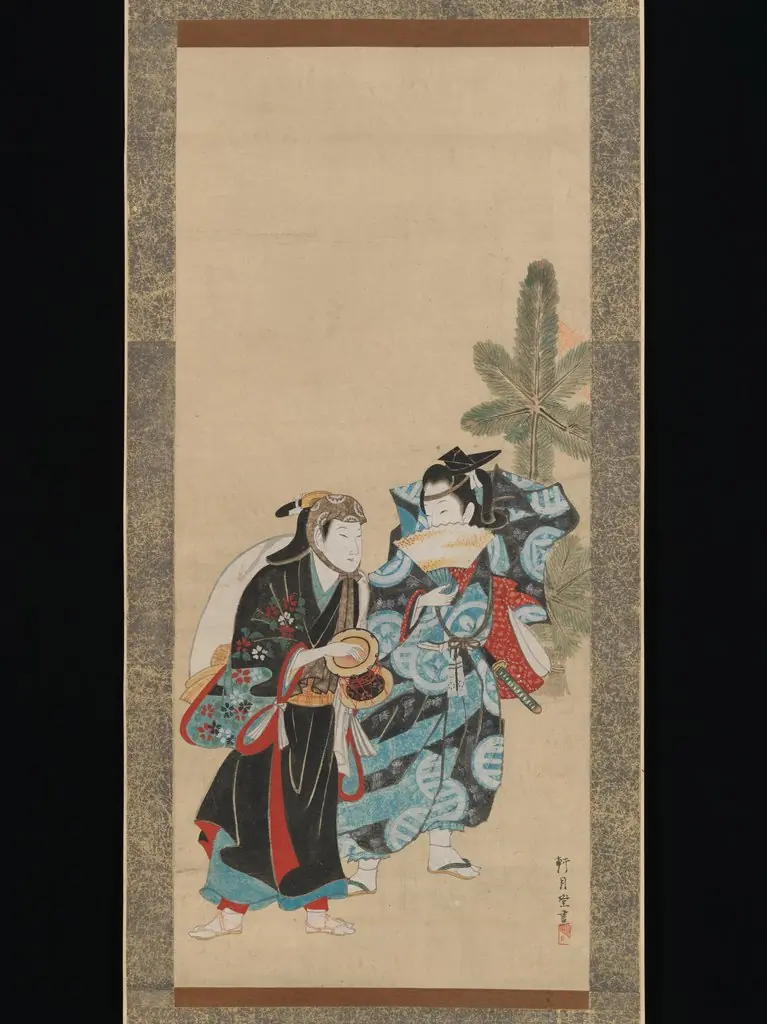 Itinerant Actors
 Louis Gueymard (1822–1880) as Robert le Diable