Artwork
Louis Gueymard (1822–1880) as Robert le Diable
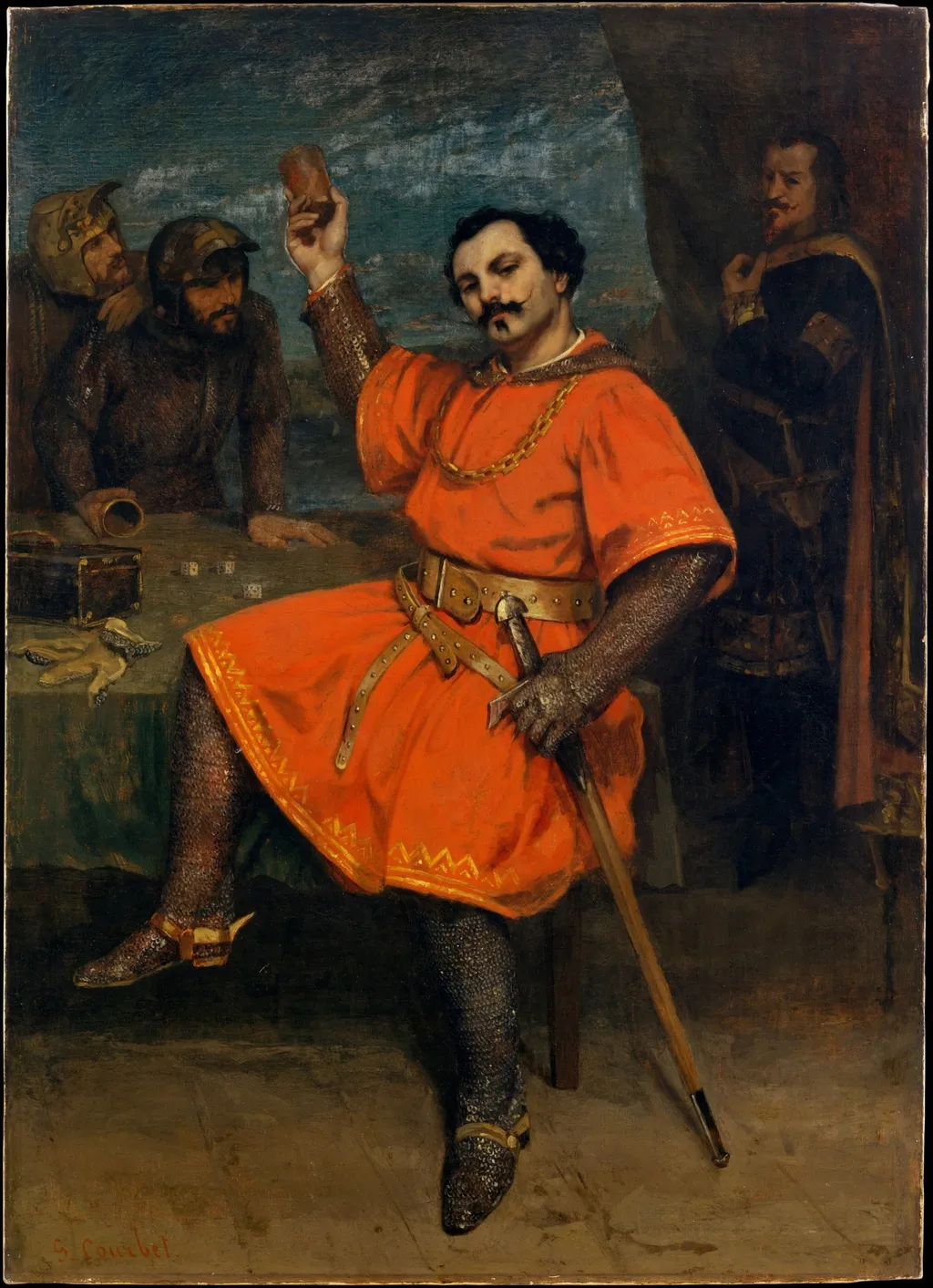
Louis Gueymard (1822–1880) as Robert le Diable is an oil painting by the Realist artist Gustave Courbet. It dates from 1857 and is held in the collection of the Metropolitan Museum of Art.
About this work
Subject & Meaning
By freezing this dramatic moment, the work immortalizes the actor's performance in a piece that was immensely popular in Romantic Paris and throughout Europe.
The painting depicts the tenor Louis Gueymard in the title role of Giacomo Meyerbeer's opera Robert le Diable, specifically capturing the character during the dice game scene from the final part of Act I. Gueymard is portrayed in medieval attire, wearing chainmail and a red chasuble, leaning on a table with a goblet in hand while gazing intently at the viewer. The composition includes background figures and objects such as dice, a glove, and a box, which visually narrate the gambling context central to the opera's plot. By freezing this dramatic moment, the work immortalizes the actor's performance in a piece that was immensely popular in Romantic Paris and throughout Europe.
The subject matter bridges theatrical history and portraiture, presenting Gueymard not merely as an individual but as the embodiment of a legendary medieval character within a specific operatic narrative.
Technique & Style
The work is an oil painting on canvas, measuring 148.6 × 106.7 cm. Executed in 1857, it belongs to the historiated portrait genre and is classified simply as a painting. Courbet rendered the figure of Louis Gueymard in a three‑quarter view, dressed in a mail coat and a red chasuble, with the sword resting on a table and the right hand raised holding a goblet; accessories such as a cassette, a glove and three dice appear on the surface. The composition emphasizes a tight handling of brushwork that models the flesh and fabric, while the dramatic lighting accentuates the red garment and the actor’s expression.
The painting’s condition is stable, having been conserved in the Metropolitan Museum of Art since its acquisition in 1919.
History & Provenance
Gustave Courbet painted Louis Gueymard (1822–1880) as Robert le Diable in 1857, an oil on canvas portrait that was first exhibited at the Salon de Paris on 15 June 1857. The work, described as a historiated portrait, shows the actor in the climactic dice‑game scene of the opera Robert le Diable. After Courbet’s death the painting entered the collection of Adolphe Régnard, who acquired it from the artist’s estate, and was subsequently sold to American collector A. A. Anderson; Anderson’s widow, Elizabeth Milbank Anderson, bequeathed it to the Metropolitan Museum of Art in 1919. The museum’s records list the painting’s inception as 1857‑01‑01 and its dimensions as 148.6 × 106.7 cm.
Following its debut at the Paris Salon on June 15, 1857, the painting entered the collection of Adolphe Régnard. After Gustave Courbet's death, dealer Paul Durand-Ruel exhibited the work on loan from Régnard before selling it to American collector A. A. Anderson. Upon Anderson's death, his widow, Elizabeth Milbank Anderson, bequeathed the canvas to the Metropolitan Museum of Art in New York, where it arrived in 1919.
Currently held in the museum's permanent collection, the work is cataloged under the title Louis Gueymard (1822–1880) as Robert le Diable.
Context
The painting Louis Gueymard (1822–1880) as Robert le Diable, executed by Gustave Courbet in 1857, is recorded as an oil on canvas work classified simply as a painting (1). It portrays the actor Louis Gueymard in the role of Meyerbeer’s 1831 opera Robert le Diable, a scene observed during the first act’s dice‑game (3). The canvas was shown at the 1857 Salon de Paris, marking its contemporary presentation (3).
Art historical surveys note its status as a historiated portrait, one of the few instances in which Courbet depicted a theatrical figure, reflecting his limited but notable engagement with performance culture (3). The work entered the Metropolitan Museum of Art in 1919 through the bequest of Elizabeth Milbank Anderson (2). Its provenance and scholarly attention illustrate the painting’s significance within 19th‑century French portraiture and the broader cultural exchange between opera and visual art.
Overview
Gustave Courbet's 1857 oil painting, "Louis Gueymard as Robert le Diable," depicts the French actor in character. This work exemplifies Courbet's Realist approach, focusing on observable contemporary life rather than idealized or historical narratives. It is currently housed at The Metropolitan Museum of Art, representing a significant example of 19th-century French painting.
Own this work as a print
Artist & collection
Artist
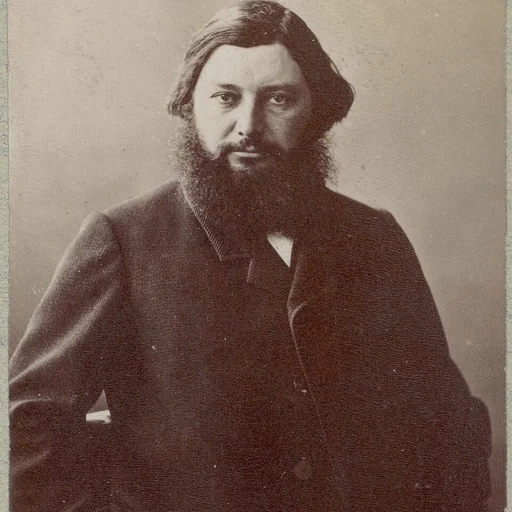
Jean Désiré Gustave Courbet (UK: KOOR-bay; US: koor-BAY; French:; 10 June 1819 – 31 December 1877) was a French painter who led the Realism movement in 19th-century French painting.


- Macbeth instructing the murderers employed to kill Banquo
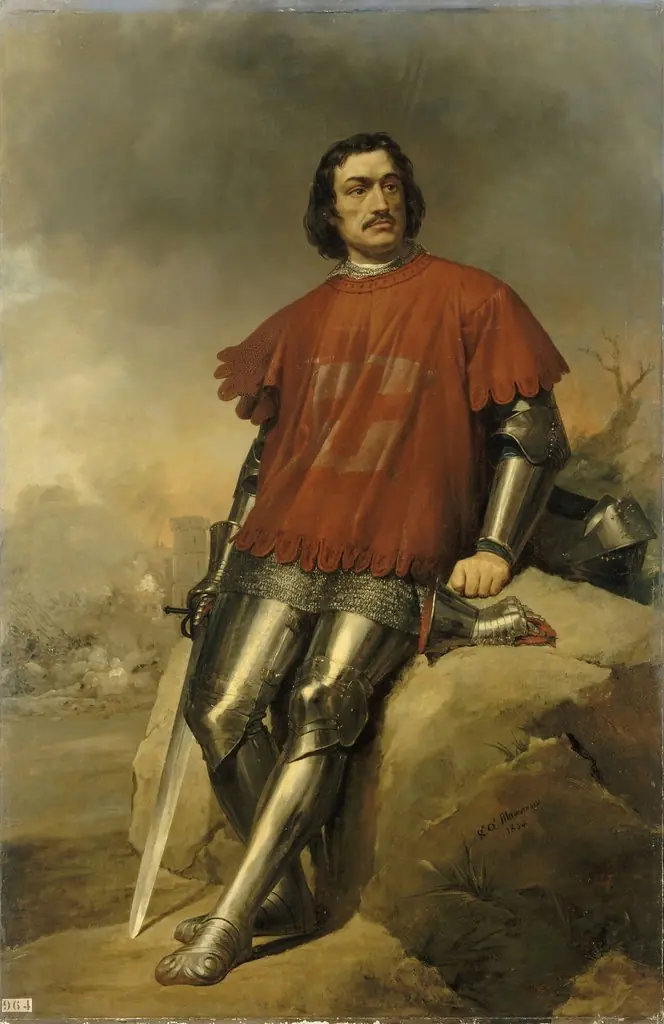 Jean, dit Poton, seigneur de Xaintrailles (?-1461)
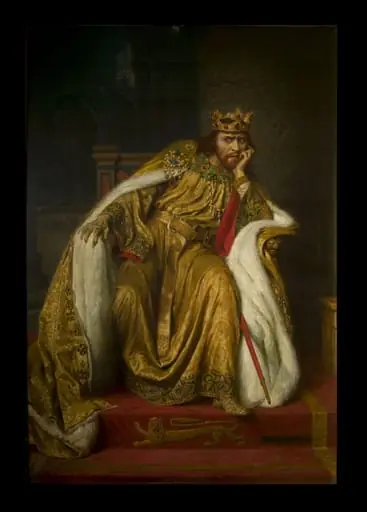 Herbert Beerbohm Tree as King John in <i>King John</i> by William Shakespeare
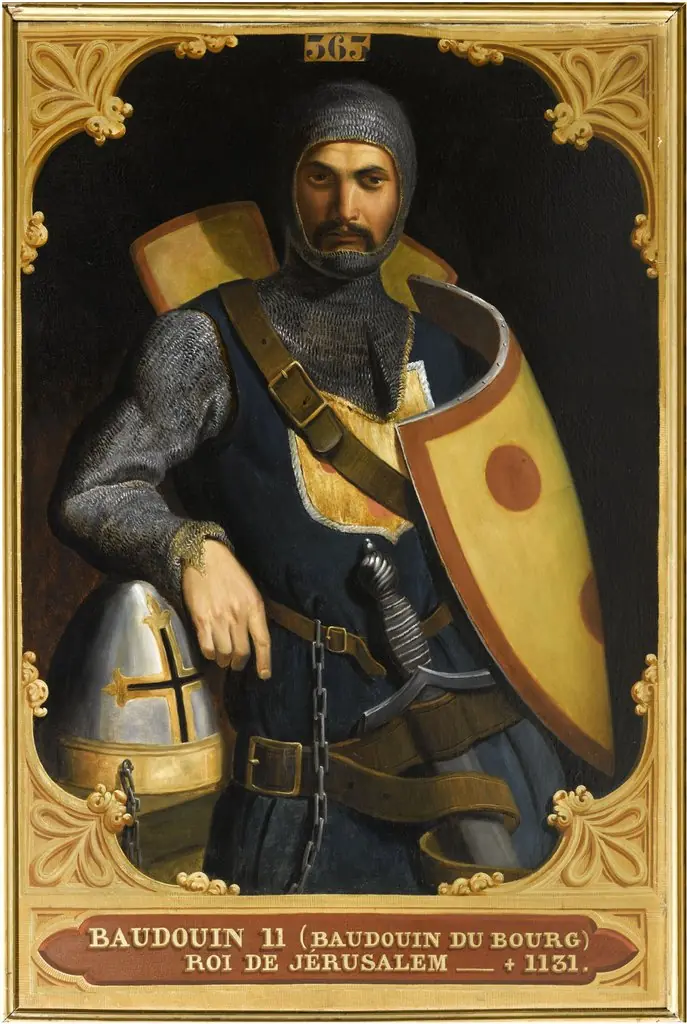 Baldwin of Bourcq, count of Edessa and king of Jerusalem.
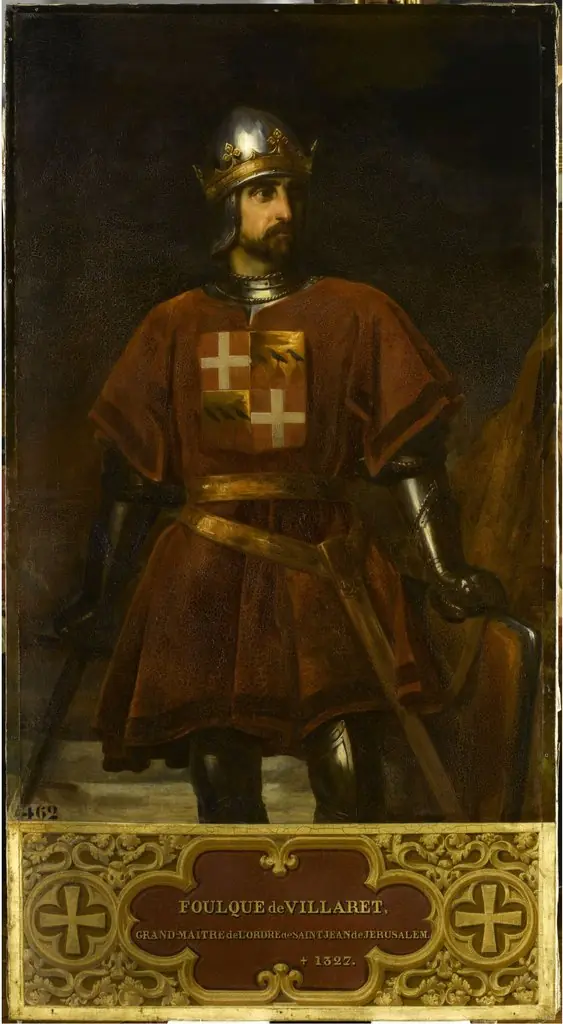 Foulques de Villaret
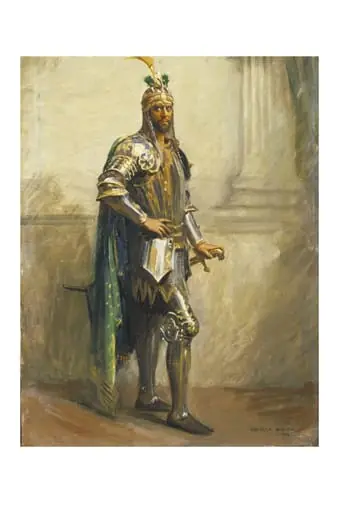 Herbert Beerbohm Tree as Othello in <i>Othello</i> by William Shakespeare
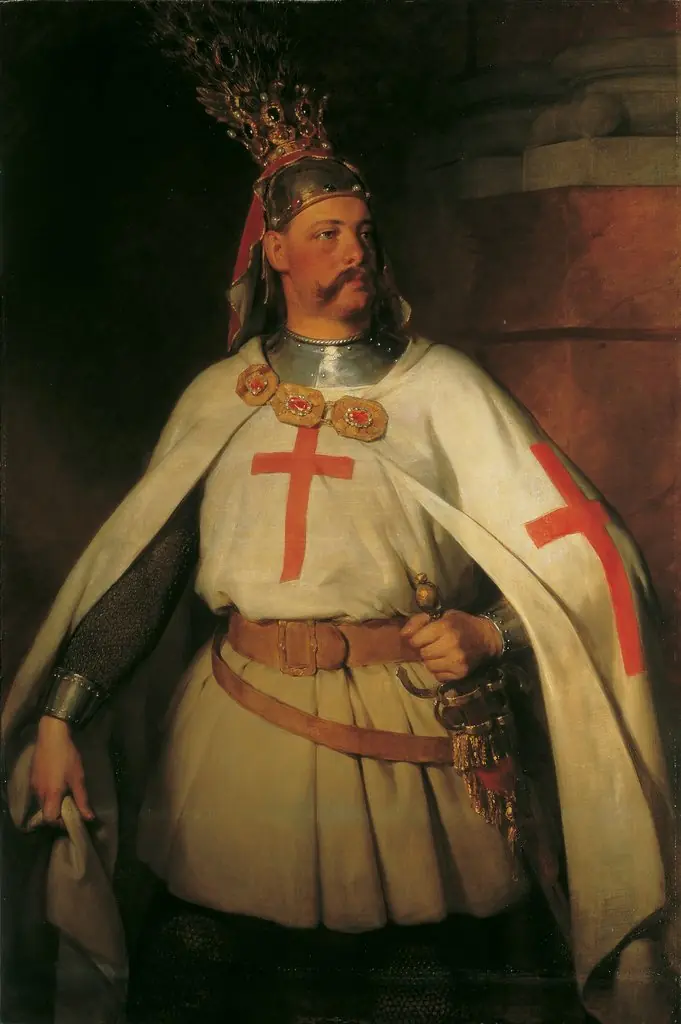 Archduke Leopold as Crusader
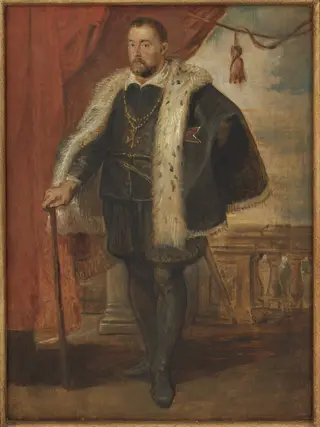 Francesco I de' Medici (1541-1587)
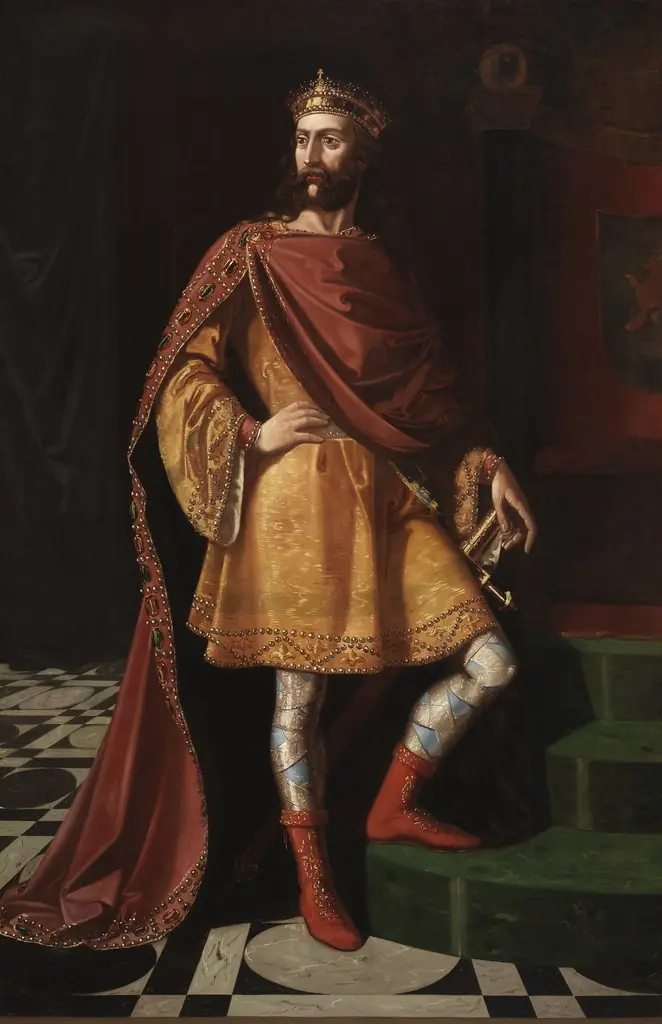 Ervigio
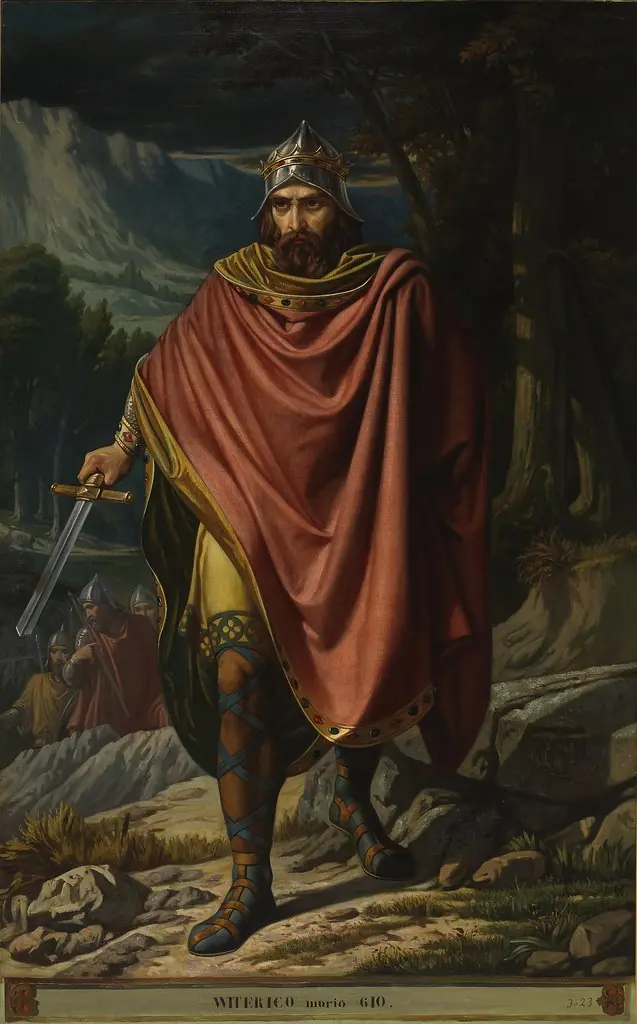 Witerico
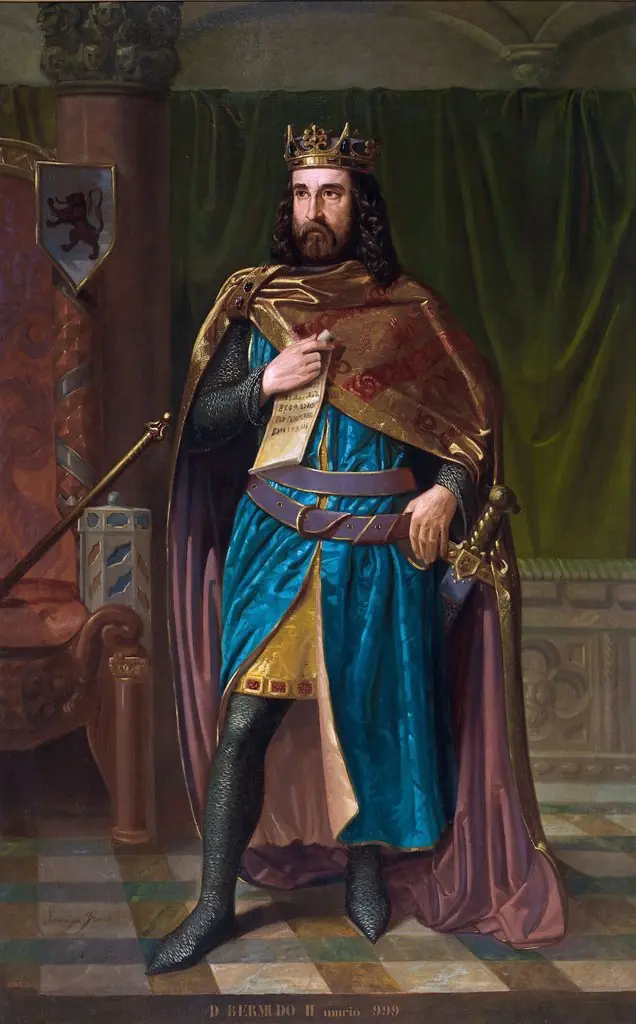 Bermudo II
 Battle of Albrecht I. over the Semming 1292