Artwork
Arrangement in Black, No. 3: Sir Henry Irving as Philip II of Spain
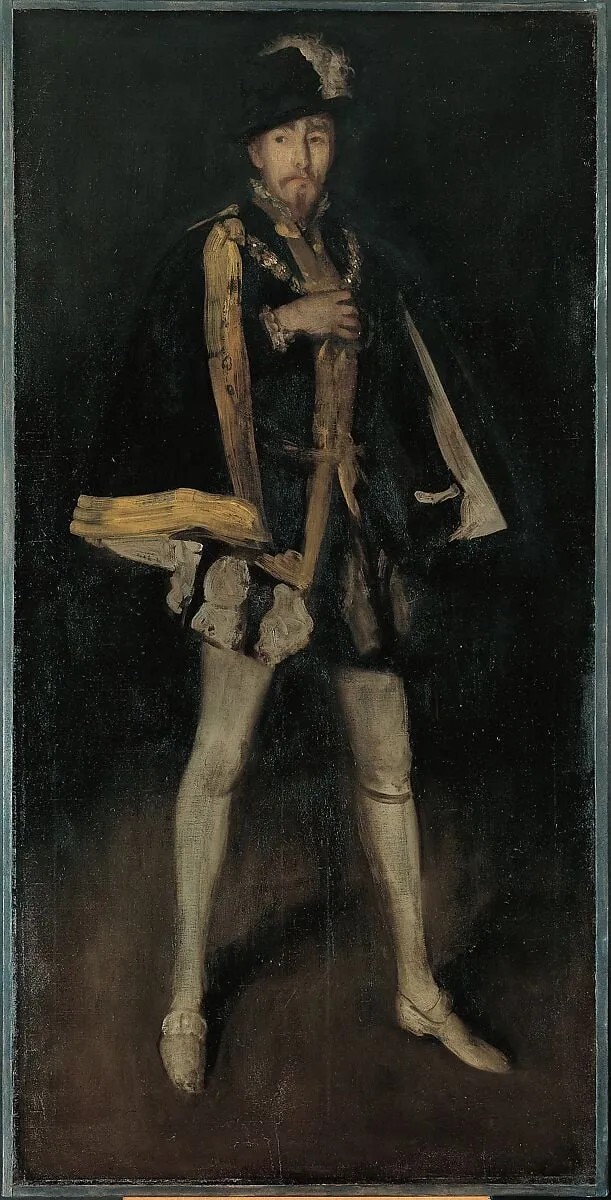
Arrangement in Black, No. 3: Sir Henry Irving as Philip II of Spain is an oil painting by the Impressionist artist James McNeill Whistler. It dates from 1876 and is held in the collection of the Metropolitan Museum of Art. Arrangement in Black, No.
- Accession no.
- 10.86
- Credit line
- Rogers Fund, 1910
About this work
Subject & Meaning
The choice of subject reflects late-nineteenth-century fascination with historical drama and the elevation of the actor’s craft to a refined art form.
The painting depicts the actor Sir Henry Irving in the role of Philip II of Spain, aligning portraiture with theatrical impersonation. Whistler’s title emphasizes a formal arrangement of black tones, yet the sitter’s costume and pose reference sixteenth-century Spanish royal iconography associated with Philip II, including high-necked garments and a severe frontal stance. The choice of subject reflects late-nineteenth-century fascination with historical drama and the elevation of the actor’s craft to a refined art form.
Within Whistler’s Aestheticist framework, the work merges portraiture with stylized performance, using minimalist color and composition to evoke the gravitas of power and the theatricality of identity.
History & Provenance
Arrangement in Black, No. 3: Sir Henry Irving as Philip II of Spain is an oil on canvas portrait painted by James McNeill Whistler in 1880. The work, classified as a portrait within the Aestheticist movement, measures 215.3 × 108.6 cm and depicts the celebrated actor Henry Irving assuming the role of Philip II of Spain. Whistler created the piece as part of his series of theatrical portraits, employing a restrained palette to emphasize the sitter’s dignified presence.
The painting entered the collection of the Metropolitan Museum of Art, where it remains on view in The American Wing, establishing its current ownership and exhibition history.
The painting Arrangement in Black, No. 3: Sir Henry Irving as Philip II of Spain, executed by James McNeill Whistler in 1880, is housed in the Metropolitan Museum of Art, where it is listed under the American Wing’s portrait collection; its accession number is not disclosed in the available documentation. The work, an oil on canvas measuring 215.3 × 108.6 cm, depicts the actor Henry Irving in the role of Philip II of Spain. No exhibition records are cited in the sources for this piece.
Overview
Arrangement in Black, No. 3: Sir Henry Irving as Philip II of Spain, painted by James McNeill Whistler in 1876, depicts the renowned English actor Sir Henry Irving in his stage role as the Spanish monarch. Executed in oil on canvas, the work prioritizes tonal harmony over literal representation, adhering to Whistler's aesthetic philosophy that painting should function like music. The composition features Irving standing against a nearly uniform dark background, his pale face and hands providing the primary points of light.
He is dressed in a black costume with a stiff white collar and a small goatee, capturing the theatrical presence of the character rather than the historical figure. Whistler employs soft edges and a limited palette to emphasize mood and atmosphere, treating the actor's pose as an abstract arrangement of values. This portrait marks a significant moment in Whistler's career, demonstrating his commitment to 'art for art's sake' by transforming a contemporary theatrical performance into a study of color and form.
It reflects the artist's interest in the intersection of modern life and high art, moving away from traditional narrative portraiture toward a more subjective, decorative approach that influenced the development of modernism.
Technique & Style
Whistler's approach in this portrait prioritizes atmosphere and visual harmony. The figure of Irving is rendered with soft edges and minimal shadows, creating a sense of depth without sharp definition. His pale face and hands stand out against the predominantly dark background and attire, drawing the viewer's eye to these expressive elements.
This technique underscores a deliberate move away from detailed realism, favoring instead a subtle interplay of tones to convey mood and form.
Context
This work aligns with the principles of Aestheticism, an art movement that championed "art for art's sake." Artists associated with Aestheticism, including Whistler, believed that art should be appreciated for its beauty and sensory appeal rather than its narrative content or moral message. The painting's emphasis on mood, formal arrangement, and subdued palette reflects this philosophy, inviting contemplation of its visual qualities rather than a literal interpretation of its subject.
Artist & collection
Artist
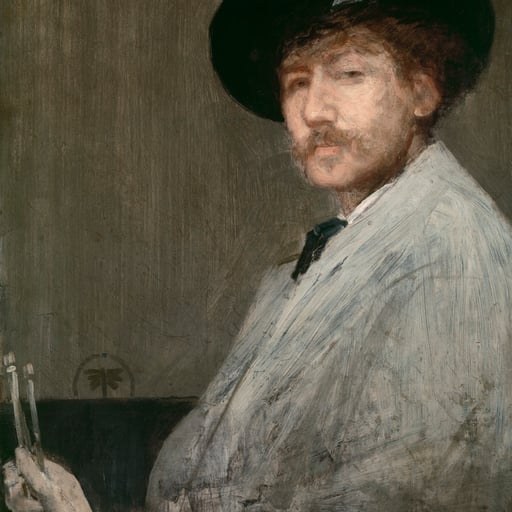
James Abbott McNeill Whistler (; July 10, 1834 – July 17, 1903) was an American painter in oils and watercolor, and printmaker, active during the American Gilded Age and based primarily in the United Kingdom.

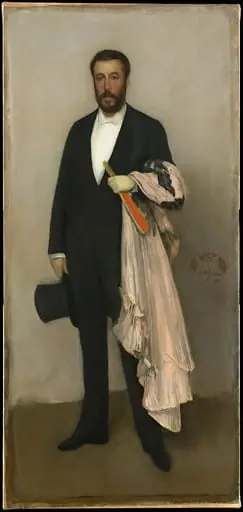 Arrangement in Flesh Colour and Black: Portrait of Theodore Duret
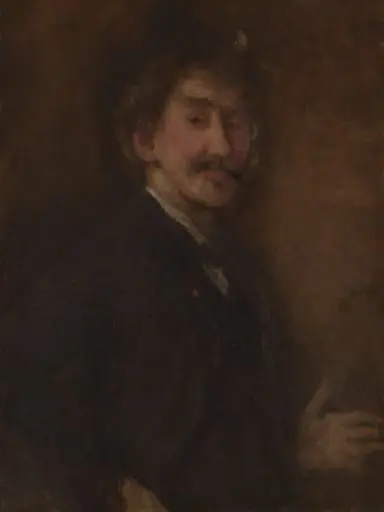 Gold and Brown: Self-Portrait
 Edward Guthrie Kennedy
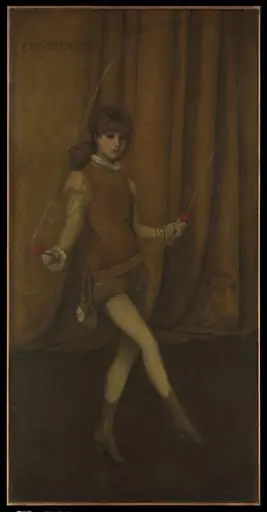 Harmony in Yellow and Gold: The Gold Girl—Connie Gilchrist
 George W. Vanderbilt
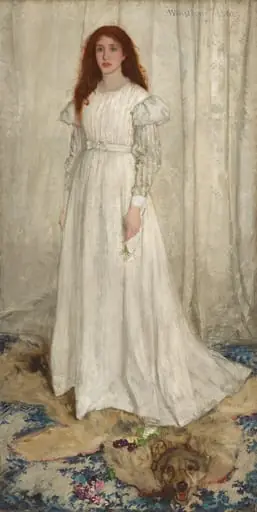 Symphony in White, No. 1: The White Girl
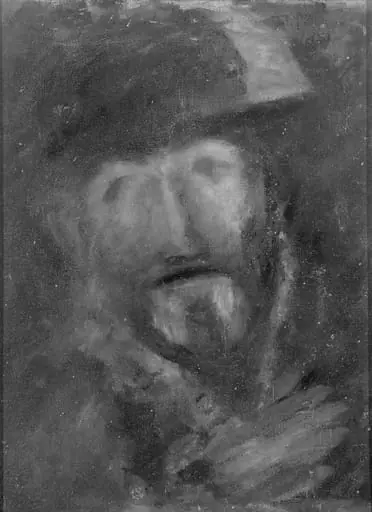 Henry Irving as Philip II of Spain
 ‘Arrangement in Yellow and Gray’: Effie Deans
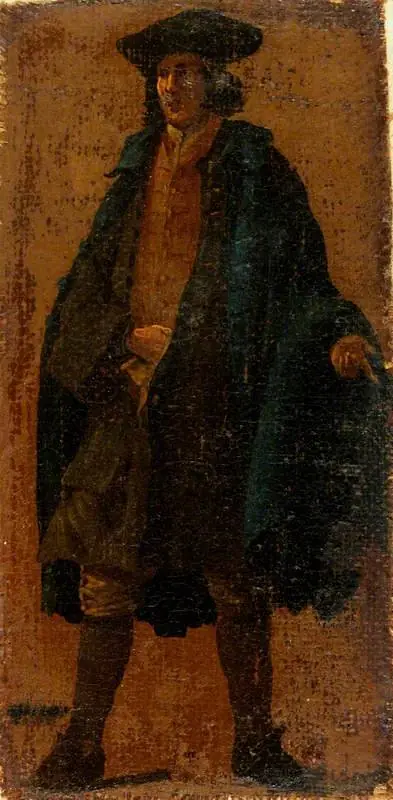
- A Man Wearing a Blue Cloak
 Diana with one of her Nymphs
 Diana with one of her Nymphs
 Death at the Ball
 Felix Regamy
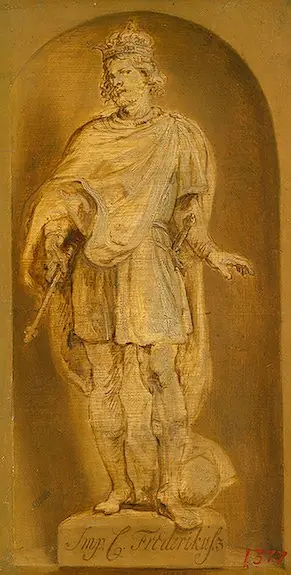 Statue of Frederick III in a niche
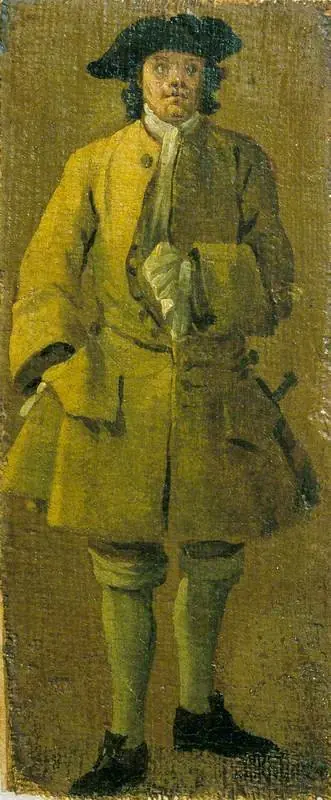 A Man Wearing a Yellow Coat
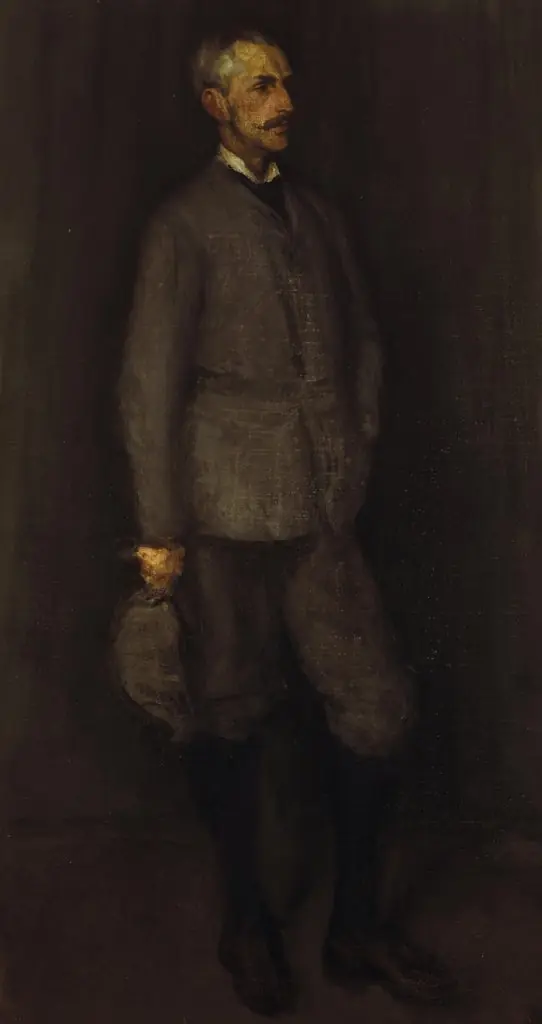 Arrangement in Grey and Green. Portrait of John James Cowan
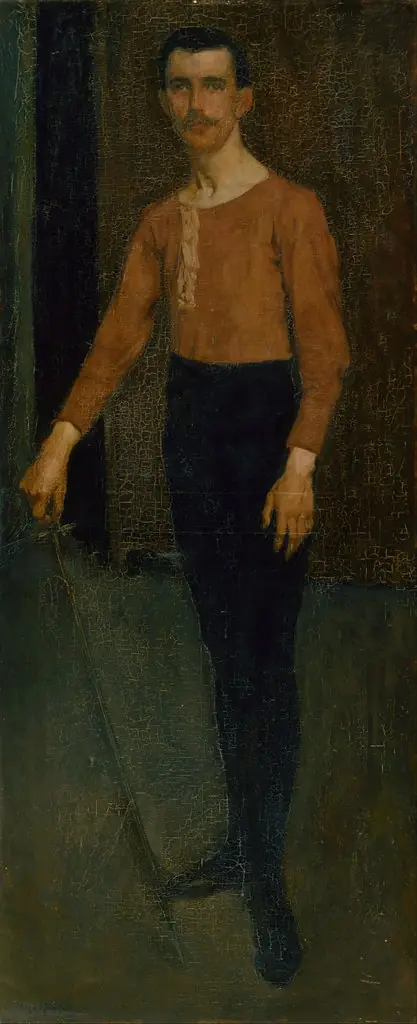 The foil
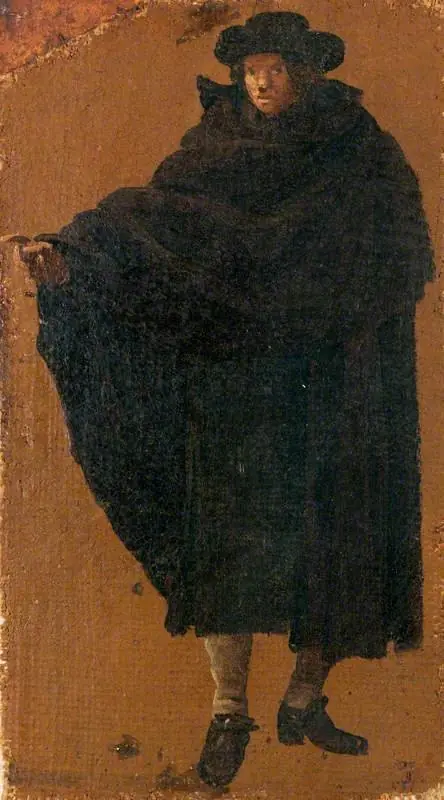 A Man in a Dark Cloak
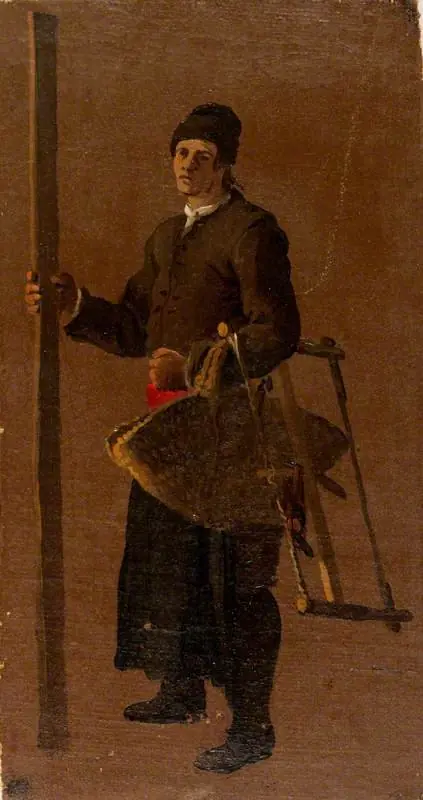 A Carpenter
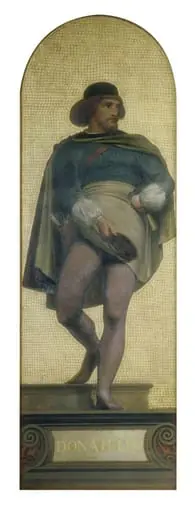 Donatello: design for a mosaic in the Museum (the 'Kensington Valhalla')
 Studied in the Color & Light course