Artwork
初代嵐橘三郎 (二代目嵐吉三郎) の惟高親王|The Actor Arashi Kitsusaburō I (Kichisaburō II) as Prince Koretaka
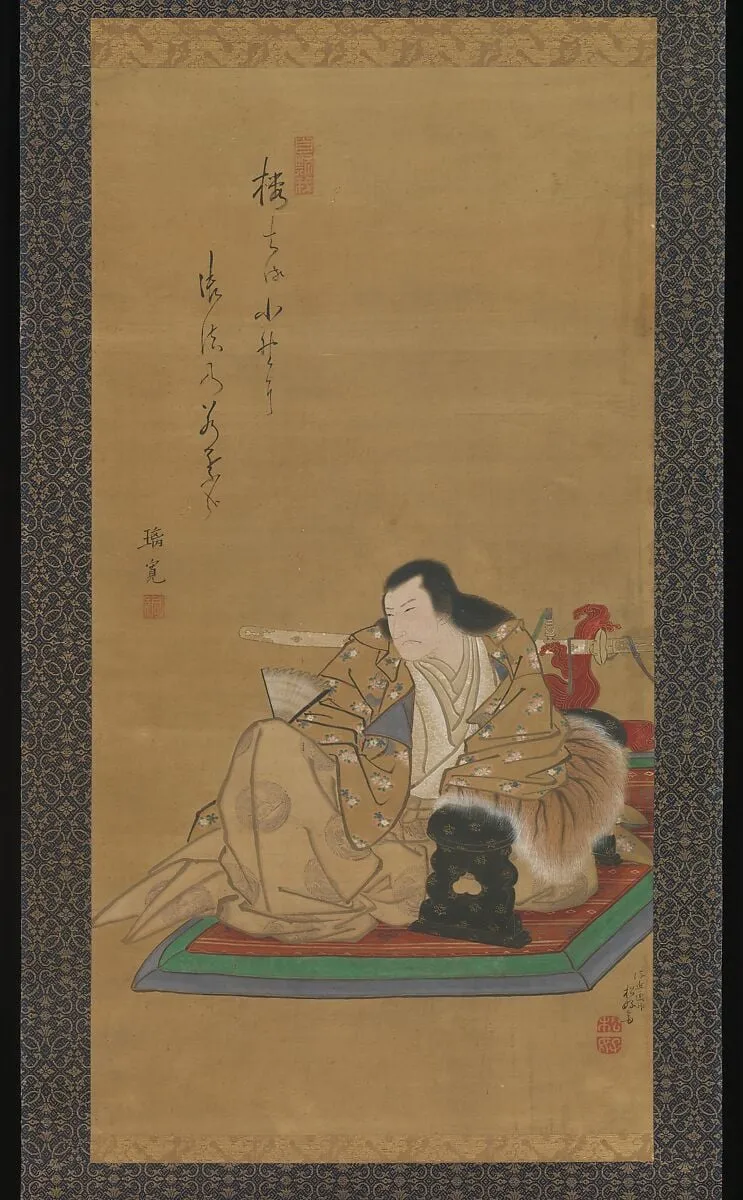
初代嵐橘三郎 (二代目嵐吉三郎) の惟高親王|The Actor Arashi Kitsusaburō I (Kichisaburō II) as Prince Koretaka is an ink painting by the Romanticist artist Shunkōsai Hokushū. It dates from 1821 and is held in the collection of the Metropolitan Museum of Art.
About this work
Subject & Meaning
The painting shows the celebrated kabuki actor Arashi Kitsusaburō I, also known as the second-generation Arashi Kichisaburō, in the role of Prince Koretaka.
The painting shows the celebrated kabuki actor Arashi Kitsusaburō I, also known as the second-generation Arashi Kichisaburō, in the role of Prince Koretaka. He is rendered with a hand‑held fan and a sword, attributes that signal both aristocratic grace and martial authority, while his costume and posture reference the imperial court. The combination of these elements conveys the character’s noble lineage and the performative power of the actor to embody historical royalty on stage.
The work thus merges theatrical portrayal with symbolic regalia to highlight the intersection of popular culture and aristocratic iconography in early‑19th‑century Japan.
Technique & Style
The work is a hanging scroll in ink and color on silk, executed in the nikuhitsu-ga tradition of ukiyo-e portraiture. The figure is rendered with fine, controlled brushwork that delineates costume and physiognomy with precision, while color is applied in flat, opaque layers to define garments and accessories. The actor’s pose, seated with a hand fan and sword, employs a frontal, iconic arrangement typical of yakusha-e, emphasizing the sitter’s identity over naturalistic space.
Stylistic hallmarks include the use of delicate linework for facial features, the contrast between the dark sumptuous robes and the lighter background, and the integration of symbolic props to signal rank and role. No overt signs of damage are noted, suggesting stable condition.
History & Provenance
Shunkōsai Hokushū created this ukiyo-e painting in Japan in 1812. The work is a nikuhitsu-ga (hand-painted) yakusha-e portrait executed in ink and color on silk, formatted as a hanging scroll. It portrays the actor Arashi Kitsusaburō I (also known as Kichisaburō II) in the role of Prince Koretaka, depicted holding a hand fan and a sword.
The artwork's inception is dated to 1812. While the full ownership chain prior to its modern institutional custody is not documented in the provided sources, the painting is currently held in the collection of the Metropolitan Museum of Art.
Overview
Created in 1821 by Shunkōsai Hokushū, this hanging scroll depicts the kabuki actor Arashi Kitsusaburō I, also known as Kichisaburō II, in the role of Prince Koretaka. Executed in ink and color on silk, the work presents a formal portrait composition where the figure stands centrally against a minimal background of soft color wash. The actor is clad in a dark robe, with one hand resting on the hilt of a sword, conveying a posture of dignified readiness.
His face is rendered with a pale complexion, contrasting with the dark garments, while his expression balances calmness with a sharp, alert intensity. This piece exemplifies the late Edo period tradition of yakusha-e (actor prints and paintings), where the focus shifts from mere theatrical representation to capturing the specific charisma and physical presence of the performer. Hokushū, a student of Sharaku's style, is known for his psychological depth in portraying actors, and this work highlights the dual identity of the subject as both the noble Prince Koretaka and the celebrated actor Kitsusaburō.
The painting serves as a significant document of kabuki performance history and the artist's contribution to the genre of actor portraiture during the early 19th century.
Context
Such portraits served a function akin to modern promotional materials, created for an enthusiastic audience of theatergoers. They allowed fans to possess an image of their favorite actors in celebrated roles, capturing the essence of a performance. This work reflects the deep connection between actors and their admirers in 19th-century Japanese culture.
Artist & collection

Artist
Shunkōsai Hokushū spent his life in Osaka, where the city’s lively theater scene shaped his work.

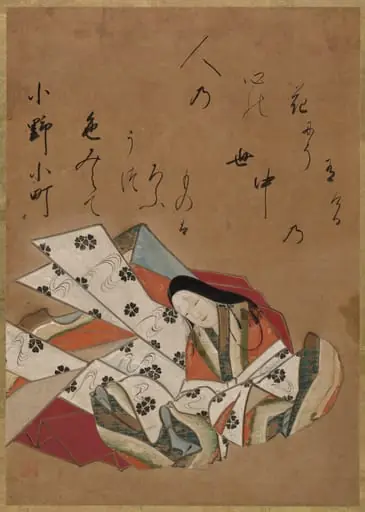 The Poet Ono no Komachi
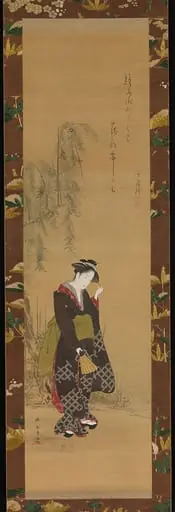 Untitled
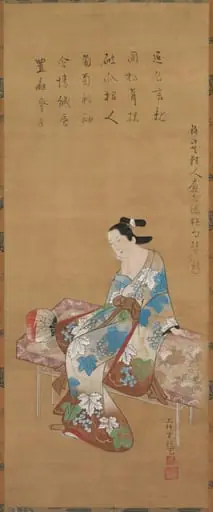 Courtesan Seated on a Bench Enjoying the Evening Cool in Summer
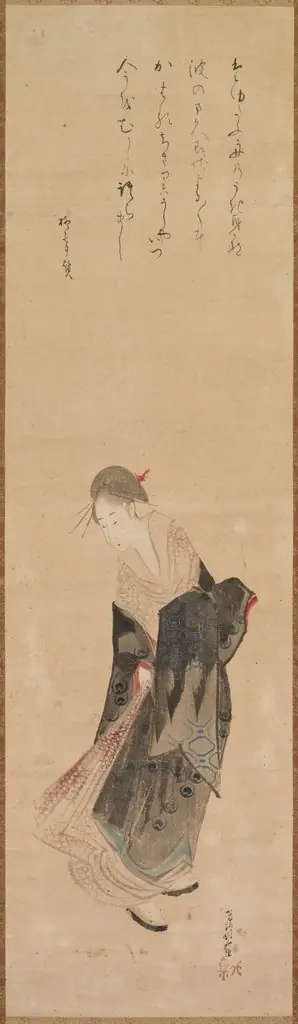 Beauty (Bijin)
 Beauty (Bijin)
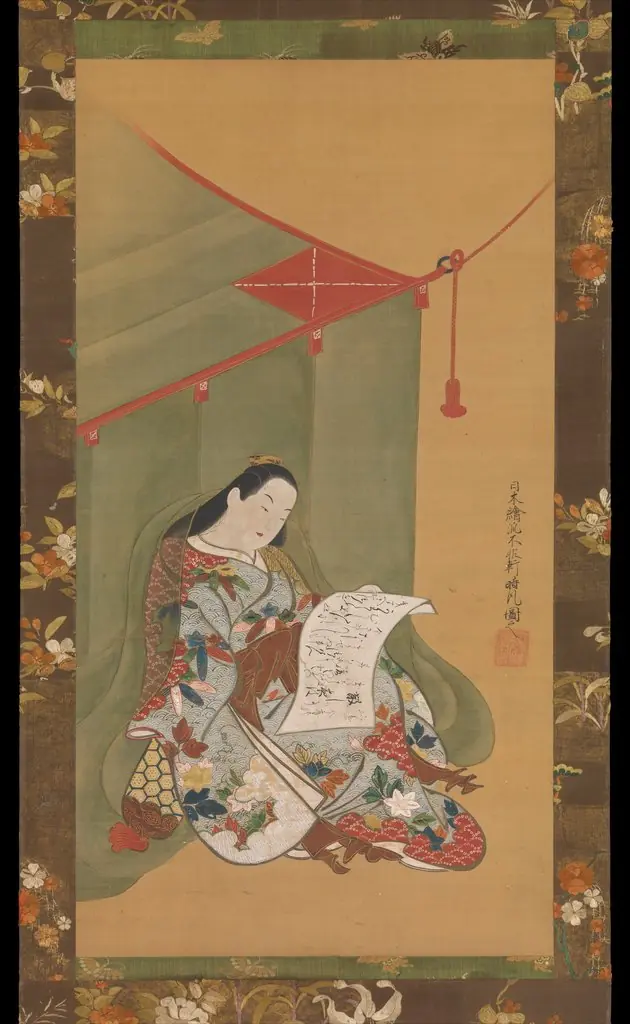 Woman Reading under a Mosquito Net
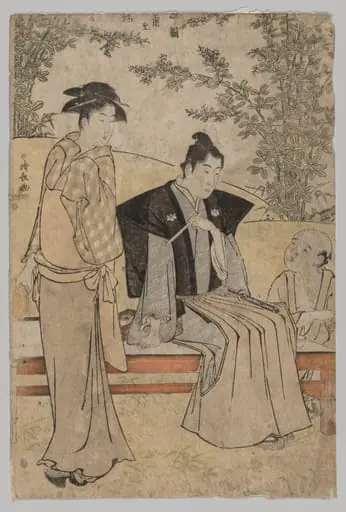 Two Lovers (from the series Brocades of the East in Fashion)
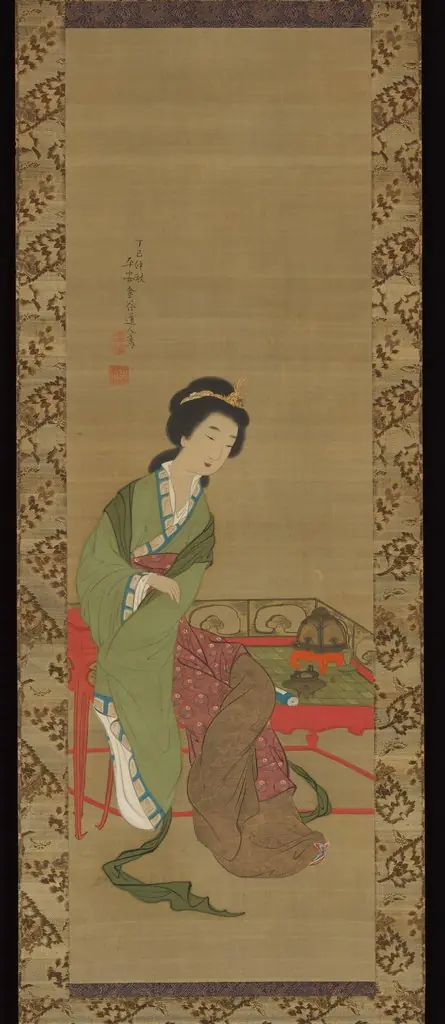 Chinese Beauty
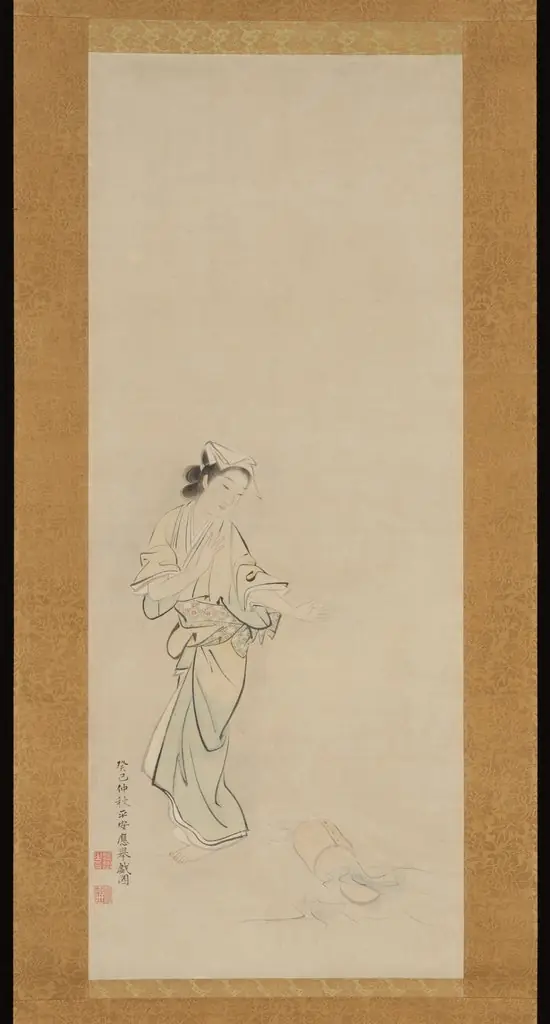 Lady Chiyono
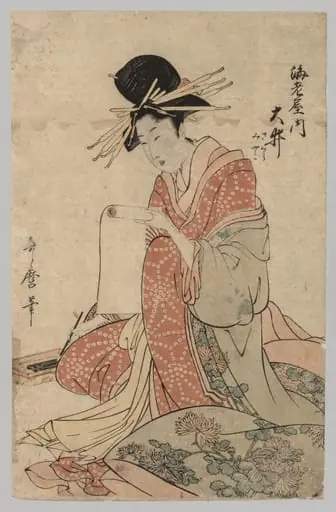 Woman of the Yoshiwara Reading Scroll
- 二代目岩井粂三郎の肖像|Portrait of Iwai Kumesaburō II
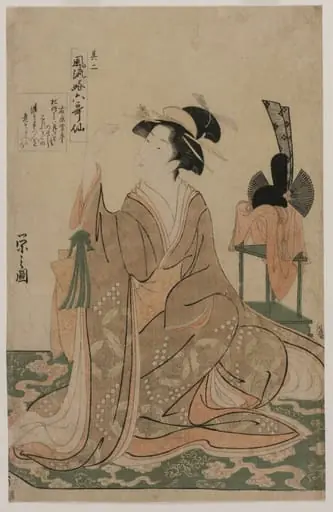 Young Woman Kneeling by a Stand with a Ceremonial Cap (from the series The Six Immortal Poets in Elegant Modern Dress)