Artwork
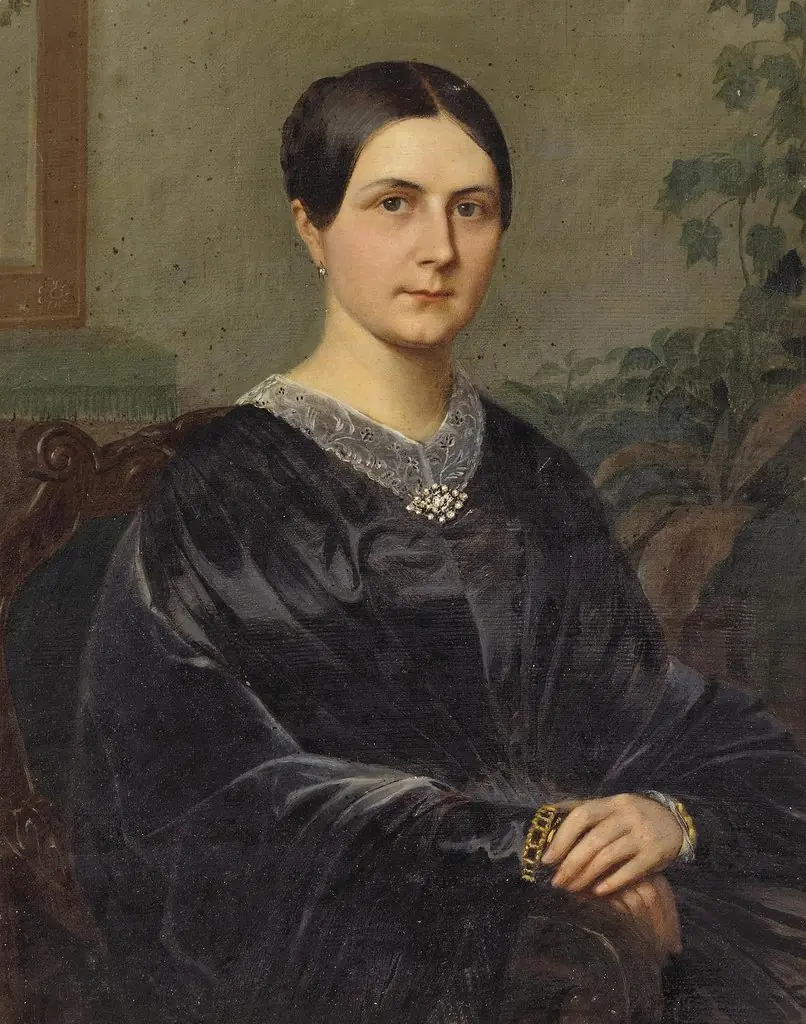
Johanna Christina Beelenkamp (1820-90). Wife of Cornelis Outshoorn
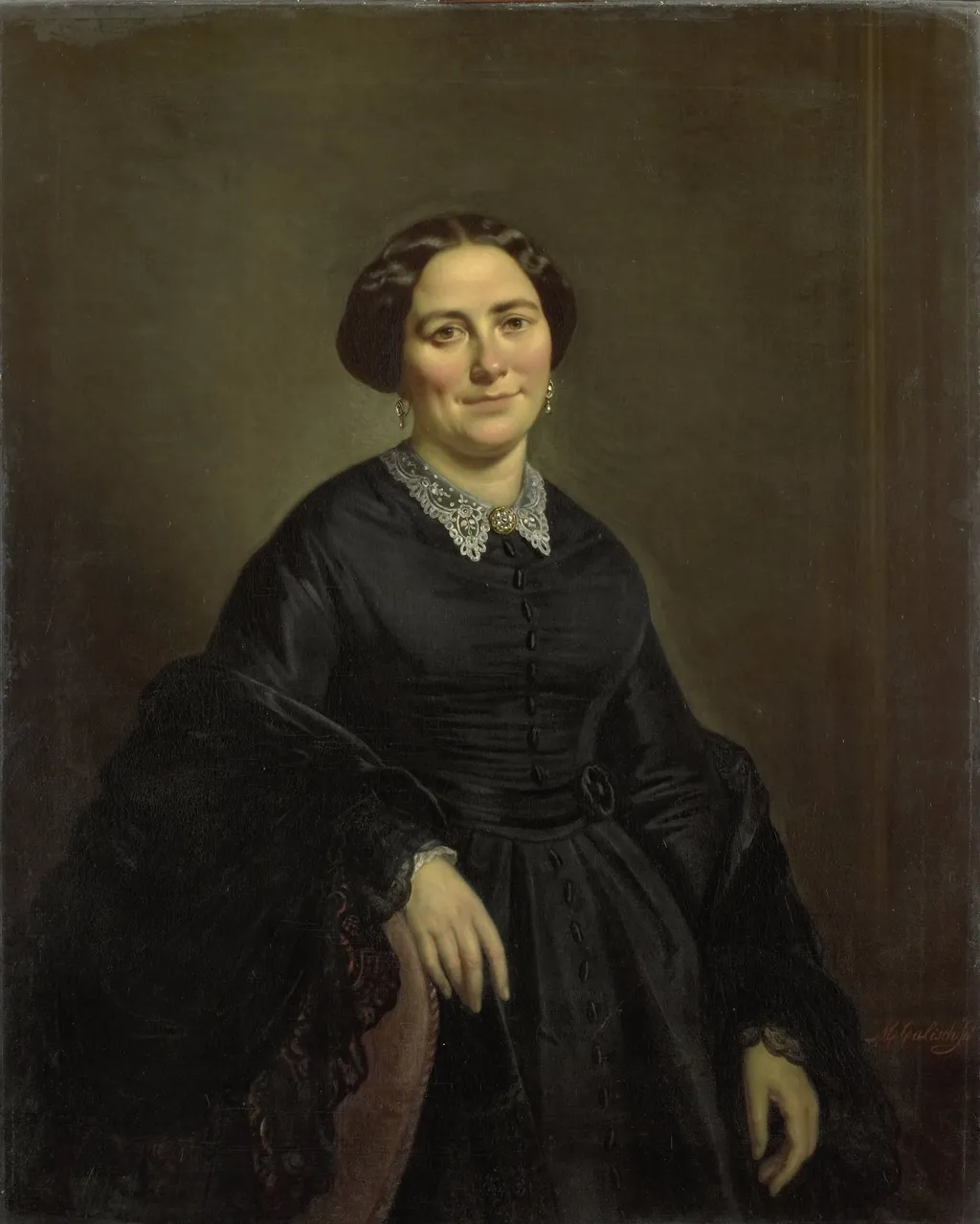
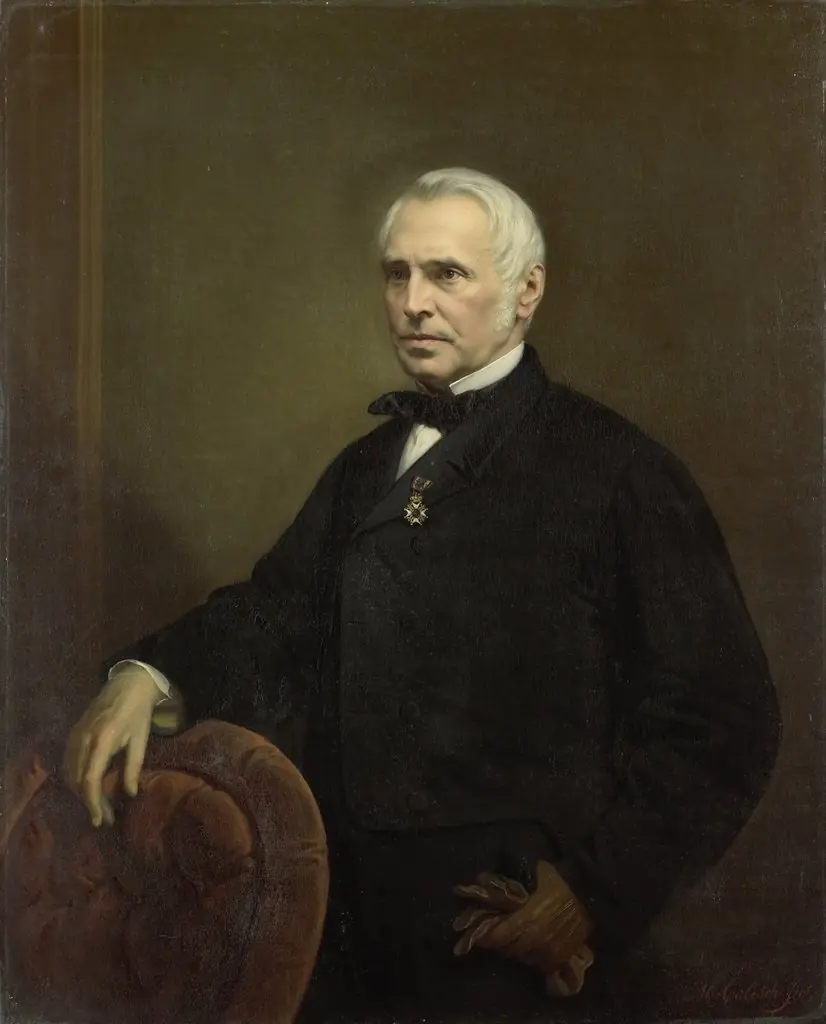
Johanna Christina Beelenkamp (1820-90). Wife of Cornelis Outshoorn is an unspecified painting by the Biedermeier artist Moritz Calisch. It dates from 1860 and is held in the collection of the Rijksmuseum. This painting is a portrait of Johanna Christina Beelenkamp, the wife of engineer Cornelis Outshoorn.
About this work
Subject & Meaning
As a portrait genre work, its primary meaning lies in the documentation and commemoration of Beelenkamp's identity and social standing during her lifetime.
The work depicts Johanna Christina Beelenkamp, the wife of Cornelis Outshoorn, presented within the conventions of a 19th-century portrait. Painted by Moritz Calisch between 1850 and 1870, the piece functions as a formal representation of a specific individual from the Amsterdam Jewish elite, a group frequently portrayed by the artist. As a portrait genre work, its primary meaning lies in the documentation and commemoration of Beelenkamp's identity and social standing during her lifetime. The painting serves as a visual record of her status as a member of a prominent family, reflecting the artist's specialization in capturing the likenesses of this community without additional mythological or allegorical symbolism described in the available records.
History & Provenance
The portrait of Johanna Christina Beelenkamp was painted by Moritz Calisch between 1850 and 1870, as recorded in the work’s metadata.
Calisch, a Dutch Jewish painter born in Amsterdam in 1819 and active until his death in 1870, specialized in portraits of prominent families, including the Jewish elite of the city. He was a member of the Arti et Amicitiae society and held leadership roles within it, reflecting his standing in the art community.
The painting remained in the possession of the Beelenkamp family, who commissioned the work, and was later documented in archival records as part of their domestic collection. It was never reported as part of a public museum collection or exhibition during Calisch’s lifetime.
The work is classified as a 19th-century portrait, reflecting the Romantic style and the artist’s focus on intimate domestic subjects within the Jewish bourgeoisie.
Context
The portrait of Johanna Christina Beelenkamp belongs to the body of work by Moritz Calisch, a 19th-century Amsterdam painter active during the Romantic period. Calisch trained at the Royal Academy of Amsterdam under Jan Adam Kruseman, and became a member, later vice-chairman, of the artists' society Arti et Amicitiae. He is documented in standard Dutch art-historical reference works, including W. Steenhoff's entry in Thieme-Becker's Allgemeines Lexikon der Bildenden Künstler, the Biografisch portaal van Nederland, and Pieter A. Scheen's Lexicon Nederlandse Beeldende Kunstenaars 1750-1950, as well as in the Nieuw Nederlandsch Biografisch Woordenboek. Although Calisch's greatest public successes were historical compositions such as King Francis I at the Deathbed of Leonardo da Vinci and The Death of Demosthenes, he was equally known for portraits of the Jewish elite of Amsterdam, a milieu to which the sitter Beelenkamp belonged. The portrait thus sits within the artist's established portrait practice rather than his prize-winning historical genre work, and no specific critical commentary on this particular painting is recorded in the available sources.
Legacy
Calisch's work attracted attention through exhibitions at major Dutch art societies, including a double silver medal from the Rotterdam Drawing Society in 1834 and participation in the 1841 Haagsche Tentoonstellingen, where his historical paintings were noted. His portraits of Amsterdam's Jewish elite and romantic historical genre scenes contributed to 19th-century Dutch portraiture, though his legacy is primarily documented through institutional records and later biographical references rather than sustained public reputation. The monument erected in his name by friends underscores early recognition of his cultural role, while his works remain held in collections referenced by Dutch art databases.
Own this work as a print
Artist & collection
Artist
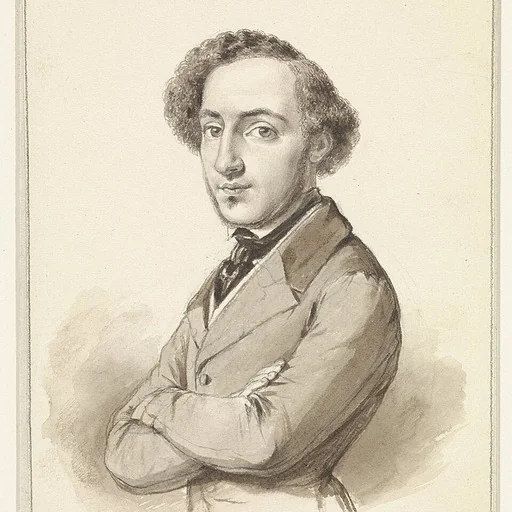
Moritz Calisch (12 April 1819, Amsterdam – 13 March 1870, Amsterdam), was a 19th-century painter from the Northern Netherlands.

 Portrait of a woman in a cap
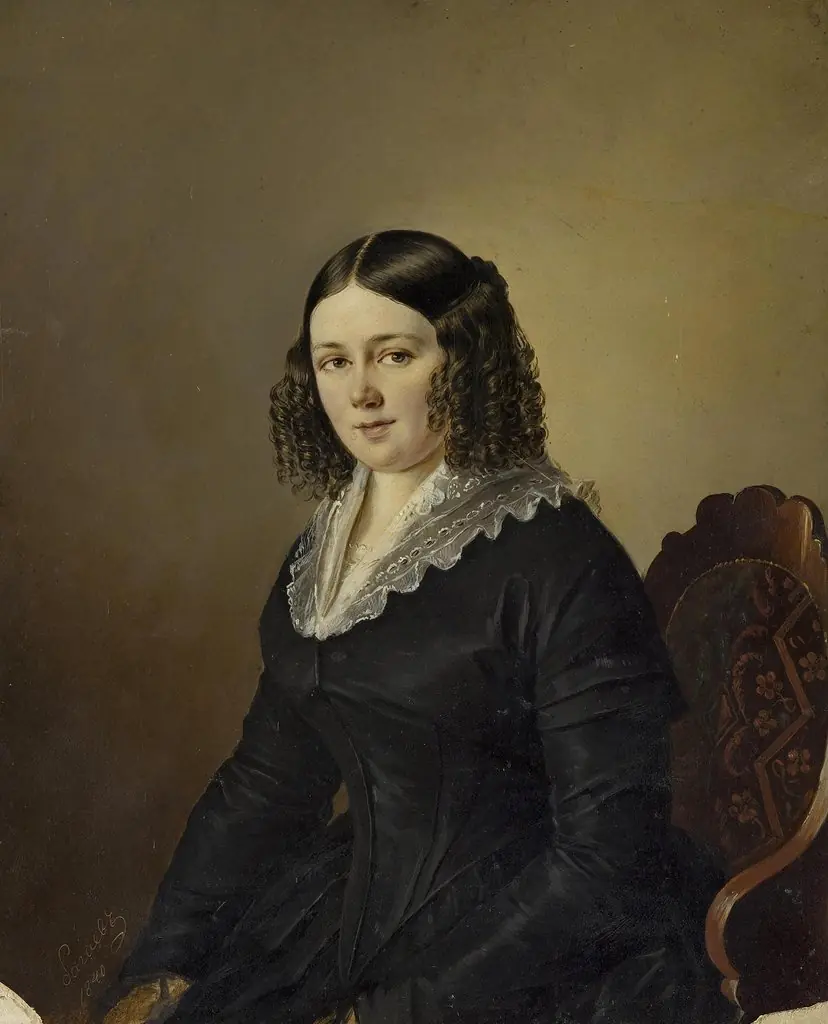 Portrait of A.I. Kolychiova
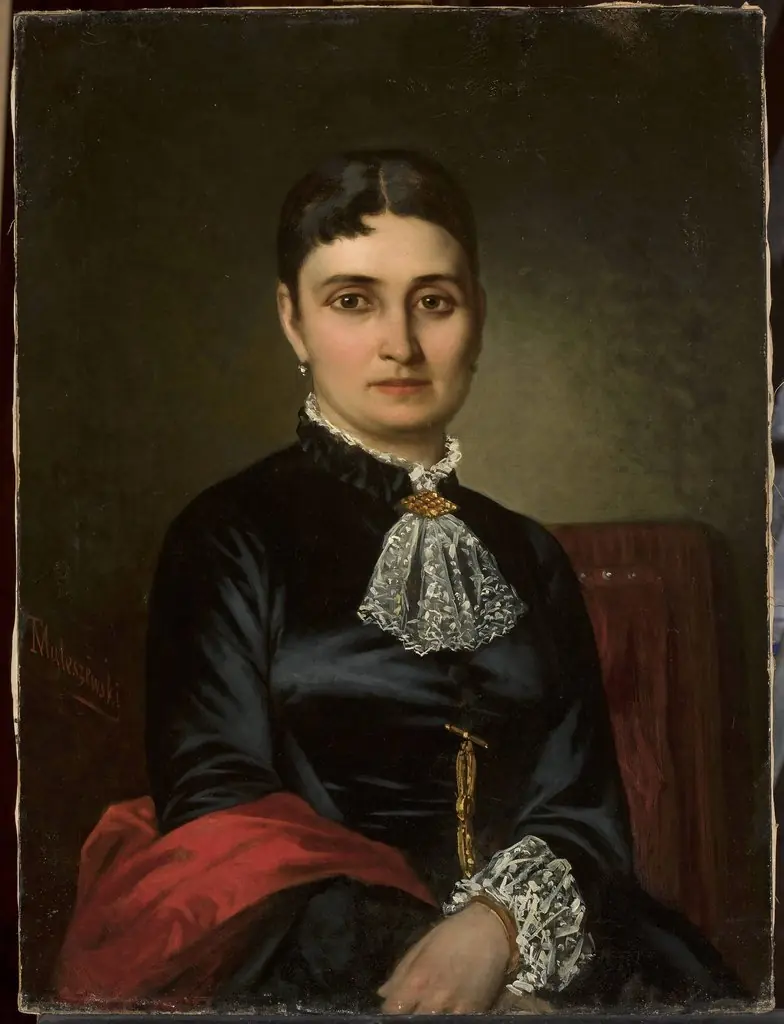 Portrait of Apolonia Anaszkowska
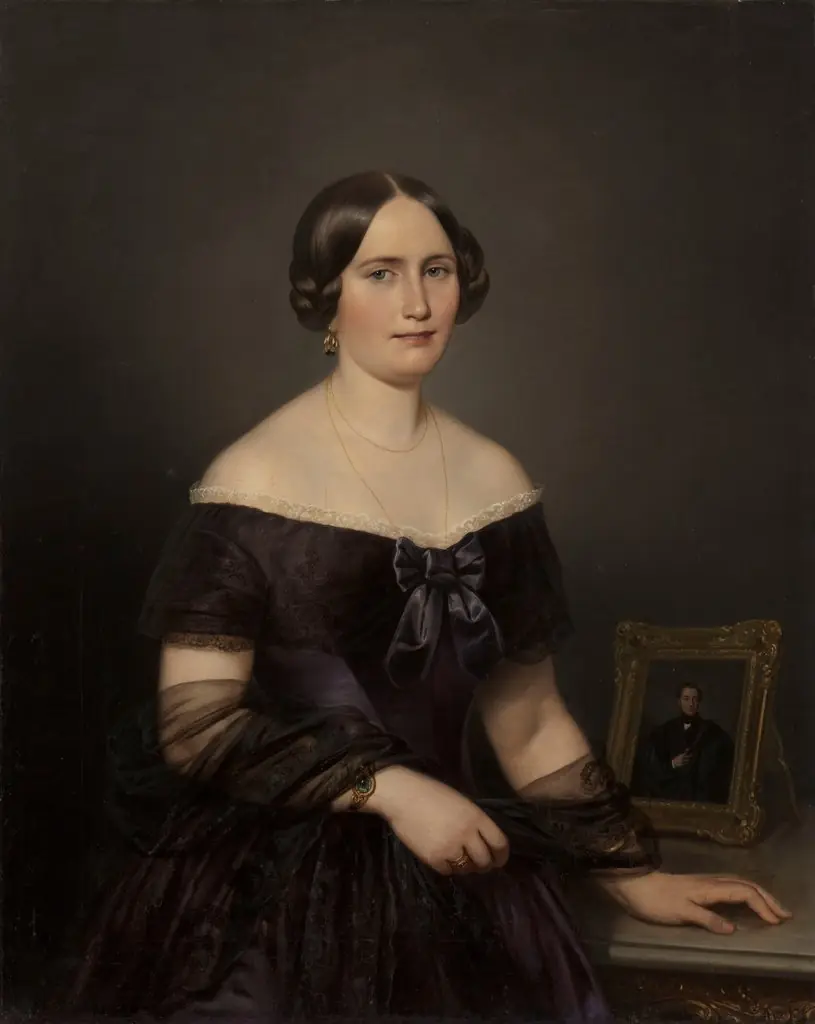 Ksenia Cavos
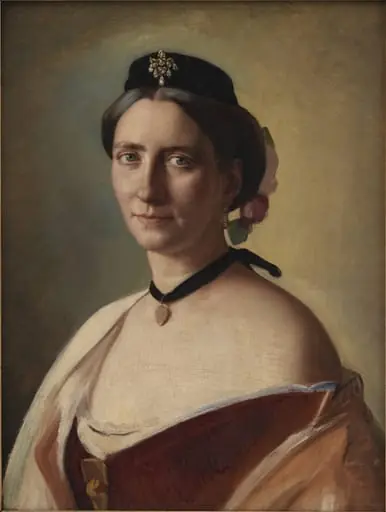 The Artist's Wife, Alma Bloch, née Trepka
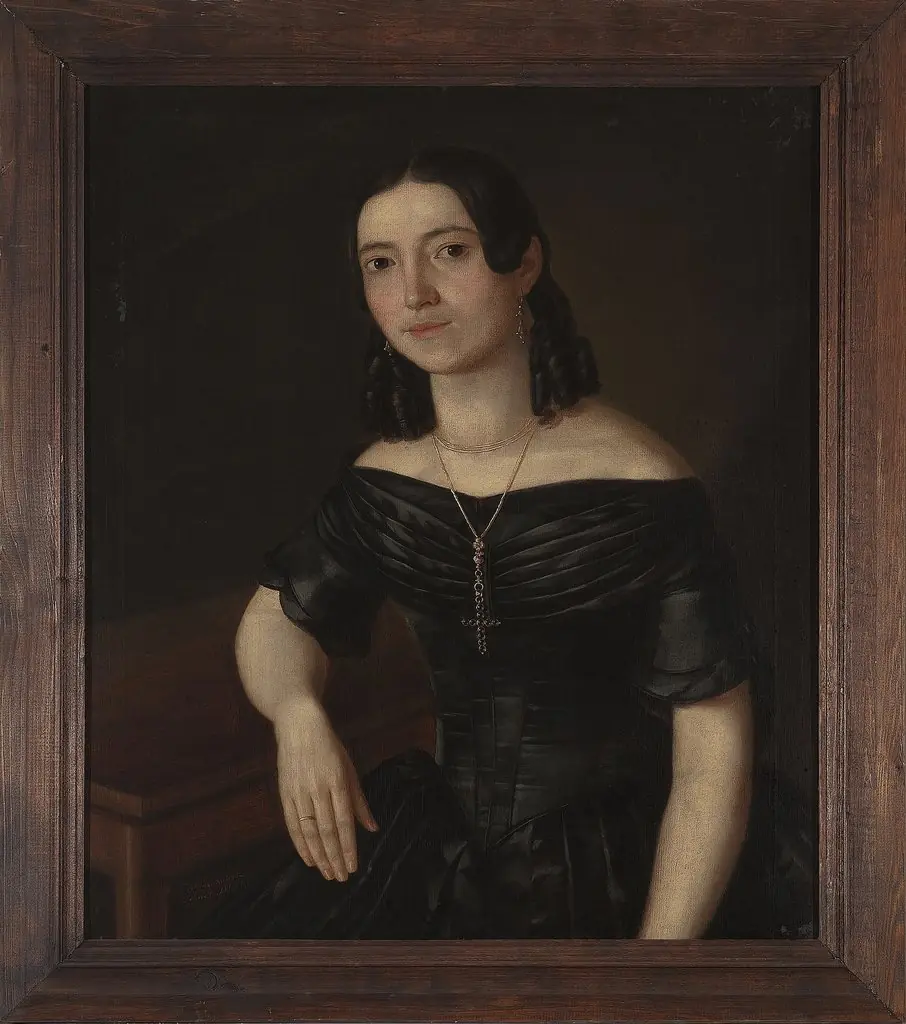 Portrait of a young woman
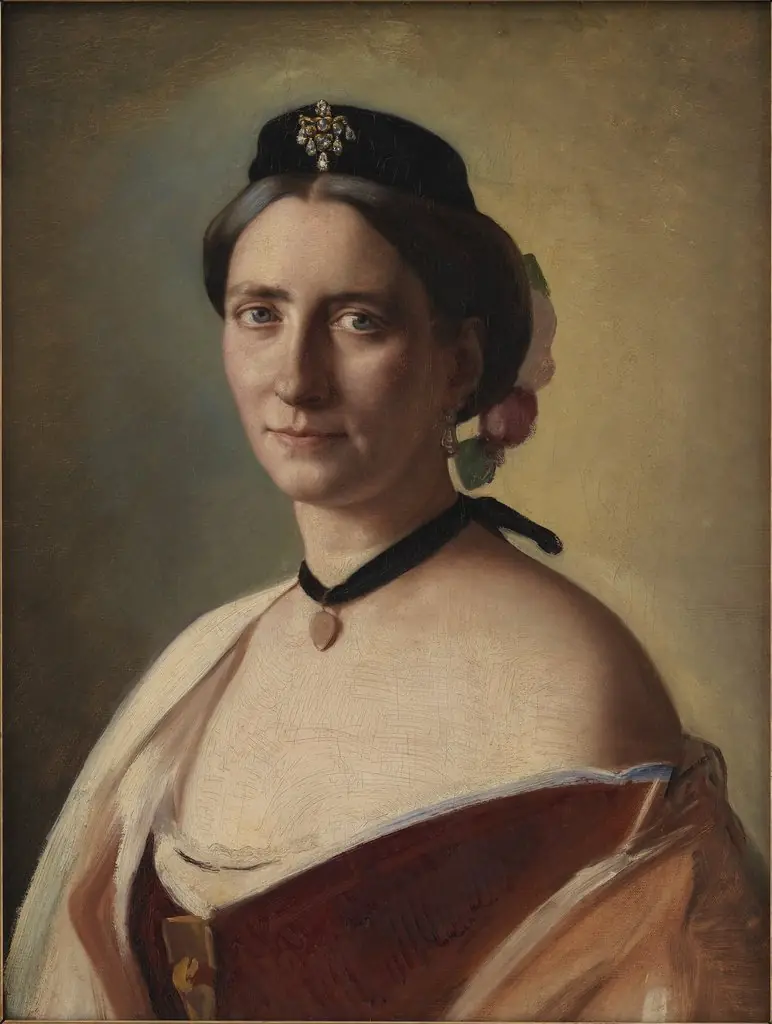 The Artist's Wife, Alma Bloch, née Trepka
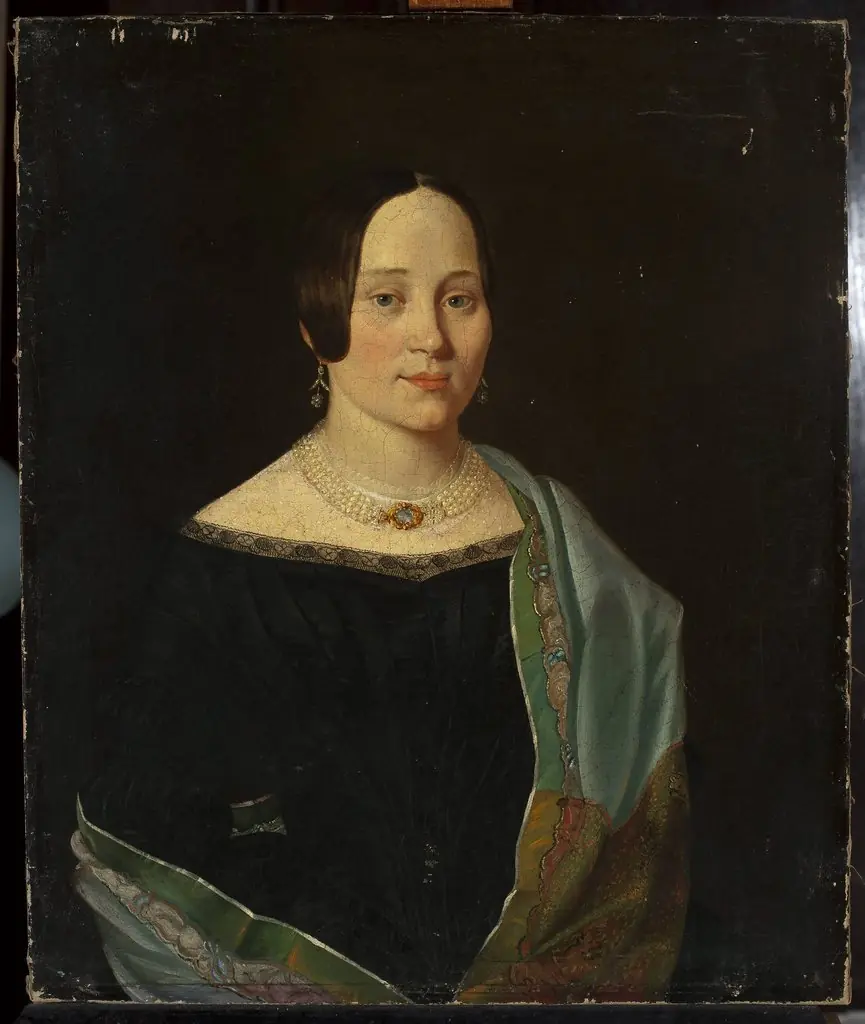 Portrait of Eufemia Wiśniewska née Borman
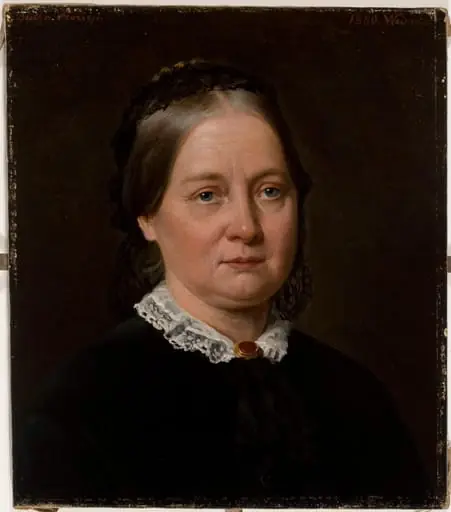 Victoria Åbergin muotokuva
 Portrait of Elizaveta Nikolaevna Odintsova
 Portrait of an Unknown Woman