Artwork
Eliphalet Terry
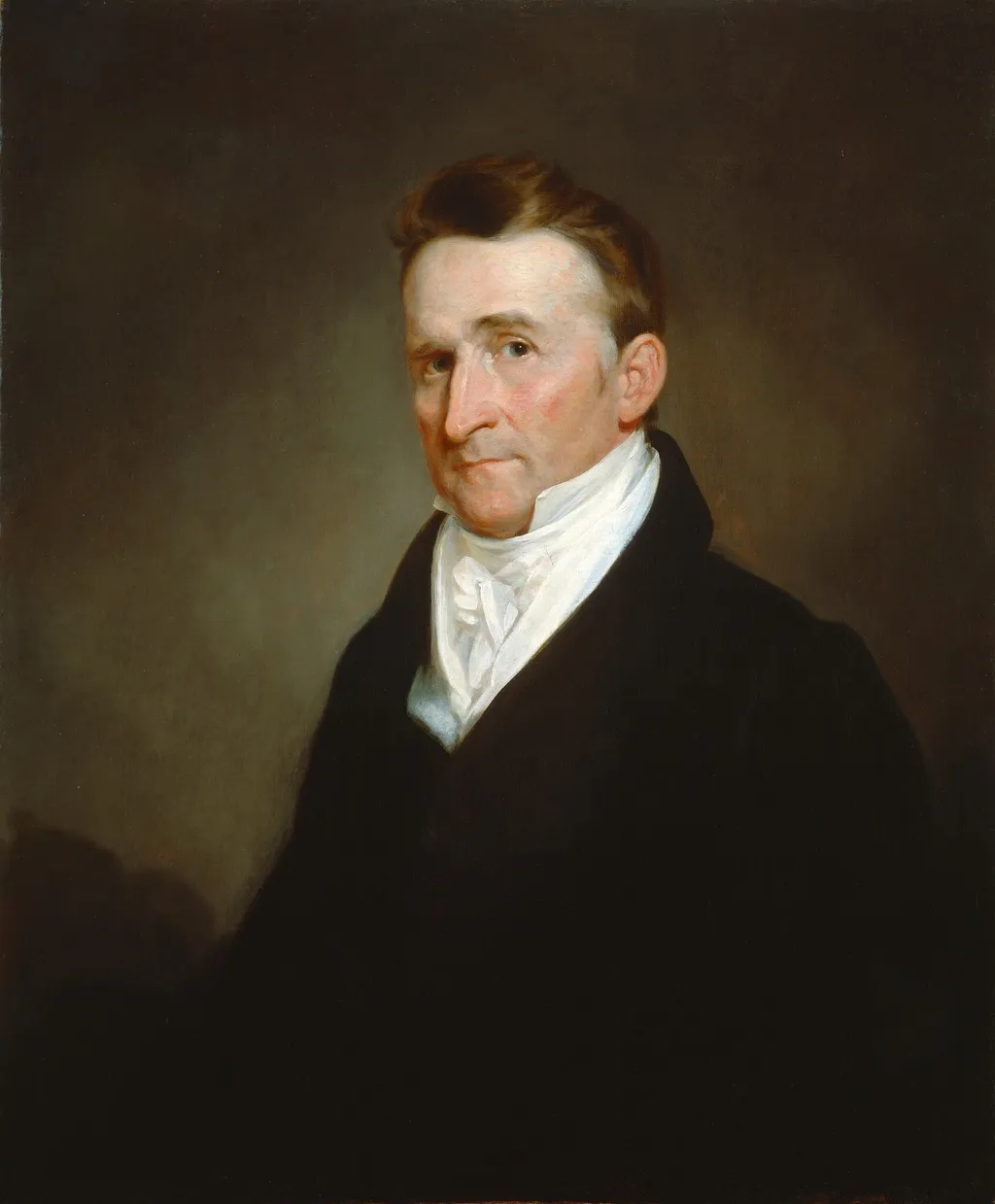
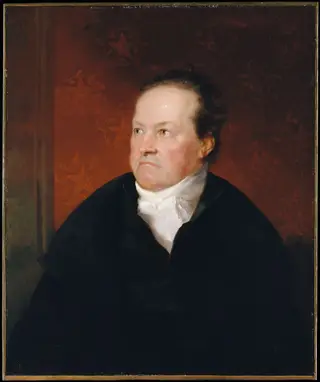
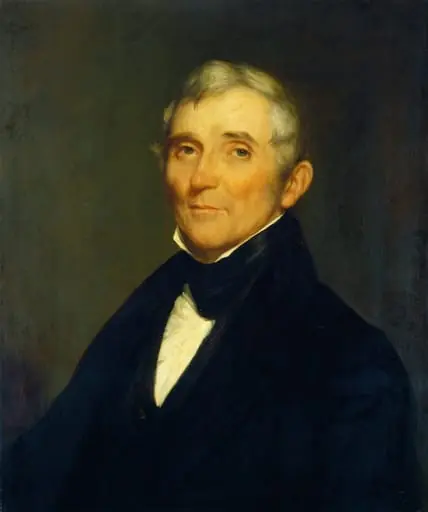
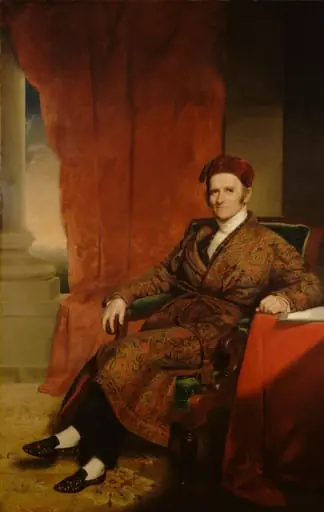
Eliphalet Terry is an oil painting by the American Folk Art artist Samuel Finley Breese Morse. It dates from 1824 and is held in the collection of the National Gallery of Art. Samuel F.
About this work
History & Provenance
William Allen Butler (née Louise Terry Collins), and subsequently to her son, Dr.
The portrait of Eliphalet Terry by Samuel F. B. Morse dates to 1824 and was painted in oil on canvas. It descended through the sitter's family: first to his daughter, Mrs. Charles Collins (née Mary Hall Terry), then to her daughter, Mrs. William Allen Butler (née Louise Terry Collins), and subsequently to her son, Dr. Charles Terry Butler of Chappaqua, New York. In 1981, Dr. Butler gifted the painting to the National Gallery of Art, Washington, D.C., where it remains in the collection under accession number 1981.1.1.
The painting has remained in the Gallery's holdings since its acquisition and has not been documented in any subsequent exhibitions in the available provenance record.
Legacy
Eliphalet Terry, painted by Samuel F. B. Morse in 1824, remained in the sitter's family for over a century before being donated to the National Gallery of Art in 1981. The work's inclusion in the Gallery's collection highlights its interest as one of Morse's early portrait commissions, predating his later fame as the inventor of the telegraph. It serves as a reference point for studies of 19th-century American portraiture and of the evolution of Morse's artistic career.
Overview
Samuel F. B. Morse created this oil on canvas portrait, titled Eliphalet Terry, around 1824. The painting captures its namesake, Eliphalet Terry, seated in a chair. Morse's approach emphasizes a detailed and realistic rendering of the subject, presenting him in a formal and composed manner. The work serves as a direct representation of an individual from the period.
Subject & Meaning
Eliphalet Terry is depicted in period attire, seated with a serious demeanor that lends gravity to his portrayal. The artist focused on capturing the specific characteristics of Terry's face and clothing, aiming for a faithful likeness. This direct presentation of the sitter suggests an interest in individual identity and presence within the early 19th-century portrait tradition.
Technique & Style
Morse utilized oil paints to achieve a sense of realism, meticulously detailing Terry's facial features and the fabric of his garments. The composition employs a restrained color palette, which contributes to the painting's calm and dignified mood. The subtle interplay of light and shadow, particularly in defining the figure, aligns with methods such as chiaroscuro, enhancing the three-dimensional quality of the subject.
Own this work as a print
Artist & collection

Artist
Samuel Finley Breese Morse (April 27, 1791 – April 2, 1872) was an American inventor and painter.