Artwork
Cosimo I de' Medici
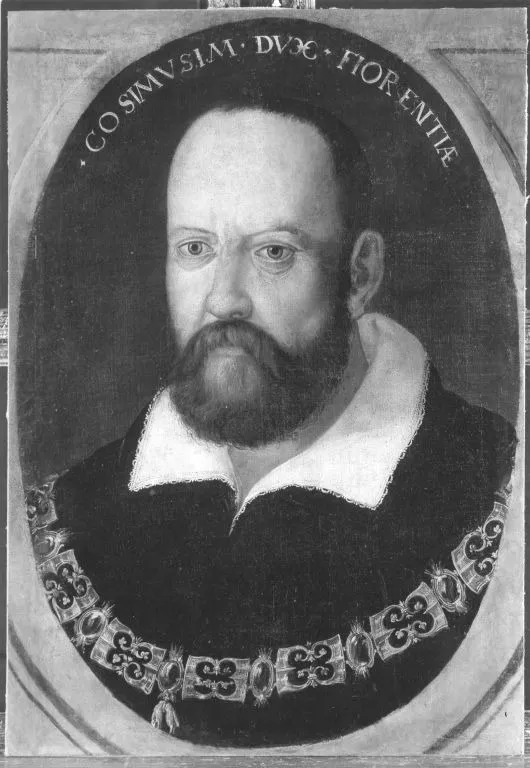
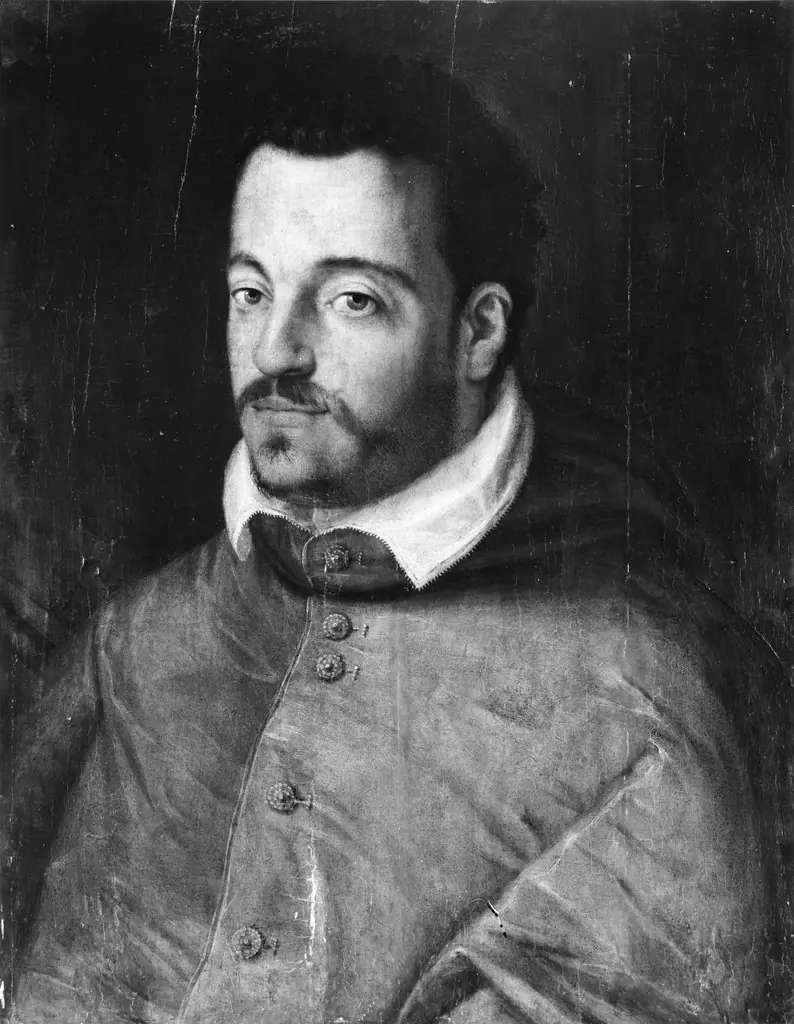
Cosimo I de' Medici is an unspecified painting by the Early Baroque Italian artist Niccolò di Pietro Gerini. It is held in the collection of the Bavarian State Painting Collections. The portrait, attributed to Niccolà di Pietro Gerini, presents Cosimo I de’ Medici, Grand Duke of Tuscany, in a monochrome format.
About this work
Subject & Meaning
Created in 1650 by Niccolò di Pietro Gerini, the painting serves as a formal representation of the ruler, focusing entirely on his likeness as the main subject.
The work is a portrait depicting Cosimo I de' Medici, identified specifically as the Grand Duke of Tuscany. Created in 1650 by Niccolò di Pietro Gerini, the painting serves as a formal representation of the ruler, focusing entirely on his likeness as the main subject. While the image functions as a straightforward depiction of the historical figure, the sources do not provide details regarding specific symbolic attributes, iconographic elements, or deeper allegorical meanings associated with the composition.
History & Provenance
The portrait is held by the Bavarian State Painting Collections in Munich, where it is housed in the Alte Pinakothek.
It is inventoried as “Cosimo I de’ Medici,” accessioned under the Alte Pinakothek’s collection records with the dimensions 62.5 cm (height) by 43.6 cm (width).
The painting was created circa 1650 and has not been recorded as part of any loaned exhibitions in the sources consulted.
Overview
The portrait, attributed to Niccolà di Pietro Gerini, presents Cosimo I de’ Medici, Grand Duke of Tuscany, in a monochrome format. Executed around the mid‑17th century, the work is part of the collection of the Alte Pinakothek in Munich. Its composition follows a formal, frontal arrangement that emphasizes the sitter's status.
Technique & Style
The painting employs a restrained palette of blacks and whites, relying on fine linear detailing to render the coat’s trim and the border surrounding the figure. Gerini’s approach reflects a late Gothic sensibility, with a stiff, dramatic pose and a clear, compartmentalised composition typical of his oeuvre.
Context
Although Gerini was active primarily in the late 14th and early 15th centuries, the portrait’s dating suggests it may be a later copy or workshop piece that adopts his stylistic conventions. It aligns with the broader tradition of Medici portraiture intended to reinforce dynastic prestige.
Artist & collection

Artist
Niccolò di Pietro Gerini (c. 1340 – 1414) was an Italian painter of the late Gothic period, active mainly in his native Florence although he also carried out commissions in Pisa and Prato. He was not an innovative…

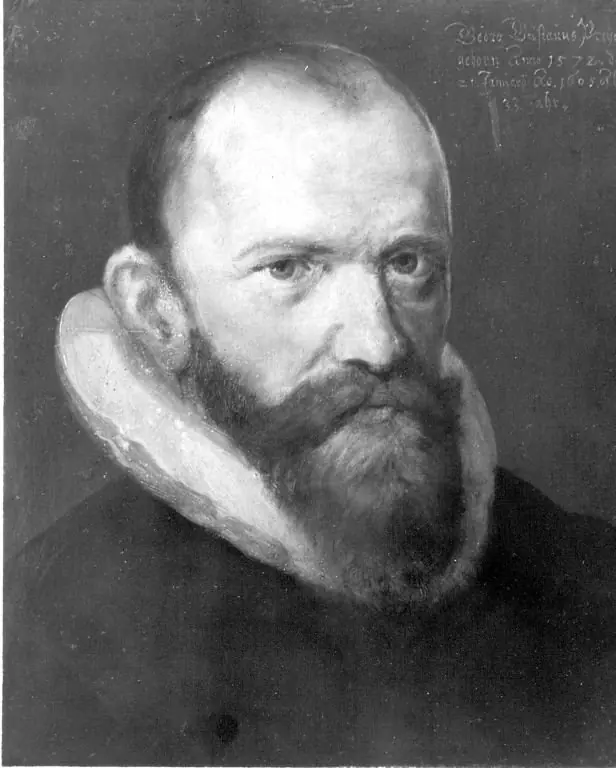 Bildnis des Georg Gustav Preyel
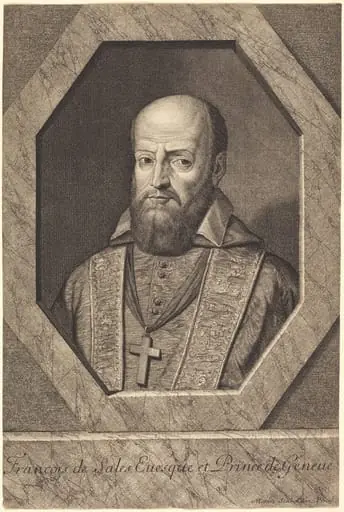 Saint Francois de Sales
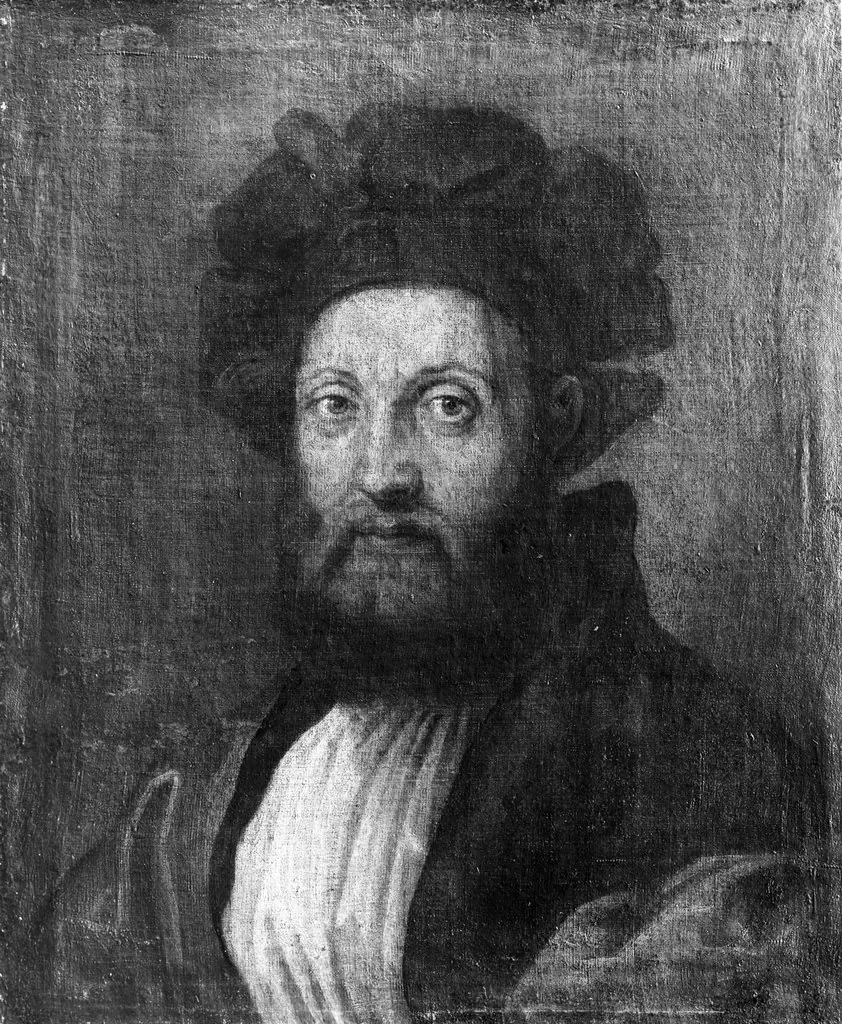 Portrait of Count Baldassare Castiglione
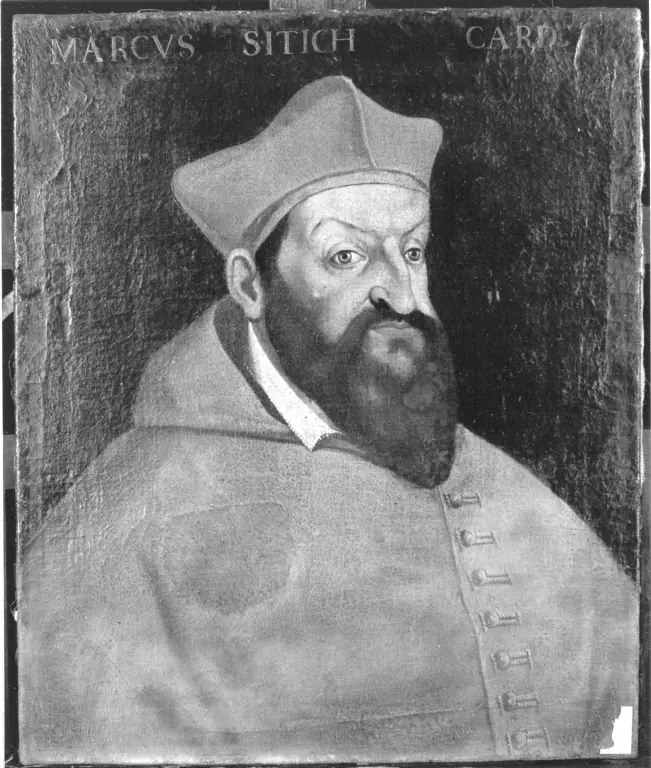 Bildnis des Kardinals Markus Sittich
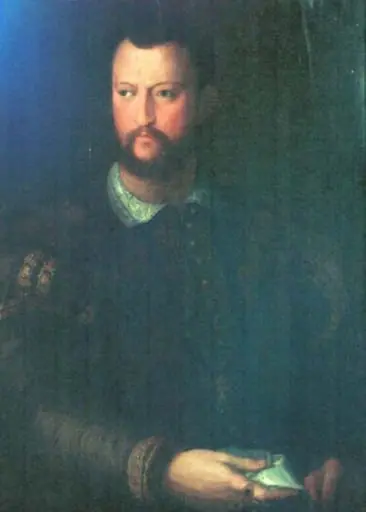
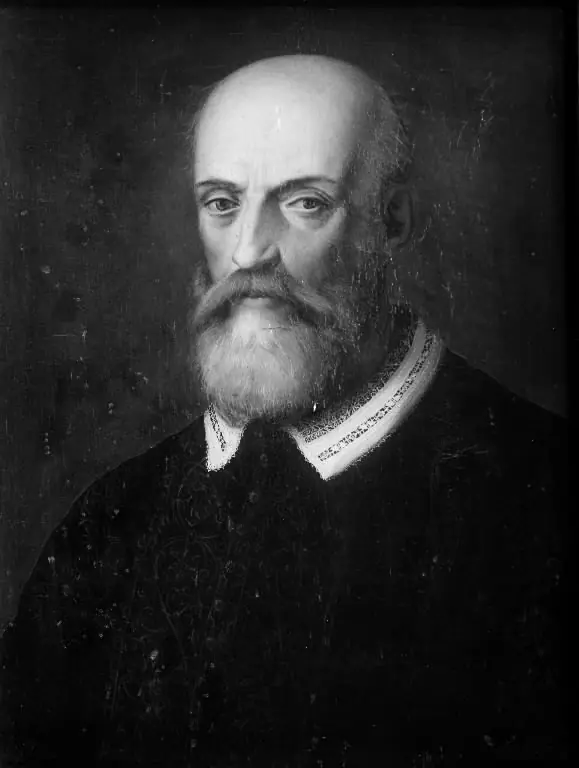 Portrait of a Man, presumably a member of the Medici Family
 Portrait of a Man, presumably a member of the Medici Family
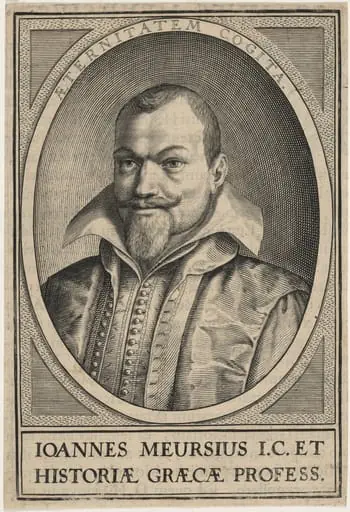 Joannes van Meurs, Dutch Classical Scholar
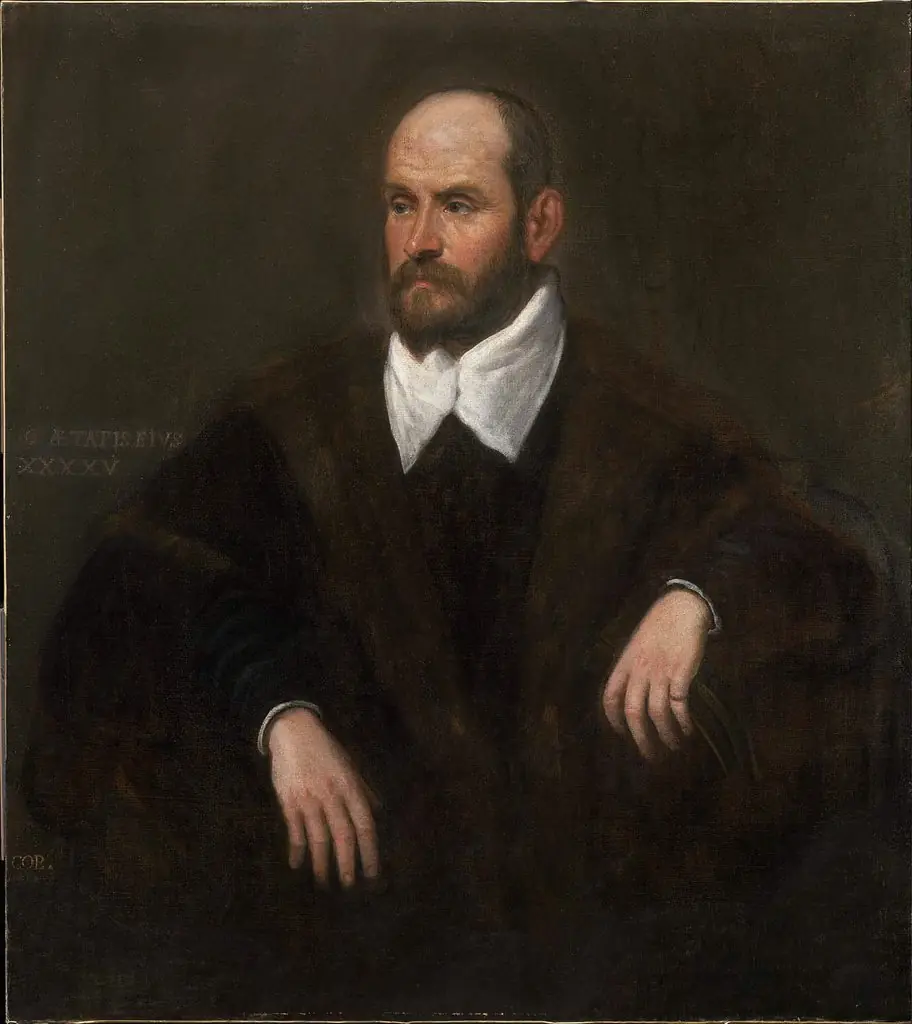 Portrait of a Man
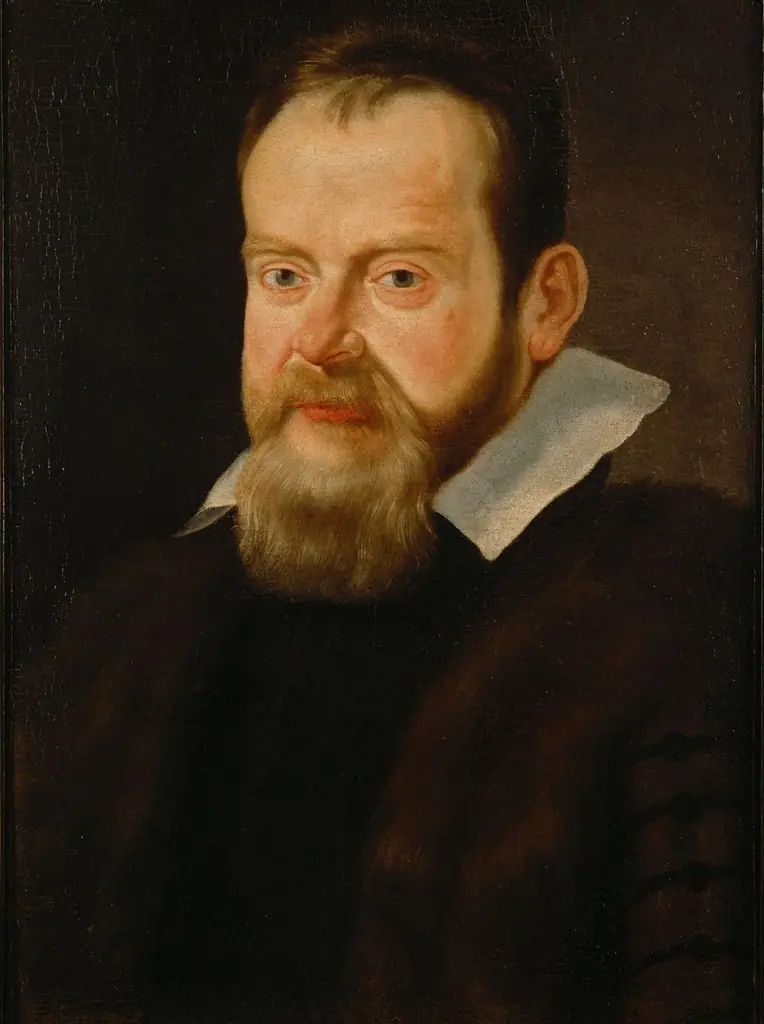 Galileo Galilei (1564-1642) in pelzverbrämtem Mantel, Brustbild
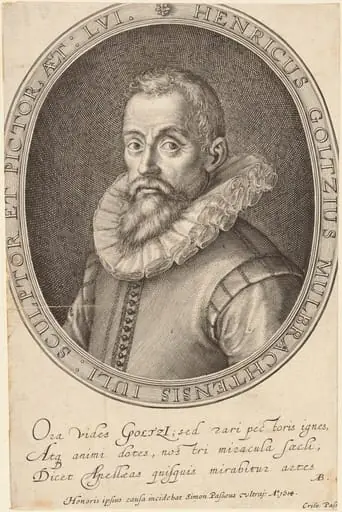 Hendrik Goltzius
 Cardinal Ferdinand de' Medici (1549-1609)
- Cosimo di Medici