Artwork
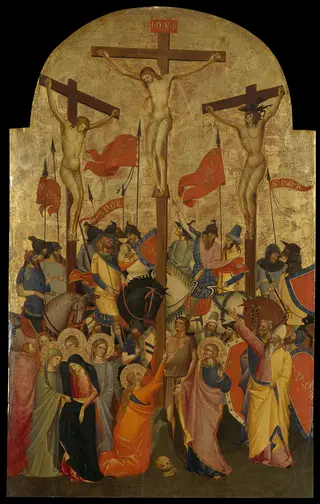
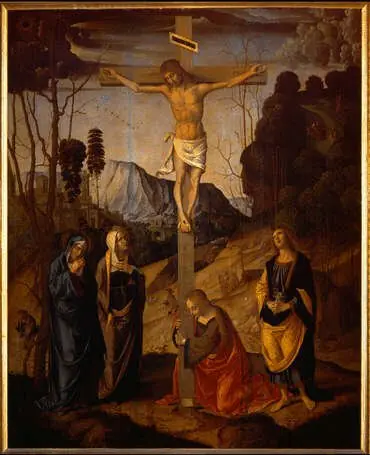
Christus aan het kruis
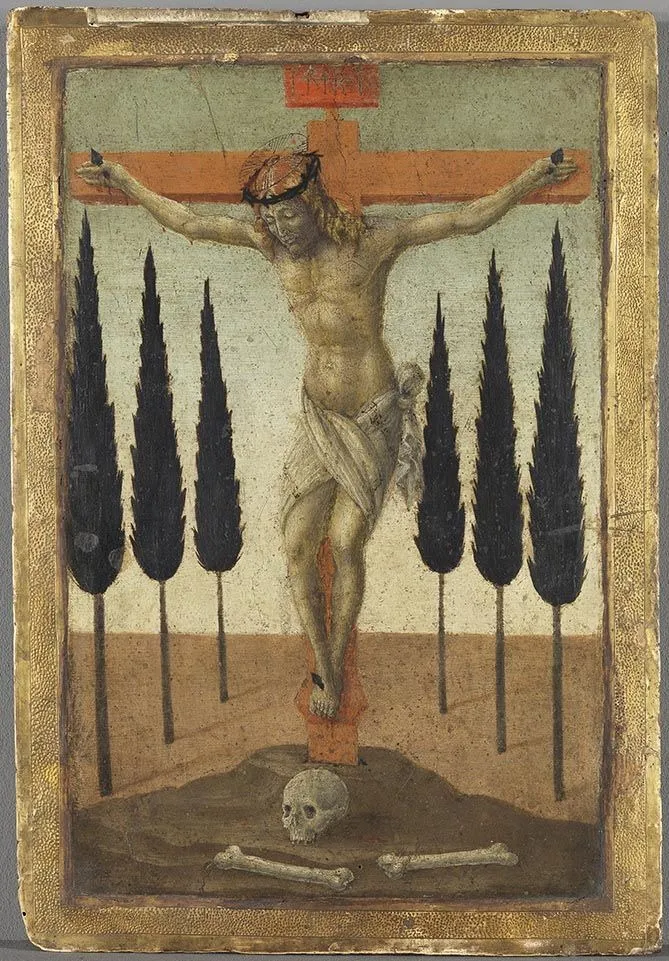
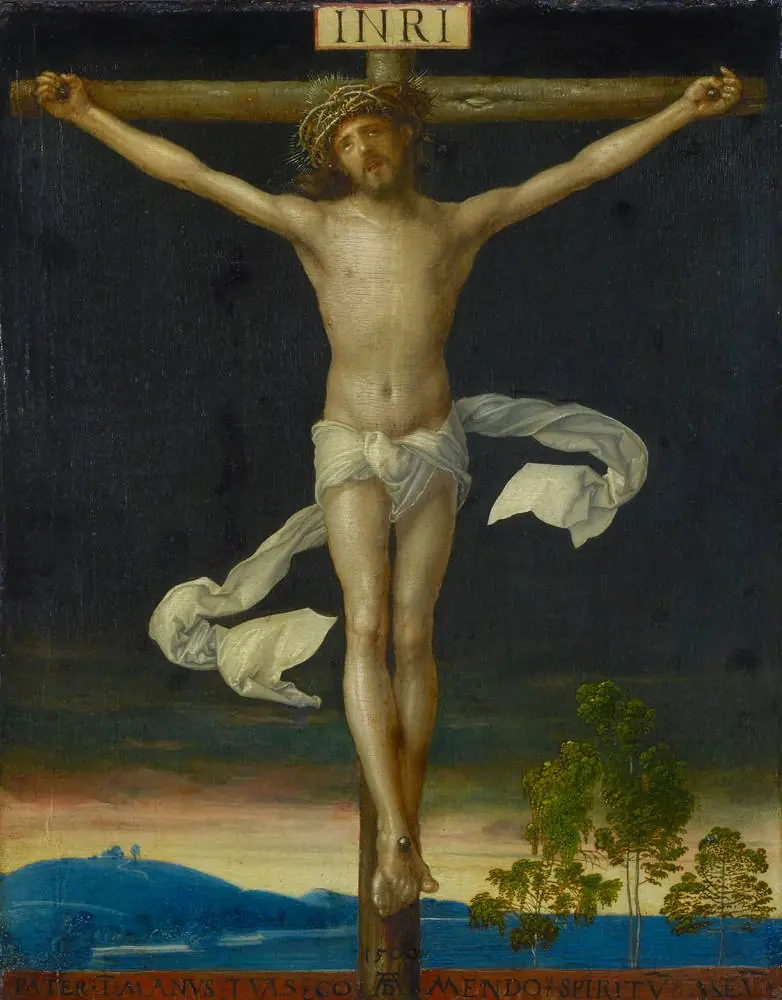
Christus aan het kruis is an oil painting by the Early Renaissance artist Niccolò di Pietro Gerini. It is held in the collection of the Bavarian State Painting Collections.
About this work
Subject & Meaning
The composition functions as a devotional object, illustrating the pivotal moment of the Passion narrative where Christ is nailed to the cross.
The work depicts the crucifixion of Jesus Christ, serving as a central subject of religious art. Created by Niccolò di Pietro Gerini in 1490, the painting presents the main subject of Christ on the cross. As a religious genre piece, the imagery focuses entirely on the figure of Jesus Christ during his execution.
The composition functions as a devotional object, illustrating the pivotal moment of the Passion narrative where Christ is nailed to the cross.
Technique & Style
Executed in 1490, this religious painting by Niccolò di Pietro Gerini depicts the crucifixion of Jesus Christ. The work is realized using oil paint applied to a poplar panel support. Physically, the artwork measures 42.3 cm in height and 29 cm in width.
It is currently held within the collection of the Bavarian State Painting Collections, located at the Alte Pinakothek.
History & Provenance
The painting was created in 1490 by Niccolò di Pietro Gerini for the Bavarian State Painting Collections, which continues to hold it at the Alte Pinakothek in Munich. It is executed in oil on poplar panel and depicts the crucifixion of Jesus Christ.
Overview
Christus aan het kruis is a 1496 oil painting by Niccolò di Pietro Gerini, an Italian late Gothic artist. The work is part of the early Renaissance and is now in the Alte Pinakothek collection.
Context
As an early Renaissance work, Christus aan het kruis reflects the transitional stylistic elements from the Gothic to the Renaissance periods, with attention to detail and emotional depth characteristic of this era.
Legacy
While specific influences or subsequent artistic impacts are not highlighted in available information, the painting's presence in a major museum suggests its contribution to the broader narrative of European religious art.
Artist & collection

Artist
Niccolò di Pietro Gerini (c. 1340 – 1414) was an Italian painter of the late Gothic period, active mainly in his native Florence although he also carried out commissions in Pisa and Prato. He was not an innovative…

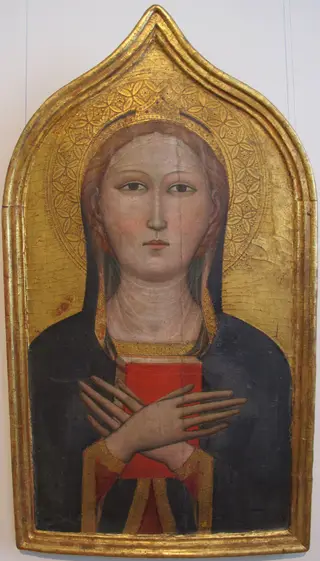
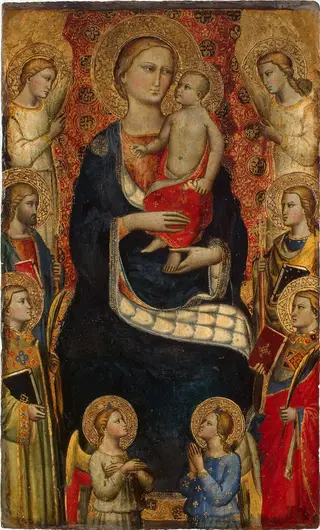
- The Crucifixion
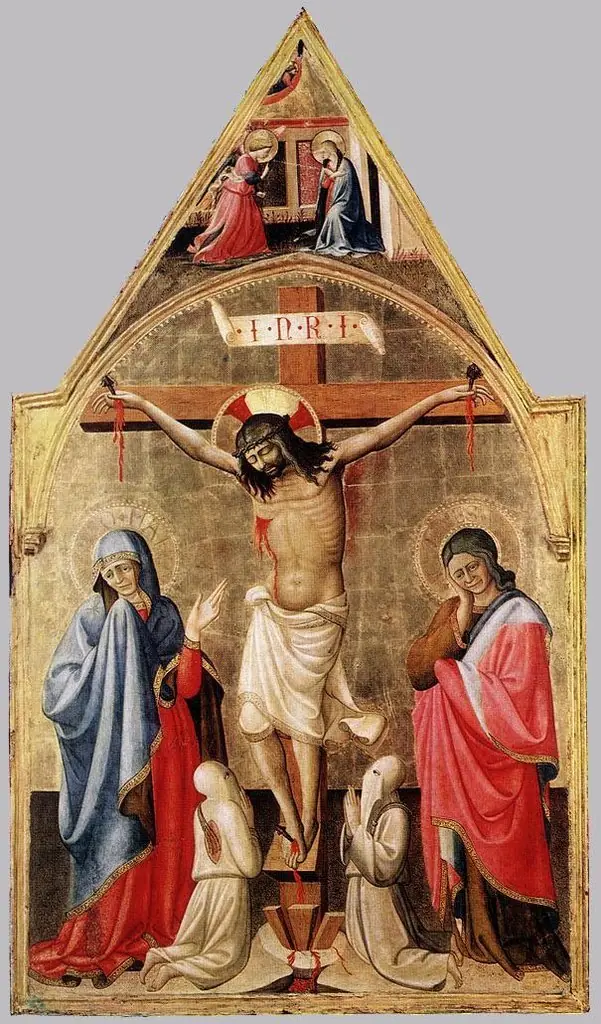 Crucifixion with Mary and St John the Evangelist
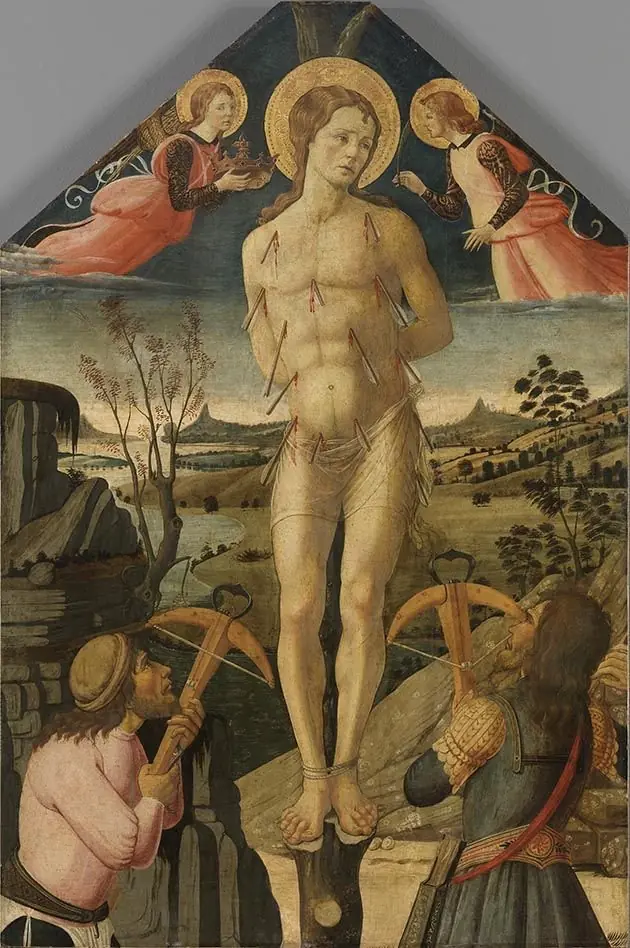 The martyrdom of Saint Sebastian
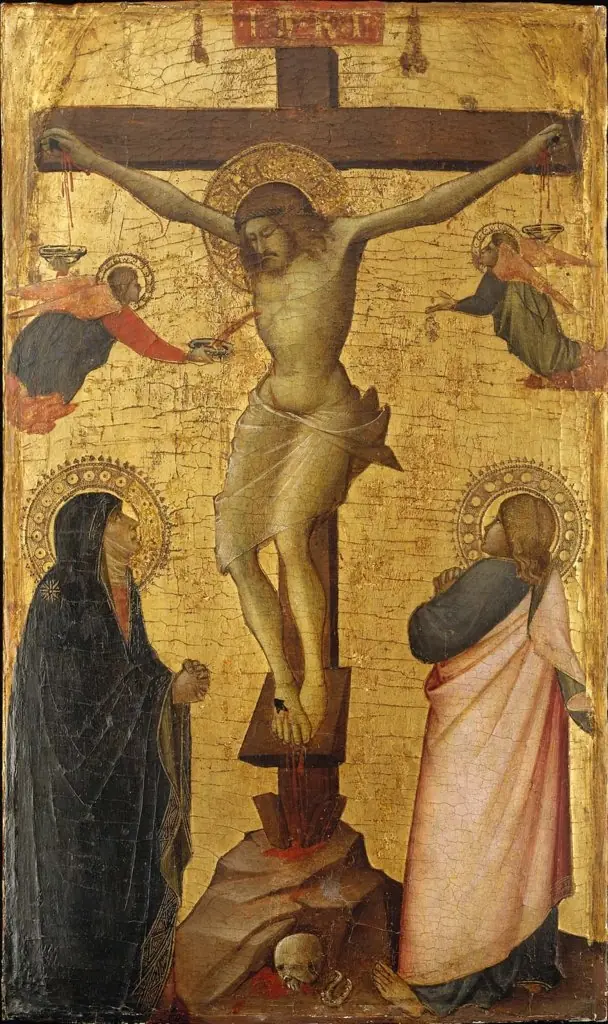 The Crucifixion with the Virgin and Saint John
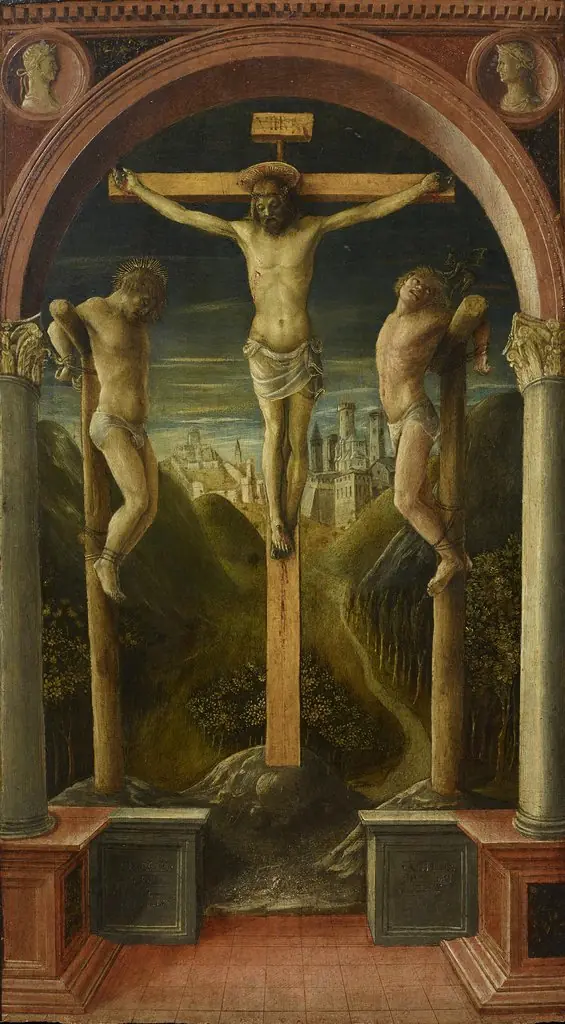 Crucifixion
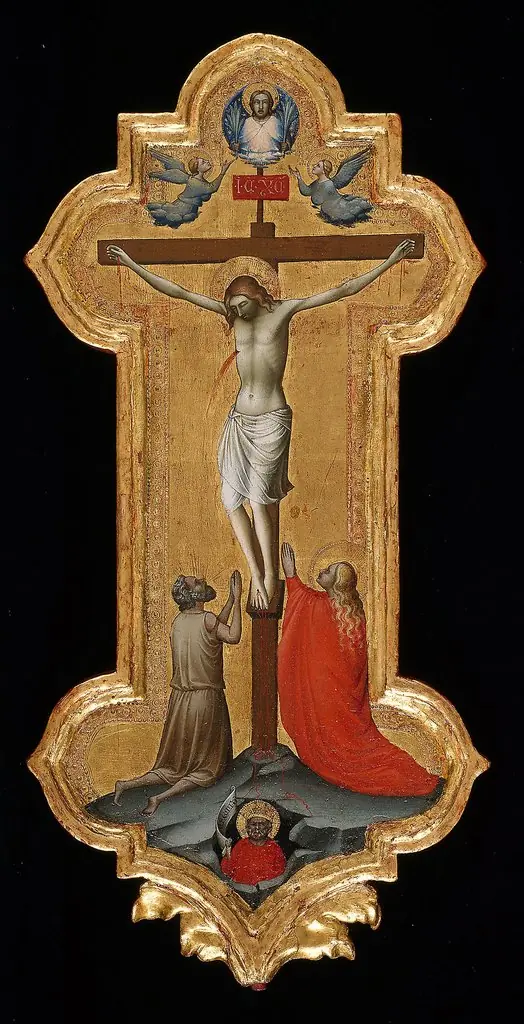 Processional Cross
 Crucifixion
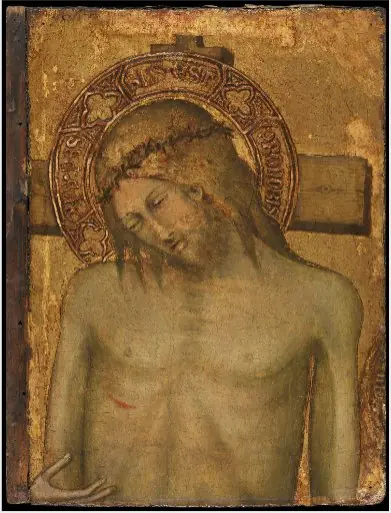 Christ on the Cross, (fragment)
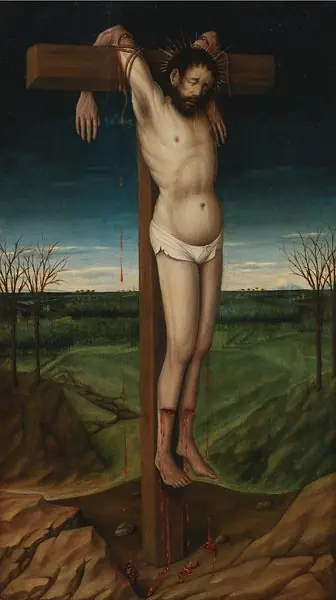 The Good Thief (Saint Dismas)
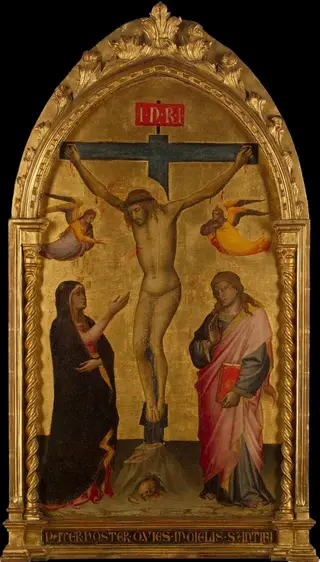 Crucifixion with the Virgin and St John
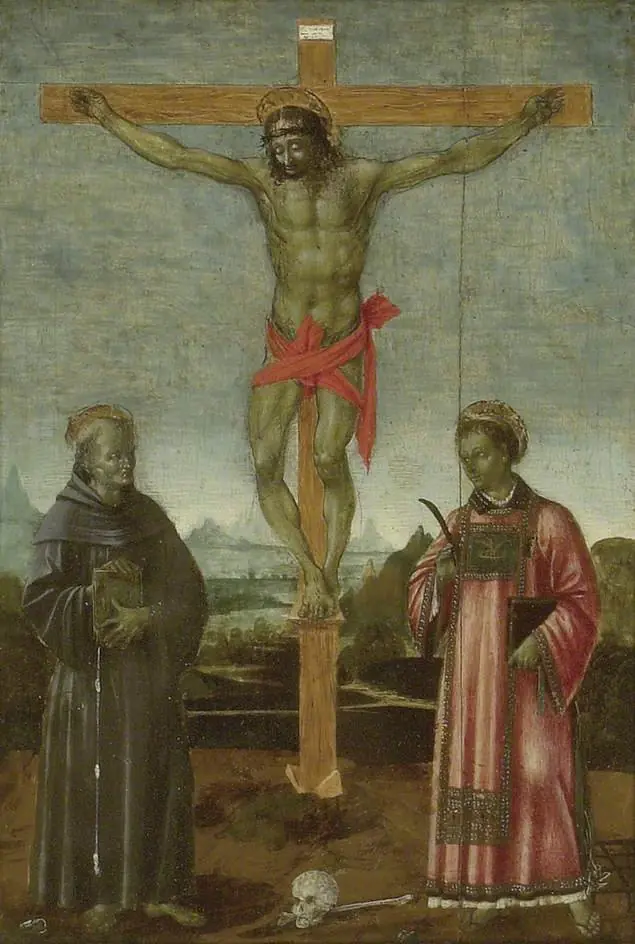 The Crucifixion with Sts Bernardino of Siena and Lawrence
 Crucifixion