Artwork
The Crucifixion
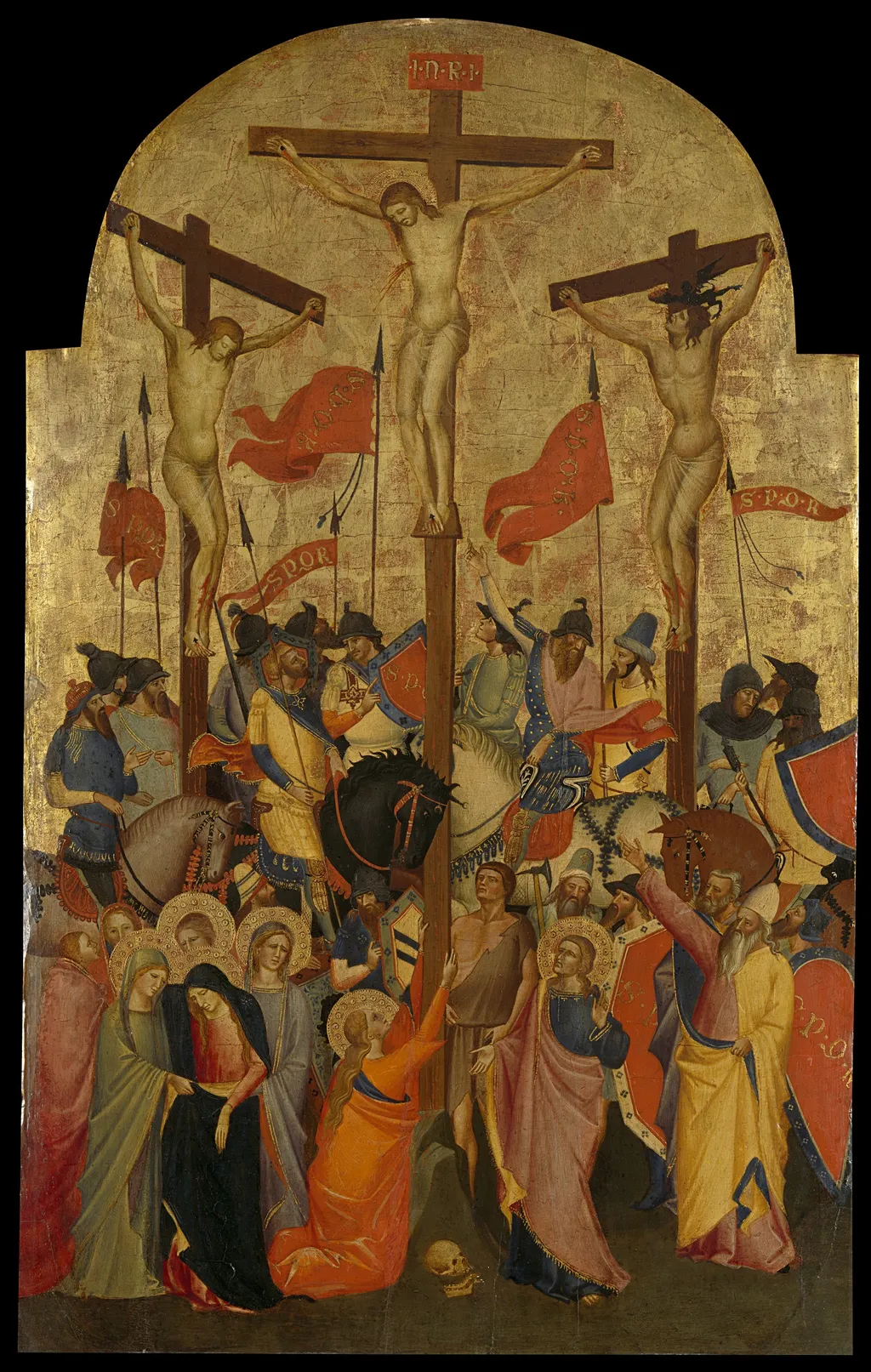
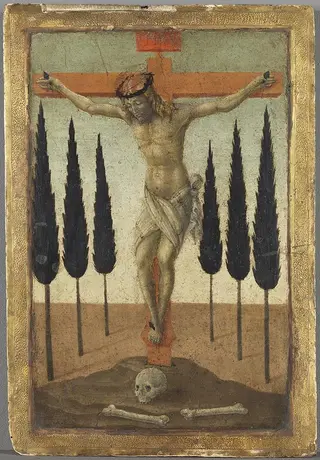
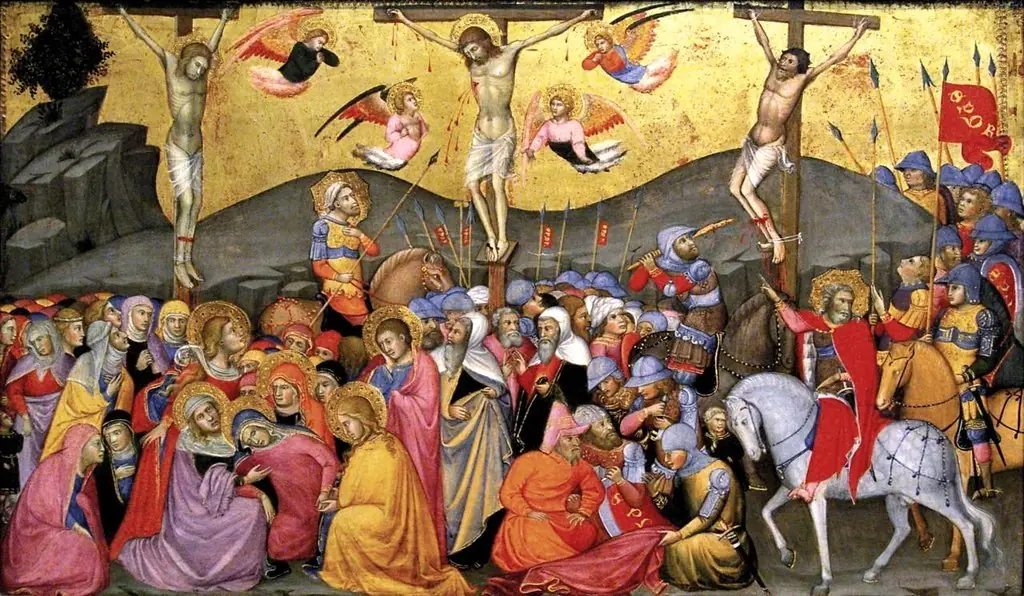
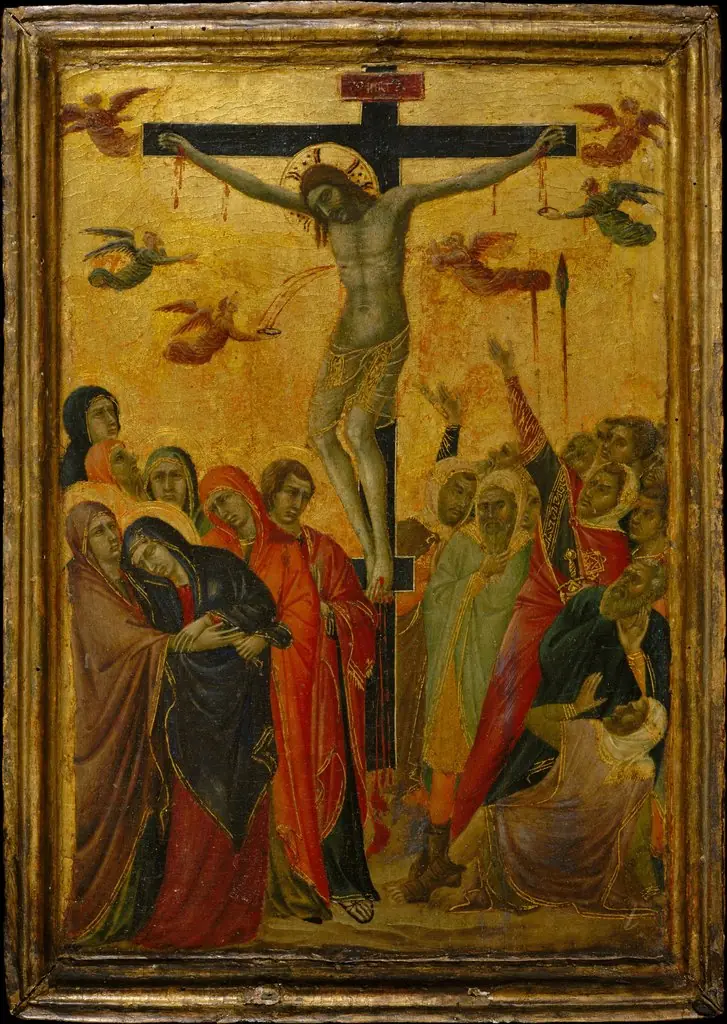
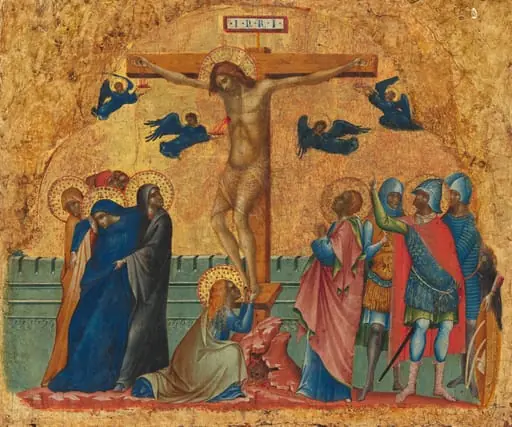
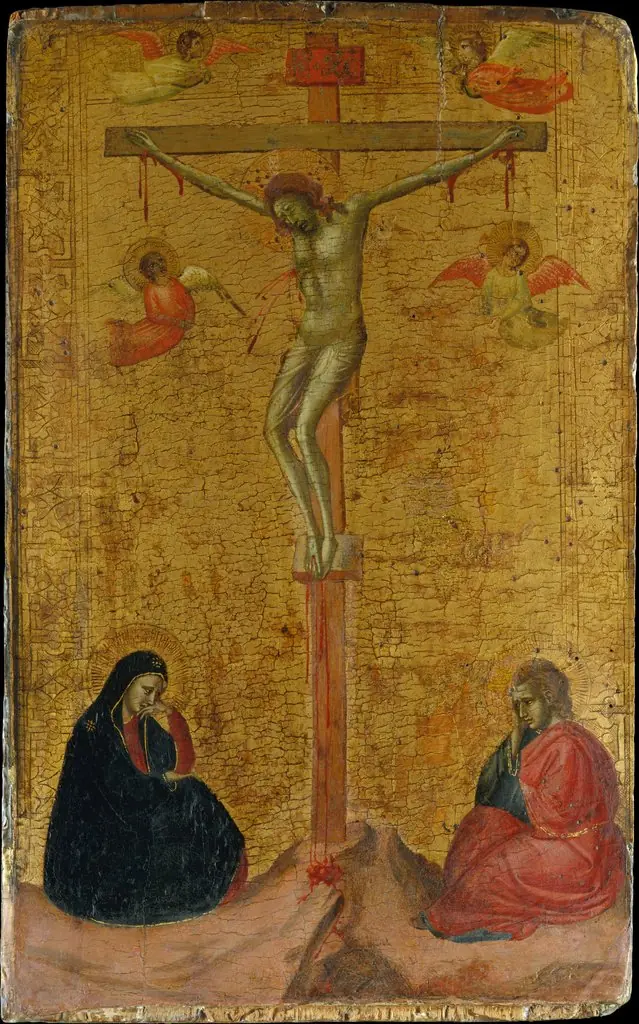
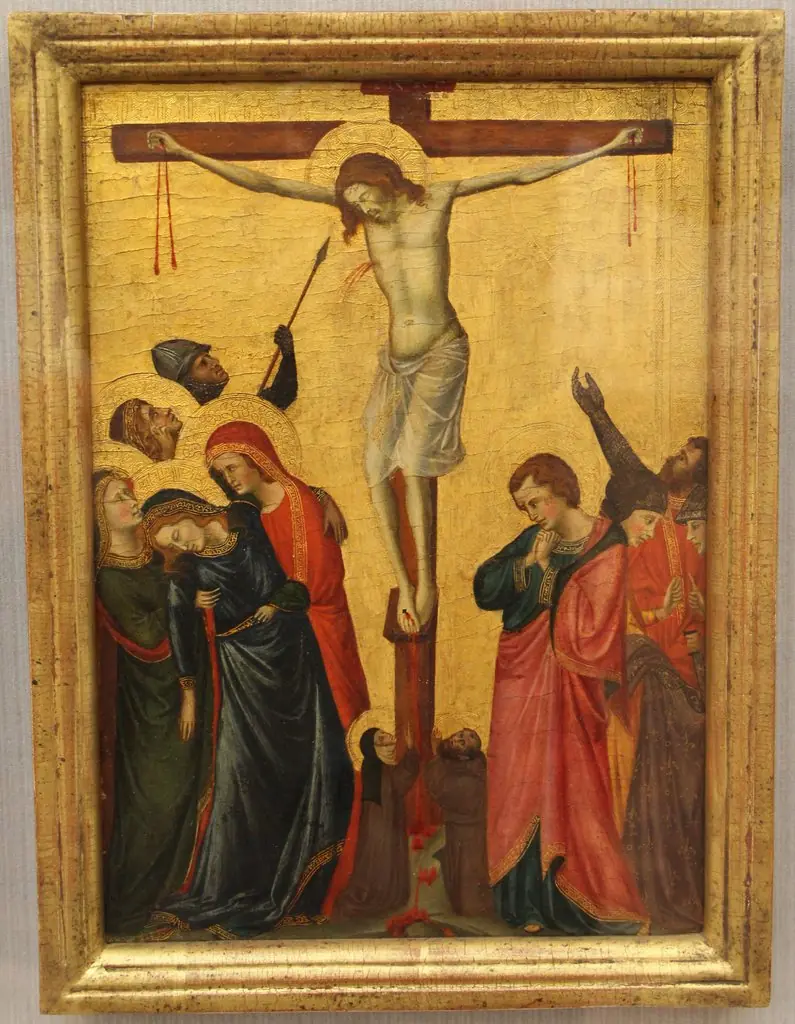
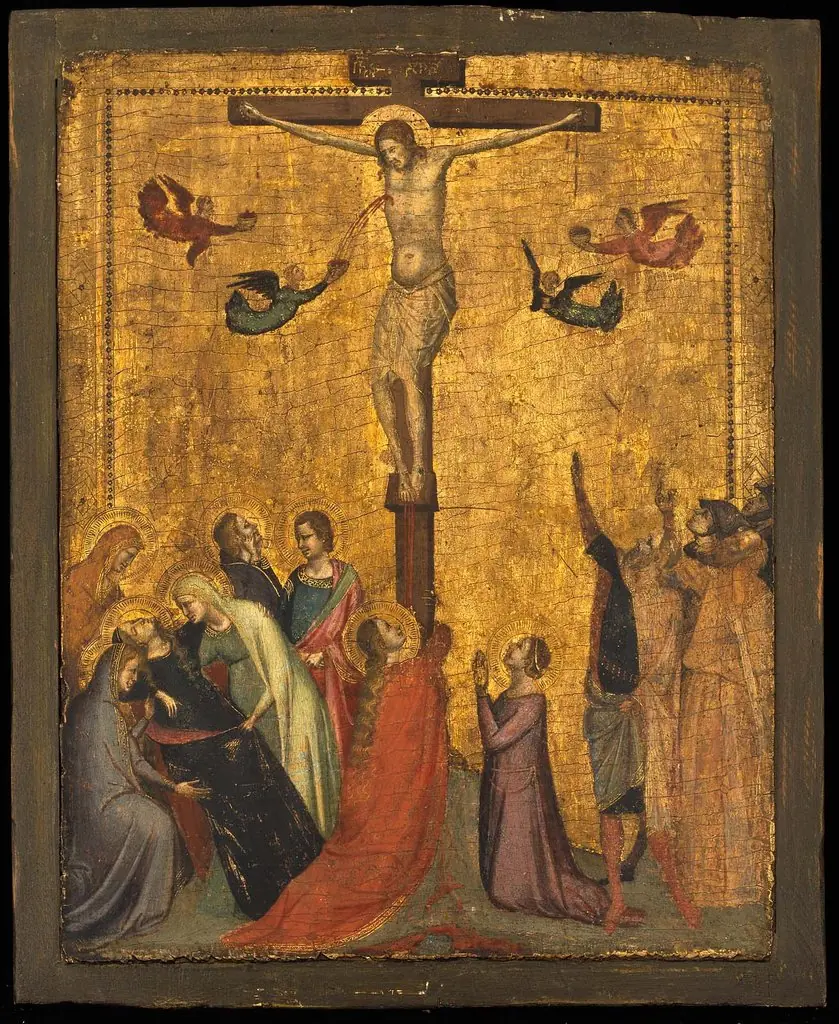
The Crucifixion is a tempera painting by Niccolò di Pietro Gerini. It dates from 1396 and is held in the collection of the Rijksmuseum.
About this work
Subject & Meaning
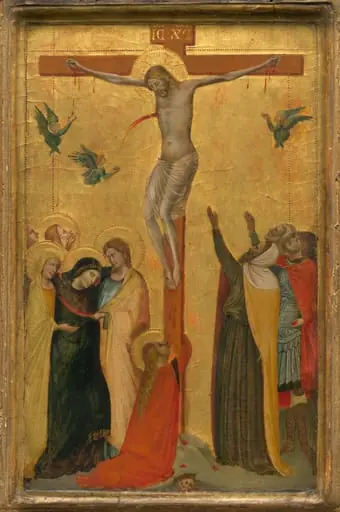
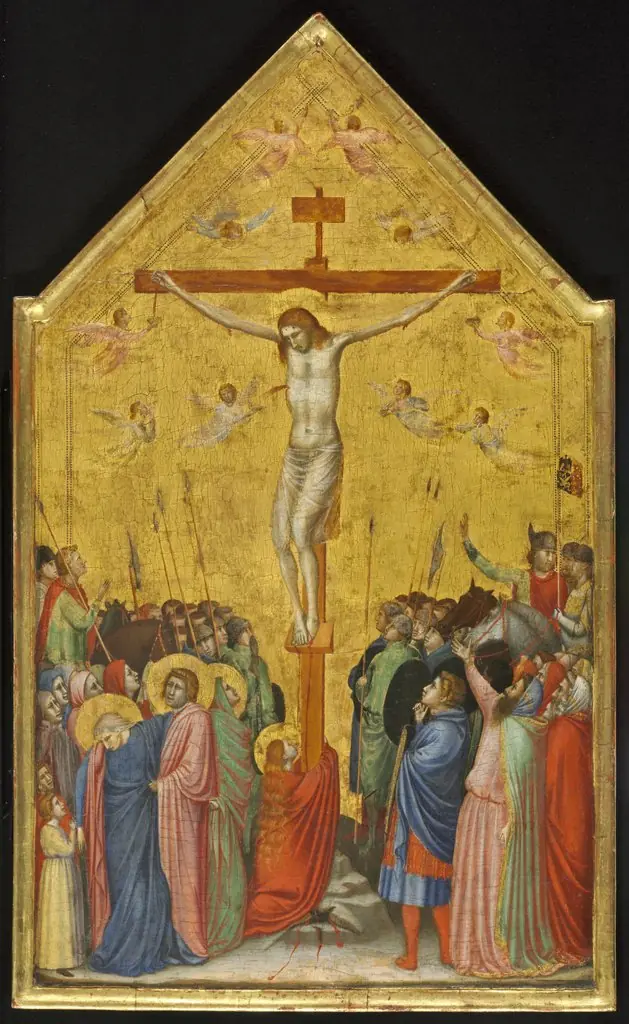
The painting depicts the crucifixion of Jesus Christ, the central event of Christian narrative in which Christ is executed on the cross.
The painting depicts the crucifixion of Jesus Christ, the central event of Christian narrative in which Christ is executed on the cross. As a religious work from late fourteenth-century Florence, it belongs to a long tradition of devotional imagery intended to inspire meditation on Christ's sacrifice. The crucifixion scene would typically present Christ on the cross, often flanked by attendant figures such as the Virgin Mary and Saint John the Evangelist, though the specific iconographic details of this panel are not specified in the available sources.
The tempera medium on panel was standard for Italian altarpieces and devotional paintings of this period, supporting the work's function as an object of religious contemplation.
Technique & Style
The Crucifixion by Niccolò di Pietro Gerini is executed in tempera on panel, a standard technique for late fourteenth-century Florentine religious painting. The work measures 70 cm in height by 43 cm in width, giving it a tall, narrow format well suited to its devotional subject. Produced in Florence in 1390, it belongs to the artist's documented output of sacred imagery and reflects the tempera-panel tradition of the period.
History & Provenance
The Crucifixion by Niccolò di Pietro Gerini was created in 1390 in Florence, executed in tempera on panel. The work entered the collection of the Rijksmuseum, where it is held and displayed in hall 0.2. No further details on commission, intermediate ownership, or acquisition history are documented in the available sources.
The painting measures 70 cm in height and 43 cm in width, and depicts the crucifixion of Jesus Christ as its main subject.
Overview
The Crucifixion, a tempera painting from 1396, is a work by Niccolò di Pietro Gerini, a late Gothic Italian painter. It depicts the crucifixion of Jesus Christ and is characterized by traditional composition and figural arrangements typical of its time.
Context
Reflecting late Gothic artistic tendencies, the painting's style and composition align with the traditional religious art of 14th-century Italy, where Gerini was active in cities like Florence, Pisa, and Prato.
Legacy
While specific influences or subsequent artistic impacts of The Crucifixion are not highlighted, it remains a representative example of late Gothic religious painting from its era.
Own this work as a print
Artist & collection

Artist
Niccolò di Pietro Gerini (c. 1340 – 1414) was an Italian painter of the late Gothic period, active mainly in his native Florence although he also carried out commissions in Pisa and Prato. He was not an innovative…