Artwork
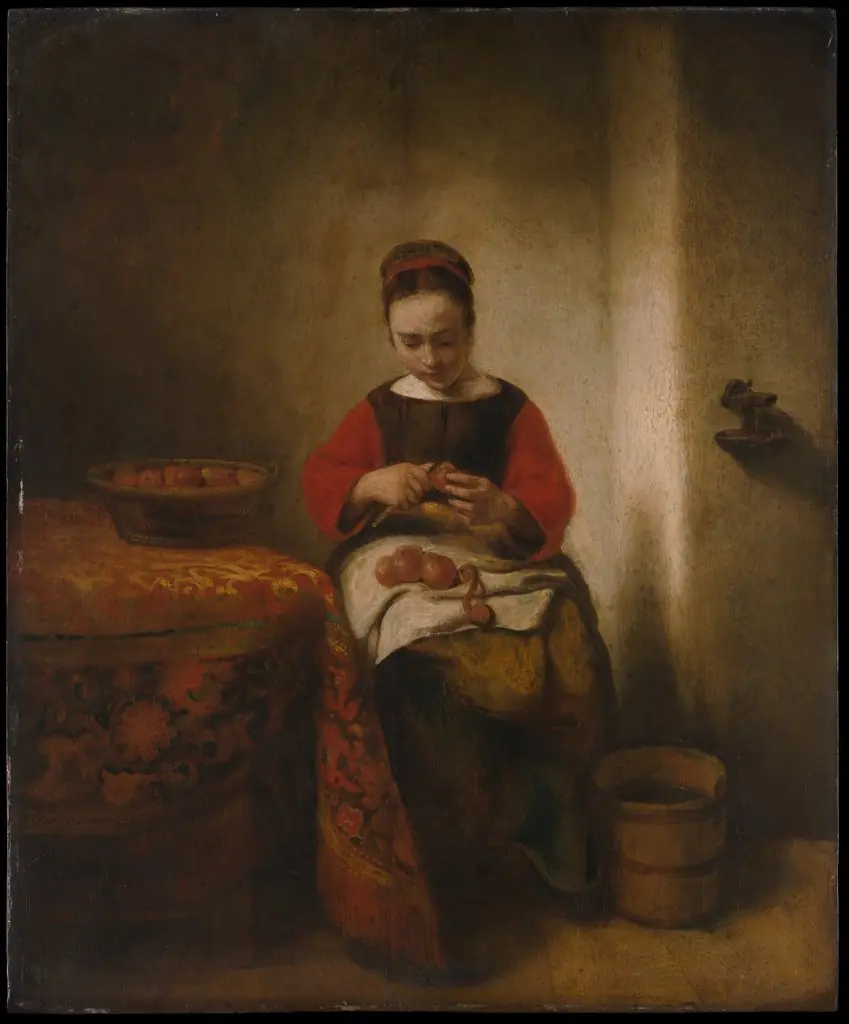
An Old Woman Peeling Apples
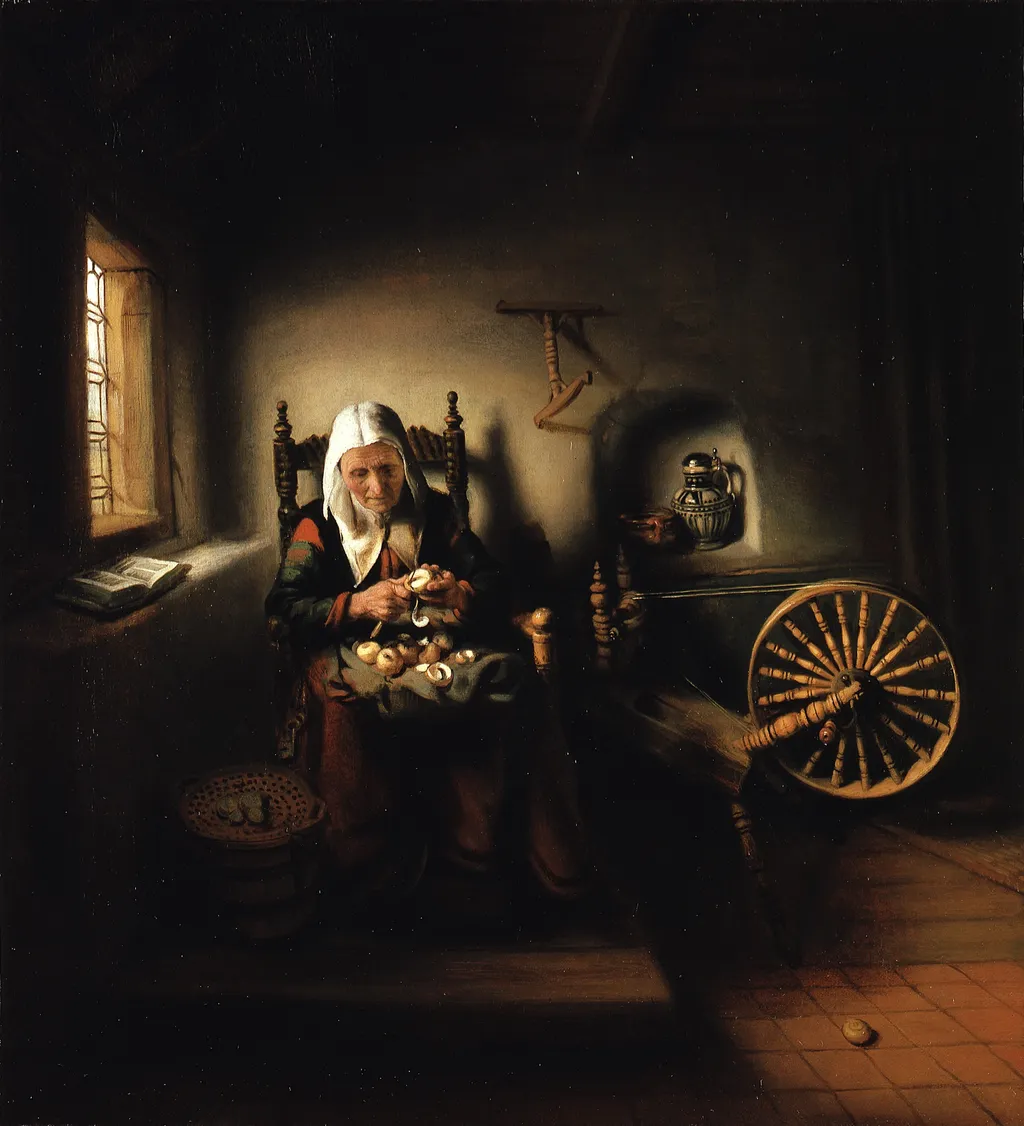
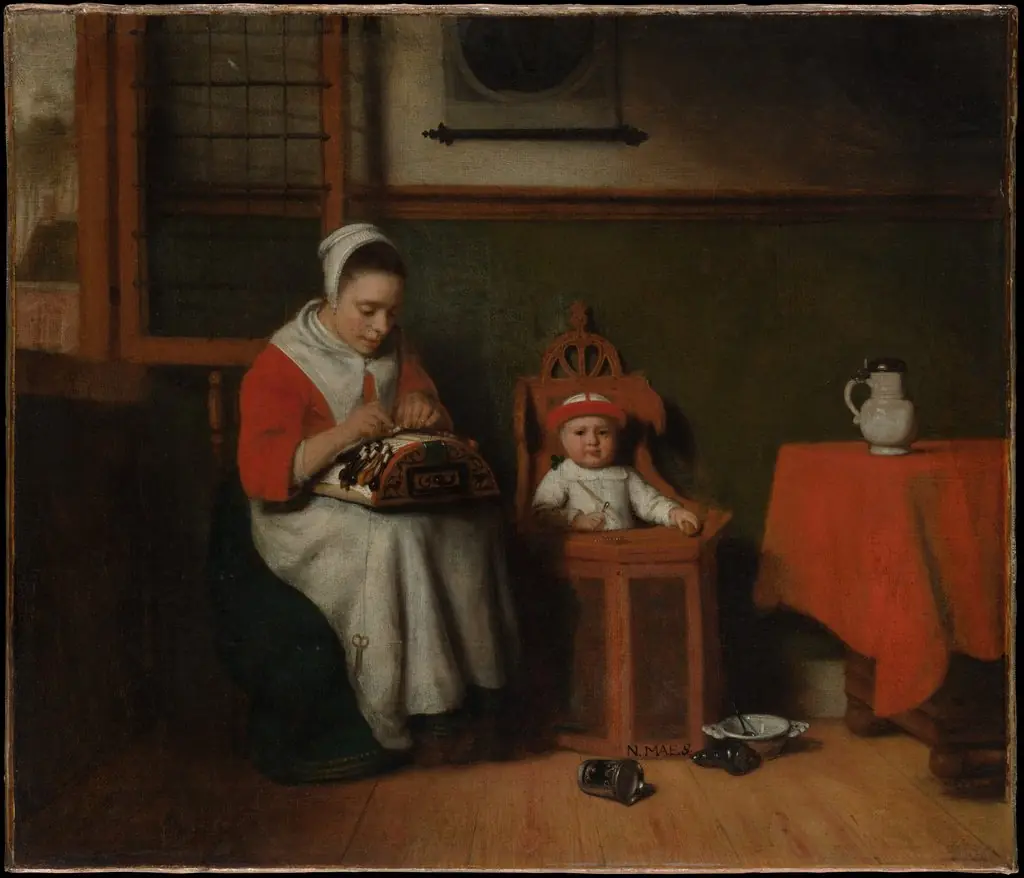
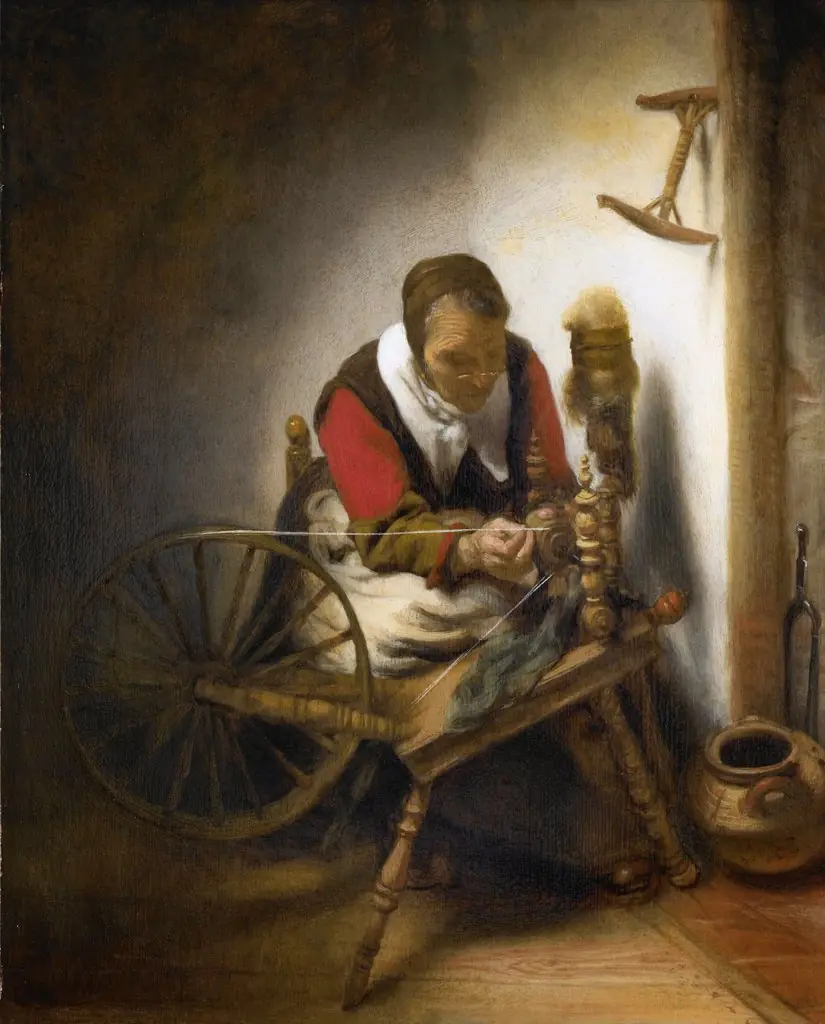
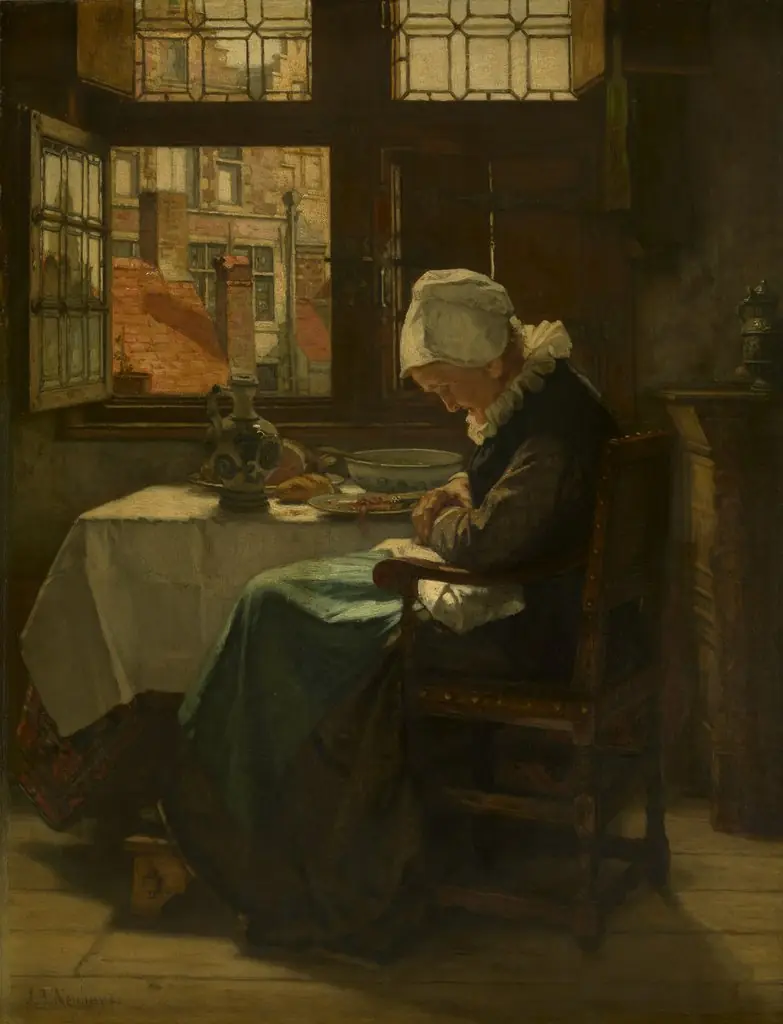
An Old Woman Peeling Apples is an oil painting by the Dutch Golden Age artist Nicolaes Maes. It dates from 1655 and is held in the collection of the Gemäldegalerie Berlin.
About this work
Subject & Meaning
Genre scenes of this type often symbolized industriousness and the virtues of domestic life in Dutch art of the mid-17th century.
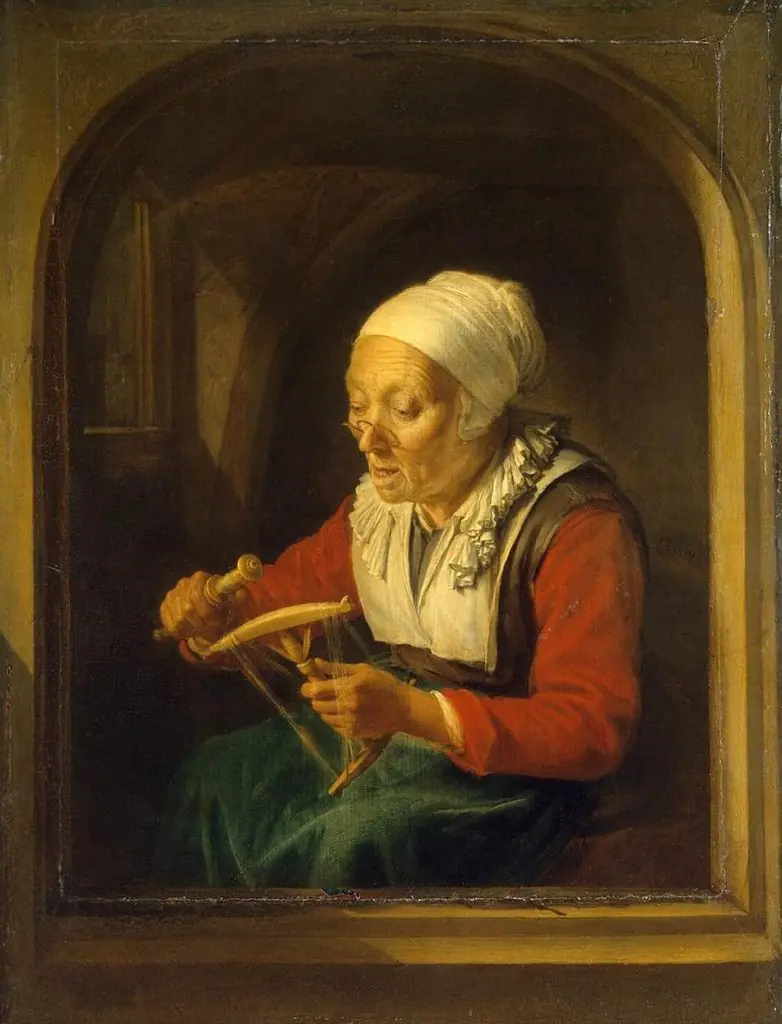
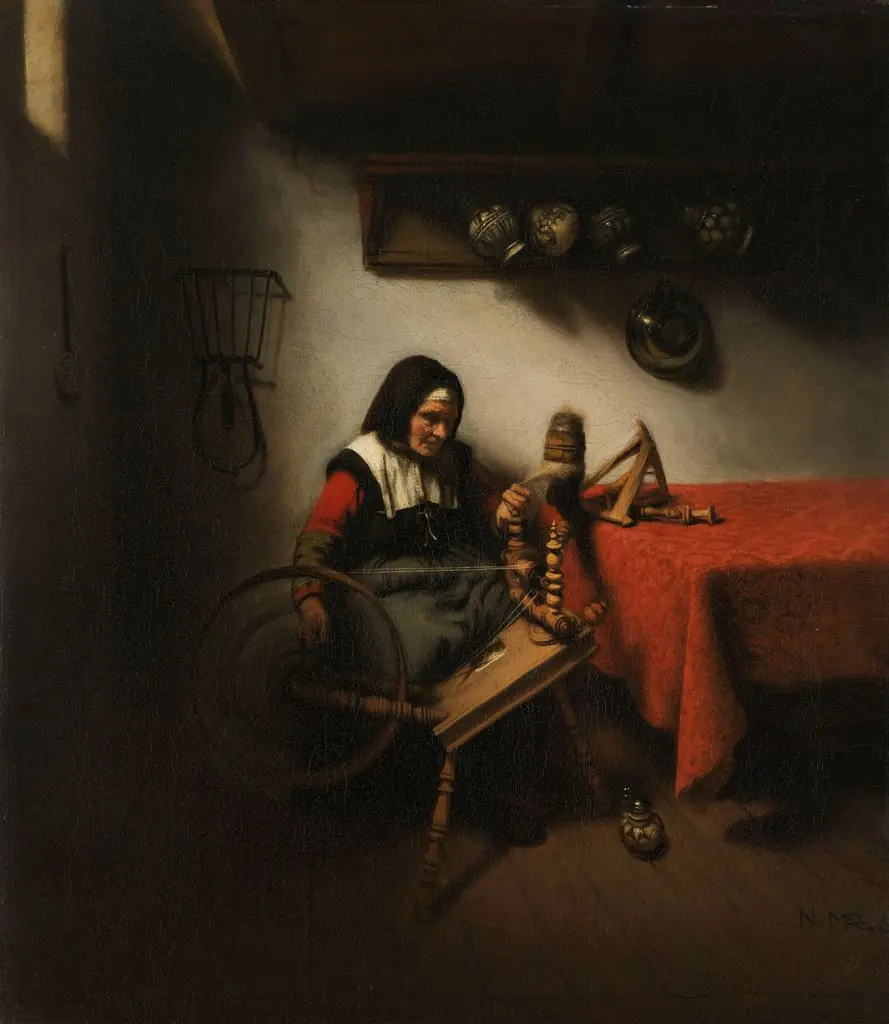
The painting depicts an elderly woman seated at a spinning wheel, peeling an apple in her lap. Genre scenes of this type often symbolized industriousness and the virtues of domestic life in Dutch art of the mid-17th century.
The apple, a recurring motif in still-life and genre imagery, could carry multiple associations, including the biblical Fall of Man and the transience of life, while the spinning wheel underscored themes of frugality and diligence central to contemporary moralizing imagery.
History & Provenance
The painting was created in 1655 by Nicolaes Maes, as indicated by its dated title and corroborated by its Wikidata record.
By the time of its cataloguing, the work entered the collection of the Gemäldegalerie Berlin, where it has been located as part of their holdings.
Earlier in its provenance, the painting was owned by Edmund Higginson, whose name appears in the Wikidata record as the preceding owner before the work’s acquisition by the Berlin museum.
The painting An Old Woman Peeling Apples by Nicolaes Maes is held in the collection of the Gemäldegalerie in Berlin. While the specific inventory or accession number is not provided in the available records, the work is confirmed to be part of this institution's permanent holdings. The artwork was previously owned by Edmund Higginson before entering the Berlin collection. No specific exhibition history is documented in the provided sources.
Legacy
The painting An Old Woman Peeling Apples by Nicolaes Maes exerted quiet influence on later genre painters who explored domestic scenes and interior lighting. Contemporary accounts suggest Maes' treatment of humble household activities informed the thematic focus of artists such as Pieter de Hooch and Jan Steen in the late seventeenth century. The work remains in the Gemäldegalerie Berlin, where it is displayed alongside other Dutch Golden Age interiors, preserving its role as a reference point for studies of domestic realism.
Overview
Created in 1655 by Dutch artist Nicolaes Maes, this oil painting portrays a quiet domestic scene. An elderly woman is seated at a modest table, peeling apples while a basket rests in her lap. A large spinning wheel dominates the background, and a small window admits daylight that illuminates the figure’s face and the objects around her. The work is part of the collection of the Gemäldegalerie in Berlin.
Technique & Style
Maes employs a pronounced contrast of light and shadow, a chiaroscuro effect that draws attention to the woman's illuminated face and the gleaming apples. The muted palette and subdued background recede, allowing the tactile details of the fruit and the woman's hands to emerge with a near‑photographic realism. The brushwork balances fine modeling of flesh with broader strokes for the surrounding objects.
Context
The piece belongs to the Dutch Golden Age tradition of genre painting, which favored intimate, everyday scenes that reflected middle‑class values. Maes, like many of his contemporaries, focused on the moral and visual appeal of domestic life, using modest interiors to convey a sense of order, diligence, and the quiet dignity of ordinary people.
Own this work as a print
Artist & collection

Artist
Nicolaes Maes (January 1634 – December 1693; buried 24 December 1693) was a Dutch painter known for his genre scenes, portraits, religious compositions and the occasional still life.