Artwork
The Eavesdropper
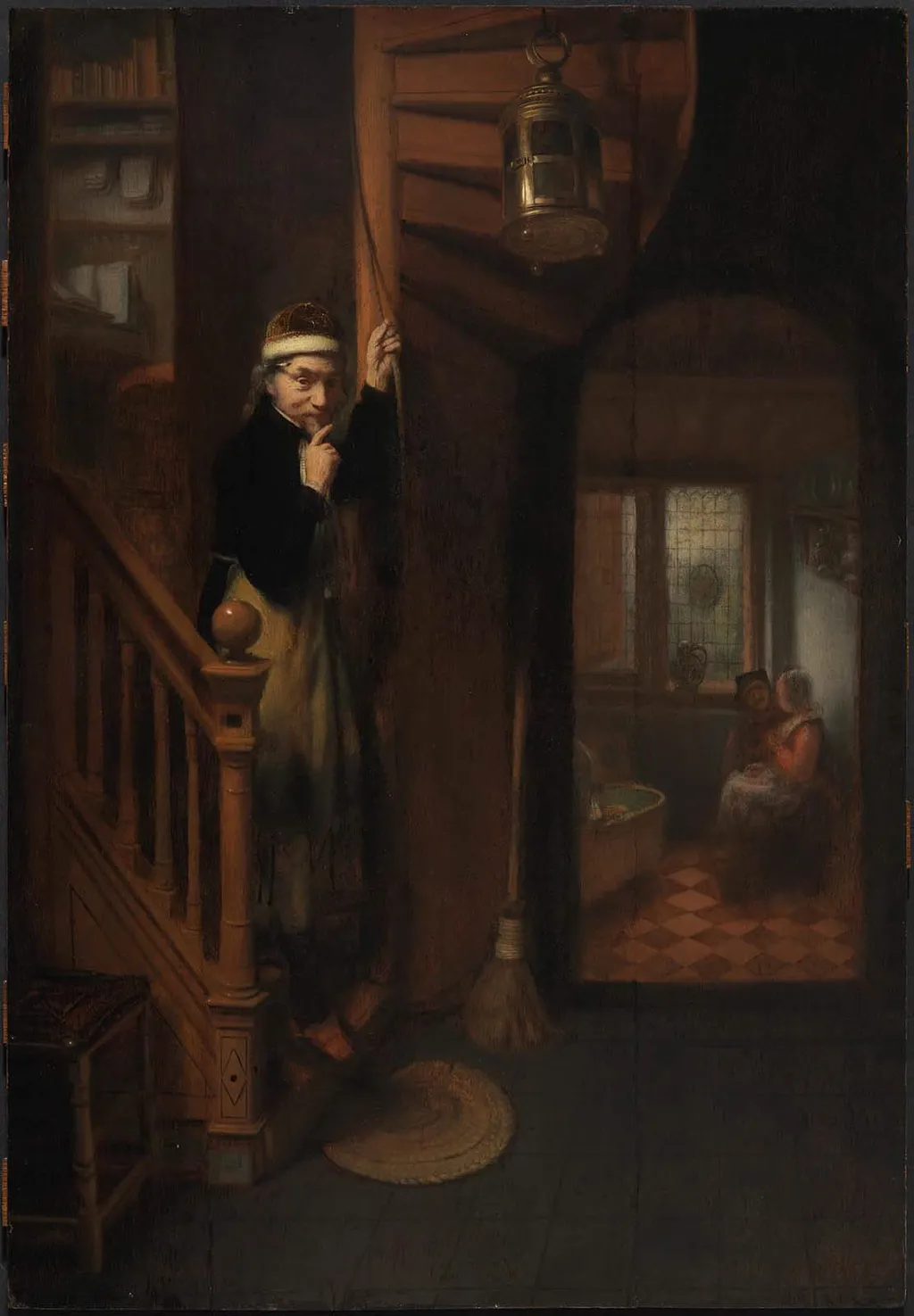
The Eavesdropper is an oil painting by the Dutch Golden Age artist Nicolaes Maes. It dates from 1656 and is held in the collection of the Museum of Fine Arts Boston.
About this work
Subject & Meaning
The subject matter centers entirely on the figure of the man and his clandestine action of listening, which constitutes the core iconography of the work.
Nicolaes Maes's 1656 painting, The Eavesdropper, is a genre scene that depicts a man engaged in the act of eavesdropping. As a work of genre art, the piece focuses on a specific, observable moment of human behavior rather than a historical or mythological narrative. The subject matter centers entirely on the figure of the man and his clandestine action of listening, which constitutes the core iconography of the work.
The title explicitly defines the figure's role, identifying him as an eavesdropper. This straightforward depiction highlights a moment of curiosity or intrusion, characteristic of the artist's exploration of domestic life and human interaction during this period.
Technique & Style
Executed in 1656, The Eavesdropper is an oil painting applied on a wooden panel. The work measures approximately 72.4 cm in height and 52.1 cm in width. Stylistically, the piece is classified as a genre scene, depicting a figure engaged in the act of eavesdropping. The composition focuses on this specific narrative moment, characteristic of the artist's output during this period.
History & Provenance
The Eavesdropper was created in 1656 by the Dutch artist Nicolaes Maes. Executed in oil paint on a panel, the work measures 72.39 cm in height and 52.07 cm in width. Historically, the painting belonged to the Demidov collection, which was housed at the Villa San Donato.
It subsequently entered the holdings of the Museum of Fine Arts in Boston, where it remains part of the institution's collection of genre scenes.
Overview
Nicolaes Maes painted The Eavesdropper in 1656, a work that exemplifies the domestic genre scenes popular in the Dutch Golden Age. Executed in oil on canvas, the composition captures a moment of quiet intrigue within a modest interior. The painting is part of the Museum of Fine Arts, Boston’s collection, where it remains on display as a representative example of mid‑seventeenth‑century Dutch art.
Context
Genre paintings of everyday life were a staple of Dutch art in the mid‑1600s, often illustrating moral lessons through ordinary scenes. Maes, a former pupil of Rembrandt, inherited his master’s interest in dramatic lighting and narrative detail. This painting aligns with contemporary works that depict private moments, such as listening at a door, used to comment on social behavior and the values of the burgeoning middle class.
Artist & collection
Artist
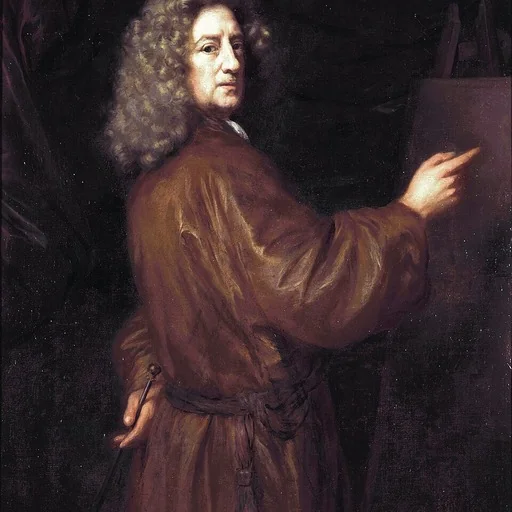
Nicolaes Maes (January 1634 – December 1693; buried 24 December 1693) was a Dutch painter known for his genre scenes, portraits, religious compositions and the occasional still life.

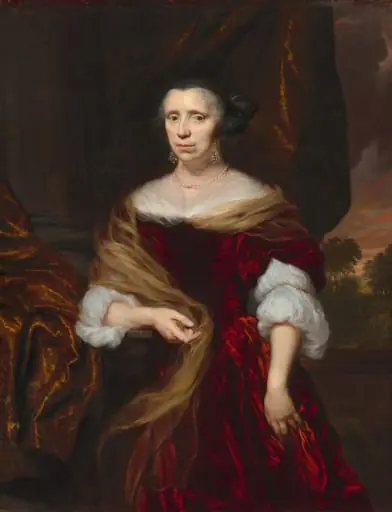
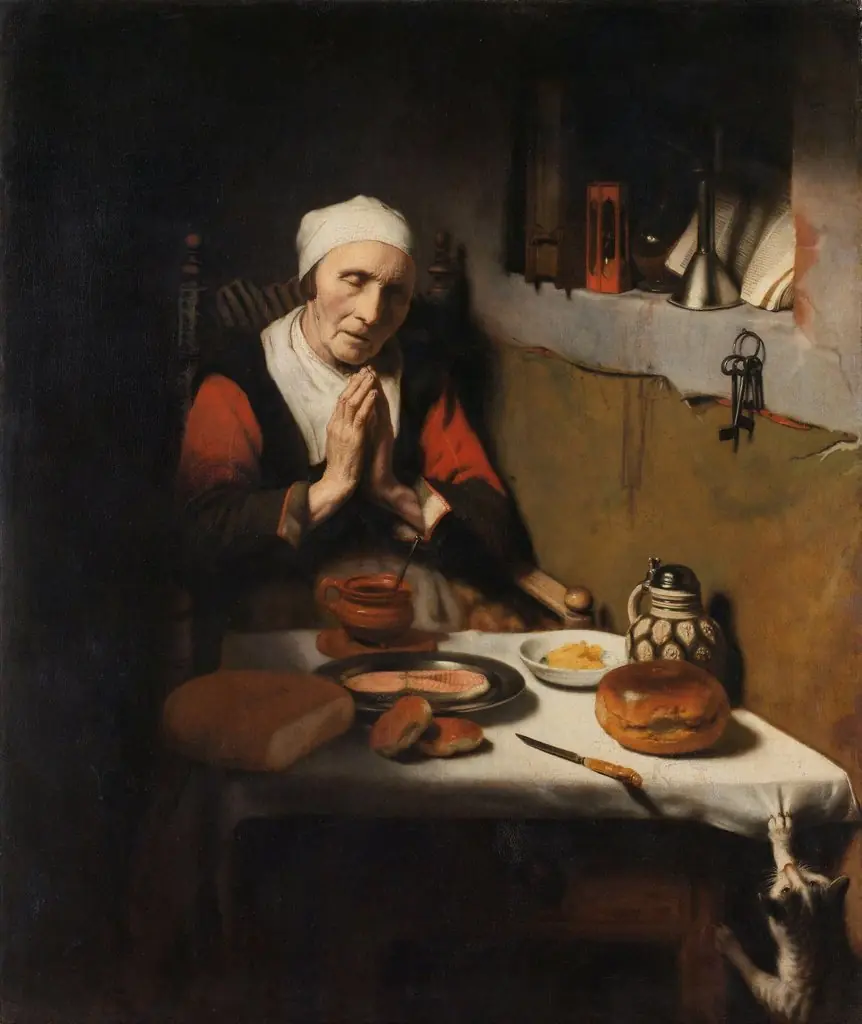
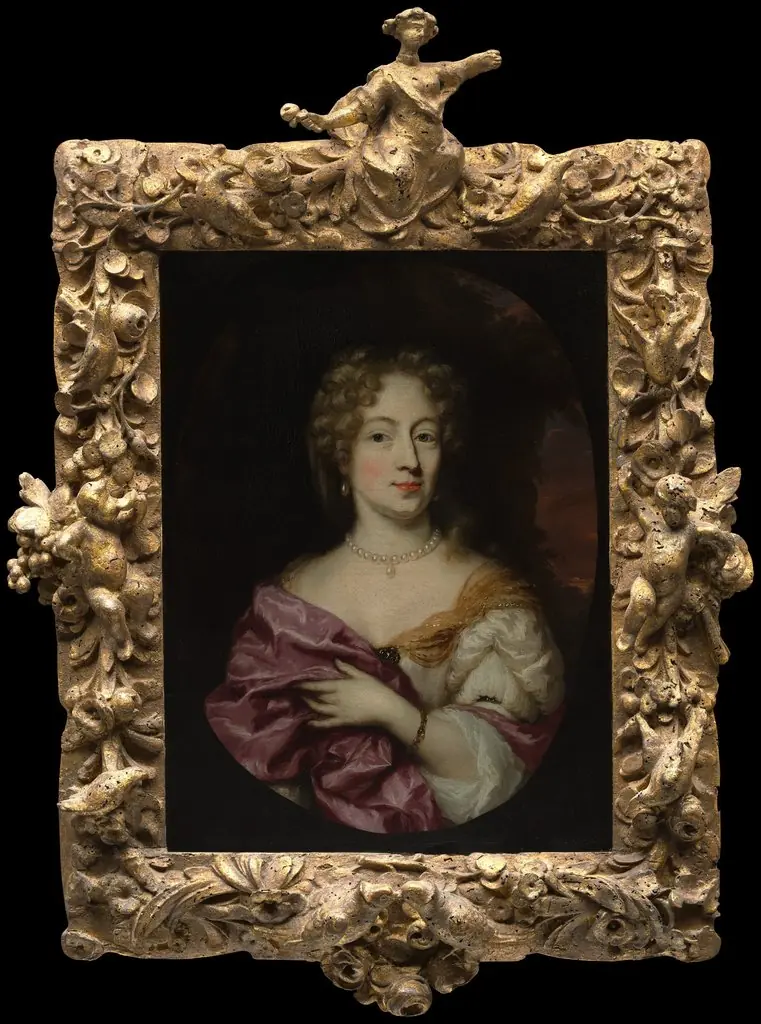
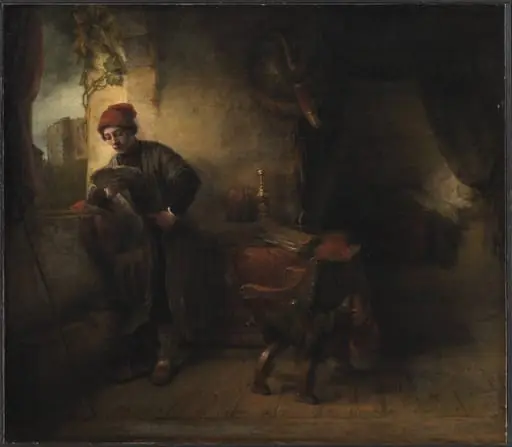
- Standing Young Man at the Window in his Study Reading, known as"The Student"
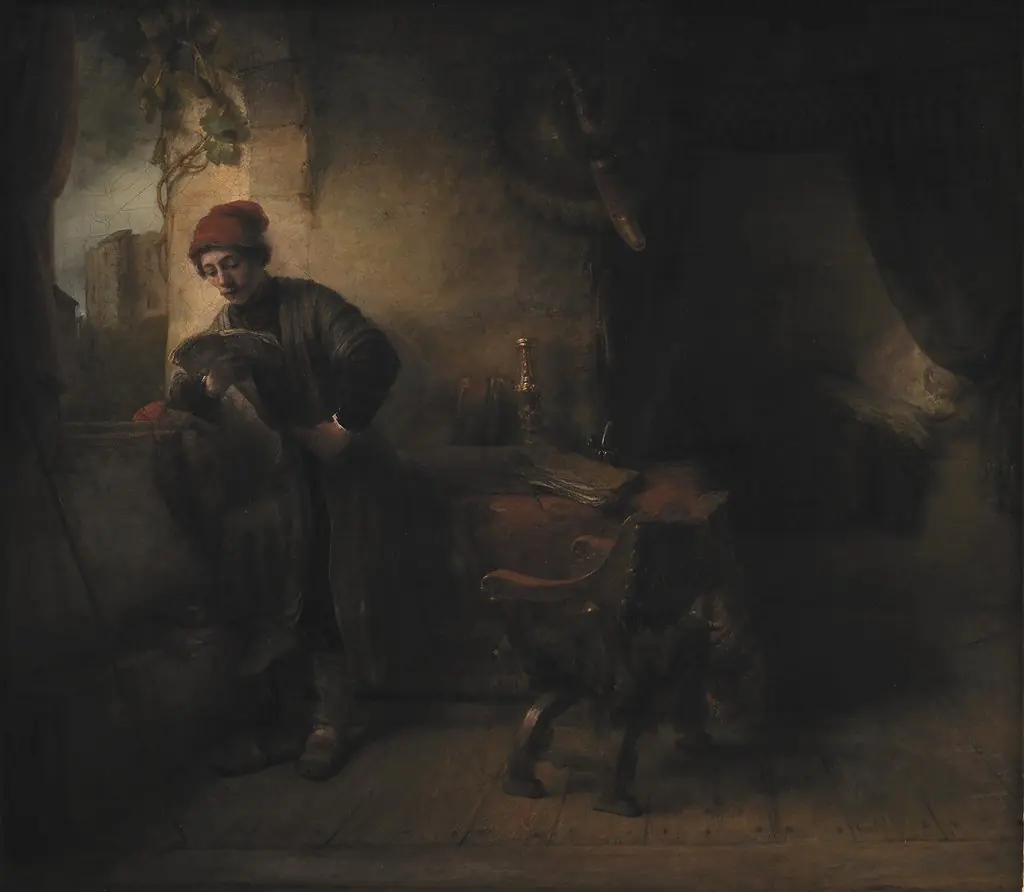 Standing Young Man at the Window in his Study Reading, known as"The Student"
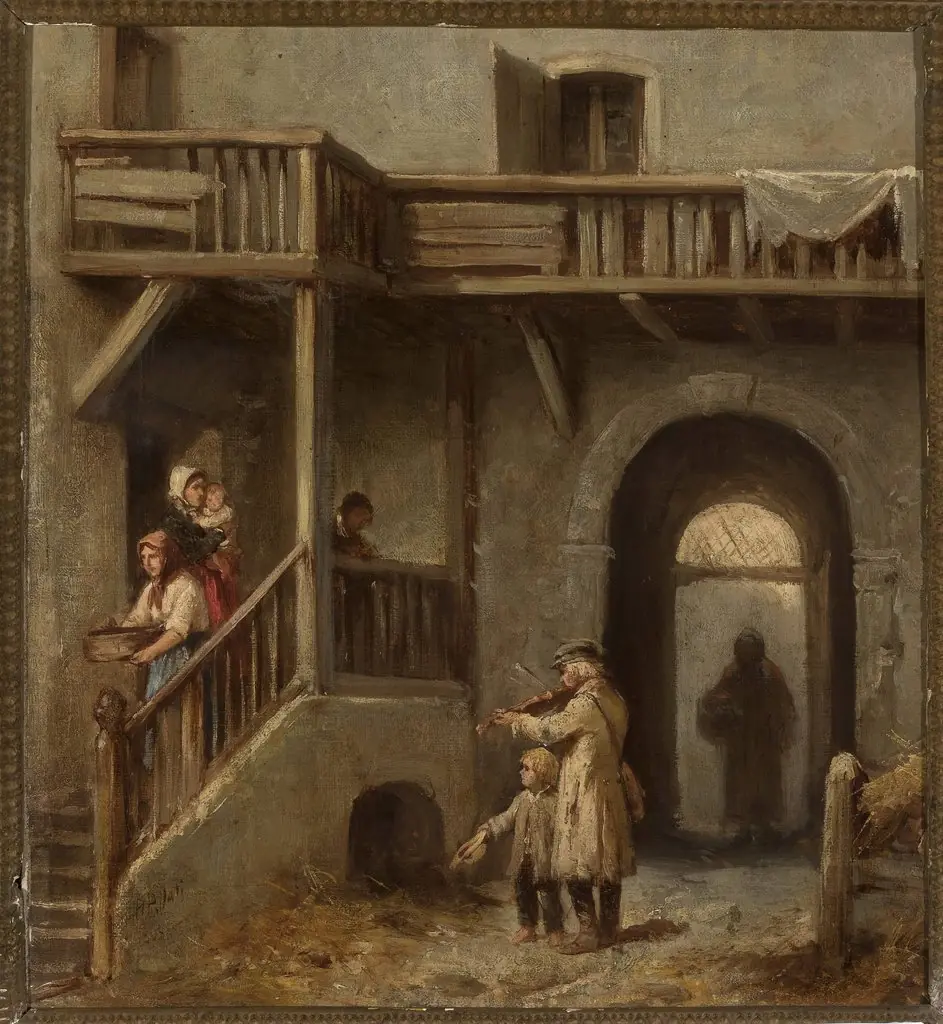 Street fiddler
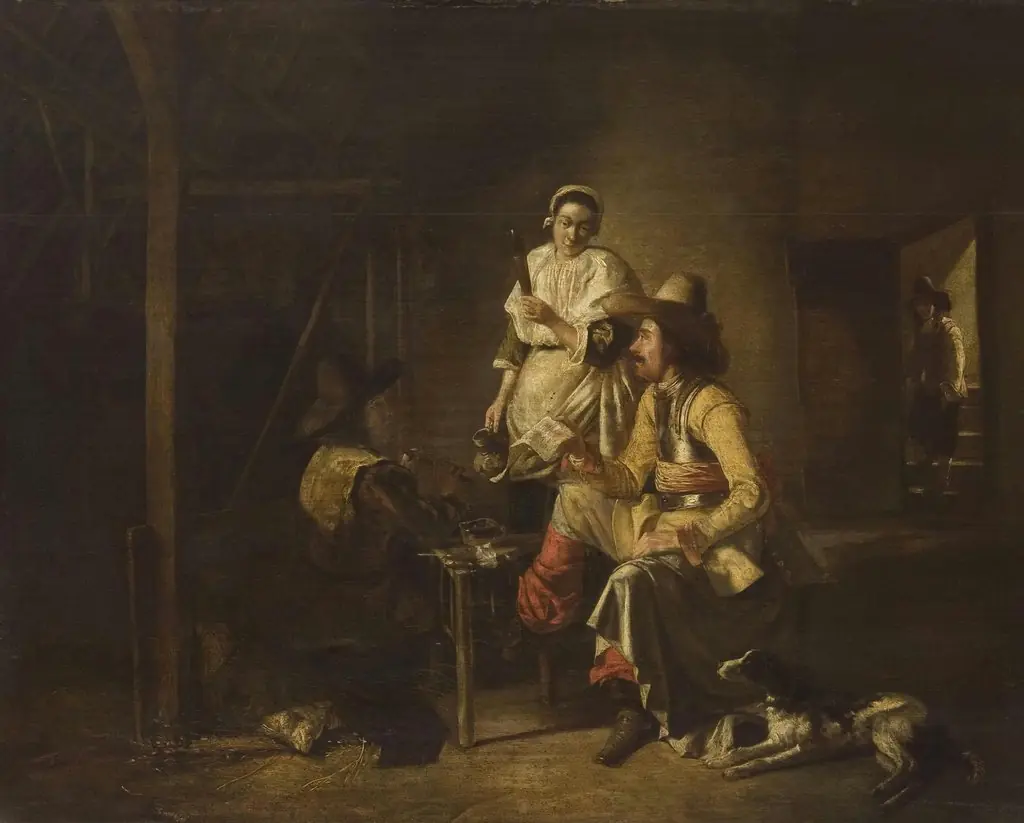 Soldiers with a Serving Maid in a Barn
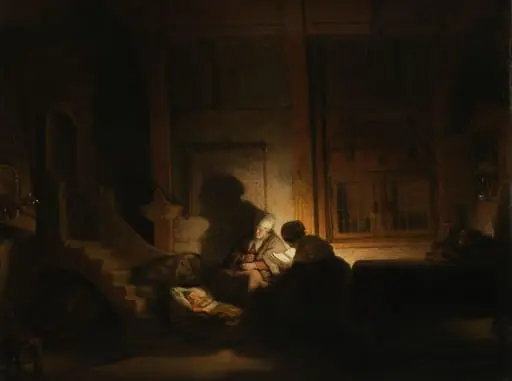 Untitled
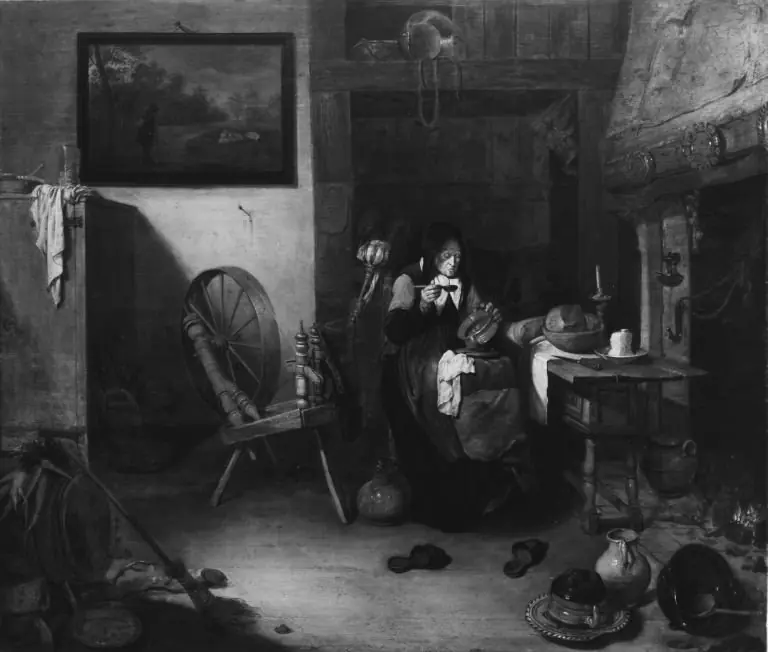 Old Woman eating Porridge by a Spinning Wheel
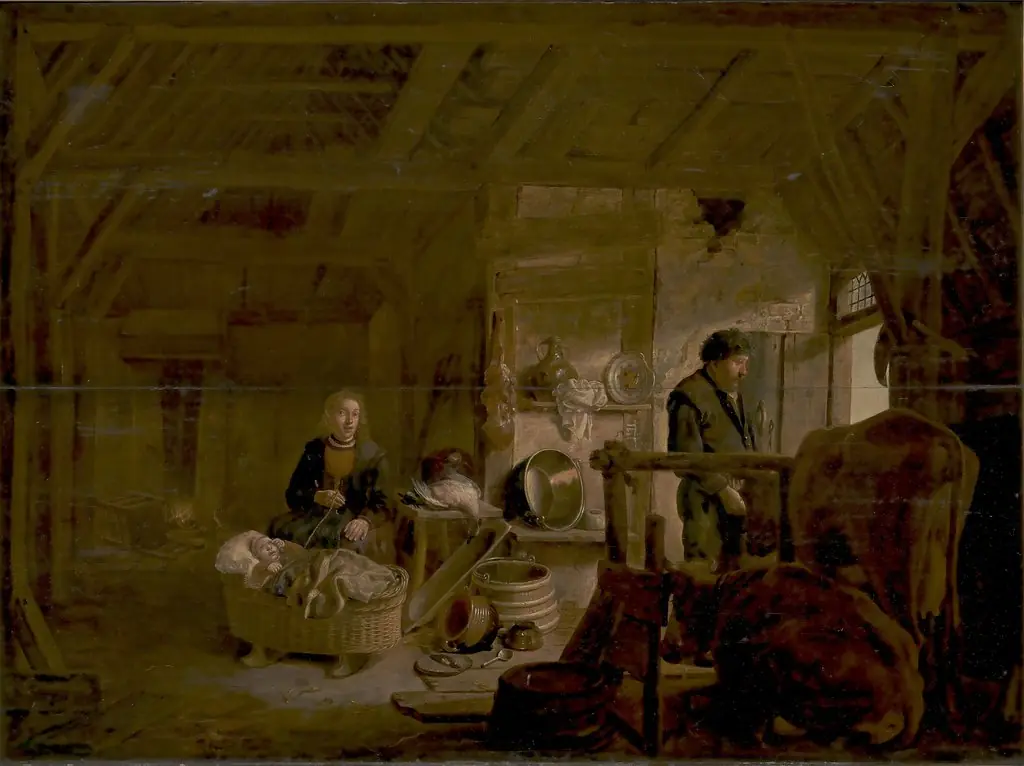 Interior of a Cottage
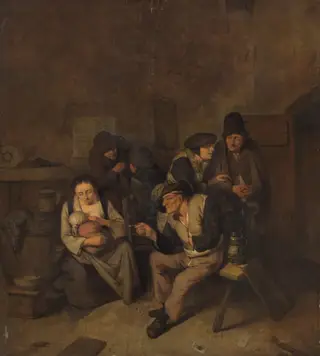 Bauern in der Stube
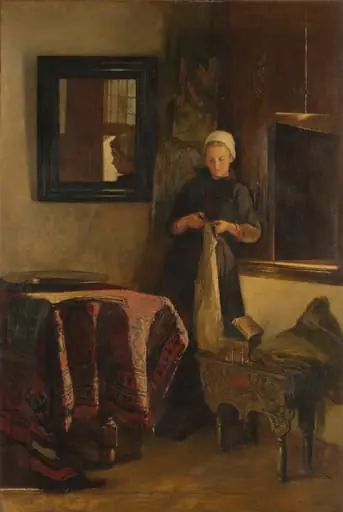 A Sunny Spot
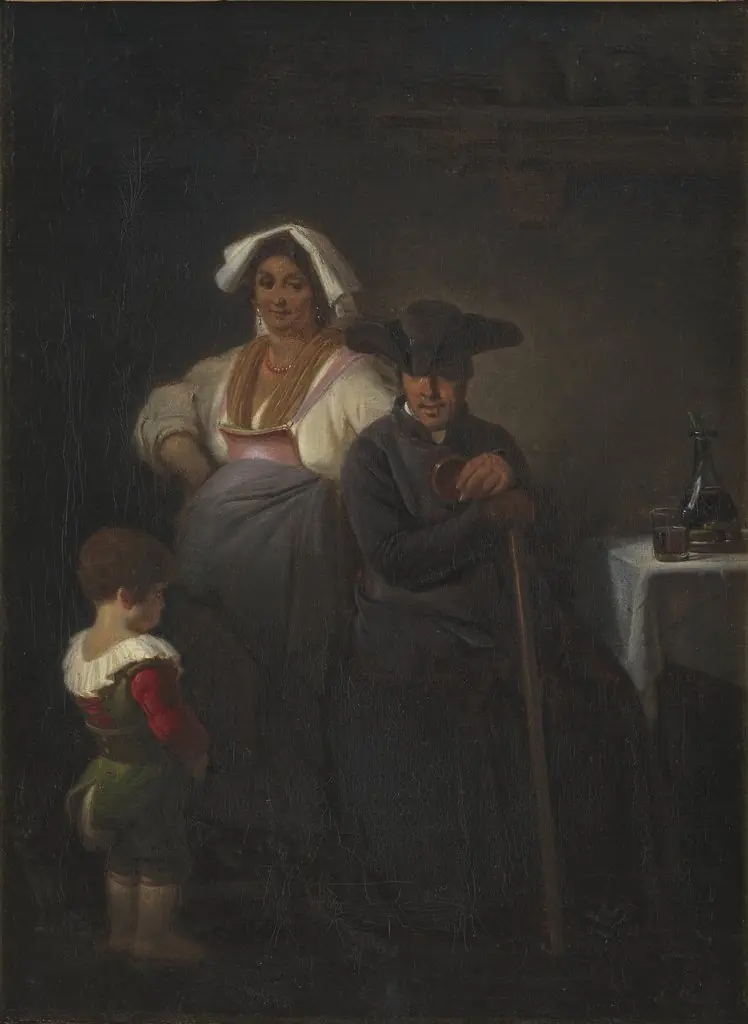 A Little Boy being Presented to a Priest
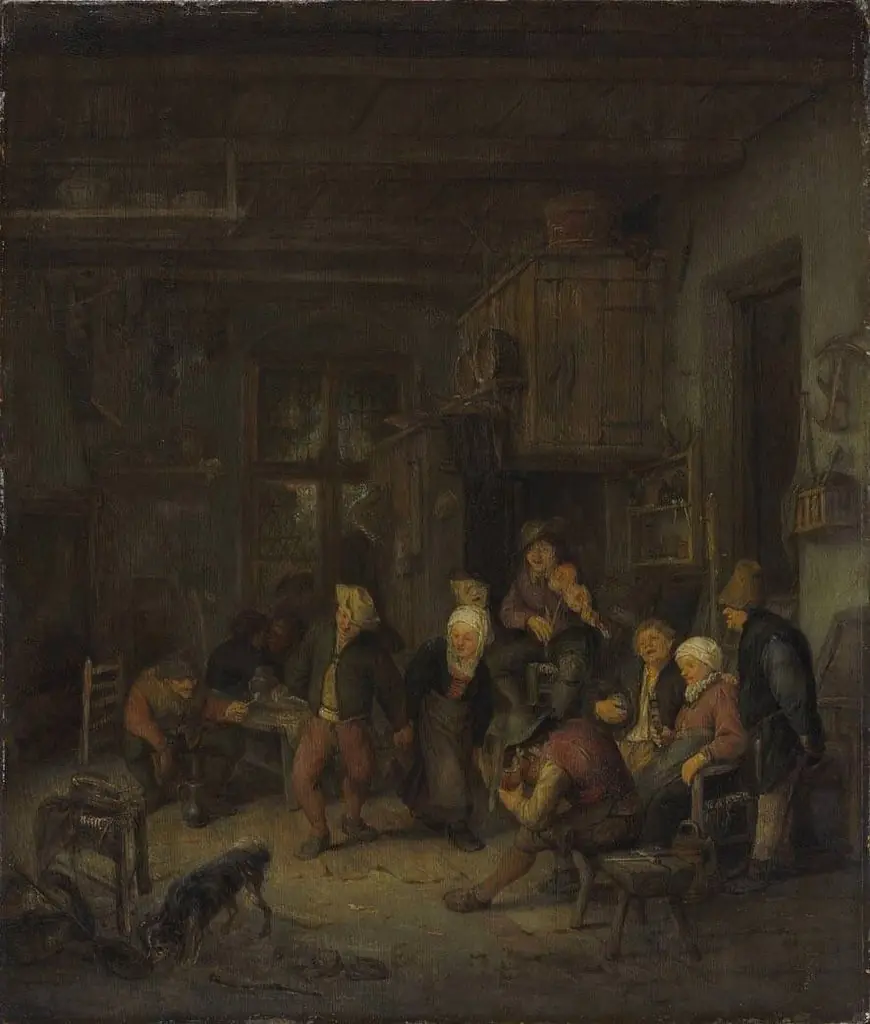 Peasants Drinking and Dancing at an Inn
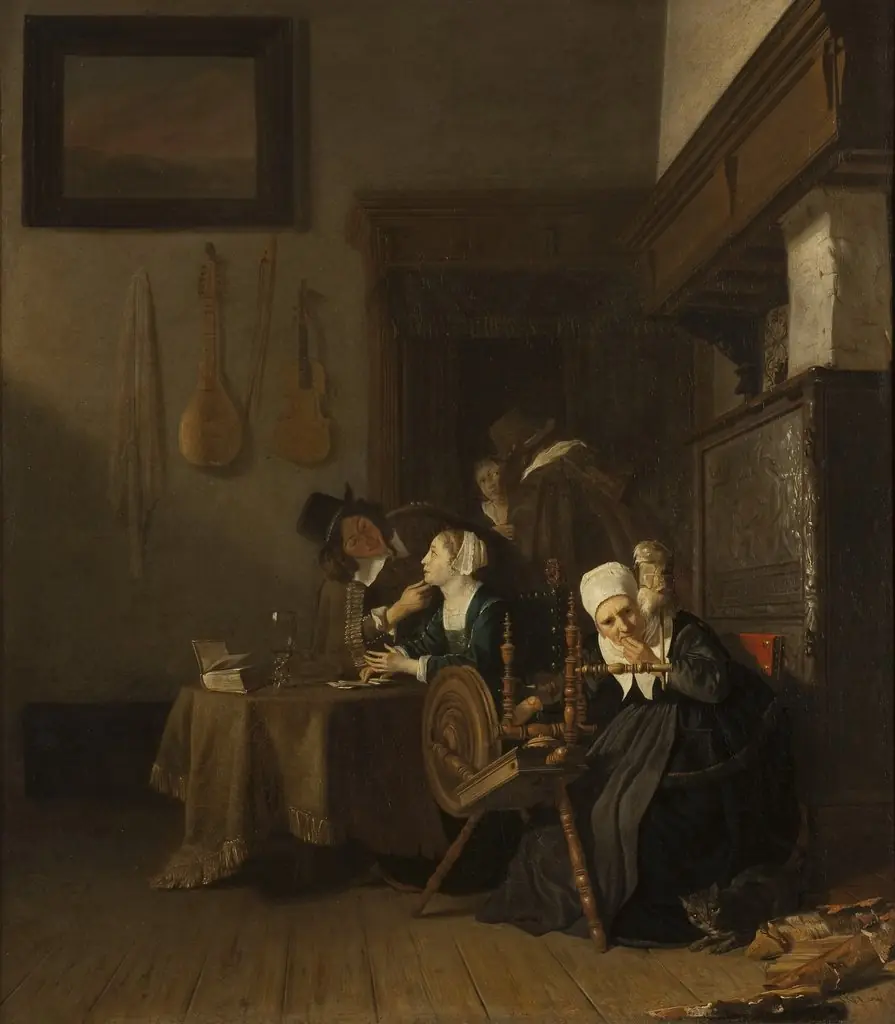 Indulgent Old Lady