Artwork
Tarquin and the Sibyl
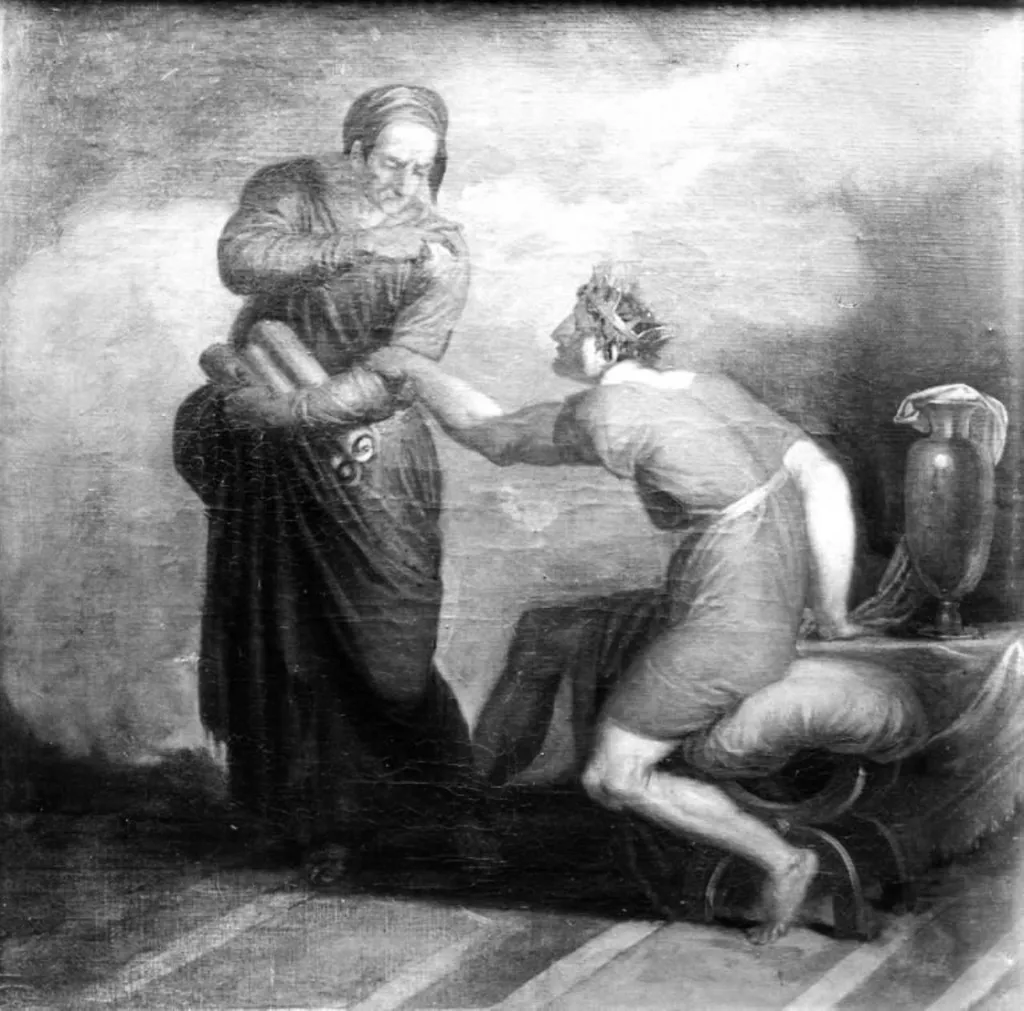
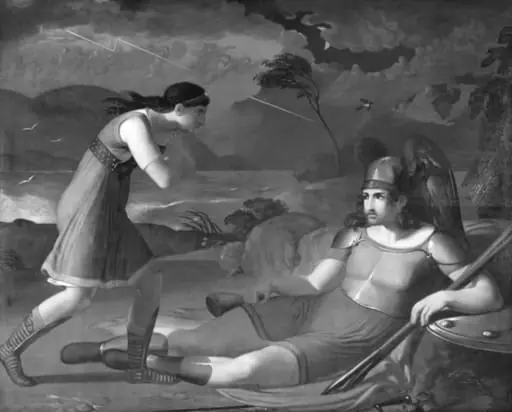
Tarquin and the Sibyl is an oil painting by the Neoclassicist artist Nicolai Abildgaard. It dates from 1809 and is held in the collection of the Statens Museum for Kunst.
About this work
The painting features a rich color palette, with deep shadows and highlights that create a sense of depth and volume.
The painting "Tarquin and the Sibyl" by Nicolai Abildgaard, created in 1809, is an oil-on-canvas artwork. It depicts a scene where a man, presumably Tarquin, is shown with a woman, likely the Sibyl, in a dramatic pose. The man is reaching out towards the woman, who stands firmly with her arms crossed.
The painting features a rich color palette, with deep shadows and highlights that create a sense of depth and volume. The brushwork is expressive, with visible strokes that add texture to the composition. The overall mood of the painting is one of tension and drama, capturing a moment of intense emotion.
The use of chiaroscuro and impasto techniques adds to the dramatic effect, creating a sense of volume and depth. The painting is held at the Statens Museum for Kunst. To learn more about the artist's use of chiaroscuro, look up the technique.
Subject & Meaning
The painting portrays the mythological encounter between Lucius Tarquinius Superbus and the Sibyl, a subject drawn from Roman legend. As a work classified within the mythological genre, it presents these two figures as central to its narrative. The title Tarquin and the Sibyl confirms the depiction of both characters, aligning with the source’s indication that the work depicts Lucius Tarquinius Superbus.
As a mythological painting, its primary aim is to illustrate a narrative from ancient lore, using the figures of Tarquin and the Sibyl to convey the story’s dramatic tension.
Technique & Style
Executed in oil paint on canvas in 1809, the work is a square composition measuring 475 by 475 cm. The handling combines smooth modeling of flesh with sharply defined drapery folds, characteristic of late eighteenth-century academic practice. Figures are arranged in a shallow, stage-like space, with Tarquin’s profile and the Sibyl’s pointing gesture creating a strong diagonal that guides the viewer’s eye across the scene. The palette relies on subdued earth tones punctuated by cooler accents in the Sibyl’s garment and Tarquin’s cloak, reinforcing the mythological narrative through restrained yet expressive color.
History & Provenance
Nicolai Abildgaard created the oil-on-canvas painting Tarquin and the Sibyl in 1809. The work depicts the mythological figure Lucius Tarquinius Superbus and is classified as a mythological painting. It measures 475 cm in both height and width. The Statens Museum for Kunst currently holds the piece in its collection.
Tarquin and the Sibyl is held in the collection of the Statens Museum for Kunst in Copenhagen, where it is also located. The painting, created by Nicolai Abildgaard in 1809, is executed in oil on canvas and depicts the mythological figure Lucius Tarquinius Superbus.
The work measures 475.0 cm in both height and width. No specific inventory number or exhibition history for the painting is provided in the available sources.
Legacy
Nicolai Abildgaard's 1809 oil painting Tarquin and the Sibyl entered the collection of the Statens Museum for Kunst, where it remains on display. The work portrays the legendary Roman king Lucius Tarquinius Superbus consulting the Sibyl of Cumae, a subject drawn from classical mythology that Abildgaard treated with dramatic lighting and precise draftsmanship. Contemporary critics praised its heroic composition, and the painting influenced later neoclassical interpretations of mythological narratives in Danish art.
Its presence in the museum's catalogue has kept the subject visible in scholarly discussions of 19th‑century mythological painting.
Overview
Nicolai Abildgaard, a Danish painter associated with the neoclassical school, completed the oil canvas Tarquin and the Sibyl in 1809. The work belongs to the period’s revival of classical subjects, presenting a moment drawn from Roman legend. It reflects the academic style that dominated the New Royal Danish Academy of Art, where Abildgaard taught.
Context
The early 19th century saw a resurgence of interest in classical antiquity across Europe, especially in Denmark, where neoclassicism was promoted by academic circles. Abildgaard’s choice of a Roman myth aligns with contemporary expectations for historical and moral subjects, serving both educational and decorative purposes in elite settings.
Own this work as a print
Artist & collection
Artist
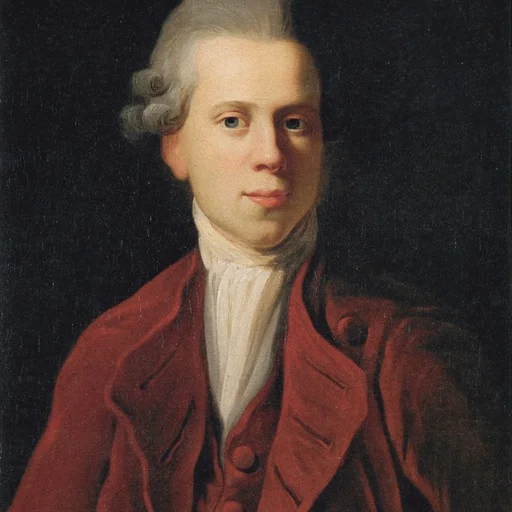
Nicolai Abraham Abildgaard (11 September 1743 – 4 June 1809) was a Danish neoclassical and royal history painter, sculptor, architect, and professor of painting, mythology, and anatomy at the New Royal Danish Academy of Art in Copenhagen…

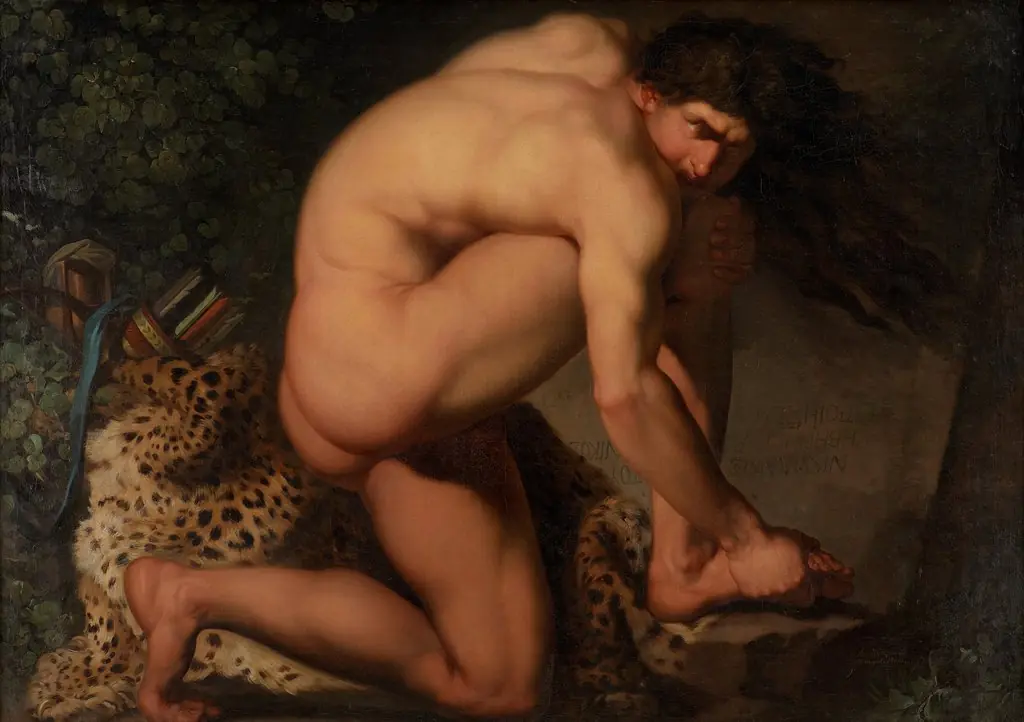 The Wounded Philoctetes
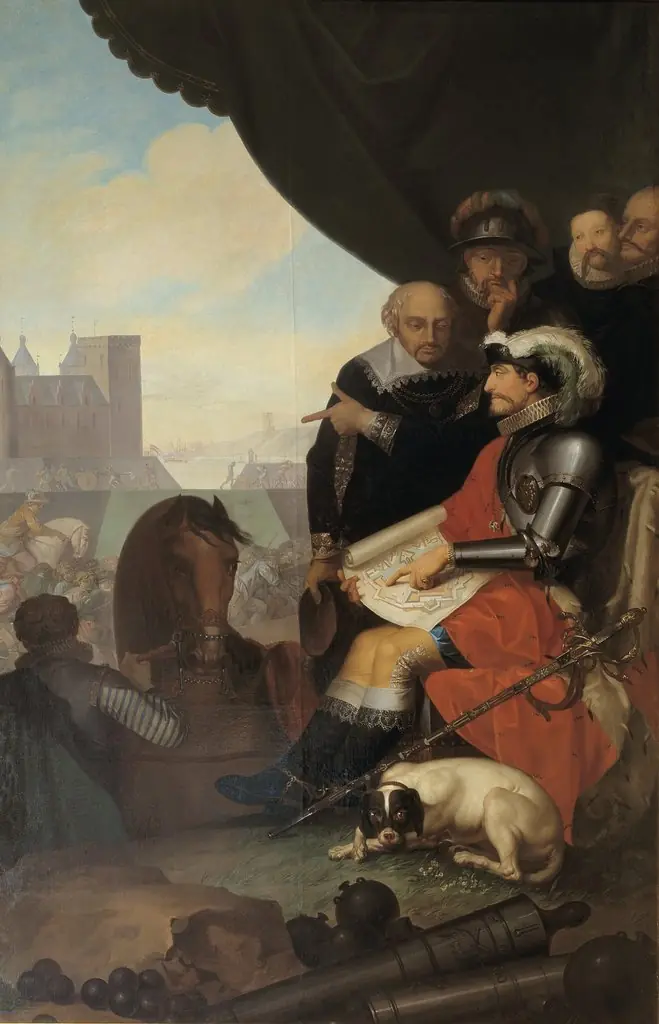 Frederik II Builds Kronborg Castle at Elsinore
 Frederik II Builds Kronborg Castle at Elsinore
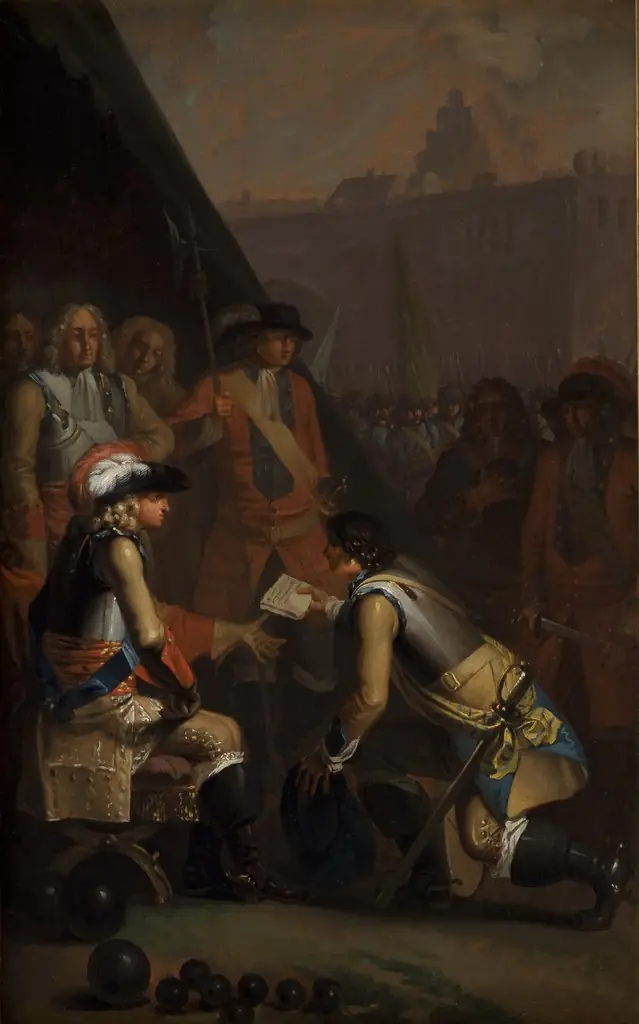 Magnus Stenbock Surrenders the Fortress of Tønningen to Frederik IV in 1714
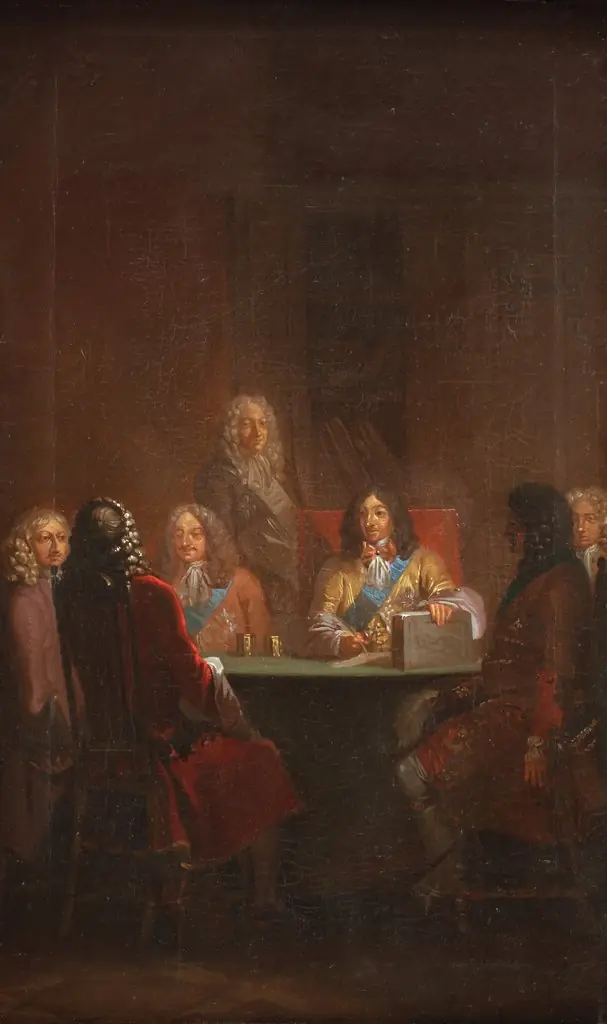 Christian V Presents Danish Law 1683
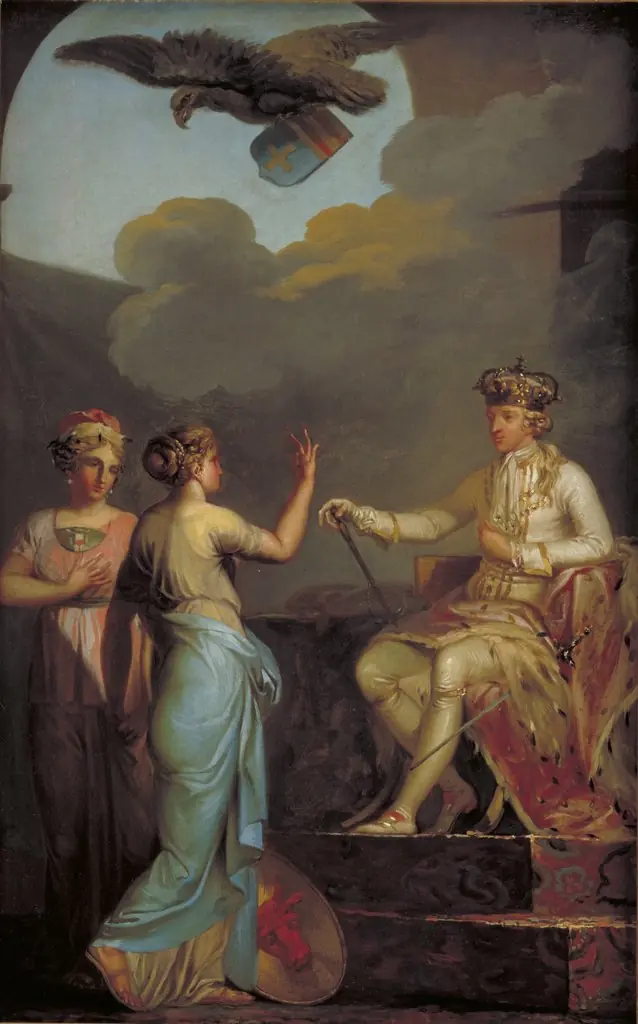 Christian VII Uniting the Ducal with the Royal Part of Holstein in 1767
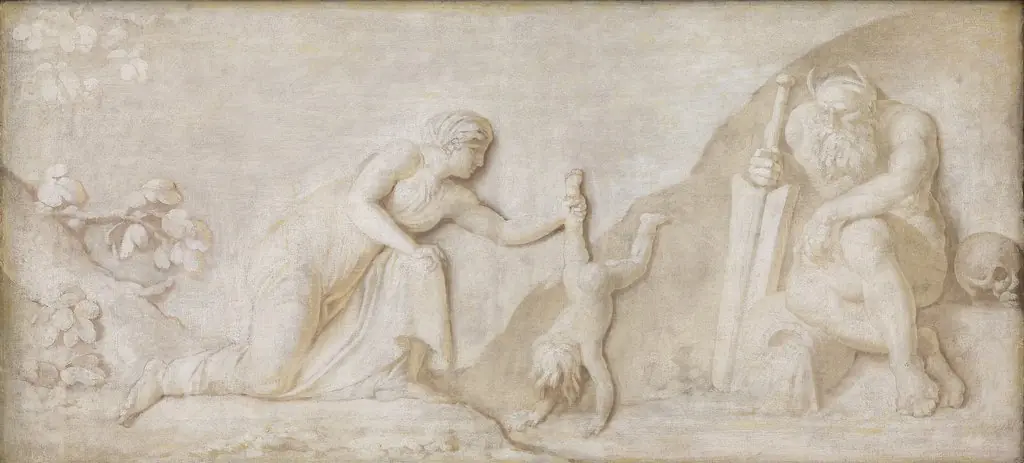 Thetis Immersing her Infant Son Achilles in the River Styx to Make him Invulnerable
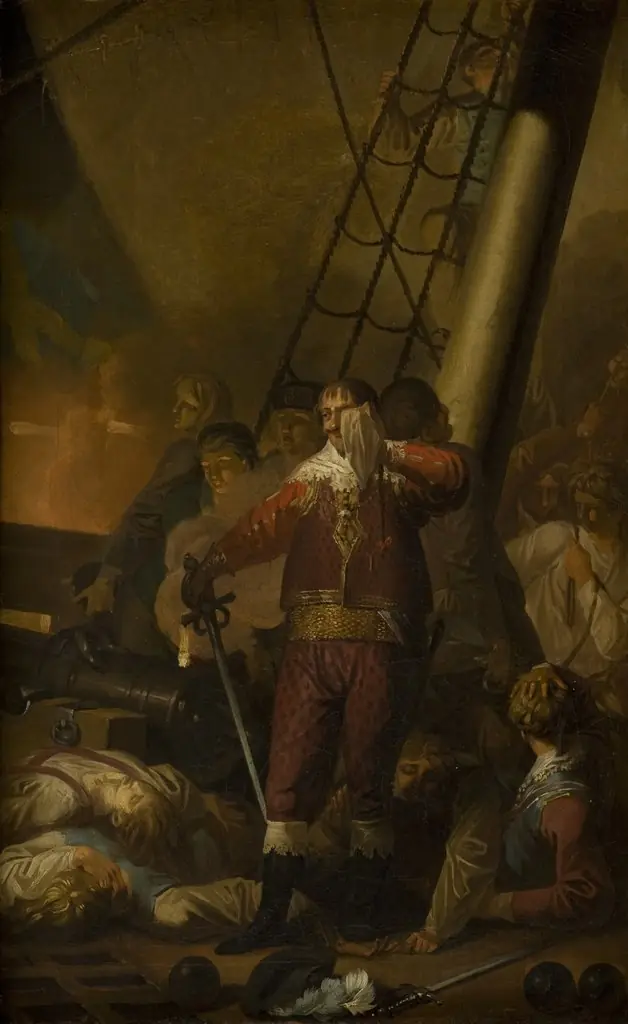 Christian IV Aboard his Flagship "The Trinity"
 Lot und seine Töchter
 Bathseba erhält den Brief König Davids
 Philomele
 The Entombment of Christ
 The Entombment of Christ
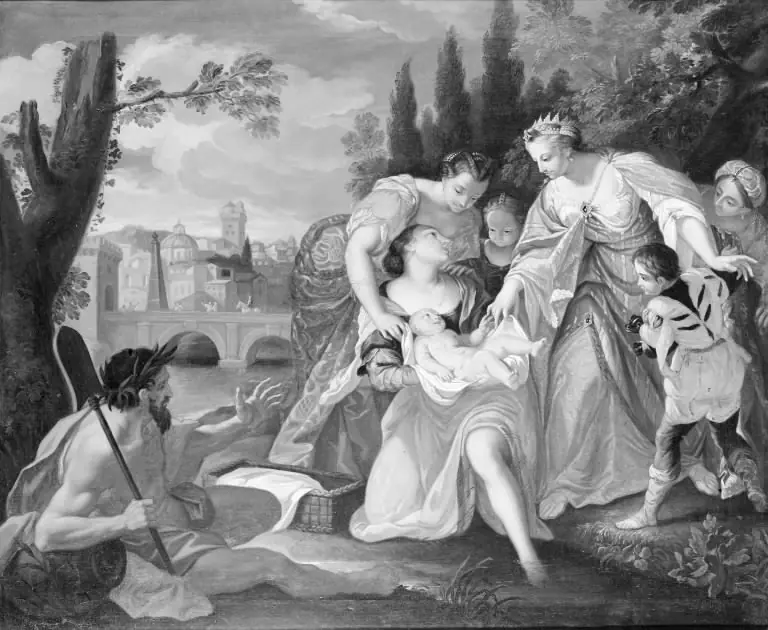 Moses findes i Nilen af Faraos datter
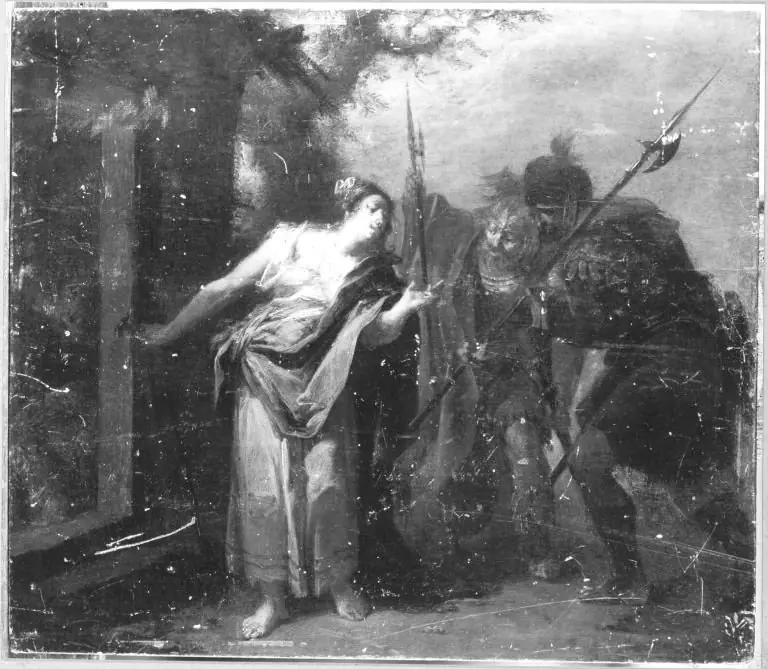 Jael und Sisera (vermutlich)
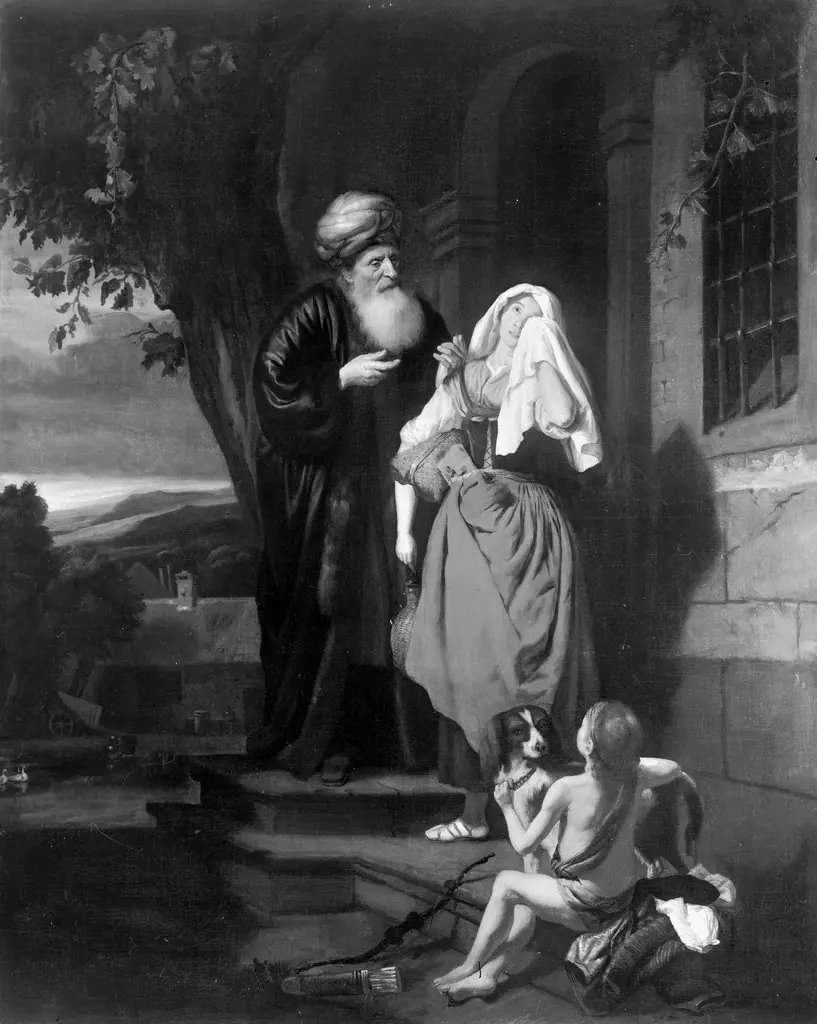 Rejection of Hagar
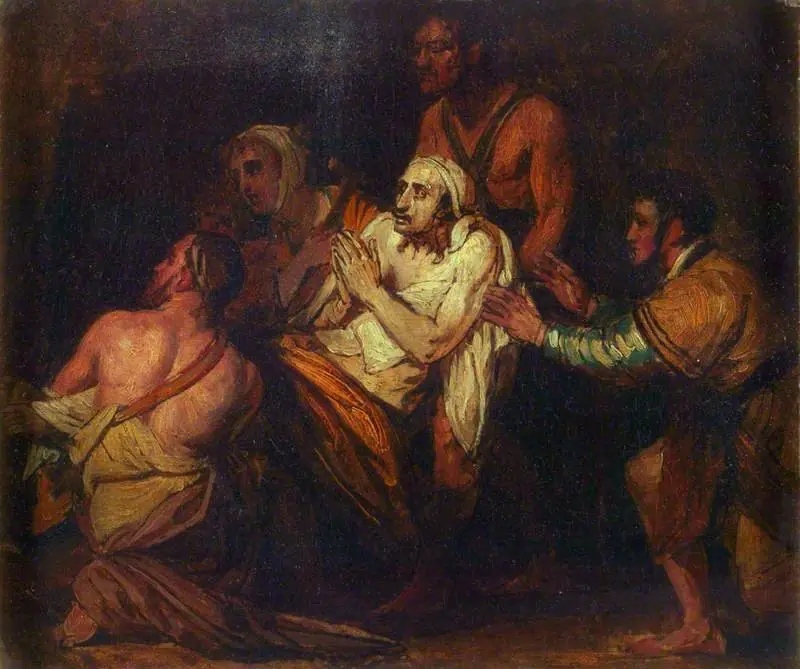 Christ Healing the Sick (sketch)
 Sulmalla prøver forgæves at overtale sin elsker Cathmor til at slutte fred med Fingal