Artwork
Untitled
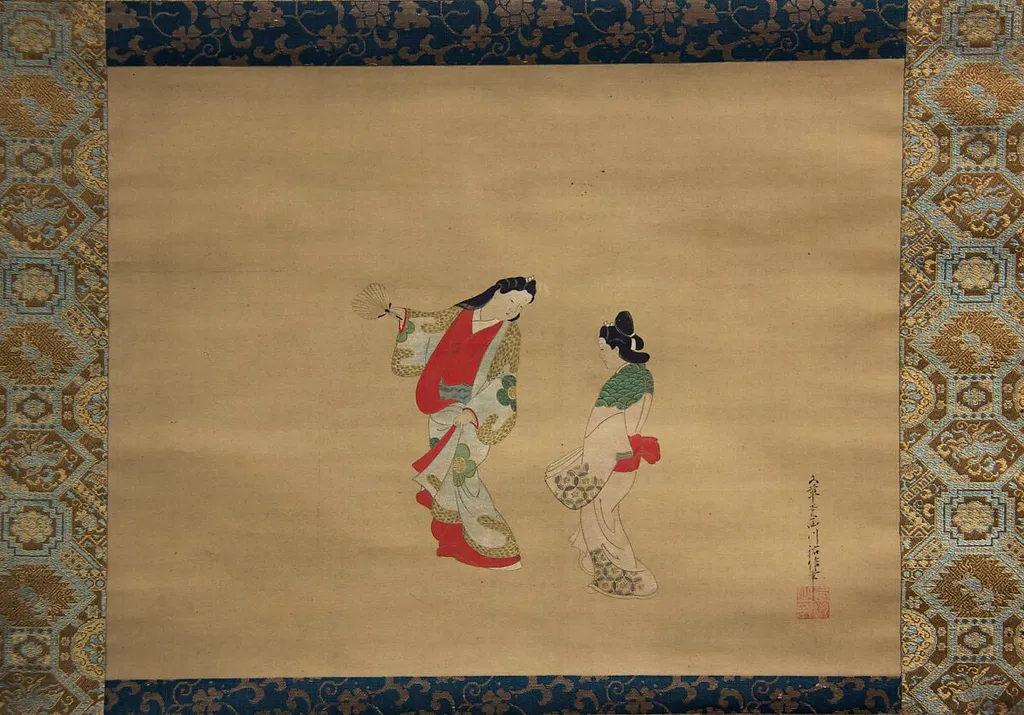
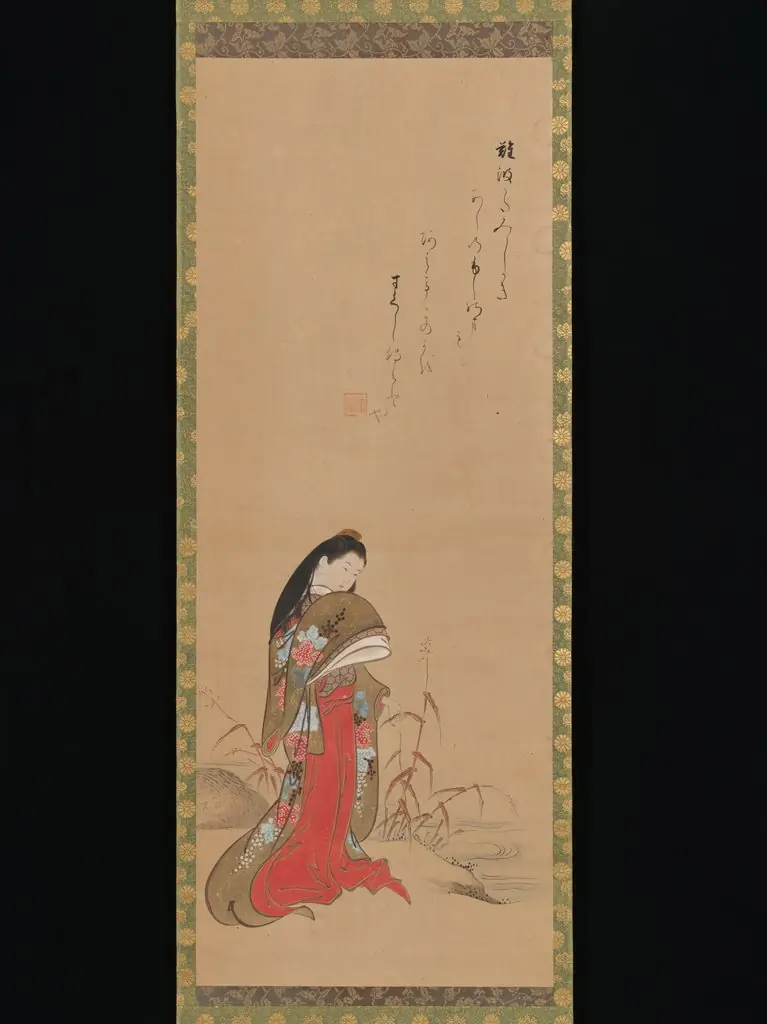
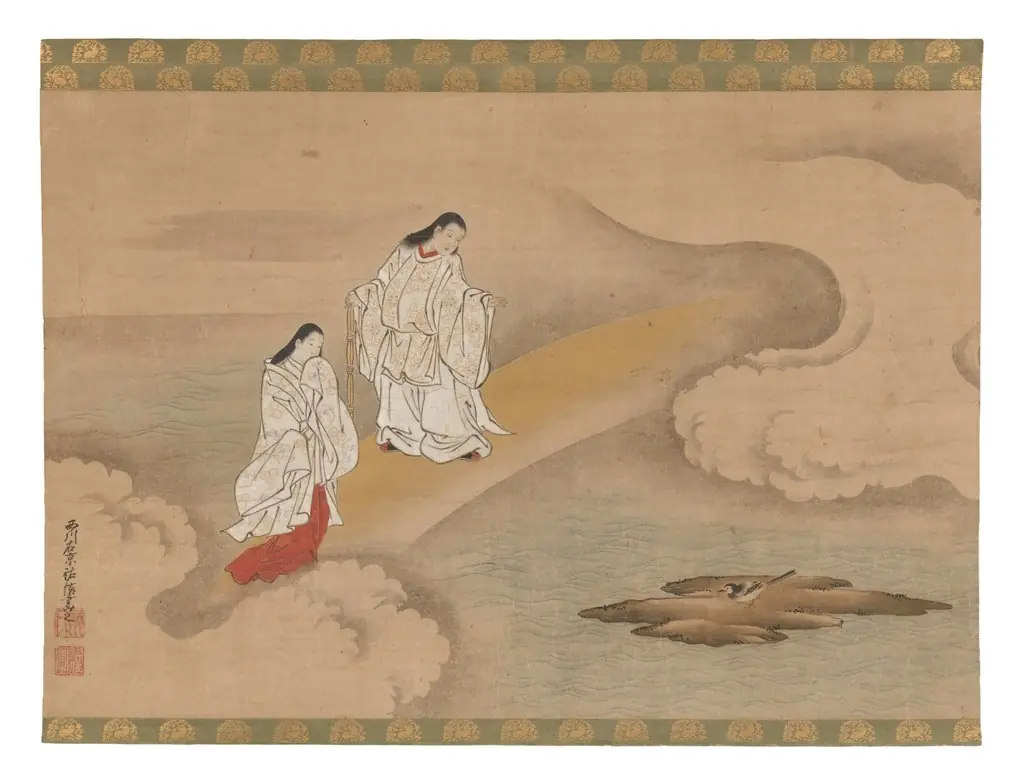
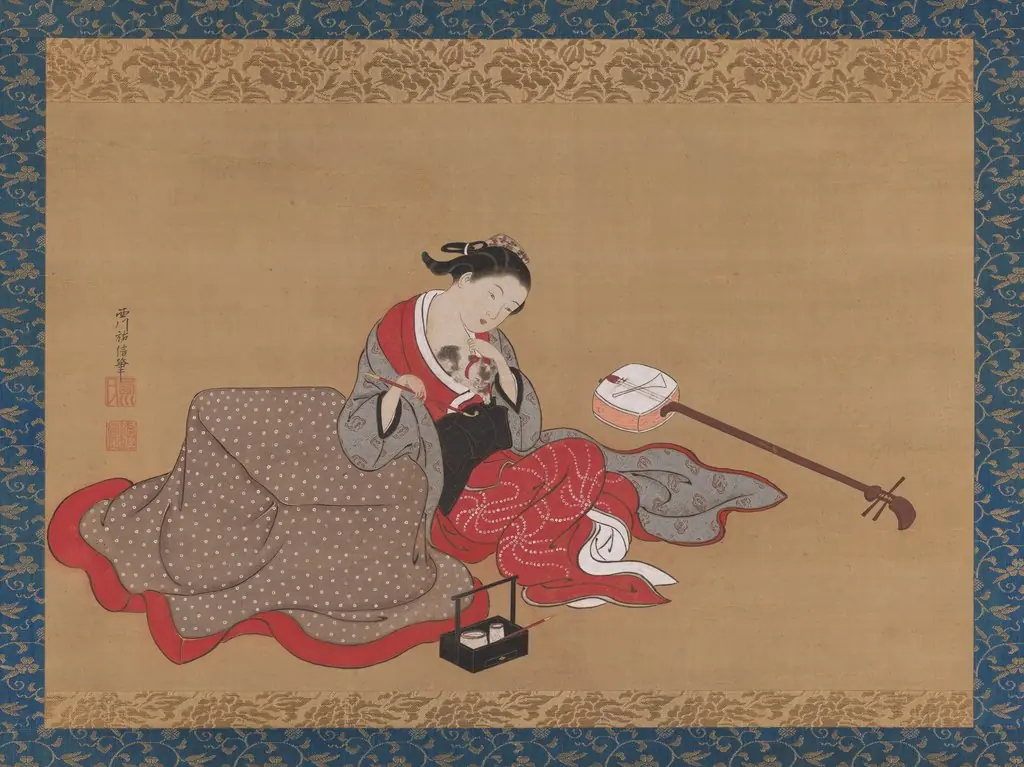
Untitled is an ink painting by the Baroque artist Nishikawa Sukenobu. It dates from 1725 and is held in the collection of the Metropolitan Museum of Art.
About this work
Subject & Meaning
The figure is presented without overt narrative attributes, allowing the viewer to focus on her presence and the delicate brushwork.
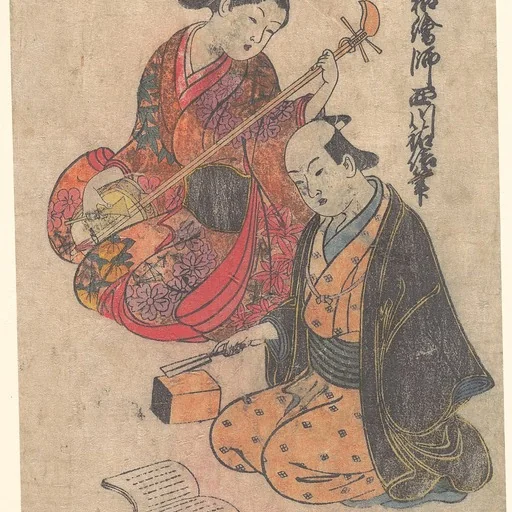
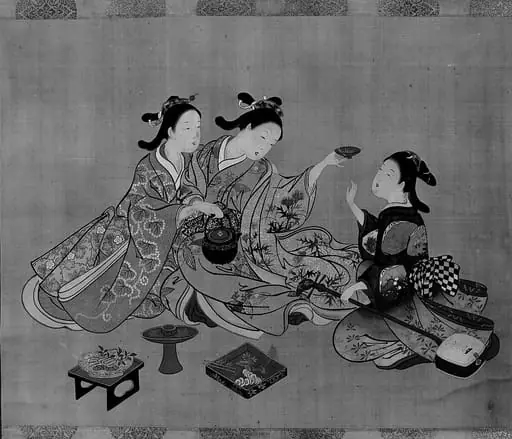
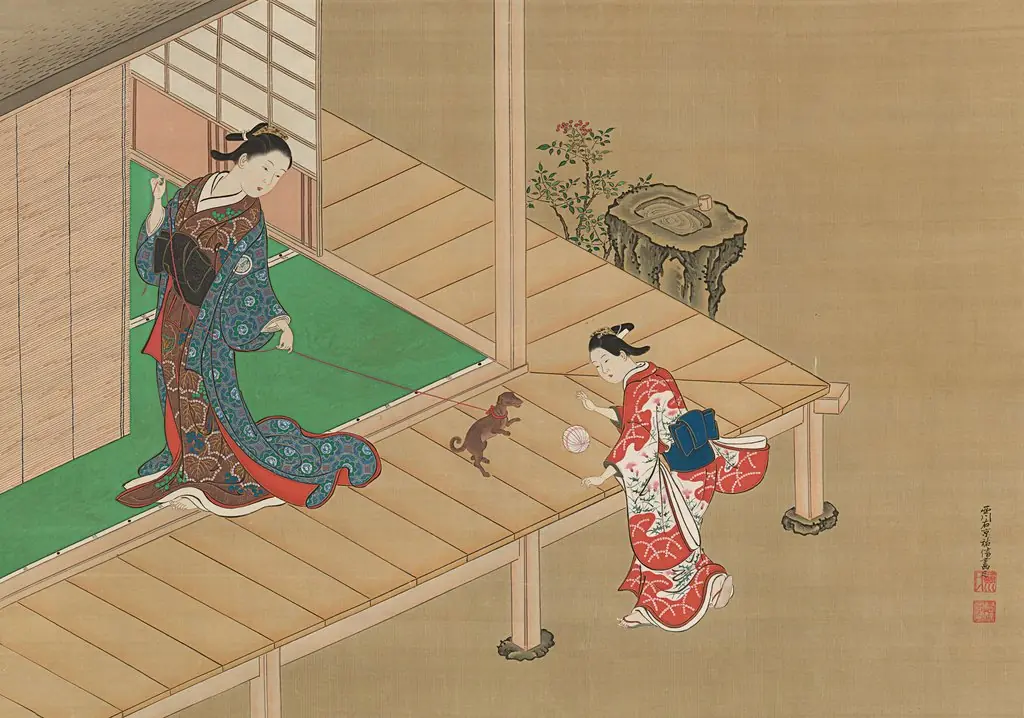
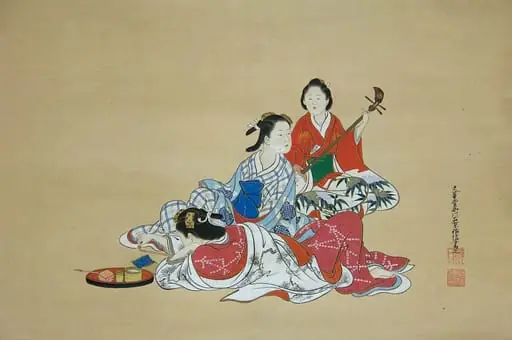
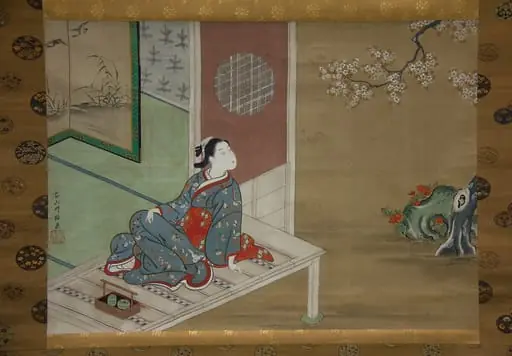
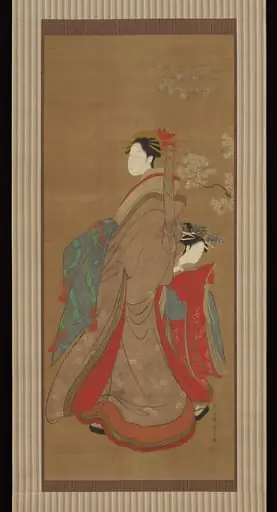
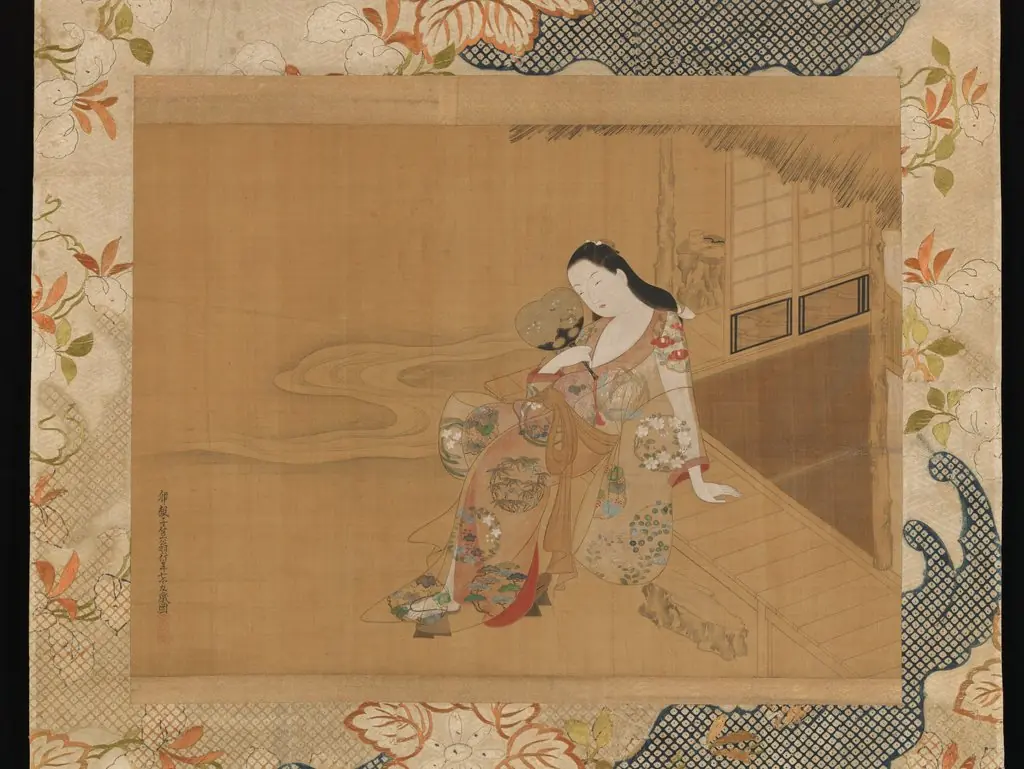
The work is a portrait that shows a single woman rendered in ink and color on silk. It was created in 1725 in Japan by the Edo‑period painter Nishikawa Sukenobu. The figure is presented without overt narrative attributes, allowing the viewer to focus on her presence and the delicate brushwork.
As a hanging scroll, the piece functions both as a decorative object and a study of contemporary female representation. The painting is part of the Metropolitan Museum of Art’s collection, where it is catalogued simply as “Untitled.”
History & Provenance
The painting is dated 1725 and attributed to Nishikawa Sukenobu, placing its creation within the Edo period. It is recorded as part of the collection of the Metropolitan Museum of Art, New York, where it is held as a hanging scroll in ink and color on silk.
Overview
Created in 1725, this hanging scroll by Nishikawa Sukenobu presents a solitary female figure rendered in ink and subtle color on silk. The composition places the woman beside a blossoming tree, her posture relaxed as she holds a fan and gazes downward. The work exemplifies Sukenobu’s focus on intimate, everyday moments rather than formal courtly portraiture.
Technique & Style
Executed with fine, delicate lines and a restrained palette, the ink and color on silk achieve a luminous quality that animates the fabric’s texture. Sukenobu’s brushwork emphasizes softness, allowing the folds of the robe and the foliage to appear almost tactile. The subtle coloration enhances the figure’s presence without overwhelming the composition.
Context
During the Edo period, Sukenobu was noted for portraying women in ordinary settings, a departure from the dominant focus on aristocratic or mythological subjects. This approach aligns with a broader interest in genre scenes that documented the lived experiences of common people, offering a counterpoint to the more formalized portrait traditions of his contemporaries.
Legacy
Sukenobu’s sensitive treatment of female subjects influenced later Japanese artists who explored quotidian themes. His emphasis on simplicity and refined line work contributed to a visual vocabulary that continued to inform ukiyo‑e and later modern Japanese painting, underscoring the lasting relevance of his intimate portrayals.
Artist & collection