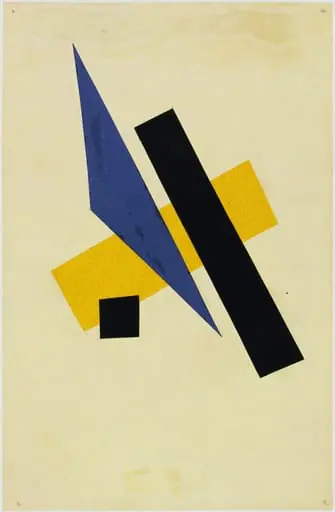
Artwork
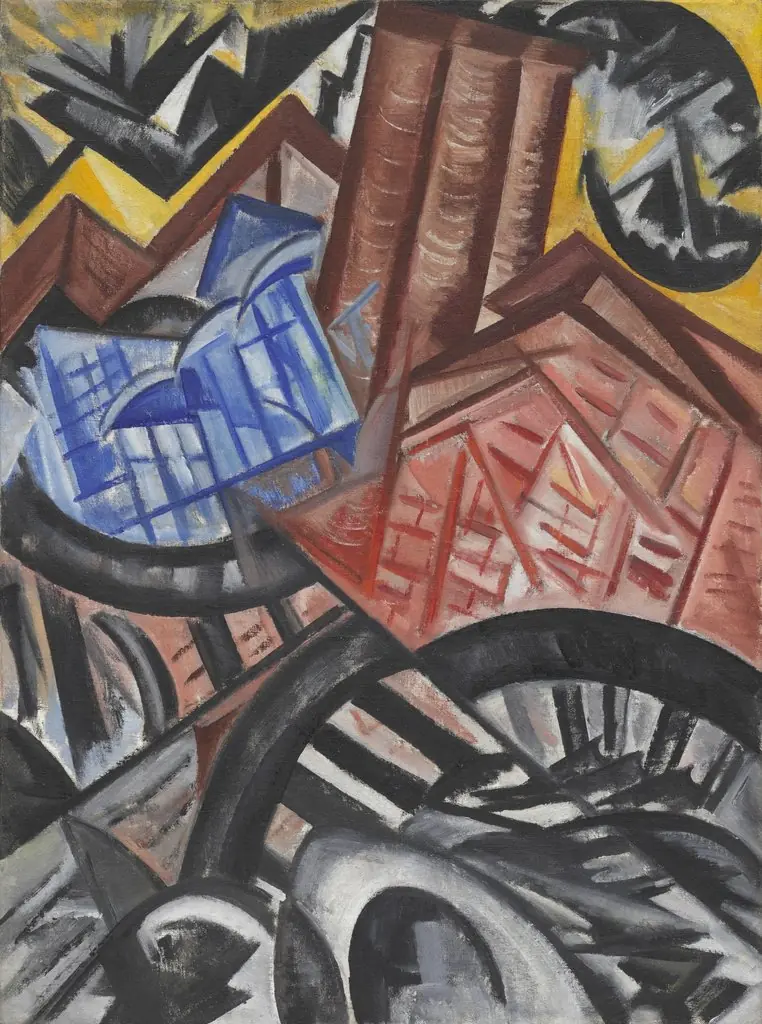
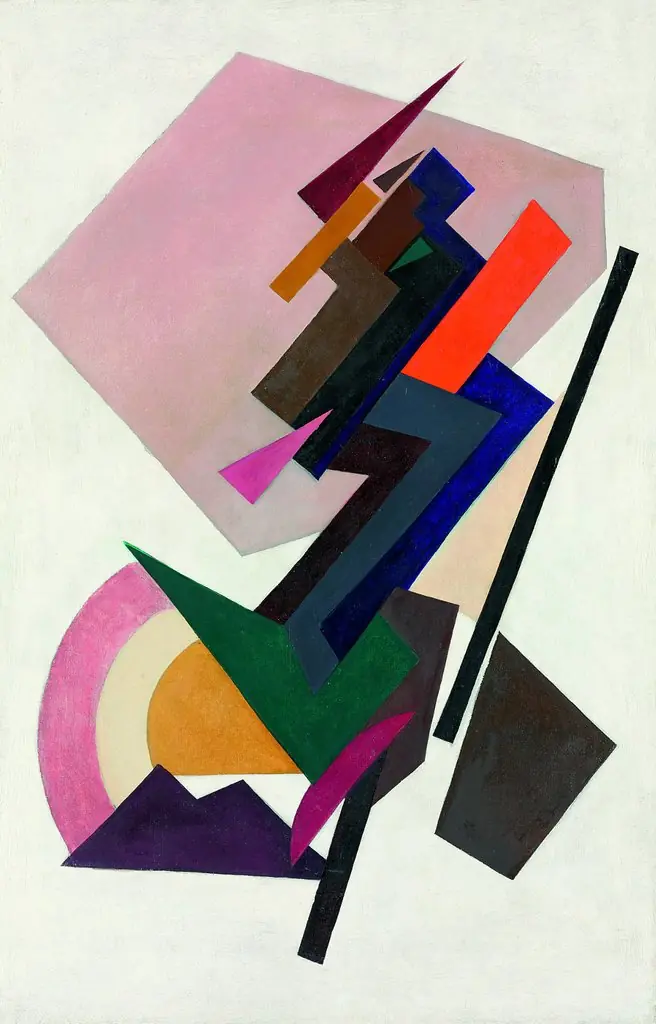
Non-Objective Composition. Color painting
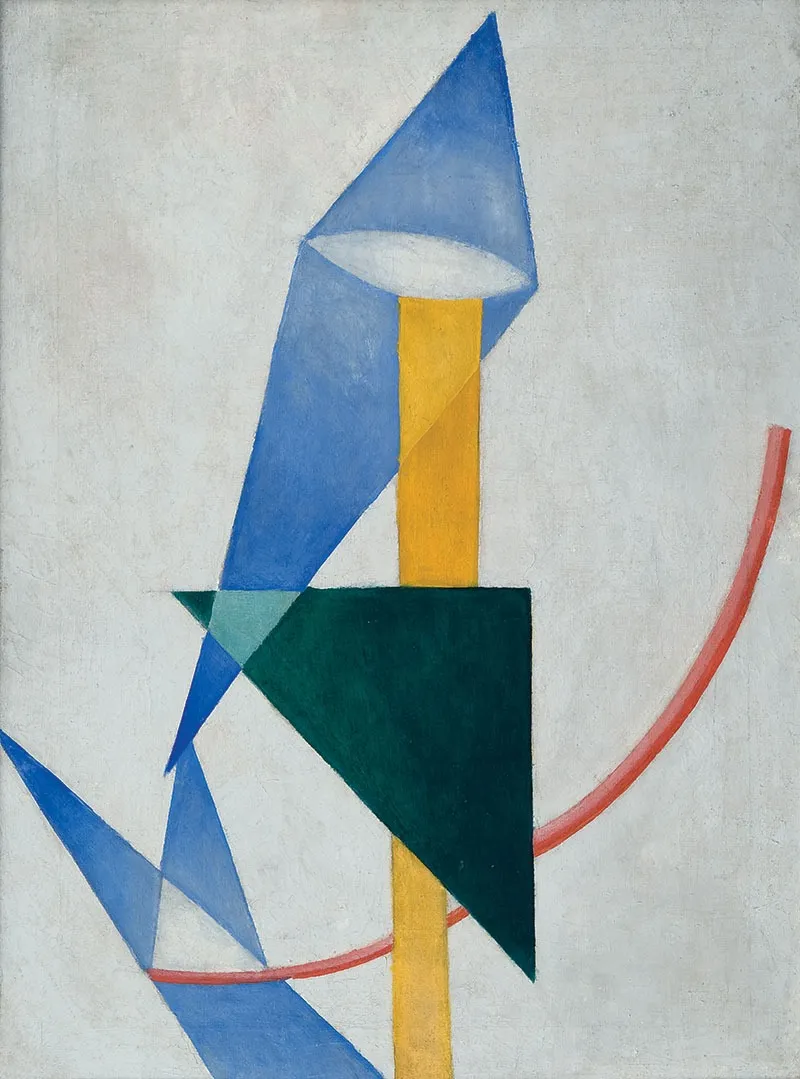
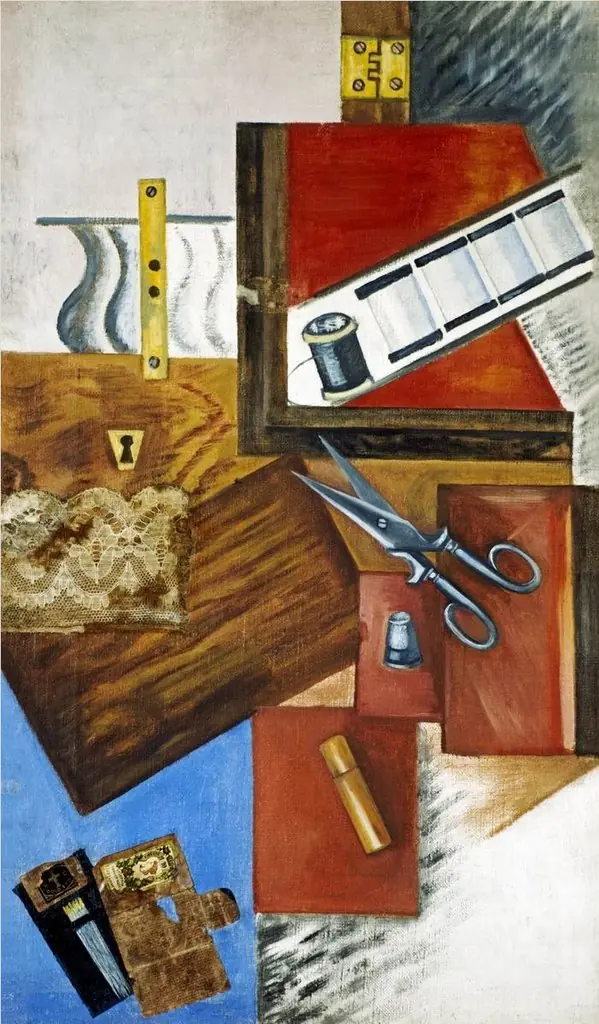
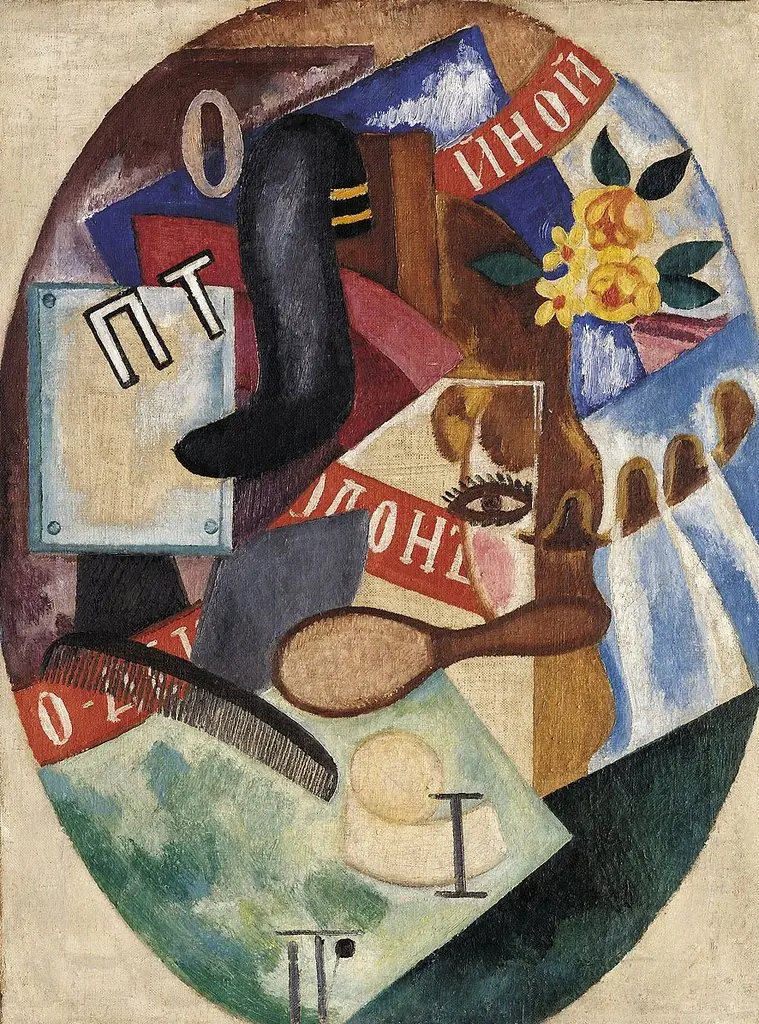
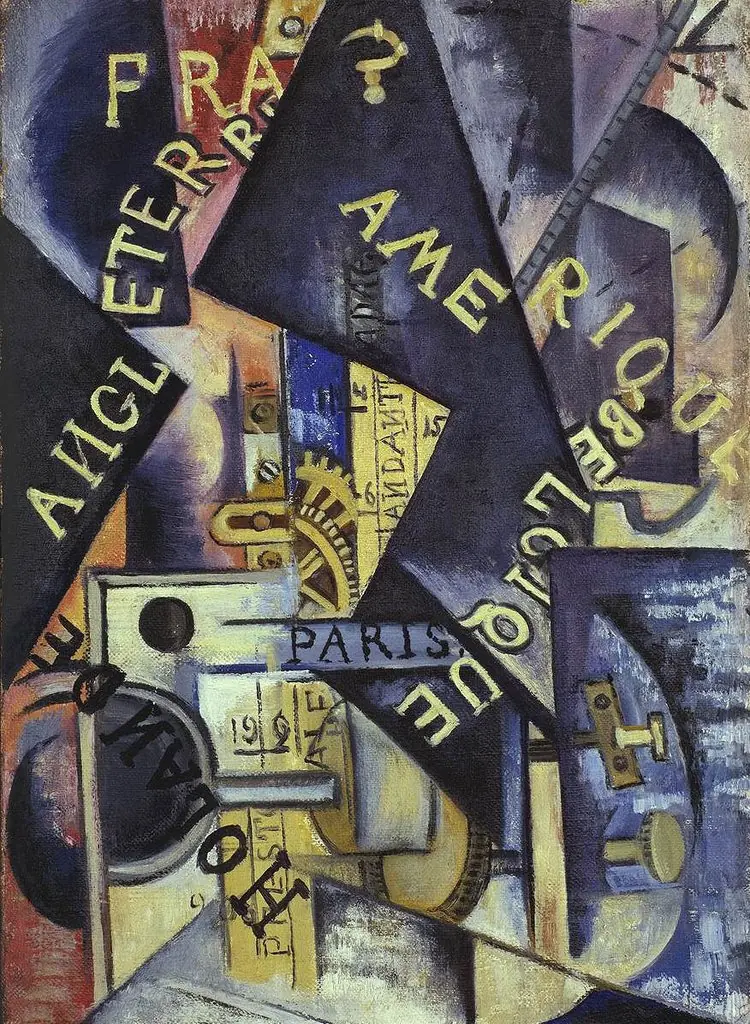
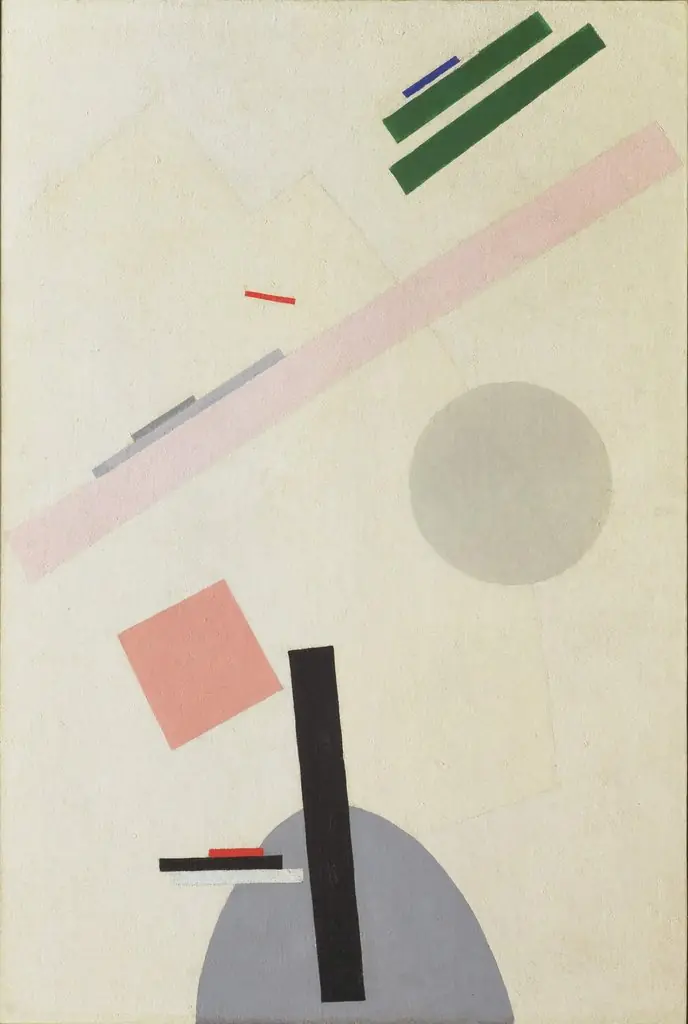
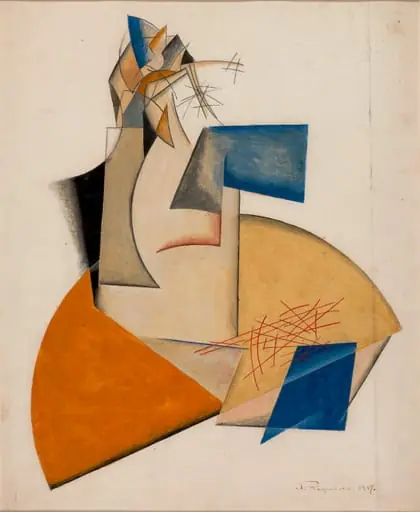
Non-Objective Composition. Color painting is an oil painting by the Abstract Expressionist artist Olga Rozanova. It dates from 1917 and is held in the collection of the National Art Museum of Azerbaijan.
About this work
Overview
Non-Objective Composition is a 1917 oil painting by Olga Rozanova, a key figure in early 20th-century Russian avant-garde movements. The work is characterized by its abstract, non-representational form.
Subject & Meaning
The painting's subject is purely compositional, eschewing recognizable imagery in favor of exploring color and geometric relationships, reflective of Rozanova's experimentation with non-objective art principles.
Technique & Style
Executed in oil paint, the composition showcases Rozanova's adaptation of Suprematist and Cubo-Futurist principles, though its specific stylistic traits are not detailed in available information.
History & Provenance
Created in 1917, the painting is now part of the National Art Museum of Azerbaijan's collection, highlighting its recognition within the global avant-garde heritage.
Context
Emerging during a pivotal moment in Russian avant-garde, the work contextualizes Rozanova's contribution to the transition towards fully abstract art forms in the early 20th century.
Legacy
While specific influences of Non-Objective Composition on later artists are not widely documented, it contributes to the broader legacy of Russian Suprematism and early abstract movements.
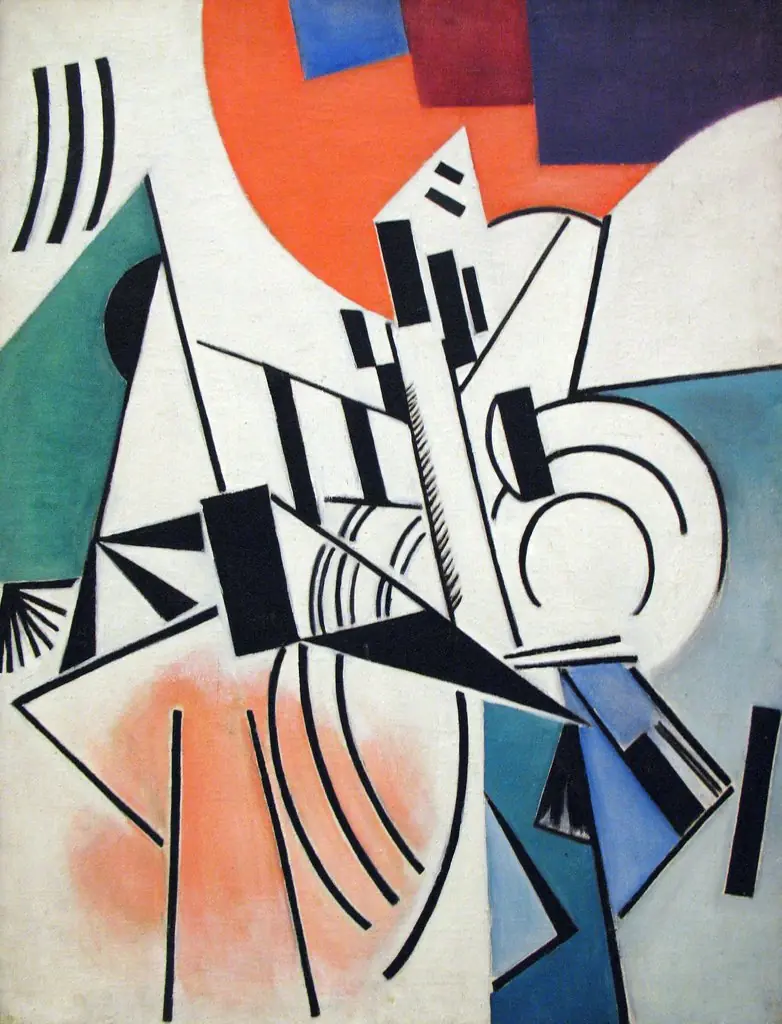
Artist & collection
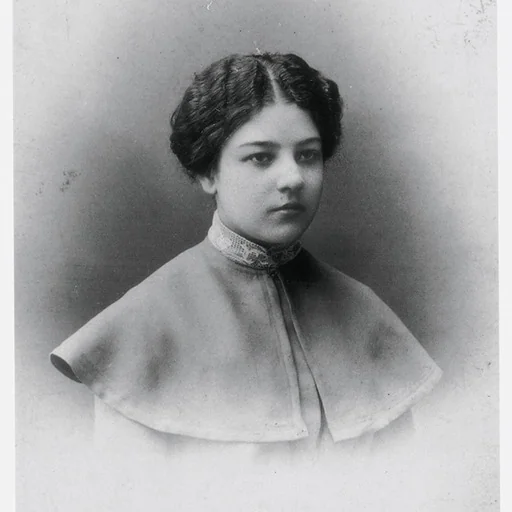
Artist
Olga Vladimirovna Rozanova (also spelled Rosanova, Russian: Ольга Владимировна Розанова) (22 June 1886 – 7 November 1918, Moscow) was a Russian avant-garde artist painting in the styles of Suprematism, Neo-Primitivism, and Cubo-Futurism.