Artwork
Metronome
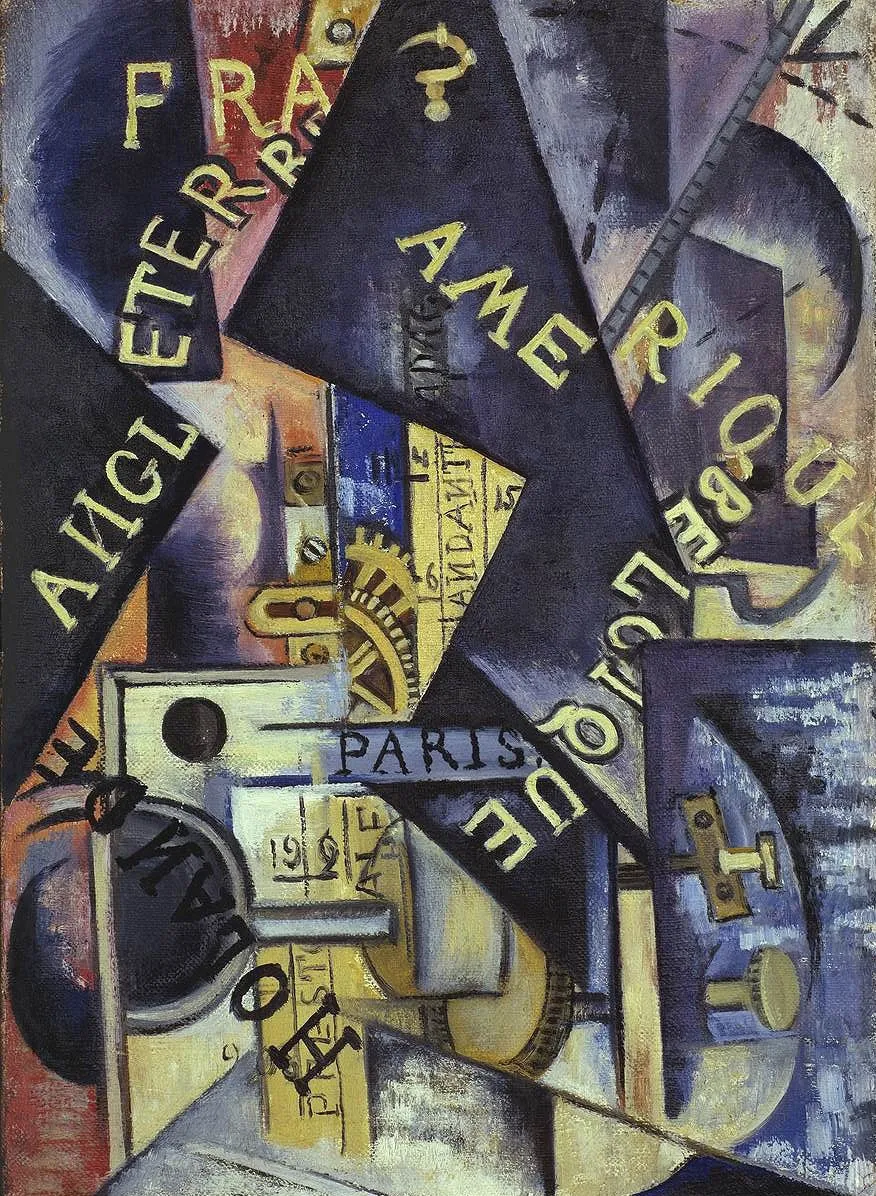
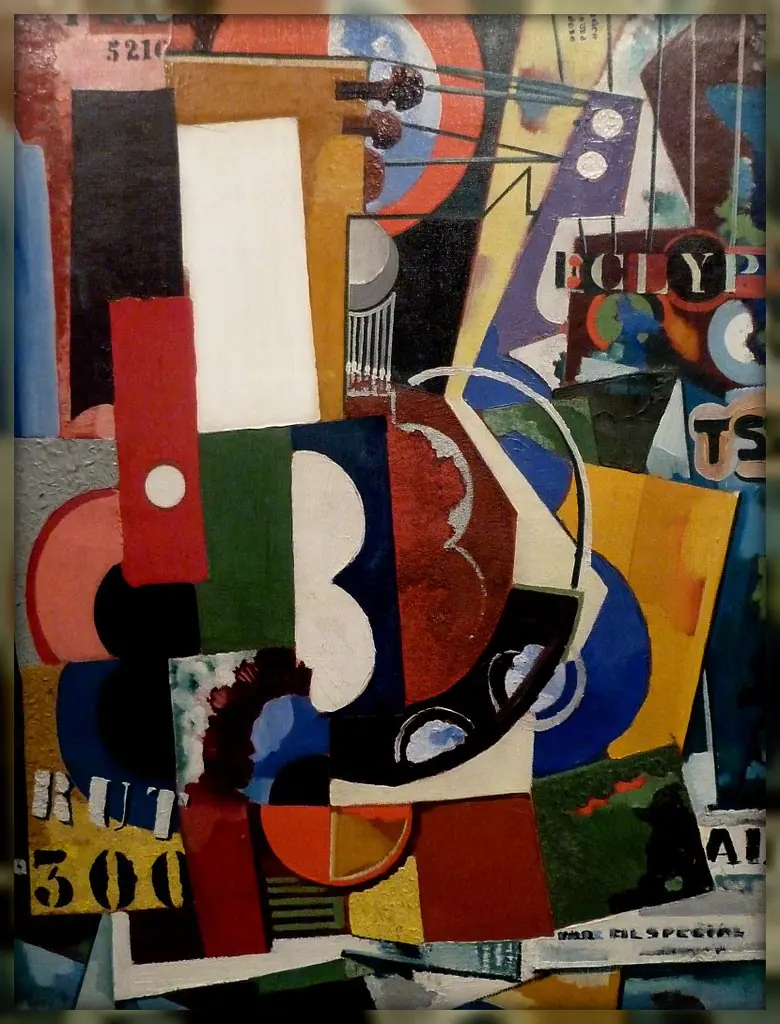
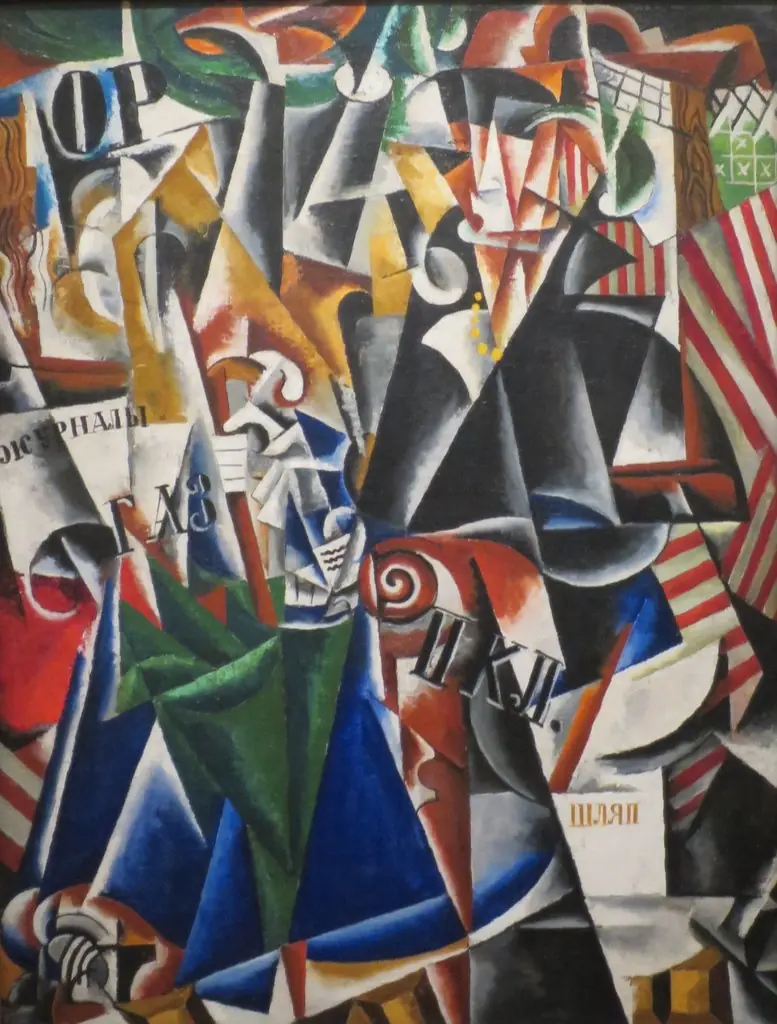
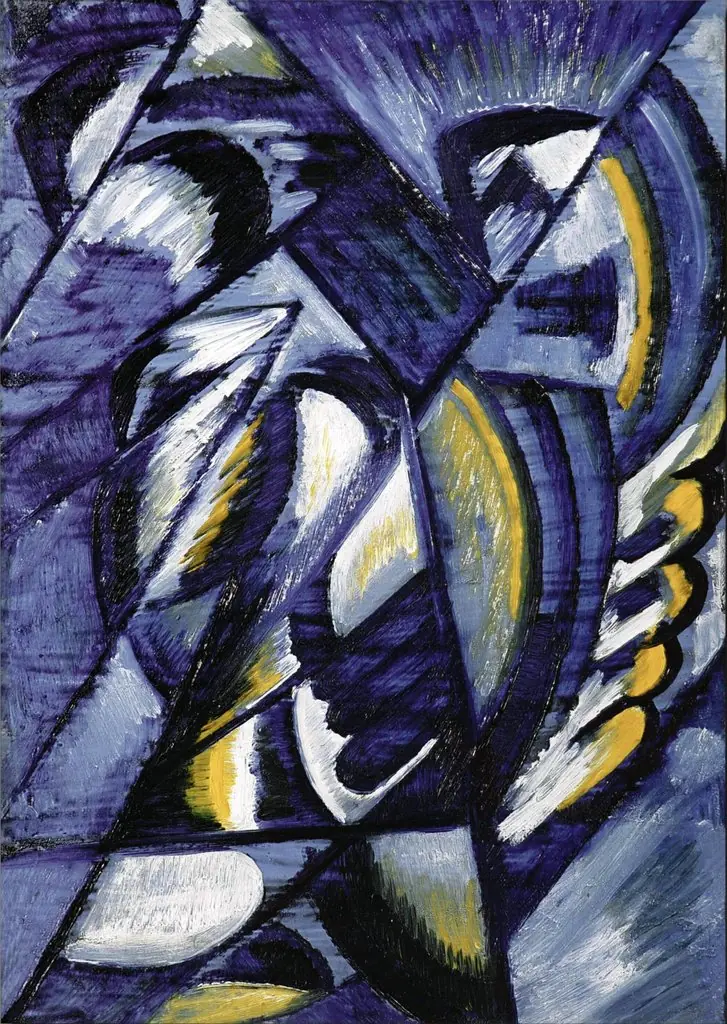
Metronome is an oil painting by the Art Informel artist Olga Rozanova. It dates from 1915 and is held in the collection of the Tretyakov Gallery.
About this work
Overview
Its dynamic structure reflects the era’s experimental spirit, positioning everyday objects within a disordered visual field that challenges perceptual norms.
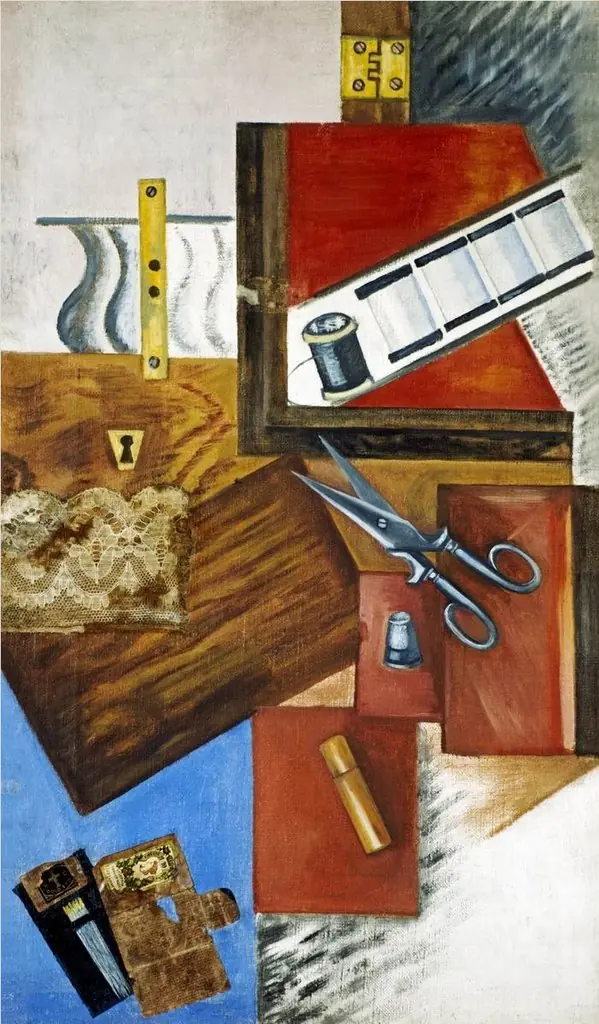
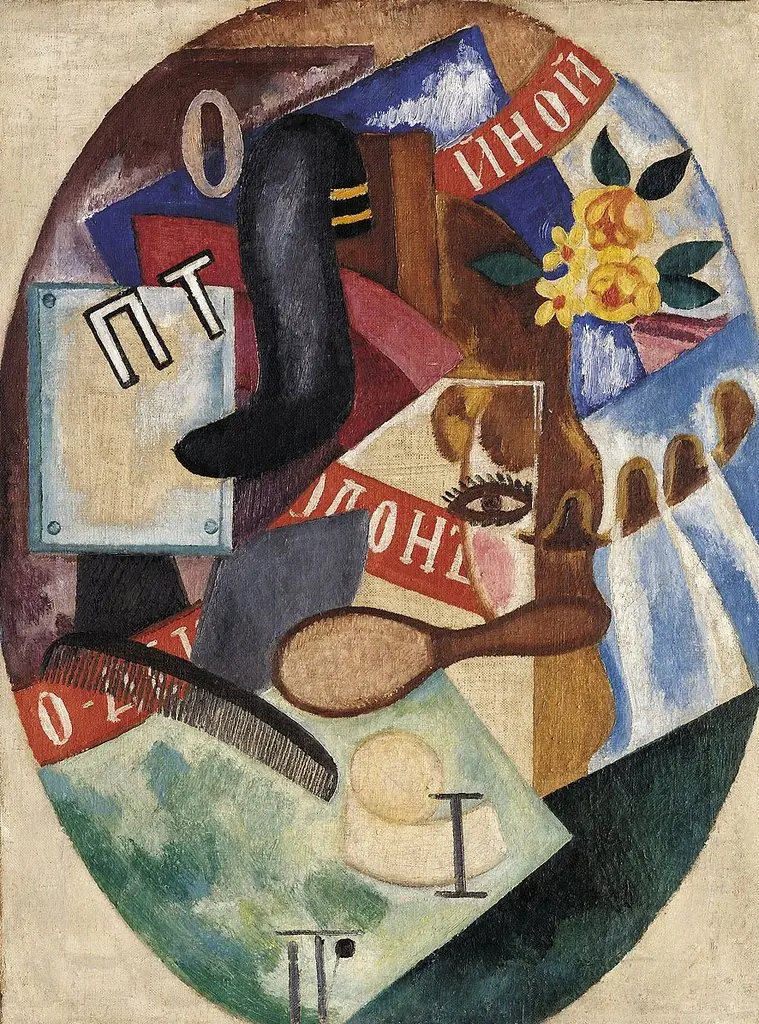
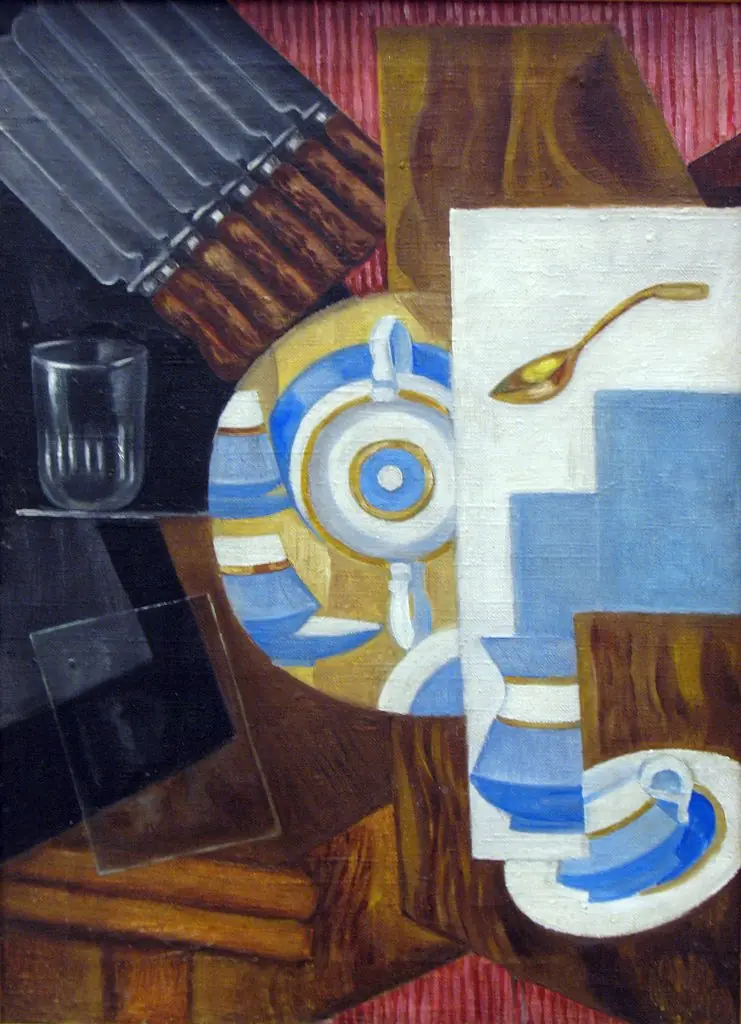
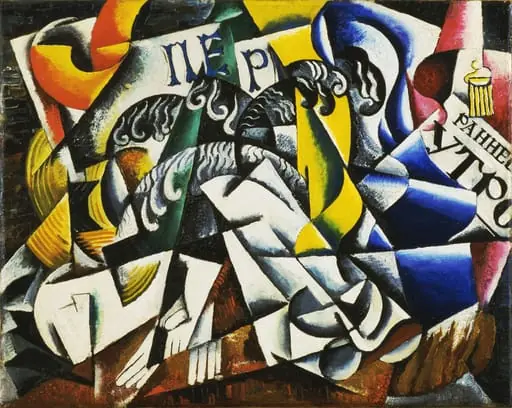
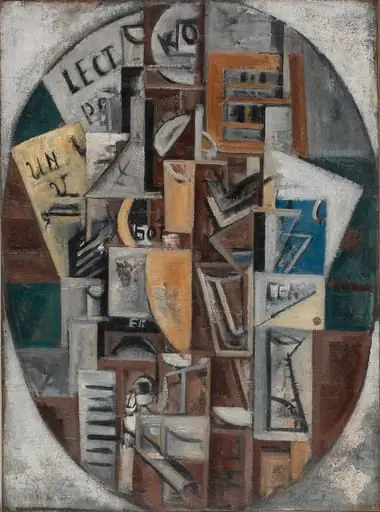
Painted in 1915 by Olga Rozanova, Metronome is an oil-on-canvas work that merges still-life elements with abstract composition. Rooted in Russian avant-garde movements including Cubo-Futurism and Neo-Primitivism, the painting abandons traditional representation in favor of fragmented forms and layered text. Its dynamic structure reflects the era’s experimental spirit, positioning everyday objects within a disordered visual field that challenges perceptual norms.
Subject & Meaning
At the center of the composition lies a metronome, its mechanical rhythm subtly disrupted by surrounding chaos. Surrounding it are fragmented shapes, a small human figure, and a gear, all embedded among bold, overlapping words like 'PARIS,' 'AMERICA,' and 'ETERNAL.' These textual fragments suggest global cultural currents and temporal themes, implying a tension between order and entropy, measurement and meaning, in a rapidly changing world.
Technique & Style
Rozanova employed thick, tactile brushwork to build a textured surface where color and form feel physically present. Jagged planes of deep blue, crimson, and ochre collide without spatial logic, rejecting perspective in favor of rhythmic disruption. The integration of handwritten text as visual element aligns with Futurist strategies, transforming language into a material component rather than a narrative tool, enhancing the painting’s sense of energetic disarray.
History & Provenance
Created during Rozanova’s most active period in Moscow’s avant-garde circles, Metronome entered the collection of the State Tretyakov Gallery in the early 20th century. It remained relatively obscure outside Russia until later scholarly attention to female avant-garde artists. The painting’s survival through political upheavals underscores its significance as a rare surviving example of pre-revolutionary Russian experimental art.
Context
In 1915, Russia was a crucible of artistic innovation, with artists rejecting academic traditions in favor of radical abstraction. Rozanova, influenced by Malevich and the Futurists, pushed beyond Suprematist purity by incorporating textual and representational fragments. Metronome reflects this transitional moment, where the machine age, global communication, and spiritual inquiry converged in a single, fractured image.
Legacy
Though less known than her male contemporaries, Rozanova’s Metronome contributed to the expansion of abstract painting’s vocabulary in early modernism. Its fusion of text, object, and non-representational form anticipated later developments in collage and conceptual art. The work remains a key reference in studies of Russian avant-garde women artists and the material possibilities of paint beyond depiction.
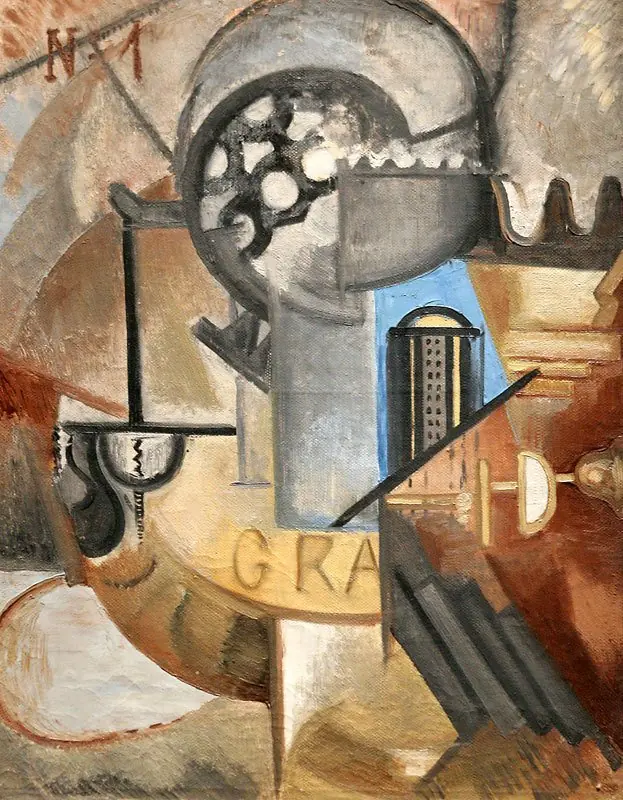
Artist & collection
Artist
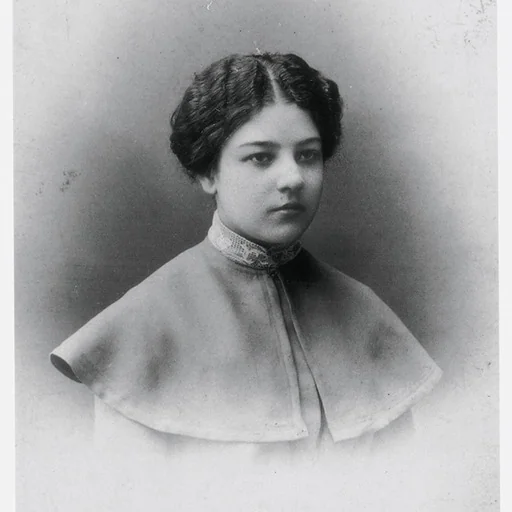
Olga Vladimirovna Rozanova (also spelled Rosanova, Russian: Ольга Владимировна Розанова) (22 June 1886 – 7 November 1918, Moscow) was a Russian avant-garde artist painting in the styles of Suprematism, Neo-Primitivism, and Cubo-Futurism.