Art Museum
National Art Museum of Azerbaijan

Image: Wikimedia Commons.
National Art Museum of Azerbaijan is an art museum in Baku, Azerbaijan. 46 works from its collection are in this catalog, including Titian and Jean Honoré Fragonard.
About National Art Museum of Azerbaijan
Azerbaijan National Museum of Art (Azerbaijani: Azərbaycan Milli İncəsənət Muzeyi) is the biggest art museum of Azerbaijan. It was founded in 1936 in Baku and in 1943 was named after Rustam Mustafayev, a prominent Azerbaijani scenic designer and theater artist. The museum consists of two 19th-century buildings standing next to each other. The museum's total collection includes over 15,000 artworks. There are over 3,000 items in 60 rooms on permanent display. About 12,000 items are kept in storage. The museum changes the exhibits periodically so that more of these artworks can be displayed temporarily.
Overview & Identity
The National Art Museum of Azerbaijan, located in Baku, serves as the country's premier institution for the preservation and exhibition of art. The museum holds a collection that spans from antique works dating back to the 4th century BC to modern Azerbaijani art. It is recognized for its extensive library, which contains approximately 9,000 scientific books, monographs, catalogues, and albums, alongside a rare book collection of old publications.
The institution has been certified to meet European Museum Standard (EUMS) criteria, reflecting its adherence to international standards for museum services and professional experience.
History & Founding
The museum's modern history includes significant milestones in the 21st century. In 2006, the museum building underwent a thorough reconstruction. Following this renovation, a new exhibition was opened to the public in 2009.
In 2011, the museum was declared to be of first National and then European Museum Standard (EUMS) by the Council of Directors of the European Economic Chamber of Trade, Commerce and Industry – EEIG. This certification was granted by unanimous decision, acknowledging the museum's high-quality services and professional experience. The text also references events in July 1993 regarding the movement of various artworks, indicating a period of transition or reorganization prior to the major reconstruction.
Building & Architecture
The museum complex comprises two distinct edifices. One of the buildings was constructed in 1885. The architectural design is noted for its unique features, including the implementation of porticoes on the main facade and loggias on the side, which were considered some of the first attempts of their kind in the region.
The building's volumetric solution was implemented to highlight its location and its view to the sea. The horizontal division of the building is harmonized with the verticals of the clubhouse and Sadikhov's residential building. The gallery is described as unique in its appearance and noticeable among other buildings on central streets, differentiating itself through its volume on the perimeter.
Collection Highlights & Notable Holdings
The museum's collection is diverse, featuring antique works of art dating from the 4th century BC. Notable holdings include ceramic bowls decorated with archaic ornamentation, figures of birds from Manna, female figures from the 3rd to 1st centuries BC, and various ancient dishes found during excavations in Azerbaijani territories. The collection also includes a tombstone in the shape of a horse.
Beyond antiquities, the museum exhibits a wide range of Azerbaijani decorative and applied arts, such as carpets, embroidery (including the widely spread 'gulabatin' gold thread embroidery), artistic metalwork, artistic fabrics, wood carving, and jewellery making.
Significance & Standards
The National Art Museum of Azerbaijan holds significant status as a cultural institution that meets rigorous international standards. Its declaration as a first National and European Museum Standard (EUMS) entity in 2011 underscores its commitment to professional excellence. The museum serves as a vital repository for the nation's artistic heritage, preserving works from the antique period through to contemporary times.
The presence of a specialized library with 9,000 volumes further cements its role as a center for research and scholarship in the field of art history within Azerbaijan and the broader European context.
What to see at National Art Museum of Azerbaijan
Start with The Holy Family with Catherine by Cesare da Sesto.
See all highlights at National Art Museum of Azerbaijan →National Art Museum of Azerbaijan by the numbers
- Founded
- 1936
Works from National Art Museum of Azerbaijan
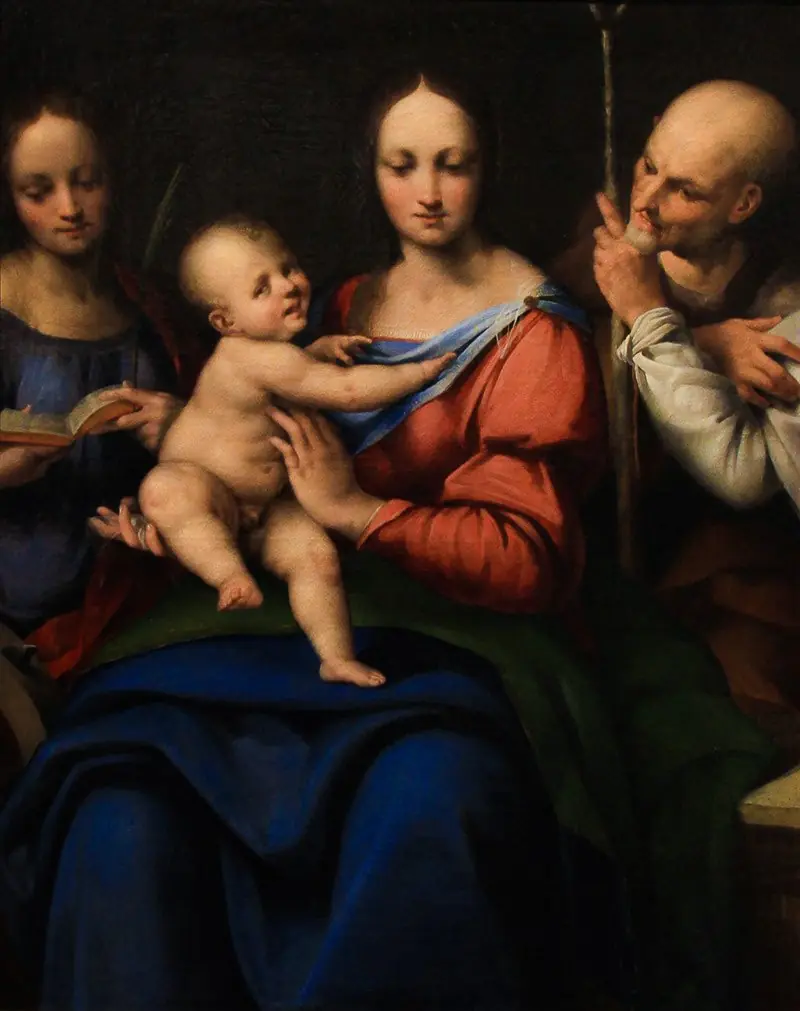 The Holy Family with Catherine
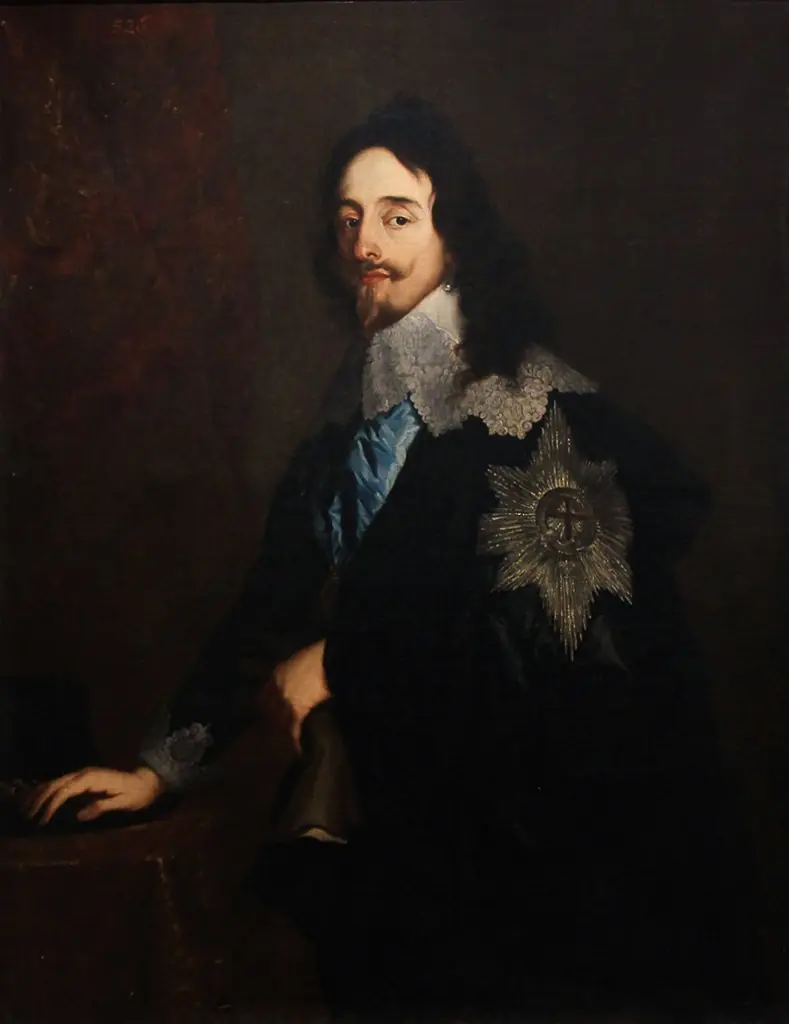 Portrait of Charles I of England
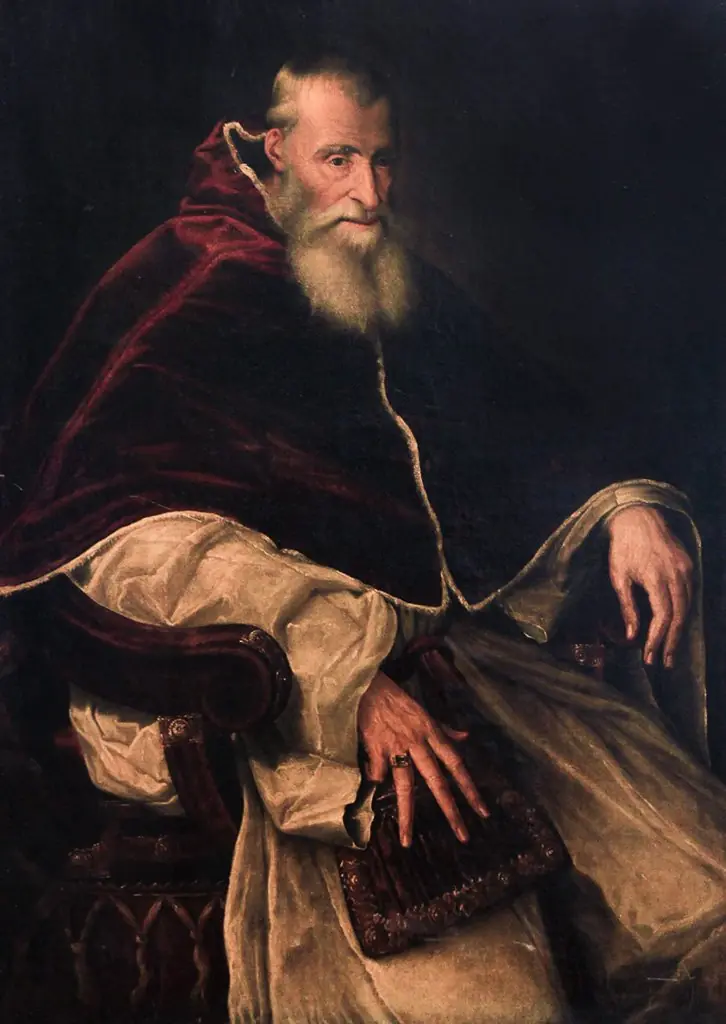 Portrait of Pope Paul III
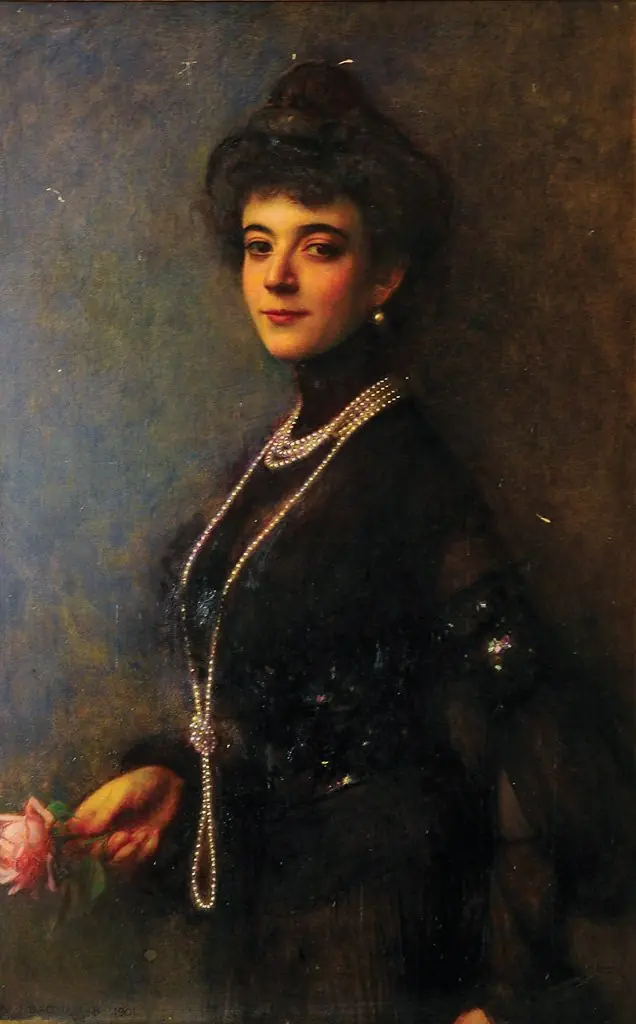 Portrait of a woman
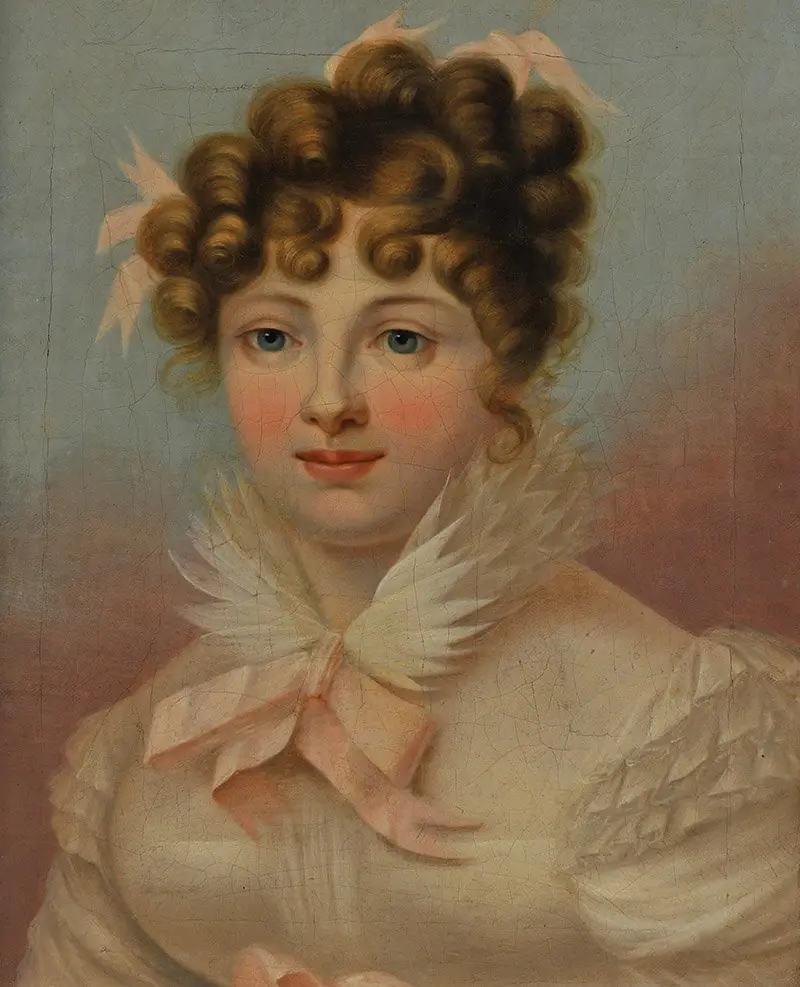 Portrait de Catherine Pavlovna Romanova
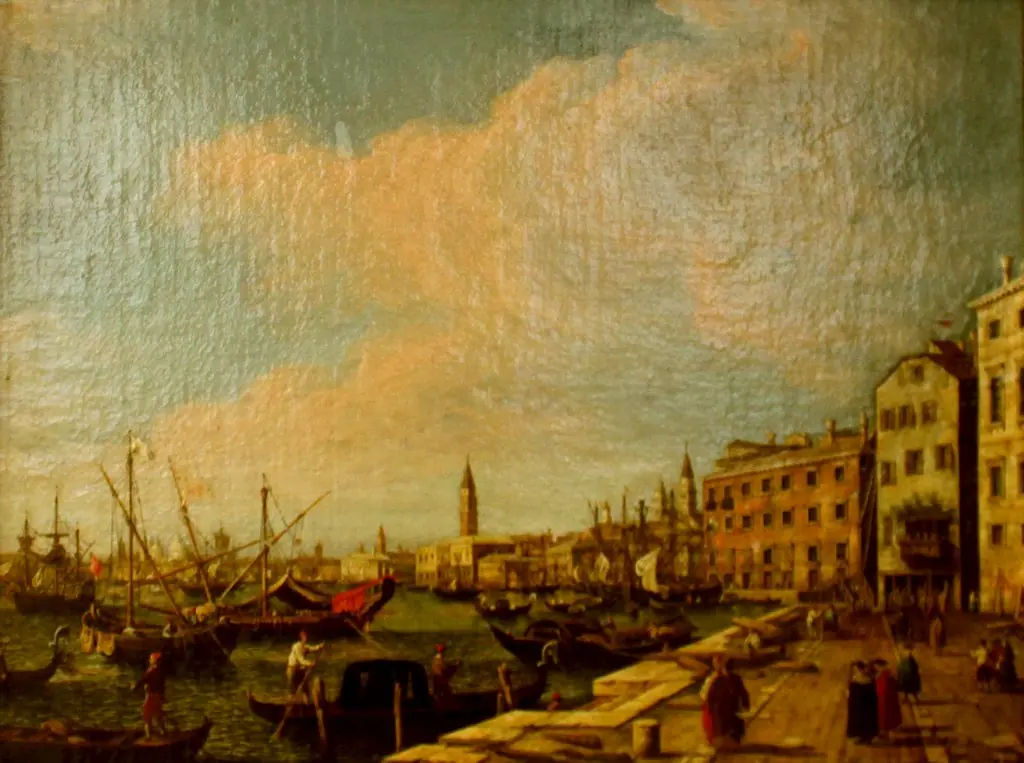 View of Venice
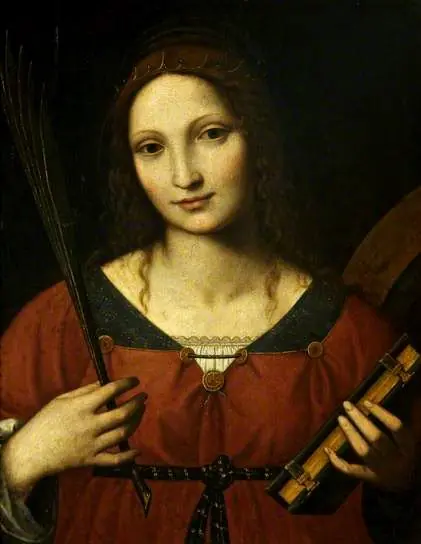 St. Catherine
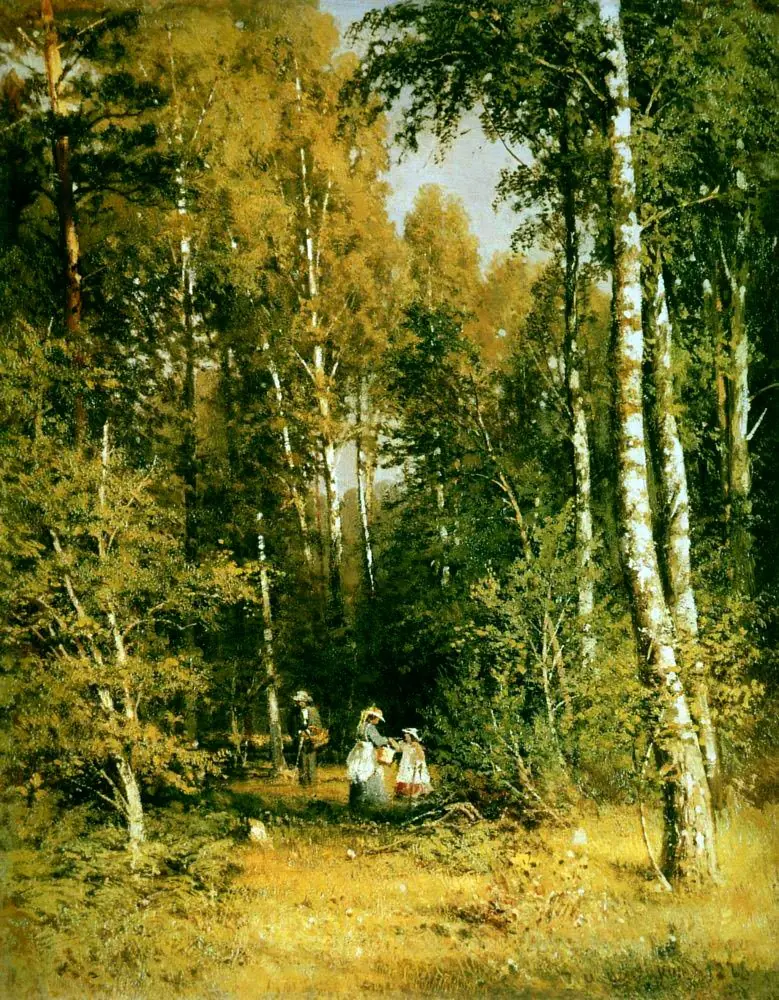 Birch grove
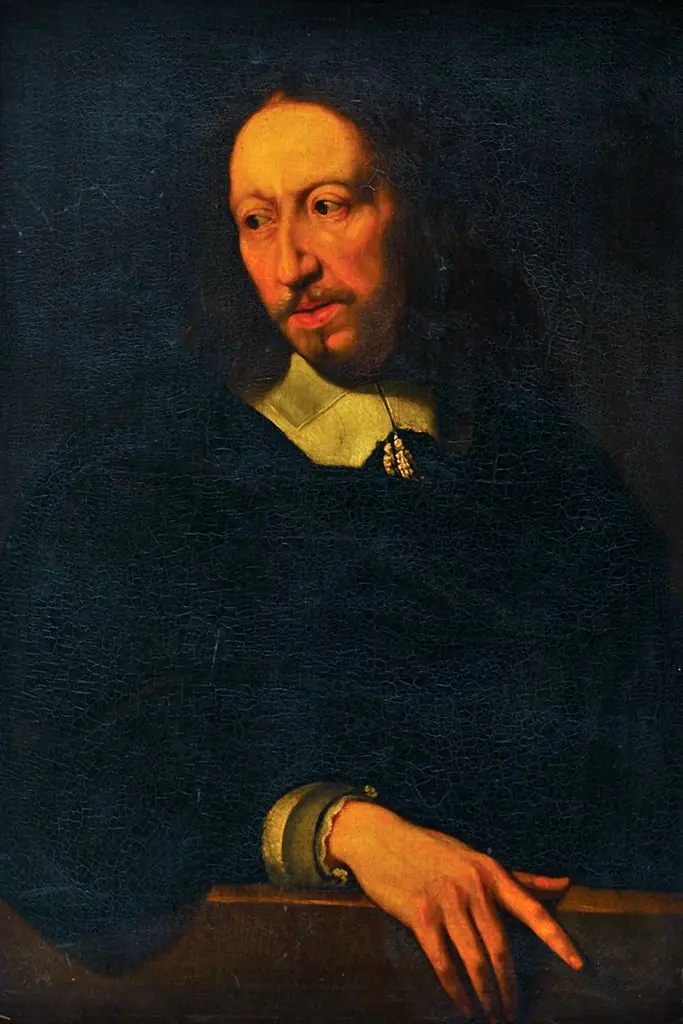 Portrait of a man
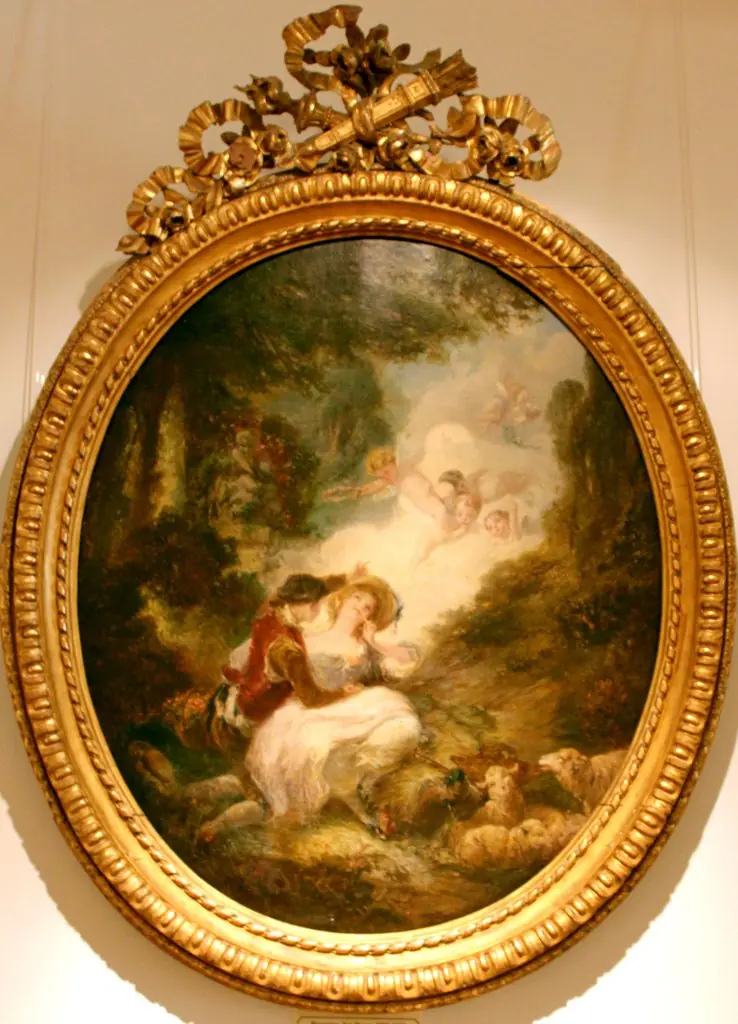 Pastoral
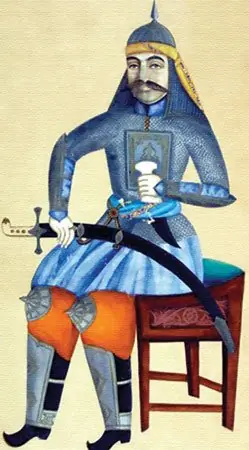 Warrior
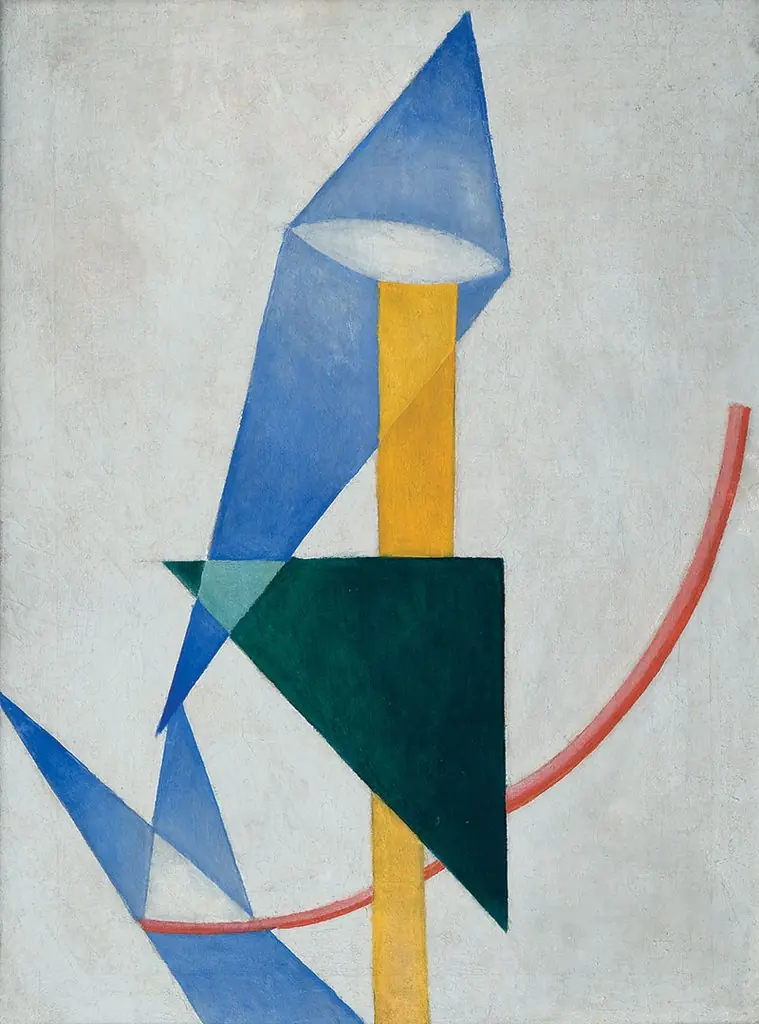 Non-Objective Composition. Color painting
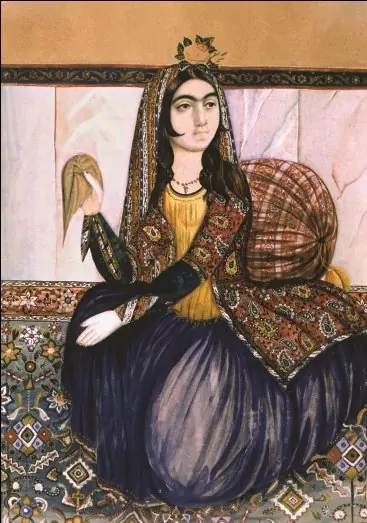 Portrait of a seated woman
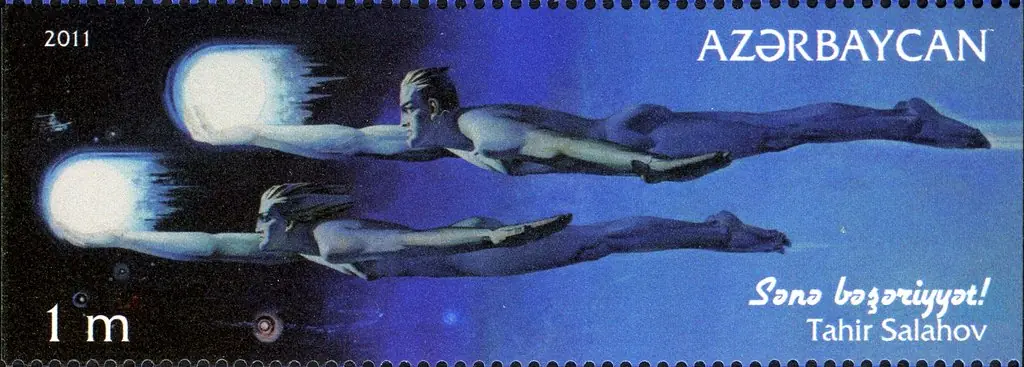 For You
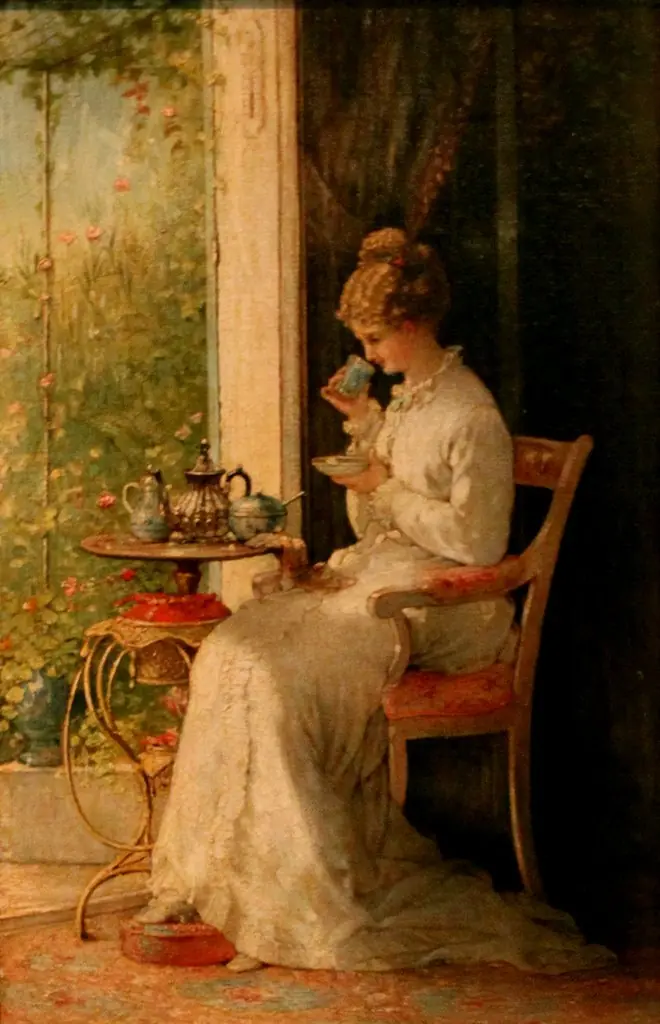 Portrait of a Girl
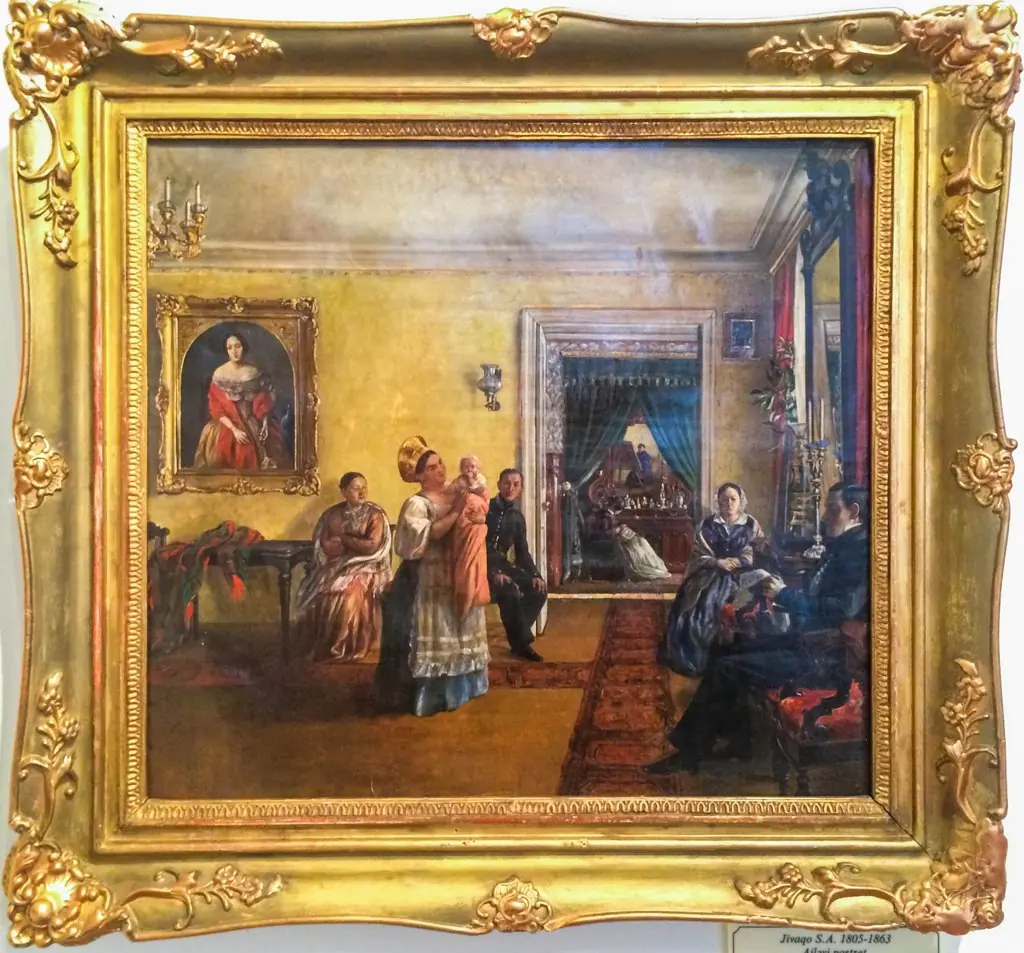 Family portrait
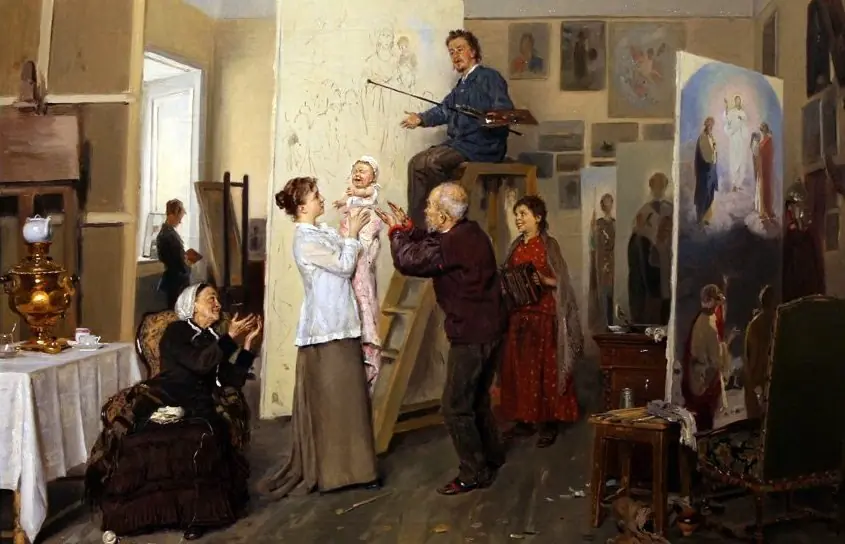 Painter's family
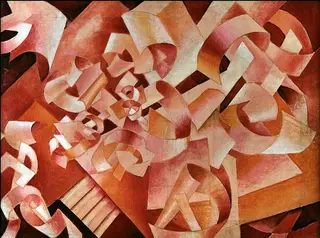 Pink Colour
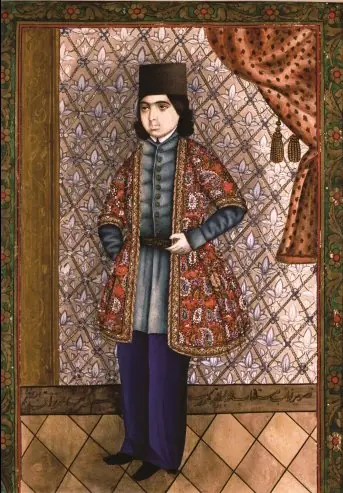 Portrait of a Young Man
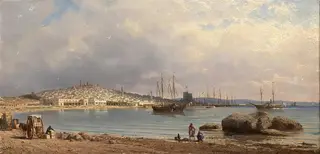 Bakı şəhərinin dənizdən görünüşü
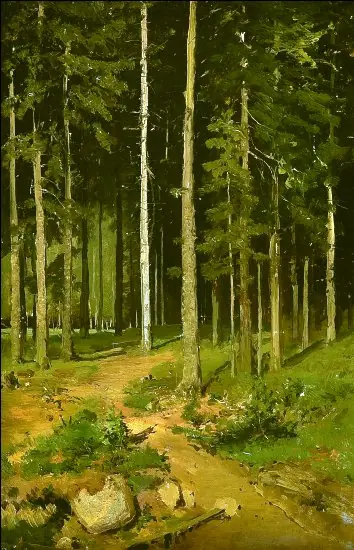 Road in the Forest
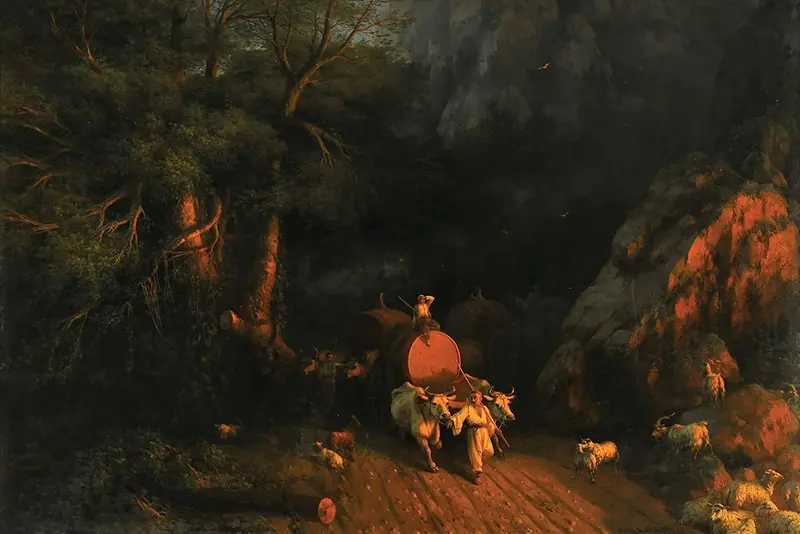 Road in the Forest
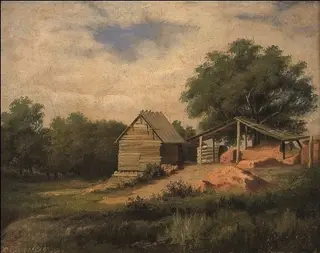 Brick factory
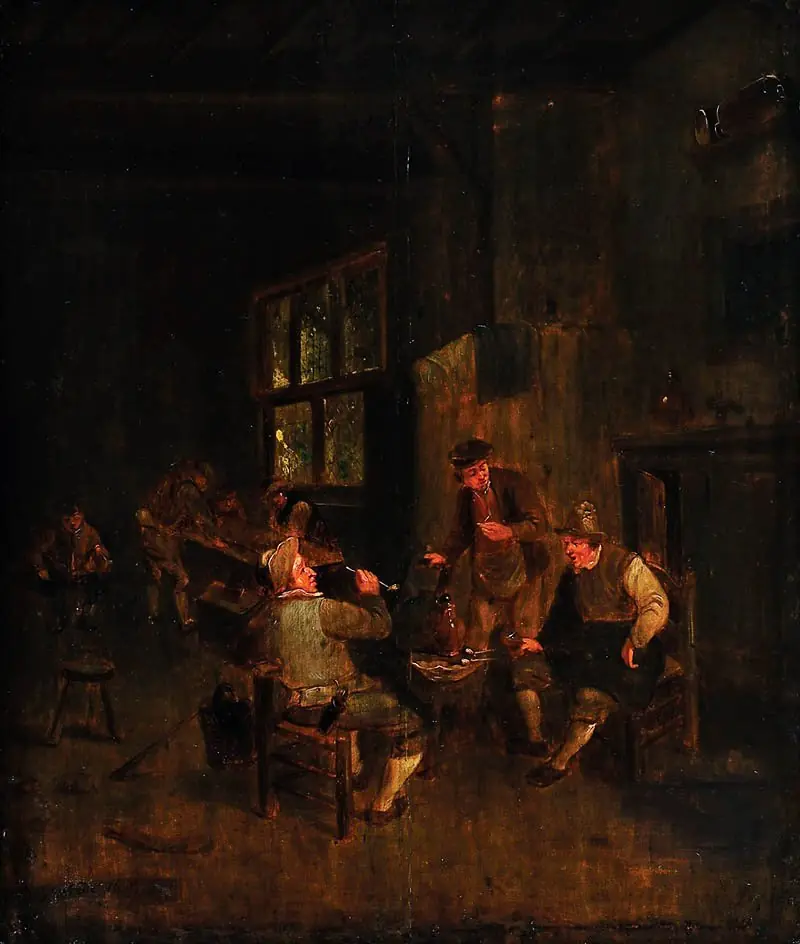 Qəlyançəkənlər meyxanada
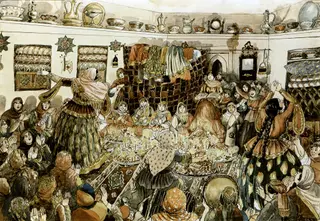 Women wedding
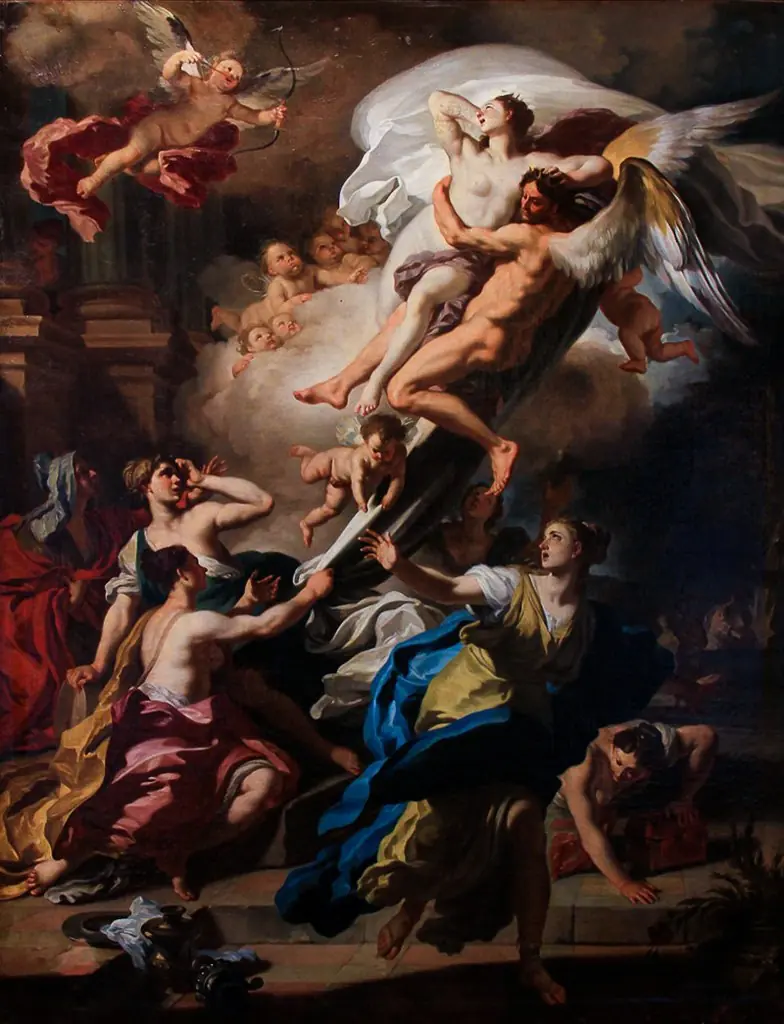 Boreas Abducting Oreithyia, Daughter of Erechteus
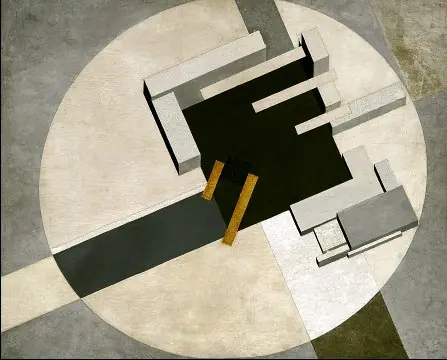 Proun 1E (City)
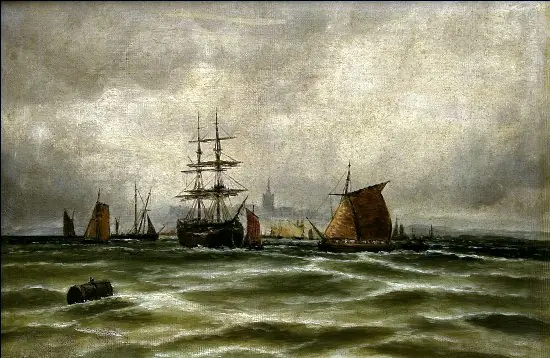 The Sea.
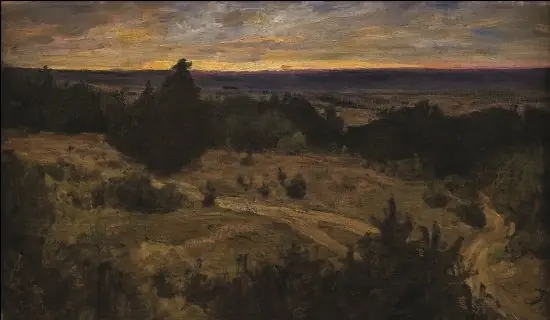 Nom
Nom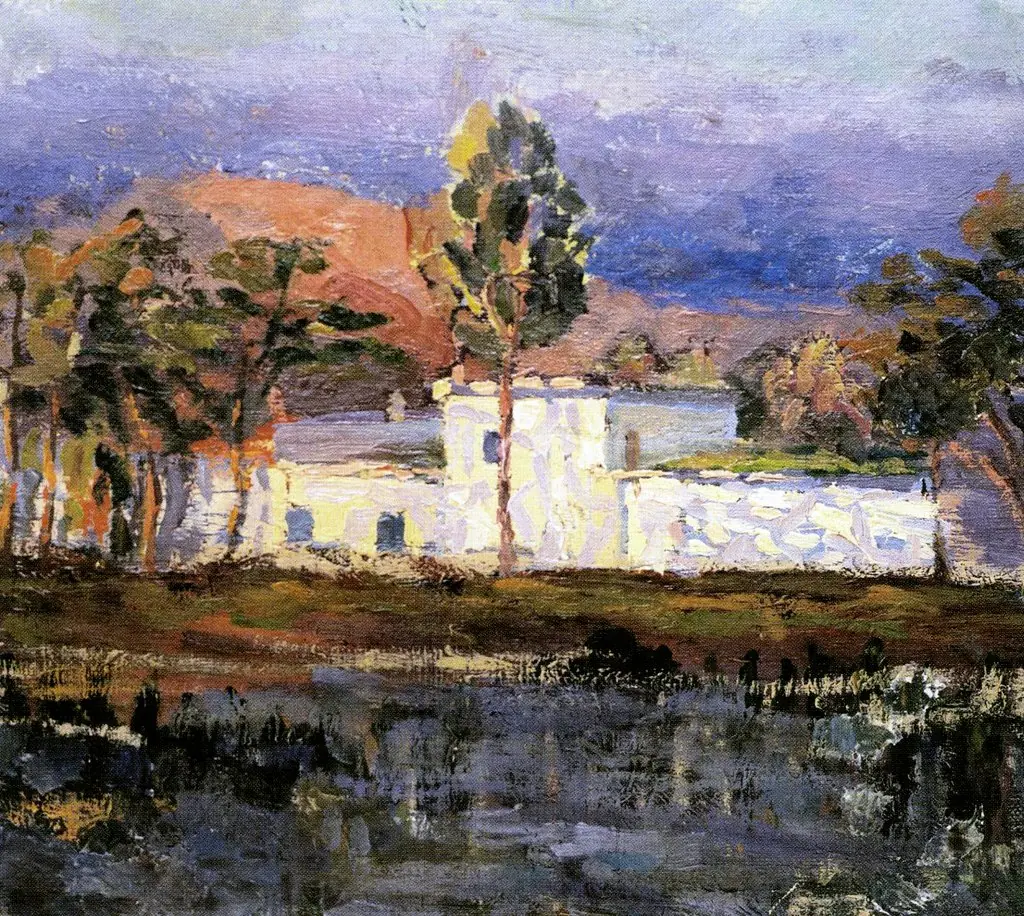 Пейзаж с домом
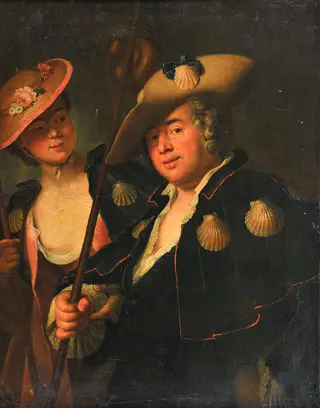 Cavalier and lady
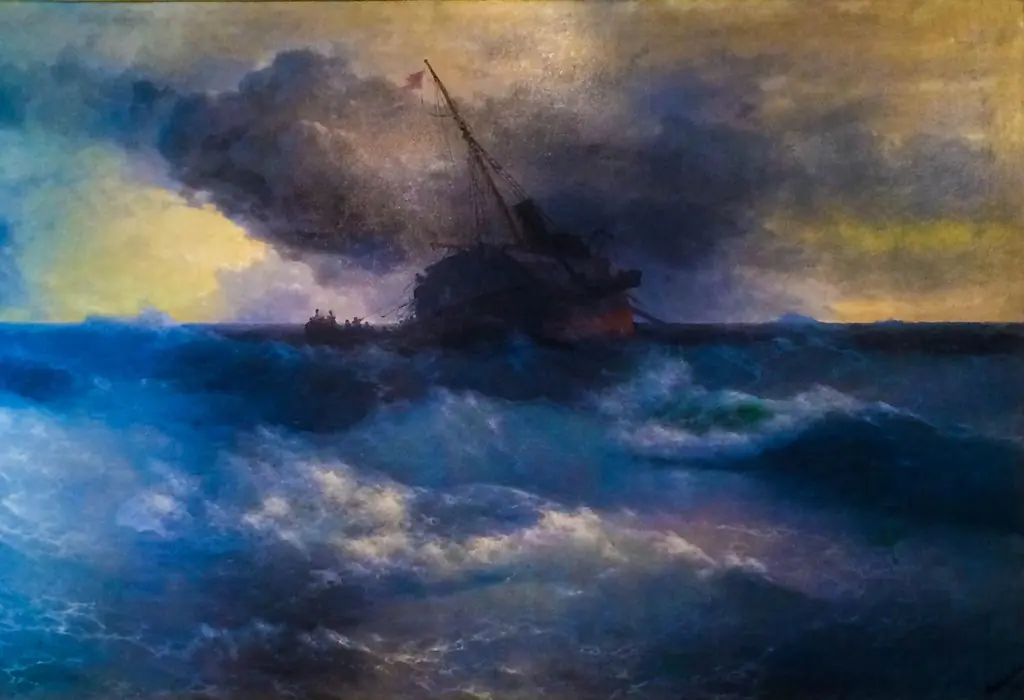 Ship in a storm
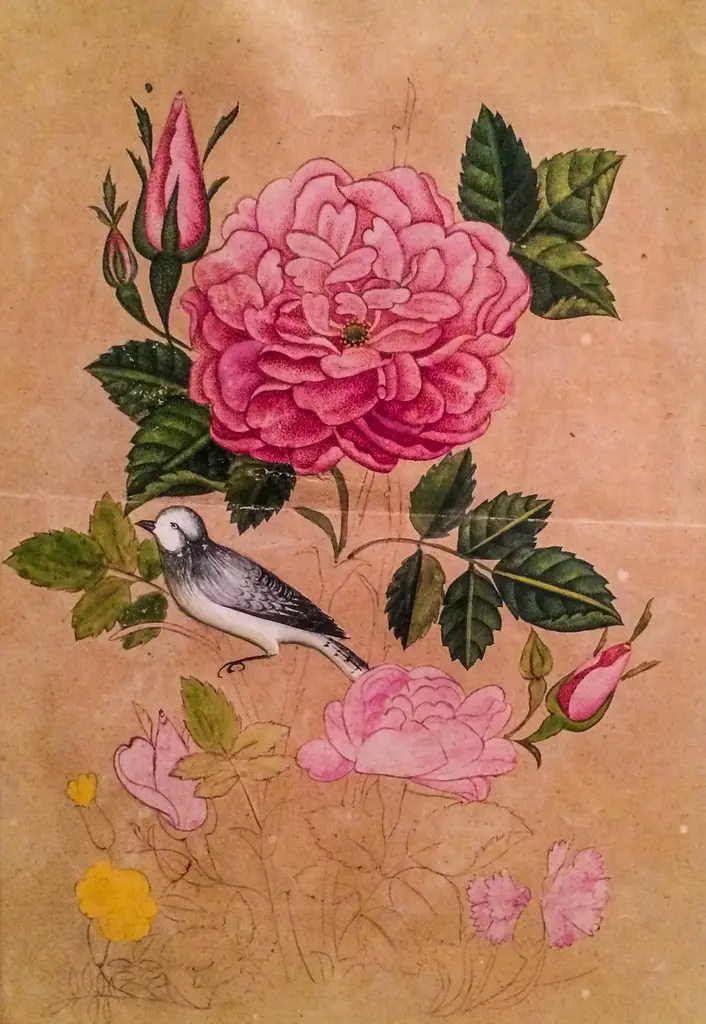 Rose and Nightingale
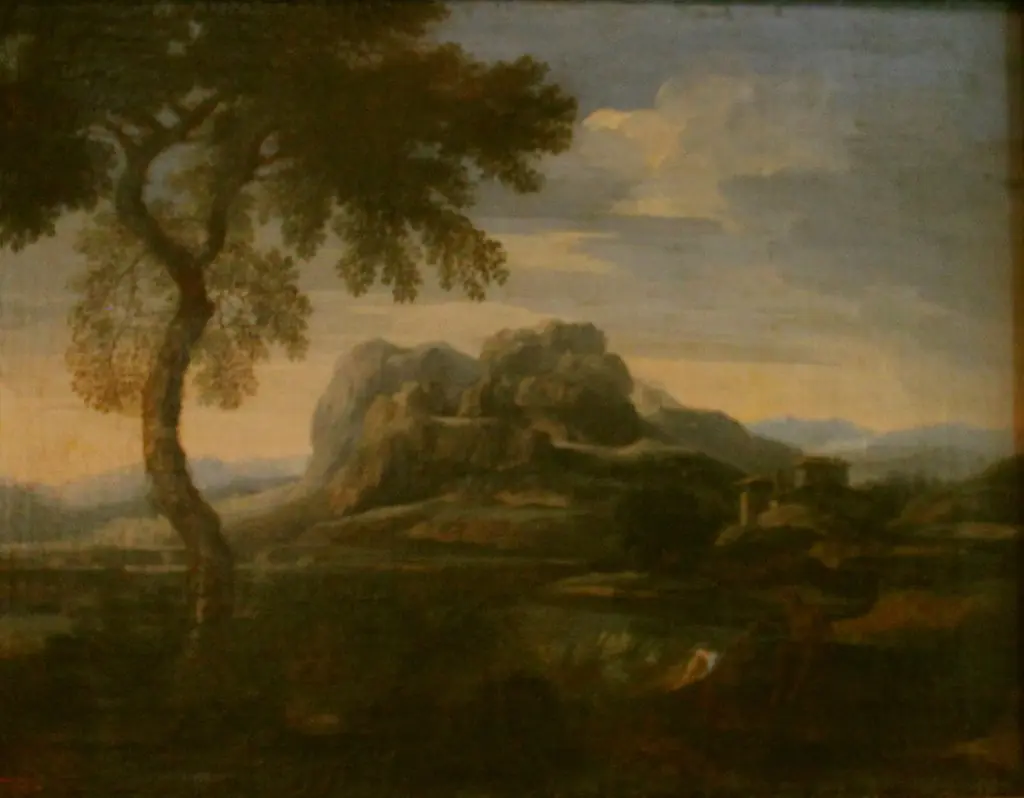 Paysage
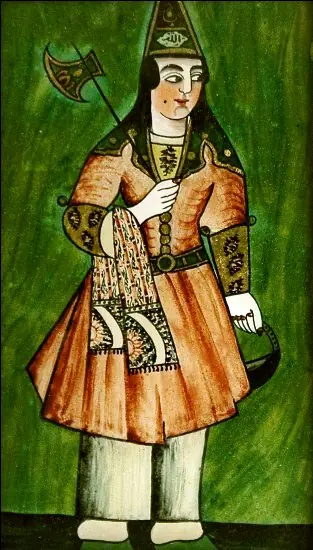 Darvish
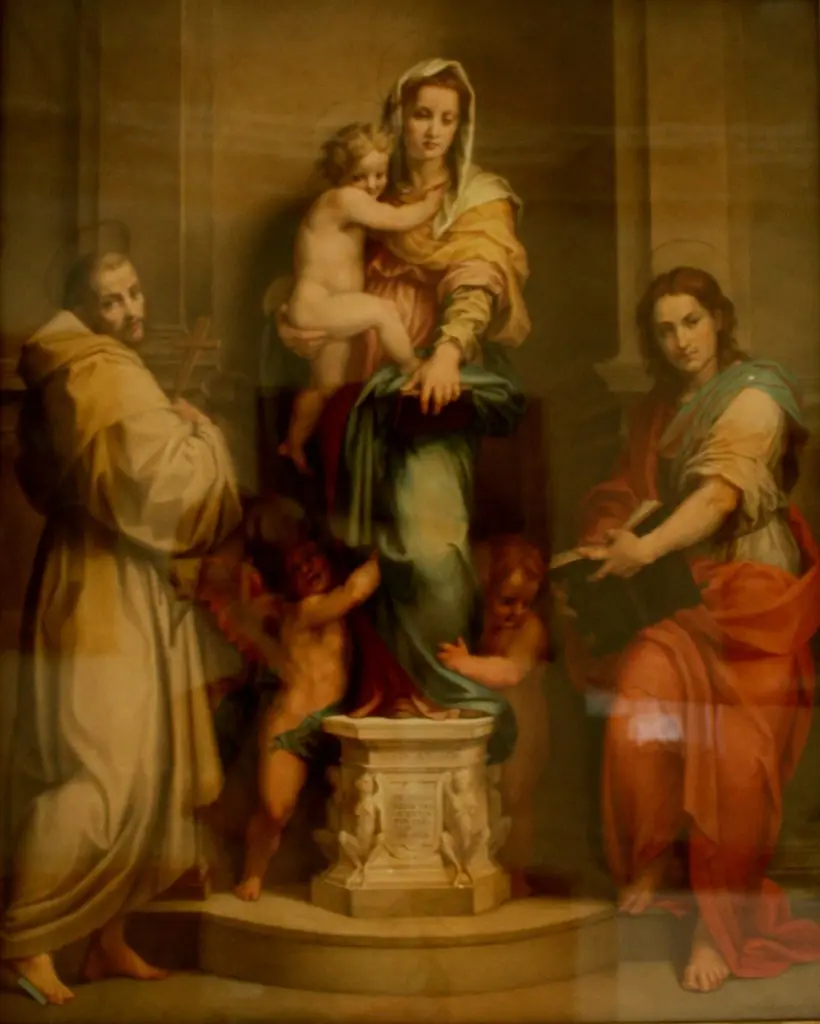 Madonna of the Harpies
Plan your visit
National Art Museum of Azerbaijan
- Website
- nationalartmuseum.az
Museums near National Art Museum of Azerbaijan
- Art Museum National Gallery of Armenia Yerevan, Armenia
- Art Museum Tehran Museum of Contemporary Art District 6, Iran
- Art Museum Museum of the Islamic Era District 12, Iran
- Art Museum Sursock Museum Beirut, Lebanon
- Art Museum Israel Museum Jerusalem, Israel
- Art Museum of Constanta Constanța County, Romania


