Artwork
One Third of a Nation
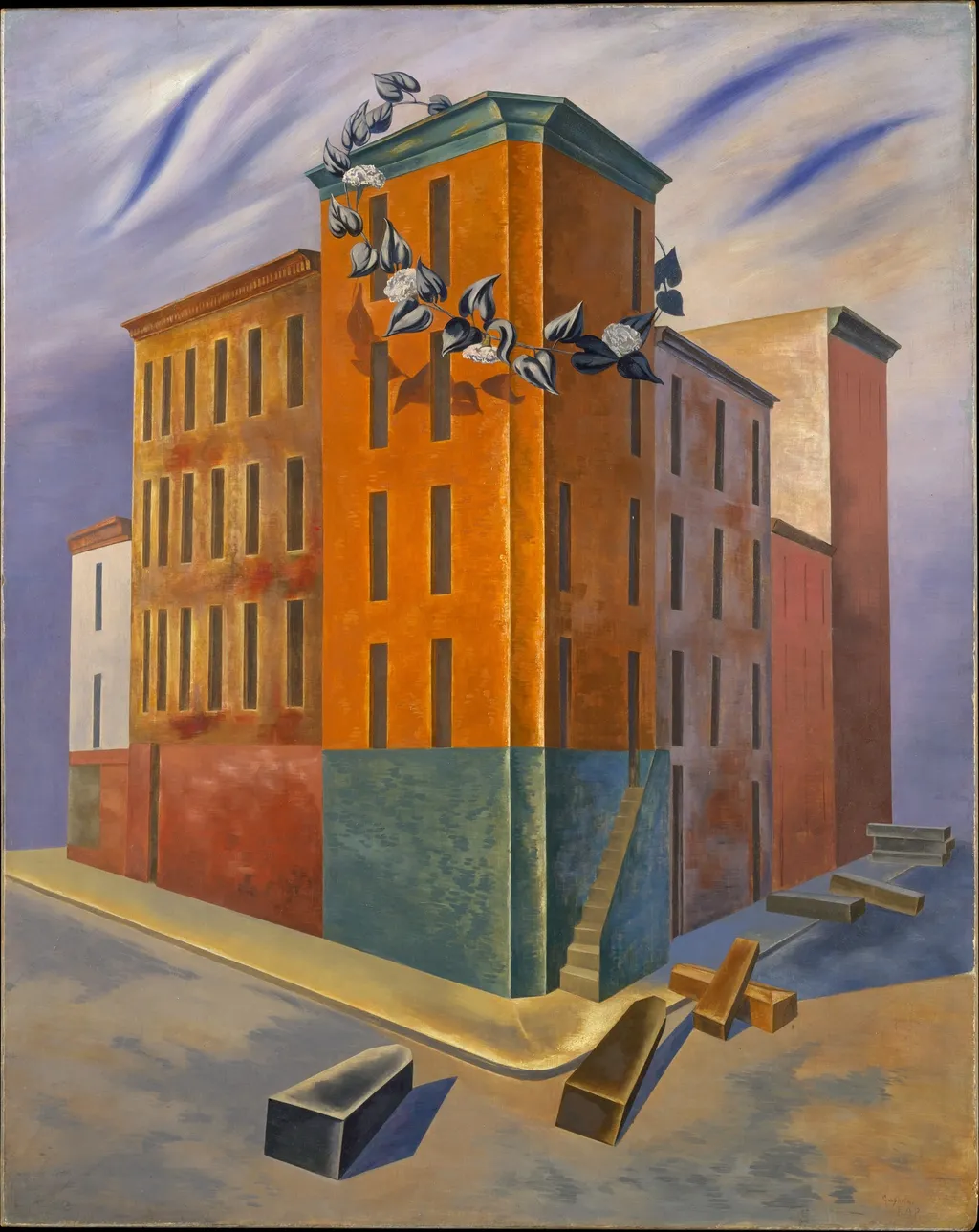
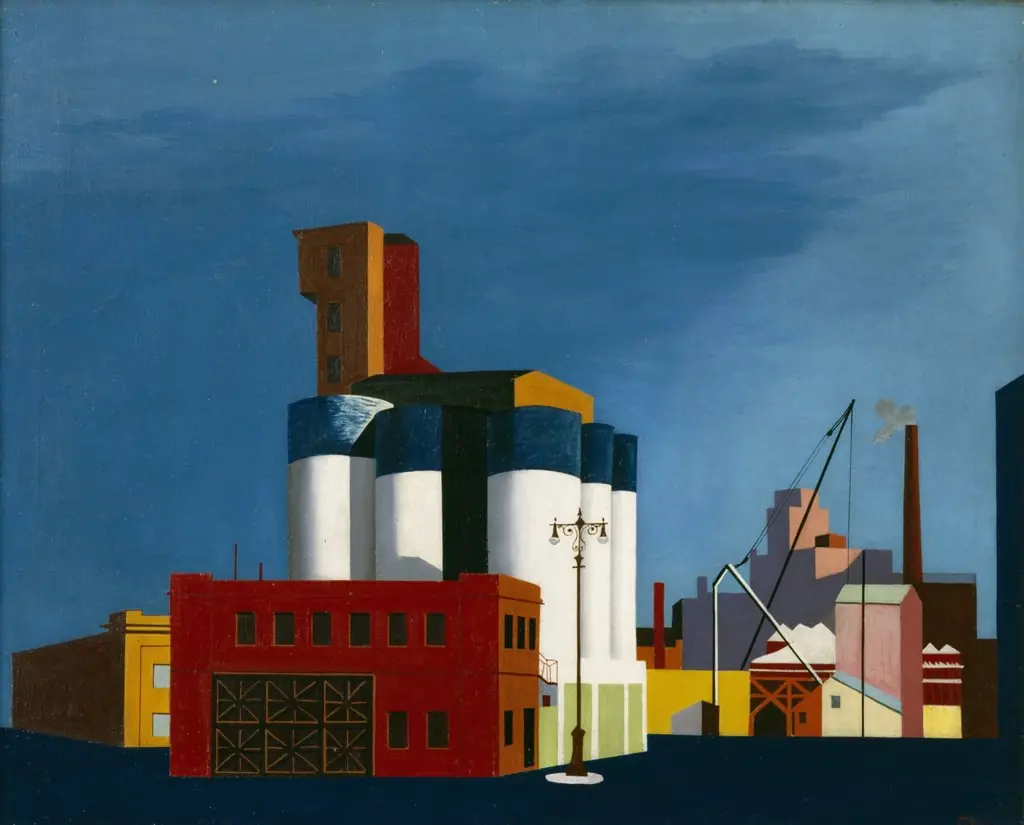
One Third of a Nation is an unspecified painting by the Regionalist artist Osvaldo Louis Guglielmi. It dates from 1939 and is held in the collection of the Metropolitan Museum of Art. O.
About this work
Subject & Meaning
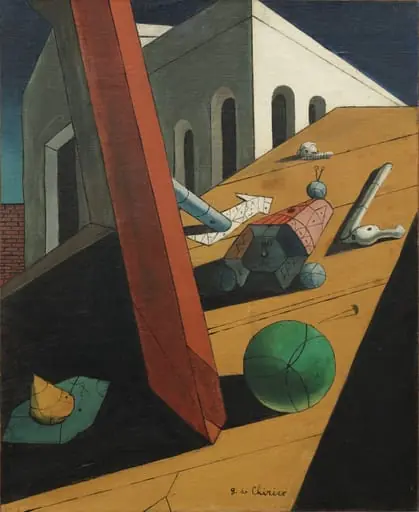
The painting depicts a dilapidated urban apartment block, its buildings worn and crumbling, with coffin-like shapes scattered across an empty street.
The painting depicts a dilapidated urban apartment block, its buildings worn and crumbling, with coffin-like shapes scattered across an empty street. This imagery directly addresses the devastating poverty of the Great Depression era.
The title connects to two contemporary sources: the 1938 play One-Third of a Nation, which sought to expose the plight of impoverished Americans, and President Franklin D. Roosevelt's 1937 second inaugural address. These references frame the work as a social document rather than mere scene painting. The coffin forms in the street carry dual symbolic weight, they suggest both death and the narrow, box-like tenement rooms that confined the poor. The deserted street amplifies a sense of abandonment and hopelessness.
Technique & Style
Executed in 1939, One Third of a Nation is a painting created by O. Louis Guglielmi using oil and tempera applied to a wood support. The work measures 76.2 cm in height and 61 cm in width. Stylistically, the composition presents a stark depiction of an impoverished apartment block, characterized by run-down architectural forms that evoke the harsh living conditions of the Great Depression.
The street scene is populated with coffin-like shapes, integrating macabre imagery into the urban landscape to emphasize themes of poverty and mortality. This combination of media and somber iconography creates a formal structure focused on social critique through detailed, realistic rendering of decay.
History & Provenance
One Third of a Nation was created in 1939 by the American artist O. Louis Guglielmi (Osvaldo Louis Guglielmi), in oil and tempera on wood. The work takes its title from One-Third of a Nation, a 1938 play addressing the plight of impoverished Americans during the Great Depression, and echoes language from President Franklin D. Roosevelt's second inaugural address. It depicts a dilapidated apartment block with coffin-like shapes in a deserted street and is held in the collection of the Metropolitan Museum of Art. Specific accession and exhibition details are not provided in the available documentation.
Context
One Third of a Nation (1939) is an oil and tempera on wood painting that portrays a dilapidated tenement and coffin-shaped objects, visualizing the material deprivation of the Great Depression. The work entered the Metropolitan Museum of Art's collection and has been displayed there since its acquisition. Contemporary critics linked the title to a 1938 play and to President Roosevelt's 1937 inaugural address, interpreting the piece as a political commentary on urban poverty.
Later scholarship places Guglielmi within the American Social Realist tradition, emphasizing his use of symbolic imagery to critique socioeconomic conditions and his focus on marginalized urban life. The painting thus occupies a distinct position in 1930s American art, bridging realist documentation with overt social critique.
Overview
O. Louis Guglielmi's 1939 painting, "One Third of a Nation," employs oil and tempera on wood to depict a dilapidated urban landscape. This work serves as a poignant visual commentary on the widespread poverty and challenging living conditions that characterized the Great Depression in America. Through its stark imagery, the painting captures a sense of societal neglect and the struggles faced by many during this significant historical period.
Artist & collection
Artist
Osvaldo Louis Guglielmi (April 9, 1906 – September 3, 1956) was an American painter.