Artwork
Calvary
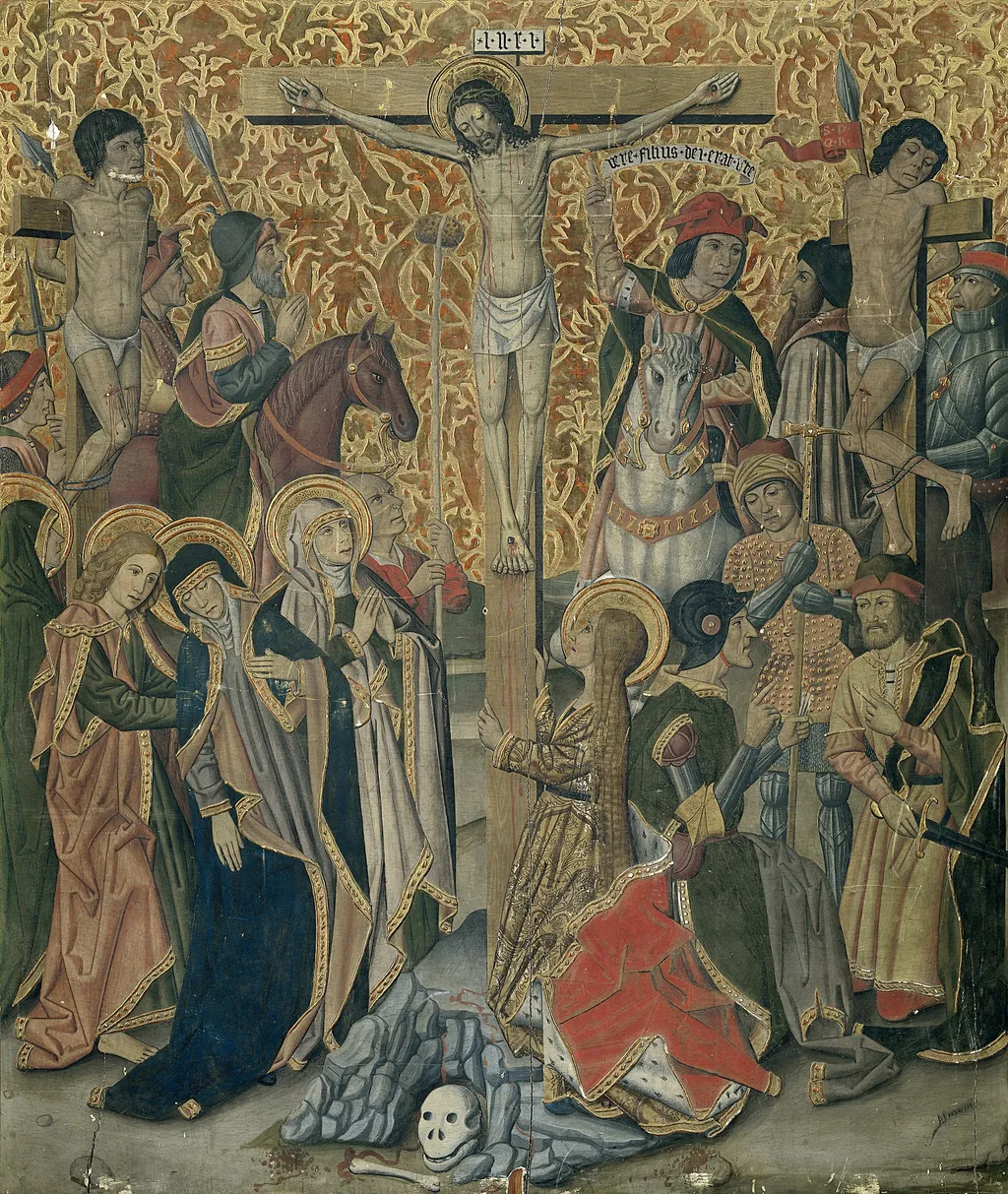
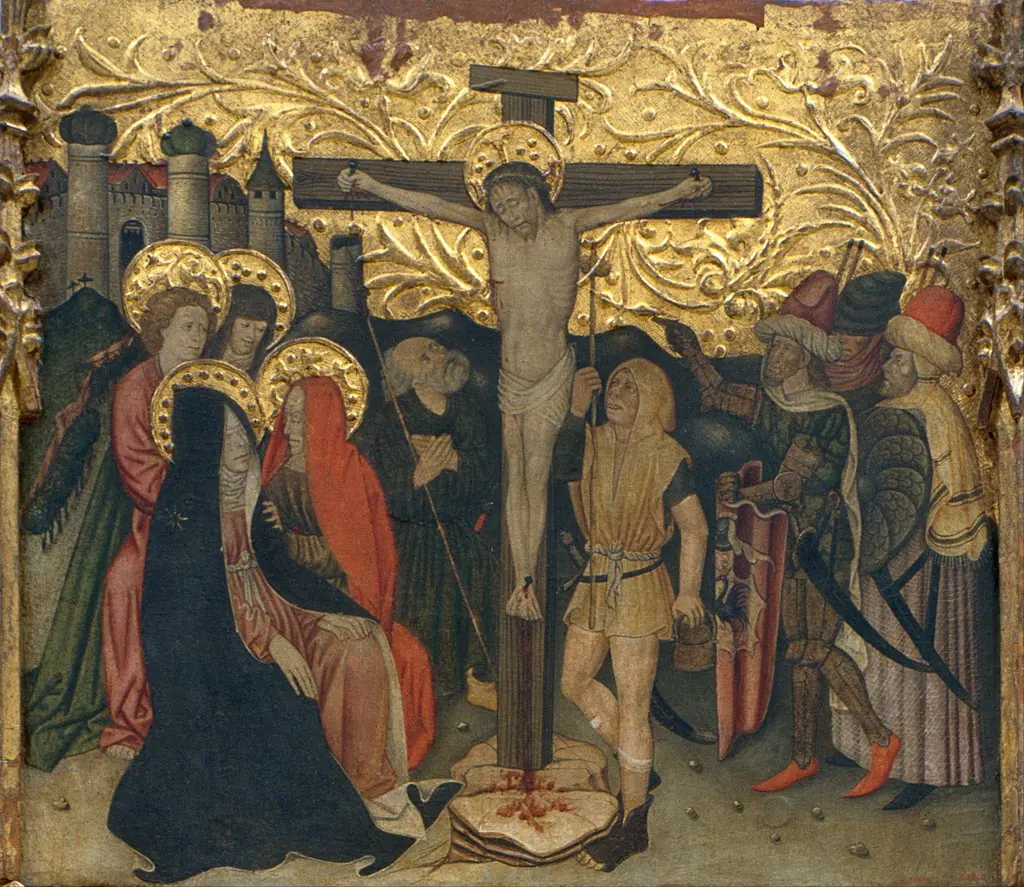
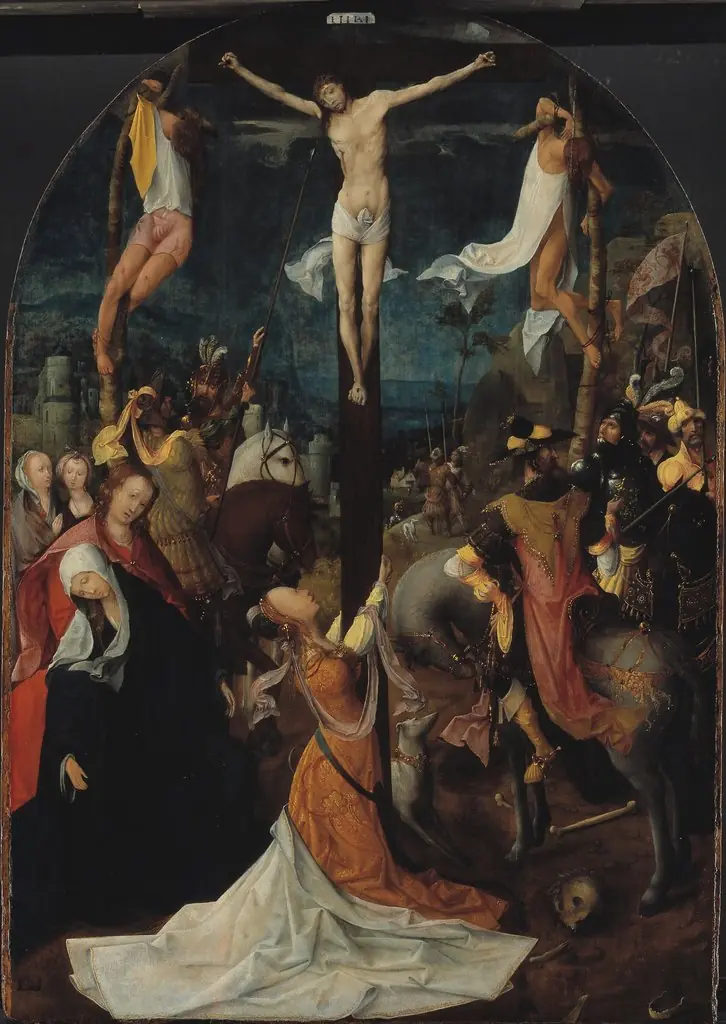
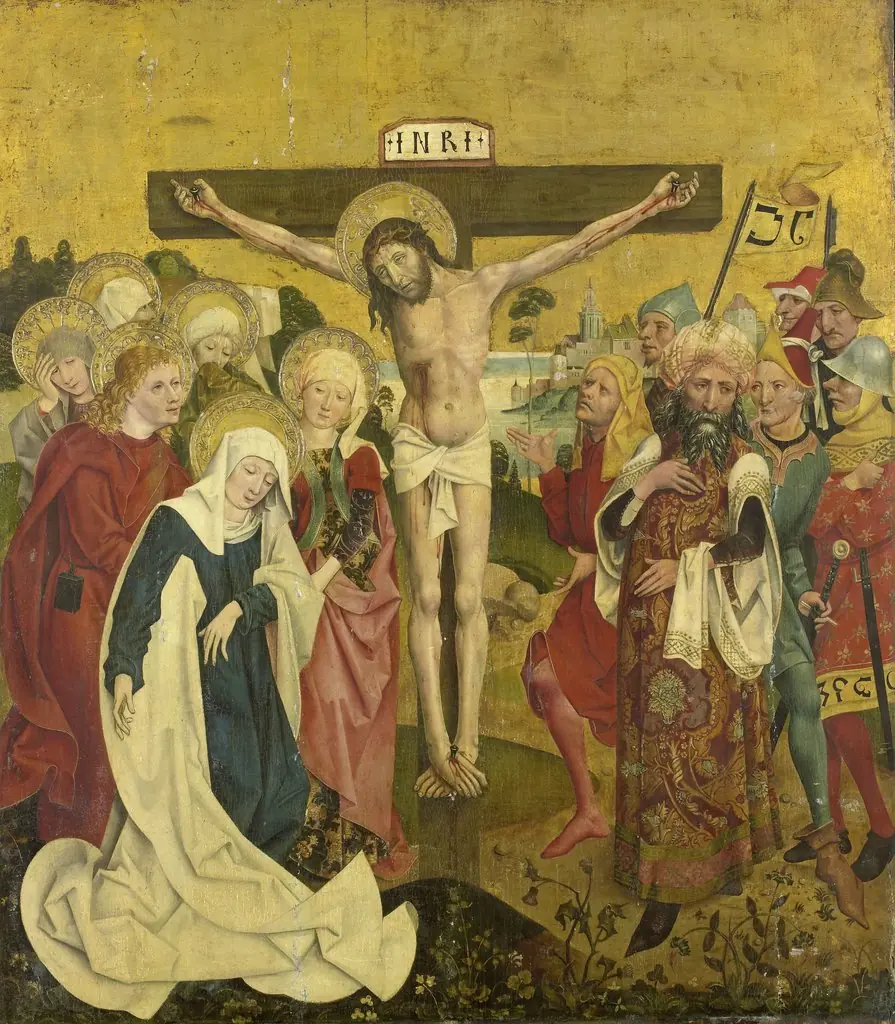
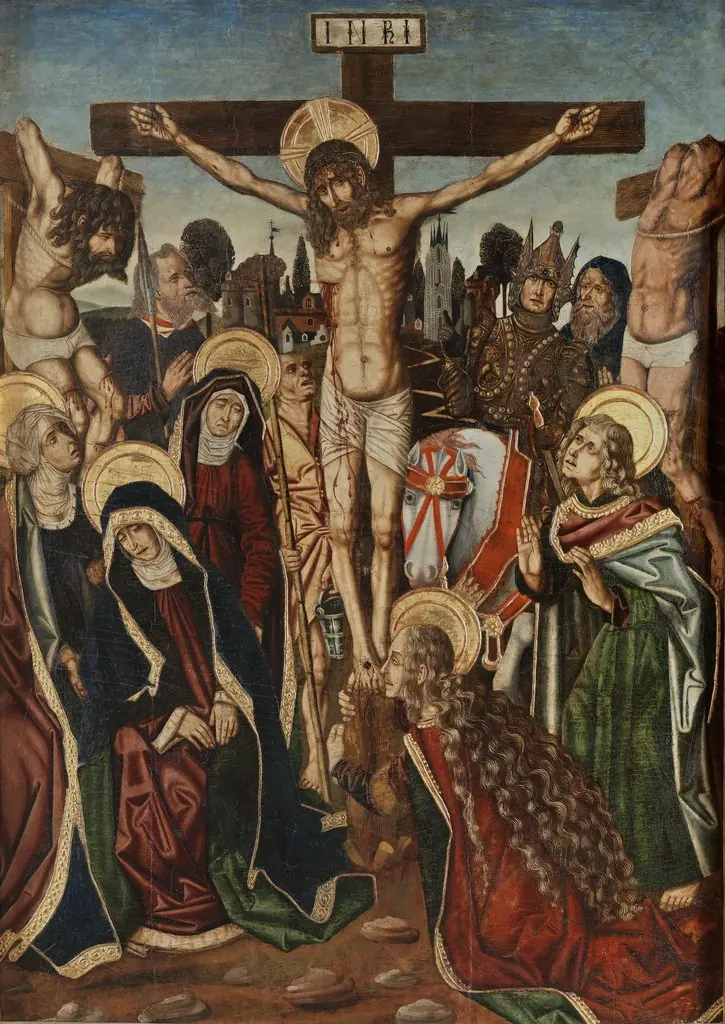
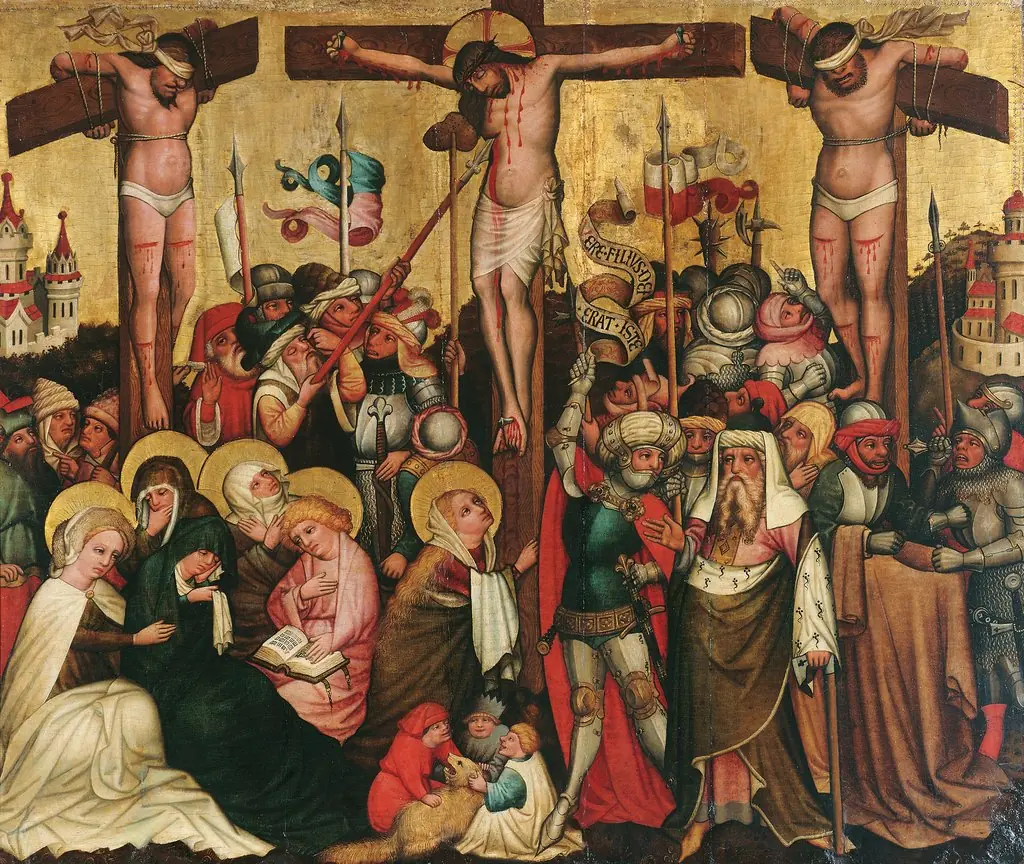
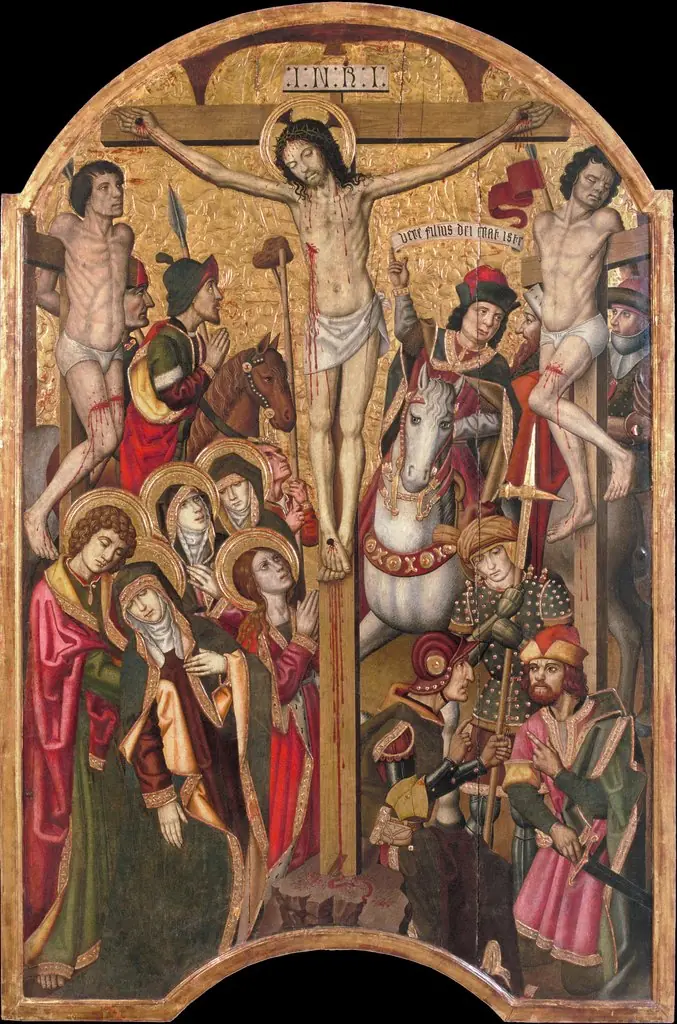
Calvary is an oil painting by the Northern Renaissance artist Pablo Vergós. It dates from 1494 and is held in the collection of the Rijksmuseum.
About this work
Subject & Meaning
Pablo Vergós's 1487 panel painting depicts the Crucifixion of Jesus Christ as its central subject.
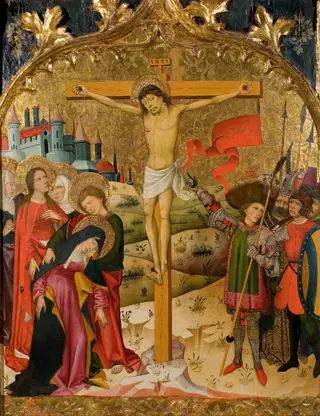
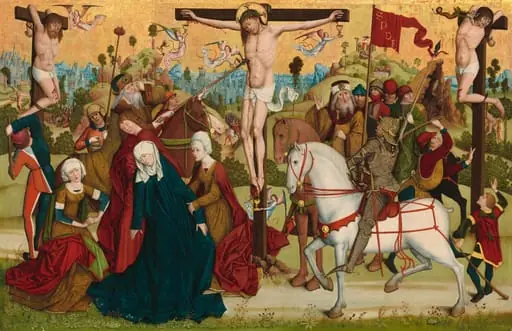
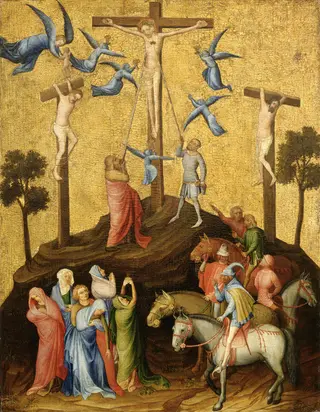
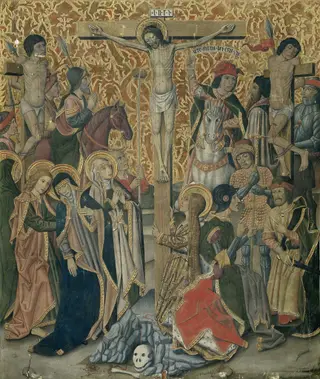
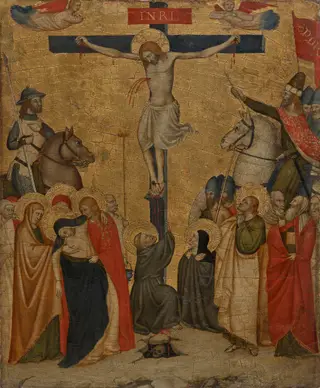
Pablo Vergós's 1487 panel painting depicts the Crucifixion of Jesus Christ as its central subject. Classified as a work of religious art, the composition focuses specifically on the figure of Jesus on the cross, representing the pivotal moment of sacrifice in Christian theology. The imagery serves as a visual meditation on the Passion, adhering to traditional iconographic conventions for Calvary scenes where the suffering of the Savior is the sole narrative focus.
By isolating this event, the work emphasizes the theological significance of redemption through death, a core tenet of the faith community for which it was created.
Technique & Style
Executed in oil paint on a wooden panel in 1487, the work employs a tempera-like handling with finely blended glazes to articulate the attenuated figures and drapery typical of late fifteenth-century Catalan taste. The composition centers on the Crucifixion, arranged symmetrically with the cross on a rocky outcrop and attendant mourners grouped below in shallow, stage-like recession. Flesh tones are rendered with translucent layers, while gold leaf accents survive along halos and decorative borders, indicating an integration of International Gothic luxury conventions into a naturalistic framework.
The panel measures 176.8 cm in height by 186 cm in width, and its condition remains largely intact despite minor abrasion in the upper paint layers.
History & Provenance
The painting titled Calvary was created by Pablo Vergós in 1487. Executed in oil paint on panel, the work depicts the crucifixion of Jesus Christ and measures 176.8 cm in height by 186 cm in width. It is currently held in the collection of the Rijksmuseum.
Overview
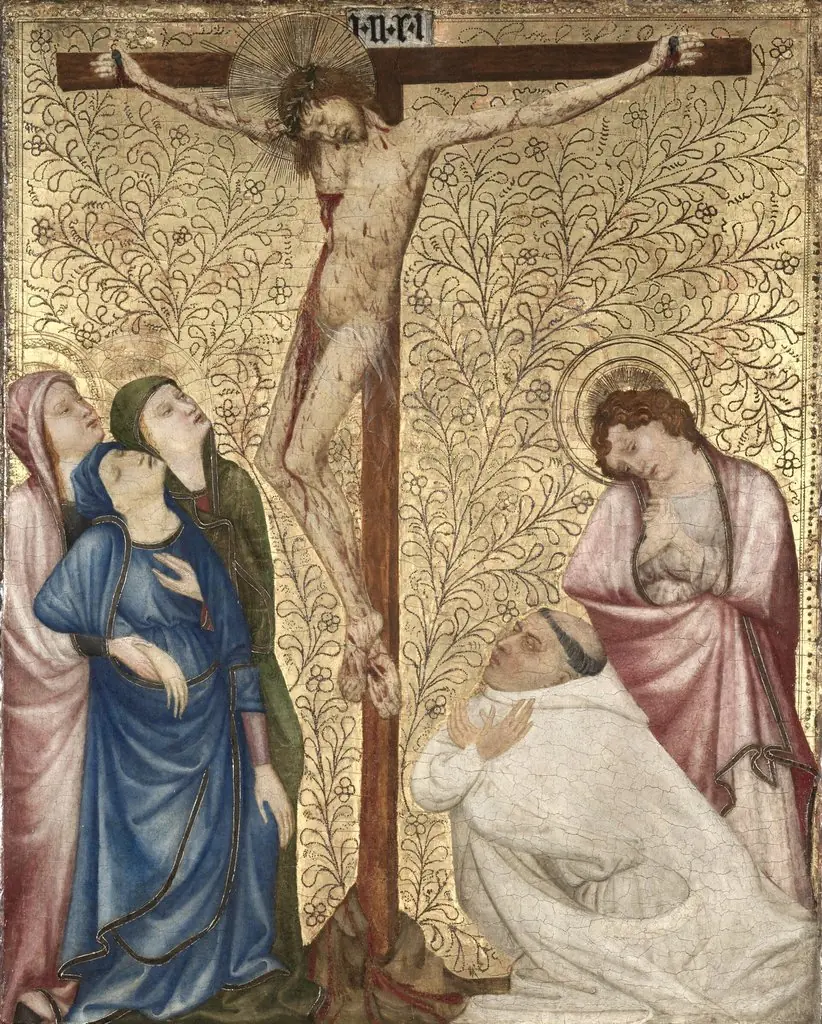
Calvary, executed in oil on panel in 1494, presents a conventional crucifixion scene centered on the figure of Christ on the cross. The composition is framed by a densely patterned gold background that heightens the work’s devotional atmosphere. The painting belongs to the collection of the Rijksmuseum, where it is displayed among other early Netherlandish religious works.
Context
The work aligns with contemporary European crucifixion iconography, where gold leaf and ornamental patterns often framed sacred narratives. Its composition and stylization suggest influences from both the Flemish tradition and local Spanish workshops active during the period.
Own this work as a print
Artist & collection