Artwork
The Triumph of Bacchus
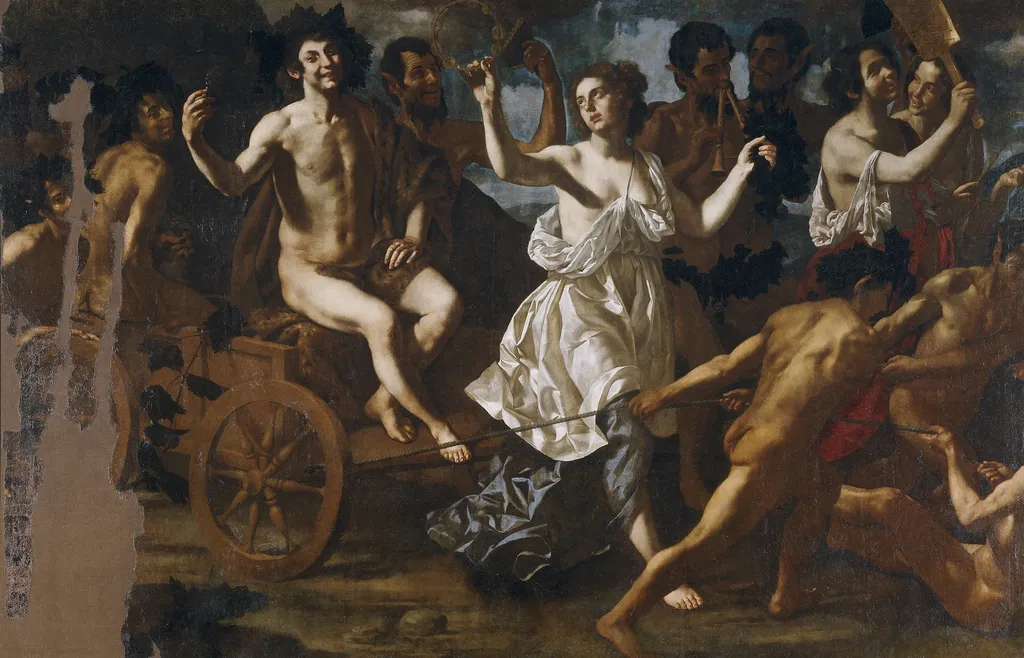
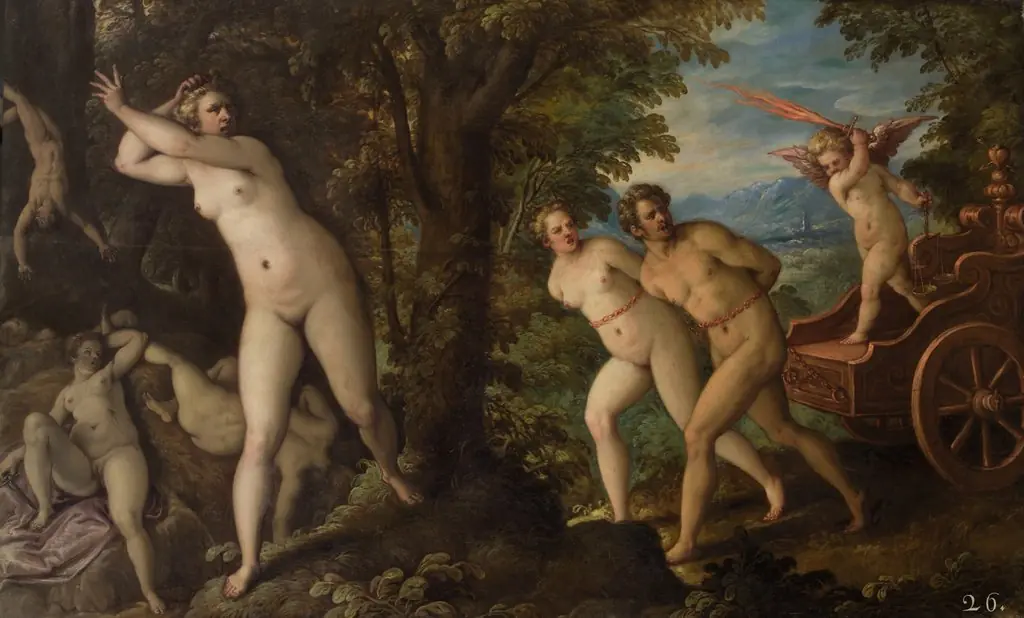
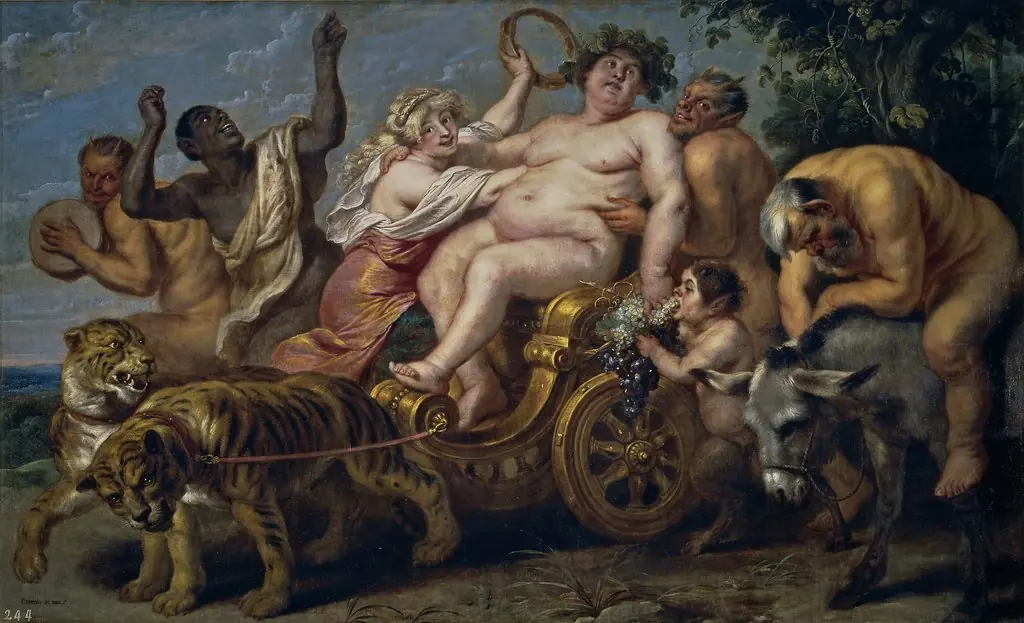
The Triumph of Bacchus is an oil painting by the Early Baroque Italian artist Paolo Domenico Finoglia. It dates from 1635 and is held in the collection of the Museo del Prado.
About this work
Subject & Meaning
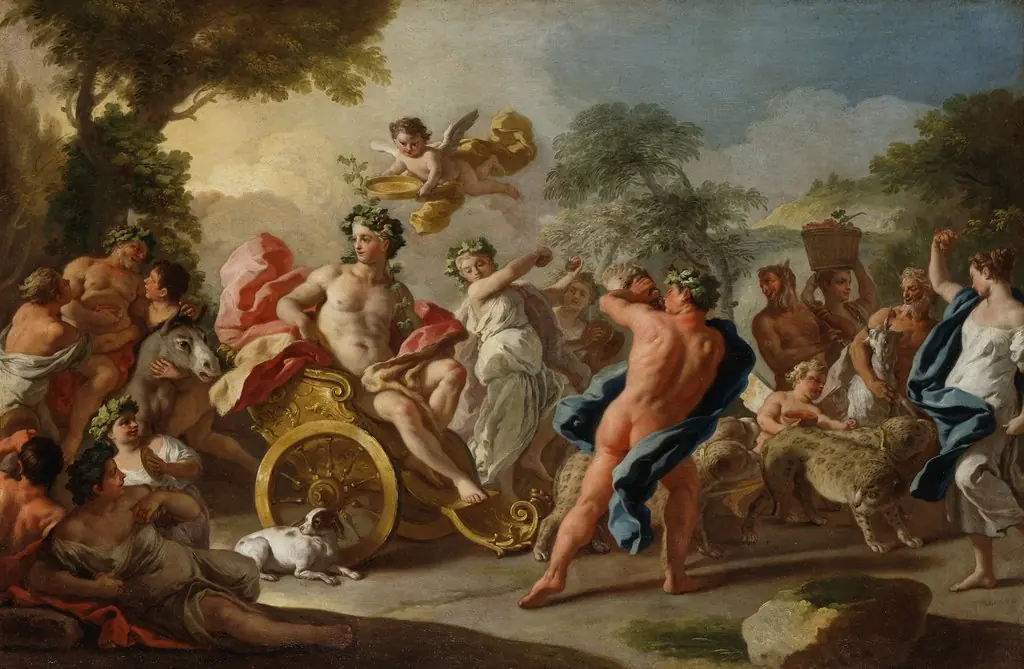
The Triumph of Bacchus depicts the Roman god Bacchus in a festive procession, a subject drawn from classical mythology that celebrates wine and revelry.
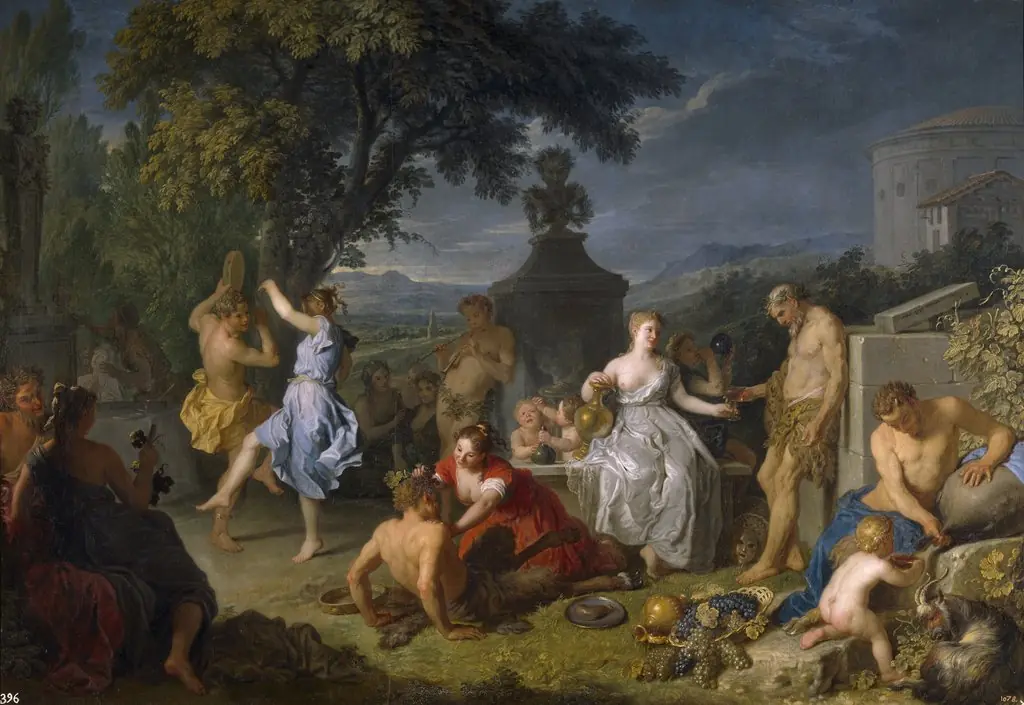
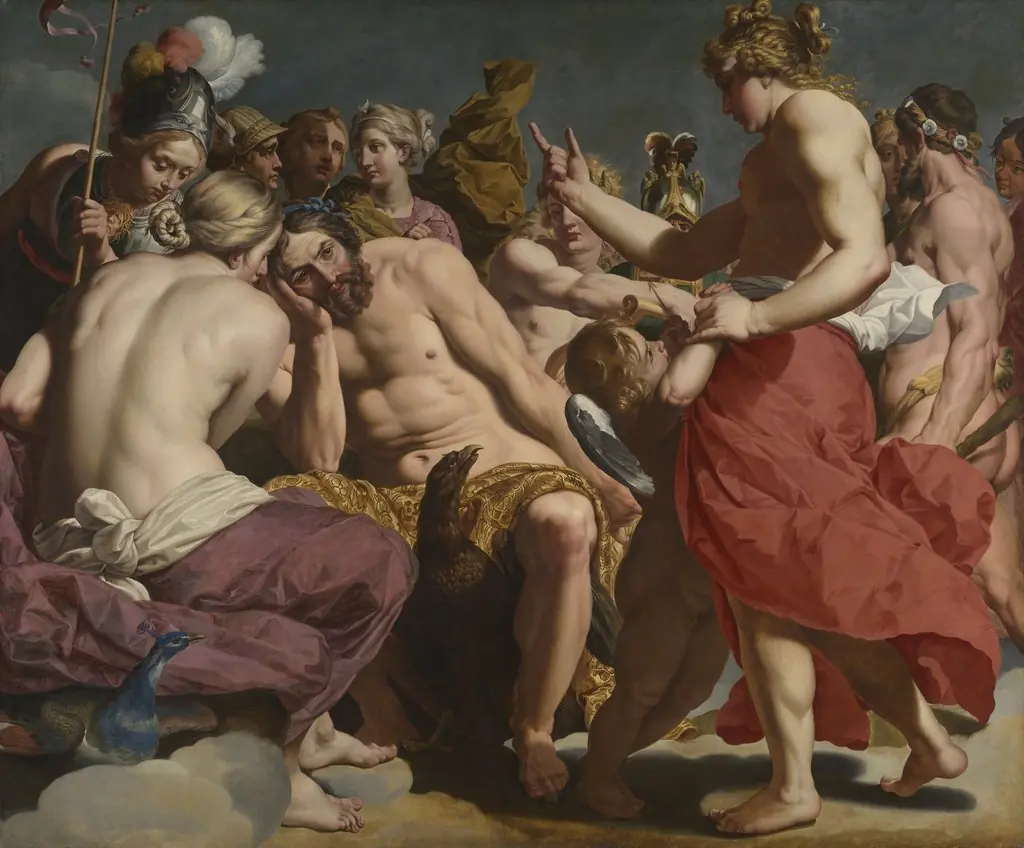
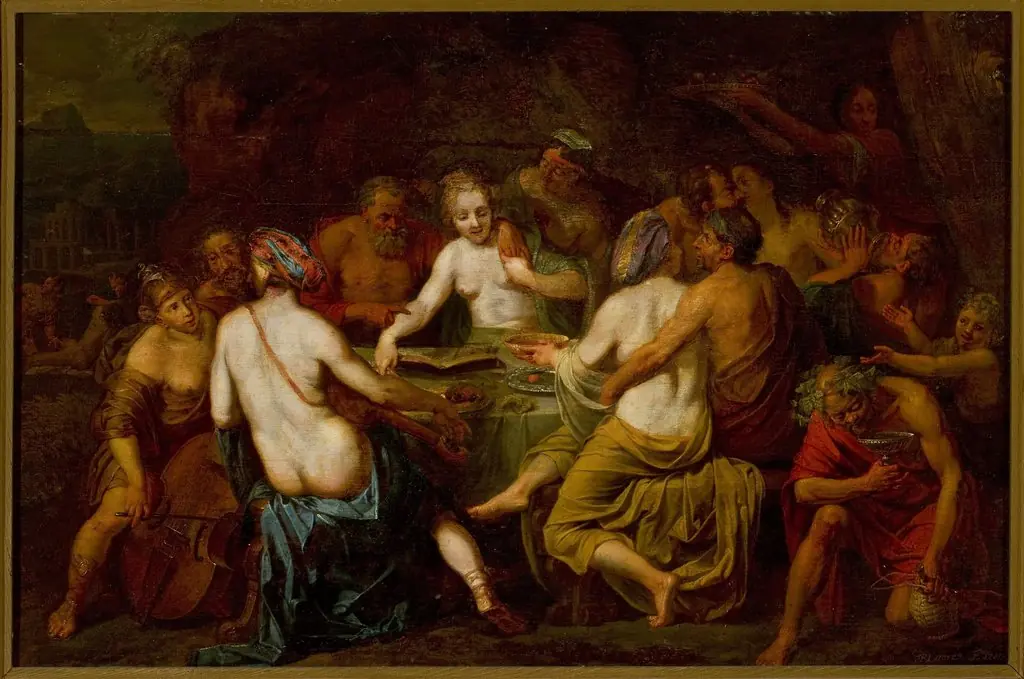
The Triumph of Bacchus depicts the Roman god Bacchus in a festive procession, a subject drawn from classical mythology that celebrates wine and revelry. Finoglia’s composition centers on Bacchus, who is shown enthroned and crowned with ivy, a traditional attribute of the god, and surrounded by satyrs, maenads, and other followers engaged in music and dance. The scene emphasizes abundance and joy, with wine vessels and garlands underscoring the theme of intoxication and celebration.
The work aligns with the broader tradition of Bacchic triumphs in art, where the god’s procession symbolizes both the pleasures of life and the potential for disorder. Finoglia’s rendering foregrounds the sensory and emotional excesses associated with Bacchus, reinforcing the mythological narrative of ecstatic liberation and communal festivity.
Technique & Style
Executed in 1635, The Triumph of Bacchus is an oil painting on canvas by Paolo Domenico Finoglia. The work measures 231 cm in height and 360 cm in width, presenting a large-scale mythological scene. Visually, the composition depicts the triumph of Bacchus and Ariadne, featuring a carriage and elements associated with wine.
As a piece classified within the mythology genre, the artwork utilizes the fluid properties of oil paint to render its narrative subjects on a flexible fabric support.
History & Provenance
The Triumph of Bacchus was created by Paolo Domenico Finoglia in 1635, executed in oil on canvas. The work entered the holdings of the Museo del Prado, where it remains part of the collection. No further details regarding the original commission, intermediate owners, or acquisition history are documented in the available sources.
The Triumph of Bacchus is held in the collection of the Museo del Prado, Madrid, where it is inventoried as accession number P004394.
The painting was included in the Museo del Prado’s 2005 exhibition Finoglia, dedicated to Paolo Domenico Finoglia’s works, where it was displayed as part of a focused reassessment of the artist’s mythological compositions.
Overview
Created in 1635 by the southern‑Italian Baroque painter Paolo Domenico Finoglia, this oil on canvas presents a festive procession centered on the Roman deity of wine. The composition captures a moment of revelry, with a chariot drawn by two attendants and a group of exuberant figures surrounding the central god. The work is part of the Prado Museum’s collection.
Own this work as a print
Artist & collection
Artist
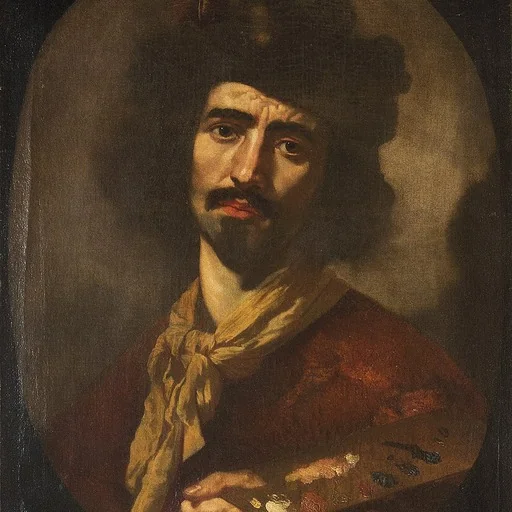
Paolo Domenico Finoglia, or Finoglio (c. 1590 – 1645), was an Italian painter of the early-Baroque period, active mainly in South Italy, including Naples and towns in Apulia.