Artwork
The Triumphal Procession of Bacchus
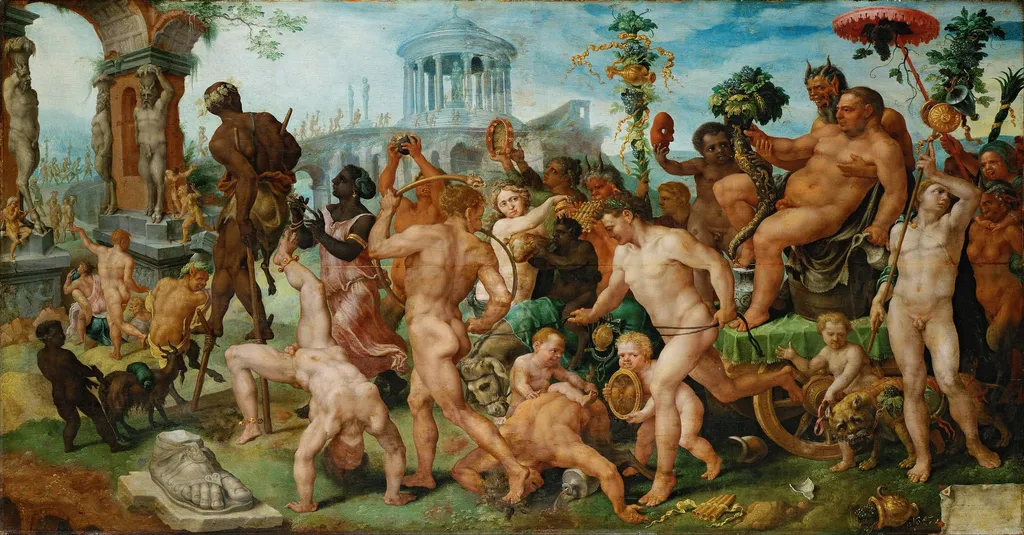
The Triumphal Procession of Bacchus is a wood painting by the Mannerist artist Maarten van Heemskerck. It dates from 1536 and is held in the collection of the Kunsthistorisches Museum.
About this work
Subject & Meaning
The specific narrative focuses on the movement and entourage of Bacchus, embodying the exuberance and ritualistic aspects of his mythology.
Maarten van Heemskerck's work depicts a mythological scene centered on Bacchus, the Roman god of wine and festivity. The painting illustrates a triumphal procession, a ceremonial parade celebrating the deity's power and presence. As a mythological painting executed on oakwood, the composition utilizes classical iconography to represent themes of revelry and divine celebration associated with the Bacchic cult.
The specific narrative focuses on the movement and entourage of Bacchus, embodying the exuberance and ritualistic aspects of his mythology.
Technique & Style
Executed in 1536, this mythological painting by Maarten van Heemskerck utilizes oil paint on an oakwood panel support. The work presents a horizontal composition measuring 56.3 cm in height and 106.5 cm in width, depicting the triumphal procession of the god Bacchus. As a piece classified within the mythology genre, the artist employed the rigid durability of the wood panel to sustain the detailed narrative scene characteristic of the period.
The specific handling of the medium allows for the intricate rendering of the figures and procession elements associated with the subject matter.
History & Provenance
The Triumphal Procession of Bacchus was created by Maarten van Heemskerck in 1536, executed on an oakwood panel. The work entered the collection of Archduke Leopold Wilhelm of Austria, the Habsburg governor of the Spanish Netherlands and a noted seventeenth-century art collector whose holdings later formed a key component of imperial collections. It is now held by the Kunsthistorisches Museum, the institution that received the Archduke's assembled paintings following his death in 1661 and that continues to house the work today.
The painting's mythological subject and early-sixteenth-century Dutch origin align with the period of van Heemskerck's activity in Haarlem, though the sources do not specify a commissioner or document intermediate owners between the artist and the Archduke.
The Triumphal Procession of Bacchus is held in the collection of the Kunsthistorisches Museum in Vienna. Historically, the work was part of the holdings of Archduke Leopold Wilhelm of Austria. The painting, executed on oakwood, depicts the mythological figure Bacchus and measures 56.3 cm in height by 106.5 cm in width.
Specific inventory or accession numbers are not provided in the available records. No exhibition history or past loan details are documented in the current sources.
Overview
The Triumphal Procession of Bacchus, created by Maarten van Heemskerck in 1536, is an oakwood painting depicting a vibrant mythological scene. Characterized by its mannerist style, the work reflects the artist's Italian influences gained during his 1532-1536 residency in Italy.
Context
As a Dutch artist influenced by Italian mannerism, Heemskerck's work bridges Northern European and Italian Renaissance artistic traditions. The emphasis on Bacchus reflects the Renaissance fascination with classical deities and festive themes.
Legacy
While specific legacy details of The Triumphal Procession of Bacchus are not extensively documented, the piece contributes to the broader understanding of Heemskerck's adaptation of mannerist styles and his contribution to the Northern Renaissance's engagement with classical mythology.
Artist & collection
Artist
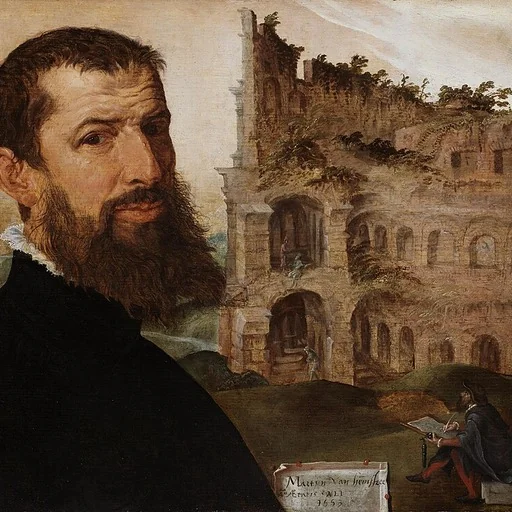
Maarten van Heemskerck (born Maerten Jacobsz van Veen; 1 June 1498 – 1 October 1574), also known as Marten Jacobsz Heemskerk van Veen, was a Dutch portrait and religious painter, who spent most of his career in Haarlem.

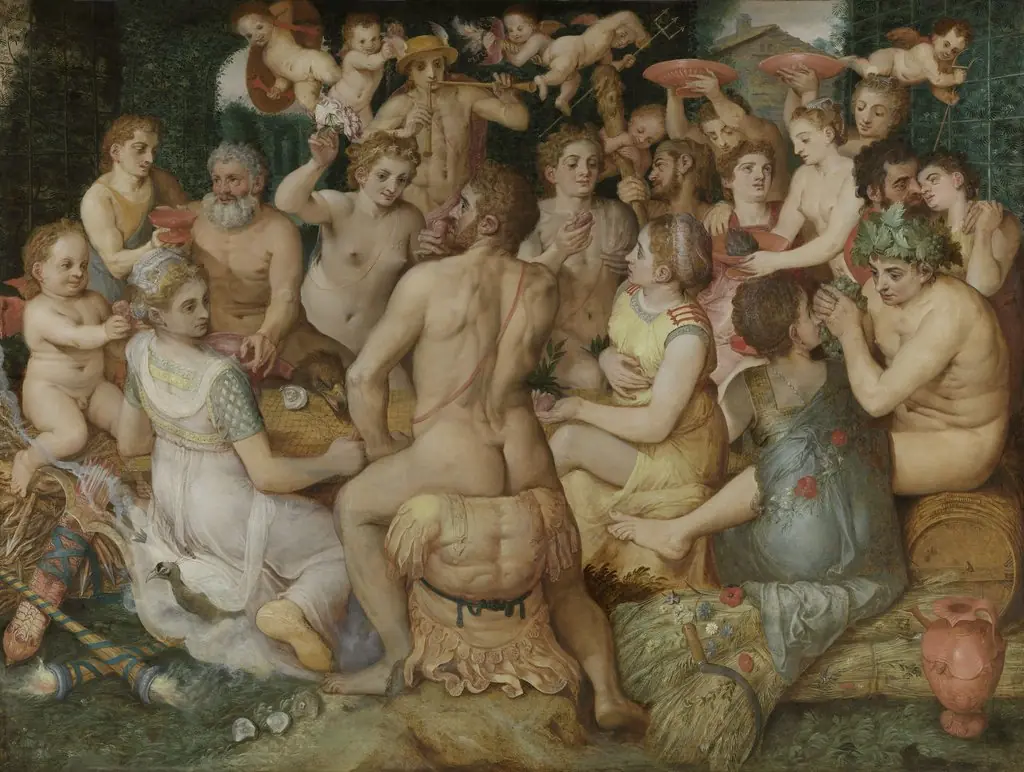 Banquet of the Gods
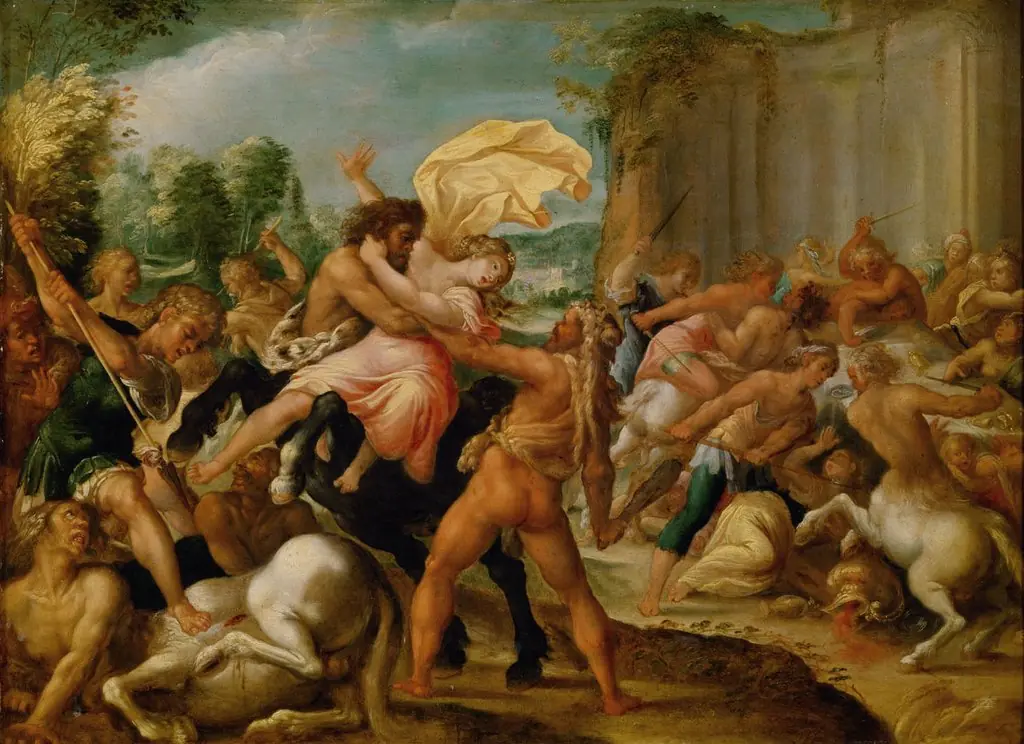 Herkules, Dejanira und der Kentaur Eurytion
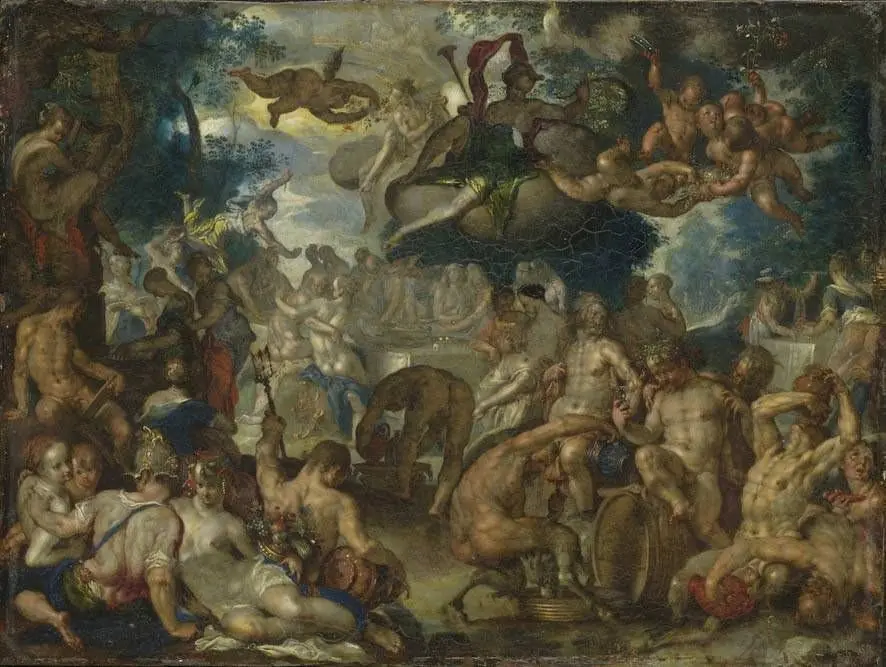 The Wedding of Peleus and Thetis
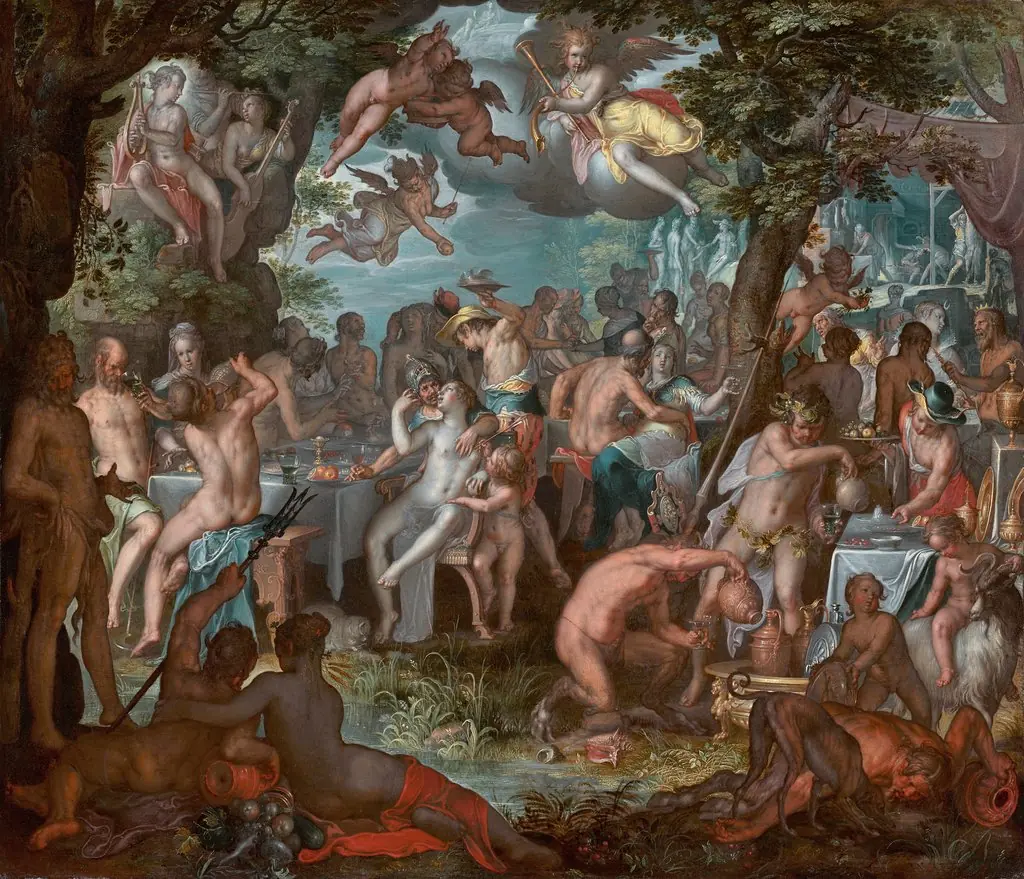 The Wedding of Peleus and Thetis
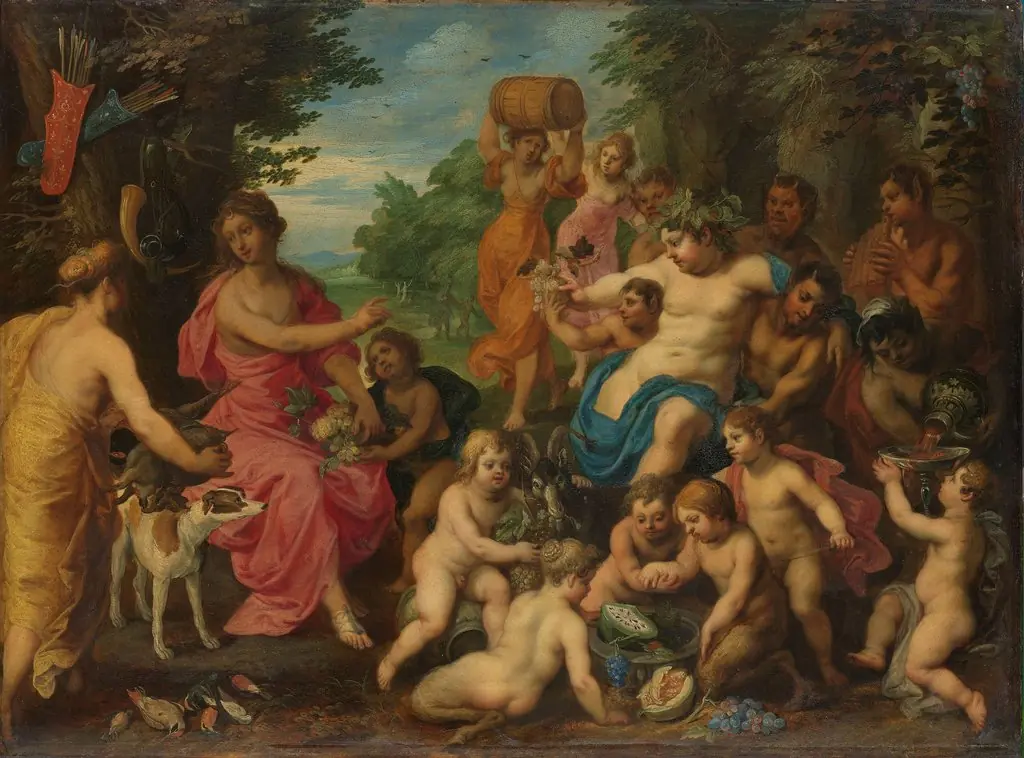 Diana Offered Wine and Fruit by the Young Bacchus and his Retinue
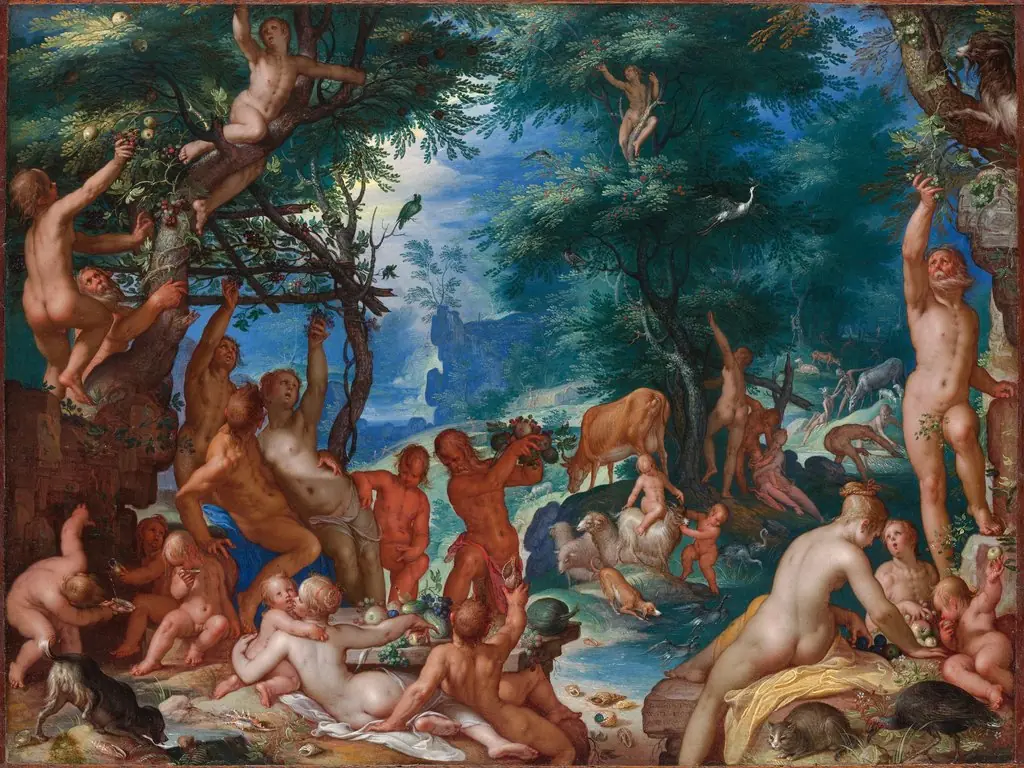 The Golden Age
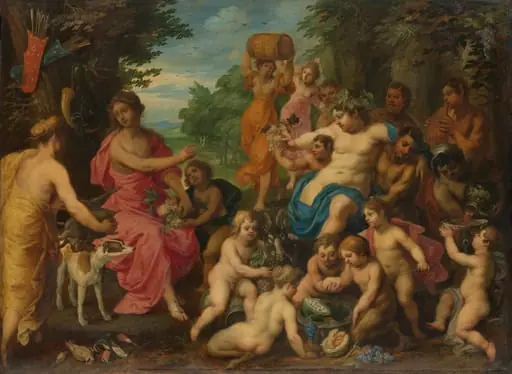 Diana Offered Wine and Fruit by Bacchus and his Retinue
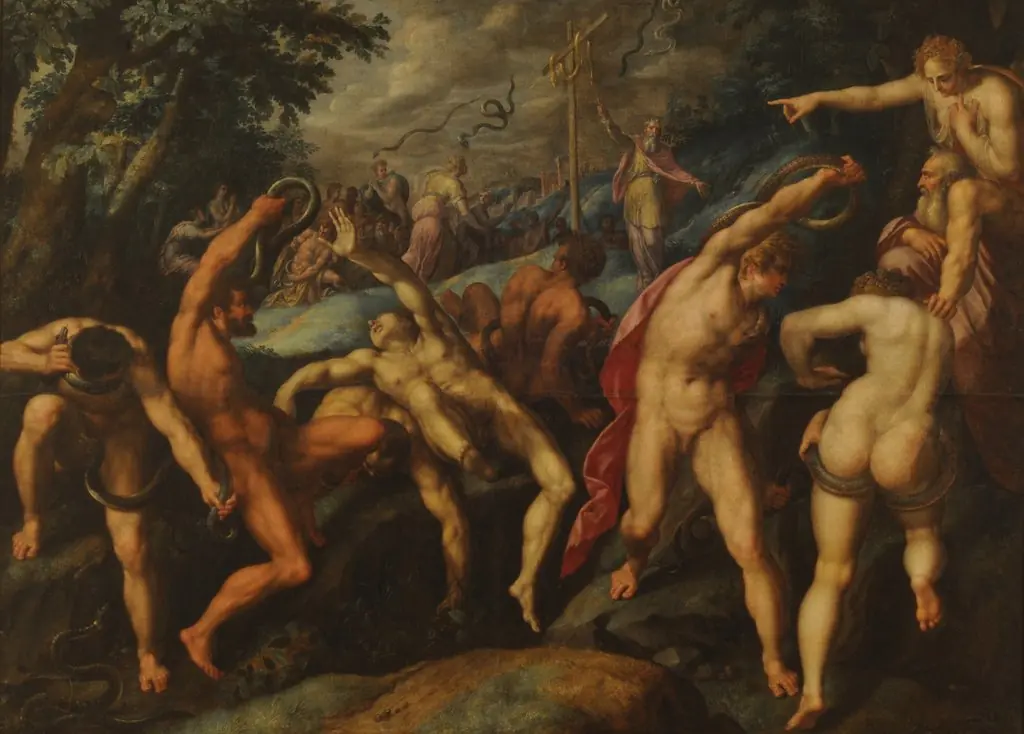 Moisés elevando la serpiente de bronce (Números 21:5-9)