Artwork
The Triumph of Bacchus
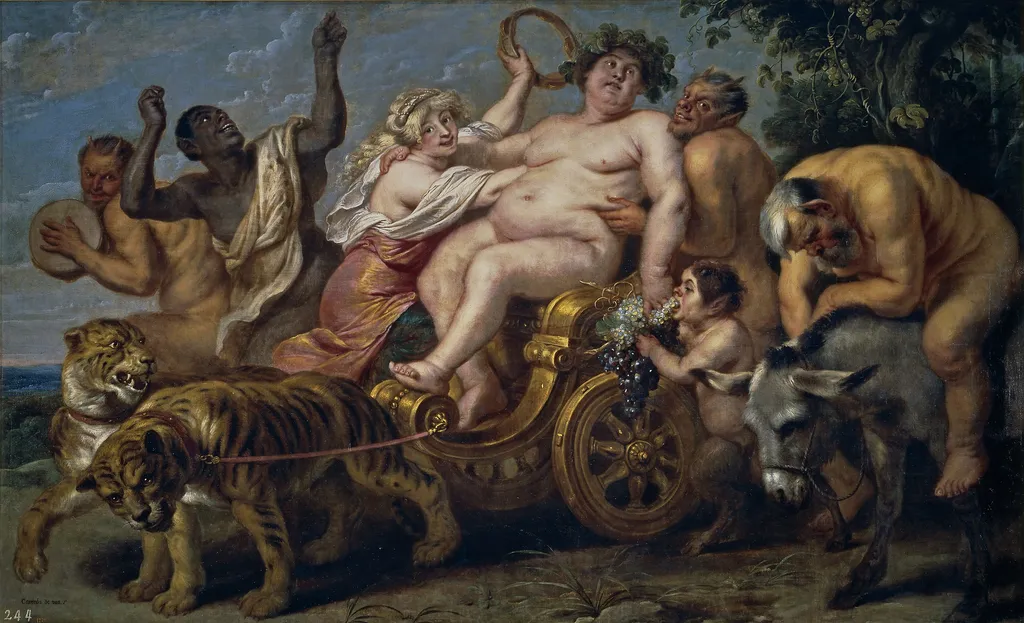
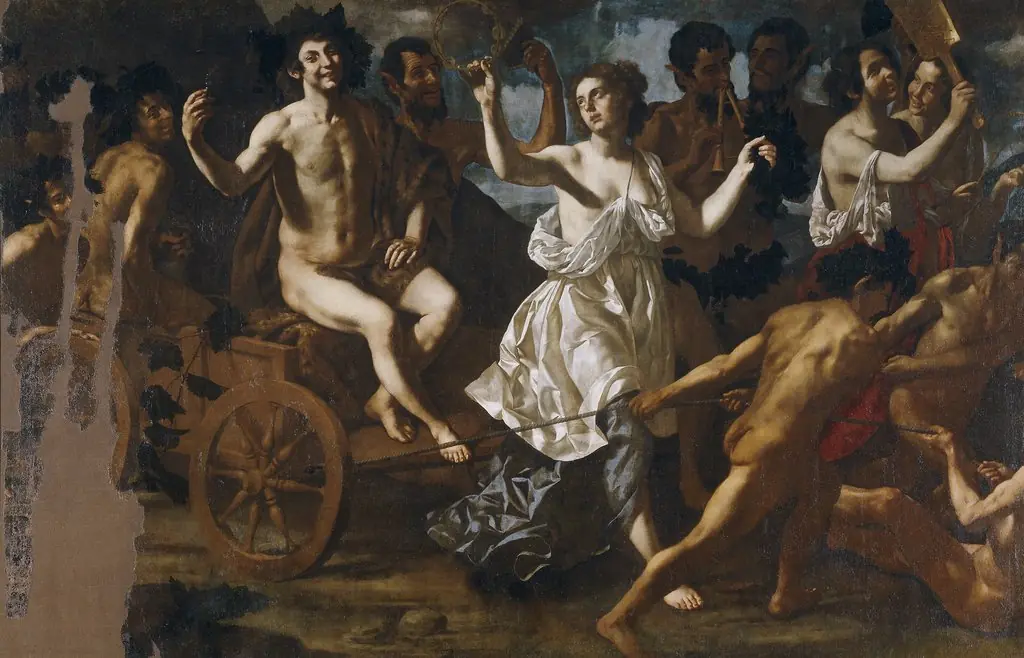
The Triumph of Bacchus is an oil painting by the Flemish Baroque painting artist Peter Paul Rubens. It dates from 1636 and is held in the collection of the Museo del Prado.
About this work
Subject & Meaning
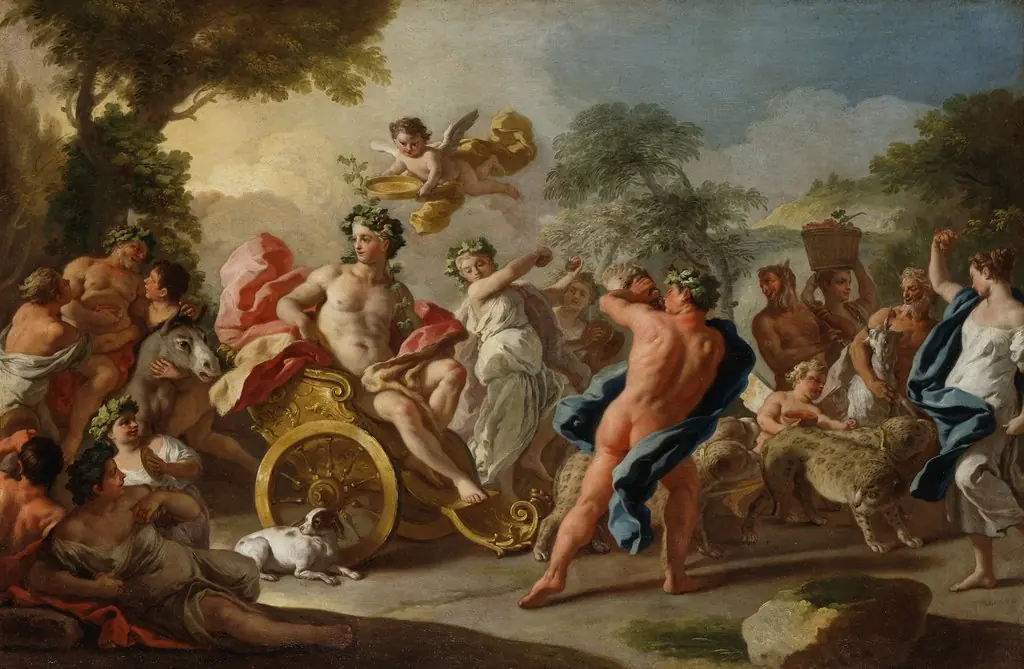
Bacchus is crowned with ivy and holds a thyrsus, while a leopard-drawn chariot conveys him through a landscape animated by drunken figures and playful animals.
The Triumph of Bacchus depicts the Roman god Bacchus enthroned in a triumphal chariot, surrounded by a boisterous retinue of satyrs, maenads, and putti. The scene draws on classical sources for the god’s procession, emphasizing intoxication and revelry as central themes. Bacchus is crowned with ivy and holds a thyrsus, while a leopard-drawn chariot conveys him through a landscape animated by drunken figures and playful animals.
The composition underscores the god’s dual role as bringer of ecstasy and chaos, with symbolic details such as rattles and garlands reinforcing the Dionysian spirit of excess and liberation.
The work is closely related to Rubens’s 1636 version, though the Prado painting is traditionally associated with his studio and Cornelis de Vos, reflecting collaborative practice in Rubens’s workshop.
Technique & Style
Executed in oil paint on canvas, this mythological work measures 180 cm in height and 295 cm in width. The composition depicts the triumph of Bacchus and Ariadne, featuring specific iconographic elements such as a carriage and a rattle. While the piece is attributed to Peter Paul Rubens with a creation date of 1636, records also associate Cornelis de Vos with its production, and some data suggests an inception around 1650.
The painting utilizes the vibrant potential of oil media to render its classical subjects, adhering to the conventions of seventeenth-century mythological narrative.
History & Provenance
Created in 1636 as an oil on canvas painting, The Triumph of Bacchus was a collaborative effort between Peter Paul Rubens and Cornelis de Vos. The artwork was ultimately owned by Ferdinand VII of Spain. Following its royal ownership, the painting entered the Spanish royal collection and was housed in the Royal Palace of Madrid. It is currently held in the collection of the Museo del Prado.
The painting is held in the collection of the Museo del Prado in Madrid, where it is located within the Royal Palace. The work entered the museum's holdings through the collection of Ferdinand VII of Spain. While specific inventory or accession numbers are not provided in the available records, the piece is documented as an oil on canvas measuring 180 cm by 295 cm. The sources do not contain information regarding specific exhibitions or loan history for this artwork.
Context
The painting entered the Spanish royal collection under Ferdinand VII of Spain, establishing its provenance in a royal context that shaped early interpretations. Contemporary scholarship situates it within Rubens' mythological output during his mature period, reflecting the artist's engagement with classical themes and Counter-Reformation sensibilities. The work's composition draws on earlier Flemish precedents while introducing dynamic movement characteristic of Rubens' style, as documented in major studies of his oeuvre.
Its display in the Royal Palace of Madrid provided public visibility that influenced perceptions of mythological subjects in Habsburg Spain. Current research emphasizes its significance as a collaborative work involving Rubens and his workshop, particularly with Cornelis de Vos, whose expertise contributed to the intricate depiction of mythological narratives. The painting's presence in a royal collection underscores its status as a symbol of political and cultural power during the Spanish Golden Age.
Overview
Created in 1636 by the Flemish painter Peter Paul Rubens, this oil on canvas presents a lively mythological scene now housed in Madrid’s Museo del Prado. The composition centers on a voluptuous, nude figure seated in a gilded chariot, surrounded by a bustling entourage of half‑clothed revelers, a baby with a rattle, and two lion‑drawn wheels encrusted with gem‑like highlights.
Own this work as a print
Artist & collection
Artist
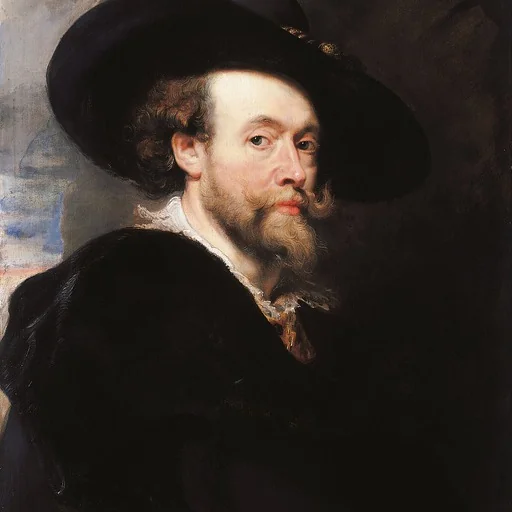
Sir Peter Paul Rubens ( ROO-bənz; Dutch:; 28 June 1577 – 30 May 1640) was a Flemish artist and diplomat.