Artwork
Adam and Eve after the Expulsion from Paradise
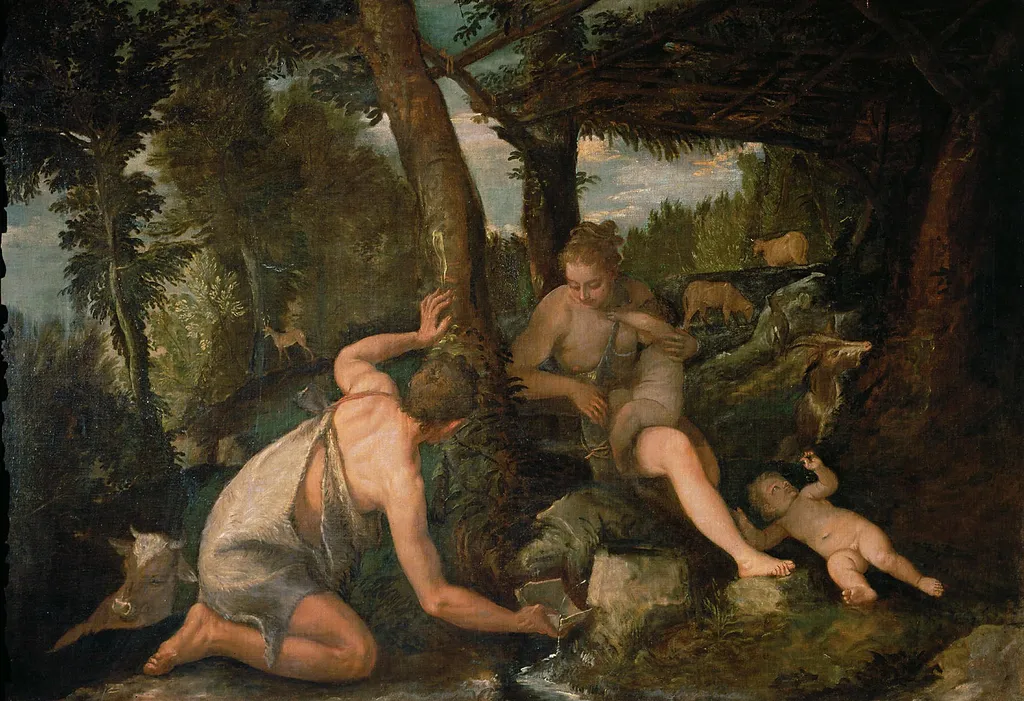
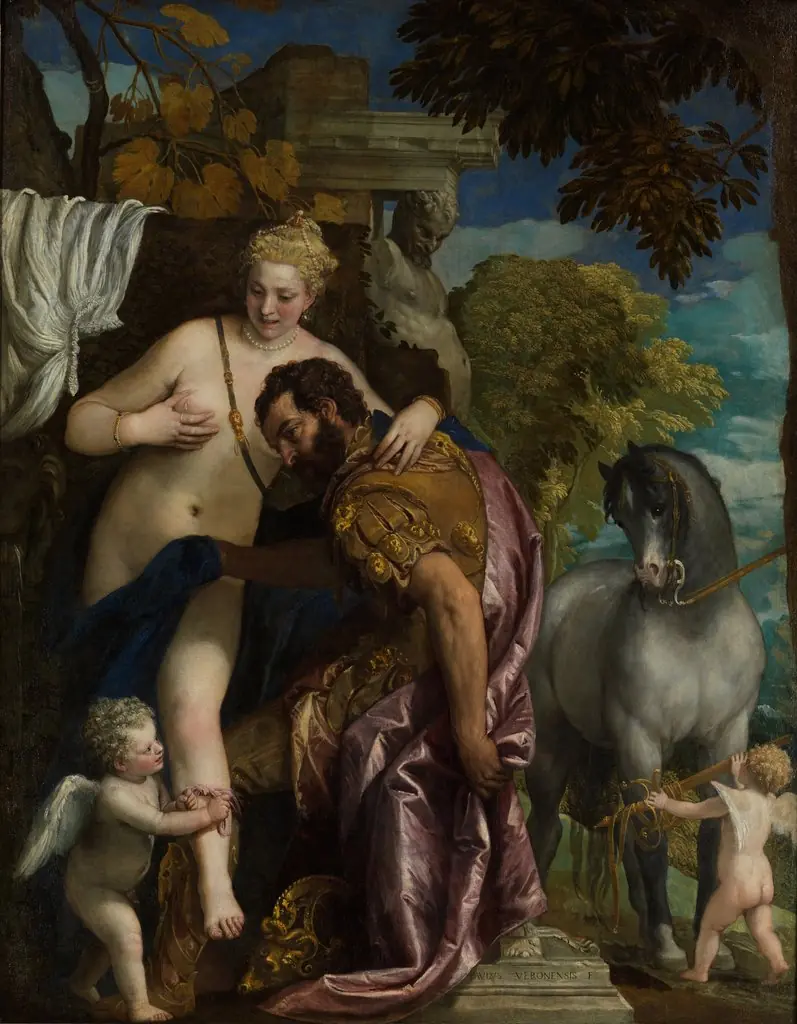
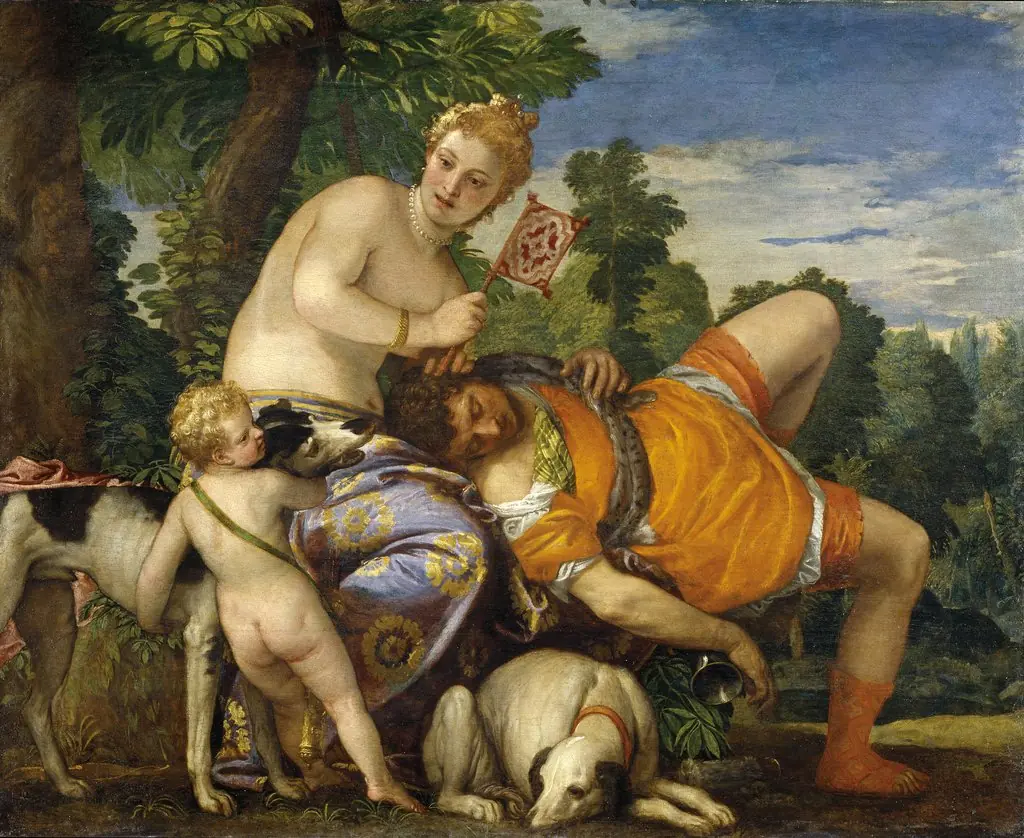
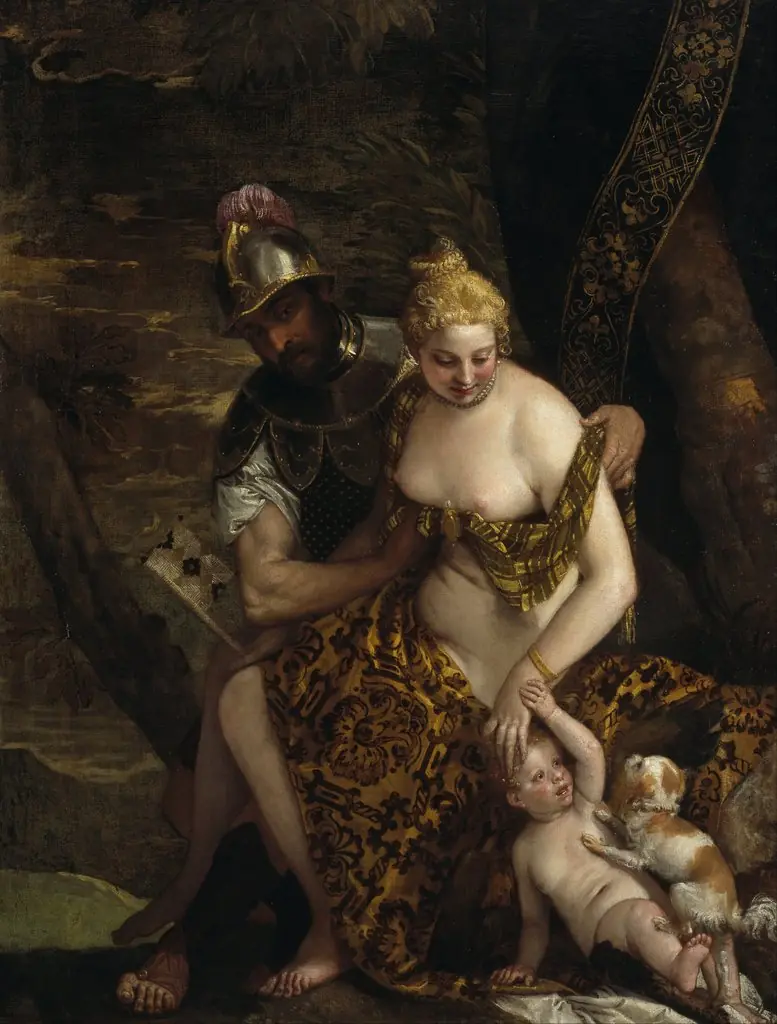
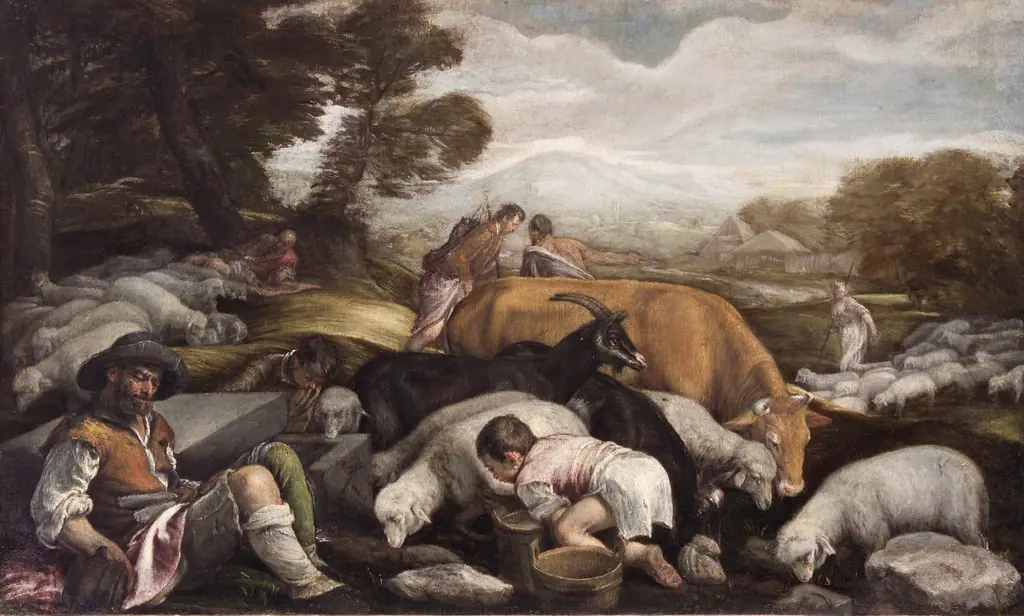
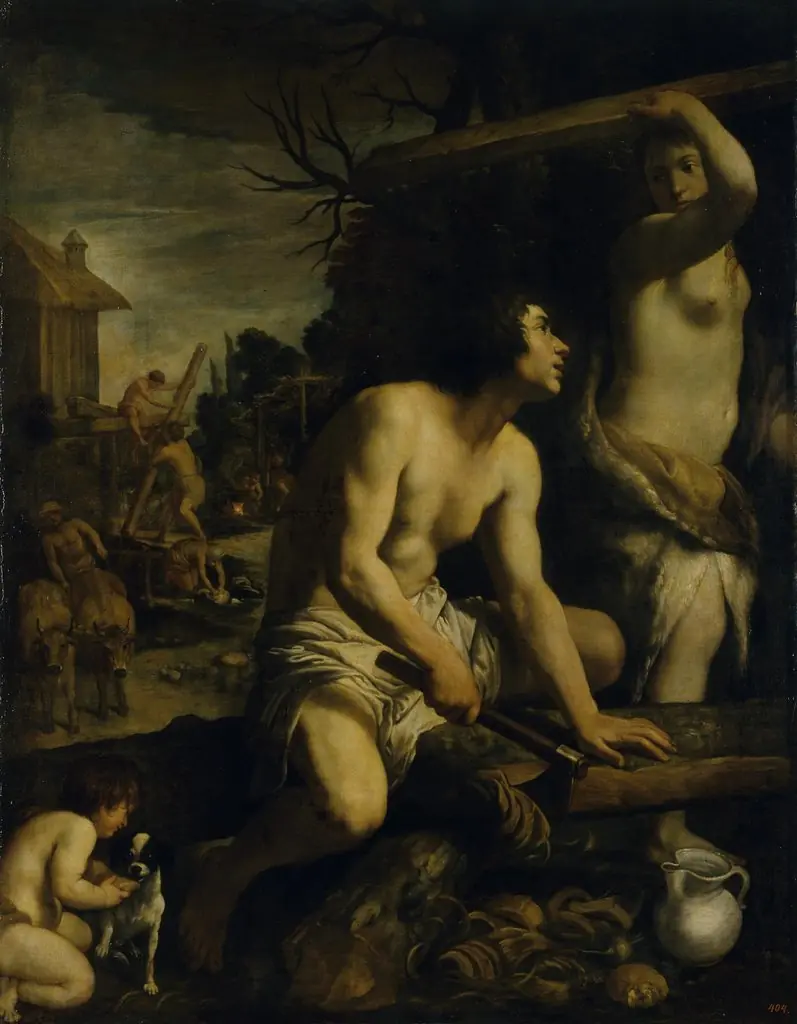
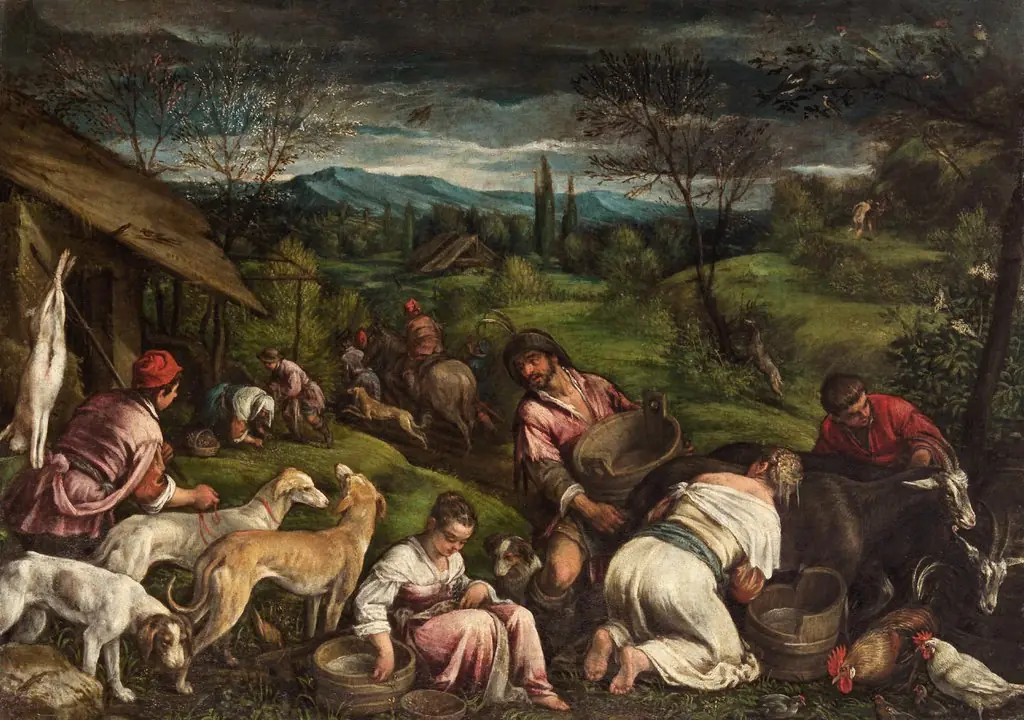
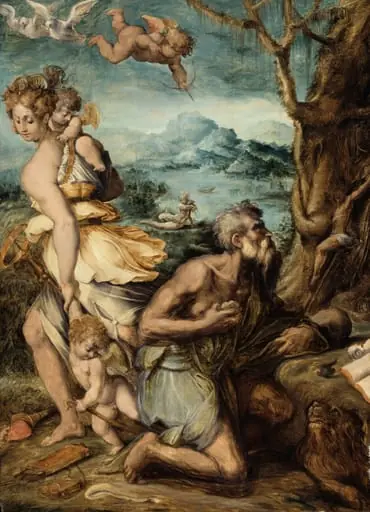
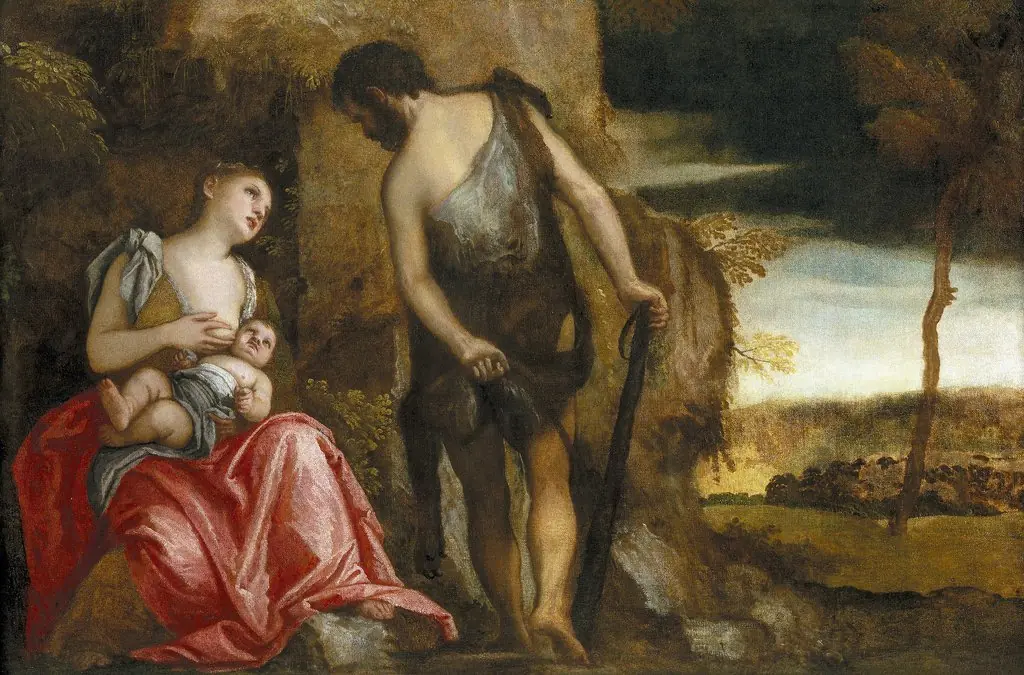
Adam and Eve after the Expulsion from Paradise is an oil painting by the Mannerist artist Paolo Veronese. It is held in the collection of the Kunsthistorisches Museum. Created around 1590, this oil painting portrays the biblical figures Adam and Eve shortly after their removal from Eden.
About this work
Subject & Meaning
The painting shows Adam and Eve standing outside an idyllic garden after their expulsion from Eden, a visual retelling of the biblical fall of man.
The painting shows Adam and Eve standing outside an idyllic garden after their expulsion from Eden, a visual retelling of the biblical fall of man. Their gestures and the surrounding flora underscore themes of loss and the transition from innocence to awareness. The work belongs to the religious art genre, reflecting Counter‑Reformation emphasis on narrative clarity and moral didacticism.
It was created in 1580 by Paolo Veronese for a private devotional context, and today resides in the Kunsthistorisches Museum collection.
Technique & Style
The work is executed in oil paint on canvas, a standard support for large-scale Venetian religious paintings of the late sixteenth century. Veronese's handling of light emphasizes the spatial depth and emotional gravity of the expulsion scene, while his compositional balance reflects Mannerist conventions adapted to narrative clarity. The surface retains original pigment layers without significant degradation, preserving the vivid coloration characteristic of his workshop practice.
History & Provenance
Created in 1580, Adam and Eve after the Expulsion from Paradise is an oil-on-canvas painting by Paolo Veronese, likely executed with assistance from his workshop. The work originally belonged to the church of San Giacomo della Giudecca in Venice. It subsequently entered the collection of Daniël Nijs before passing to the dealer Bartolomeo della Nave.
Archduke Leopold Wilhelm of Austria acquired the piece, and it eventually entered the holdings of the Kunsthistorisches Museum in Vienna, where it remains today.
Adam and Eve after the Expulsion from Paradise is held by the Kunsthistorisches Museum in Vienna. Its inventory number is KStZ 2797/1580. The painting has been exhibited at the Kunsthistorisches Museum, San Giacomo della Giudecca and later at the Kunsthistorisches Museum in Vienna.
It was previously owned by San Giacomo della Giudecca, Daniël Nijs, Bartolomeo della Nave, and Archduke Leopold Wilhelm of Austria before entering the museum's collection.
Context
Scholarship on this painting emphasizes its role within Veronese's mature religious oeuvre, particularly his treatment of postlapsarian narratives. The work demonstrates his mastery of complex compositions and vibrant coloration characteristic of Venetian Renaissance art, as seen in his broader decorative projects for Venetian churches. Its provenance through private collectors before accession by the Kunsthistorisches Museum reflects the 19th-century market for Venetian masterpieces, a context explored in studies of art collecting practices.
The painting's subject, depicting Adam and Eve after expulsion from Eden, aligns with Counter-Reformation themes of human vulnerability and divine grace, situating it within sixteenth-century theological discourse on original sin. This focus on narrative aftermath distinguishes Veronese's approach from earlier depictions of the Garden of Eden, a distinction noted in art historical analyses of his biblical interventions.
Overview
Created around 1590, this oil painting portrays the biblical figures Adam and Eve shortly after their removal from Eden. Executed in the Mannerist idiom, the work exemplifies the later phase of Paolo Veronese’s career, a Venetian artist renowned for his large, narrative compositions. The canvas is part of the Kunsthistorisches Museum’s holdings.
Artist & collection
Artist
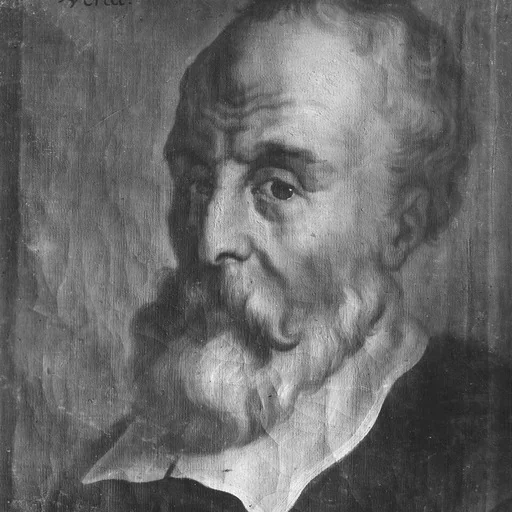
Paolo Caliari (1528 – 19 April 1588), known as Paolo Veronese ( VERR-ə-NAY-zay, -zee, US also -see; Italian: ), was an Italian Renaissance painter based in Venice, known for extremely large history paintings of…