Artwork
Boy with a Greyhound
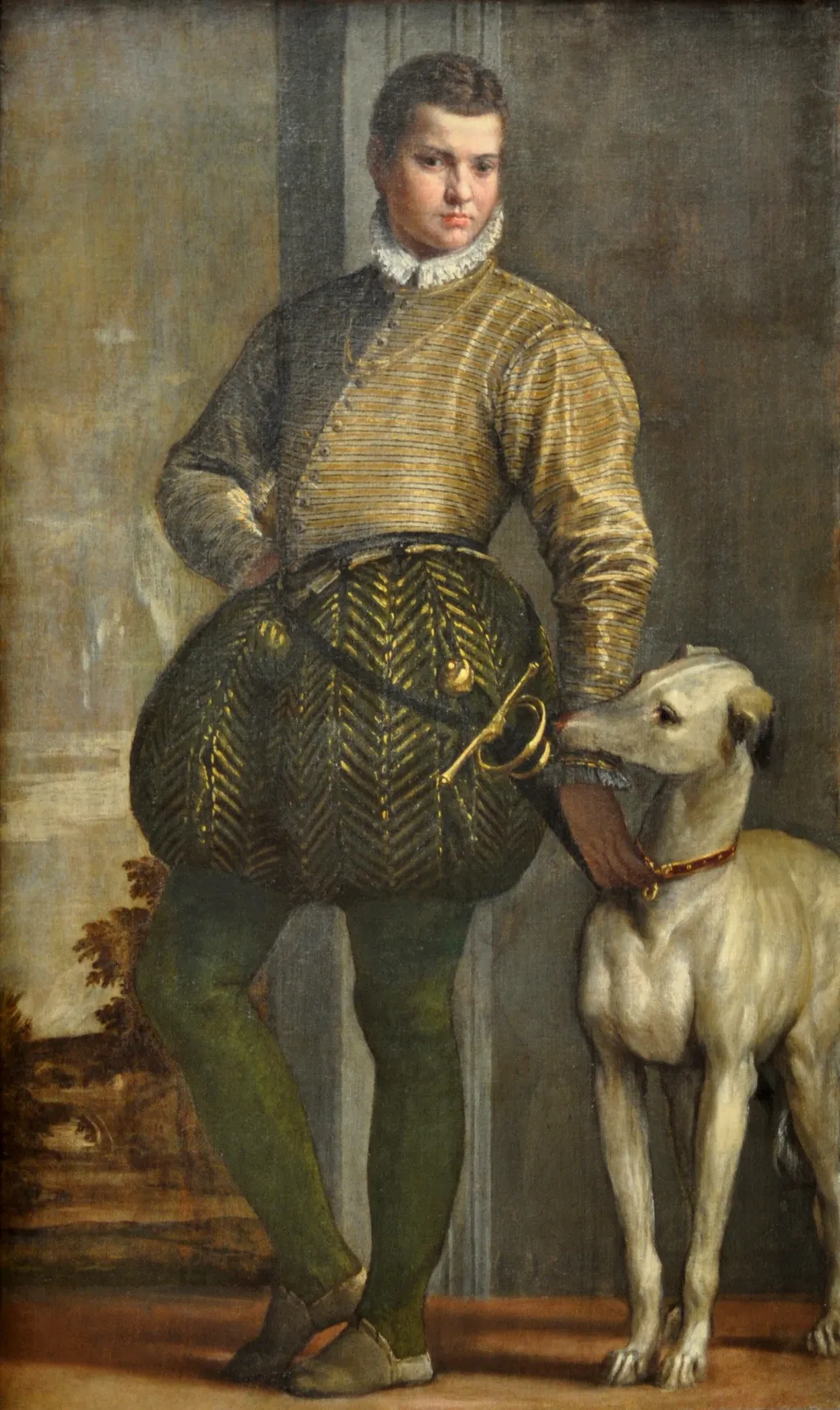
Boy with a Greyhound is an oil painting by the Mannerist artist Paolo Veronese. It dates from 1570 and is held in the collection of the Metropolitan Museum of Art.
About this work
A young boy stands beside a white greyhound, dressed in a dark doublet with gold embroidery, a matching padded skirt, a stiff white collar, and plain black shoes, a small golden key in his hand. The dog, a sighthound bred for the hunt and kept by wealthy families, sits calmly and looks up at him. Veronese painted the pair around 1570.
Subject & Meaning
The work shows a young boy accompanied by a greyhound, a breed associated with aristocratic hunting and loyalty.
The work shows a young boy accompanied by a greyhound, a breed associated with aristocratic hunting and loyalty. Veronese painted this oil portrait in 1570, presenting the child in fine attire that signals his noble lineage. The inclusion of the sighthound functions iconographically as a symbol of fidelity and refined virtue, while also serving as a status marker for the sitter's affluent family.
The painting's composition emphasizes the sitter's poise and the intimate bond between child and animal, conveying ideals of education, moral conduct, and social standing.
Technique & Style
Executed in 1570, this portrait by Paolo Veronese is an oil painting on canvas. The work measures 173.7 cm in height and 101.9 cm in width. As a formal portrait, the composition depicts a young boy accompanied by a greyhound.
The piece is classified within the genre of portraiture and is currently held in the collection of the Metropolitan Museum of Art, having previously been owned by Louisine Havemeyer.
History & Provenance
Boy with a Greyhound is a 1570 oil-on-canvas portrait by Paolo Veronese, held in the Metropolitan Museum of Art in New York. The work measures 173.7 × 101.9 cm. The painting entered the museum through the bequest of Louisine Havemeyer in 1929, a noted American art patron whose collection enriched the Met's holdings of Venetian Renaissance works.
Context
Veronese's Boy with a Greyhound entered American scholarship through the Havemeyer bequest at the Metropolitan Museum of Art in 1929, anchoring the artist's portraiture within transatlantic collecting histories of the Gilded Age. Early twentieth-century critics emphasized the painting's Venetian lyricism and the sitter's aristocratic poise, situating it within Veronese's mature phase of luminous color and relaxed grandeur. In broader art-historical terms, the work exemplifies the Venetian Renaissance portrait's fusion of psychological presence and decorative elegance, aligning with contemporaneous developments in Venetian genre painting that blurred boundaries between portrait and narrative scene.
Its placement in the Met's collection reinforced a canonical narrative of Veronese as a master of Venetian colorism, shaping mid-century assessments of his influence on later European portraiture.
Overview
Paolo Veronese's "Boy with a Greyhound," created in 1570, is a significant portrait from the Mannerist period. Executed in oil paint, this work showcases the artist's skill in depicting individual subjects. Veronese, a prominent Venetian painter of the 16th century, was renowned for his vibrant palette and large-scale compositions, often featuring religious or mythological narratives. This piece, however, offers a more intimate view, focusing on a young figure and his animal companion.
Own this work as a print
Artist & collection
Artist
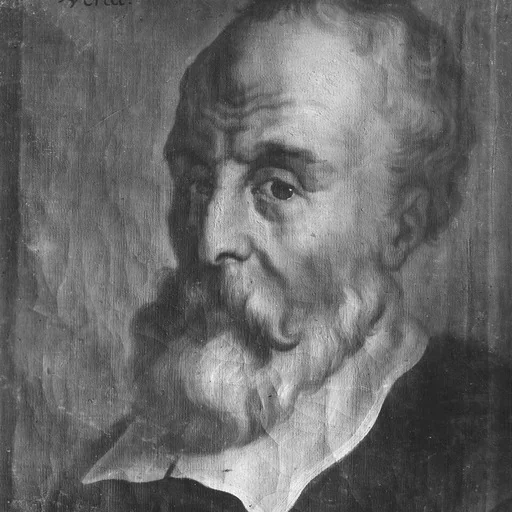
Paolo Caliari (1528 – 19 April 1588), known as Paolo Veronese ( VERR-ə-NAY-zay, -zee, US also -see; Italian: ), was an Italian Renaissance painter based in Venice, known for extremely large history paintings of…

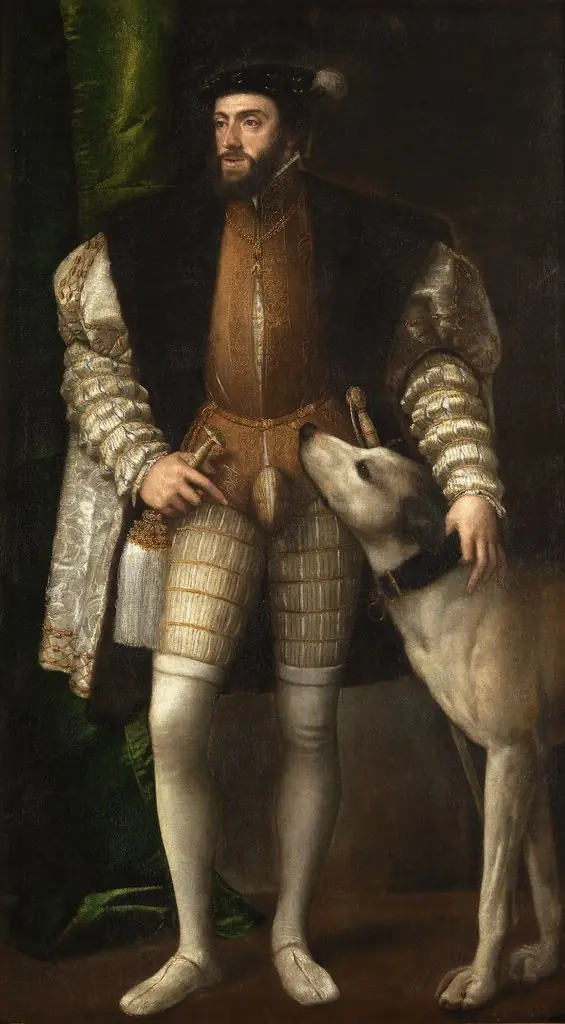
- Portrait of Charles V with a Dog
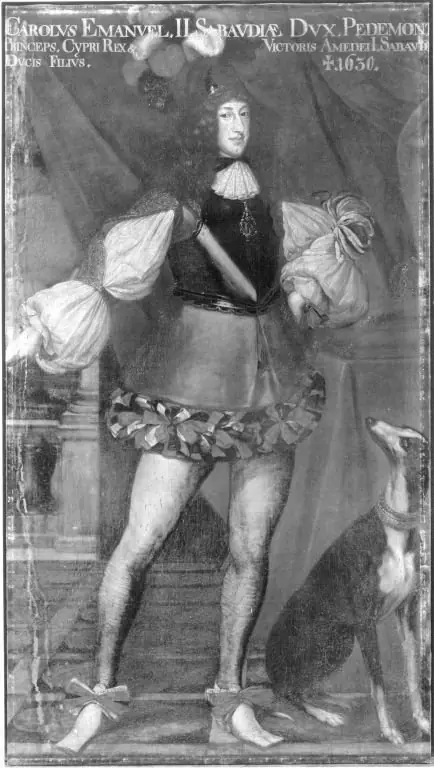 Karl Emanuel II., Herzog von Savoyen (?)
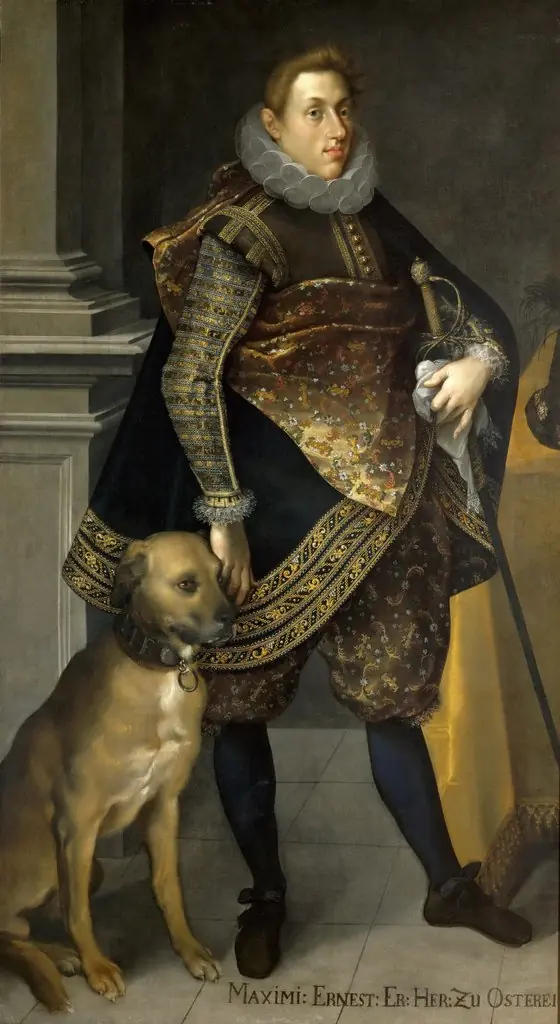 Erzherzog Maximilian Ernst (1583-1616) mit Jagdhund
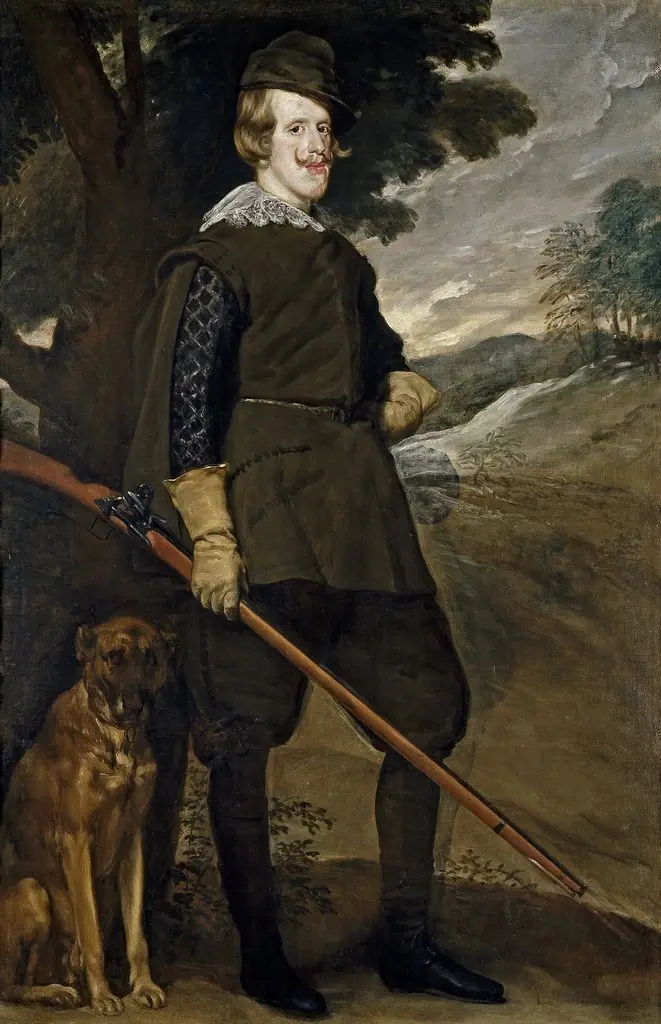 Philip IV as a Huntsman
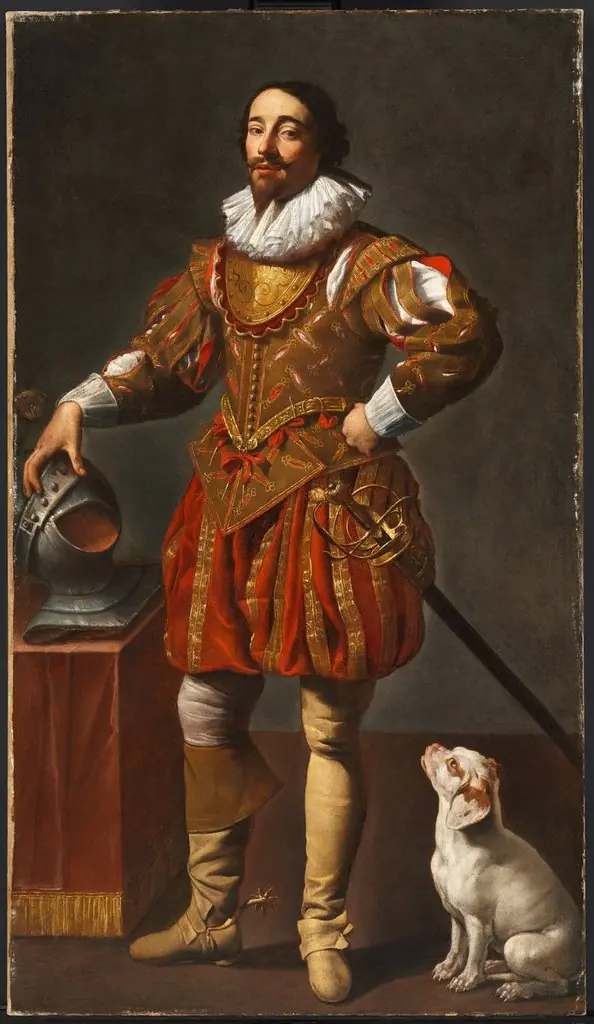 Portrait of a Man with his Dog
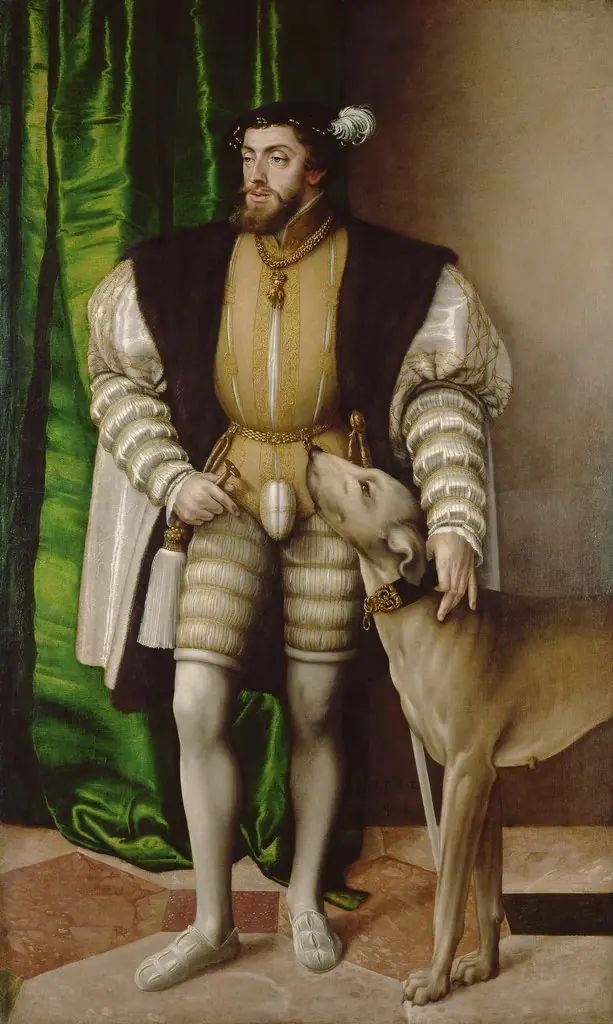 Portrait of Charles V with a Dog
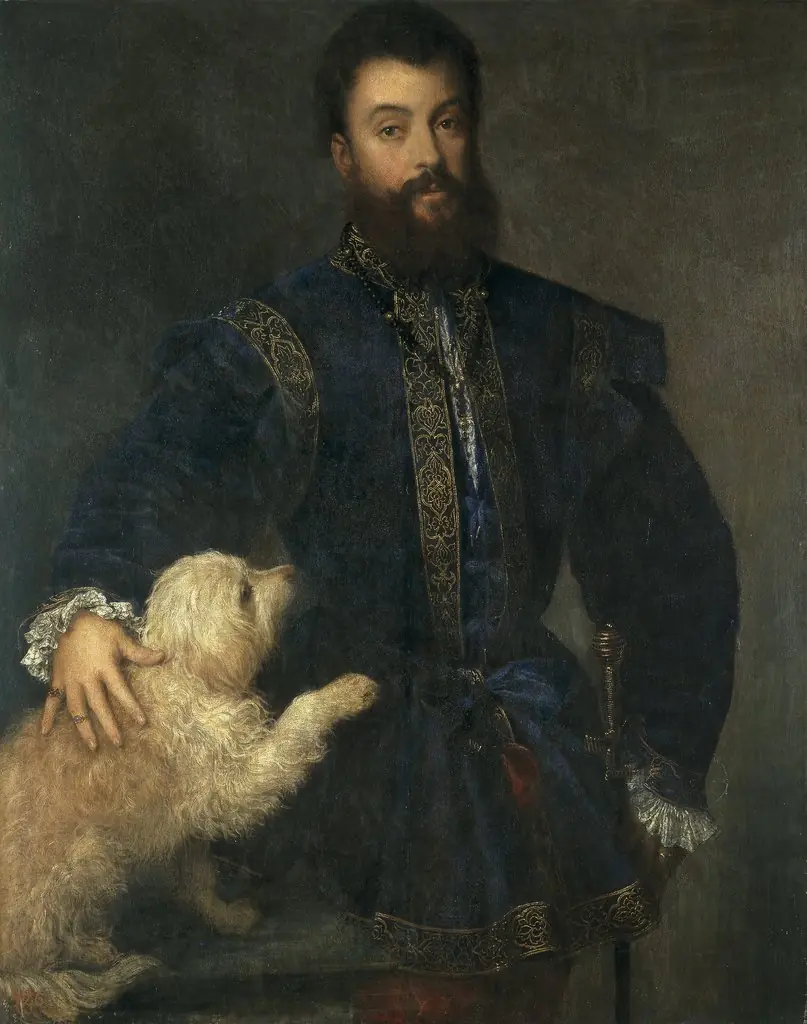 Portrait of Federico II Gonzaga
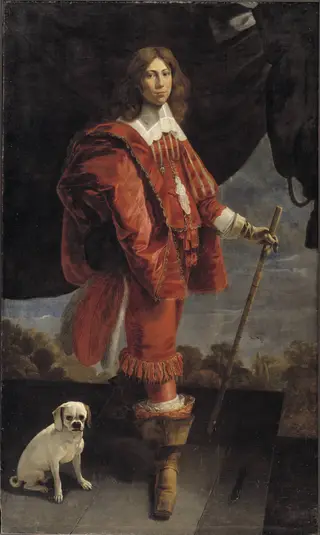 Ulrik Christian Gyldenløve (1630-1658), son of Christian IV and Vibeke Kruse
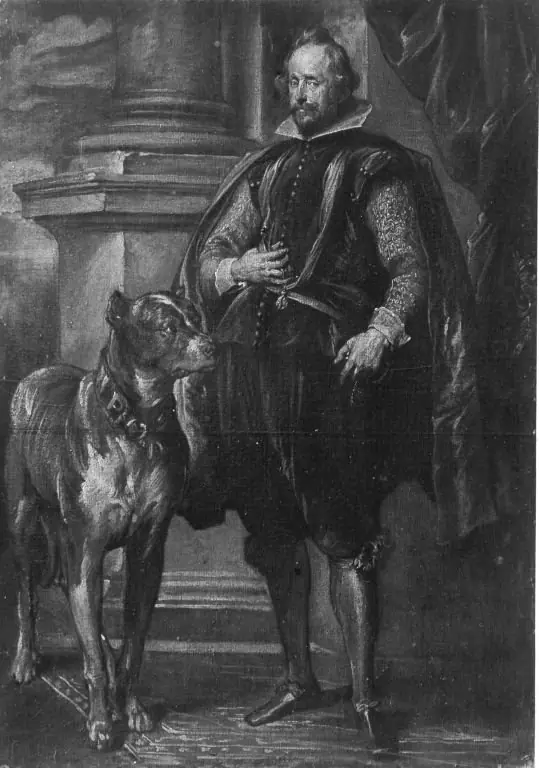 Portrait of Wolfgang Wilhelm, Count Palatine and Herzog von Neuburg (1578-1653)
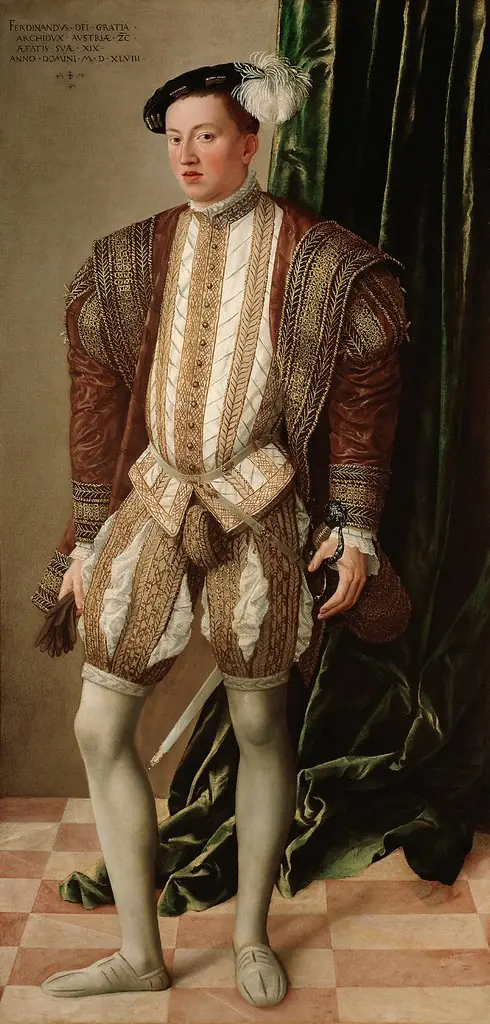 Erzherzog Ferdinand von Tirol (1529-1595)
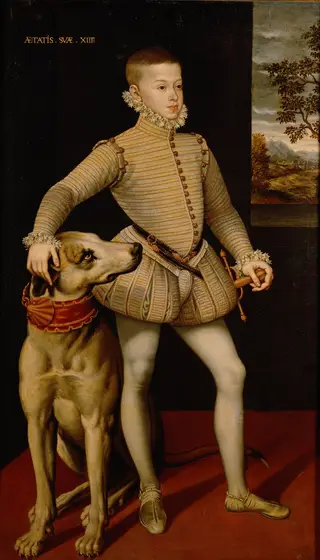 Erzherzog Albrecht VII. (1559-1621) im Alter von 14 Jahren mit einer Dogge, in ganzer Figur
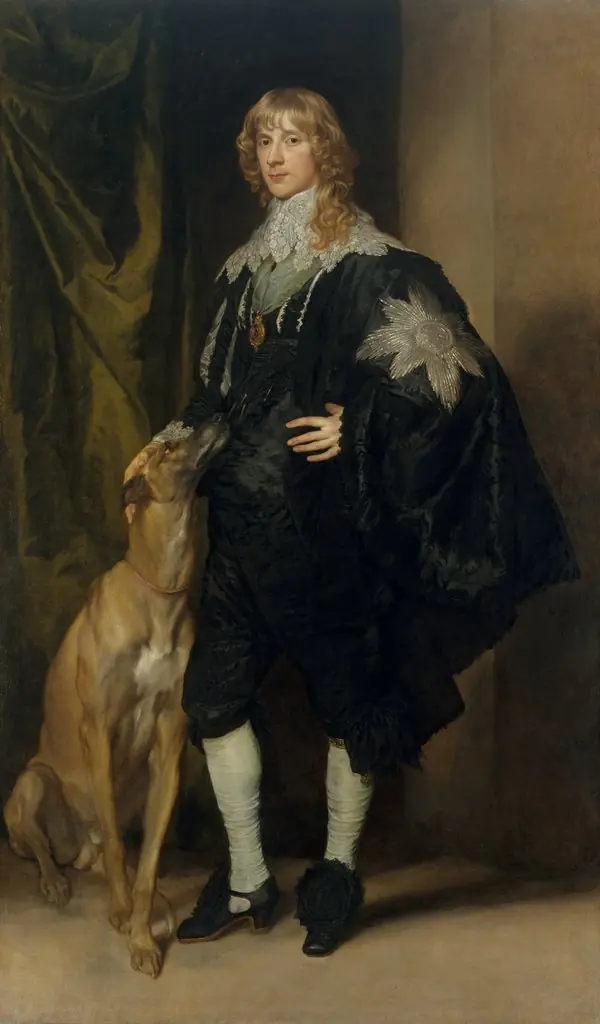 Portrait of James Stuart, Duke of Lennox and Richmond