Artwork
Alessandro Vittoria (1524/25–1608)
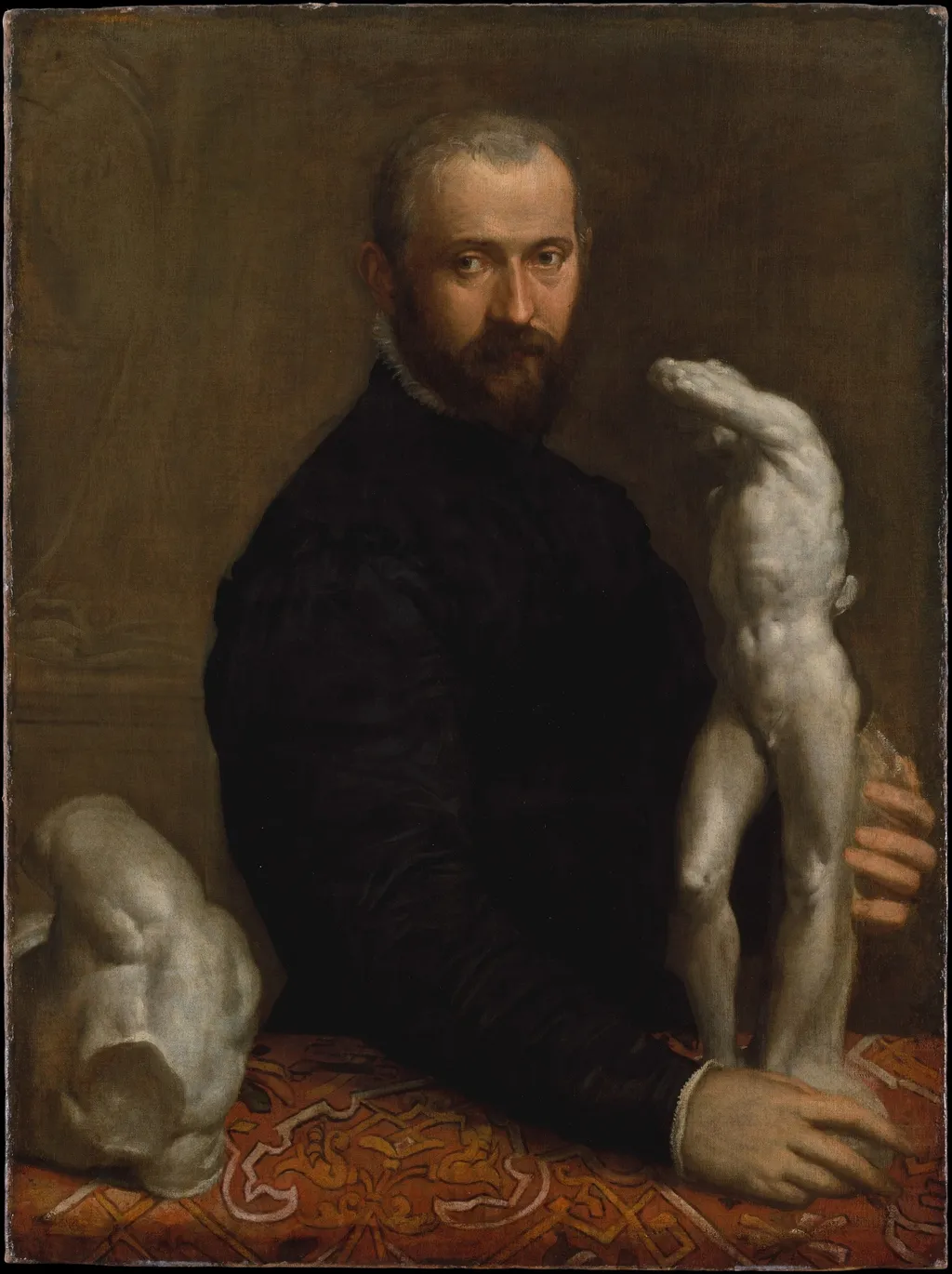
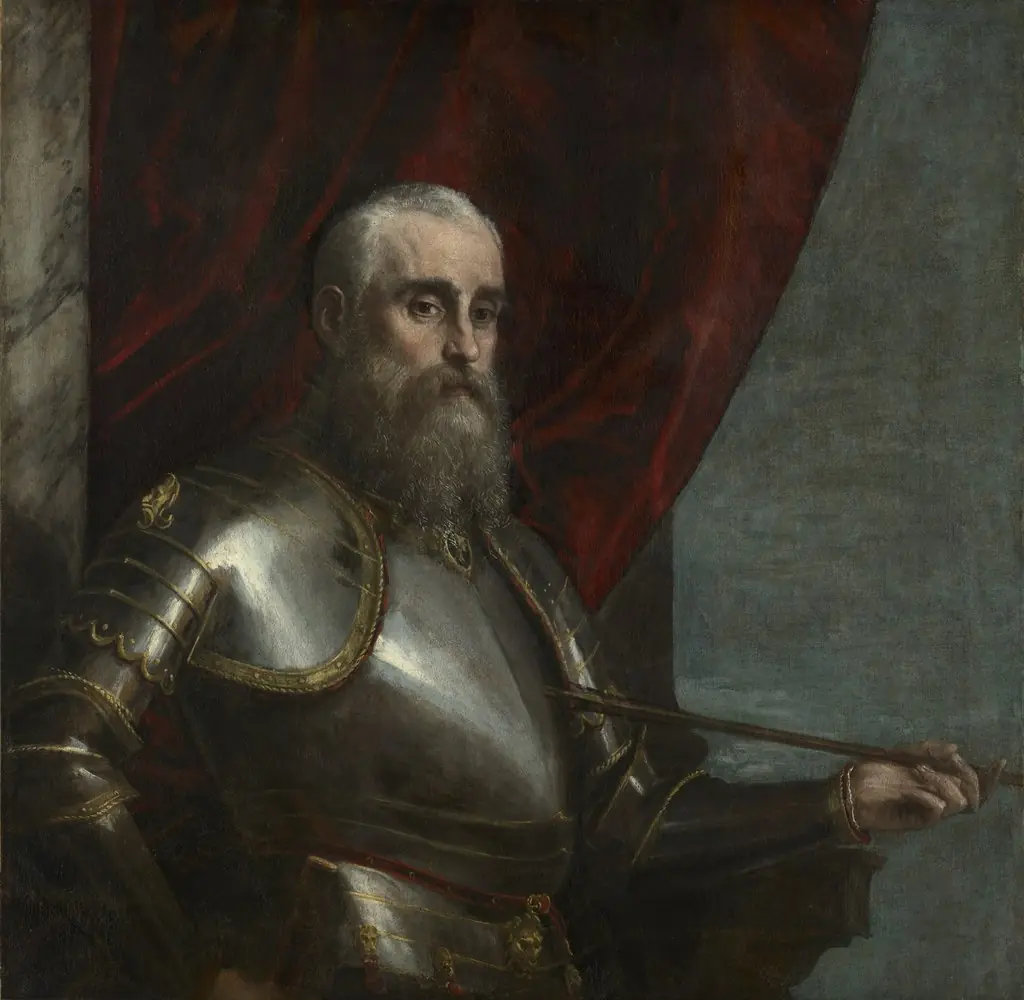
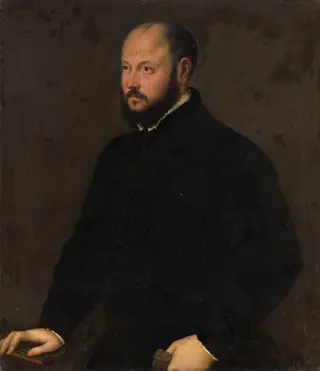
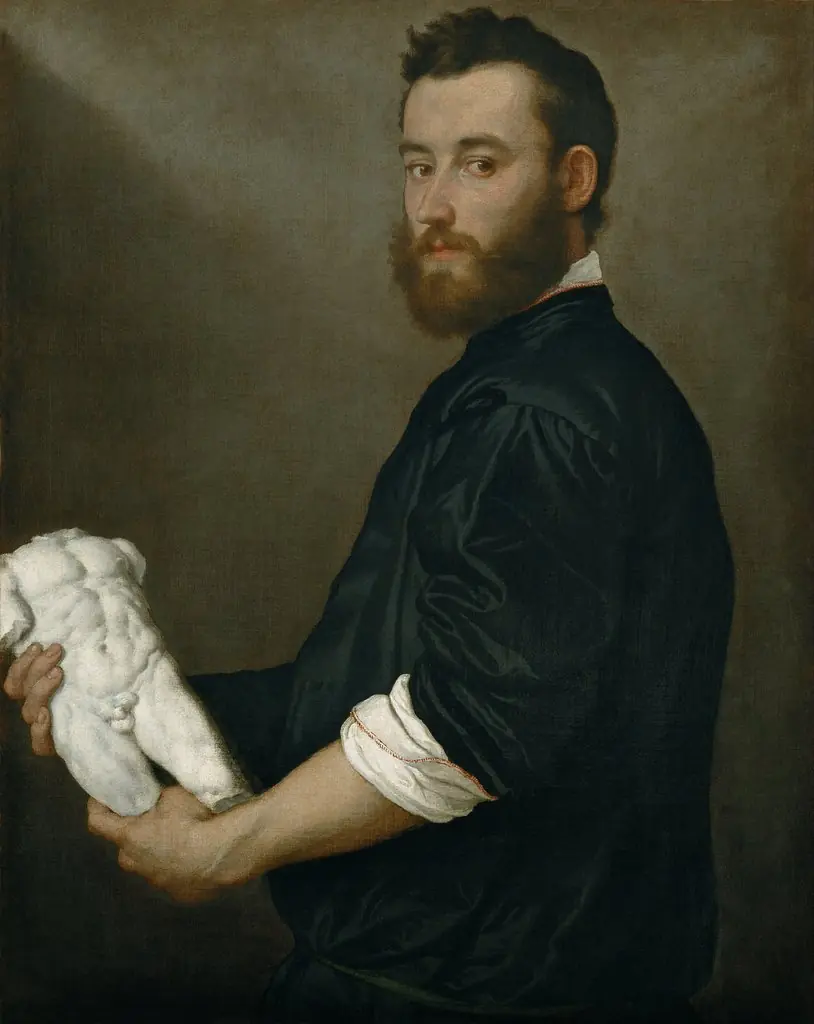
Alessandro Vittoria (1524/25–1608) is an oil painting by the Mannerist artist Paolo Veronese. It is held in the collection of the Metropolitan Museum of Art.
About this work
Technique & Style
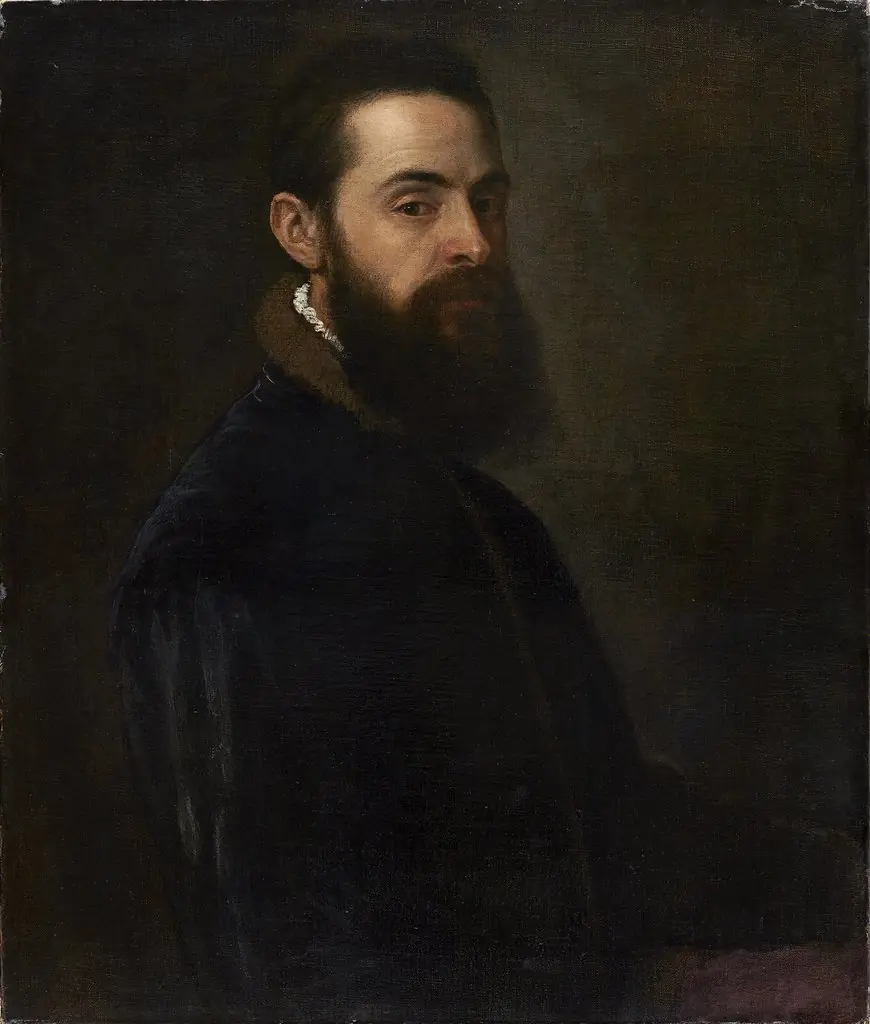
The portrait of Alessandro Vittoria, dated to 1580, is an oil painting on canvas housed in the Metropolitan Museum of Art.
The portrait of Alessandro Vittoria, dated to 1580, is an oil painting on canvas housed in the Metropolitan Museum of Art. Executed in oil pigments on a canvas support, the work exemplifies late‑Renaissance portraiture with a half‑length format that presents the sitter against a muted backdrop. The canvas measures 110.5 cm in height and 81.9 cm in width, reflecting the scale typical of elite Venetian portraiture of the period. The painting’s condition is reported as stable within the museum’s collection.
History & Provenance
The portrait of Alessandro Vittoria was painted by Paolo Veronese in 1580, executed in oil on canvas. The work depicts the sculptor and designer Alessandro Vittoria and is classified as a portrait. It entered the collection of the Metropolitan Museum of Art, where it remains held today.
No further details regarding an earlier provenance chain, specific commissioner, or intermediate ownership prior to the museum's acquisition are documented in the available sources.
Overview
Paolo Veronese's 1590 oil portrait depicts Alessandro Vittoria, a prominent sculptor of the late Renaissance. This work exemplifies Venetian painting, capturing the sitter's profession through the inclusion of a fragmented marble arm. It is currently housed at The Metropolitan Museum of Art.
The composition focuses intently on Vittoria, presenting him with a serious demeanor against a subdued background, highlighting his craft and presence.
Subject & Meaning
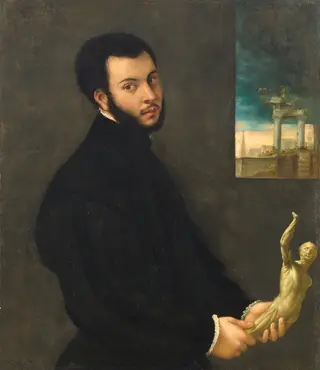
The painting features Alessandro Vittoria, a celebrated sculptor active in Venice during the Renaissance. He is shown holding a broken marble limb, a direct reference to his artistic practice and the materials of his craft. This detail not only identifies the sitter's profession but also alludes to the creative process and perhaps the classical antiquity that inspired sculptors of the era, underscoring his identity.
Context
As a leading figure of the late Venetian Renaissance, Paolo Veronese was associated with contemporaries like Titian and Tintoretto. The Venetian school was renowned for its rich application of color and its ambitious narrative compositions. This portrait also reflects aspects of Mannerism, an artistic trend characterized by sophisticated refinement and subtle deviations from classical ideals, evident in the portrait's composed yet intense presentation.
Own this work as a print
Artist & collection
Artist
Paolo Caliari (1528 – 19 April 1588), known as Paolo Veronese ( VERR-ə-NAY-zay, -zee, US also -see; Italian: ), was an Italian Renaissance painter based in Venice, known for extremely large history paintings of…