Artwork
Mystic marriage of Saint Catherine of Alexandria
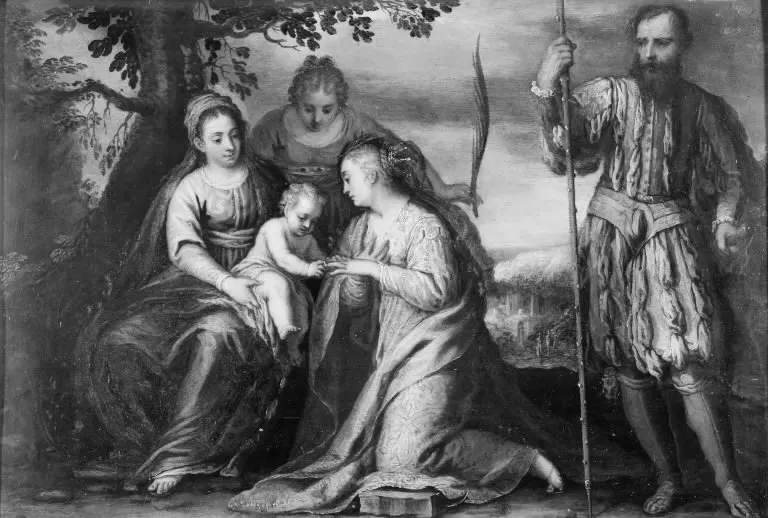
Mystic marriage of Saint Catherine of Alexandria is an unspecified painting by the Mannerist artist Paolo Veronese. It dates from 1565 and is held in the collection of the Statens Museum for Kunst.
About this work
Subject & Meaning
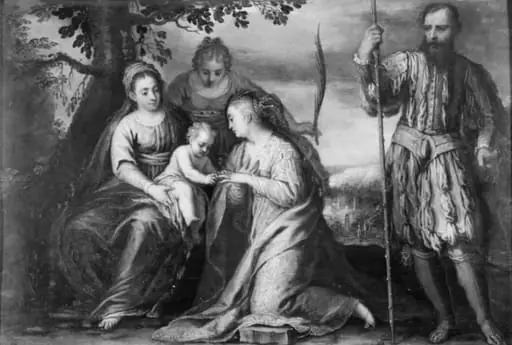
In this religious work, the saint is shown receiving a ring from the Christ Child, symbolizing her spiritual union with Jesus rather than a physical betrothal.
Paolo Veronese's 1565 painting depicts the mystic marriage of Saint Catherine of Alexandria, a narrative central to her hagiography. In this religious work, the saint is shown receiving a ring from the Christ Child, symbolizing her spiritual union with Jesus rather than a physical betrothal. This specific iconography represents Catherine's dedication to Christ and her status as a virgin martyr.
The composition serves as a visual testament to her faith and divine selection, a common theme in religious art of the period. The work is currently held in the collection of the Statens Museum for Kunst.
History & Provenance
Paolo Veronese painted the Mystic marriage of Saint Catherine of Alexandria in 1565 for a private patron. The work entered the collection of the Statens Museum for Kunst in Copenhagen, where it remains on display. Its creation history is documented by contemporary records of the commission and the artist's workshop practices of the period.
The painting measures 288.0 cm by 418.0 cm and has been part of the museum's holdings since its acquisition.
Overview
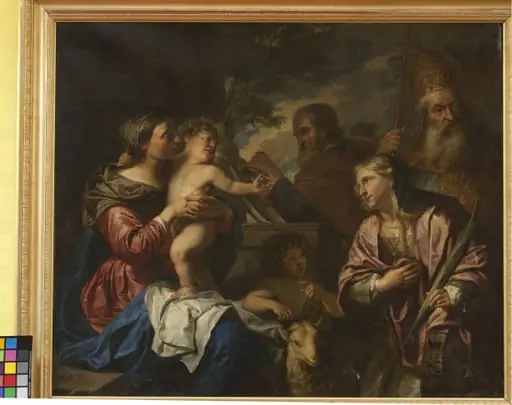
Created in 1565, the painting titled Mystic Marriage of Saint Catherine of Alexandria presents a tranquil gathering of five figures centered on a kneeling woman and an infant Christ. The composition is set against a modest landscape with a solitary tree, lending depth to the scene. Currently, the work is part of the collection of the Statens Museum for Kunst in Copenhagen.
Technique & Style
Executed in the Mannerist manner characteristic of mid‑16th‑century Venice, the painting employs a rich, luminous palette and a slightly exaggerated spatial arrangement. Veronese’s handling of light creates a gentle glow on the figures, while the elongated poses and elegant drapery reflect the period’s taste for refined, theatrical presentation.
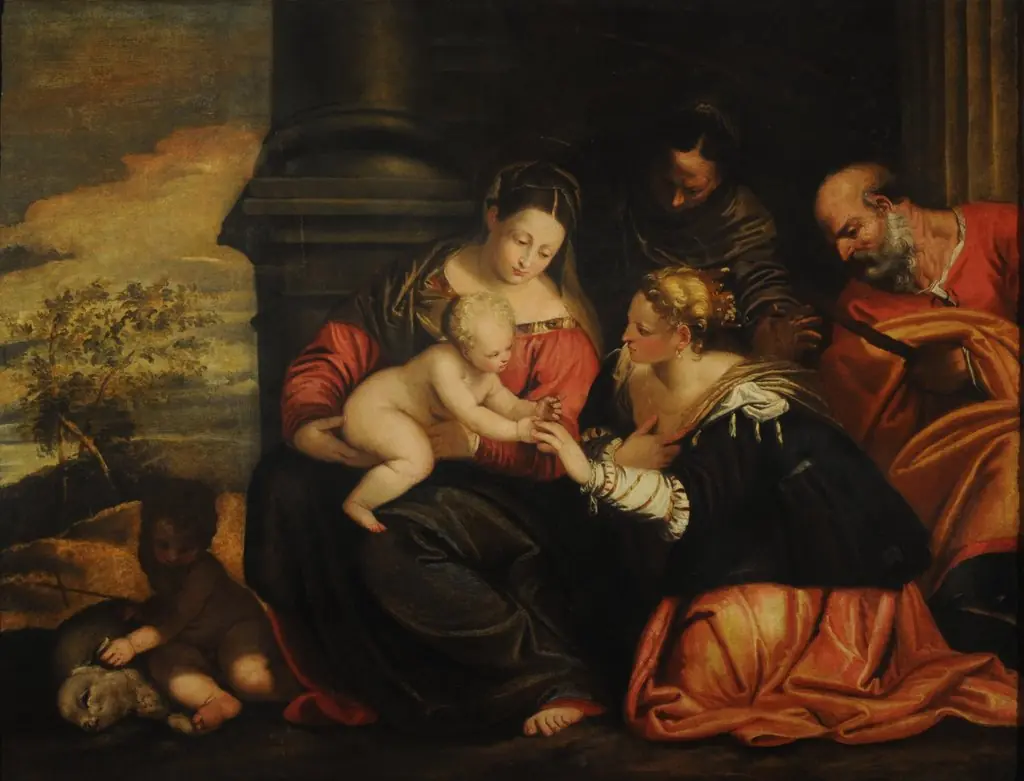
Artist & collection
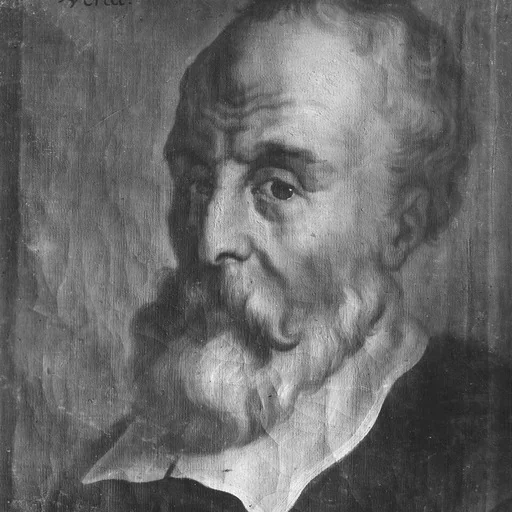
Artist
Paolo Caliari (1528 – 19 April 1588), known as Paolo Veronese ( VERR-ə-NAY-zay, -zee, US also -see; Italian: ), was an Italian Renaissance painter based in Venice, known for extremely large history paintings of…