Artwork
Thomas Cavendish
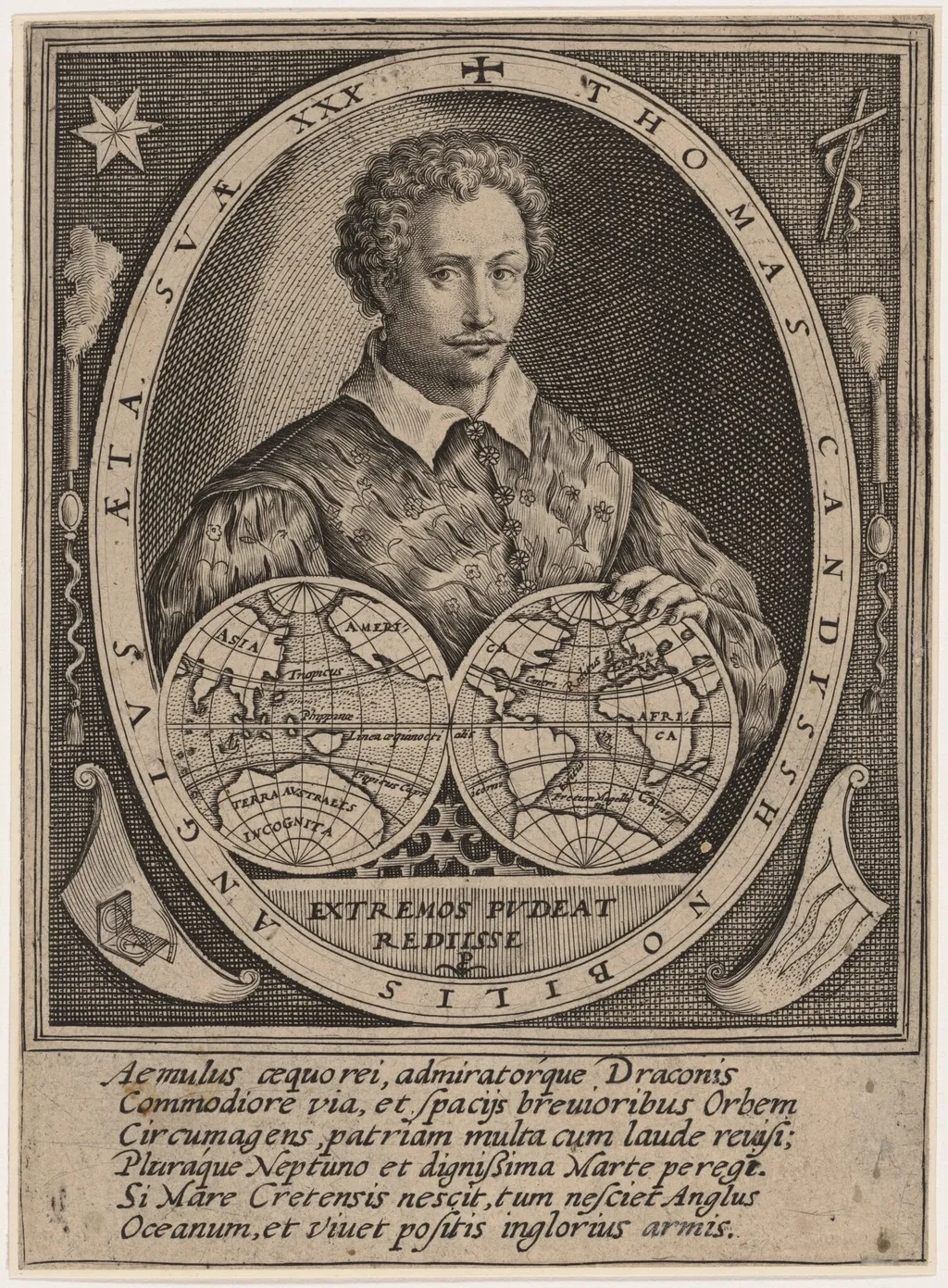
Thomas Cavendish is an ink print by the Renaissance artist Crispijn van de Passe I. It dates from 1598 and is held in the collection of the National Gallery of Art.
About this work
Overview
This 1598 engraving by Crispijn van de Passe I portrays Thomas Cavendish, an English navigator known for his circumnavigation of the globe.
This 1598 engraving by Crispijn van de Passe I portrays Thomas Cavendish, an English navigator known for his circumnavigation of the globe. Rendered in fine linear detail, the portrait captures Cavendish in a formal, contemplative pose, flanked by symbolic elements that reference his maritime achievements. The work belongs to a tradition of printed portraiture that circulated images of explorers across Europe during the late Renaissance.
Subject & Meaning
Cavendish is depicted holding two globes, one terrestrial, one celestial, symbolizing his navigation of both land and sea, and his engagement with the expanding geographic knowledge of the era. His attire, a dark robe with a high white collar and floral ornament, conveys status and learning. The star and feather beside his head allude to celestial guidance and the prestige of exploration, framing him as a figure of intellectual and adventurous distinction.
Technique & Style
The engraving employs fine, precise lines and controlled hatching to model form and texture, characteristic of Northern Renaissance printmaking. The dark background isolates the figure, enhancing the three-dimensionality of his features and garments. Details such as the folds of fabric and the texture of the globes are rendered with meticulous care, reflecting the era’s emphasis on realism and the technical mastery of the burin.
History & Provenance
Created in 1598, the engraving was produced shortly after Cavendish’s return from his circumnavigation, a feat that brought him fame in England and abroad. It was likely made for dissemination among scholarly and aristocratic audiences interested in exploration. The print was part of a series by van de Passe documenting notable figures, and surviving impressions suggest it was widely circulated in the Low Countries and England.
Context
In the late 16th century, European powers competed for global influence through maritime exploration. Portraits of navigators like Cavendish served to glorify national achievement and the expansion of knowledge. Van de Passe, a Dutch engraver, contributed to this trend by producing standardized images of explorers, diplomats, and monarchs, helping to shape public perception of these figures through the emerging medium of print.
Legacy
The engraving remains a key visual record of Cavendish’s public image during his lifetime. It influenced later depictions of explorers and exemplifies how print technology transformed individual fame into widely accessible iconography. Though Cavendish’s fame waned after his death, this image endures as a testament to the intersection of exploration, art, and the dissemination of knowledge in the early modern period.
Own this work as a print
Artist & collection

Artist
Crispijn van de Passe I (1564–1637) was an artist, born in Arnemuiden.

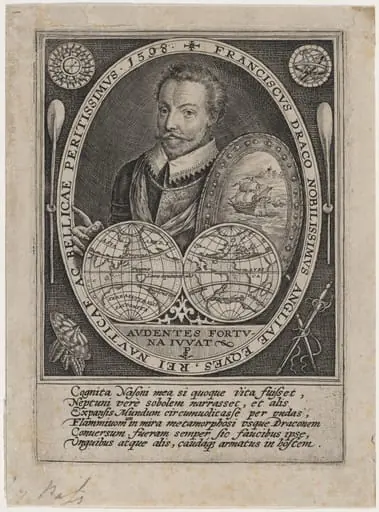 Francis Drake
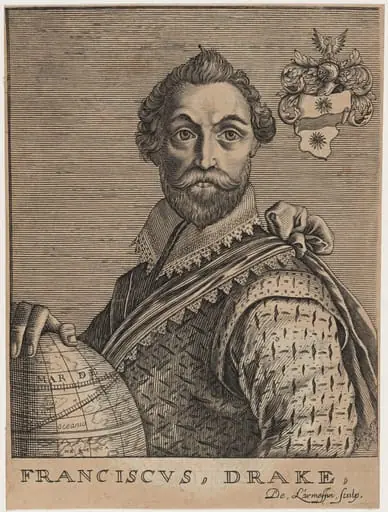 Sir Francis Drake
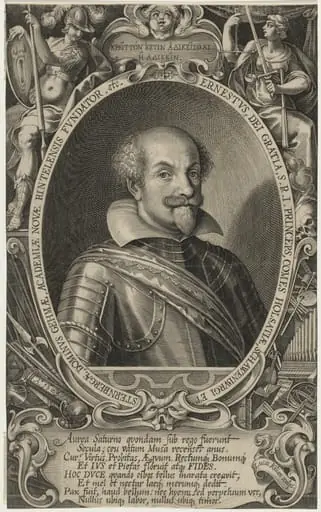 Ernest of Holstein, Schawenburg and Sternberg, Prince of Holy Roman Empire
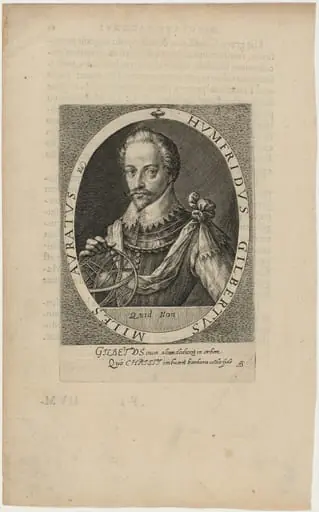 Sir Humphrey Gilbert
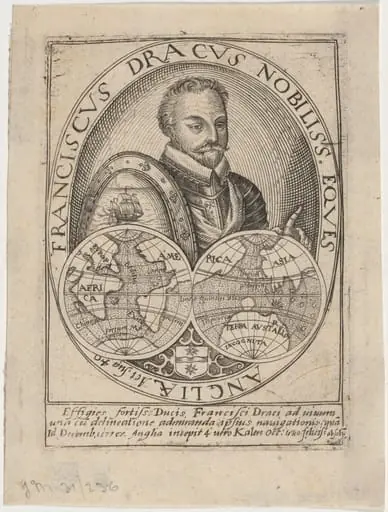 Sir Francis Drake
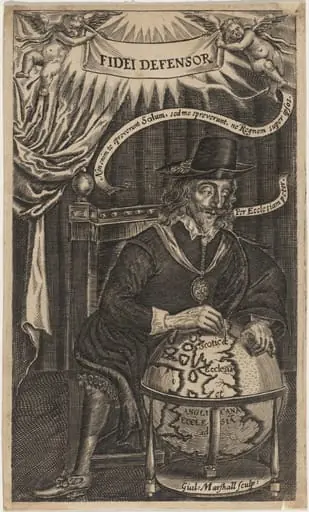 Charles I
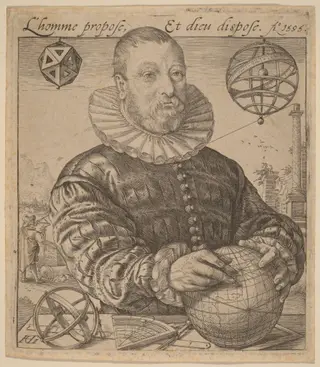 Nicolaus Petri van Deventer
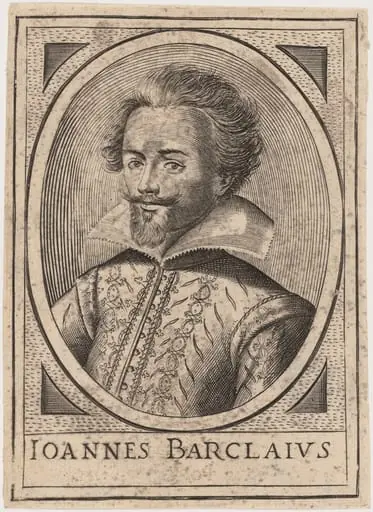 John Barclay
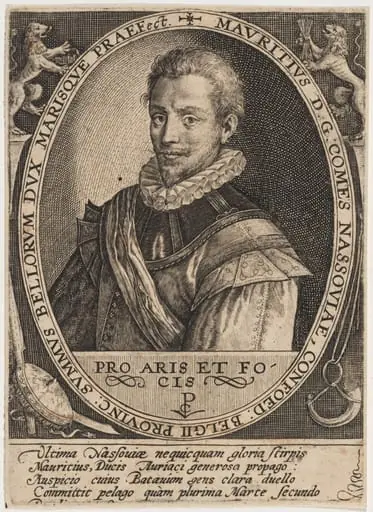 Maurice of Nassau, Prince of Orange
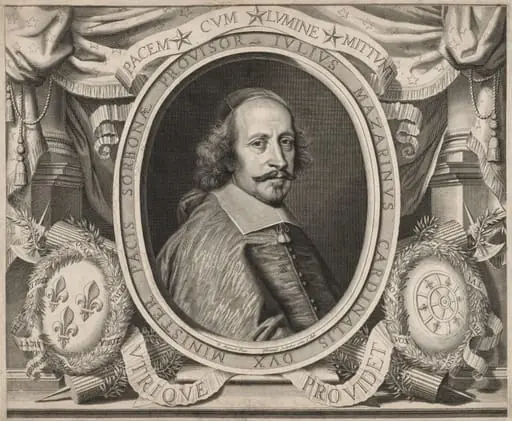 Cardinal Mazarin
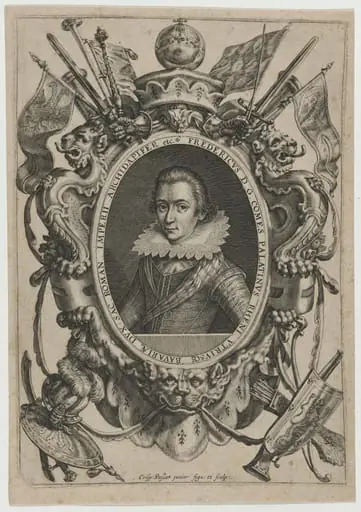
 Frederick V, Elector Palatine, King of Bohemia
- Thomas Cavendish